Support

Victoria Falls

About

Victoria Falls is widely recognized as the adventure capital of Africa, offering a vibrant mix of natural beauty and adrenaline-pumping activities. Located in the Matabeleland North Province of Zimbabwe, this bustling town sits on the southern bank of the Zambezi River. It serves as the primary gateway to one of the Seven Natural Wonders of the World, creating an atmosphere that is both energetic and awe-inspiring for travelers arriving from across the globe.

Victoria Falls. Source: Kupi.Binoculars

With a population of approximately 33,000 residents, the town is compact enough to navigate easily while providing world-class tourism infrastructure. The climate is generally warm and inviting, although the volume of the spray from the falls varies significantly with the seasons. The history of Victoria Falls is closely linked to the construction of the railway and the famous bridge in the early 1900s, which transformed a remote outpost into a thriving hub for exploration and leisure.

Beyond the thundering cascades of Mosi-oa-Tunya ("The Smoke That Thunders"), the town is famous for its diverse attractions. Thrill-seekers often head to the historic Victoria Falls Bridge for bungee jumping, while wildlife enthusiasts can enjoy safaris in the nearby Zambezi National Park. Whether you are planning to whitewater raft down the mighty Zambezi or enjoy a relaxing sunset cruise, Victoria Falls promises an unforgettable journey into the heart of African nature.

Weather Overview

Understanding the seasonal patterns is essential for planning the perfect trip to this spectacular destination. The region experiences a distinct contrast between its seasons, influencing everything from the water levels of the falls to wildlife visibility. For a detailed forecast and monthly breakdown, you can visit the page dedicated to the weather in Victoria Falls.

The cooler, drier months from May to August are often considered the most comfortable time for travel. During this period, rainfall is non-existent, with zero wet days recorded from May through September. Daytime temperatures are pleasant, generally peaking around 24°C to 27°C, though travelers should pack layers for the evenings, as minimum temperatures can drop to around 10.5°C in July.

From September to April, the heat and humidity increase significantly. October is typically the hottest month, with average maximums soaring to 34.5°C. The rainy season sets in fully by November and peaks in January, which sees an average of 22 wet days. Expect hot summers with frequent rain showers and mild, clear winters with cool nights.

Interesting Facts

Beyond the main attractions, Victoria Falls holds many fascinating secrets that surprise even the most seasoned travelers. Here are some intriguing details about this unique destination that add depth to its spectacular scenery.

  • Lunar Rainbows: Victoria Falls is one of the few places on Earth where you can witness a "moonbow." During a full moon, the light refracts through the massive spray of the waterfall, creating a rare and magical nocturnal rainbow that is visible to the naked eye.

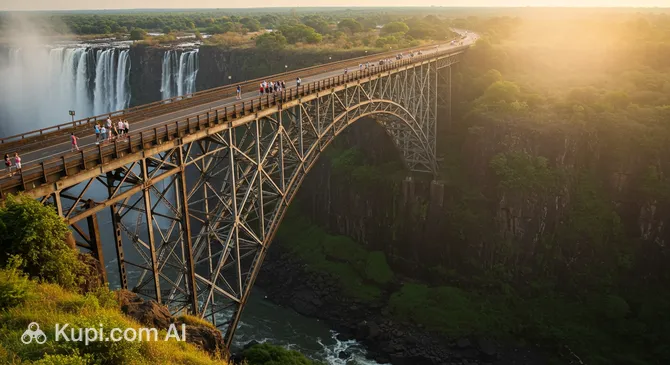
  • A Bridge Built for Spray: The iconic Victoria Falls Bridge was commissioned by Cecil John Rhodes with a very specific requirement. He insisted that the bridge be constructed in a location where the spray from the thundering water would fall on the passing trains, adding a dramatic touch to the rail journey.

  • Wildlife in the Streets: Since the town is situated within a national park area, the boundary between civilization and nature is quite blurred. It is not uncommon for visitors to encounter warthogs, baboons, or even elephants wandering calmly through the town center or grazing on hotel lawns.

  • A Waterfall in Motion: The geological formation known as Devil's Cataract is actually evidence of the falls slowly moving. This section is lower than the rest of the falls and represents a new fracture in the basalt rock, where the river is gradually cutting a new gorge that will eventually change the position of the waterfall entirely over thousands of years.

Victoria Falls Bridge. Source: Kupi.Binoculars

How to Get There

Reaching this iconic destination is relatively straightforward, with several options available depending on your itinerary and budget. Whether you are arriving directly by air or traveling overland from neighboring countries, the journey is often part of the adventure. For a comprehensive overview of routes and transport modes, you can check all ways to reach the city and plan your arrival accordingly.

The most direct entry point is the Victoria Falls Airport (VFA), located approximately 18 km south of the town. This international hub welcomes flights from major cities like Johannesburg, Cape Town, and Addis Ababa. The transfer from the airport to the town center typically takes about 20 minutes by taxi or shuttle bus. It is a modern facility capable of handling a significant volume of tourists, making it the primary gateway for visitors exploring the Zimbabwean side of the falls.

Alternatively, many travelers choose to fly into Livingstone Airport (LVI), situated in the city of Livingstone, Zambia. Although it is only about 12 km away from Victoria Falls, keep in mind that this route involves crossing the international border, which can add time to your journey. The drive itself takes approximately 20 minutes, excluding border formalities. Another option for those combining their trip with a safari in Botswana is Kasane Airport (BBK) in the city of Kasane. Located about 72 km away, the transfer is longer, taking around 1 hour, but it offers a scenic route through the region's wildlife corridors.

For clarity, here is a summary of the main airports:

Airport Name City Passenger Traffic Km from City
Victoria Falls Airport Victoria Falls High 18.2
Livingstone Airport Livingstone Medium 12.2
Kasane Airport Kasane Small 71.6
Mpacha Katima Mulilo Small 178.3

Main Attractions

Victoria Falls offers a diverse array of sights that go beyond the waterfall itself, ranging from historical engineering marvels to scenic dining spots. Exploring these attractions allows visitors to experience the sheer power of nature while enjoying the unique atmosphere of this bustling tourist hub.

One of the most iconic landmarks is the Victoria Falls Bridge, which famously connects Zimbabwe and Zambia. Completed in 1905, this steel arch bridge was part of Cecil Rhodes's vision to build a railway from Cape to Cairo. Today, it is a focal point for adrenaline junkies hosting the famous 111-meter bungee jump, but it also offers a historic walking tour where visitors can learn about its construction and enjoy breathtaking views into the deep Batoka Gorge.

For a closer look at the water's power, Devil's Cataract is an essential stop within the rainforest park. This section is the lowest point of the falls, separated from the rest by Boaruka Island. Its unique geology allows the river to cut a deep trench, creating a thunderous display that is often less obscured by spray than other viewpoints. It is also historically significant, as the statue of explorer David Livingstone overlooks this specific cataract, marking the area where he famously wrote about "scenes so lovely they must have been gazed upon by angels in their flight."

Devil's Cataract. Source: Kupi.Binoculars

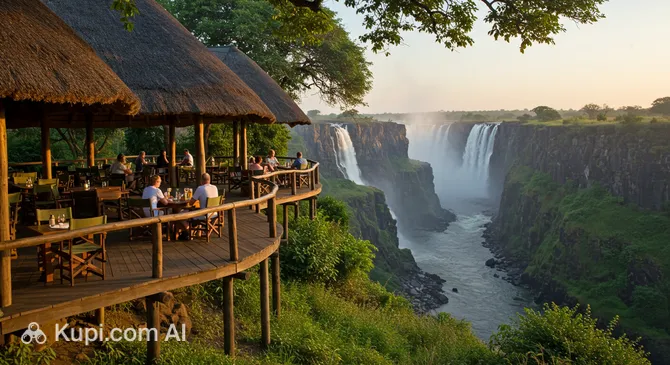
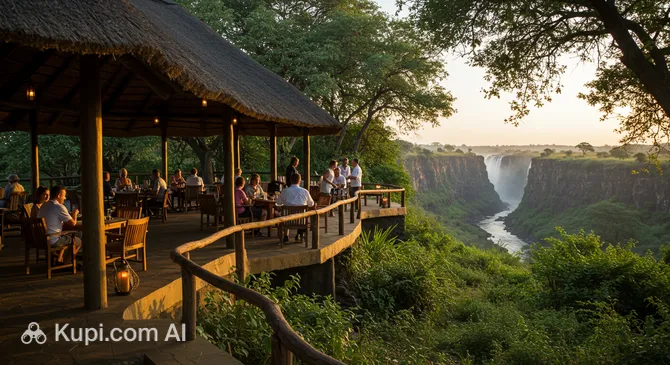
After a day of exploration, The Lookout Cafe provides a spectacular setting to relax. Perched 120 meters above the turbulent rapids of the Zambezi River, this venue offers more than just food; it serves up one of the best panoramic views in the region. Visitors can watch zip-liners and gorge swings in action while enjoying a meal, making it a perfect blend of scenic beauty and leisure. The cafe is renowned for its laid-back vibe and is an excellent spot to witness the dramatic landscape of the gorge.

The Lookout Cafe. Source: Kupi.Binoculars

Local Cuisine

Dining in Victoria Falls offers a unique blend of international sophistication and authentic African flavors, making it a delightful destination for food enthusiasts. The town is particularly famous for its game meat, which allows adventurous eaters to sample local wildlife in a sustainable culinary setting. Visitors often relish the opportunity to try dishes featuring warthog, kudu, or even crocodile tail, which are typically grilled to perfection and served with savory sauces.

For a taste of traditional Zimbabwean culture, the staple dish known as Sadza is a must-try. This thick, white maize porridge is the carbohydrate backbone of most local meals and is traditionally eaten by hand. It is usually accompanied by a relish of leafy greens, known as muriwo, and a hearty meat stew. For those feeling particularly brave, Mopane worms—a type of caterpillar that is fried or stewed—are a crunchy, protein-rich local delicacy often served as a snack or side dish.

Ilala Lodge Restaurant. Source: Kupi.Binoculars

No meal in this region is complete without sampling the local beverages. The most iconic drink is undoubtedly a cold Zambezi Lager, a local beer named after the mighty river, which is best enjoyed after a long day of sightseeing. "Sundowners," typically consisting of gin and tonics or cocktails, are a ritual here, often sipped while watching the sunset over the bush. Non-alcoholic options include refreshing ginger beer and seasonal fruit juices.

The dining atmosphere in the town ranges from lively, open-air markets to elegant establishments. Many visitors flock to "Boma" dinners, which are festive, buffet-style feasts accompanied by traditional drumming and dancing. For a more refined experience, the Ilala Lodge Restaurant offers exquisite cuisine often served under the starlit African sky, providing a perfect setting to listen to the distant roar of the falls while you dine.

Travel Tips

Welcome to Victoria Falls! To make your visit to this adrenaline-filled capital as smooth and enjoyable as possible, we have compiled a list of essential practical advice. These tips will help you navigate local customs, manage your logistics, and focus entirely on the breathtaking experiences that await you.

  1. Clothing and Gear: The spray from the falls can be incredibly intense, often soaking visitors to the skin, so a waterproof poncho and quick-drying clothes are essential. Wear comfortable, non-slip walking shoes with good grip for the wet rainforest paths. For electronics, bring a travel adapter; Zimbabwe typically uses the British-style Type G (three square pins) or occasionally Type D (three round pins) plugs.

  2. Transportation: The town center is relatively compact and can often be explored on foot, but for airport transfers or visiting lodges on the outskirts, official taxis and hotel shuttles are the best options. There are no public metros or trams, and ride-hailing apps are not standard here. Always negotiate and agree on the fare with your taxi driver before starting your journey.

  3. Finances: While the country has its own currency, the US Dollar (USD) is the primary currency used by tourists. It is crucial to bring plenty of cash in small denominations ($1, $5, $10), as vendors often lack change. International credit cards (Visa and Mastercard) are accepted at major hotels and restaurants, but ATMs can be unreliable for withdrawing cash, so arrive prepared.

  4. Health and Safety: This region is a malaria zone, so pack strong insect repellent and consult your doctor about prophylactics before traveling. Always drink bottled water rather than tap water. A unique safety rule here concerns wildlife: animals like elephants and buffalo roam freely around the town, so never walk in unlit areas or on the outskirts at night.

  5. Communication: English is an official language and is widely spoken, especially in the tourism sector, so you will have no trouble communicating. Wi-Fi is generally available in hotels and cafes, though speeds may vary. For mobile data, you can easily purchase a local SIM card from providers like Econet or NetOne at the airport or in town.

  6. Local Etiquette: Zimbabweans are renowned for their friendliness and politeness. It is customary to exchange proper greetings—a handshake and a "How are you?"—before asking for directions or ordering food. When interacting with locals, patience and a smile are highly valued and will ensure a warm reception.

  7. What to Avoid: Do not feed the baboons or monkeys. They are ubiquitous in the town and hotel grounds but can become aggressive and snatch bags if they suspect you have food. Additionally, avoid exchanging money on the street with unauthorized dealers; stick to official bureaus or use your USD cash directly.

  8. Border Crossing Tip: If you plan to view the falls from the Zambian side or take a day trip to Chobe in Botswana, consider asking for the KAZA UniVisa upon arrival at the airport. If available, this single visa saves money and time by allowing multiple entries between Zimbabwe and Zambia for 30 days.

By keeping these practical tips in mind, you will be well-prepared to embrace the magic of Victoria Falls without any hassles. Enjoy the thunderous roar of the water, the warm hospitality of the locals, and the unforgettable adventures that make this destination truly unique.

Entertainment & Nightlife

The nightlife in Victoria Falls is less about neon-lit nightclubs and more about the time-honored tradition of "sundowners," cultural experiences, and relaxed gatherings under the African sky. After a day of adrenaline-filled activities, the town shifts gears into a vibrant social hub where travelers from around the world swap stories over cold local beers and signature cocktails. The atmosphere is generally laid-back and friendly, with a "safari-chic" vibe that welcomes casual dress in most establishments.

The evening typically begins at sunset, a ritual that is taken very seriously here. For the best views of the gorge as the sky turns fiery orange, visitors flock to The Lookout Cafe. While it is a prime lunch spot, in the early evening, it transforms into a spectacular venue for drinks. Sip on a craft gin and tonic while hovering 120 meters above the Zambezi River; it is the perfect place to start your night before heading into town for dinner.

For those seeking a more sophisticated evening, the Ilala Lodge Restaurant offers an elegant setting. Here, the nightlife is defined by fine dining accompanied by the gentle roar of the falls in the background. It is an ideal spot for a romantic dinner or a quiet evening with excellent wine. Alternatively, many tourists seek out the famous "Boma" experiences available at various lodges, which provide an interactive evening of traditional drumming, dancing, and local cuisine, often continuing late into the night.

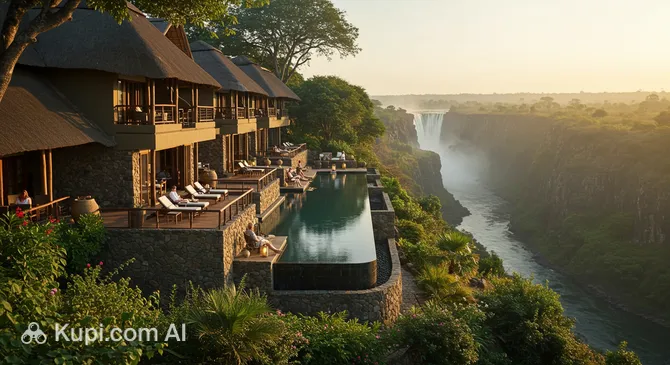
If you are looking for entertainment that extends past dinner, the Elephant Hills Resort is a key destination. Located on a small hill overlooking the river, this resort features a casino for those feeling lucky, as well as bars that stay open later than many town-center cafes. It offers a lively yet secure environment to enjoy the later hours.

Elephant Hills Resort. Source: Kupi.Binoculars

Practical Advice and Safety:

Safety at night in Victoria Falls involves a unique rule: beware of the wildlife. Elephants, buffalo, and hippos frequently roam the streets after dark. Therefore, walking at night is strictly discouraged, even for short distances on the outskirts of town. Always take a taxi between venues; rides are affordable, typically costing between $5 and $10 for trips around the town center. Taxis can be easily hailed from hotels or restaurants.

Most bars and restaurants close by 10:00 PM or 11:00 PM, though hotel bars and the casino may stay open later. The dress code is generally casual, but if you are visiting upscale venues like Ilala Lodge or the casino, "smart casual" attire is recommended.

Daytime Entertainment:

Before the sun goes down, the town offers plenty of cultural entertainment. Visitors can explore local art galleries and the Elephant's Walk Shopping and Artist's Village to see local craftsmen at work. Museums and heritage centers provide insight into the local history and geology, offering a relaxed counterpoint to the high-energy outdoor activities.

Parks & Museums

While the thundering waterfall is the undisputed centerpiece, the city of Victoria Falls is surrounded by a wealth of green spaces and cultural institutions that offer a deeper understanding of the region. From the mist-nourished rainforests to galleries showcasing indigenous art, the area provides visitors with a rich tapestry of natural and historical experiences beyond the curtain of water.

The most significant natural area is undoubtedly the Victoria Falls National Park, often referred to locally as the "Rainforest." This protected area runs along the edge of the gorge and features a unique microclimate created by the perpetual spray of the falls. Even during the dry season, the constant moisture sustains a lush, dense jungle environment filled with mahogany trees, palms, and lianas. It is the primary location for viewing the Main Falls and offers a cool, shaded retreat where visitors can spot bushbuck and monkeys while walking the scenic paths.

Just upstream from the falls lies the expansive Zambezi National Park, a haven for wildlife enthusiasts. Unlike the enclosed rainforest, this park features open savannah and riverine bush, making it an excellent spot for game drives and walking safaris. Here, tourists can encounter herds of elephants, buffalo, and even lions in their natural habitat, all against the backdrop of the mighty Zambezi River. It provides a serene counterpoint to the high energy of the tourist town, allowing for quiet moments of connection with African nature.

For those interested in the cultural heritage of the region, the Jafuta Heritage Centre is a must-visit. Located within the Elephant's Walk Shopping Village, this small but informative museum houses a private collection of material culture from the Batonga, Shona, Ndebele, and Lozi peoples. It offers fascinating insights into local jewelry, costumes, and traditional tools, helping visitors understand the human history that has thrived alongside the river for centuries. Additionally, art lovers should explore the Stone Dynamics Gallery, which specializes in monumental Shona sculpture, a celebrated Zimbabwean art form known worldwide for its emotive power and technical skill.

Among the architectural and engineering marvels, the Knife Edge Bridge stands out as a heart-stopping vantage point. This structure allows visitors to walk out over a precipice, offering a dizzying and dramatic perspective of the falls. Depending on the water levels and wind, crossing this bridge can be an immersive experience, often leaving pedestrians drenched in spray but rewarded with one of the most photogenic angles of the cascading water and the basalt gorge below.

Knife Edge Bridge. Source: Kupi.Binoculars

Insider Tip: For a quick but impressive natural sight without the park fees, visit The Big Tree. This ancient baobab, estimated to be over 1,000 years old, stands majestically near the river. Its massive girth and historical significance as a meeting point for early explorers and traders make it a humbling spot for a brief stop and a photo opportunity.

Getting Around

Public transport in Victoria Falls differs significantly from the complex networks found in major global metropolises. There is no metro, tram, or extensive municipal bus system designed for commuting. Instead, the town relies on a more informal yet efficient network of taxis and shuttle services that cater specifically to the needs of visitors. The town's compact size means that navigating between hotels, the town center, and the major attractions is relatively quick and straightforward.

For most tourists, official taxis are the primary mode of transportation. These are easily identifiable, often painted in distinct colors or marked with official signage. Unlike in many other cities, taxis here generally do not use meters. Instead, fares are standard for specific zones or distances. A typical trip within the town center or from a hotel to the falls usually costs between $5 and $10. It is standard practice to confirm the price with the driver before getting into the vehicle to avoid any misunderstandings upon arrival.

Another popular option is the hotel shuttle. Many lodges and hotels operate their own scheduled shuttle buses that transport guests to the entrance of the rainforest, the town center, and sometimes the local markets. These services are often complimentary or provided for a nominal fee. Visitors are advised to check the schedule at their hotel reception, as these shuttles run at specific times throughout the day, offering a convenient and safe way to get around without the need to hail a cab.

Regarding payment, cash is king for all local transport. While the destination is modernizing, taxi drivers and small transport operators rarely have card machines. The US Dollar (USD) is the standard currency used for these transactions. It is highly recommended to carry small denominations (such as $1, $5, and $10 bills), as drivers frequently do not have enough change for larger notes. There are no travel cards, passes, or mobile transport apps like Uber currently operating in the area, so relying on cash is essential.

For those who prefer active exploration, walking is a viable option during the day, as the distance between the town center and the falls is quite short (about 1 to 2 kilometers). However, pedestrians must remain vigilant. Since the town is located within a national park area, wildlife such as warthogs and elephants can occasionally be seen on the roadsides. For this reason, walking after dark is strictly discouraged; always take a taxi in the evening, even for short distances.

Bicycle rentals are available for tourists who want more freedom to explore at their own pace. Several tour operators and hotels offer bikes for hire, allowing you to ride along the scenic Zambezi Drive or visit the Big Tree. If you choose this option, remember that you are sharing the road with vehicles and potentially wildlife, so caution is advised.

A unique feature of the local transport landscape is the Bamba Tram. While not a public commuter vehicle, this vintage-style tram offers a nostalgic rail experience. It runs on the historic railway tracks, typically offering scheduled trips that include a stop on the famous bridge for refreshments. It serves more as a scenic attraction than a practical way to get from point A to point B, but it provides a delightful way to see the landscape from a different perspective.

Accommodation

Accommodation in Victoria Falls caters to a remarkably wide spectrum of travelers, ranging from budget-conscious backpackers to those seeking the ultimate in colonial-style luxury. The town has developed a robust hospitality industry that includes lively hostels, comfortable family-run guesthouses, and exclusive riverfront lodges. Whether you are looking for a simple bed to crash in after a day of rafting or a private suite with a view of the waterholes, you will find options that suit your style and wallet.

When choosing where to stay, location is a key factor. The town center is the most convenient area for those who want to be within walking distance of the main entrance to the falls, local markets, and cafes. Staying here means you can often explore on foot during the day and save on transport costs. Conversely, the outlying areas and the banks of the Zambezi River offer a more secluded, safari-like experience. Lodges located here often provide shuttle services to the falls but offer the added benefit of being immersed in the bush, where wildlife sightings from your balcony are common.

For travelers looking for a resort-style experience with extensive amenities, the Elephant Hills Resort is a prominent choice. Situated on a small hill overlooking the Zambezi River, this large property is well-known for its 18-hole golf course and family-friendly facilities. It offers a blend of comfort and recreation, making it a popular base for groups and families who want a reliable and spacious environment slightly removed from the bustle of the immediate town center.

Booking Tips and Prices:

The cost of accommodation varies significantly. Budget hostels and campsites can be quite affordable, while high-end luxury lodges can command prices comparable to top international destinations. Pricing is almost exclusively in US Dollars (USD). Due to the destination's popularity, especially during the peak dry season (May to August) and the Christmas holidays, it is highly recommended to book your accommodation several months in advance. While walk-ins are sometimes possible in the low season, securing your booking online ahead of time ensures you get your preferred location and rate.

Nearby Cities

For those looking to explore the surroundings, Victoria Falls serves as an excellent base for day trips to several interesting nearby locations:

Just a short distance south of the town lies Hwange National Park, Zimbabwe's largest game reserve. It is a premier destination for a full-day safari, renowned for its massive herds of elephants and diverse wildlife population. Visitors can enjoy guided game drives through the teak forests and open plains, offering a chance to spot lions, wild dogs, and buffalo in their natural habitat without needing to travel far from their base at the falls.

Although situated across the border in Zambia, the town of Livingstone is a frequent day-trip destination for tourists in Victoria Falls. Accessible via the historic bridge, it offers a different perspective of the waterfall and access to the Livingstone Island. The town itself is rich in history, housing the Livingstone Museum which displays memorabilia of the famous explorer David Livingstone, making it a perfect spot for cultural exploration.

For travelers willing to venture further for a short visit or an overnight extension, Bulawayo is the region's cultural hub. Known as the "City of Kings," it features wide, tree-lined avenues and impressive colonial architecture. It serves as the gateway to the Matobo Hills, a UNESCO World Heritage site famous for its balancing rocks and ancient San rock art, providing a stark and beautiful contrast to the lush riverine environment of the falls.

City Population Distance (km)
Bulawayo 653337 380
Gweru 141260 453
Kwekwe 93072 436
Norton 87038 513
Kadoma 79174 434

These nearby destinations offer a glimpse into the diverse culture and landscapes of the region.

Shopping & Souvenirs

Shopping in Victoria Falls is less about high-end fashion and sprawling department stores and more about discovering the rich artistic heritage of Zimbabwe. The city is a treasure trove for authentic African craftsmanship, offering visitors a chance to purchase high-quality handmade goods directly from the artisans. The atmosphere is generally relaxed, though the open-air markets can be lively and interactive, with vendors eager to showcase their work.

The main retail activity is concentrated within the compact town center, making it easy to explore on foot. One of the most popular and upscale destinations is the Elephant's Walk Shopping and Artist's Village. This complex offers a curated selection of boutique stores and galleries set in a lush garden environment. Here, you can watch artists at work and browse through high-quality jewelry, leather goods, and interior décor items in a hassle-free setting.

For those seeking a more conventional retail experience, the Sawanga Shopping Mall is a modern addition to the town's infrastructure. It houses a large supermarket, banks, a pharmacy, and several clothing stores, making it the go-to spot for travel essentials, groceries, and camping gear. Another notable commercial hub is the Phumula Centre, which offers a mix of travel agencies, casual eateries, and smaller shops.

The true heartbeat of the local shopping scene, however, is found in the Curio Markets. The largest open-air market is located near the entrance to the rainforest, where dozens of stalls display a colorful array of goods. This is the place to engage with local culture, and unlike in the fixed-price boutiques, friendly bargaining is expected and welcomed here. It is an excellent spot to find unique gifts while supporting the local community.

When it comes to souvenirs, Zimbabwe is world-famous for its Shona stone sculpture. These carvings, created from serpentine and soapstone, range from small, portable pieces to monumental works of art. Other popular items include intricate wood carvings of the "Big Five," hand-painted batik fabrics, woven baskets, and jewelry made from copper or seeds. Wire art is also a distinct local craft, with talented artists fashioning complex sculptures of motorcycles and animals entirely out of recycled wire.

Most shops in the town center open around 08:00 or 09:00 AM and close by 17:00 PM, although supermarkets in the malls may stay open later, often until 19:00 or 20:00. While the official currency is the ZiG, the US Dollar (USD) is the de facto currency for tourism and is accepted everywhere. It is highly recommended to carry small denominations of USD cash ($1, $5, $10) for markets and small purchases, as change is often scarce. Credit cards are generally accepted in larger stores, hotels, and the Elephant's Walk complex, but cash is king in the open markets.

Tourists purchasing expensive items may be eligible for a VAT refund upon leaving the country. To take advantage of this, ensure you shop at registered retailers who can provide a tax invoice. You will need to present the goods and the receipts to the customs officials at the airport or border post upon departure to claim the refund, so keep your paperwork organized.
Reached the end of the page?

That means the route is fully explored