Support

Luderitz

About

Welcome to Luderitz, a surreal and captivating harbour town perched on the rocky Atlantic coast of Namibia. Famous for its well-preserved German Art Nouveau architecture and relaxed pace of life, this destination offers a striking contrast between the rough, dark blue ocean and the vast, shifting sands of the Namib Desert. It is a place where time seems to stand still, offering a unique atmosphere that differs significantly from the rest of the country.

Luderitz. Source: Kupi.Binoculars

Located in the //Karas Region, the town is home to a community of approximately 12,500 residents. The area is characterized by its windy climate and rugged coastline, which has shaped both the landscape and the local lifestyle. The history of Luderitz is deeply intertwined with the diamond rush of the early 20th century, leaving behind a fascinating cultural and architectural legacy that continues to intrigue visitors today.

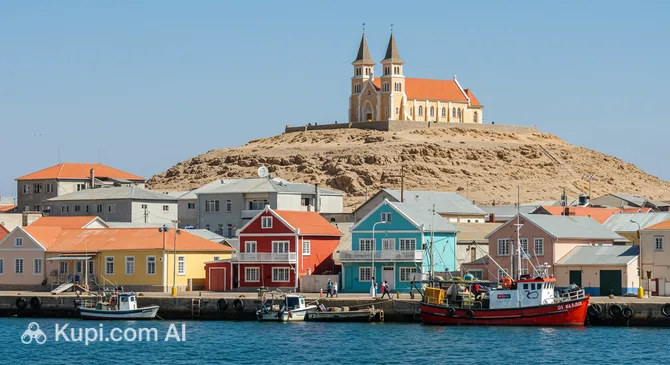
Travelers are often drawn here to explore unique sites such as the famous Kolmanskop, a ghostly abandoned diamond mining town located just a few kilometers inland, which is slowly being reclaimed by the sand dunes. Within Luderitz itself, the iconic Felsenkirche (Church on the Rock) dominates the skyline from Diamond Hill, offering panoramic views of the bay. Nature lovers can also venture to Diaz Point to see the replica of the cross erected by Portuguese explorer Bartolomeu Dias and observe local wildlife, including seals and flamingos.

Whether you are a history enthusiast, a photographer seeking dramatic landscapes, or an adventurer looking for off-the-beaten-path experiences, Luderitz promises an unforgettable journey. We invite you to come and discover the timeless charm of this coastal gem at the edge of the desert.

Weather Overview

The climate in Luderitz is defined by its unique coastal desert setting, offering mild and stable conditions throughout the year. Unlike many inland areas of the country, this town avoids extreme heat due to the cooling influence of the Atlantic Ocean. To help plan your trip, you can view more detailed information about the weather in Luderitz on our dedicated page.

Temperatures remain relatively moderate regardless of the season. The warmest months are typically January and February, when average temperatures hover around 20°C and daily highs reach up to 23.7°C. The winter period, spanning from June to August, is cooler but rarely freezing, with average temperatures dipping to approximately 15°C and lows around 10°C.

Rainfall is exceptionally scarce in this region. The weather data indicates that for the vast majority of the year, precipitation is 0mm. While June and July may occasionally see a rare wet day or two, travelers can generally expect dry skies and consistent weather patterns ideal for sightseeing.

Interesting Facts

Beyond the well-known colonial architecture and the encroaching desert, Luderitz holds a collection of fascinating secrets and unique traits that often surprise visitors. Here are a few intriguing details about this isolated coastal town that add depth to its sandy streets.
  • Luderitz is a world-renowned destination for extreme speed sailing. The local lagoon hosts the annual Luderitz Speed Challenge, where the specific combination of fierce winds and shallow, flat water creates a natural wind tunnel, allowing windsurfers and kitesurfers to frequently break world speed records.

  • The town is famous for its exceptional seafood, particularly its oysters. Thanks to the cold, nutrient-rich Benguela Current that flows past the coast, the oysters farmed here are considered a delicacy and are exported globally for their superior quality.

  • While the town feels quiet today, its maritime legacy is significant. Robert Harbour and the surrounding bays mark the site of the first German settlement in South West Africa, originally named Angra Pequena by Portuguese explorer Bartolomeu Dias.

  • The railway line connecting Luderitz to the interior has historically battled the landscape itself. For decades, workers had to constantly clear shifting sand dunes that would bury the tracks overnight, a testament to the persistence required to maintain this outpost during the diamond rush era.

Robert Harbour. Source: Kupi.Binoculars

How to Get There

Reaching this isolated coastal town is an adventure in itself, often involving a journey through the vast and starkly beautiful landscapes of the Namib Desert. For most travelers, the primary mode of transport is by road. The town is connected to the rest of the country via the B4 national road, which stretches west from Keetmanshoop. This drive is renowned for its scenery, particularly as you approach the coast where the famous wild horses of the Namib can often be spotted near Garub. However, drivers should be prepared for strong winds and occasional sand drifts on the tarmac.

For those arriving from abroad, the journey typically begins at Hosea Kutako International Airport in Windhoek, followed by a connecting domestic flight or a long-distance drive. Luderitz has its own regional airport located a short distance from the town center, which generally handles flights from the capital and other local hubs like Oranjemund. While there are no scheduled passenger train services to the town, the road network and domestic air links make it accessible for determined visitors. For detailed information on routes, airlines, and driving tips, you can check our guide on how to get to Luderitz.

Main Attractions

Kolmanskop remains the region's most famous draw, offering a surreal glimpse into the past. Located just a short drive inland, this former diamond mining town was abandoned to the desert sands in the mid-20th century. Today, photographers and history enthusiasts flock here to walk through the grand German houses, where dunes have piled up in the rooms, creating a hauntingly beautiful atmosphere that speaks to the fleeting nature of wealth and settlement in the Namib.

For a lively maritime experience, Robert Harbour is the focal point of the town's waterfront activities. It serves as the departure point for exciting boat excursions to nearby islands, such as Halifax Island, where visitors can observe African penguins and Heaviside's dolphins in their natural habitat. The harbour area is not only a gateway to marine wildlife but also a scenic spot to soak in the coastal refreshing air and watch the fishing boats return with their daily catch.

Robert Harbour. Source: Kupi.Binoculars

After a day of exploring, the town offers excellent dining options that highlight its reputation for fresh seafood, particularly the locally farmed oysters. The Portuguese Fisherman Restaurant is a favorite among locals and tourists alike, known for its generous seafood platters and relaxed ambiance. Another standout venue is Essenzeit, located right on the waterfront, where you can enjoy a diverse menu ranging from fresh fish to hearty meat dishes while taking in lovely views of the bay.

Local Cuisine

Luderitz is widely celebrated as the seafood capital of Namibia, offering a culinary experience that is heavily defined by the pristine, cold waters of the Atlantic Ocean. The local gastronomy is a fascinating blend of fresh maritime bounty and hearty German colonial traditions. For food lovers, the town provides a rare opportunity to taste some of the freshest catch in the world, served in a relaxed, unpretentious atmosphere where the ocean view often accompanies the meal.

The absolute star of the local menu is the Luderitz oyster. Cultivated in the nutrient-rich Benguela Current, these oysters are prized globally for their meaty texture and intense, hazelnut-like flavor. Another delicacy you must not miss is the West Coast rock lobster, often referred to locally as crayfish. Whether grilled with garlic butter or served in a rich thermidor sauce, crayfish is a signature dish that defines the region's flavor profile.

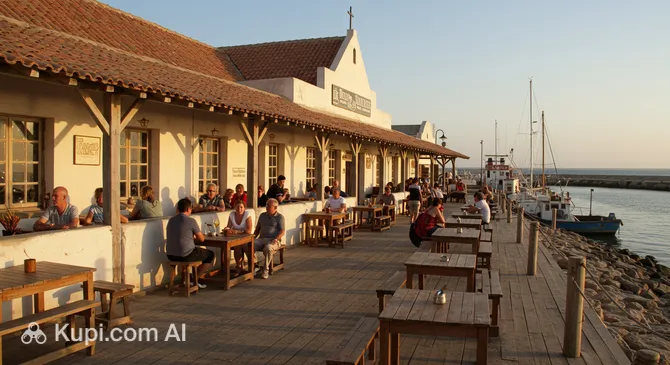
The Portuguese Fisherman Restaurant. Source: Kupi.Binoculars

Beyond seafood, the town's European heritage is evident in its comfort food. Visitors can easily find traditional schnitzel, bratwurst, and eisbein (pork knuckle) on menus, often accompanied by sauerkraut and potatoes. For those with a sweet tooth, local cafes serve excellent apple strudel and fresh brötchen (bread rolls), making for a delightful breakfast or afternoon treat.

To wash down these hearty meals, the drink of choice is undoubtedly beer. Namibia has a strong brewing culture, and you will find premium lagers brewed according to the German Purity Law (Reinheitsgebot) everywhere. For a refreshing non-alcoholic option, a Rock Shandy—a mix of lemonade, soda water, and bitters—is a favorite among locals to quench their thirst after a day in the desert wind.

Dining here is mostly a sit-down affair, centered around cozy establishments rather than street food stalls. For a quintessential taste of the ocean, The Portuguese Fisherman Restaurant offers an extensive selection of seafood platters prepared with a touch of Mediterranean flair. Alternatively, Essenzeit provides a fantastic waterfront setting where you can enjoy everything from fresh fish to game steaks while watching the waves crash against the shore.

Travel Tips

To ensure your visit to this unique coastal town is as smooth as it is memorable, we have compiled a list of essential travel advice. These practical tips will help you navigate the local customs, climate, and logistics of staying in Luderitz.

  1. Clothing and Gear: The weather here is notoriously unpredictable and often windy. Even in summer, the Atlantic breeze can be chilly, so a windproof jacket and warm layers are essential. Bring comfortable closed shoes, especially if you plan to walk through the sand-filled rooms of Kolmanskop, where the dunes can be deep. Don't forget sunglasses and high-SPF sunscreen, as the combination of sun and wind can cause burns quickly.

  2. Transportation: The town center is compact and safe to explore on foot, allowing you to admire the architecture at your own pace. However, to visit attractions like Diaz Point, Grosse Bucht, or the ghost town, a rental car is necessary. There is no public transport system like buses or trains within the town, and ride-hailing apps are not available. Local taxis exist but are mostly shared sedans used by residents for specific routes.

  3. Finances: The local currency is the Namibian Dollar (NAD), which is pegged 1:1 to the South African Rand (ZAR); both are accepted freely. Major credit cards (Visa and Mastercard) are widely accepted in hotels, restaurants, and supermarkets. However, it is wise to carry some cash for small purchases, tips, or entrance fees at smaller sites. ATMs are readily available in the town center.

  4. Health and Safety: Luderitz is generally a very safe destination for tourists, with low crime rates compared to larger cities. Standard precautions, like not leaving valuables visible in your car, are still advised. Pharmacies are available in town for basic medical needs but usually close in the early evening and on Sundays. The biggest health risk here is dehydration and sun exposure due to the desert climate, so drink plenty of water.

  5. Communication: English is the official language and is widely spoken in tourism and business sectors. You will also hear a significant amount of German due to the town's history, as well as Afrikaans and Oshiwambo. Wi-Fi is standard in most guesthouses and restaurants. For mobile data, you can buy a local SIM card (MTC is the main provider) at the airport or local supermarkets.

  6. Local Etiquette: Locals are polite and value proper greetings. A friendly "Hello, how are you?" and a handshake are customary before asking a question or starting a transaction. The pace of life is slower here than in big cities; patience and a smile go a long way. Dress codes are casual, but swimwear is appropriate only at the beach.

  7. What to Avoid: Strictly avoid entering any area marked as Sperrgebiet (Forbidden Zone) or restricted diamond mining areas without a valid permit. These boundaries are serious, and trespassing can lead to heavy fines or arrest. Also, do not underestimate the wind when opening your car door; the gusts can be strong enough to damage the hinges.

  8. Local Insight: Be aware of "island time" regarding shop hours. Many businesses and shops close early on Saturdays (often by 1:00 PM) and remain closed on Sundays. Plan your grocery shopping and fuel stops accordingly to avoid being caught out over the weekend.

With these tips in hand, you are well-prepared to embrace the quirky charm and rugged beauty of this desert outpost. Enjoy the fresh seafood, the historic streets, and the refreshing Atlantic air!

Entertainment & Nightlife

Nightlife in Luderitz is characterized by a laid-back, small-town charm rather than the high-energy clubbing scene found in larger cities. The town does not have a bustling district of nightclubs or discos; instead, the evening entertainment revolves around convivial dining, cozy pubs, and waterfront bars where locals and travelers mingle. The atmosphere is warm and welcoming, focusing on good conversation, cold beer, and enjoying the maritime setting under the starry desert sky.

The main hub for evening activity is undoubtedly the waterfront area near Robert Harbour. Here, you will find the town's most popular venues, which transition seamlessly from restaurants during the day to lively social spots at night. The crowd is a mix of local residents, fishermen, and tourists, creating an unpretentious and friendly vibe. Since the town is small, the dress code is almost exclusively casual, though it is highly recommended to bring a warm jacket, as the Atlantic winds can make the evenings quite chilly.

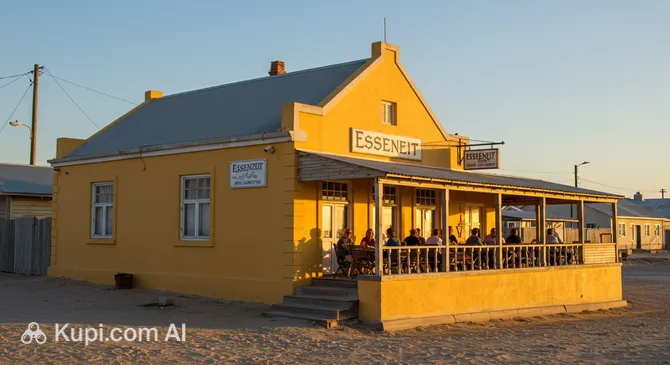
Essenzeit. Source: Kupi.Binoculars

One of the standout spots for an evening out is Essenzeit. Located directly on the waterfront, this venue is a favorite for its extensive menu and vibrant atmosphere. It is the perfect place to enjoy a sundowner while watching the boats bob in the harbor, and it often stays open later than other establishments, serving as a central gathering point. For a slightly more intimate setting, The Portuguese Fisherman Restaurant offers a fantastic selection of wines and seafood in a cozy environment that feels perfect for a relaxed night out.

When planning your evening, keep in mind that Luderitz is an early-to-bed town. Most kitchens close by 9:00 PM or 9:30 PM, and while bars may stay open a bit longer, the town generally quiets down before midnight. Prices are reasonable and generally lower than in the capital, with a beer or a glass of wine costing a fraction of international prices. While credit cards are widely accepted at the main venues, it is always useful to have some cash for smaller tips or older pubs.

Safety in Luderitz is generally good, and the town center is safe for walking in the early evening. However, as the streets can become very quiet and dark later at night, it is advisable to arrange a taxi if you are staying on the outskirts of town or walking back late. Taxis here are often shared and not always marked clearly, so asking your restaurant or hotel to call a reliable driver for you is the best practice.

Before the sun sets and the evening begins, the town offers distinct daytime entertainment options centered on history and culture. Visitors can explore the colonial-era architecture, visit the local museum to learn about the diamond rush, or take a tour of the iconic Goerke Haus. These activities provide a fascinating context to the town's heritage before you settle in for a relaxing evening by the bay.

Parks & Museums

While Luderitz may not be known for lush, manicured botanical gardens typical of wetter climates, its "green spaces" are defined by the raw, dramatic beauty of the Atlantic coastline and the surrounding Namib Desert. Instead of traditional city parks, the town offers vast, open natural areas where the ocean meets the dunes, alongside a selection of cultural institutions that preserve the region's fascinating and complex history.

The most significant natural attraction serves as the town's playground: the Luderitz Peninsula. This rugged stretch of land protects the bay and offers numerous bays and beaches, such as Grosse Bucht (Big Bay) and Sturmvogelbucht. It is a haven for nature lovers, where you can spot flocks of flamingos wading in the shallows and, with some luck, Heaviside's dolphins playing in the surf. The area is less about picnicking on grass and more about exploring the wild, windswept landscapes, breathing in the fresh sea air, and witnessing the power of the Atlantic Ocean crashing against the rocky shore.

Another unique natural area is Agate Beach, located just a short drive north of the town. Unlike the rocky southern coast, this beach is sandy and sheltered, making it a popular spot for a braai (barbecue) or a seaside walk. It is famous for the sand roses—crystallized gypsum formations formed by the combination of moisture and sand—that can sometimes be found here. While it is strictly forbidden to remove them, hunting for these geological treasures makes for an engaging activity in this starkly beautiful environment.

For a deep dive into the local heritage, the Luderitz Museum is an essential stop. Situated near the center of town, this facility provides a comprehensive overview of the town's past, ranging from the diamond rush era to the natural history of the region. The exhibits are diverse, featuring collections on the indigenous people of Namibia, the local maritime history, and the unique desert flora and fauna. It offers excellent context for understanding how this isolated settlement survived and thrived between the desert and the deep blue sea.

Architectural enthusiasts will find the town itself to be a living museum, with the Goerke Haus standing out as a prime example. This magnificent residence, built in 1910 on the slopes of Diamond Hill, is one of the most beautifully preserved Art Nouveau buildings in Namibia. Originally the home of a diamond mining inspector, it is now open to the public during specific hours. A tour through its rooms offers a glimpse into the lavish lifestyle of the early 20th-century elite, complete with period furniture and stunning stained-glass windows.

The waterfront area, anchored by Robert Harbour, acts as a central plaza for the town. While it is a working port, it is also a place where locals and tourists gather to watch the fishing boats and soak up the maritime atmosphere. The surrounding colonial buildings, such as the iconic Felsenkirche (Church on the Rock) perched on the hill above, complete the picture of a town suspended in time.

Insider Tip: If you visit Agate Beach, try to go during low tide and early in the morning. The light is softer for photography, and the receding water often reveals interesting marine life in the rock pools, offering a quiet moment of connection with nature away from the windier points of the peninsula.

Getting Around

Public transport in Luderitz is quite different from what you might expect in a large metropolitan city. Due to its small population and compact size, the town does not possess a formal municipal transport network involving metros, trams, trolleybuses, or scheduled large buses. For the vast majority of visitors, the town center is small enough to be navigated entirely on foot, allowing for a leisurely exploration of the historic architecture and waterfront.

The primary form of motorized public transport available to locals and tourists alike is the shared taxi system. These are typically standard sedan cars that operate on set routes or can be flagged down around town. Unlike private cabs in other parts of the world, these taxis often pick up multiple passengers going in the same general direction. They are easily identifiable, and while they do not have a digital app or a central dispatch office, they are a reliable way to get from one side of the town to the other if you prefer not to walk.

Regarding payment, the system is exclusively cash-based. There are no travel cards, electronic passes, or mobile payment apps for transport in Luderitz. You will need to pay the driver directly upon entering or exiting the vehicle. The fares are generally fixed for short trips within the town limits and are very affordable. It is highly recommended to carry small denominations of the local currency, as drivers may not always have enough change for large notes.

For tourists wishing to visit attractions located outside the immediate town center, such as the ghost town of Kolmanskop, Diaz Point, or the various bays along the peninsula, relying on taxis can be limiting. In these cases, renting a car is the most practical alternative. Having your own vehicle provides the freedom to explore the rugged coastline and desert surroundings at your own pace, which is essential given the lack of scheduled bus services to these specific tourist sites.

Walking remains the most popular and pleasant option for navigating the town itself. The streets are generally safe and quiet, and the distances between hotels, restaurants, and the harbor are short. However, if you do choose to walk, be mindful of the town's famous winds, which can be quite strong. There are no historic cable cars or tourist trains operating for daily transport, so comfortable walking shoes are your best asset for getting around.

If you require a transfer to or from the local airport, it is best to arrange this in advance through your accommodation or a tour operator, as regular taxis may not always be waiting there. Some guesthouses offer shuttle services for their guests, which is often the most convenient and stress-free way to handle arrival and departure logistics.

Accommodation

Finding the perfect place to stay in Luderitz is an essential part of the experience, as the town's accommodation options are as unique and atmospheric as its landscape. Unlike major cities with towering international hotel chains, this coastal outpost offers a selection of intimate guesthouses, historic villas, and seaside hotels that reflect its German colonial heritage and maritime soul. Whether you prefer waking up to the sound of the Atlantic waves or staying in a room filled with antique charm, the town provides comfortable bases for your desert exploration.

For travelers seeking a view, the waterfront properties are the most sought-after choice. Several establishments are built directly on the rocks overlooking the bay, offering private balconies where you can watch the sun set over the ocean. Staying in these locations often means you are just steps away from the water, allowing for a fresh sea breeze and the chance to spot seabirds or even dolphins right from your window. These hotels typically offer full-service amenities, including on-site restaurants that serve the fresh seafood the town is famous for.

If you are drawn to history, consider booking one of the many guesthouses located in renovated colonial buildings. Luderitz is renowned for its well-preserved architecture, and many local hosts have transformed century-old houses into charming Bed & Breakfasts. These accommodations often feature high ceilings, wooden floors, and period decor, providing a cozy and authentic "home away from home" atmosphere. They are usually situated in the quieter streets of the town, within easy walking distance of the center and the famous Felsenkirche.

Travelers on a budget or those enjoying a self-drive adventure will also find suitable options, including self-catering cottages and backpackers' lodges. These are perfect for families or groups who want the flexibility to cook their own meals or simply enjoy a more laid-back vibe. Camping is less common within the town center due to the rocky terrain and wind, but there are designated sites on the outskirts, such as Shark Island, which offer a rugged and dramatic setting for those equipped with sturdy gear.

Standard amenities across most accommodations include Wi-Fi and secure parking, which is particularly important for those exploring the region by rental car. Breakfast is almost always a highlight, frequently featuring a German-style spread with fresh brötchen (bread rolls), cold cuts, cheeses, and strong coffee. While the town is generally sleepy, it is advisable to book your room well in advance if you plan to visit during the peak tourist season (July to October) or during the annual Crayfish Festival, as the limited number of beds can fill up quickly.

Nearby Cities

For those looking to explore the surroundings, Luderitz serves as an excellent base for day trips to several interesting nearby locations. Due to the town's isolated position between the Namib Desert and the Atlantic Ocean, "nearby" in this context often involves a scenic drive through vast landscapes, but the destinations are well worth the journey.

Aus is the closest settlement of significance, located approximately 125 kilometers inland on the B4 road. This small, historic village is nestled in the Aus Mountains and offers a completely different climate and topography compared to the coast. It is famous for the remnants of a World War I prisoner-of-war camp and serves as a hub for seeing the unique succulent vegetation of the Karoo. A stop here often includes a visit to the historic Bahnhof Hotel, a landmark that has served travelers for roughly a century.

Just west of Aus lies Garub, a water point that has become world-famous as the home of the Wild Horses of the Namib. These feral horses have adapted to the harsh desert conditions over generations and can often be seen from a viewing hide near the road. Watching these majestic animals roam against the backdrop of the desert plains is a highlight for nature enthusiasts and photographers making the day trip from the coast.

Closer to home, the ghost town of Kolmanskop is the most popular short excursion, located just over 10 kilometers away. While often visited as a morning tour, it is technically a separate entity from the town itself. For those seeking even more solitude, the restricted mining area to the south (accessible only with permits and guides) hides other abandoned settlements like Elizabeth Bay and Pomona, which offer a hauntingly beautiful look at the diamond rush era without the crowds.

City Population Distance (km)
Windhoek 322500 492
Walvis Bay 85000 413
Swakopmund 34300 444
Rehoboth 28843 416
Otjiwarongo 28249 701

These nearby destinations offer a glimpse into the diverse culture and landscapes of the region, ranging from historical settlements to unique wildlife encounters in the desert.

Shopping & Souvenirs

Shopping in Luderitz reflects the town's relaxed and unhurried atmosphere. Unlike the bustling commercial hubs of larger cities, the retail experience here is intimate and centered around essential services, local crafts, and small, family-run businesses. While you will not find sprawling luxury shopping malls, the town offers a charming selection of stores where you can purchase everything from daily necessities to unique Namibian keepsakes, all within walking distance of the historic center.

The primary commercial activity is concentrated along Bismarck Street, the town's main thoroughfare. This historic street is lined with colorful German colonial buildings that house a variety of shops, including supermarkets, pharmacies, bakeries, and clothing boutiques. Strolling down this street is a pleasant experience in itself, allowing you to browse for goods while admiring the architectural heritage that defines the town. It serves as the heartbeat of the local community and is the best place to stock up on supplies for your travels.

Luderitz does not possess large-scale shopping malls in the traditional sense. Instead, retail is organized into smaller complexes and standalone stores. The Luderitz Waterfront development, located near the harbour, is a modern addition that features a mix of offices, souvenir shops, and dining establishments. It provides a more contemporary setting for visitors to browse, offering a scenic backdrop of the bay while you shop for gifts or local curios.

For those interested in authentic local culture, the area around Robert Harbour often hosts informal market stalls and street vendors. Here, you can find local artisans selling handmade crafts, such as carved wooden animals, painted fabrics, and traditional jewelry. While there is no massive central bazaar, these small pop-up stalls are excellent for finding one-of-a-kind items and directly supporting local artists.

When it comes to souvenirs, visitors often look for items that reflect the region's unique history and geology. Given the town's diamond-mining legacy, certified jewelry and semi-precious stones are popular purchases. Additionally, you can find high-quality leather goods, such as traditional veldskoen (walking shoes), as well as books on the history of the diamond rush and the ghost town of Kolmanskop. Local delis also sell preserved goods and Namibian biltong, which make for tasty gifts.

Store hours in Luderitz follow a traditional schedule. Most shops open from 08:00 to 17:00 on weekdays. On Saturdays, businesses typically close early, usually around 13:00, and almost everything remains closed on Sundays and public holidays. It is important to plan your shopping trips accordingly, especially if you need groceries or fuel for the weekend.

Payment methods are straightforward, with the Namibian Dollar (NAD) and South African Rand (ZAR) being the standard currencies. Major credit and debit cards are widely accepted in supermarkets, restaurants, and established shops. However, if you plan to buy from street vendors or smaller craft stalls, carrying some cash is essential.

Tourists visiting Namibia are eligible for a VAT refund on goods exceeding a certain value, provided the items are taken out of the country. While there is no refund office in Luderitz itself, you should ask for a tax invoice when making significant purchases. You can then present these receipts and the goods to customs officials at the international airport in Windhoek or at major border posts upon your departure to claim your refund.
Nearby cities

Reached the end of the page?

That means the route is fully explored