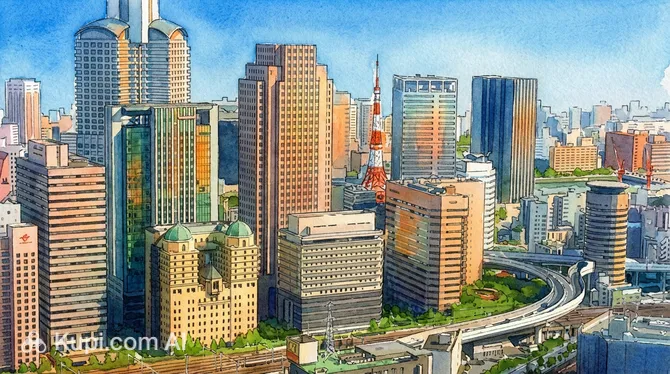
Duékoué is a vibrant administrative and commercial hub located in the western part of Côte d'Ivoire. The city serves as the heart of the Guémon region and a vital link in the country's agricultural belt, where daily life is closely intertwined with farming and transit trade. While it lacks the metropolitan glitz of Abidjan, Duékoué draws visitors in with its authentic West African provincial atmosphere, where markets bustle with life and the streets are filled with the energy of local residents.
Duekoue. Illustration.
Source: Kupi.com AI
Geographically, the city is surrounded by dense forests and hilly terrain, creating a picturesque backdrop for its urban landscape. With a population of over 220,000 people, Duékoué is a diverse ethnic tapestry, bringing together the Kru and Mandé peoples. Getting to know the city's rich and complex history allows for a better understanding of the region's modern character and its significance to the entire country.
Although Duékoué is not considered a classic tourist destination, it offers guests a unique chance to see the "real" Côte d'Ivoire. The city's main landmarks include the Notre-Dame Cathedral and the colorful central market, which serves as the epicenter of local trade. A visit to this city is an excellent choice for those seeking an authentic experience in the very heart of West African daily life.
Weather Overview
The climate in Duékoué is characterized as equatorial monsoon, which means consistently high temperatures and significant humidity throughout the year. Average annual figures hover around +27°C. Travelers should be prepared for two main seasons: the dry season, which lasts from November to March, and the rainy season, covering the period from April to October. The hottest month is usually February, when daytime temperatures can reach +35°C.
The highest amount of rainfall occurs in September, when humidity becomes particularly noticeable. During this period, heavy but often short-lived downpours are frequent, bringing temporary relief from the heat. If you want to find more detailed information about the weather in Duékoué before your trip, we recommend checking the forecast in advance to choose the right wardrobe.
The best time to visit this region is from December to February. During this period, the weather is at its driest, making it easier to move around the city and its surroundings. However, even in the dry season, high humidity persists due to the proximity of forests and hills, which is important for people sensitive to muggy climates to consider. Evenings usually bring pleasant relief, with temperatures dropping to a comfortable +22°C.
Average monthly temperature
Average monthly precipitation
Interesting Facts
Transit Hub: Duékoué occupies a strategic position on the A8 highway, which connects the country's largest city, Abidjan, with the western city of Man.
Cocoa Center: The city is surrounded by vast plantations, making it a crucial hub for the collection and primary processing of cocoa and coffee before they are exported.
Ethnic Diversity: The city's population is a unique blend of the indigenous Kru people and migrants from the north belonging to the Mandé group, which is reflected in the local folklore and cuisine.
Young Status: Although the settlement has existed for a long time, Duékoué's active development as a major administrative center for the western territories only began in the 1990s.
Coordinates: The geographical center of the city is located near the intersection of coordinates -7.3625 latitude and 6.7474 longitude, placing it in the heart of Côte d'Ivoire's forested belt.
How to Get There
Transport accessibility to Duékoué largely depends on road links, as the city is an important transit point in the western part of the country. The main flow of travelers arrives from Abidjan, which is about 530 kilometers away. A trip by intercity bus or taxi can take anywhere from 8 to 12 hours, depending on the condition of the A8 highway and weather conditions. You can learn more about how to get to Duékoué and plan your route on the specialized guide pages.
There is no direct air service to the city itself. The nearest regional airports are located in the cities of Man and Guiglo, though flight regularity there can be inconsistent. For international travelers, Abidjan airport remains the primary hub, from where you can continue your journey by land. If you plan to move between major cities in the region, it is best to use national bus companies or private minibuses known as gbakas.
There is no rail service in this region, so buses and private cars remain the only travel options. Within the city and for trips to nearby villages, moto-taxis are the most popular choice. When planning a trip during the rainy season, keep in mind that unpaved road sections can become difficult to navigate.
Since Duékoué is primarily a residential and transit hub, you won't find world-famous architectural monuments here; instead, the city charms visitors with its daily activity. The main point of attraction is the Central Market (Marché Central). This noisy and bright place is where you can feel the city's true rhythm, see piles of exotic fruits, huge bags of cocoa beans, and colorful African fabrics.
One of the most notable buildings is the Notre-Dame Cathedral. Built in the 1930s, this church serves as an important spiritual center for locals and is of interest as an example of colonial-era religious architecture. Its peaceful grounds contrast with the hustle and bustle of the surrounding streets, offering a place for quiet reflection.
For those who want to see the surroundings of Duékoué from a different perspective, the bridge over the Kakoué River serves as a local landmark. The hills surrounding the city provide opportunities for short walks, offering views of the endless cocoa and coffee plantations that define the region's economy. These are classic Ivorian landscapes that best convey the spirit of this fertile land.
Local Cuisine
The gastronomic scene in Duékoué is a true feast for fans of authentic African cuisine. The staple of most meals here is attiéké—a light and flavorful dish made from fermented cassava that resembles couscous. It is typically served with fried fish or meat and topped with a spicy vegetable-based sauce. You should also definitely try garba—a popular street food made of attiéké with pieces of salted tuna, tomatoes, and peppers.
Another essential element of the local diet is foufou—a thick dough made from boiled yams or plantains, traditionally eaten by hand and dipped into rich sauces. Peanut-based sauces or eggplant sauces (sauce claire) are particularly popular. For dessert or as a snack, fried plantains with a pleasant sweet taste are sold everywhere.
As for drinks, be sure to try the refreshing bissap made from hibiscus flowers or the pungent ginger drink. Those looking for something more exotic might enjoy the taste of palm wine, known locally as bangui. The best places to eat are local maquis, such as Maquis de la Gare, where the ingredients are always fresh due to the proximity to the city markets, and the atmosphere is incredibly friendly and laid-back.
Travel Tips
A trip to Duékoué will provide you with many unique experiences if you prepare in advance for the specifics of life in a West African province.
Clothing and Essentials: Choose lightweight clothing made from natural fabrics (cotton, linen), as the city is hot and humid year-round. A modest dress code covering shoulders and knees is recommended for visiting churches and official buildings. Be sure to bring comfortable closed-toe shoes for walking on unpaved roads.
Transport: Use moto-taxis (zemidjans) for quick trips, but always agree on the price beforehand. For intercity travel, choose major bus companies, as they are safer and more comfortable than private minibuses.
Finances: The official currency is the CFA franc (XOF). Cards are rarely accepted, so always carry a sufficient supply of cash in small denominations. ATMs can be found in the city center near bank buildings, but they do not always work reliably with foreign cards.
Health: Vaccination against yellow fever is mandatory before the trip. It is recommended to take malaria prophylaxis and use repellents. Drink only bottled water and avoid ice in drinks at street cafes.
Communication: The main language of communication is French. English is not widely spoken, so it is worth learning a few basic phrases. You can buy a local SIM card (e.g., Orange or MTN) at small kiosks; a passport is often required for this.
Local Etiquette: Ivorians are very polite. Always greet people when entering a shop or cafe. A handshake is a common gesture when meeting, but wait for the local resident to extend their hand first.
What to Avoid: Do not photograph government buildings, official restricted sites, or bridges without official permission. It is also best to avoid walking on the outskirts or in unlit areas of the city after dark.
Useful Tip: Bring a universal power adapter (types C and E are commonly used) and a high-capacity power bank, as electricity outages can occur in the region.
Following these simple rules will help you feel confident and fully enjoy the hospitality of Duékoué!
Entertainment & Nightlife
The entertainment scene in Duékoué is predominantly local and informal. Nightlife is centered around the so-called maquis—traditional Ivorian open-air street cafes and bars. These venues become especially lively on weekends, filled with popular coupé-décalé music or traditional Zoulou rhythms, as locals gather to socialize over a cold beer or wine.
Daytime entertainment often revolves around social events. Football is a major passion for the residents, and matches at the city stadium always draw large crowds of fans. Festivals organized by local communities and churches also play an important role, featuring songs and dances that are open to everyone.
For travelers seeking more conventional urban entertainment, such as modern cinemas or large nightclubs, a trip to neighboring larger cities like Man is recommended. In Duékoué itself, it is best to focus on a slow-paced holiday in roadside cafes, tasting local cuisine, and observing the leisurely flow of provincial African life.
Parks & Museums
There are virtually no classic museums or art galleries in Duékoué, as the city is more focused on economic and administrative activities. However, the role of an open-air cultural museum is filled by local markets and temples, where you can learn about the customs of the Kru and Mandé peoples by talking to residents and observing artisans. The city's Cathedral is also a historically significant site that preserves the memory of the colonial period.
Regarding green spaces, there are few fully developed parks in the conventional sense within the city limits. The main places for outdoor relaxation are the well-kept grounds around the cathedral and small green areas along the Kakoué River. For local residents, these spots, along with the main squares, are primary locations for socializing and strolling in the shade of the trees.
Nature lovers should look toward the surrounding forests and hills that encircle Duékoué. Although there are no organized tourist trails, informal walks on the outskirts allow you to appreciate the richness of the region's tropical flora. While city residents actively use these areas for agriculture, for a traveler, this is a chance to see pristine landscapes untouched by mass tourism.
Getting Around
The public transport system in Duékoué features modes of travel typical of the Ivorian provinces. The main role in getting around the city is played by gbakas—small minibuses that run along the main streets. They do not have a fixed schedule and depart as they fill up, which requires some patience from passengers but allows you to reach your desired district for a small fee.
The most mobile and popular way to get around for both locals and tourists is the moto-taxi, known as zemidjans. Drivers in bright vests wait at almost every intersection and are ready to take you anywhere in the city. The cost of a trip usually ranges from 100 to 500 CFA francs, but you should always agree on the price before getting on the motorcycle.
For traveling between cities, large buses from national companies are used, departing from the central bus station. Within Duékoué itself, many people prefer to get around on foot, as the city center is quite compact. Keep in mind that during peak hours and rainy weather, traffic can slow down significantly due to congestion and the condition of some roads, so always plan your time with a small buffer.
Accommodation
The choice of accommodation in Duékoué is primarily geared toward transit travelers, traders, and humanitarian mission workers. You won't find luxury five-star hotels or major international chains here; however, the city offers a decent selection of mid-range guest houses and pensions. Most of them are concentrated in the central part of the city, near administrative buildings and the town hall.
Popular accommodation options include establishments like Hôtel Le Relais or Auberge de Daloa, which provide a basic set of amenities: clean rooms, fans or air conditioning, and, in some cases, on-site cafes. For those planning an extended stay, renting private apartments is common, with prices starting at approximately 20,000 CFA francs per night.
It is recommended to book accommodation in advance, especially if your trip coincides with major regional holidays or agricultural fairs when the influx of people increases. When choosing a hotel, look for the availability of secure parking and access to bottled water. Payment at most local hotels is made in cash, as bank card terminals are rare.
Nearby Cities
Thanks to its location at the intersection of important roads, Duékoué serves as an excellent starting point for exploring the western regions of Côte d'Ivoire. Neighboring towns offer a unique blend of cultural heritage and natural beauty that can be seen on short trips.
Just 27 kilometers away is the town of Guiglo, an important administrative center and a gateway to the region's forest zones. Another interesting destination is Bangolo, located about an hour's drive away, famous for its traditional communities and authentic way of life. However, the most notable neighbor is Man—the "City of Eighteen Mountains," famous for its waterfalls, sacred monkey forest, and picturesque peaks, which can be reached in less than three hours.
Exploring the surroundings of Duékoué will allow you to dive deeper into the diversity of Ivorian nature and culture, discovering both bustling trading towns and quiet settlements tucked away in the tropical forests.
Shopping & Souvenirs
Shopping in Duékoué is primarily about experiencing colorful local markets rather than walking through modern shopping malls. The main commercial hub is the Central Market (Marché Central), where you can find absolutely everything from the freshest tropical fruits and vegetables to authentic household items. This place is perfect for buying high-quality cocoa beans or coffee directly from those who grow them.
For those looking for souvenirs, the work of local artisans is worth noting. Duékoué is famous for its fabrics, particularly traditional batik with unique patterns characteristic of the country's western region. You can also often find carved wooden masks of the Kru people in the markets, which make excellent mementos of a trip to this heart of Côte d'Ivoire.
Shops and stalls in the city usually operate from early morning until sunset. Keep in mind that payment for goods and services is made exclusively in cash in the local currency (CFA francs), and buying at the market often involves friendly bargaining. Visiting the trading rows in Duékoué is not just a shopping opportunity but also a great way to immerse yourself in the living culture and traditions of the local people.