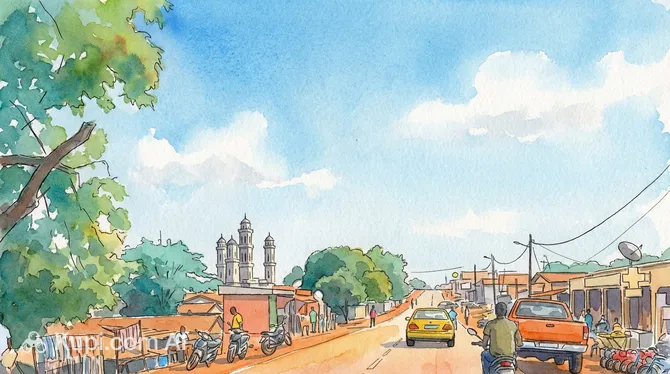
Located in the heart of the picturesque Gôh region, the city of Oumé is a colorful example of provincial life in Côte d'Ivoire. It is the administrative center of the department of the same name, which, despite lacking capital-city glitz, wins visitors over with its sincerity and leisurely pace. Home to about 260,000 people, life here is closely tied to the fertile lands of the country's western interior.
Oumé. Illustration.
Source: Kupi.com AI
The atmosphere in these parts is calm and truly African. Oumé's urban landscape is a whimsical mix of concrete buildings, bustling markets, and cozy residential neighborhoods. Exploring the historical heritage of the city, one can see how it developed into an important transport and trade hub for surrounding villages, preserving the traditions of the Baoulé and Dioula ethnic groups.
While Oumé is not your typical tourist hub, it is ideal for those wanting to see the "real" Côte d'Ivoire without the frills. Travelers can expect an immersion into everyday culture, an introduction to local agriculture, and the genuine hospitality of the residents. A visit to this city is an invitation to look behind the scenes of the African province and feel its unique energy.
Weather Overview
The climate in Oumé is typical for the southern part of Côte d'Ivoire and is classified as equatorial. This means that hot and humid weather prevails throughout the year. Average temperatures fluctuate between 25°C and 32°C. The hottest months are February and March, when the air can heat up to 35°C and above, creating a tropical sauna atmosphere.
The year is divided into two main seasons: dry and rainy. Precipitation mainly occurs in two stages: the main rainy period falls in May–July, and a second, less intense one occurs in October and November. During this time, downpours can be very heavy, but they are usually short-lived. Humidity peaks from September to October, when rainfall reaches its maximum, bringing the lush greenery of the surrounding forests to life.
For those planning a trip, it is important to study the city's climate in advance. The winter months (December–January) are considered the optimal time for a visit, as dry weather sets in and a light breeze somewhat tempers the heat. However, be prepared for the dusty Harmattan wind, which sometimes brings a haze from the Sahara Desert during this period.
Average monthly temperature
Average monthly precipitation
Interesting Facts
Oumé is located in the famous Fromager area, which is one of the country's key agricultural centers, providing a significant share of the world's cocoa production.
The city's population is approximately 260,000 people, placing it among Côte d'Ivoire's major medium-sized cities that serve as an important link between the southern and central regions.
The city emerged at the crossroads of ancient trade routes, making it a melting pot for more than 60 ethnic groups, though the Baoulé and Dioula peoples remain predominant.
The city's surroundings are rich in primary forests, with an ecosystem similar to the legendary Taï National Park, a UNESCO World Heritage site.
Oumé serves as an important educational center for rural youth from surrounding departments; it is home to key state lyceums and administrative offices of regional importance.
How to Get There
Transport accessibility to Oumé largely depends on the regional road network, as the city does not have its own airport. A journey here usually begins in the major metropolises of Côte d'Ivoire. Most passengers arrive from the economic capital on intercity buses or private taxis, which allows you to see the picturesque African landscapes during the trip.
If you are planning a trip, detailed route information will help you better navigate the schedules of local carriers. Most often, tourists travel from Abidjan—the distance is about 200–250 km, and the journey takes between 4 and 6 hours. Sotrans company buses or private "gbêgbê" minibuses regularly run between cities, offering a budget travel option.
Railway communication in this area is poorly developed, so the main focus should be on road transport. The route from the official capital, Yamoussoukro, is somewhat longer—about 300 km—and the trip can take up to 8 hours due to road conditions. For more comfortable travel, it is recommended to rent a car with an experienced driver who knows the specifics of local routes.
Station
Passenger traffic
Distance
Bouaké railway station
2
151 km
Gare ferroviaire Treichville
2
195 km
Main Attractions
The city of Oumé doesn't offer standard tourist routes with world-class museums, but its main charm lies in its authenticity. The central point of attraction here is the Oumé Main Market. This is the true heart of the city, where life is in full swing from early morning. Here, you can not only buy the freshest tropical fruits but also observe the traditional trade of fabrics and local handicrafts.
Another important spot on the city map is the Central Square, surrounded by administrative buildings. This space serves as a venue for public gatherings and strolls, allowing tourists to feel the rhythm of local life. The architecture of the department buildings reflects the functional style of the mid-20th century, characteristic of many settlements in Côte d'Ivoire.
For those who appreciate natural beauty, the surroundings of Oumé are of great interest. The city is located in a forested area typical of the south of the country. A walk to the outskirts will reveal endless cocoa plantations, which are the pride of the region. Although there are no organized park zones, the natural landscapes and tropical vegetation create a wonderful backdrop for getting to know West Africa's agricultural sector.
Local Cuisine
The gastronomy of Oumé is a feast of flavors for lovers of West African cuisine. The staple diet of locals consists of hearty dishes such as foutou or fufu—a thick mash made from yams or cassava. It is always served with aromatic sauces: palm oil-based, peanut, or a spicy sauce made from dried fish. These dishes reflect the agricultural nature of the region and provide energy for the whole day.
You should definitely try alloco—ripe plantain slices fried to a golden crust, which are often served with a spicy sauce and fried fish or chicken. Grilled meat dishes, especially goat meat, are popular at evening markets. The entire cooking process usually takes place right in front of the customer, ensuring freshness and an authentic taste.
Among drinks in Oumé, the traditional palm wine, known locally as "puryo," is a favorite. It has a specific sweetish taste and is considered very beneficial. You can also always find freshly squeezed juices from ripe mango, pineapple, or baobab in the city. The food culture here is closely linked to street eateries called maquis, where at simple wooden tables you can not only eat well but also socialize with the townspeople.
Travel Tips
Preparing for your trip to Oumé will help you make your journey as comfortable and safe as possible. These practical tips are based on local specifics and will help you feel confident in the Ivorian province.
Clothing and Essentials: Choose clothing made of light natural fabrics (cotton, linen) to better handle the heat and humidity. During the rainy season, be sure to bring a compact raincoat. Don't forget comfortable closed-toe shoes for walking on dusty roads and through markets.
Transport: Within the city, it is most convenient to get around on "zoro" moto-taxis. Always agree on the price before starting the trip. For safety, avoid motorcycle rides after dark.
Finances: The main currency is the CFA franc. Carry a sufficient supply of cash in small bills, as bank cards are rarely accepted and ATMs may be unavailable on weekends.
Health: A yellow fever vaccination certificate is mandatory for entry. Use repellents and drink only bottled water. Pharmacies can be found in the city center, but it's better to bring specific medications with you.
Communication: The official language is French. English is not widely spoken, so learn a few basic phrases: "Bonjour" (hello), "Merci" (thank you), "Combien ça coûte?" (how much does it cost?). It is best to purchase a SIM card immediately upon arrival at the airport or at the central market.
Local Etiquette: Greetings are an important ritual. Always greet people before asking for anything. Show respect for elders and local customs, especially when visiting villages.
What to Avoid: Do not photograph people without their permission, nor military and government facilities. Avoid walking on the outskirts at night and do not openly wear expensive jewelry or electronics.
Extra Tip: In the dry season, there can be a lot of dust in the air due to the Harmattan wind. If you suffer from allergies, bring protective masks or light scarves.
May your introduction to Oumé be filled with bright discoveries and warm encounters. Following these simple rules will allow you to fully enjoy the beauty of West Africa.
Entertainment & Nightlife
Entertainment in Oumé is primarily local and informal in nature. You won't find large entertainment centers or cinemas here, but you can immerse yourself in the atmosphere of real Ivorian "maquis"—small street venues where modern African music plays and chilled drinks are served. These are the places where locals gather after a day's work, creating the unique character of the city at night.
Nightlife is concentrated around the central streets, where open-air bars and cafes are located. The crowd here is friendly, and the dress code is as casual as possible. It is worth noting that activity in the city quiets down quite early, except on weekends when music in the venues might play until midnight. For those looking for larger-scale events, such as football matches or concerts by popular performers, residents of Oumé usually head to the country's economic capital, Abidjan.
Daytime leisure in the city most often involves walking through the market or attending church gatherings, which play an important role in the community's social life. If you enjoy active recreation, you can arrange with local guides for a trip into nature or a visit to nearby villages to see traditional dances and ceremonies. Oumé is a place for those who value simple communication and sincere emotions far from noisy metropolises.
Parks & Museums
The green zones of Oumé are represented mainly by natural landscapes and small squares concentrated around municipal buildings and the central plaza. Although there are no classic parks with attractions in the city, the forested area surrounding the residential quarters creates a sense of proximity to the wild. Residents often use the shady alleys along the main roads for rest during the hot hours of the day.
In the absence of formal museums, the role of history keepers is played by local community centers and the lifestyle of the townspeople themselves. You can study Oumé's cultural heritage simply by walking the streets and watching artisans at work or listening to the stories of elders. For those interested in ethnography, the surrounding forests and villages offer a living acquaintance with the traditions and beliefs of the Baoulé people.
In the future, authorities plan to pay more attention to the improvement of public spaces; however, for now, the main "open-air museums" remain the farms and cocoa plantations. This is an excellent opportunity for eco-tourists to see how the balance is maintained between the urban environment and the region's rich tropical flora.
Getting Around
The movement system in Oumé is characterized by its simplicity and accessibility. The main type of city transport is moto-taxis, which locals call "zoro". This is the fastest and most convenient way to get to any point in the city, given the narrow streets and the lack of fixed routes for larger vehicles. Zoro drivers maneuver easily through traffic, and the cost of the trip is usually agreed upon in advance and is quite nominal.
For trips over longer distances or between districts, "gbêgbê" (minibuses) are used, which depart as they fill up. They do not have a strict schedule, but they cover all key directions within the department. It should be kept in mind that during peak hours, this transport can be overcrowded, so it is better to plan important trips for the morning hours.
Walking is also popular in the central part of Oumé, as the main administrative and commercial facilities are within walking distance of each other. If you prefer more comfort and independence, you can use the services of private taxis. Ride-hailing apps are not yet common here, so it is customary to hail a car right on the street or order one through a hotel receptionist.
Accommodation
The hotel sector in Oumé is primarily oriented toward transit travelers and professionals visiting the city on business. You won't find five-star international chain hotels here, but the city offers a decent selection of budget guest houses and simple mid-range hotels. The main advantages of such accommodation options are their affordable prices and authentic hospitality.
For a short-term stay, it is best to choose accommodation in the central part of the city, near administrative buildings and markets. This will ensure easy access to transport and dining spots. Most hotels offer a basic set of amenities: a fan or air conditioning, and breakfast made from local products. Apartments are also popular and are often rented for long terms by expats working in the agricultural sector.
It is recommended to book accommodation in Oumé in advance, especially if your trip coincides with major regional holidays or fairs. The main booking methods include calling the hotel directly or using local services. Despite the simplicity of the conditions, the cleanliness and friendliness of the staff will make your stay in the city comfortable.
Nearby Cities
The city of Oumé is a convenient starting point for exploring the central part of Côte d'Ivoire. Thanks to its location, it allows tourists to make interesting day trips to neighboring regions, each of which has its own unique character and attractions.
Just 51 kilometers away is Yamoussoukro, the official capital of the country. A trip there is a must for those who want to see the grand Basilica of Our Lady of Peace, one of the largest churches in the world. Also worth noting is Gagnoa—a major city in the Gôh region, known for its lively trade and proximity to nature reserves. No less interesting is Toumodi, a quiet town where you can get acquainted with the traditional way of life of the Baoulé people.
Exploring the surroundings of Oumé will give you plenty of impressions: from the majestic architecture of the capital to cozy agricultural settlements. The variety of landscapes and cultural traditions within a 100-kilometer radius makes this region a true find for the curious traveler.
Shopping & Souvenirs
Shopping in Oumé is primarily about visiting its colorful markets. There are no huge shopping malls with glass displays here, but there are endless rows of stalls where you can find everything from exotic spices to household items. The city's main market is the primary place for shopping for both locals and guests.
Particular attention should be paid to textiles. Ivorian fabrics with bright geometric patterns are an excellent gift to bring back from Oumé. The region is also famous for its cocoa: at the market, you can purchase cocoa beans or processed products in their most natural form. Wood carvings and ceramics created by local artisans make wonderful souvenirs to remember your trip.
Shops in the city usually operate from early morning until sunset, with a short lunch break during the hottest time. Payment is made primarily in cash in the local currency (CFA francs), so it's worth making sure you have some change in advance. The process of buying at the market is often accompanied by bargaining, which is an important part of the local culture and allows tourists to experience authentic African flavor.