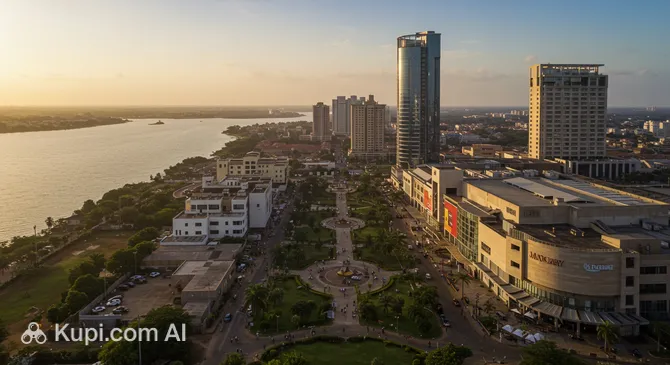
Marcory is the heart of daily life and commercial activity in Abidjan, the largest metropolis in Côte d'Ivoire. As one of the city's key communes, this district draws visitors with its dynamic atmosphere, where residential neighborhoods are closely intertwined with office buildings and bustling markets. Approximately 214,000 people live here, creating a unique ethnic and cultural melting pot.
Marcory. Illustration.
Source: Kupi.com AI
Geographically, Marcory occupies a favorable position in the southern part of the city, bordered by the waters of the Ébrié Lagoon. Although the district is primarily considered residential and transit-oriented, its urban landscape—with dense construction and narrow streets—conveys the authentic spirit of a modern Ivorian city. The history of its development is inextricably linked to the economic growth of the entire country, which transformed a quiet suburb into a functional center for the middle class.
For tourists, Marcory is interesting primarily as a place to see the real Abidjan without embellishment: with its endless movement, street trade, and the sincere hospitality of the local residents. We invite you to dive into this rhythmic world to feel the energy of one of West Africa's liveliest districts.
Weather Overview
The climate in Marcory, as in all of Abidjan, is typically tropical—it is hot and humid throughout the year. Average air temperatures fluctuate between 25–32°C. Due to the proximity to the Ébrié Lagoon and dense urban development, humidity often remains high, which intensifies the sensation of heat, so light clothing made from natural materials will be your best companion.
There are two distinct rainy seasons in the region: the main precipitation period occurs from May to July, and a less intense one from October to November. Heavy downpours are possible during these times, though they are usually followed by sun. If you are planning a trip, be sure to check the detailed city weather to choose the most comfortable time for your visit.
The driest and most pleasant months for visiting are considered to be January and February, when stable sunny weather sets in. However, even during the "dry" season, short-lived rains are possible, so a small umbrella in your bag won't be out of place. Overall, Marcory welcomes guests with warmth at any time of year, offering the typical atmosphere of equatorial Africa.
Average monthly temperature
Average monthly precipitation
Interesting Facts
Marcory is one of the 10 key communes of Abidjan and plays the role of an important link between the port zone and the city's residential quarters.
The district is located in direct proximity to the Ébrié Lagoon, which historically determined its development as part of the port and commercial infrastructure of the country's economic center.
Despite its size, the commune has an extremely high population density—home to more than 214,000 people, making it one of the city's most densely populated areas.
Marcory has a reputation as a "trading hub": the district is permeated by a network of markets and street stalls that form the basis of the microeconomics of this sector of Abidjan.
The district's coordinates (approx. 5.304°N, 3.982°W) place it among the southernmost urbanized zones of the capital, ensuring proximity to the main transport arteries leading to the ocean coast.
How to Get There
Marcory occupies a strategic position in Abidjan's transport network, making it easily accessible for both domestic travel and international arrivals. The main gateway to the city is Félix-Houphouët-Boigny International Airport, located approximately 15–20 kilometers from the district. A taxi ride from the airport to Marcory usually takes 30 to 60 minutes, though heavy traffic during peak hours should be considered.
If you plan to get to Marcory from other regions of the country, the most convenient way is by intercity bus or shared taxi (bush taxi). For example, the journey from the official capital, Yamoussoukro, is about 230 km and takes approximately 3–5 hours depending on road conditions. Rail service in the region is poorly developed, so tourists should primarily rely on road transport.
Station
Passenger traffic
Distance
Gare ferroviaire Treichville
2
4 km
Kojokrom Train Station
1
253 km
Bouaké railway station
2
288 km
To travel from Abidjan's central business district (Plateau) to Marcory, it is best to use the official orange-colored taxis. The distance is only 5–10 kilometers, and without traffic, the ride is short and inexpensive. Keep in mind that roads in this part of the city are very congested in the evening, so plan your trips in advance.
Main Attractions
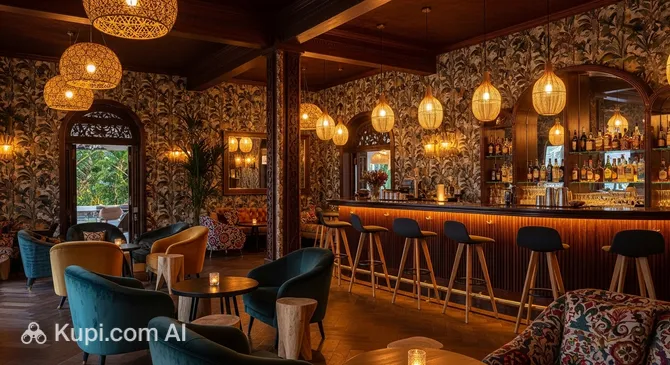
Although Marcory is primarily a commercial and residential district, it offers several interesting locations where you can experience the local flavor and enjoy high-quality service. One of the central attractions for foodies and lovers of an elegant atmosphere is the L’adresse restaurant, known for its stylish interior and excellent cuisine.
L’adresse. Illustration.
Source: Kupi.com AI
Traveler photos:
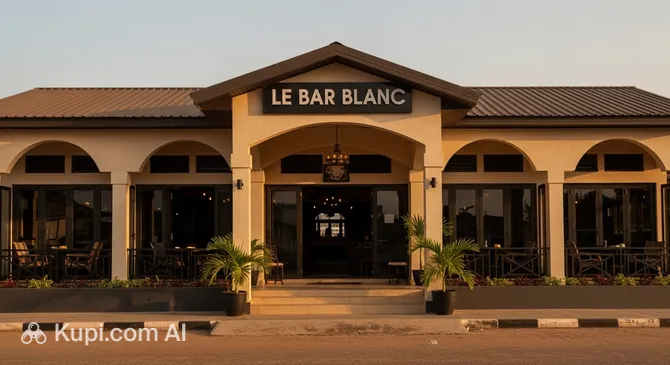
For those looking for a place to relax in a more casual setting, Le Bar Blanc is an excellent choice. This is a popular spot where you can meet both locals and expats, enjoying refreshing drinks in the heart of the commune. Le Bar Blanc. Illustration.
Source: Kupi.com AI
Traveler photos:
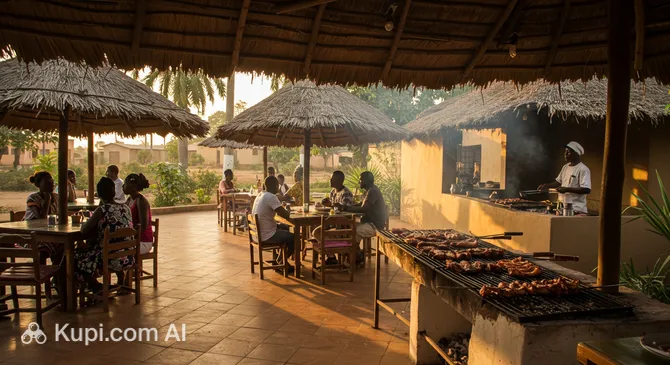
Fans of oriental flavors should stop by Le Méchoui. This restaurant is famous for its traditions and warm welcome, offering guests a unique gastronomic experience that is hard to find in other parts of Abidjan. Another worthy landmark is Chez Richard, where European culinary traditions meet Ivorian hospitality.
In addition to the restaurants, the main "living" attraction of the district remains the Marché Marcory market. It is a true labyrinth of colors, sounds, and smells, where you can observe the daily lives of citizens and purchase authentic goods. Visiting this market is the best way to feel the pulse of Marcory and take a piece of its bright energy home with you.
Local Cuisine
The culinary face of Marcory is a vibrant reflection of Côte d'Ivoire's gastronomic traditions. The local cuisine is based on products such as yams, cassava, cacao, and palm oil. You should definitely try attiéké—a side dish made from fermented cassava pulp, usually served with fried fish or meat and a spicy sauce—as well as alloco—sweet fried plantains, which are a favorite local snack.
The district features many interesting places to experience fine dining. The restaurant Le Méchoui offers guests exquisite dishes prepared according to traditional recipes, while Chez Richard is famous for its skill in creating harmonious flavor combinations. For those seeking an authentic experience, Marcory's markets offer dozens of types of street food, including famous Ivorian sauces like "sauce graine" made from palm nuts.
Le Mechoui. Illustration.
Source: Kupi.com AI
Traveler photos:
As for drinks, be sure to taste refreshing bissap (hibiscus flower tea) or freshly squeezed tropical fruit juices. For lovers of stronger local beverages, traditional palm wine is available. Marcory's gastro scene is dynamic and diverse: from affordable street stalls to elegant restaurants, it can satisfy any sophisticated traveler.
Travel Tips
A trip to Marcory promises to be rich and interesting if you prepare for the specifics of local life in advance. These practical tips will help you feel confident and safe during your visit to this dynamic district of Abidjan.
Clothing and Essentials: Choose light clothing made from natural fabrics, as it is hot and humid year-round. Don't forget comfortable walking shoes and sunglasses. When visiting official institutions or religious sites, it is recommended to cover your shoulders and knees.
Transport: For moving around the city, it is best to use official taxis or apps like Yango. Avoid overcrowded "wua-wua" minibuses after dark. Be prepared for serious traffic jams in the morning and evening.
Finances: The local currency is the West African CFA franc. Always carry a supply of cash, as cards are only accepted in large shopping centers and hotels. You can exchange currency at banks or official exchange offices in central Abidjan.
Health and Safety: Drink only bottled water and use mosquito repellent to protect yourself from malaria. In crowded places like Marcory markets, keep a close eye on your belongings due to the risk of petty theft.
Communication: The official language is French. English is not widely spoken, so it is useful to learn a few basic phrases (greetings, thank you, asking the price). For connectivity, buy a local SIM card (e.g., Orange or MTN).
Local Etiquette: Greetings are very important—always say hello to vendors or drivers before starting a conversation. Politeness and a smile will open many doors.
What to Avoid: Do not photograph government buildings, security facilities, or bridges without special permission. It is also not advisable to walk alone in unfamiliar outskirts of the commune after sunset.
Extra Tip: Be sure to try street food at the markets, but choose spots where many locals are eating—this is the best indicator of freshness and taste.
May your introduction to Marcory be filled only with positive discoveries and the bright colors of the real Africa!
Entertainment & Nightlife
Nightlife in Marcory is more local and intimate compared to Abidjan's central entertainment districts, such as Plateau. Nevertheless, there are gems here where you can spend a great evening. L’adresse often serves as a starting point for night outings, offering guests a cozy atmosphere and quality cocktails accompanied by pleasant music.
L’adresse. Illustration.
Source: Kupi.com AI
Traveler photos:
For those who prefer bars focusing on conversation and light music, Le Bar Blanc is a wonderful choice. This place is known for its friendly crowd and casual dress code. The main activity here begins after sunset, when the heat subsides and the streets fill with people looking to unwind after a workday.
If you are in the mood for larger nightclubs or concert venues, they are easily accessible by taxi in 10–15 minutes in neighboring districts of the metropolis. Within Marcory itself, street cafes prevail, where modern African music often plays, and locals gather to discuss the latest news and watch football matches on big screens. Safety in the central parts of the commune is quite acceptable in the evening, but it is always recommended to use a taxi for moving between venues after dark.
Parks & Museums
In Marcory itself, due to very dense urban development, there are almost no large park areas or museums. Greenery in the district is minimal, and most space is occupied by residential buildings and commercial properties. This is typical for rapidly developing African communes where every square meter is used for the needs of a growing population.
For those seeking cultural enrichment, it is recommended to head to Abidjan's central districts. The nearest major natural site is Parc du Banco, a real tropical forest inside the metropolis, located about a 20-minute drive away. There, you can enjoy peace and cool air away from the urban bustle of Marcory.
Museum life is also concentrated outside the commune. However, you can always enjoy the atmosphere in stylish venues like L’adresse or Le Bar Blanc, which in a sense are themselves showcases of Côte d'Ivoire's modern urban style. Despite the lack of classical museums, the streets of Marcory, with their vibrant trade and daily rhythm, represent a living exposition of modern African urbanism.
Getting Around
The transport system in Marcory is typical for a large African city and is characterized by a high pace and some chaos. The backbone of public transport consists of "wua-wua" (or gbaka)—bright orange or white minibuses that run along specific routes. They are very cheap but often overcrowded, so tourists should use them with caution, especially during peak hours.
A more comfortable alternative is the buses of the state company SOTRA, which connect Marcory with other districts of Abidjan. However, taxis remain the most popular and convenient means of transport for visitors. Both official city taxis and modern app-based services like Yango operate in the district. This is the most reliable way to get around while avoiding unnecessary hassle.
Within the commune itself, for short trips, locals often use motorcycle taxis known as zomacon. They are maneuverable and allow for quick passage through traffic jams, but this mode of transport is considered less safe for tourists. If you prefer walking, stick to central, well-lit streets, keeping in mind that traffic in Marcory can be very intense and does not always follow strict rules.
Accommodation
Accommodation options in Marcory are mainly oriented toward practical travelers, business people, and expats. You will rarely find huge resort complexes here, but there is an abundance of cozy apartments and guesthouses that are excellent for long-term stays. This choice of housing allows guests to feel like part of the local community and better understand Ivorian life.
Budget hotels in the area offer rooms in the price range of 20 to 50 USD per night. When choosing a place to stay, it is best to look for proximity to main transport arteries or major shopping centers like Cap Sud to make moving around Abidjan easier. It is recommended to book accommodation in advance, especially if your visit coincides with major business events in the capital.
For those who value comfort and good service, establishments such as Chez Richard operate in Marcory, offering not only gastronomic pleasures but also advice on the best local leisure options. Overall, staying in this district is a choice in favor of authenticity and convenient access to the city's commercial infrastructure.
Nearby Cities
Due to its location, Marcory is an excellent starting point for exploring other iconic places and districts in Côte d'Ivoire. Other important parts of Abidjan are very close by, each with its own unique character and set of attractions.
Just a few kilometers away is the Abidjan (Plateau) district, considered the country's administrative and financial heart with its impressive skyscrapers. It is also worth visiting the prestigious Cocody district, known for its green streets, universities, and embassies. For those who want to see the industrial and port life of the metropolis, a trip to the neighboring Koumassi is a good option.
If you have time for a longer journey, you can head to Attécoubé or the densely populated Yopougon to dive even deeper into the atmosphere of Ivorian life. Each of these destinations is easily accessible by taxi and will give you plenty of new impressions of this diverse African country.
Shopping & Souvenirs
Shopping in Marcory is an exciting adventure that can start at noisy local markets and end in modern shopping centers. The primary shopping destination for locals and tourists alike is Marché Marcory. Here you can find almost everything: from bright African fabrics with unique patterns and leather goods to exotic spices and the freshest tropical fruits.
For those who prefer a more familiar shopping format in air-conditioned spaces, large Abidjan shopping centers such as Cap Sud are located in the immediate vicinity. They feature both international brands and boutiques of local designers. These are excellent places to purchase high-quality souvenirs: Ivorian coffee, premium cacao, traditional masks, or batik-style items.
Shops in Marcory typically operate from early morning until 19:00–20:00, while markets start their activity at dawn. Large retail outlets accept bank cards, but in markets and small shops, you will definitely need cash in the local currency. Don't forget to bargain at the markets—it's not only a way to save money but also an important part of the local communication culture.