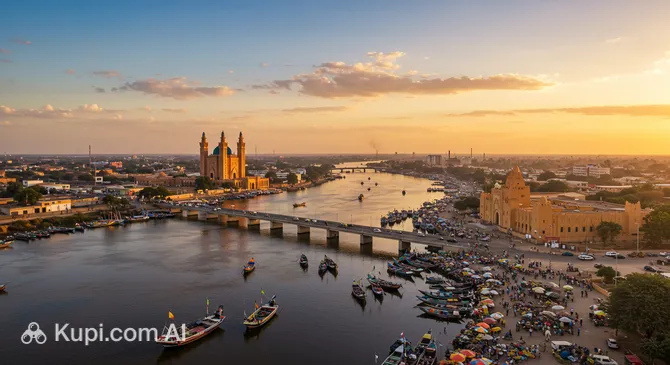
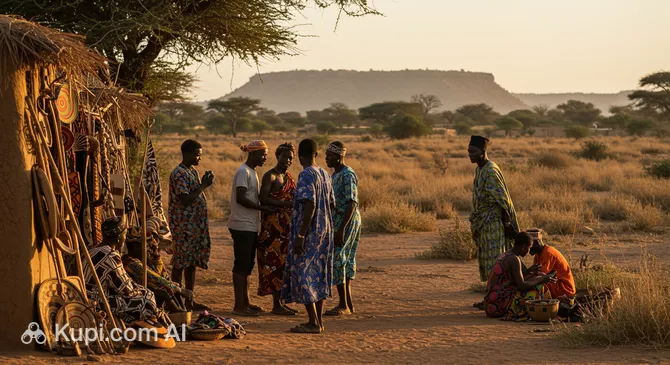
Welcome to Bamako, the vibrant and rapidly expanding capital of Mali. Situated on the banks of the majestic Niger River, this bustling metropolis serves as the nation's administrative center and a major river port. Known for its lively markets and rhythmic musical heritage, Bamako offers travelers a unique blend of traditional West African culture and modern urban energy.
Bamako. Illustration.
Source: Kupi.com AI
Geographically located in the southwestern part of the country, the city is home to over 2 million people, making it one of the fastest-growing urban centers in Africa. The history of Bamako reveals its transformation from a small pre-colonial settlement into a sprawling economic hub. The climate is generally hot, with a distinct rainy season that brings lush greenery to the riverbanks, offering a refreshing contrast to the surrounding landscape.
Visitors are often drawn to the National Museum of Mali, which houses an impressive collection of archaeological and ethnographic artifacts that tell the story of the region's rich past. Another highlight is the panoramic view from Point G Hill, offering a breathtaking perspective of the city layout and the winding river below. The city is also known for its vibrant street life, particularly around the Marché Rose, where the sights and scents of local commerce come alive.
Whether you are exploring its architectural landmarks or enjoying the local music scene, Bamako promises an unforgettable experience. It is a city that pulses with life, inviting adventurers to discover the warmth and hospitality of its people.
Weather Overview
The climate in this region is tropical and generally hot, defined by two clear seasons that significantly influence the atmosphere of the city. The hottest period occurs from March through May, where the heat can be quite intense; in April, for instance, maximum temperatures often climb to around 39.3°C, making it the warmest time of the year.
Understanding the weather in Bamako is important for planning activities, especially regarding the rainy season which typically spans from June to October. July and August are the peak months for precipitation, with rain recorded on up to 26 days in August, which brings slightly cooler average temperatures of approximately 25.7°C.
The months of November through February offer the most comfortable conditions for travelers, characterized by clear skies and no recorded wet days. During this cooler dry season, average temperatures settle around 25°C, with evenings dipping to a refreshing 17°C. Expect intense heat during the late dry season, frequent showers during the mid-year months, and warm, dry days during the winter period.
Average monthly temperature
Average monthly precipitation
Interesting Facts
Beyond its bustling streets and vibrant markets, Bamako holds several fascinating secrets that reveal the depth of its character and history. From ancient etymology to hidden natural sanctuaries, here are some intriguing aspects of the Malian capital that often escape the average visitor's radar.
The name "Bamako" is derived from the Bambara word meaning "Crocodile River." This title pays homage to the time when the Niger River, the city's lifeblood, was teeming with these reptiles, which remain a significant symbol in local folklore.
Bamako is widely celebrated as the musical heartbeat of West Africa, having produced internationally acclaimed artists like Salif Keita. Music lovers can pay their respects at the Ali Farka Touré Monument, a tribute to the legendary guitarist who put Malian blues on the world map.
Despite being a rapidly growing metropolis, the city contains a surprising "green lung." The Bamako National Park covers 17 hectares and serves as a lush, protected sanctuary where visitors can escape the urban heat amidst botanical gardens and a zoo.
High above the city on the cliffs of Point G, there are small caves hidden away that feature ancient rock paintings. These prehistoric artworks suggest that the area has been inhabited for thousands of years, long before the modern city took shape.
Bamako National Park. Illustration.
Source: Kupi.com AI
Traveler photos:
How to Get There
Reaching the capital of Mali is an adventure in itself, with air travel being the most practical and efficient method for the majority of international visitors. As a major commercial hub in West Africa, the city is well-connected to the region, though overland options exist for the intrepid traveler. For a comprehensive overview of all transport modes and routes, you can read more about how to get to Bamako.
The primary gateway to the city is Bamako-Senou International Airport (IATA: BKO). Located just outside the main urban area, approximately 13 km from the city center, this airport welcomes flights from various African capitals and several European hubs. It serves as the main point of entry for tourists and business travelers alike. The journey from the airport to downtown Bamako typically takes about 40 minutes by taxi or shuttle, depending on the traffic conditions.
For clarity, here is a summary of the main airport:
Regarding rail transport, although Bamako is historically a key stop on the Dakar-Niger Railway line, passenger train services have faced interruptions and are not currently considered a reliable primary means of arrival for tourists. Consequently, travelers looking for overland alternatives usually rely on long-distance buses or bush taxis connecting Bamako with neighboring towns and countries. These road journeys offer a scenic but often lengthy experience, making air travel the preferred choice for those with limited time.
Main Attractions
Bamako is a city where history and modernity converge, offering travelers a fascinating array of landmarks that reflect the nation's rich cultural heritage. From serene green spaces to bustling architectural marvels, the capital provides numerous opportunities to explore the soul of Mali.
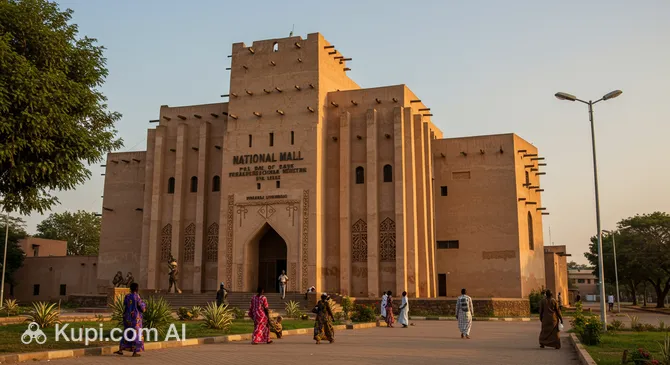
Widely regarded as one of the best museums in West Africa, the National Museum of Mali is an essential stop for any visitor. Located near the National Park, this institution is celebrated not only for its extensive collection of masks, statues, and ancient textiles but also for its beautiful Sudano-Sahelian architecture. Tourists appreciate the museum for its well-curated exhibits that offer deep insight into the country's diverse ethnic groups and their traditions, all set within tranquil, landscaped gardens.
National Museum of Mali. Illustration.
Source: Kupi.com AI
Traveler photos:
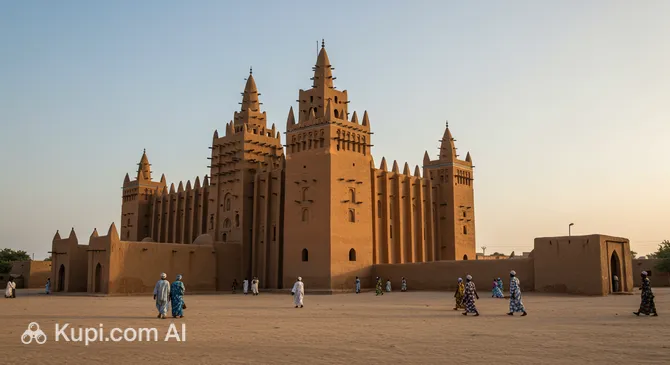
Another prominent landmark is the Great Mosque of Bamako, situated in the heart of the city north of the Niger River. Standing on the site of a pre-colonial mud-brick structure, the current mosque is a towering symbol of the city's spiritual life. Its tall minarets and central location make it a key point of reference for locals and tourists alike, offering a glimpse into the religious practices that are central to Malian society.
Great Mosque of Bamako. Illustration.
Source: Kupi.com AI
Traveler photos:
For those seeking a blend of nature and wildlife, the National Zoo of Mali offers a refreshing escape from the urban bustle. Recently renovated and expanded, the zoo is located adjacent to the National Park and provides a habitat for various indigenous species, including lions, primates, and colorful birds. It is particularly popular among families and nature enthusiasts who wish to observe West African wildlife in a lush, protected environment.
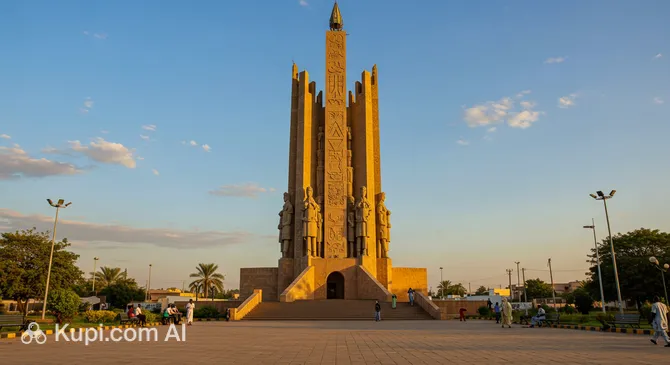
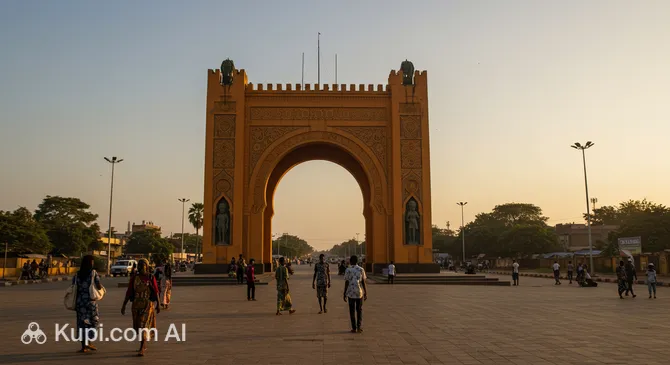
Standing as a proud symbol of the nation's sovereignty, the Monument of Independence is a striking architectural feature in the city. Located at a busy intersection, this tower commemorates Mali's independence from France in 1960. Its distinctive design and surrounding gardens make it a favorite spot for photography, representing the enduring spirit and pride of the Malian people.
Monument of Independence. Illustration.
Source: Kupi.com AI
Traveler photos:
Local Cuisine
The culinary landscape of Bamako is a delightful reflection of Malian traditions, heavily influenced by the abundance of the Niger River and the region's agricultural staples. The food here is hearty, flavorful, and often communal, centered around grains like rice, millet, and sorghum accompanied by rich, savory sauces. For any visitor, the absolute must-try dish is Tiguadege Na (Meat in Peanut Sauce). Regarded as the national dish of Mali, this satisfying stew is made with lamb, chicken, or beef simmered in a thick, creamy peanut paste with vegetables, creating a comfort food that perfectly represents the local palate.
Given the city's location on the banks of the Niger, freshwater fish plays a significant role in the local diet. The most prized catch is the Capitaine (Nile Perch), a white fish known for its succulent texture. You will often find it grilled to perfection as "Capitaine à la plaque" or fried and served with alloco (fried plantains) and spicy onion-tomato salsa. Another staple accompaniment is To, a stiff dough made from millet or corn flour, which acts as a vessel for scooping up the various flavorful sauces, such as okra or baobab leaf sauce.
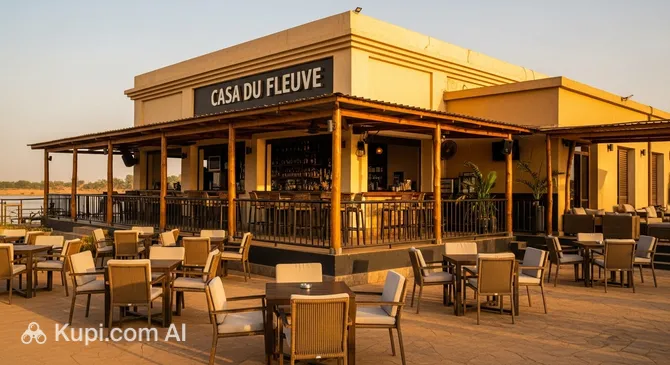
Casa du Fleuve. Illustration.
Source: Kupi.com AI
Traveler photos:
No meal in Bamako is complete without experiencing the local drink culture. The traditional tea ceremony is a central part of social life; strong, sweet green tea is brewed and poured from a height to create a thick foam, typically served in three rounds of increasing sweetness. For non-alcoholic refreshment, locally made juices are incredibly popular. Look for Bissap, a ruby-red drink made from hibiscus flowers, or Gnamankoudji, a spicy and revitalizing ginger juice that offers a perfect respite from the midday heat.
The dining scene in the capital ranges from casual open-air eateries known as "maquis" to more formal establishments. These spots are hubs of social interaction where locals and tourists alike gather to enjoy good food and music. For those looking to enjoy a meal in a relaxed atmosphere, Villa Wilda is a well-regarded restaurant that blends good vibes with tasty dishes. Alternatively, to combine dining with scenic views of the water, Casa du Fleuve offers a wonderful setting to savor local flavors while overlooking the majestic river that feeds the city.
Travel Tips
Visiting Bamako is a rewarding adventure, but like any bustling West African capital, it requires a bit of local know-how to navigate smoothly. To help you settle in and enjoy the rhythm of the city without a hitch, here are some practical tips designed to make your stay comfortable and culturally respectful.
Clothing and Gear. Due to the tropical climate, pack lightweight, breathable fabrics like cotton or linen to handle the heat. However, since Mali is a predominantly Muslim country, modest dress is respectful; avoid short skirts or sleeveless tops in public areas. If you are visiting during the cooler months (November to February), bring a light jacket or sweater for the evenings. Comfortable walking shoes are a must for dusty streets, and a universal travel adapter (Type C or E plugs) will keep your devices charged.
Transportation. For most tourists, the safest and most convenient way to get around is by taxi. Look for the yellow taxis; they are plentiful but do not have meters, so you must negotiate the fare before getting in. Public transport consists mainly of green minibuses known as Sotramas; while they are cheap and offer a truly local experience, they can be crowded and confusing for newcomers. Car rentals are available, but hiring a car with a local driver is highly recommended to navigate the chaotic traffic.
Finances. The local currency is the West African CFA Franc (XOF). Mali is very much a cash-based economy, so always carry sufficient cash for daily expenses, markets, and smaller restaurants. Credit cards (mostly Visa) are accepted only at major hotels, supermarkets, and upscale restaurants. ATMs are available in Bamako, but they can occasionally be out of service, so it is wise to have a backup plan. Tipping is not mandatory but is much appreciated; leaving a small amount for good service is a kind gesture.
Health and Safety. Malaria is present in the region, so carrying mosquito repellent and sleeping under a net is crucial; consult your doctor about prophylaxis before the trip. Strictly drink bottled water and avoid ice cubes in street stalls. Pharmacies are well-stocked in the city center, and "Pharmacies de Garde" remain open at night on a rotational basis. As a general precaution, avoid walking alone at night in poorly lit areas and keep your valuables secure in crowds.
Communication. The official language is French, which is widely used in business and tourism, while Bambara is the most spoken local language on the streets. English is not widely spoken outside of high-end hospitality venues, so learning a few basic phrases in French or Bambara (like "I ni sogoma" for good morning) will go a long way. Buying a local SIM card from providers like Orange or Malitel is easy and affordable, ensuring you have data access for maps and translation apps.
Local Etiquette. Greetings are a vital part of Malian culture and should never be rushed. It is polite to ask "How are you?" and "How is the family?" before getting to the point of a conversation. Always use your right hand for eating, shaking hands, or passing money, as the left hand is considered unclean. When visiting someone's home, removing your shoes before entering is the standard norm unless told otherwise.
What to Avoid. Be extremely careful about photography. Never take photos of government buildings, military personnel, police officers, or airports, as this is strictly prohibited and can lead to serious trouble. Additionally, avoid public displays of affection, which are culturally frowned upon and can make locals uncomfortable.
Additional Tip. Immerse yourself in the local "Grin" culture. You will often see groups of friends sitting around a small charcoal stove brewing strong, sweet tea on the street corners. If you are invited to join a Grin, accept the offer! It is a gesture of hospitality and a fantastic way to engage with locals, learn about their daily lives, and experience the true warmth of Bamako.
By keeping these practicalities in mind, you will be well-equipped to embrace the vibrant spirit of Bamako. The city's charm lies in its people and its pulse, and with a little preparation, your journey here will be as smooth as it is memorable.
Entertainment & Nightlife
Entertainment and Nightlife:
When the sun sets over the Niger River, Bamako transforms into a lively hub of rhythm and social activity. The city is renowned across West Africa for its vibrant music scene, where the sounds of traditional kora and balafon blend seamlessly with modern Afro-pop and electric blues. Nightlife here is not just about partying; it is a cultural experience where locals and visitors come together to celebrate life through dance and conversation.
The district of Hippodrome is widely considered the epicenter of Bamako's nightlife. This bustling neighborhood is packed with bars, clubs, and restaurants that stay open late into the night. It is the place to be if you want to experience the city's energetic pulse. Another popular area is Badalabougou, located on the south bank of the river, which offers a slightly more relaxed atmosphere with venues often featuring live bands and open-air seating.
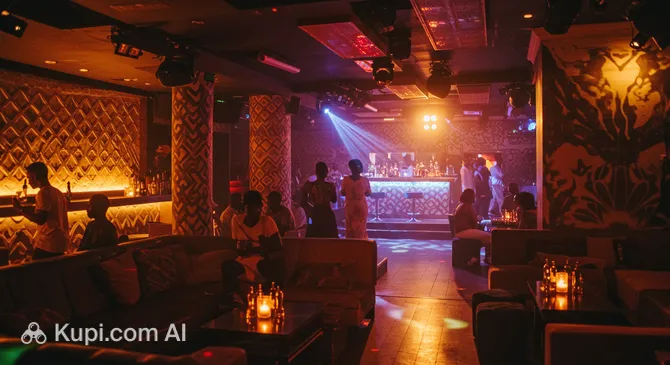
For those looking to dance the night away, Le Byblos is a well-established nightclub that attracts a diverse crowd. Known for its lively ambiance and mix of international and African hits, it is a staple of the local clubbing scene. The venue typically picks up energy after midnight, so it is the perfect spot for late-night entertainment.
Le Byblos. Illustration.
Source: Kupi.com AI
Traveler photos:
If you prefer a more laid-back evening with a view, Casa du Fleuve serves as an excellent bar and lounge area. While also a dining spot, its riverside location makes it a prime destination for enjoying cocktails and the cool evening breeze. It is an ideal venue for starting your night or winding down with friends in a sophisticated setting.
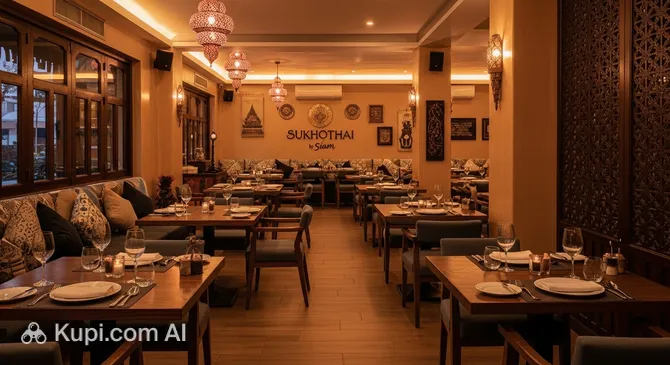
Dining out is a major part of the evening entertainment in Bamako. For a change of pace and a taste of international cuisine in a stylish environment, Sukhothai by Siam offers a refined atmosphere. It is a popular choice for a nice dinner before heading out to the bars, providing a quiet contrast to the louder music venues in the city center.
Sukhothai by Siam. Illustration.
Source: Kupi.com AI
Traveler photos:
Regarding safety and logistics, it is important to plan your night carefully. While the main nightlife districts are generally busy and welcoming, it is best to avoid walking alone in dark or unlit streets. Always use a taxi to move between venues; you can ask the restaurant or club security to call a reliable driver for you. The dress code is generally "smart casual"—Malians dress well for a night out, so avoid overly beach-like attire like flip-flops or shorts if you plan to visit clubs.
During the day, entertainment options are more laid back but equally engaging. For families or those looking to relax, the Place du Cinquantenaire is a notable public space often used for events and casual strolls. If you are in the mood for shopping and modern leisure facilities, 1001 Wonders is a shopping mall that offers a variety of stores and sometimes entertainment activities, providing a comfortable escape from the midday heat.
Parks & Museums
Parks & Museums:
While Bamako is often defined by its bustling markets and urban energy, the city also maintains several green sanctuaries and cultural institutions that offer a peaceful respite. The most significant of these is the National Museum of Mali. Set within a spacious, landscaped garden, this institution is more than just a gallery; it is a cultural complex where visitors can explore Mali's history through archaeology and ethnography while enjoying the tranquility of the surrounding grounds.
Directly adjacent to the museum is the Bamako National Park, a vast protected area that serves as the city's primary green lung. It is a favorite destination for locals seeking a break from the noise of the capital, offering miles of paved trails perfect for jogging, cycling, or leisurely walks. The park's secure and clean environment makes it an ideal spot for picnics and family outings under the shade of indigenous trees.
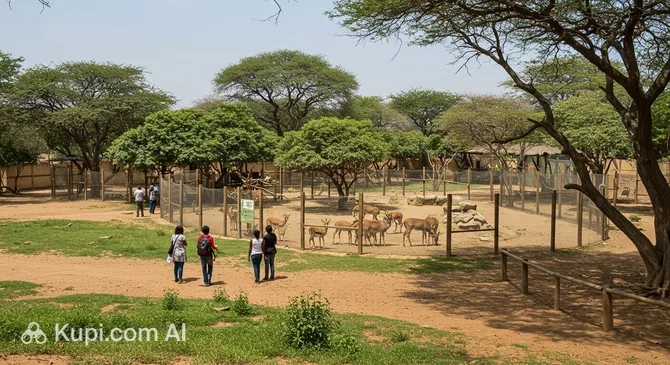
Nestled within this green belt is the National Zoo of Mali, which has been revitalized to provide naturalistic habitats for its animals. The zoo focuses on species native to West Africa, allowing visitors to observe lions, primates, and various reptiles in a setting that mimics their wild environments. It serves as both a recreational space and an educational center for wildlife conservation.
National Zoo of Mali. Illustration.
Source: Kupi.com AI
Traveler photos:
For a different kind of open space, the Place du Cinquantenaire offers a grand esplanade located near the river. This expansive public square is designed with manicured gardens and walkways, making it a popular location for evening strolls and public gatherings. Its open layout provides a sense of calm and offers scenic views, particularly as the sun sets over the city.
Place du Cinquantenaire. Illustration.
Source: Kupi.com AI
Traveler photos:
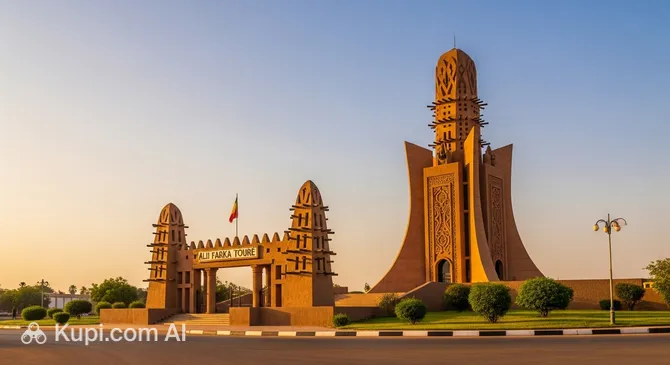
Bamako also honors its modern cultural heroes through public art. The Ali Farka Touré Monument stands as a tribute to the legendary musician who brought Malian blues to the world stage. This statue is a point of pride for the city, celebrating the artistic heritage that remains a cornerstone of Mali's national identity.
Ali Farka Touré Monument. Illustration.
Source: Kupi.com AI
Traveler photos:
Getting Around
Navigating Bamako is an experience that immerses you directly into the daily rhythm of the city. Unlike many European or Asian capitals, Bamako does not possess a formal metro, tram, or large-scale municipal bus network. Instead, the public transport system is largely informal, road-based, and decentralized, relying heavily on privately owned vehicles that weave through the city's bustling streets.
The backbone of local transportation is the Sotrama, the ubiquitous green minibus that you will see everywhere. These vans serve as the primary mode of transit for the majority of residents. They run on generally fixed routes but do not have official timetables or strictly marked stops; passengers simply wave them down or head to major transit hubs known as "gares." A conductor, or apprentice, usually hangs out the side door, shouting the destination to potential passengers. While Sotramas are incredibly inexpensive, they are often crowded, hot, and can be confusing for first-time visitors who do not speak the local language.
For tourists, the most practical and comfortable option is the yellow taxi. These are plentiful and can be hailed on almost any street corner. Taxis in Bamako operate on a negotiation basis rather than using meters. There are generally two types of service: a "déplacement" or "course," which is a private hire taking you directly to your destination, and a shared taxi system where the driver may pick up other passengers going in the same direction. The private option is recommended for travelers for safety and convenience.
A unique feature of Bamako's transport landscape is the river crossing system. Since the city is divided by the Niger River, traffic on the bridges can be heavy. To bypass this, many locals use pinasses—large, motorized wooden canoes—to cross from one bank to the other. This traditional mode of transport offers a scenic and often faster alternative to sitting in traffic on the bridges, providing a distinct perspective of the city from the water.
Regarding payment, the system operates entirely on cash. There are no travel cards, digital passes, or mobile apps for public transport tickets. Fares for Sotramas are fixed and very low, typically amounting to a few hundred CFA francs. Taxi fares must be negotiated with the driver before you get into the vehicle. It is essential to carry small change (coins and small notes), as drivers often do not have enough change for large bills.
For a stress-free experience, most visitors choose to hire a car with a driver for the duration of their stay. This can be arranged through hotels or local travel agencies. Having a local driver who knows the shortcuts and traffic patterns is invaluable. If you choose to use taxis, try to learn the approximate fare for your route from your hotel reception beforehand so you can negotiate fairly. Public transport operates from early morning until late evening, but availability drops significantly at night, so it is safer to rely on pre-arranged transport or trusted taxis after dark.
Accommodation
Accommodation in Bamako caters to a variety of travelers, ranging from business professionals to adventurous backpackers. The city offers a spectrum of lodging options, including luxury international chains, comfortable mid-range hotels, and smaller, budget-friendly guesthouses known locally as "auberges." While the highest concentration of upscale facilities is found in the modern districts, there are plenty of modest establishments that provide authentic Malian hospitality.
For those seeking convenience and modern amenities, the ACI 2000 district and the Quartier du Fleuve are the most popular areas to stay. ACI 2000 is the city's newer business hub, hosting many embassies, government offices, and high-end hotels with swimming pools and reliable Wi-Fi. The Quartier du Fleuve, situated along the banks of the Niger River, offers a more scenic atmosphere and close proximity to the city center and several diplomatic missions. Staying near the river often provides a cooler breeze and beautiful sunset views, making it a preferred choice for leisure travelers.
Prices vary significantly depending on the level of comfort and location. Luxury and high-end business hotels typically charge international rates comparable to other West African capitals, accepting credit cards and online bookings. Mid-range and budget options are much more affordable but may require payment in cash (CFA Francs). While major booking platforms list the larger hotels, many smaller guesthouses rely on direct contact or walk-ins, so it is helpful to have a few options in mind before arriving.
Booking Tip: If you are visiting during the dry season or when major conferences are held in the city, it is highly recommended to book your accommodation well in advance. For budget travelers, checking reviews regarding air conditioning and mosquito nets is essential, as these amenities are crucial for a comfortable stay in Bamako's tropical climate.
Nearby Cities
For those looking to explore the surroundings, Bamako serves as an excellent base for day trips to several interesting nearby locations. The region offers a mix of agricultural hubs, historical towns, and cultural gateways that provide a deeper understanding of Malian life beyond the capital.
Located just a short drive away, Kati is the closest satellite city to the capital. Situated at a slightly higher elevation, it offers a cooler climate and a refreshing break from the urban heat. It is an important agricultural hub, well-known for its market gardens that supply fresh produce to the region, making it a pleasant spot for a quick and easy excursion.
For travelers willing to venture a bit further, Segou is a historically significant destination located on the banks of the Niger River. Known as the "City of Balanzans," it is celebrated for its beautiful Sudanese-style colonial architecture and vibrant pottery markets. The relaxed atmosphere and rich cultural heritage make it well worth the journey for those interested in seeing traditional Malian life outside the metropolis.
Another interesting option is Bougouni, situated to the south of the capital. This town is often considered the gateway to the Wassoulou region, an area famous for its unique musical traditions and lush landscapes. It provides a wonderful opportunity to experience the scenic beauty of southern Mali.
City
Population
Distance
Kati
66 895
14 km
Sibi
26 633
46 km
Koulikoro
23 919
54 km
Kangaba
17 232
89 km
Banamba
30 591
118 km
These nearby destinations offer a glimpse into the diverse culture and landscapes of the region, ranging from bustling agricultural centers to serene river towns.
Shopping & Souvenirs
Shopping in Bamako is a vibrant and sensory-rich experience that places you in the center of Malian daily life. While the city is gradually developing modern retail spaces, the true heart of commerce lies in its bustling open-air markets and artisanal workshops. Visitors can expect a diverse array of goods, ranging from everyday necessities and colorful textiles to exquisite handicrafts that reflect the country's deep artistic traditions.
The primary shopping districts are concentrated in the city center, particularly in Commune III. The streets here are lined with stalls and boutiques selling fabrics, electronics, and shoes. For a more relaxed and upscale experience, the ACI 2000 district offers a selection of modern boutiques, supermarkets, and specialty stores where you can find imported goods and high-quality fashion.
For those seeking a contemporary shopping environment, 1001 Wonders is a notable destination. This shopping mall provides a comfortable, air-conditioned atmosphere where visitors can browse through various stores offering clothing, accessories, and lifestyle products. It serves as a convenient stop for travelers looking for familiar brands or a break from the heat of the outdoor markets.
1001 Wonders. Illustration.
Source: Kupi.com AI
Traveler photos:
The soul of Bamako's shopping scene, however, is found in its markets. The Grand Marché, often referred to as the Marché Rose due to its colonial-era pink structure, is the commercial pulse of the capital. Although the original building has suffered damage over the years, the surrounding area remains a chaotic and fascinating labyrinth of stalls selling spices, hardware, and the famous wax prints. For a more specialized experience, the Artisan Market (Village Artisanal) is a must-visit for tourists. Here, you can watch skilled craftsmen at work and purchase authentic items directly from the creators.
When it comes to souvenirs, Mali offers some of the finest handicrafts in West Africa. The most iconic item to bring home is Bogolan (mud cloth), a traditional cotton fabric dyed with fermented mud, featuring distinct geometric patterns. Other excellent choices include Tuareg silver jewelry, intricate wood carvings, leather goods like sandals and bags, and traditional musical instruments such as the kora or djembe. These items are not just souvenirs but pieces of art that carry the story of the region.
Store hours in Bamako generally run from 9:00 AM to 7:00 PM Monday through Saturday. Markets often open earlier, around 8:00 AM, and wind down by sunset. Many shops may close for a lunch break, particularly on Fridays for prayers. Cash is king in Bamako; while some upscale shops and hotels in ACI 2000 accept credit cards, the vast majority of transactions, especially in markets, require West African CFA Francs. Bargaining is an essential part of the culture in markets and street stalls, so be prepared to negotiate the price with a smile.
Tourists should note that a formal tax-free or VAT refund system for visitors is not widely established or easily accessible in Mali. It is best to assume that the price you pay includes all applicable taxes, and generally, the prices for local crafts are reasonable enough that this is rarely a concern for travelers.