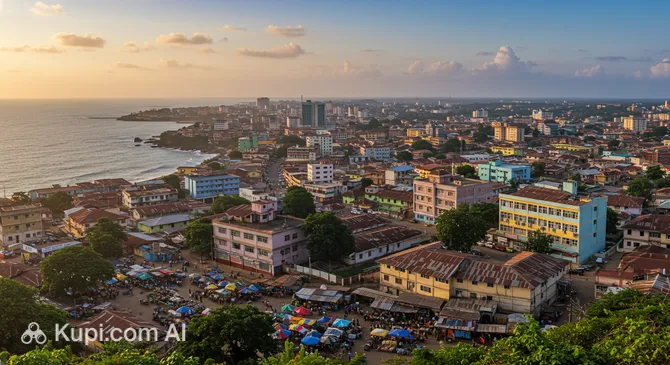
Shopping in Monrovia is a vibrant and sensory experience that contrasts the chaotic energy of open-air markets with the calm of modern supermarkets. The city is not defined by massive luxury shopping centers but rather by its bustling street commerce and unique local craftsmanship. Visitors will find that the retail scene is split between the lively downtown area, where traders sell everything from colorful textiles to electronics, and the more upscale district of Sinkor, which hosts Western-style grocery stores and boutiques. Whether you are looking for authentic African art or daily essentials, the city offers a distinct flavor of West African trade.
The primary commercial pulse of the city beats in Downtown Monrovia, particularly along Randall Street and Broad Street. These areas are lined with shops selling imported goods, hardware, and fabrics. Walking through these streets offers a chance to see the daily hustle of the capital. For a more relaxed and upscale shopping environment, travelers should head to Sinkor, specifically along Tubman Boulevard. This district is home to better-stocked supermarkets and specialty stores that cater to the expatriate community and tourists.
While Monrovia does not have the colossal shopping malls found in other global capitals, it does feature smaller, modern shopping complexes that provide a comfortable retail experience. Era Mall in Sinkor is one of the most popular stops, housing a large supermarket, a bakery, and several smaller shops selling clothes and accessories. It is a convenient place to find imported food items and reliable electronics. Another notable spot is the shopping arcade within the Royal Grand Hotel complex, which offers high-end boutiques and lifestyle products in an air-conditioned setting.
To truly understand the local commerce, a visit to the markets is essential. The most famous and intense of these is the Waterside Market. Sprawling along Water Street near the ocean, this market is a labyrinth of stalls where vendors sell colorful "Lappa" fabrics, shoes, household goods, and food. It is loud, crowded, and incredibly energetic—a true immersion into local life. For a slightly less chaotic experience, the Jorkpen Town Market in Sinkor offers fresh produce and local wares in a more organized setting.
When it comes to souvenirs, Liberia has a rich artistic heritage. The best items to bring back include Liberian Country Cloth, a thick, hand-woven textile often featuring striped patterns. Wood carvings are also highly prized, particularly the intricate ceremonial masks and figurines that reflect the country's tribal history. You can also find beautiful handmade jewelry and basketry. Many visitors choose to buy fabric at the market and take it to a local tailor, who can often sew a custom-made outfit in just a day or two.
Most shops in the city open around 9:00 AM and close by 5:00 PM or 6:00 PM, with many closing on Sundays or operating on reduced hours. Cash is king in Monrovia. While US Dollars are widely accepted and even preferred for larger purchases, you will need Liberian Dollars (LRD) for small market transactions and change. Credit cards are rarely accepted outside of major supermarkets like Era or high-end hotels, so always carry sufficient cash. Bargaining is expected in the markets and with street vendors, but prices in supermarkets and formal shops are fixed.
Regarding taxes, Liberia does not currently operate a formal tax-free or VAT refund scheme for tourists. The price you see or negotiate is the final price you pay. Visitors should not expect to claim back sales tax at the airport upon departure, so it is best to budget accordingly for your purchases.