Support

Bonthe

About

Welcome to Bonthe, a captivating and historically rich town located on Sherbro Island in the Southern Province of Sierra Leone. Known for its tranquil atmosphere and time-warped charm, this coastal settlement offers a unique glimpse into the region's past away from the hustle and bustle of the mainland. With a population of approximately 10,000 residents, Bonthe retains a close-knit, village-like feel that welcomes visitors seeking an authentic and peaceful experience.
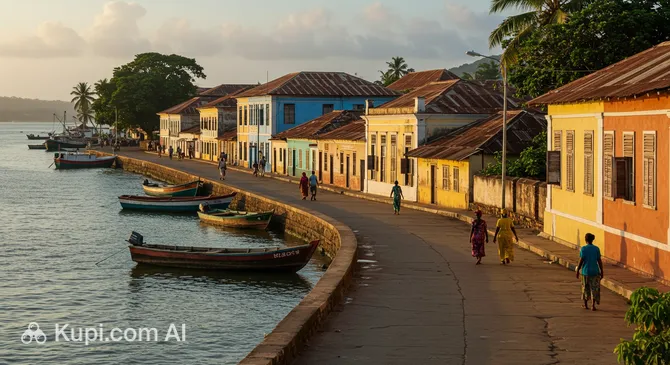
Bonthe. Source: Kupi.Binoculars

The town is steeped in heritage, having served as a significant British administrative and trading center during the colonial era. Walking through its quiet, car-free streets, you can admire the fading grandeur of 19th-century architecture and learn about the fascinating history of Bonthe, which has transformed from a bustling commercial hub into a serene retreat. The juxtaposition of grand colonial structures against the lush tropical backdrop creates a truly photogenic and nostalgic setting.

Travelers are drawn to Bonthe not just for its heritage, but for its serene island environment. The town is an excellent base for exploring the surrounding waterways, which are renowned for sport fishing (especially for tarpon) and birdwatching. The nearby beaches offer pristine sands and solitude, making it an ideal spot for relaxation. Whether you are wandering past the old Krio-style houses or enjoying the fresh sea breeze, a visit to Bonthe promises a memorable journey off the beaten path.

Weather Overview

Bonthe enjoys a tropical climate with consistent warmth throughout the year, making it a pleasant destination for those who enjoy heat. The temperatures are quite stable, generally hovering between 24°C at night and rising to around 30°C during the day. The warmest period typically occurs from February to April, just before the arrival of the prolonged rains.

Travelers should be mindful of the distinct seasonal rainfall patterns when planning a visit. The weather in Bonthe shifts significantly around June, marking the start of the wet season which lasts through October. During these months, precipitation is frequent, often occurring daily. In contrast, the period from December to March is considerably drier, offering the most stable conditions for outdoor exploration and beach activities.

Interesting Facts

Beyond the picturesque decay of its colonial past, Bonthe holds fascinating secrets that range from global trade history to rare ecological treasures. This quiet island settlement is far more than just a nostalgic retreat; it is a place of unexpected connections and natural wonders.

  • The Broom That Built the Town: While it is known as a former trading hub, few visitors realize that Bonthe's 19th-century wealth was largely built on "Piassava," a tough fiber harvested from local raffia palms. This specific material was exported in massive quantities to manufacture the stiff brooms used to sweep the cobbled streets of Victorian London and other European cities, directly linking this remote island to the sanitation of Western metropolises.

  • A Sanctuary for "Mermaids": The dense mangrove networks surrounding the town are a critical habitat for the elusive West African Manatee. These gentle giants, often associated with ancient mermaid legends by sailors and locals alike, find refuge in the Sherbro River estuary, making it one of the most significant conservation areas for the species in Sierra Leone.

  • A Solar-Powered Anomaly: Despite its reputation as a town frozen in time, Bonthe has recently become a surprising model for modern renewable energy. The town is powered by one of the region's most advanced solar mini-grids, providing reliable 24-hour clean electricity—a rare luxury that creates a striking contrast against the backdrop of its fading historical architecture.

  • The "Christmas Island" Phenomenon: Although tranquil for most of the year, the town earns the affectionate local nickname "Christmas Island" every December. During the holiday season, the population swells dramatically as families and former residents return home from the mainland and abroad. The sleepy streets transform into a vibrant hub of traditional masquerades, lantern parades, and communal feasting, showcasing the deep cultural bond locals maintain with their heritage.

How to Get There

Reaching this serene island destination requires a bit of planning, as it is located off the main coast. Most travelers arrive by combining road transport to a mainland hub like Matru Jong or Yagoi with a scenic boat ride. For a complete guide on logistics and route options, you can read more about how to get to Bonthe on our detailed page.

The city of Bonthe does not have its own international airport, so most international visitors fly into Lungi International Airport (IATA: FNA) in Freetown. Located approximately 143 km from Bonthe, this is the primary gateway to the country. The journey from the airport to the departure points for Bonthe involves a mix of travel methods, but the road portion to the vicinity typically takes around 4 hours. Another option for regional travelers is Conakry Airport (IATA: CKY) in Conakry, Guinea, situated about 258 km away. However, choosing this route involves a longer overland journey of approximately 7 hours and a border crossing.

For clarity, here is a summary of the main airports:

Airport Name City Passenger Traffic Km from City
Lungi International Airport Freetown Medium 142.7
Conakry Airport Conakry Large 257.6
Roberts International Airport Monrovia Medium 276.5

The city of Bonthe does not have a railway station, and there is no active passenger train service connecting it to other parts of Sierra Leone. Visitors rely primarily on road transport to reach the coast and then transfer to boats or ferries to access Sherbro Island.

Main Attractions

Exploring Bonthe is less about ticking off a checklist of famous monuments and more about immersing yourself in a living museum. The town’s primary allure lies in its atmosphere, where the echoes of its prosperous colonial past blend seamlessly with the quiet rhythm of island life. Visitors will find that a simple walk through the sandy, car-free streets reveals the true character of this unique destination.

The most striking feature of the town is its Colonial Architecture. Bonthe is dotted with grand 19th-century Krio board houses and masonry structures that date back to when the town was a thriving trade hub. Although many of these buildings are in various states of decay, they possess a haunting beauty that attracts photographers and history enthusiasts alike. The wide verandas and intricate woodwork offer a glimpse into the lifestyle of the past merchants and administrators who once called this island home.

Standing as a testament to the town's religious heritage is St. Matthew's Anglican Church. This imposing stone structure is one of the largest and most significant landmarks in Bonthe. Its sturdy architecture has weathered the tropical elements for decades, serving as a focal point for the community. Visitors are often welcome to view the interior, which provides a cool respite from the midday sun and a chance to appreciate the craftsmanship of a bygone era.

For nature lovers, the surrounding Sherbro River Estuary offers an exceptional outdoor playground. The network of waterways and mangroves wrapping around the island is a haven for biodiversity. It is particularly famous among anglers as a world-class destination for sport fishing, especially for the giant tarpon. Even if you are not fishing, a boat tour through the mangroves provides excellent opportunities for birdwatching and spotting the elusive West African manatee.

Finally, Bonthe serves as the perfect gateway to the Turtle Islands. While technically a short boat ride away, these eight tiny islands are often visited by travelers based in Bonthe. Known for their stunning white sand beaches and crystal-clear waters, they offer a remote tropical paradise experience. A day trip here allows visitors to experience traditional fishing village culture and untouched natural beauty that feels worlds away from modern civilization.

Local Cuisine

The culinary experience in Bonthe is deeply rooted in its geography as a river island settlement. As you might expect, the local diet revolves heavily around the bounty of the Sherbro River and the Atlantic Ocean. For tourists, this means an opportunity to taste some of the freshest seafood in West Africa, often caught just hours before it reaches your plate. Rice is the undisputed staple here, served with almost every meal, and the local mantra is often "if you haven't eaten rice, you haven't eaten at all."

Among the main dishes worth trying, Cassava Leaf Stew (often called "plasas") is a national favorite that takes on a special character here due to the abundance of fish. The leaves are pounded and cooked with palm oil, spices, and generous chunks of fresh fish or smoked seafood. Another signature dish is Groundnut Soup, a rich and savory peanut-based sauce often served with rice or "fufu" (fermented cassava dough). Given the town's location, simple grilled fish—such as snapper or barracuda—seasoned with spicy peppers and lime is also a highlight, offering a pure taste of the local waters.

When it comes to beverages, the adventurous traveler should try Poyo, the traditional fresh palm wine tapped from local trees. It is a cloudy, naturally fermented drink that is mild and sweet when fresh but becomes stronger as it ferments throughout the day. For a non-alcoholic option, the homemade Ginger Beer is incredibly popular; it is fiery, sweet, and very refreshing in the tropical heat. You will also find the ubiquitous Star Beer, the national lager of Sierra Leone, which is widely available and best enjoyed ice-cold.

The food culture in Bonthe is informal and communal. You won't find high-end dining establishments or international fast-food chains here. Instead, locals and visitors eat at small, family-run eateries known as "cookeries" or at their guesthouses. These spots offer home-style cooking in a relaxed atmosphere. The local market is the heart of the food scene, where women sell fresh produce, smoked fish, and spices. Dining in Bonthe is less about the venue and more about the authenticity of the flavors and the warmth of the hospitality.

Travel Tips

Traveling to Bonthe offers a rare opportunity to experience island life at a slower, more traditional pace, but its remote nature means a little extra preparation goes a long way. To help you navigate this serene settlement on Sherbro Island comfortably, here are some practical tips to ensure your visit is as smooth as it is memorable.

  1. Clothing and Gear: Given the tropical heat and high humidity, pack loose-fitting, breathable fabrics like cotton or linen. A sturdy pair of walking sandals is essential, as you will be doing most of your exploration on foot. If you are visiting during the rainy season (June to October), a high-quality raincoat and waterproof bag for your electronics are mandatory. Don't forget a universal travel adapter (Type G, British style) to charge your devices.

  2. Transportation: One of the most unique aspects of Bonthe is the near-total absence of cars. The streets are wide, grassy, and paved, designed primarily for pedestrians. Walking is the main way to get around the town itself. For longer distances or to explore the surrounding waterways and Turtle Islands, you will need to hire a local boat or dugout canoe; always negotiate the price beforehand and ensure life jackets are provided.

  3. Finances: Cash is absolutely king on the island. There are no reliable ATMs or card payment facilities in Bonthe, so you must withdraw sufficient local currency (Leones) before leaving the mainland or Freetown. Bring more than you think you will need to cover accommodation, boat transfers, food, and tips, as running out of cash here can be a logistical challenge.

  4. Health and Safety: Medical facilities on the island are basic, so bring a well-stocked personal first-aid kit, including any prescription medications, painkillers, and motion sickness pills for the boat ride. Malaria is a risk in Sierra Leone, so take prophylaxis and use strong insect repellent, especially at dusk. Always drink bottled or purified water, never tap water.

  5. Communication: English is the official language and is understood by many, especially in official settings, but Krio is the language of the street. Learning a few phrases like "How di body?" (How are you?) will instantly warm up interactions. Mobile network coverage is generally available (Orange and Africell are common), but data speeds can be slow; buying a local SIM card on the mainland is recommended before you arrive.

  6. Local Etiquette: The community in Bonthe is close-knit and polite. Always greet people before asking a question or starting a conversation; skipping the greeting is considered rude. Ask for permission before taking photos of locals, as some may prefer not to be photographed. It is also respectful to dress modestly when walking through the town, avoiding swimwear unless you are actually at the beach.

  7. What to Avoid: Avoid displaying signs of impatience or rushing. Life here moves on "island time," and service in guesthouses or eateries may be slower than what you are used to. Getting angry or raising your voice will not speed things up and will only cause embarrassment. Embrace the slow pace as part of the charm.

  8. Power Supply Tip: While Bonthe is famous for its solar mini-grid which provides relatively stable electricity compared to other rural areas, power cuts can still happen or may be rationed during cloudy spells. It is a smart move to bring a high-capacity power bank and a small flashlight or headlamp for navigating unlit paths at night.

By keeping these practicalities in mind, you will be well-equipped to relax and immerse yourself in the nostalgic beauty of the island. Bonthe is a place where the modern world feels distant, and with the right preparation, that disconnection becomes its greatest luxury.

Entertainment & Nightlife

Entertainment and nightlife in Bonthe are defined by the town's serene and sleepy character rather than a bustling club scene. Visitors expecting neon lights, thumping bass, and late-night discos will find a very different, yet equally enchanting, experience here. The nightlife focuses on socialization, storytelling, and relaxing under the stars. The atmosphere is incredibly laid-back, where the "dress code" is casual comfort, and the crowds are a friendly mix of local residents and the few adventurous travelers who make it to the island.

The heart of the evening activity usually centers around the town's few hospitality establishments and the waterfront. Bonthe Holiday Village is widely considered the primary social hub for visitors. Located near the water, its bar and restaurant area offer a place to enjoy a cold Star beer or a soft drink while chatting with locals and fellow tourists. It is the closest thing the town has to a "night spot," providing a reliable setting for an evening meal and conversation that can last well into the night.

For a more authentic local experience, adventurous travelers can seek out the small, informal Poyo Bars scattered through the backstreets and near the market area. These are often simple shacks or open-air spots where fresh palm wine is served. It is here that you will find the pulse of the community, with lively debates and laughter echoing through the evening. Another gathering point is often the area around the Town Wharf, where locals congregate to enjoy the cool sea breeze after a hot day, creating a spontaneous and welcoming social environment.

Practicalities for a night out in Bonthe are simple but important. Since there are no taxis or public transport services on the island, getting around at night means walking. While the solar mini-grid has improved street lighting, many side streets remain dark, so carrying a flashlight or headlamp is essential to avoid tripping on uneven paths. The town is exceptionally safe for night walks, with virtually no violent crime, but it is always wise to stick to main paths. Bring enough cash (Leones) for your entire evening, as credit cards are not accepted anywhere.

Regarding daytime entertainment, Bonthe does not possess modern amusement parks, cinemas, or shopping malls. The town itself serves as an open-air museum. The primary "entertainment" involves walking tours to admire the crumbling colonial architecture or visiting the Bonthe Municipal Market to see daily commerce in action. For cultural enthusiasts, the Bonthe Community Center occasionally hosts local events or meetings, offering a glimpse into the island's social structure. Ultimately, the entertainment here is the slow pace of life itself, inviting you to disconnect and observe a world that moves to the rhythm of the tides.

Parks & Museums

Bonthe is a destination where the boundaries between the town and nature, as well as the past and present, are beautifully blurred. While you will not find manicured botanical gardens or ticketed museums with glass display cases, the town itself serves as a living sanctuary within Sierra Leone. The lush, grassy streets act as linear parks, and the crumbling colonial edifices form an open-air gallery that tells the story of the region's history more poignantly than any traditional exhibit could.

The Sherbro River Mangrove Network acts as the region's primary natural park. Surrounding the town, this dense labyrinth of aquatic vegetation is a protected ecological zone of immense importance. It functions as a nursery for marine life and a sanctuary for bird species, making it a paradise for nature enthusiasts. Visitors can explore this "water park" by canoe, gliding silently through the green tunnels to spot kingfishers, herons, and, if lucky, the elusive West African manatee. It is a raw, unmanicured wilderness that offers a profound connection to the river ecosystem.

For a more terrestrial green space, the Bonthe Town Waterfront and Grasslands offer a unique experience. Unlike modern cities with paved roads, Bonthe’s broad avenues are carpeted in grass and shaded by ancient mango and breadfruit trees. The waterfront area, particularly near the old wharf, serves as the town’s communal plaza. Here, the "park" is the sea wall itself, where locals and visitors gather to enjoy the cool breeze, watch the fishing boats return, and admire the uninterrupted views of the estuary meeting the sky.

In terms of cultural heritage, the Historic Colonial Quarter is effectively an open-air museum. This area preserves the town's identity as a former British trading hub. Walking past the massive, skeletal remains of the old United Africa Company (UAC) warehouses and the elegant Krio board houses is like stepping onto a movie set frozen in time. These structures, with their intricate fretwork and expansive verandas, are the exhibits. They reflect a time when Bonthe was a cosmopolitan center of commerce, and exploring them offers a tangible link to the 19th-century trade era.

Another site of significant cultural interest is St. Patrick’s Catholic Church. This imposing structure stands as the central place of worship for the parish and is historically linked to the nearby St. Joseph’s convent and school complex. Established during the missionary era, the church played a crucial role in the religious and educational development of Sherbro Island. Its architecture and the surrounding grounds offer a quiet, contemplative atmosphere where visitors can reflect on the town's layered past and the enduring spirit of its community.

For an authentic insider experience, take a walk to the edge of town where the Bonthe Airfield is located. While it is a functional strip, the surrounding open fields are often used by locals for sports and social gatherings. It offers a wide, open perspective of the island's geography, framed by palm trees and the ocean, providing a perfect spot for sunset photography away from the town center's buildings.

Getting Around

The public transport system in Bonthe is defined by its simplicity and the almost complete absence of motorized traffic. Unlike bustling metropolises with complex networks of subways, trams, or bus fleets, this island town relies on the most fundamental form of movement: walking. There is no municipal bus service, no metro lines, and no formal railway infrastructure. The town’s layout, with its wide, grass-covered streets, was historically designed for pedestrians and handcarts, and this remains the primary way locals and visitors navigate the settlement today.

For those looking for a faster alternative to walking, the options are limited but functional for the environment. While the chaotic swarm of motorcycle taxis known as "okadas" is a staple across the mainland, they are far less prevalent here, preserving the town's tranquil atmosphere. Bicycles are a popular mode of private transport among residents. Tourists may not find formal bike rental shops with apps and docking stations, but it is often possible to arrange an informal rental by asking at your guesthouse or inquiring with friendly locals.

Given the town's location on Sherbro Island, water transport essentially functions as the regional "bus system." Wooden dugout canoes and larger motorized boats, often referred to as "pampas," connect Bonthe to surrounding fishing villages and the mainland. These boats do not operate on a strict, minute-by-minute timetable like a subway; instead, they typically depart when full or based on the tides. For excursions to nearby attractions like the Turtle Islands, these vessels are the only mode of transit available.

The payment system in Bonthe is entirely cash-based. There are no travel cards, tap-to-pay terminals, or mobile ticketing apps. Transactions for boat rides or the rare motorbike lift are conducted in the local currency. Fares are generally low but are rarely fixed in writing, so it is standard practice to agree on the price before starting your journey. Small denominations are essential, as boat operators and bike drivers rarely have change for large bills.

For a smooth experience, visitors should plan their movements around daylight hours. The "transport system"—whether walking or boating—slows down significantly after dark due to limited street lighting and the absence of navigational aids on the water. Comfortable walking shoes are your most valuable travel asset here. When using water transport, always ensure a life jacket is available and try to travel in the mornings when the estuary waters are typically calmer.

Accommodation

Accommodation in Bonthe reflects the town's character: quiet, unpretentious, and deeply connected to the local community. Visitors should not expect the high-rise luxury hotels or international chains found in major capital cities. Instead, the options here are limited but charming, ranging from basic guesthouses run by local families to a single, well-established holiday complex that caters to international standards. The focus is on providing a comfortable base for exploration rather than opulent amenities.

The most convenient place to stay is near the waterfront. This area is not only central to the town's few shops and the market, but it also benefits from the cooling sea breeze off the Sherbro River, which is a welcome relief in the tropical heat. Staying here keeps you close to the boat landing sites and the historic colonial core, making it easy to explore the car-free streets on foot.

For travelers seeking comfort and reliability, the Bonthe Holiday Village is widely considered the premier option on the island. It offers a level of service that distinguishes it from other local lodgings, featuring self-contained chalets that are typically equipped with air conditioning—a significant luxury in this region. The facility is designed with tourism in mind, often providing generator power during the evenings and serving as a hub for arranging fishing trips or excursions to the nearby Turtle Islands.

Booking Tip: Planning ahead is absolutely critical if you intend to visit during December. Bonthe is famously known as "Christmas Island," and the town's population swells dramatically during the holiday season. Accommodation for this period is often booked months in advance by returning families and holidaymakers. For visits during the rest of the year, while the town is sleepier, it is still advisable to secure your room before arriving, as walk-in availability can be unpredictable.

In terms of pricing and payment, options generally fall into the budget to mid-range categories. Basic guesthouses are very affordable, while the holiday village commands a higher price reflecting its superior amenities. It is important to note that online booking platforms are rarely used here. Reservations are best made by phone or through a tour operator in Freetown. Be sure to carry sufficient cash (Leones) to cover your entire stay, as credit cards are not accepted and there are no ATMs on the island.

Nearby Cities

For those looking to explore the surroundings, Bonthe serves as an excellent base for day trips to several interesting nearby locations:

City Population Distance (km)
Freetown 951,000 133
Bo 233,684 97
Kenema 188,463 149
Makeni 87,679 158
Port Loko 44,900 141

While Bonthe itself is an island sanctuary, the mainland offers vibrant urban experiences for those willing to travel a bit further. Bo, the country's second-largest city, is the most accessible major hub from the Sherbro region. Known affectionately as "Sweet Bo," it is famous for its lively atmosphere, bustling markets, and friendly residents. A visit here offers a stark contrast to the quiet of the island, providing a chance to experience the energetic pulse of the interior, sample diverse street food, and explore local trade.

Although further afield and typically requiring an overnight stay due to logistics, Freetown remains the primary gateway for most travelers. The capital city is rich in history, featuring landmarks like the Cotton Tree and the Sierra Leone National Museum, alongside stunning beaches. For many, it serves as the starting or ending point of their Bonthe adventure, connecting the colonial history of the island with the broader narrative of the nation.

Closer to home and perfect for a true day trip, the Turtle Islands are a must-visit "place" near Bonthe. While not a city, this archipelago of eight tiny islands offers idyllic white sand beaches and crystal-clear waters. A boat trip here allows visitors to witness traditional fishing communities living in harmony with the ocean, offering a remote paradise experience that complements the historical charm of Bonthe.

These nearby destinations offer a glimpse into the diverse culture and landscapes of the region, ranging from bustling urban centers to untouched tropical archipelagos.

Shopping & Souvenirs

Shopping in Bonthe is a far cry from the commercialized retail experiences found in modern cities. There are no designer boutiques, department stores, or glossy window displays here. Instead, the shopping scene is purely functional and deeply traditional, centered around the daily needs of the local community. For tourists, the appeal lies not in purchasing luxury goods, but in the authentic experience of interacting with local traders and witnessing the island's commerce in its rawest form.

The main commercial activity is concentrated along the Waterfront and the streets immediately parallel to it, such as Heddle Road. This area serves as the town's economic spine, where a handful of small, family-run shops and kiosks sell everything from canned foods and toiletries to hardware and fabric. These "shops" are often simple structures or rooms within colonial-era buildings, and browsing them offers a chance to chat with friendly shopkeepers who are often eager to share stories about the town.

Travelers should be aware that there are no shopping malls in Bonthe. The retail infrastructure is entirely informal. You will not find escalators, food courts, or air-conditioned complexes. The town operates on a village scale, where commerce is conducted in open-air spaces or small, individual establishments rather than large centers.

The heartbeat of the town’s economy is the Bonthe Municipal Market. This is the most interesting place for a visitor to explore. It is liveliest in the morning when the catch of the day arrives from the Sherbro River. Here, you can see a vibrant display of fresh fish, smoked seafood, locally grown vegetables, and tropical fruits like mangoes and coconuts. While it is primarily a food market, it is a sensory experience full of color and banter, offering a genuine slice of Sherbro life.

When it comes to souvenirs, options are limited but unique. You won't find typical tourist trinket shops. However, the region is historically famous for its weaving culture. You may find locally crafted items such as woven mats, baskets, or fans made from natural fibers like raffia or palm. These items are practical, durable, and make for authentic keepsakes. Additionally, vibrant West African fabrics (often used for "lappa") can sometimes be purchased from local cloth merchants.

Opening hours in Bonthe are generally dictated by the sun. Most shops and market stalls open around 8:00 AM and close by sunset, around 6:00 PM or 7:00 PM. Some smaller kiosks may stay open a bit later, but the town becomes very quiet after dark.

Regarding payment, cash is the only option. Credit cards and mobile payments are not accepted by market vendors or small shop owners. Ensure you have plenty of local currency (Leones) in small denominations, as getting change for large bills can sometimes be difficult. There is no tax-free shopping or VAT refund system available for tourists in Bonthe.

Reached the end of the page?

That means the route is fully explored