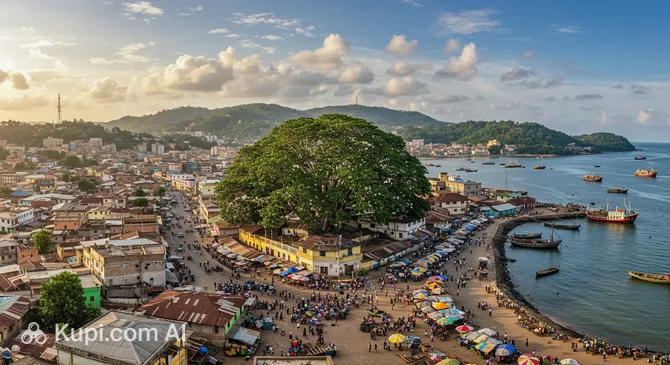
Shopping in Freetown is a vibrant and sensory experience that differs significantly from the polished mall culture found in many other capitals. Here, commerce is largely conducted in bustling open-air markets, roadside stalls, and small boutiques. The city is not known for high-end luxury fashion brands, but it excels in offering unique, handmade artisanal goods and a lively atmosphere where bargaining is part of the fun. Visitors will find that the shopping scene is an authentic reflection of the local culture, offering everything from colorful textiles to intricate wood carvings.
The heart of the city's commercial activity lies in the Central Business District, particularly along Siaka Stevens Street and the surrounding roads. This area is a hive of activity where you can find shops selling electronics, fabrics, and general merchandise. For a slightly more relaxed and modern shopping environment, Wilkinson Road is a key artery. This area has developed rapidly and is home to several supermarkets and standalone boutiques that cater to both locals and expatriates, offering imported goods and western-style conveniences.
While Freetown does not have massive shopping complexes, there are smaller venues that offer a concentrated shopping experience. The Freetown Mall on Wilkinson Road is one of the few establishments that resembles a western-style mall, housing a variety of shops, a supermarket, and places to eat under one roof. It provides a comfortable, air-conditioned escape from the heat and is a good spot to pick up travel essentials or groceries.
The true spirit of Freetown's commerce, however, is found in its markets. The Big Market (also known as the Basket Market) on Wallace Johnson Street is the premier destination for tourists. Housed in a historic building, it is organized and relatively easy to navigate, packed with vendors selling arts and crafts. For a more raw and intense local experience, King Jimmy Market, located near the waterfront, is a historic trading spot famous for fresh produce and fish. It offers a fascinating glimpse into daily life, though it can be quite chaotic for the uninitiated.
When it comes to souvenirs, Freetown offers wonderful treasures that reflect Sierra Leonean heritage. The most popular item to bring back is Gara cloth, a locally produced tie-dye fabric known for its vibrant colors and unique patterns. Wood carvings are another specialty, with artisans creating beautiful masks, animal figures, and bowls. You should also look out for "shukublai" baskets, hand-woven from palm leaves, and locally made jewelry featuring beads and shells.
Business hours for most shops are generally from 9:00 AM to 6:00 PM, Monday through Saturday. Sunday is a quiet day, with many businesses and markets remaining closed or operating with reduced hours. As for payment, cash is king in Freetown. The local currency, the Leone, is required for almost all transactions in markets and smaller shops. While some major supermarkets and hotels on Wilkinson Road or in Aberdeen may accept credit cards, it is not the norm, and you should always carry enough cash for your daily purchases. Bargaining is expected in the markets; it is a friendly negotiation process, so feel free to discuss the price with a smile.
Tourists should be aware that Sierra Leone does not currently operate a tax-free shopping refund scheme for visitors. The prices you see or negotiate are final, so there is no paperwork to fill out for VAT refunds at the airport upon departure.