Support

Niamey

About

Niamey is the vibrant capital and largest city of the nation, situated gracefully on the eastern banks of the majestic Niger River. As the administrative, cultural, and economic center of the region, it offers a fascinating blend of traditional Sahelian atmosphere and modern urban development. The city is known for its relatively relaxed pace compared to other African capitals, making it a welcoming destination for travelers seeking to experience authentic local culture and hospitality.
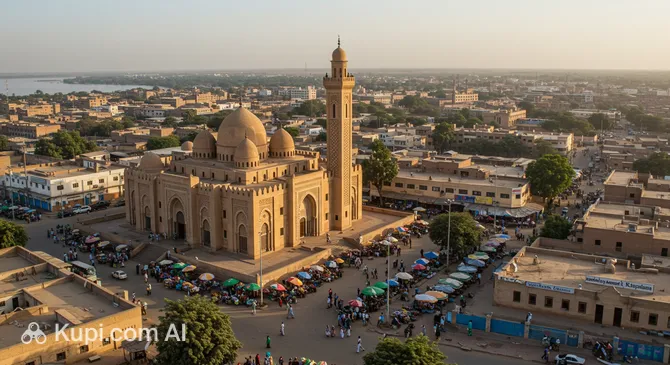
Niamey. Source: Kupi.Binoculars

Located in the southwestern part of Niger, the city serves as a lush oasis in a predominantly arid landscape, thanks to the life-giving waters of the river that flows through it. With a population of over one million inhabitants, Niamey is a bustling metropolis that experiences a hot semi-arid climate, where the riverbanks often serve as a cool retreat for locals and visitors alike. The city's layout showcases a mix of wide boulevards and lively neighborhoods, reflecting its status as a significant regional hub.

From its humble beginnings as a cluster of small villages, the city has grown exponentially over the last century. Delving into the history of Niamey reveals how it transformed from a minor settlement into the political capital in 1926, eventually becoming the heartbeat of the nation. This evolution has left a unique imprint on the city's architecture and social fabric, creating a rich tapestry of heritage that visitors can explore today.

Travelers are often drawn to the celebrated National Museum of Niger (Musée National Boubou Hama), widely considered one of the best national museums in West Africa. It features a zoo, cultural pavilions, and impressive dinosaur skeletons found in the desert. Another architectural gem is the Grand Mosque of Niamey, with its striking emerald dome and minaret offering panoramic views of the cityscape. For a taste of daily life, the Grand Marché provides a colorful sensory experience filled with local crafts, textiles, and spices.

Whether you are interested in exploring rich cultural exhibits, taking a sunset boat ride on the Niger River, or simply enjoying the warmth of its people, Niamey offers a memorable gateway to the wonders of the Sahel. It is a city that invites you to slow down and appreciate its unique charm and enduring spirit.
Weather Overview

Niamey experiences a hot semi-arid climate, characterized by abundant sunshine and consistently high temperatures throughout the year. The heat is most intense during the spring months, particularly in April and May, when average daytime highs often climb to around 41°C. Travelers visiting during this period should expect scorching days and warm nights, making hydration and sun protection essential.

The city enjoys a brief "cooler" season from December to January, where average temperatures sit comfortably around 24°C to 25°C, with overnight lows dipping to a refreshing 16°C. While much of the year is arid with zero precipitation, a wet season emerges from June through September. August is typically the peak of this period, bringing frequent cloud cover and approximately 16 wet days. For a more specific breakdown of monthly temperatures and rainfall, you can consult the guide to the weather in Niamey.

Interesting Facts

Beyond the main attractions and busy markets, Niamey holds many fascinating secrets that reveal the unique character of this Sahelian metropolis.

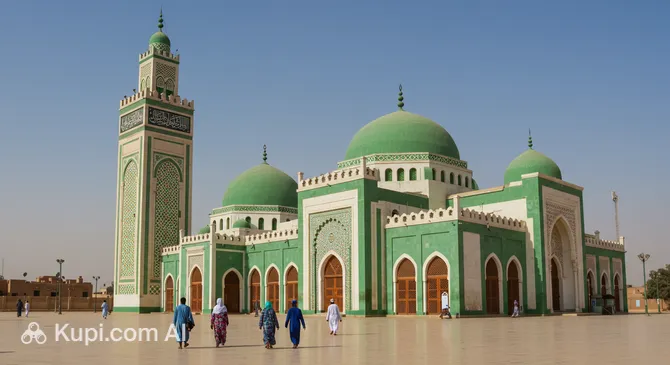
Great Mosque of Niamey. Source: Kupi.Binoculars
  • While many capital cities are known for their urban wildlife, Niamey is one of the few places where you can spot wild hippopotamuses just a short distance from the city center. These large creatures inhabit the Niger River and can often be seen from boats or riverfront areas, particularly during the dry season when water levels are lower.

  • The city was not always the administrative heart of the nation. For a long time, it was a cluster of small fishing villages, while the capital was located in Zinder. It was only in 1926 that the capital was officially transferred to Niamey, largely due to its strategic location on the river which facilitated better transport and trade.

  • The skyline is dominated by the Great Mosque of Niamey, which serves as a major landmark. Visitors are often surprised to learn that its minaret offers one of the best vantage points in the city, providing a panoramic view that stretches across the urban landscape and the winding river beyond.

  • Despite the arid climate of the surrounding region, Niamey is surprisingly green thanks to an abundance of Neem trees. These trees were introduced to the area to provide much-needed shade and combat desertification, and today they line many of the main boulevards, creating natural tunnels of greenery that offer respite from the sun.

How to Get There

Reaching the capital of Niger is an adventure in itself, with air travel being the most practical and common method for international visitors. While the city is situated in the heart of the Sahel, it remains well-connected to the region and beyond. For a detailed overview of all transport options, routes, and tips, you can read more about how to get to Niamey.

The primary gateway for travelers is Niamey Airport (IATA: NIM), also known as Diori Hamani International Airport. Located approximately 7.1 km from the city center, it serves as the main hub for flights arriving from West African capitals, as well as direct connections from Europe and North Africa. The airport is relatively compact but handles a steady flow of passengers. Getting to the downtown area is straightforward; a taxi ride typically takes around 30 minutes, depending on traffic conditions. Travelers should be prepared to negotiate fares before departing or arrange a transfer with their hotel.

For clarity, here is a summary of the main airport:

Airport Name City Passenger Traffic Km from City
Niamey Airport Niamey Medium 7.1

Beyond air travel, road transport is another way to enter the city, particularly for those coming from neighboring countries. Long-distance buses and bush taxis connect Niamey with major regional cities, although distances are vast and travel times can be long. There are currently no passenger railway services connecting Niamey to other cities, so the road remains the primary alternative to flying.

Main Attractions

Niamey offers a compelling mix of cultural heritage and lively social spots that reflect the city's welcoming spirit. A visit here would be incomplete without exploring the National Museum of Niger (Musée National Boubou Hama). Widely regarded as one of West Africa's finest museums, it provides a comprehensive look at the nation's history and culture. The sprawling complex includes a zoo, traditional dwelling pavilions representing Niger's various ethnic groups, and the famous Tree of Ténéré sculpture, making it a perfect starting point for understanding the region.

Another architectural and spiritual landmark is the Great Mosque of Niamey. This impressive structure is not only a place of worship but also a gift from Libya that has become a central feature of the city's skyline. Visitors are often captivated by its emerald-green dome and the opportunity to climb the minaret. From the top, you can enjoy sweeping views of the city and the winding Niger River, offering a unique perspective on the capital's layout and natural beauty.

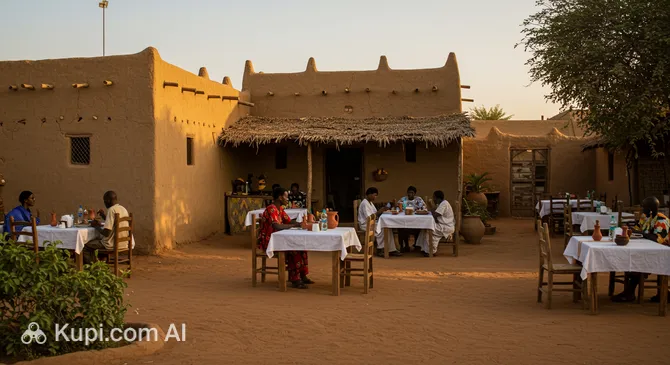
For those looking to experience the city's relaxed atmosphere and culinary scene, Côté Jardin is a delightful escape. This popular venue is more than just a restaurant; it is a lush, garden-like oasis where tourists and locals mingle. Known for its pleasant outdoor seating and vibrant ambiance, it serves as an excellent spot to enjoy local and international dishes while soaking in the warm Sahelian evening air.

Côté Jardin. Source: Kupi.Binoculars

If you are interested in the city's nightlife and social energy, the New York Restaurant & Bar is another well-known establishment. It offers a lively environment where visitors can enjoy hearty meals and refreshing drinks. Places like this highlight the modern, cosmopolitan side of Niamey, providing a comfortable space to unwind after a day of exploring the bustling markets and dusty streets of the capital.

Local Cuisine

The culinary landscape of Niamey is a flavorful reflection of Niger’s cultural diversity, blending traditional Sahelian ingredients with influences from North Africa and French gastronomy. Food here is hearty and often shared communally, centering around staples like millet, rice, and sorghum, which are transformed into satisfying meals accompanied by rich, savory sauces. For any visitor, the local food scene offers an authentic taste of West African hospitality.

Meat plays a central role in the local diet, and one cannot leave the city without trying Kilishi. This famous delicacy consists of thin strips of beef that are seasoned with a spicy peanut paste and dried in the hot sun, creating a jerky-like snack that is beloved across the region. Another carnivorous treat is Mouton Grillé (grilled mutton), often prepared on open-air spits along the roadsides. The aroma of the roasting meat, seasoned with local spices, is a staple of Niamey's evening atmosphere.

For a lighter yet equally traditional option, look for Dambou. This dish is made from rice flour or semolina steamed with Moringa leaves and herbs, offering a nutritious and fragrant meal that is unique to the area. Moringa is widely used in Nigerien cuisine, often appearing in salads known as kopto, which provide a refreshing balance to the heavier grain-based dishes.

To quench your thirst, the local beverage culture is vibrant and varied. Tea drinking is a ritual here, with strong, sweet tea known as ataya served in small glasses during social gatherings. For something cold and non-alcoholic, Bissap (hibiscus juice) and fresh ginger juice are popular refreshers against the desert heat. Those looking for alcoholic options can try Biere Niger, the national lager, which is widely available in bars and hotels throughout the capital.

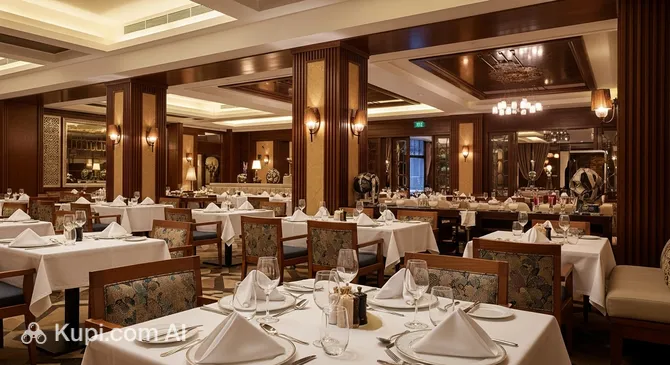
New York Restaurant & Bar. Source: Kupi.Binoculars

The dining experience in Niamey ranges from casual street food stalls, known as tabliers, to more established international venues. Locals often gather at open-air markets to enjoy freshly prepared snacks, while tourists might prefer the comfort of sit-down establishments that offer a mix of local and Western fare. A popular spot to experience this cosmopolitan blend is the New York Restaurant & Bar. Venues like this provide a welcoming environment to sample diverse dishes while enjoying the lively social vibe of the city after dark.

Travel Tips

Welcome to Niamey! To ensure your adventure in this fascinating Sahelian capital is as smooth and enjoyable as possible, a little preparation goes a long way. The following practical tips are designed to help you navigate the city with confidence, respecting local customs while making the most of your stay.

  1. Clothing and Gear: Given the hot semi-arid climate, pack lightweight, breathable fabrics like cotton or linen. Niamey is a conservative city, so modest dress is respectful and recommended; both men and women should avoid very short shorts, and women are advised to cover their shoulders and knees. Comfortable walking sandals are great for the heat, but bring closed-toe shoes for dusty streets. Don't forget a universal travel adapter (typically Type C or E, the European standard) and a high-SPF sunscreen.

  2. Transportation: The most common way to get around is by taxi. You can choose between a "ramassage" (shared taxi), which is cheaper but slower, or a "course" (private hire). Taxis do not usually have meters, so it is essential to negotiate and agree on the fare before you get in. There is no metro or tram system, and while car rentals are available, hiring a car with a local driver is strongly advised for navigating the traffic and road conditions comfortably.

  3. Finances: The local currency is the West African CFA Franc (XOF). Niamey is very much a cash-based economy. While some upscale hotels and restaurants accept credit cards (Visa is more common than Mastercard), you should rely on cash for daily expenses, markets, and taxis. ATMs are available at major bank branches, but they can occasionally be out of service, so carrying some backup cash (Euros are widely exchangeable) is wise. Tipping is not strictly mandatory but is highly appreciated; leaving small change or rounding up the bill is a kind gesture.

  4. Health and Safety: Malaria is present in the region, so carrying prophylaxis and using insect repellent is crucial. Always drink bottled water and avoid tap water or ice cubes in street drinks. Pharmacies are well-stocked in the city center; look for a "Pharmacie de Garde" for after-hours needs. In terms of safety, Niamey is generally welcoming, but exercise standard precautions: avoid walking alone in poorly lit areas at night and keep valuables secure in crowded markets.

  5. Communication: French is the official language and is used for business and tourism, though local languages like Zarma and Hausa are the language of the street. English is not widely spoken outside of diplomatic circles and high-end hotels, so learning a few basic phrases in French will be incredibly helpful. You can easily buy a local SIM card (Airtel or Moov) with your passport for affordable data coverage, as public Wi-Fi can be spotty.

  6. Local Etiquette: Greetings are a vital part of social interaction in Niger. It is polite to exchange pleasantries about health and family before getting to the point of a conversation. Always use your right hand for shaking hands, eating, or passing money, as the left hand is considered unclean. When entering a home or a mosque, remember to remove your shoes.

  7. What to Avoid: Be extremely careful with photography. Never take photos of government buildings, military personnel, police officers, or the airport, as this is strictly prohibited and can lead to confiscation of your camera or legal trouble. Also, avoid public displays of affection, which are culturally frowned upon.

  8. Tea Culture: Do not rush the tea ritual. If you are invited for "ataya" (strong, sweet tea), accept it as a sign of hospitality. It is usually served in three rounds, each with a different flavor profile, and staying for the conversation is a great way to bond with locals.

By keeping these practical points in mind, you will be well-equipped to embrace the relaxed rhythm and warm hospitality that define Niamey. Enjoy the vibrant markets, the scenic river views, and the unique cultural experiences that await you in this heart of the Sahel!

Entertainment & Nightlife

While Niamey may not have the frenetic energy of some other West African capitals, its nightlife offers a relaxed and welcoming charm that perfectly suits the city's easygoing pace. The evening entertainment scene is a mix of expatriate-friendly bars, lively local "maquis" (open-air venues), and a few nightclubs that stay open late. The atmosphere is generally casual and friendly, with social life centering around good conversation, music, and shared meals under the stars.

The primary districts for evening activities are the Plateau area, which hosts many of the upscale hotels and restaurants, and the Corniche Yantala, where you can find venues with views of the river. For a truly authentic experience, visitors should explore the local maquis found in neighborhoods like Francophonie. These open-air spots are where the heart of the city beats at night, serving cold beers and grilled meats to a diverse crowd of locals and visitors.

For those looking to start their evening with a pleasant atmosphere, Côté Jardin is an excellent choice. Its lush, garden-like setting makes it a favorite for a relaxed drink or dinner before the night truly begins. It attracts a mixed crowd of expatriates and professionals looking to unwind. If you prefer a setting that feels a bit more like a classic pub or lounge, the New York Restaurant & Bar offers a lively vibe with music and a robust selection of beverages, often becoming a social hub on weekends.

Nightclubs in Niamey typically open their doors around 11:00 PM but do not start filling up until well after midnight. The musical selection is a vibrant blend of international hits, Afrobeats, and local Nigerien rhythms. The dress code is generally smart-casual; while you don't need formal wear, looking neat is appreciated. Prices in the more westernized bars and clubs are higher than in local spots but remain reasonable by international standards.

Safety is an important consideration when enjoying the nightlife. While the main entertainment districts are generally safe, it is strongly advised not to walk around at night, especially in poorly lit or deserted areas. The best way to get around is by taxi. It is recommended to have your hotel or restaurant call a trusted taxi driver for you, or to use known private hire services rather than hailing random cars on the street late at night.

Before the sun goes down, the city offers modest but engaging daytime entertainment. Apart from the famous National Museum, the Franco-Nigerien Cultural Center (CCFN) is a hub of activity, frequently hosting theater performances, concerts, and art exhibitions that showcase the region's creative talent. For a more bustling experience, a daytime stroll through the markets provides a form of entertainment in itself, filled with the sights and sounds of daily commerce.

Parks & Museums

While Niamey may not be famous for manicured botanical gardens in the traditional sense, the city's relationship with nature is deeply intertwined with the majestic river that flows through it. The capital offers a unique blend of open-air cultural spaces and natural landscapes that provide a refreshing escape from the bustling streets and arid heat of the Sahel.

The most significant natural asset of the city is undoubtedly the banks of the Niger River. Although not a formal park, the riverfront serves as the city's primary green belt and recreational area. In the late afternoon, this area comes alive as locals and tourists gather to watch the sunset reflect off the water. It is a place of serene beauty where you can hire a traditional pirogue (wooden boat) to glide past grazing cattle and, if you are lucky, spot the families of hippos that inhabit the shallow waters near the city limits.

For a mix of greenery and culture, the grounds of the National Museum of Niger (Musée National Boubou Hama) function as a sprawling public park. Unlike typical indoor museums, this institution is an open-air complex spread over 24 hectares. It features landscaped paths, a zoo housing West African wildlife, and shaded pavilions. It is a favorite spot for families to walk and relax, offering a lush environment where history and nature coexist seamlessly.

In terms of cultural heritage, the National Museum stands as the undisputed highlight. Beyond its zoological and paleontological exhibits, it is celebrated for its "living museum" concept. Here, visitors can explore the artisanal center, where skilled craftsmen—including leatherworkers, silversmiths, and weavers—demonstrate traditional techniques passed down through generations. This allows tourists not just to view artifacts behind glass, but to witness the creation of Nigerien culture in real-time.

Another pivotal institution is the Franco-Nigerien Cultural Center (Centre Culturel Franco-Nigérien Jean Rouch). As a hub for contemporary arts, it offers a stark contrast to the traditional focus of the National Museum. The center hosts a library, an amphitheater for concerts and theater performances, and galleries displaying works by modern Nigerien artists. It is a vibrant space that reflects the current creative pulse of the city.

Architecturally, the city is dominated by the Great Mosque of Niamey. This religious landmark is not only a spiritual center but also a testament to modern Islamic architecture in the region. Its towering minaret and emerald dome are visible from across the city. For a contrasting architectural experience, the Cathedral of Our Lady of Perpetual Help offers a glimpse into the city's colonial history and religious diversity, featuring a distinct style that blends European and local influences.

For a truly authentic experience, head to the riverbanks near the Kennedy Bridge just before dusk. Here, you can find local boatmen offering private sunset cruises. It is a quiet, magical way to experience the city from a different perspective, watching the skyline silhouette against the fading sun while the cool river breeze offers a respite from the day's heat.

Getting Around

Navigating Niamey is a unique experience that differs significantly from the structured public transport systems found in many European or North American cities. There is no metro, tram, or public railway network within the city. Instead, the transportation landscape is dominated by an informal yet efficient network of road-based options. For a tourist, understanding how to utilize these services is key to getting around the capital comfortably.

The most popular and convenient mode of transport is the taxi. You will easily recognize them; they are typically white sedans, often with a colored roof or hood (frequently orange or green) and a taxi sign. Taxis operate on two distinct systems: "ramassage" (shared) and "course" (private charter). In the ramassage system, the driver picks up multiple passengers going in the same general direction. This is the standard "public transport" for locals, functioning similarly to a bus service but with the comfort of a car. A course, on the other hand, means you hire the entire vehicle to take you directly to your destination without stopping for others.

For those looking to travel longer distances across the city or to the outskirts, minibuses, locally known as faba-faba, are available. These serve as the city's bus system, running on roughly fixed routes connecting major neighborhoods and markets. While they are the most economical option, they can be crowded, slow, and confusing for newcomers without local knowledge. Large municipal buses exist but are infrequent and less reliable for short-term visitors compared to the abundance of taxis.

Payment is strictly a cash affair; travel cards, passes, and mobile apps are not part of the current transport infrastructure. The currency used is the West African CFA Franc (XOF). For a shared taxi ride (ramassage) within the city center, the fare is generally a fixed low rate, typically around 200 to 300 XOF per person for a standard distance. If you choose a private charter (course), you must negotiate the price with the driver before getting in. Fares for a private ride usually start from 1,500 XOF and go up depending on the distance and time of day.

Here are some practical tips for using the system:

  • Carry Small Change: Drivers rarely have change for large bills. Always keep coins and small notes (500 or 1,000 XOF) handy to pay the exact fare.
  • Hailing a Ride: To catch a shared taxi, simply stand by the side of the road and shout your destination when a taxi slows down. If the driver is going that way, he will honk or stop.
  • Operating Hours: Taxis are plentiful during the day but become scarcer late at night. If you plan to be out late, it is wise to arrange a pick-up with a trusted driver or have your hotel or restaurant call one for you.
  • Safety: While motorbike taxis (kabou-kabou) are common in other parts of the region, they are largely restricted or banned in Niamey's city center for safety reasons. Stick to official car taxis.

Walking is a viable alternative for short distances, particularly in the Plateau district or along the river, but the intense heat often makes vehicular transport necessary during the day. While there are no formal water taxis, traditional pirogues are available at the riverbanks. These are primarily used for leisure or specific crossings to islands and villages on the opposite bank of the river, offering a scenic, albeit slower, way to travel.

Accommodation

Niamey provides a variety of accommodation options that cater to its role as a diplomatic and business hub. The city features everything from luxury establishments with swimming pools and river views to more modest, budget-friendly guesthouses. For most tourists and business travelers, the Plateau district is the most popular area to stay. This neighborhood is the administrative heart of the city, offering proximity to embassies, government offices, and major restaurants. Another desirable location is along the banks of the Niger River (Corniche Yantala), where visitors can enjoy cooler breezes and scenic sunsets away from the city center's dust.

The hospitality sector in Niamey is dominated by mid-range to high-end hotels designed to meet international standards. These venues often serve as social hubs, providing amenities such as secure parking, reliable Wi-Fi, and on-site dining. For those on a tighter budget, local guesthouses and smaller inns offer a more authentic experience, though amenities may be more basic. While the city does not have a vast number of hostels in the European style, affordable lodgings are available for adventurous travelers willing to look beyond the main commercial districts.

Accommodation prices in Niamey can be surprisingly high compared to other parts of the region, particularly for hotels that offer reliable air conditioning and security (luxury to mid-range). It is highly recommended to book in advance, especially if you plan to visit during the cooler season (December to January) or when major international conferences are taking place. While major hotels accept credit cards and can be booked via international online platforms, smaller establishments often prefer direct contact and may require payment in cash (XOF) upon arrival.

Nearby Cities

For those looking to explore the surroundings, Niamey serves as an excellent base for day trips to several interesting nearby locations:

One of the most essential excursions is the trip to Kouré, located approximately 60 kilometers east of the capital. This area is globally renowned as the sanctuary of the last remaining herd of West African giraffes. Visitors can easily arrange a guide to track these elegant creatures in their natural shrubland habitat, offering a unique wildlife experience just an hour's drive from the city.

For a more cultural and relaxing experience, the village of Boubon lies about 25 kilometers northwest along the Niger River. Famous for its traditional pottery and vibrant weekly market, it is a favorite weekend spot for locals and expatriates alike. The village offers a serene atmosphere where you can take a pirogue ride to the river islands and enjoy fresh grilled fish by the water's edge.

While some major urban centers are located further afield and are better suited for longer visits, they remain key destinations for understanding the country's geography. Below is an overview of significant cities in the wider region:

City Population Distance (km)
Maradi 267,249 539
Zinder 235,605 743
Tahoua 117,826 371
Agadez 117,770 737
Sabara Bangou 111,490 178

These nearby destinations offer a glimpse into the diverse culture and landscapes of the region.

Shopping & Souvenirs

Shopping in Niamey is less about browsing high-end designer boutiques and more about immersing yourself in the vibrant local culture and discovering unique craftsmanship. The city is renowned for its artisanal goods, particularly those created by the Tuareg and other ethnic groups, making it a treasure trove for travelers seeking authentic African art, jewelry, and textiles. The experience is often colorful and interactive, requiring a bit of bargaining skills and a sense of adventure.

The main commercial pulse of the city beats in the downtown area, particularly along the streets surrounding the major markets. Avenue de la Mairie and the roads radiating from the Grand Marché are lined with smaller shops selling everything from electronics to fabric. For a more relaxed shopping environment, the Plateau district offers a selection of boutiques and higher-end stores that cater to expatriates and tourists, offering curated selections of local handicrafts and imported goods.

Travelers accustomed to massive sprawling shopping complexes might find the mall scene in Niamey quite modest. The city does not host large western-style mega-malls; instead, modern shopping is centered around well-stocked supermarkets and smaller commercial plazas. Places like Marina Market or Orca Déco serve as the closest equivalents, offering imported groceries, home goods, and general merchandise in air-conditioned comfort, which can be a welcome relief from the midday heat.

The true heart of Niamey's commerce lies in its markets. The Grand Marché is the largest and most famous, a bustling labyrinth where you can find colorful "wax" fabrics, spices, and everyday items. For souvenirs, however, the best location is often the artisanal center within the National Museum. Here, you can watch silversmiths, leatherworkers, and weavers at work and purchase high-quality goods directly from the creators. The Wadata Artisanal Village is another excellent spot dedicated entirely to local crafts, known for its leather goods and intricate silver jewelry.

When it comes to souvenirs, Niamey offers exceptional value and quality. The most iconic items to bring back are undoubtedly Tuareg silver jewelry, particularly the famous Agadez crosses, which are hand-crafted with intricate geometric designs. Leatherwork is another specialty, with beautiful sandals, bags, and boxes available in various colors. Additionally, the brightly colored fabrics and hand-woven blankets made by the Djerma people make for wonderful, lightweight gifts.

Most shops and markets generally operate from around 9:00 AM to 6:00 PM or 7:00 PM, Monday through Saturday. It is important to note that many businesses close for a long lunch break, and on Fridays, activity slows down significantly between 12:00 PM and 2:00 PM for prayers. Cash is king in Niamey. While a few upscale supermarkets and hotels accept credit cards, the vast majority of transactions in markets and smaller shops are done in West African CFA Francs (XOF). Bargaining is expected in markets and street stalls, so do not hesitate to negotiate the price with a smile.

Tax-free shopping or VAT refund schemes for tourists are not standard practice in Niger. Visitors should expect the price paid at the counter (or the agreed-upon negotiated price) to be the final cost, without the expectation of reclaiming taxes at the airport upon departure.

Reached the end of the page?

That means the route is fully explored