Support

Juba

Attractions

About

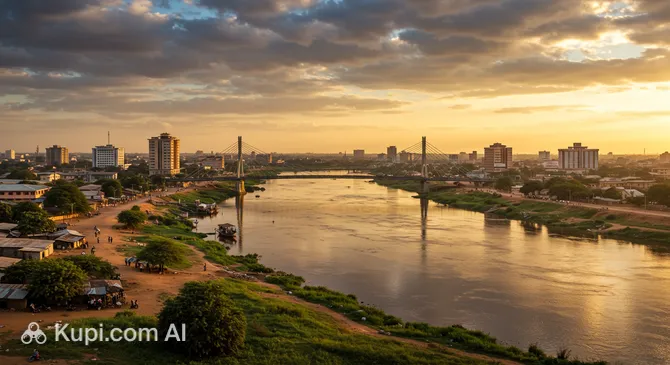
Welcome to Juba, the vibrant capital and largest city of South Sudan. Situated on the western banks of the majestic White Nile, this city serves as the commercial and administrative heartbeat of the nation. With a population of over 500,000 residents, it offers a unique blend of cultures and a lively atmosphere that reflects the spirit of the region.

Juba. Source: Kupi.Binoculars

The city is located in the Central Equatoria State and is characterized by a tropical climate, ensuring warm weather throughout the year. Exploring the history of Juba reveals its evolution from a trading post to a rapidly growing metropolis. Today, it stands as a significant river port and a gateway for travelers looking to discover the natural beauty of this part of East Africa.

Visitors to Juba can find several interesting spots to explore. The White Nile is a central feature, offering scenic views and riverside spots perfect for relaxation. For those interested in hiking and panoramic vistas, Jebel Kujur is a prominent hill that provides a stunning outlook over the sprawling city. The local markets are also a hub of activity, where one can observe the daily life and trade of the local community.

Whether you are starting an adventure into the wider country or simply experiencing the local urban culture, Juba provides a distinct and memorable introduction to the region. We invite you to discover the warmth and potential of this developing capital.

Weather Overview

Juba experiences a hot, tropical climate characterized by high temperatures year-round and distinct wet and dry seasons. The city is generally sunny and warm, making it important for visitors to pack light, breathable clothing. For a detailed forecast and monthly averages to help plan your trip, you can consult the guide to the weather in Juba.

The hottest period occurs from January to March, where average temperatures peak around 32.0°C, with daily highs often reaching nearly 38°C. During these months, precipitation is scarce, with January and February typically seeing 0mm of rain and clear skies.

The rainy season spans from April to October, bringing relief from the intense heat but increasing humidity. July and August are the wettest months, with up to 20 wet days each, while temperatures moderate to an average of about 26.2°C. Expect hot, arid conditions during the dry season and warm weather with frequent afternoon showers during the wet months.

Interesting Facts

Beyond the main thoroughfares and administrative centers, Juba holds fascinating stories that reflect its rapid transformation and unique geography.
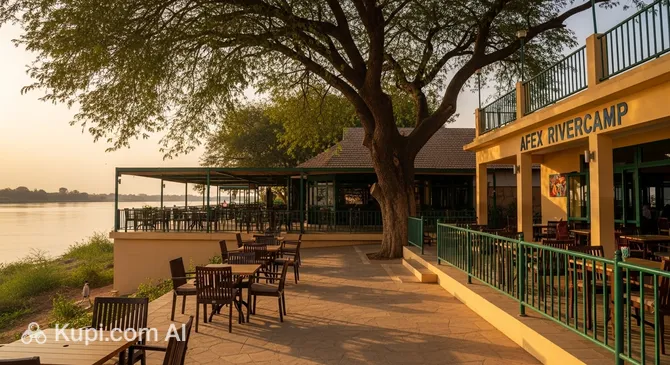
AFEX Rivercamp. Source: Kupi.Binoculars
  • The city's distinctive landmark, Jebel Kujur, carries a name with deep cultural meaning. "Kujur" relates to traditional spirits or witchcraft in the local dialect, and the hill has long been associated with local legends and spiritual significance beyond its use as a hiking spot.

  • For decades, Juba was home to the only bridge crossing the White Nile in the entire country. This solitary structure served as the vital lifeline connecting the region to Kenya and Uganda, making it one of the most strategic points in East Africa.

  • Juba is often cited as having been one of the fastest-growing cities in the world during the early 21st century. It transformed almost overnight from a small garrison town into a sprawling metropolis as the diaspora returned to help build the new capital.

  • The riverbanks offer a front-row seat to nature, where urban life meets the wild. At riverside venues like AFEX Rivercamp, visitors can enjoy a meal while occasionally spotting wild hippos surfacing in the Nile waters just a short distance away.

How to Get There

For most travelers, the most convenient and common way to reach the capital of South Sudan is by air. As the primary gateway to the nation, the city connects to several regional hubs in East Africa and beyond. For a comprehensive guide on all available transport options, you can read more about how to get to Juba on our detailed page.

The city is served by Juba International Airport (IATA: JUB), which is strategically located just 2.9 km from the city center. As the busiest airport in the country, it handles the majority of international traffic, connecting Juba with major cities like Nairobi, Addis Ababa, and Cairo. Due to its close proximity to the downtown area, the journey is quite short; a taxi or shuttle ride typically takes approximately 25 minutes, depending on traffic conditions. The airport operates as a vital link for both business and leisure travelers visiting the region.

For clarity, here is a summary of the main airport:

Airport Name City Passenger Traffic Km from City
Juba International Airport Juba Medium 2.9

Main Attractions

Exploring Juba offers a unique mix of natural landmarks, historical sites, and vibrant local spots that reflect the city's growing energy. While the capital is primarily a business and administrative hub, there are several key places where visitors can experience the local culture, enjoy scenic views, or indulge in excellent cuisine.

One of the most iconic natural features in the area is Jebel Kujur. This distinctive hill, with its rugged terrain and imposing presence, is visible from many parts of the city. It is a popular destination for hiking enthusiasts who want to escape the urban bustle. Climbing to the top rewards adventurers with panoramic views of Juba and the surrounding countryside, making it a perfect spot for photography, especially during sunrise or sunset.

In the heart of the city, the Dr. John Garang Mausoleum stands as a major landmark dedicated to the founding father of South Sudan. The site serves as a venue for official ceremonies and public gatherings. It is a place of great significance to the local people and offers tourists a chance to see an important piece of the nation's modern history and identity within a guarded, spacious enclosure.

AFEX Rivercamp. Source: Kupi.Binoculars

For a relaxing atmosphere combined with scenic beauty, AFEX Rivercamp is a must-visit destination. Located directly on the banks of the White Nile, this establishment is more than just a restaurant; it is a retreat where visitors can enjoy a meal or a refreshing drink while watching the majestic river flow by. The lush, garden-like setting provides a tranquil environment, and it is not uncommon to spot local wildlife, such as hippos, in the water nearby.

Phoenicia. Source: Kupi.Binoculars

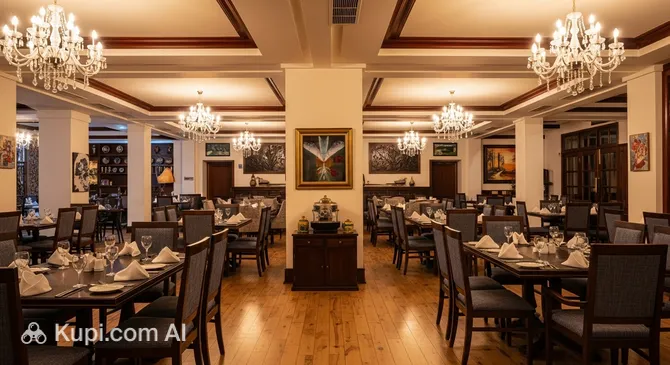
Travelers looking for a high-quality dining experience should consider visiting Phoenicia. This well-regarded venue is known for its diverse menu, featuring a blend of international and Lebanese cuisine. It is a popular social hub for both expatriates and locals, offering a comfortable ambiance that makes it an excellent choice for a nice dinner after a day of exploring the city.

Local Cuisine

The culinary landscape of Juba reflects the diversity of South Sudan, blending indigenous traditions with strong influences from East Africa and the Arab world. Food here is hearty and often communal, centered around staples that provide energy for the warm climate. A must-try dish is Kisra, a thin, fermented flatbread made from sorghum or wheat, which is typically served with various stews known locally as mullah. These stews can be made with meat, okra, or greens and are rich in flavor.

Given the city's location on the banks of the White Nile, fresh fish is a highlight of the local diet. Grilled or fried Nile Perch and Tilapia are widely available and are often accompanied by a side of spicy sauces or fresh salads. For a quick bite, you might encounter Mandazi, a slightly sweet, fried dough that pairs perfectly with morning beverages, or Ful Medames, a fava bean dish seasoned with oil and spices, often eaten for breakfast.

The drinking culture in Juba is vibrant and social. Tea and coffee stalls are common gathering spots where locals catch up on the day's news. You should try the local spiced tea, often infused with ginger, cloves, or cinnamon, and heavily sweetened. Karkadé, a refreshing drink made from hibiscus flowers, is also very popular and perfect for cooling down in the afternoon heat.

Dining out in Juba ranges from casual market stalls to more established restaurants catering to the international community. The riverside is particularly popular for its breeze and ambiance. For a relaxed meal by the water, AFEX Rivercamp offers a great setting to enjoy both local and continental dishes while watching the river flow. If you are in the mood for a diverse menu featuring excellent Lebanese and international cuisine, Phoenicia is a well-regarded spot that provides a comfortable dining experience in the heart of the city.

Travel Tips

Visiting Juba is an adventure that rewards the prepared traveler with warm hospitality and unique sights along the White Nile. To ensure your journey is smooth and enjoyable, here are some essential practical tips to keep in mind before you arrive.

  1. Clothing and Gear: Given the tropical heat, pack lightweight, breathable fabrics like cotton or linen to stay cool. However, it is important to dress modestly; keeping shoulders and knees covered is respectful to local norms. Bring sturdy, closed-toe shoes, as the streets can be dusty or muddy depending on the season, and a universal travel adapter is useful for charging devices.

  2. Transportation: While boda-bodas (motorcycle taxis) and minibuses are common, they can be chaotic; for safety and comfort, hiring a private taxi or a car with a local driver is the best option for visitors. Ride-hailing apps are not widely established, so it is wise to arrange transport through your hotel or a reputable contact.

  3. Finances: The local currency is the South Sudanese Pound (SSP), but US dollars are widely used and often preferred for hotels and larger purchases. Crucial tip: Ensure your dollar bills are "new series" (printed after 2009) and in pristine condition, as notes with even slight tears or ink marks are usually rejected. Credit cards are rarely accepted outside top-tier hotels, so carrying sufficient cash is essential.

  4. Health and Safety: Malaria is prevalent, so packing strong insect repellent and taking prophylaxis is highly recommended. Stick strictly to bottled water for drinking and brushing your teeth. Pharmacies are available but may have limited stock, so bring a personal medical kit. Always stay updated on local security advice and avoid walking alone at night.

  5. Communication: English is the official language, which helps with navigation, though Juba Arabic is the common street language. To stay connected, buy a local SIM card from providers like MTN or Zain upon arrival, as hotel Wi-Fi can be intermittent. A few words of Arabic greeting can go a long way in breaking the ice.

  6. Local Etiquette: South Sudanese people are generally welcoming and value proper greetings; a handshake is the standard way to say hello. Always use your right hand for eating, greeting, or passing money, as using the left hand is considered impolite. Patience and politeness are key in all interactions.

  7. What to Avoid: Strictly avoid taking photographs of government buildings, military personnel, police, bridges (especially the bridge over the Nile), or the airport. This is a very sensitive issue, and unauthorized photography can lead to serious legal complications or confiscation of your camera.

  8. Weekend Vibes: For a taste of local life, head to the riverside venues on a Sunday afternoon. This is when residents gather to relax by the Nile, offering a safe and lively atmosphere to enjoy fresh fish and observe the city's social culture.

With these tips in hand, you are ready to navigate the capital with confidence and respect. Embrace the vibrant energy of the city, and you will find your visit to this emerging destination to be a memorable and eye-opening experience.

Entertainment & Nightlife

Entertainment and nightlife in Juba offer a surprisingly lively social scene, distinct from many other capitals. While you won't find a sprawling district of neon-lit nightclubs, the city comes alive after dark in specific pockets, particularly around the riverside and the upscale hotels in the Tong Ping area. The atmosphere is generally relaxed and communal, heavily influenced by the large expatriate community and locals looking to unwind. Evenings typically revolve around open-air dining, live bands, and social drinking rather than intense clubbing, with venues usually filling up from 8:00 PM onwards.

For a quintessential Juba evening, the banks of the White Nile are the place to be. AFEX Rivercamp is a standout location that transitions seamlessly from a daytime retreat to a vibrant nightspot. It is widely considered one of the best places to enjoy a cold drink while listening to the sounds of the river and chatting with a diverse crowd of travelers and residents. The setting is casual, so comfortable summer attire is perfectly acceptable, though carrying a light layer for the breeze is a good idea.

If you prefer a more polished setting for dinner and late-night socializing, Phoenicia is a top choice. Located closer to the city center, this venue is bustling on weekends and offers a sophisticated environment where you can enjoy excellent food and drinks well into the night. It attracts a mix of business professionals and visitors, making it a safe and welcoming hub for nightlife. Prices in these expatriate-friendly venues can be comparable to Western standards, so budget accordingly.

Safety is the most critical aspect of enjoying Juba at night. Walking after dark is strictly discouraged, regardless of the distance. The streets are often unlit, and security can be unpredictable. You should always arrange reliable transport in advance, such as a private driver or a taxi recommended by your hotel or venue security. Most popular nightlife spots have guarded parking and security checks at the entrance, ensuring a safe environment once you are inside.

Regarding daytime entertainment, options are more traditional and limited compared to the nightlife. Juba does not have a wide array of museums, theaters, or amusement parks. Instead, daytime leisure often involves exploring local craft markets or relaxing by hotel pools. Cultural experiences are more likely to be found in the daily interactions at markets rather than formal institutions, making the evening social scene the primary form of entertainment for most visitors.

Parks & Museums

While Juba is not defined by manicured botanical gardens or vast national museums, the city offers distinct spaces where nature and culture intersect. The capital's greenery is largely tied to the life-giving White Nile, while its cultural heritage is best experienced through active community centers, religious landmarks, and the living traditions of its diverse people.

The most prominent natural feature acting as a recreational space is the riverfront along the White Nile. Unlike formal city parks, the riverbanks provide a lush, breezy escape from the urban heat. Locations like AFEX Rivercamp serve as accessible green havens where visitors can sit amongst mango and neem trees. These riverside spots are excellent for birdwatching and enjoying the natural tranquility of the water, offering a safe and relaxed environment that functions much like a public park for travelers.

In terms of cultural institutions, the Nyakuron Cultural Center stands out as the premier venue for arts and heritage in Juba. It is not a museum in the traditional sense of glass cases and artifacts, but rather a dynamic hub that hosts tribal dance performances, music festivals, and art exhibitions. The center features a large outdoor arena and gardens, making it the best place to witness the vibrant, living culture of South Sudan's many ethnic groups.

For those interested in history and architecture, the Kator Catholic Cathedral is a must-see landmark. Built in the 1950s, this imposing red-brick structure is one of the largest churches in the city and serves as a testament to the region's religious history. Its architectural style is distinct, and the atmosphere inside provides a peaceful retreat. Similarly, the All Saints Cathedral represents another key pillar of the city's spiritual and architectural heritage, frequently hosting significant community gatherings.

A site of deep local importance is the Jubek Tomb, the resting place of the historical figure Jubek, after whom the city is named. Regarded as a significant ancestor of the Bari people, the site is a modest but culturally weighty landmark that connects the modern capital to its indigenous roots. It offers a quiet moment of reflection on the history of the land before its rapid urbanization.

Getting Around

The public transport system in Juba is primarily informal and decentralized, reflecting the city's rapid growth and developmental stage. Unlike major global capitals, the city does not possess a metro system, trams, or a large municipal bus network. Instead, the streets are dominated by privately owned vehicles that serve as the backbone of daily commuting for residents. For a tourist, navigating this system requires a sense of adventure and an understanding of local customs.

The most ubiquitous form of transport is the boda-boda, or motorcycle taxi. These agile bikes are found on nearly every corner and are the fastest way to cut through traffic. While they are convenient for short trips, they are known for erratic driving. If you choose to use one, it is advisable to look for a driver who appears cautious, and you should always insist on a moderate speed. Helmets are rarely provided for passengers, so this mode of travel carries a safety risk.

For longer distances, white minibuses (often 14-seater vans) operate on semi-fixed routes connecting major neighborhoods, markets, and the city center. There are no official bus stops with posted schedules; instead, the system is "hail and ride." You simply wave at a passing van, and if there is space, it will stop. These buses are the most affordable way to travel but are often crowded and can be quite hot during the day.

Payment across the entire public transport network is strictly cash-based. There are no electronic travel cards, passes, or mobile ticketing apps for public transit in Juba. You must pay the driver or the conductor directly in South Sudanese Pounds (SSP). Fares for minibuses are generally fixed and very low, whereas prices for boda-bodas are variable. It is crucial to negotiate the fare with the motorcycle driver before the journey begins to avoid disputes later. carrying small denominations is highly recommended, as drivers frequently lack change for large banknotes.

For visitors prioritizing comfort and safety, relying on private taxis or hiring a car with a driver is the best alternative. Unlike the public options, these offer air conditioning and a secure environment. International ride-sharing apps are not widely established or reliable here, so the most effective method is to arrange transport through your hotel reception or a reputable local agency. This ensures you have a trusted driver who knows the city well.

Transport services generally operate from early morning until sunset. While boda-bodas can be found at night, it is strongly advised for tourists to avoid public transport after dark due to safety concerns and poor street lighting. If you need to travel in the evening, stick to pre-booked private taxis. Always confirm your destination and price beforehand, and try to have the exact fare ready to ensure a smooth experience.

Accommodation

Accommodation in Juba is quite distinct compared to other tourist destinations in East Africa. The city primarily caters to business travelers, diplomats, and NGO workers, which is reflected in the types of lodging available. Options generally range from high-end luxury hotels and secure apartment complexes to unique "river camps" that offer tented or containerized accommodation. Genuine budget hostels are rare, and travelers should be aware that accommodation prices in Juba are significantly higher than in neighboring countries due to the high cost of operating with generators and private security.

When choosing a location, the area known as Tong Ping is a popular choice for international visitors. Situated close to the airport and many government ministries, it offers convenience and a higher concentration of modern hotels with reliable amenities. Another sought-after area is along the banks of the White Nile. Staying here provides a more scenic and relaxing environment, where the breeze from the river helps cool down the tropical heat, offering a resort-like feel within the city limits.

A unique feature of Juba's hospitality scene is the prevalence of secure compounds that function as self-contained villages. These establishments often combine accommodation, dining, and recreation in one safe location. While standard concrete hotels are available, many visitors enjoy the experience of staying in well-equipped prefabricated units or luxury tents near the river, which blend comfort with a touch of outdoor adventure.

Booking Tip: It is highly recommended to book your accommodation well in advance, especially if you are visiting during a major conference or event. When booking, always confirm that the price includes essential amenities such as 24-hour electricity (generator power), air conditioning, and Wi-Fi, as these are not guaranteed in lower-tier establishments.

Regarding costs, be prepared for a higher price point. "Budget" options in Juba can still be relatively expensive by regional standards. Most reputable hotels accept payment in US dollars, and it is often preferred. While some major hotels are listed on international booking platforms, contacting the property directly via email or phone can sometimes secure a better rate or ensure your reservation is confirmed in their local system.

Nearby Cities

For those looking to explore the surroundings, Juba serves as an excellent base for day trips or short excursions to several interesting nearby locations. While the capital offers urban energy, the neighboring towns provide a closer look at the diverse landscapes and traditional lifestyles of South Sudan.

Bor is situated north of Juba along the banks of the White Nile. As a historic port city, it offers visitors a chance to observe the vital river trade and fishing culture that sustains much of the region. It also serves as a gateway to the Sudd, one of the world's largest wetlands and a significant ecosystem for birdlife.

To the southwest lies Yei, a town often praised for its cooler climate and lush, green surroundings. Known as an agricultural hub, Yei features scenic landscapes characterized by mango trees and rolling hills, offering a refreshing contrast to the arid heat often found elsewhere. It serves as a key trade link with neighboring countries and showcases the fertile beauty of the Equatoria region.

Another notable destination is Kajo Keji, located near the Ugandan border. This town is set amongst picturesque hills and valleys, providing opportunities for scenic drives and a look at the cross-border cultural exchanges that define the southern frontier. The area is known for its limestone formations and vibrant local markets.

City Population Distance (km)
Bor 315351 150
Kajo Keji 196000 111
Yei 185000 131
Magwe 169826 111
Wau 163442 508

These nearby destinations offer a glimpse into the diverse culture and landscapes of the region, ranging from riverine ecosystems to fertile highlands.

Shopping & Souvenirs

Shopping:

Shopping in Juba is an experience defined by vibrant, bustling open-air markets rather than high-end retail therapy. For visitors, it offers a chance to immerse themselves in the local culture, negotiate prices, and discover unique goods that reflect the region's heritage. While the city does not boast the sprawling luxury malls found in other capitals, it provides an authentic atmosphere where trade is conducted with energy and personal interaction.

The city's commercial life is concentrated along its main arterial roads and in specific market districts. The areas surrounding the university and the central business district are often lined with small shops selling electronics, hardware, and general merchandise. Exploring these streets on foot requires patience due to the crowds, but it allows travelers to see the variety of goods available to the local population, from imported textiles to household essentials.

For a more modern shopping experience, visitors often head to the Tong Ping area or neighborhoods popular with expatriates. Here, you can find well-stocked supermarkets and smaller shopping plazas that offer imported foods, toiletries, and western-style conveniences. While these are not "malls" in the traditional sense, they provide a comfortable, air-conditioned environment where you can purchase supplies, snacks, and sometimes clothing at fixed prices.

The true heartbeat of Juba's commerce is the famous Kony Kony Market. This sprawling marketplace is a sensory overload of sights, sounds, and smells, serving as the primary trading hub for the city. Here, you can find almost anything, from fresh fruits and vegetables brought in from the countryside to second-hand clothes and colorful fabrics. Another notable spot is the Custom Market, which is known for its sheer size and variety of goods, including vehicle parts and building materials, alongside everyday items.

When it comes to souvenirs, Juba has some hidden gems. The best items to look for include traditional beaded jewelry, which is intricate and culturally significant. Colorful printed fabrics, often used for clothing, make for excellent gifts. You may also find wooden carvings and woven baskets that showcase the craftsmanship of South Sudan's diverse ethnic groups. These items are typically sold in smaller stalls or by street vendors near popular hotels.

Practicality is key when planning a shopping trip. Most shops and markets operate from around 8:00 AM to 6:00 PM, closing as the sun sets. Cash is the absolute rule for almost all transactions. While US dollars are accepted for larger purchases (and often preferred), you will need South Sudanese Pounds (SSP) for small items in the markets. Credit cards are virtually useless for shopping outside of a few high-end hotel gift shops.

Visitors should be aware that tax-free shopping or VAT refund schemes for tourists do not exist in South Sudan. The price you negotiate or see on the shelf is the final price, so there is no paperwork to collect for the airport.
Reached the end of the page?

That means the route is fully explored