Support

Yanbu

About

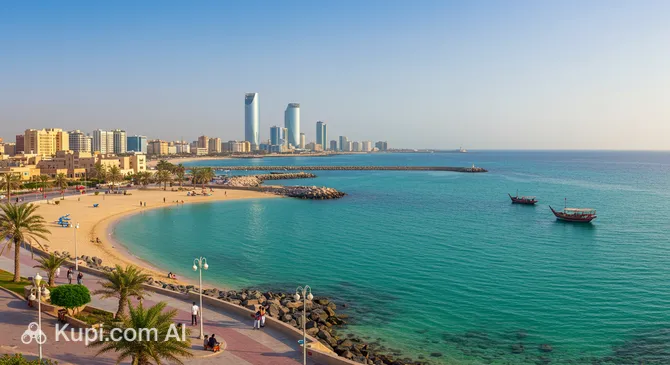
Yanbu is a captivating coastal city located in the Al Madinah Region of Saudi Arabia. Often referred to as the "Pearl of the Red Sea," it serves as a major port and a vital industrial hub while retaining a deep connection to its cultural roots. With a population of approximately 250,000 residents, the city offers a unique blend of modern development and traditional charm, making it an intriguing destination for travelers seeking both relaxation and discovery.

Yanbu. Source: Kupi.Binoculars

Geographically, the city is distinctively divided into three main sections, each offering a different experience. Yanbu Al Bahr (The Sea) is the historic center and the heart of tourism, where visitors can wander through the restored Old Town. Yanbu Al Sinaiyah (The Industrial City) showcases modern urban planning and industry, while Yanbu Al Nakhl (The Palms) is an ancient agricultural area rich in date farms and traditional villages. Exploring the history of Yanbu reveals its longstanding importance as a stop on the spice route and a gateway for pilgrims.

For outdoor enthusiasts, Yanbu is a paradise. The pristine waters of the Red Sea offer some of the best scuba diving and snorkeling opportunities in the region, featuring untouched coral reefs and abundant marine life. Whether you are exploring the coral architecture of the heritage district or enjoying a sunset by the waterfront corniche, Yanbu promises a memorable and diverse travel experience.

Weather Overview

Travelers to this coastal city can expect a hot desert climate characterized by abundant sunshine and distinct seasonal variations. The summer months, particularly from June to September, are intensely hot, with average maximum temperatures regularly climbing to around 39°C. Even the evenings during this period remain warm, with minimum temperatures typically staying above 28°C.

For a more comfortable outdoor experience, the winter season from December to February is widely considered the best time to visit. During these months, the weather in Yanbu is much milder and pleasant, featuring daily highs between 26°C and 28°C and cooler nights where temperatures dip to approximately 16°C to 18°C.

Rainfall is extremely scarce in the region, ensuring dry conditions for the vast majority of the year. While the city sees almost no precipitation during the summer, there is a very slight chance of rain during the winter and transitional months, though it remains minimal with only a few wet days recorded annually.

Interesting Facts

Beyond the main attractions and industrial achievements, Yanbu holds many fascinating secrets that reveal its depth as a cultural and historical crossroads. From world records to echoes of famous historical figures, the city offers stories that go far beyond its reputation as a port.

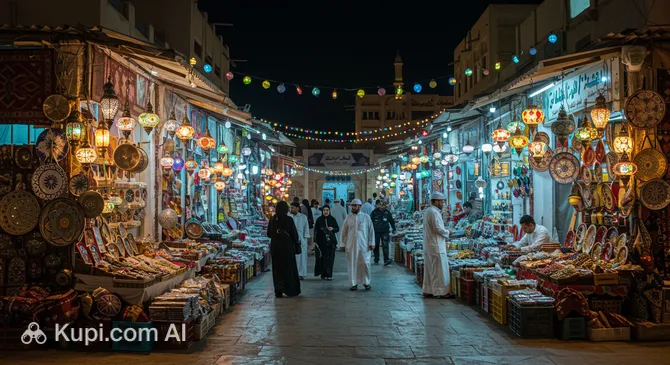
  • The Yanbu Night Market is not just a modern convenience but a centuries-old tradition with a unique origin. Historically, it was one of the few markets in the region that operated strictly after dark to serve local fishermen returning from the sea, allowing them to trade their fresh catch and purchase supplies when other shops were closed.

  • The city has a notable connection to T.E. Lawrence, widely known as Lawrence of Arabia. He resided in a traditional Hejazi house within what is now the Historic Al-Sour District Visitor Center, and the restored architecture of the area continues to reflect the authentic style of that era.

  • Despite its arid climate, Yanbu has made a surprising mark in the world of horticulture. The city's annual Flower Festival has previously been recognized by the Guinness World Records for creating the largest carpet of natural flowers, featuring millions of blooms that transform the desert landscape into a vibrant tapestry of color.

Yanbu Night Market. Source: Kupi.Binoculars

How to Get There

Reaching this coastal gem is quite convenient, with options ranging from direct flights to scenic road trips from nearby major cities. Whether you are arriving from within the kingdom or from abroad, you can find detailed information on how to get to Yanbu to help plan your journey.

The most direct way to arrive is via Yanbu Airport (YNB), which is located just 6.1 km from the city center. This regional hub handles a steady flow of domestic and international connections, making it the primary entry point for visitors. A taxi ride from the terminal to the heart of the city is very quick, typically taking less than 15 minutes.

If a direct flight is not available, many travelers choose to fly into Prince Mohammad Bin Abdulaziz International Airport (MED) in the city of Medina. It is a major international gateway situated approximately 174 km from Yanbu. The city of Yanbu does not have its own major international hub comparable to Medina's, but the transfer is straightforward; a drive by taxi or bus generally takes about 2 hours.

Another significant option is King Abdulaziz International Airport (JED) in Jeddah. As the busiest airport in Saudi Arabia, it offers the widest range of global flight connections. Located about 290 km away, the journey by road from Jeddah to Yanbu typically takes around 3 to 3.5 hours, offering a smooth ride along the coast.

For clarity, here is a summary of the main airports:
Airport Name City Passenger Traffic Km from City
King Abdulaziz International AirportJeddahLarge290.3
Prince Mohammad Bin Abdulaziz International AirportMedinaLarge173.9
Yanbu AirportYanbuMedium6.1
Prince Abdul Majeed bin Abdulaziz AirportAlUlaSmall265.9
Berenice InternationalBereniceSmall264.4

Main Attractions

Yanbu is a city where history and modernity coexist beautifully, offering visitors a chance to explore its rich maritime heritage alongside contemporary comforts. While the Red Sea coastline is a major draw, the city's land-based attractions provide a deep dive into local culture, architecture, and daily life. From restored heritage districts to bustling markets, there are several key places that define the tourist experience here.

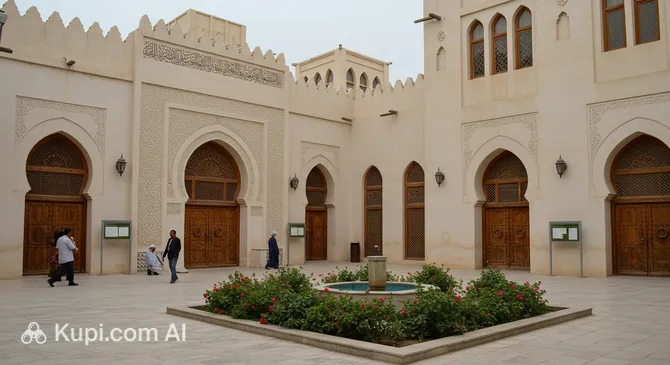
A perfect starting point for any cultural tour is the Historic Al-Sour District Visitor Center. This area serves as the gateway to Yanbu's Old Town, showcasing the traditional Hejazi architecture that characterizes the region. Tourists can admire the intricate wooden latticework of the balconies, known as Rawashin, and walk through streets that echo the city's past as a vital port for pilgrims and merchants. It is an excellent spot for photography and learning about the architectural legacy of the Red Sea coast.

Historic Al-Sour District Visitor Center. Source: Kupi.Binoculars

For a lively and authentic atmosphere, the Yanbu Night Market is an unmissable destination. Locally known as Souq Al-Lail, this market has a long history of serving fishermen and traders late into the evening. Today, it remains a vibrant hub where visitors can find local products, traditional crafts, and fresh delicacies. The market comes alive after sunset, offering a warm and welcoming environment that allows travelers to mingle with locals and experience the city's social pulse.

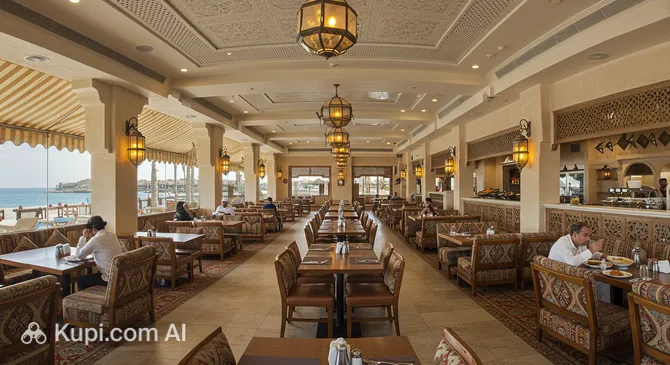
Travelers looking to enjoy a pleasant meal should consider visiting Jovana Restaurant. It is a popular dining spot that offers a comfortable setting to relax after a day of sightseeing. The restaurant is known for its diverse menu and inviting ambiance, making it a great choice for families and groups who want to savor good food and recharge before their next adventure.

Jovana Restaurant. Source: Kupi.Binoculars

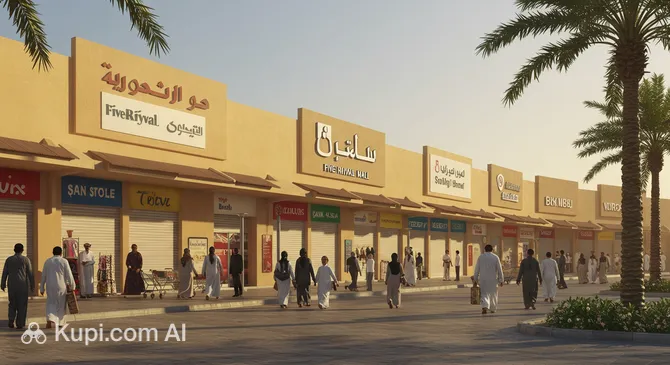
For those interested in shopping, the Five Riyal Mall provides a different kind of experience. While Yanbu has various modern retail centers, this location offers a wide range of affordable goods and everyday items. It is a practical stop for tourists who might need to pick up travel essentials or browse for simple souvenirs and local trinkets at budget-friendly prices.

Five Riyal Mall. Source: Kupi.Binoculars

Local Cuisine

The culinary scene in Yanbu is deeply rooted in its coastal geography, making it a paradise for seafood lovers. As a historic port city on the Red Sea, the local diet is dominated by fresh catches delivered daily by local fishermen. The cuisine here shares many similarities with the broader Hejazi food culture, characterized by aromatic spices and rich flavors, but with a distinct maritime twist that sets it apart from the inland regions.

One dish that every visitor must try is Sayadiah, which is arguably the city's most iconic meal. This flavorful dish consists of white fish, often Grouper (locally known as Najil) or Emperor fish, cooked with rice that has been browned with caramelized onions and a blend of special spices. Another popular preparation is grilled fish, often seasoned with spicy tamarind pastes or simple lemon and garlic to highlight the freshness of the produce. For a hearty communal meal, travelers might also encounter massive platters of rice topped with seafood, reflecting the generous hospitality of the region.

When it comes to beverages, visitors should be aware that alcohol is strictly prohibited throughout Saudi Arabia. Instead, the local drinking culture revolves around coffee, tea, and fresh juices. Traditional Arabic coffee (Gahwa) is a staple of hospitality, usually served in small cups alongside dates to balance the bitterness with sweetness. Mint tea is also incredibly popular, especially after a heavy meal. For a refreshing cold drink, "Saudi Champagne"—a non-alcoholic mix of apple juice, sparkling water, and slices of fruit—is a favorite in many restaurants.

The dining atmosphere in Yanbu ranges from casual street food to modern eateries. For an authentic experience, the historic souqs offer stalls selling fried fish and quick bites. Those looking for a relaxed start to their day or a cozy evening spot can visit Kaylah Cafe & Breakfast. This venue is perfect for enjoying a morning coffee or a light meal in a comfortable setting, reflecting the city's growing cafe culture.

Kaylah Cafe & Breakfast. Source: Kupi.Binoculars

Travel Tips

Welcome to the "Pearl of the Red Sea"! To ensure your journey through Yanbu is as relaxing and enjoyable as the coastal breeze, we have compiled a list of essential practical tips to help you navigate local customs and logistics with ease.

  1. Clothing and Gear: Given the hot desert climate, lightweight and breathable fabrics like cotton or linen are essential. While strict dress codes have relaxed, modesty is still highly valued in Saudi Arabia; both men and women should wear loose-fitting clothing that covers shoulders and knees. Don't forget high-SPF sunscreen, sunglasses, and a hat to protect against the intense sun, especially if you plan to explore the waterfront.

  2. Transportation: Yanbu is spread out across three main distinct areas, so walking between districts is often not feasible. The most convenient way to get around is by renting a car, which gives you the freedom to explore at your own pace. Alternatively, ride-hailing apps like Careem and Uber are reliable and widely used here. Taxis are available, but ensure the meter is running or agree on a fare beforehand.

  3. Finances: The local currency is the Saudi Riyal (SAR). Credit and debit cards are widely accepted in hotels, malls, and modern restaurants. However, it is wise to carry some cash, particularly if you plan to visit the traditional Souq Al-Lail (Night Market) or buy from small local vendors. ATMs are plentiful throughout the city. Tipping is not mandatory but is appreciated for good service, usually around 10-15%.

  4. Health and Safety: Yanbu is a very safe city for tourists. Pharmacies are common and easy to locate, with many major chains like Nahdi open late or 24/7. The tap water is generally desalinated, but it is highly recommended to drink bottled water to stay hydrated in the heat. In case of any emergency, dial 997 for an ambulance or 999 for police.

  5. Communication: Arabic is the official language, but English is increasingly spoken, especially in the hospitality and business sectors. Having a translation app can be very helpful for interactions in smaller shops. We recommend purchasing a local SIM card (STC, Mobily, or Zain) at the airport upon arrival to ensure you have reliable internet access for maps and navigation.

  6. Local Etiquette: Saudis are known for their hospitality. The standard greeting is "As-salamu alaykum" (Peace be upon you). When interacting with locals, be polite and respectful; strictly avoid taking photographs of people—especially women—without their explicit permission. During prayer times, you may find that music is turned off and some smaller shops close briefly, though this practice is becoming more flexible.

  7. What to Avoid: Public displays of affection are culturally inappropriate and should be avoided. Additionally, remember that alcohol is strictly prohibited in the country; do not attempt to bring it with you or look for it. During the holy month of Ramadan, avoid eating, drinking, or smoking in public during daylight hours out of respect for those fasting.

  8. Timing Your Day: Life in Yanbu, like many Saudi cities, shifts later in the day due to the heat. Many shops and markets, especially the famous Night Market, only truly come alive after sunset. Plan your outdoor activities for the early morning or evening, and use the hot afternoon hours for indoor attractions, diving, or resting.

By keeping these practical tips in mind, you will be well-prepared to embrace the warm hospitality and unique culture of Yanbu. Enjoy your adventure in this beautiful coastal city, from its historic coral streets to its vibrant underwater worlds!

Entertainment & Nightlife

Nightlife in Yanbu offers a distinct and culturally rich experience that differs significantly from Western concepts of evening entertainment. Since alcohol is prohibited throughout Saudi Arabia, you will not find bars, nightclubs, or pubs here. Instead, the city comes alive after sunset with a vibrant social scene centered around late-night dining, bustling souqs, and atmospheric waterfront promenades. The evenings are typically cool and breezy, prompting families and friends to gather outdoors, often staying up well into the early morning hours to enjoy the pleasant weather and company.

The heartbeat of the city's evening activity is undoubtedly the Yanbu Corniche. This sprawling waterfront area transforms at night into a lively social hub where locals set up picnics on the grass and children play in the parks. It is the perfect place for a relaxing night walk, with the Red Sea providing a serene backdrop. Nearby, the beautifully restored Old Town invites visitors to stroll through its illuminated alleys. The Historic Al-Sour District Visitor Center is particularly enchanting in the evening, as the traditional lighting highlights the intricate wooden details of the heritage architecture, creating a magical atmosphere for photography and exploration.

For a taste of authentic local commerce, the Yanbu Night Market (Souq Al-Lail) is the premier destination. True to its name, this market thrives after dark. It is a sensory delight filled with the aroma of dried fish, spices, and local street food. The crowd here is a mix of curious tourists and residents shopping for daily goods, creating a welcoming and safe environment. Visitors can browse for unique handicrafts or simply enjoy a cup of tea while soaking in the traditional Hejazi vibe.

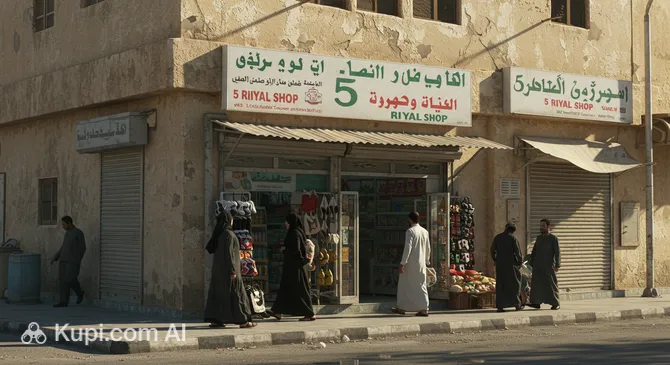
Shopping is another major nocturnal pastime in Yanbu, with malls and stores often remaining open until midnight or later. For those looking to enjoy some casual browsing or pick up affordable items, the 5 Riyal Shop offers a fun and budget-friendly experience. It is a popular spot for families to grab toys, household items, or souvenirs without breaking the bank, reflecting the relaxed and practical nature of local evening outings.

5 Riyal Shop. Source: Kupi.Binoculars

From a practical standpoint, the best time to head out is after the Isha prayer (usually around 8:00 PM), when the city truly wakes up. The atmosphere is casual, but modest dress is required; men should wear long trousers, and women should dress conservatively. Yanbu is exceptionally safe at night, making it comfortable for solo travelers and families alike to walk around the main districts. Getting around is easiest via ride-hailing apps like Uber or Careem, which are readily available and reliable for late-night transport.

While the nights are for socializing and relaxing, the daytime in Yanbu offers its own set of adventures. Before the evening sets in, visitors can explore the city's maritime history at local museums or enjoy the underwater wonders of the Red Sea through diving and snorkeling excursions. However, saving your energy for the cool, vibrant nights is the best way to experience the true spirit of this coastal city.

Parks & Museums

Yanbu offers a surprising abundance of lush green spaces and cultural landmarks that beautifully contrast with its desert surroundings. The city has invested heavily in creating expansive parks and preserving its heritage sites, providing visitors with a perfect mix of relaxation and historical exploration. From manicured waterfront gardens to restored architectural gems, the city's public spaces reflect its dual identity as a modern industrial hub and an ancient port.

One of the most serene spots in the city is Yanbu Lake Park. Located in the industrial sector, this artificial oasis is a favorite among families and nature lovers. The park features a large central lake surrounded by vast green lawns, walking paths, and palm trees, creating a habitat for various bird species. It is an ideal location for a morning jog or a peaceful picnic. Another significant natural area is Al-Nawras Island, connected to the mainland by a bridge. This recreational island combines sandy beaches with landscaped parklands, offering designated fishing spots, playgrounds, and shaded areas where visitors can enjoy the cool sea breeze away from the city bustle.

For those interested in the region's rich history, the Historic Al-Sour District Visitor Center is the cultural heart of Yanbu. Situated within the restored Old Town, this center serves as a living museum, guiding tourists through the city's maritime past and architectural heritage. Visitors can explore the traditional Hejazi buildings constructed from coral stone and wood, learning about the merchants and pilgrims who once walked these streets. The district effectively functions as an open-air museum, immersing guests in the atmosphere of a bygone era.

Within the same historic vicinity stands the famous House of T.E. Lawrence, a site of great historical intrigue. While not always open as a formal museum with exhibits, the restored residence where the British officer known as "Lawrence of Arabia" stayed during the Great Arab Revolt is a key stop for history buffs. The structure has been preserved to reflect the authentic style of the early 20th century, offering a tangible connection to the events that shaped the modern Middle East.

If you are visiting during the spring months, typically around February or March, do not miss the Yanbu Flower Festival. Held at the Events Garden in Yanbu Industrial City, this annual event transforms the desert landscape into a riot of color. It has previously held world records for the largest carpet of flowers, showcasing millions of blooms in intricate designs. It is a spectacular seasonal attraction that highlights the city's horticultural achievements.

Insider Tip: For a truly local experience, visit the parks along the Corniche just before sunset. This is when the weather is coolest, and the spaces fill with locals enjoying tea and conversation. It is the best time to soak in the community atmosphere and watch the sun dip below the Red Sea horizon.

Getting Around

Yanbu is a city designed primarily for vehicular travel, and its public transport infrastructure differs significantly from what visitors might expect in major metropolitan hubs. There is no metro, tram, or extensive local bus network serving the inner city. For tourists, navigating the city almost exclusively involves road-based transport, specifically taxis, ride-hailing services, or rental cars.

The most common way to get around is by using ride-hailing applications. Services such as Uber, Careem, and local alternatives like Jeeny or Kaiian are widely available and highly reliable. These apps offer a convenient solution to the language barrier, as destinations can be pinpointed on a map without needing to explain directions. Prices are generally affordable, and the fare is calculated upfront, eliminating the need to negotiate. Payment is seamless, usually done via credit card linked to the app, though cash options are often available.

Official taxis are also present on the streets, typically recognizable by their green livery. While you can hail them from the roadside or find them at designated stands near shopping malls and the airport, it is crucial to ensure the driver uses the meter. If the meter is not used, you must negotiate and agree on a fare before starting the journey to avoid overcharging. For these trips, carrying small denominations of cash is advisable, as drivers may not always have change for large bills or card machines.

Regarding buses, the options for intra-city travel are very limited for tourists. The Saudi Public Transport Company (SAPTCO) operates in the region, but its primary focus is on intercity routes connecting Yanbu to other major destinations like Jeddah and Medina. There is no scheduled tourist bus service circulating between the main districts of Yanbu Al Bahr, the Industrial City, and Yanbu Al Nakhl. Therefore, relying on buses for sightseeing within the city is not practical.

Given the significant distances between the city's three main sectors—the historic port, the industrial zone, and the agricultural palm area—renting a car is arguably the best option for independent travelers. The road network is modern, wide, and well-maintained. Rental agencies are plentiful at the airport and within the city center. Having your own vehicle allows for the flexibility to explore remote beaches or visit the historic districts during the cooler evening hours without waiting for a ride.

Walking is generally not considered a viable mode of transport for getting from one attraction to another due to the city's sprawling layout and the intense heat, particularly during the day. Walking is best reserved for strolling within specific areas, such as the historic Old Town or along the Corniche waterfront, once you have arrived there by car. Similarly, bike rentals are mostly recreational, found in parks or along the seafront, rather than a practical means of commuting across the city.

Accommodation

Finding the perfect place to stay in Yanbu is relatively straightforward, as the city offers a range of accommodation options that cater to both leisure tourists and business travelers. The available lodging spans from luxurious waterfront resorts and modern international hotels to budget-friendly furnished apartments and mid-range suites. Whether you are looking for a resort experience by the Red Sea or a practical base near the historic center, the city has sufficient capacity to host its visitors comfortably.

The choice of location largely depends on the purpose of your visit, as the city is divided into distinct sectors. For tourists interested in culture and history, staying in Yanbu Al Bahr (the downtown area) is often the most convenient. This area places you close to the Historic Al-Sour District Visitor Center and the bustling souqs. It is an authentic part of town where you can easily access local markets and traditional dining spots.

Alternatively, the Royal Commission area (Yanbu Industrial City) offers a completely different vibe. This planned district is known for its immaculately landscaped parks, wide streets, and modern infrastructure. It is home to many of the city's higher-end hotels and international chains. Travelers seeking a quieter, more resort-like atmosphere with access to private beaches and high-quality amenities often prefer this part of the city. The waterfront corniche here is particularly beautiful, making it a favorite for families and those looking to relax by the sea.

For budget-conscious travelers and those planning a longer stay, furnished apartments (often called "hotel apartments") are a very popular option throughout the city. These rentals typically provide more space, including kitchenettes and living areas, often at a lower cost than standard hotel rooms. They are widely available in both the downtown and industrial sectors.

Booking Tips and Prices: Prices in Yanbu are generally reasonable compared to major hubs like Jeddah or Riyadh. A night in a mid-range hotel typically costs between 250 to 500 SAR, while luxury resorts can go higher. It is highly advisable to book your accommodation in advance, especially if you are visiting during the pleasant winter months (December to February) or during local festivals, as the best properties can fill up quickly. Most hotels and apartments are listed on major international booking platforms, making it easy to secure a reservation online before you arrive.

Nearby Cities

For those looking to explore the surroundings, Yanbu serves as an excellent base for day trips to several interesting nearby locations:

The closest major city is Medina, located approximately two hours inland. As one of the holiest cities in Islam, it holds immense historical and spiritual significance. While the central sanctuary is reserved for Muslim pilgrims, the city offers visitors a chance to experience its serene atmosphere, explore vibrant date markets, and witness a place deeply rooted in the history of the Arabian Peninsula.

For a change of pace, travelers can head south along the coast to Jeddah. Although it requires a longer drive of about three hours, it is a rewarding destination for a day trip or an overnight stay. Known as the "Bride of the Red Sea," Jeddah boasts the UNESCO-listed Al-Balad district with its ancient coral architecture, as well as a stunning modern waterfront that contrasts beautifully with its historic charm.

City Population Distance (km)
Jeddah 3,976,000 305
Mecca 2,000,000 346
Medina 1,180,770 162
Taif 579,970 394
Tabuk 547,957 499

These nearby destinations offer a glimpse into the diverse culture and landscapes of the region.

Shopping & Souvenirs

Shopping in Yanbu offers a delightful contrast between the old and the new, reflecting the city's dual identity as a historic port and a modern industrial hub. While it may not boast the massive luxury avenues found in Riyadh or Jeddah, the city provides a genuine retail experience where visitors can find everything from international brands to traditional local handicrafts. The shopping scene is generally relaxed, with a mix of air-conditioned malls perfect for escaping the heat and atmospheric open-air markets that come alive in the cooler evenings.

The city's retail landscape is geographically divided. In the Royal Commission area (Yanbu Industrial City), you will find modern commercial districts with wide boulevards, organized strip malls, and international franchises. Conversely, the downtown area of Yanbu Al Bahr offers a more traditional setting, particularly around the historic district. Here, the streets are lined with smaller independent shops selling textiles, gold, and perfumes, allowing for a more culturally immersive walking and shopping experience.

For those seeking a conventional shopping mall experience with air conditioning, food courts, and entertainment zones, Dana Mall is a popular choice among locals. However, for a unique and budget-friendly adventure, the Five Riyal Mall is a noteworthy stop. As the name suggests, it specializes in affordable goods, making it a fun place to browse for household items, toys, and miscellaneous trinkets. Similarly, the 5 Riyal Shop offers a treasure trove of low-cost items, perfect for travelers looking to pick up simple necessities or inexpensive gifts without spending much.

The true highlight of shopping in Yanbu, however, lies in its traditional markets. The Yanbu Night Market, or Souq Al-Lail, is the city's most iconic retail destination. Historically serving fishermen returning late from the sea, this market is the best place to buy authentic local products. Visitors can find fresh dried fish, aromatic spices, and traditional Hejazi crafts. Another significant spot is the central Fish Market near the port, where the daily catch is auctioned and sold, offering a glimpse into the city's maritime soul.

When it comes to souvenirs, the best items to bring back reflect the region's agriculture and history. Yanbu Al Nakhl is famous for its date farms, so purchasing high-quality local dates is a must. Aromatic spices and dried herbs from the Night Market are also popular choices. Additionally, you can find traditional perfume oils (Oud) and locally woven fabrics in the older districts, which make for meaningful keepsakes of your trip to the Red Sea coast.

Store opening hours in Yanbu typically follow the rhythm of the day and prayer times. Large malls usually operate from around 9:00 or 10:00 AM until 11:00 PM or midnight, often taking a break on Friday mornings. Smaller independent shops and traditional souqs may close for a few hours in the afternoon (from roughly 1:00 PM to 4:00 PM) and reopen in the evening, staying open late into the night. Payment methods are modern, with credit and debit cards (Visa, Mastercard, and local Mada cards) accepted almost everywhere, though carrying some cash is advisable for small vendors in the souqs.

Saudi Arabia applies a Value Added Tax (VAT) of 15% on most goods and services. Tourists visiting the country may be eligible for a VAT refund on qualifying purchases made at participating retailers, provided they meet the minimum spend requirements and present their passport. Look for "Tax Free" signage in store windows and ask for a tax-free tag or receipt at the point of purchase to process your refund at the airport upon departure.
Nearby cities

Reached the end of the page?

That means the route is fully explored