Support

AlUla

About

AlUla is a destination unlike any other, a sprawling open-air museum located in the northwest of Saudi Arabia. Surrounded by stunning sandstone mountains and vast desert landscapes, this ancient oasis in the Al Madinah Region offers a mesmerizing journey through time, blending natural beauty with profound cultural heritage.

AlUla. Source: Kupi.Binoculars

Although the modern town has a modest population of around 5,000 residents, the area holds immense global significance. The deep and rich history of AlUla spans thousands of years, having served as a vital crossroads for incense trade routes and home to ancient civilizations like the Dadanites, Lihyanites, and Nabataeans.

Visitors are captivated by Hegra, the country's first UNESCO World Heritage Site, featuring remarkably preserved monumental tombs carved into rock outcrops. Nature lovers will marvel at geological wonders like the famous Elephant Rock (Jabal AlFil), while the labyrinthine mud-brick buildings of AlUla Old Town offer a fascinating glimpse into traditional Arabian life.

Whether you are a history enthusiast or an adventurer seeking unique landscapes, AlUla invites you to explore its mysteries and experience its serene, timeless atmosphere.

Weather Overview

AlUla features a distinct desert climate with sunshine prevailing throughout the year and significant contrasts between seasons. To help plan your visit to the heritage sites, checking the detailed weather in AlUla is highly recommended, as conditions vary greatly depending on when you travel.

Summers are intense, particularly from June to August, when average temperatures climb to around 31°C and daily highs frequently reach 39°C. In contrast, the winter season from December to February brings much cooler air, with average temperatures settling between 12°C and 14°C and nighttime lows dropping as far as 5°C. Expect hot, arid summers perfect for early morning activities and cool, dry winters that are ideal for all-day exploration.

Interesting Facts

Beyond the majestic tombs and sandstone canyons, AlUla holds many fascinating secrets that reveal the ingenuity of its past inhabitants. Here are a few intriguing details about this desert oasis that often surprise visitors.

  • The heart of the community traditionally revolved around a sundial known as Tantora, which was built into a wall of the old city. For generations, locals used the shadow cast by this marker to track the change of seasons and determine the precise timing for distributing spring water to the surrounding farms.

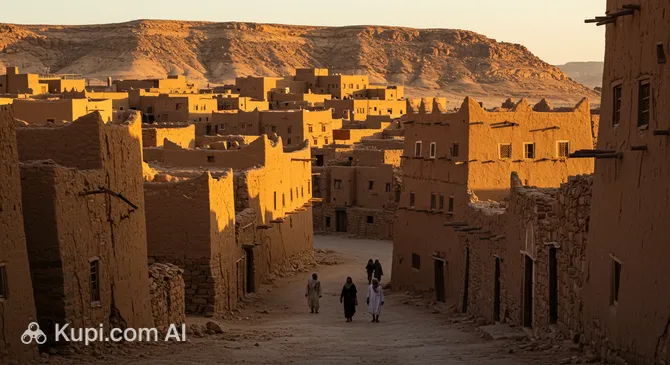
  • Unlike many ancient ruins that were abandoned millennia ago, the mud-brick labyrinth of AlUla Old Town was continuously inhabited until the early 1980s. This extended occupation helped preserve a traditional way of life and architecture that remained largely unchanged for centuries.

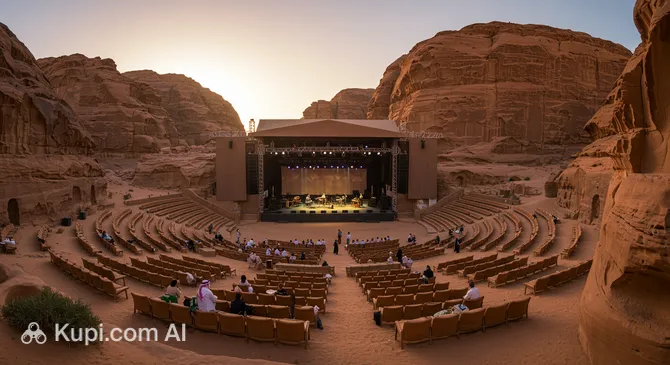
  • AlUla is home to the Maraya Concert Hall, which holds the Guinness World Record for being the largest mirrored building on Earth. Its exterior is clad in 9,740 square meters of mirrors, designed to disappear into the scenery by seamlessly reflecting the stunning desert landscape around it.

  • The region serves as an ancient "open-air library," particularly at Jabal Ikmah. The rock faces here are covered with thousands of inscriptions in pre-Arabic scripts like Dadanitic and Lihyanitic, documenting the names, prayers, and daily observations of travelers who passed through the valley thousands of years ago.

AlUla Old Town. Source: Kupi.Binoculars

How to Get There

Planning a trip to this ancient desert oasis is easier than ever, with options ranging from direct flights to scenic road trips. For a complete guide on logistics and travel tips, you can read more about how to get to AlUla on our detailed page.

The most convenient entry point is the local Prince Abdul Majeed bin Abdulaziz Airport (ULH), located just 21.6 km from the city center. This airport serves as the main gateway for tourists, handling both domestic flights from major Saudi cities and select international routes. The transfer from the airport to the town center or nearby resorts typically takes about 30 minutes by taxi or shuttle.

For those arriving from further afield, Prince Mohammad Bin Abdulaziz International Airport (MED) in Medina is a significant alternative. Although it is located in another city approximately 289 km from AlUla, it offers a wider range of international connections. The drive from Medina to AlUla takes around 3.5 to 4 hours, offering a journey through the captivating landscapes of the Al Madinah Region.

For clarity, here is a summary of the main airports:

Airport Name City Passenger Traffic Km from City
Prince Mohammad Bin Abdulaziz International Airport Medina Large 289.2
Tabuk Regional Airport Tabuk Medium 234.3
Yanbu Airport Yanbu Medium 272.7
Prince Abdul Majeed bin Abdulaziz Airport AlUla Medium 21.6
Neom Bay Airport Neom Small 299.4

Main Attractions

AlUla is a treasure trove of heritage and natural wonders, offering visitors a chance to walk through living history. From ancient tombs carved into massive rocks to labyrinthine mud-brick villages, the city's attractions provide a profound connection to the civilizations that once thrived here. Below are some of the most captivating places to explore during your visit.

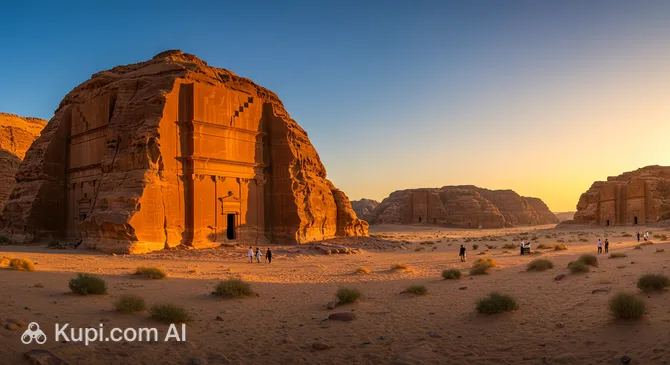
Hegra (Madain Salih) is undoubtedly the region's most famous landmark and Saudi Arabia's first UNESCO World Heritage Site. Often compared to Petra in Jordan, this ancient Nabataean city features over 100 monumental tombs with intricate facades carved directly into sandstone outcrops. Visitors can tour the site to marvel at the preservation of these structures and learn about the mysterious civilization that created them amidst the desert sands.

For a glimpse into the Islamic era, a walk through AlUla Old Town is essential. This abandoned settlement, inhabited from the 12th century until the 1980s, consists of nearly 900 mud-brick houses packed tightly together to form a natural fortification. Wandering its narrow alleyways and visiting the restored castle offers an atmospheric experience of traditional Arabian community life that has remained largely unchanged for centuries.

Located within the Old Town area is the celebrated Tantora, a pyramid-shaped sundial that has served as the heartbeat of the community for generations. Historically, this structure was used by locals to track the seasons and determine the precise allocation of irrigation water for the surrounding palm groves. Today, it stands as a symbol of the region's ingenuity and lends its name to the famous "Winter at Tantora" cultural festival.

Tantora. Source: Kupi.Binoculars

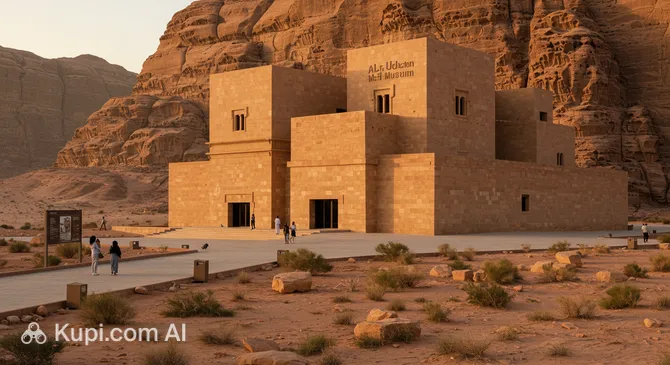
Those interested in diving deeper into the region's rich archaeological background should visit the AlUla Museum. The museum houses a collection of artifacts that tell the story of the trade routes, incense caravans, and diverse cultures that have passed through this valley. It provides valuable context to the open-air sites, showcasing inscriptions, pottery, and tools that reveal the daily lives of AlUla's ancient inhabitants.

AlUla Museum. Source: Kupi.Binoculars

Finally, no trip to AlUla is complete without seeing Elephant Rock (Jabal AlFil). This colossal sandstone formation, shaped by millions of years of wind and water erosion, bears a striking resemblance to an elephant with its trunk touching the ground. It is a favorite spot for sunset viewing, where the shifting light turns the rock into a glowing masterpiece against the desert sky.

Local Cuisine

The local cuisine of AlUla is a delightful reflection of its deep desert roots and thriving agriculture, offering a culinary journey that blends Bedouin traditions with modern sophistication. The region is particularly renowned for its fertile soil, which produces some of the finest citrus fruits and dates in the kingdom, ingredients that frequently find their way into the local gastronomy.

When visiting, you must try Kabsa, a fragrant and hearty dish that is a staple across Saudi Arabia. It consists of long-grain rice cooked with a special blend of spices, dried limes, and tender meat—typically chicken, lamb, or camel. Another traditional favorite is Mandi, where the meat is slow-cooked in a tandoor (clay oven), imparting a distinct smoky flavor that pairs perfectly with the spiced rice and tomato-based sauces served alongside it.

Regarding beverages, it is important to note that AlUla, like the rest of Saudi Arabia, is a strictly alcohol-free destination. The local drinking culture revolves around social connection and hospitality, with Gahwa (Arabic coffee) taking center stage. This yellowish, lightly roasted coffee is spiced with cardamom and saffron and is traditionally served in small cups accompanied by sweet dates. Thanks to the region's extensive orchards, fresh juices made from local oranges, lemons, and grapefruits are also incredibly popular and refreshing.

The dining scene in AlUla is diverse, ranging from casual street food vendors to high-end luxury concepts. A top destination for food lovers is the atmospheric AlUla Old Town, where visitors can dine in open-air restaurants set amidst ancient mud-brick ruins. Whether you are looking for a traditional floor-seating experience to share a communal platter or a fine dining dinner under the stars, the city offers a unique atmosphere that enhances every meal.

Travel Tips

Welcome to AlUla, where ancient history meets modern luxury in the heart of the desert. To ensure your journey through this living museum is as seamless and enjoyable as possible, we have compiled a list of essential practical tips for your visit.

  1. Clothing and Gear: Since AlUla is a desert destination, the key to comfort is layering. Days can be scorching while nights often get surprisingly chilly, so bring a light jacket or sweater. While Saudi Arabia has relaxed its dress code for tourists, it is respectful to dress modestly; both men and women should keep shoulders and knees covered in public areas. Comfortable, closed-toe walking shoes are a must for exploring the sandy archaeological sites and rocky trails.

  2. Transportation: Public transport options like buses or metros do not exist within AlUla. The most convenient way to get around is by renting a car, which gives you the freedom to explore the scattered sites at your own pace. Alternatively, ride-hailing apps like Uber and Careem operate here, though wait times can be longer than in major cities. Many high-end resorts also offer shuttle services to main attractions like Hegra.

  3. Finances: The local currency is the Saudi Riyal (SAR). While credit cards are widely accepted at hotels, fine dining restaurants, and official visitor centers, it is wise to carry some cash for small local shops, traditional markets, or tipping. ATMs are available in the town center and at the airport. Tipping is not mandatory but is appreciated; rounding up the bill or leaving 10-15% for good service is common practice.

  4. Health and Safety: AlUla is a very safe destination for travelers. Pharmacies are available in the main town area and are typically well-stocked, though carrying a basic personal first-aid kit is always a good idea. The most important health precaution is to stay hydrated and use high-SPF sunscreen, as the desert sun is intense even in winter. In case of emergency, dial 997 for an ambulance or 999 for the police.

  5. Communication: Arabic is the official language, but English is widely spoken in the tourism sector, including at hotels, museums, and heritage sites. However, learning a few basic Arabic words like Marhaba (Hello) and Shukran (Thank you) will go a long way with the friendly locals. We recommend purchasing a local SIM card (STC, Mobily, or Zain) at the airport upon arrival to ensure you have reliable navigation and internet access throughout the valley.

  6. Local Etiquette: Saudis are known for their hospitality. If you are invited for coffee or tea, it is polite to accept. When greeting people, a handshake is common, but wait for a person of the opposite gender to extend their hand first. Always use your right hand for eating, drinking, or passing items to others, as the left hand is traditionally considered unclean.

  7. What to Avoid: Public displays of affection should be avoided as they are not culturally appropriate. Additionally, strictly refrain from bringing or consuming alcohol, as it is illegal in Saudi Arabia. When taking photos, always ask for permission before photographing locals, especially women, to respect their privacy.

  8. Planning Ahead: This is a crucial tip for AlUla specifically: book your tickets for major sites like Hegra and the Old Town weeks in advance. Access to these protected heritage areas is regulated via specific time slots and guided tours, and they frequently sell out, especially during the peak winter season and festivals.

By keeping these practicalities in mind, you can focus fully on the magic of the landscape and the warmth of the local culture. AlUla is a place that rewards the prepared traveler with unforgettable memories and a deep connection to history.

Entertainment & Nightlife

Nightlife in AlUla offers a magical, serene alternative to the bustling club scenes found in many other global destinations. Instead of western-style nightclubs or alcohol-serving bars, the evening entertainment here revolves around sophisticated social lounges, late-night cafes, and fine dining under the stars. The atmosphere is one of relaxed luxury, where visitors gather to enjoy artisanal mocktails, Arabic coffee, and shisha in beautifully designed open-air venues set against the backdrop of illuminated sandstone mountains.

The undisputed hub for evening activity is AlUla Old Town. As the sun sets, this restored heritage village transforms into a vibrant district buzzing with life. The main market street is lined with high-end restaurants and boutique shops that remain open well past midnight, creating a lively environment perfect for a night walk. The crowd is a mix of international tourists and locals, and the dress code is generally smart casual and modest, respecting local customs while embracing style.

For a memorable evening, explore the plaza near Tantora. This area frequently serves as a gathering point for cultural events and seasonal markets, particularly during the winter festivals. The surrounding cafes offer outdoor seating where you can soak in the cool desert breeze and the historic ambiance. Another popular way to spend the night is venturing into the desert for stargazing; without the light pollution of a big city, the sky above AlUla puts on a spectacular natural show that rivals any laser display.

From a practical standpoint, the nightlife here starts later than usual, often picking up after 9:00 PM. Prices in the main tourist districts can be on the higher side, comparable to luxury destinations, so budget accordingly. AlUla is extremely safe for walking at night, but getting around requires planning. It is highly recommended to book a taxi via a ride-hailing app or arrange a private driver in advance, as hailing a cab on the street is not common.

While the evenings are dedicated to dining and socializing, the daylight hours offer a different kind of engagement. Before the nightlife begins, you can spend your afternoon exploring the region's rich history at the AlUla Museum or visiting the various art installations scattered throughout the valley. These daytime cultural experiences provide the perfect context for the ancient atmosphere you will enjoy later in the evening.

Parks & Museums

AlUla is often described as a living museum where the boundaries between nature, history, and art blur seamlessly. While the city may not have traditional urban parks in the Western sense, its lush oases and protected nature reserves offer spectacular green spaces, while its cultural venues provide a deep dive into the civilizations that shaped the region.

The AlUla Oasis serves as the city's central green lung and is a refreshing contrast to the surrounding amber deserts. Containing over 2 million palm trees, this ancient agricultural haven has flourished for millennia thanks to natural springs and traditional irrigation. Visitors can stroll along the Heritage Oasis Trail, a beautiful path shaded by towering date palms and citrus trees. It is a peaceful retreat where you can smell the scent of mint and basil, listen to the rustling leaves, and observe local farmers tending to their crops just as they have for generations.

For a wilder natural experience, the Sharaan Nature Reserve is a protected area dedicated to conserving the region's delicate ecosystem. Spanning majestic canyons and golden dunes, the reserve is a sanctuary for indigenous wildlife, including the Nubian ibex, red-necked ostrich, and Idmi gazelle. It represents a massive effort to restore the natural landscape to its prehistoric glory, offering tourists a chance to see the raw, untouched beauty of the Arabian wilderness through guided 4x4 tours.

When it comes to cultural institutions, the AlUla Museum is a key stop for understanding the depth of local history. The museum curates a fascinating collection of artifacts discovered in the area, ranging from Nabataean pottery to ancient tools used by the Dadanites. It provides the essential narrative context for the archaeological sites outside, helping visitors piece together the stories of the incense trade route and the diverse peoples who called this valley home.

Beyond traditional indoor exhibits, Jabal Ikmah is widely regarded as Saudi Arabia's largest "open-air library." This stunning canyon functions effectively as a gallery of epigraphy, featuring thousands of pre-Arabic inscriptions carved into the rock face. It offers a unique window into the past, documenting the names, prayers, and laws of ancient travelers. Similarly, the Maraya building often hosts temporary art exhibitions and cultural showcases. As the world's largest mirrored building, it is an architectural masterpiece that reflects the surrounding cliffs, acting as a canvas where modern art meets ancient geology.

For an authentic and lesser-known experience, visit the AlUla Old Town market square near the Tantora sundial just after sunrise. Before the shops fully open and the heat sets in, the area is incredibly quiet and photogenic, allowing you to appreciate the mud-brick architecture and the interplay of light and shadow in complete serenity.

Getting Around

Unlike major metropolitan areas, the city of AlUla does not possess a standard public transport network consisting of metros, trams, or municipal buses. Due to the vast distances between the heritage sites and the scattered nature of the accommodation, the transport system is primarily designed around the needs of tourists and is operated specifically to connect the main attractions.

The closest equivalent to public transportation for visitors is the extensive shuttle bus service managed by the local authorities. The central hub for this network is Winter Park. From here, air-conditioned coaches transport visitors to the key archaeological sites, including Hegra, Dadan, and Jabal Ikmah. These buses are typically synchronized with the entry times of the attractions and are often the only authorized vehicles allowed to enter protected conservation zones.

For getting around the town itself or traveling between your hotel and the Winter Park hub, car rental is the most popular and practical option. Several international and local rental agencies operate at the airport and in the city center. Having your own vehicle provides the freedom to explore the stunning desert landscapes, visit the Elephant Rock at sunset, or drive to the Old Town for dinner without relying on fixed schedules.

Ride-hailing apps such as Uber and Careem are available in AlUla and offer a convenient alternative to driving. However, availability can be limited compared to larger cities, especially during late hours or in remote areas. It is advisable to book rides with plenty of buffer time. Traditional taxis also exist but are not commonly hailed from the street; they are usually arranged through hotels or found at designated stands at the airport.

Regarding payments, the tourist shuttle services are generally included in the price of your attraction tickets, which must be purchased online in advance. For taxis and ride-hailing services, the associated apps handle payments seamlessly via credit card. If you use a local taxi arranged by your hotel, it is wise to carry some cash (Saudi Riyals), although many drivers now accept card payments. Rental agencies will require a credit card for the deposit.

A unique feature of transport in AlUla is the focus on experiential travel within the sites. Once you arrive at locations like Hegra via the main bus, you may transfer to vintage Land Rovers, electric carts, or even horse-drawn carriages for the actual tour of the tombs. These specialized modes of transport are designed to protect the fragile environment while adding to the atmospheric charm of the visit.

Practical advice for tourists includes planning your logistics well in advance. Since there is no "hop-on, hop-off" city bus for general commuting, you should determine how you will reach the Winter Park meeting point before your tour begins. If you do not rent a car, ensure your hotel offers a transfer service, as the desert distances can be deceptively long and walking between the main town and the heritage sites is not feasible.

Accommodation

Where to Stay:

Accommodation in AlUla is an integral part of the travel experience, designed to immerse visitors in the region's stunning natural beauty. The options here differ significantly from typical city stays, shifting the focus from standard high-rise hotels to experiential lodging. The general range spans from ultra-luxury desert resorts and eco-friendly tented camps to more modest, functional hotels and furnished apartments located within the main town.

For those seeking the iconic AlUla experience, the Ashar Valley and surrounding desert canyons are the most popular areas. This is where you will find world-class resorts tucked away in the sandstone mountains, offering privacy and breathtaking views. These locations are ideal for travelers who want to wake up surrounded by nature, close to major heritage sites like Hegra. Alternatively, visitors looking for more affordable options or easier access to shops and restaurants often choose to stay in AlUla Town (the city center). Staying here places you a short drive away from the attractions but within walking distance of local services and markets.

A unique feature of AlUla's hospitality scene is the prevalence of "glamping" (glamorous camping) and villa-style resorts. Many accommodations are built to blend seamlessly with the environment, featuring tented structures or sandstone-colored villas that minimize visual impact on the landscape. These properties often provide high-end amenities such as private pools, fire pits for stargazing, and on-site fine dining, making the hotel itself a destination.

Price Range and Booking: AlUla is generally positioned as a premium destination, and prices reflect this, particularly in the resort areas where rates can be quite high (luxury range). However, the town center offers mid-range and budget-friendly guesthouses or apartments. Booking is typically done via major online travel platforms or directly through resort websites.

Booking Tip: Due to the limited number of rooms and the high demand during the peak winter season (October to March) and cultural festivals, it is essential to book your accommodation well in advance. It is not uncommon for the top resorts to be fully booked months ahead of time.

Nearby Cities

For those looking to explore the surroundings, AlUla serves as an excellent base for day trips to several interesting nearby locations.

Located to the north, Tabuk is a fascinating destination that serves as the gateway to the northwestern Arabian Peninsula. It is known for its rich history, featuring landmarks such as the ancient Tabuk Castle and the restored station of the historic Hejaz Railway. The city is also a jumping-off point for exploring dramatic natural landscapes, including stunning rock formations and valleys.

To the south lies Medina, one of the most significant cities in Islamic history. While the central holy sites are reserved for Muslim pilgrims, the city itself offers a profound cultural atmosphere, bustling traditional markets, and modern amenities. It is a major urban center in the region and provides a striking contrast to the quiet desert solitude of AlUla.

City Population Distance (km)
Jeddah 3,976,000 576
Medina 1,180,770 290
Tabuk 547,957 239
Buraydah 467,410 604
Sakaka 400,000 435

These nearby destinations offer a glimpse into the diverse culture and landscapes of the region.

Shopping & Souvenirs

Shopping in AlUla

Shopping in AlUla offers a distinctive experience that prioritizes heritage, craftsmanship, and local produce over mass-market retail. Unlike the sprawling commercial hubs found in major metropolitan cities, the retail scene here is intimate and curated, deeply integrated with the region's history and natural beauty. Visitors can expect to find high-quality artisanal products, traditional Arabian scents, and locally grown delicacies in atmospheric open-air settings.

The beating heart of the local shopping scene is undoubtedly AlUla Old Town. This restored mud-brick village has been transformed into a vibrant pedestrian district lined with boutique shops, art galleries, and concept stores. Walking through its narrow, lantern-lit alleyways, you will encounter vendors selling everything from bespoke fashion and jewelry to handmade pottery. Adjacent to the Old Town is the AlJadidah Arts District, a lively area known as the "artistic hub," where colorful murals backdrop a variety of pop-up stores and design shops offering unique, modern souvenirs.

Travelers accustomed to vast, multi-story shopping complexes should note that AlUla does not feature large western-style shopping malls. This absence is intentional, designed to preserve the serene desert landscape and the authentic feel of the destination. Instead of air-conditioned mega-malls, the retail experience is focused on outdoor promenades and standalone boutiques that blend seamlessly with the traditional architecture.

The traditional market experience is best enjoyed within the Old Town Souq. Here, the spirit of the ancient incense route is kept alive. You can browse through stalls displaying aromatic spices, dried fruits, and traditional garments. During seasonal festivals, such as Winter at Tantora, pop-up farmers' markets often appear, allowing visitors to buy fresh produce directly from local growers, including the region's famous citrus fruits.

When looking for authentic keepsakes, there are several local specialties worth bringing home. AlUla is renowned for its dates, particularly the Barniya variety, which makes for a delicious and easily transportable gift. Another exclusive product is Moringa Peregrina oil, often referred to as "liquid gold," which is native to the region and prized for its cosmetic properties. Additionally, traditional Sadu weaving (a Bedouin embroidery style) and handcrafted pottery reflect the rich cultural heritage of the area.

Store opening hours in AlUla often follow the rhythm of the desert climate. Many shops, especially in the Old Town, open in the late afternoon (around 4:00 PM) and stay open well past midnight, particularly during the hotter months. Morning hours can be quieter, with some shops closing for a midday break. Payment methods are modern and convenient; credit and debit cards are widely accepted even in smaller stalls, though carrying a small amount of cash is always useful for minor purchases.

Saudi Arabia imposes a Value Added Tax (VAT) of 15% on most goods and services. International tourists may be eligible for a tax refund on purchases made at participating retailers, provided they meet the minimum spend requirement. To claim this, look for stores displaying "Tax Free" signage and request a tax-free tag or invoice, which can be validated at airport refund points upon departure.
Reached the end of the page?

That means the route is fully explored