Support

Tabuk

About

Welcome to Tabuk, the bustling capital of the Tabuk Region in northwestern Saudi Arabia. Known for its rich cultural heritage and strategic location, this city serves as a vital gateway to the northern part of the Arabian Peninsula. With a unique atmosphere that blends traditional charm with modern development, Tabuk offers travelers a distinct experience characterized by its welcoming hospitality and ancient roots.

Geographically, the city is situated close to the Jordanian border and is surrounded by majestic mountains and desert landscapes. It is home to a population of approximately 547,957 residents, making it a lively urban center. The climate here is notable for its hot summers and cool winters; it is one of the few places in the country where you might witness snow capping the surrounding peaks during the coldest months.
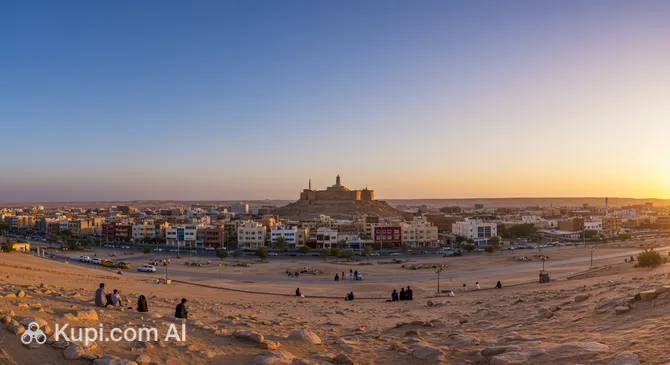
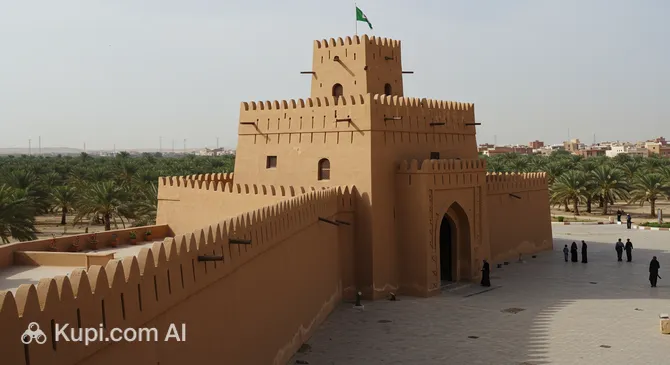
The history of Tabuk is deeply rooted in antiquity, having served as a crucial resting point for pilgrims and travelers for centuries. Visitors can explore the well-preserved Tabuk Castle, which dates back to the Ottoman era and now houses a museum showcasing local artifacts and heritage. Another significant landmark is the historic Hejaz Railway Station, a beautifully restored remnant of the early 20th-century railway that once connected Damascus to Medina.

Beyond its historical sites, the city is famous for its agriculture, particularly its vast flower farms and fruit orchards which export produce across the region. Whether you are interested in exploring ancient archaeological sites or enjoying the scenic natural surroundings, Tabuk provides a memorable destination for every itinerary. We invite you to discover the stories and hidden gems of this fascinating northern city.
Weather Overview

The climate in Tabuk is generally arid, featuring hot summers and mild to cool winters, which distinguishes it from many other regions in the kingdom. During the peak summer months of June through August, the weather is sweltering, with average temperatures rising to around 31.1°C and maximum highs frequently reaching 39.0°C. Visitors arriving during this time should expect abundant sunshine and very dry conditions.

In contrast, the winter season brings a significant drop in temperature. From December to February, average temperatures sit between 11.0°C and 13.1°C, with nighttime lows sometimes falling to a chilly 4.0°C in January. Rainfall is extremely rare year-round, though you might encounter a stray shower during the cooler months. To help plan your packing list, it is helpful to check the detailed weather in Tabuk before your journey, especially if visiting in winter when warm layers are necessary for the evenings.

Interesting Facts

Beyond the main attractions, Tabuk holds many fascinating secrets that add depth to its character and surprise even seasoned travelers. Here are a few unique aspects of the city that reveal its hidden charm.

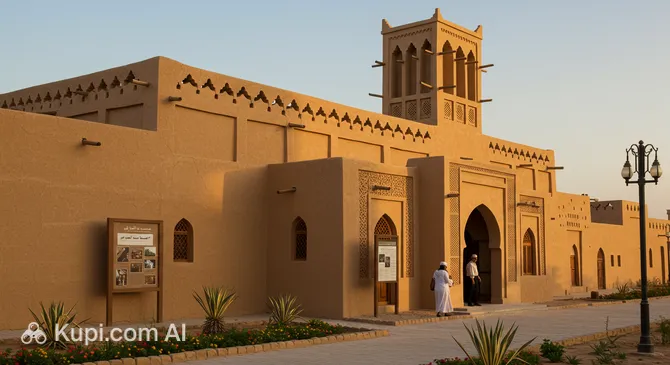
Tabuk Mud House Museum. Source: Kupi.Binoculars
  • Unlike most of the Arabian Peninsula, this region experiences genuine winter weather. It is one of the few places in the Kingdom where snow frequently covers the summits of the nearby mountains, such as Jabal Al-Lawz, creating a stunning contrast between the white peaks and the desert sands.

  • Surprisingly, Tabuk is often called the city of flowers. The region is home to massive agricultural projects that produce millions of blooms annually, exporting high-quality roses and carnations to countries across Europe and North America.

  • The city is dedicated to keeping its heritage alive through sites like the Tabuk Mud House Museum. This carefully preserved structure offers a glimpse into the traditional mud-brick architecture and the way of life that defined the region before modern urbanization.

  • Tabuk is historically significant for its water resources, particularly the ancient spring known as 'Ayn Sukkar'. It is widely believed to be the spring where the Prophet Muhammad camped during the Battle of Tabuk, making it a site of deep historical resonance.

How to Get There

Reaching this northern gem of Saudi Arabia is straightforward, with air travel being the most popular and efficient choice for visitors. Whether you are arriving from within the Kingdom or from neighboring countries, there are several options to suit your itinerary. For a comprehensive guide on routes and transportation tips, you can read more about how to get to Tabuk.

The most convenient gateway is Tabuk Regional Airport (TUU), located just 5.5 km from the city center. As the primary hub for the region, it handles regular domestic flights and serves as the easiest point of entry. A transfer by taxi or car from the airport to downtown is very quick, typically taking around 20 minutes depending on traffic.

Another viable option is Neom Bay Airport (NUM), situated in the developing city of Neom, approximately 135 km away from Tabuk. This airport offers an alternative route, especially for those interested in seeing the new developments in the region. The journey by road from Neom to Tabuk takes about 2 hours. Travelers may also consider King Hussein International Airport (AQJ) in Aqaba, Jordan, which is roughly 203 km away. While this requires crossing the border, it is a significant regional hub.

For clarity, here is a summary of the main airports:

Airport Name City Passenger Traffic Km from City
Sharm El Sheikh AirportSharm El SheikhLarge217.9
Ramon AirportEilatMedium212.5
Tabuk Regional AirportTabukMedium5.5
King Hussein International AirportAqabaSmall203.2
Neom Bay AirportNeomSmall135.0

Main Attractions

Tabuk offers a fascinating mix of historical depth and modern leisure, making it a compelling destination for travelers exploring northern Saudi Arabia. From preserved heritage sites that tell the story of the region's past to lively markets and family entertainment centers, the city provides a variety of experiences for every type of visitor.

One of the most significant cultural landmarks is the Tabuk Mud House Museum. This beautifully maintained structure serves as a living example of the traditional mud-brick architecture that once dominated the area. Inside, visitors can explore exhibits featuring old furniture, tools, and clothing, offering an intimate glimpse into the daily lives of the local people in decades past. It is an essential stop for anyone interested in understanding the heritage and craftsmanship of the region.

For those keen to delve deeper into local history, the Maydan Museum is another excellent attraction. This facility houses a diverse collection of artifacts, including ancient weaponry, coins, and household items that trace the cultural evolution of Tabuk. It is particularly interesting for history enthusiasts who want to see authentic relics and learn about the customs that have shaped the identity of this part of the Arabian Peninsula.

Maydan Museum. Source: Kupi.Binoculars

To experience the vibrant local atmosphere, a visit to the Tabuk Public Market Al-Jada is highly recommended. This bustling souq is the heartbeat of the city's commerce, where you can wander through stalls selling everything from traditional spices and perfumes to handicrafts and souvenirs. It is the perfect place to interact with friendly locals, practice your bargaining skills, and pick up unique gifts to take home.

Families traveling with children will find plenty of fun at Jumpoline. This amusement center offers a variety of recreational activities designed to keep younger visitors entertained. With its trampolines and play areas, it provides a lively break from sightseeing and is a popular spot for locals and tourists alike to enjoy an energetic afternoon or evening.

Local Cuisine

The local cuisine in Tabuk is a delightful reflection of its strategic location, blending traditional Saudi flavors with distinct culinary influences from the neighboring Levant region. Due to the city's proximity to the Jordanian border, one of the most celebrated dishes here is Mansaf. Although originally Jordanian, it has been deeply embraced by the locals; the dish consists of tender lamb cooked in a fermented dried yogurt sauce called jameed and served over a bed of rice and thin bread. Visitors should also try the classic Kabsa, a fragrant rice dish with spiced meat or chicken that serves as a staple in almost every household.

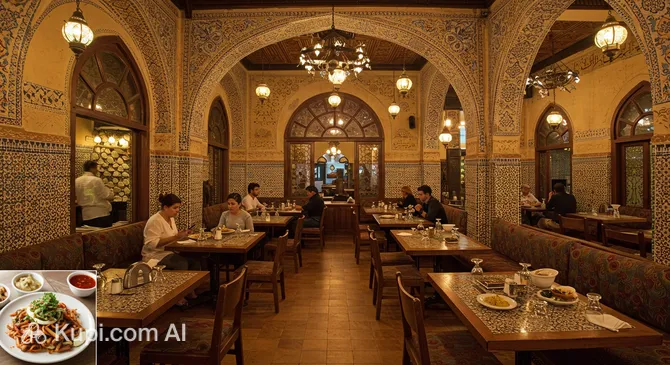
Rouh Beirut. Source: Kupi.Binoculars

When it comes to beverages, hospitality is key. Meals typically conclude with a cup of traditional Arabic coffee (Gahwa), which is lightly roasted, spiced with cardamom, and served with sweet dates. A unique regional specialty is tea infused with Habak, a type of wild mint native to the Tabuk area that gives the drink a refreshing and aromatic herbal twist. It is important for tourists to remember that alcohol is strictly prohibited throughout Saudi Arabia, so the local drinking culture focuses entirely on these flavorful teas, coffee, and fresh fruit juices.

The dining scene in the city ranges from authentic eateries with traditional floor seating to modern restaurants. For those looking to experience the Levantine influence on the local palate, Rouh Beirut is a wonderful spot to enjoy fresh appetizers and grilled meats in a comfortable setting. Alternatively, for a hearty meal focused on traditional grilled delicacies and clay oven breads, Mabshur & Tanoor Restaurant is highly recommended. The city is also known for its agriculture, so be sure to taste the fresh local olives and fruits that are often featured in the daily diet.

Travel Tips

Planning a trip to Tabuk offers a unique glimpse into Saudi Arabia's northern heritage, and a few practical preparations will ensure your journey is seamless. Here is a collection of essential advice to help you navigate the local culture and logistics with confidence.

  1. Clothing and Gear: Since Tabuk experiences a true winter, unlike most of the Kingdom, packing depends heavily on the season. In summer, wear lightweight, breathable fabrics that cover your shoulders and knees to respect local modesty norms. If you visit between December and February, bring a warm coat and layers, as temperatures can drop near freezing, and you might even encounter snow in the mountains. A universal travel adapter (Type G) is essential for your electronics.
  2. Transportation: The most convenient way to explore the city and its surrounding natural wonders is by renting a car, as public transport options like buses are limited for tourist needs. Within the city limits, ride-hailing apps like Uber and Careem are reliable and widely used. If you plan to drive to the desert or mountains, an SUV is highly recommended for safety and comfort.
  3. Finances: The local currency is the Saudi Riyal (SAR). Credit and debit cards are widely accepted in hotels, malls, and modern restaurants, but you should always carry some cash for small shops, gas stations on the outskirts, and the traditional souqs. Tipping is not mandatory but is appreciated for good service, typically around 10-15% in restaurants.
  4. Health and Safety: Tabuk is a safe city for travelers. Pharmacies are abundant and easily accessible, with many open 24/7 (look for the "Nahdi" or "Al-Dawaa" signs). For medical emergencies, dial 997 for an ambulance. It is advisable to drink bottled water rather than tap water to avoid any stomach issues during your stay.
  5. Communication: Arabic is the official language. While staff in major hotels and airports usually speak English, it is less common in smaller markets and remote areas. Learning a few basic phrases like "Shukran" (Thank you) goes a long way. It is highly recommended to purchase a local SIM card (STC, Mobily, or Zain) upon arrival to ensure you have reliable internet access for maps and translation apps.
  6. Local Etiquette: Saudis are known for their hospitality. When greeting someone, a verbal "As-salamu alaykum" (Peace be upon you) is polite. Always use your right hand for eating, drinking, or shaking hands, as the left hand is considered unclean for these actions. If you are invited into a local home, remember to remove your shoes at the entrance.
  7. What to Avoid: Strictly avoid bringing or consuming alcohol, as it is prohibited by law throughout the country. Additionally, refrain from taking photographs of government buildings, military installations, and local residents—especially women—without their explicit permission, as this is considered a serious breach of privacy.
  8. Additional Tip: Be mindful of daily rhythms regarding prayer times. While regulations have relaxed, many smaller shops and businesses may still close briefly for 20-30 minutes during the five daily prayers. Plan your shopping or dining schedule accordingly, and enjoy the late-night culture, as malls and restaurants often stay open well past midnight.

By keeping these tips in mind, you will be well-equipped to enjoy everything Tabuk has to offer, from its snowy peaks to its vibrant markets. We hope you have a safe and unforgettable adventure exploring this fascinating northern crossroads.

Entertainment & Nightlife

Entertainment in Tabuk transforms as the sun sets, shifting from the historical explorations of the day to a vibrant social scene that lasts well into the night. While the daylight hours are perfect for visiting cultural sites or museums, the evenings are when the city truly comes alive. The local "nightlife" is defined not by nightclubs in the Western sense, but by a bustling culture of late-night dining, social cafes, and lively public spaces where families and friends gather to relax.

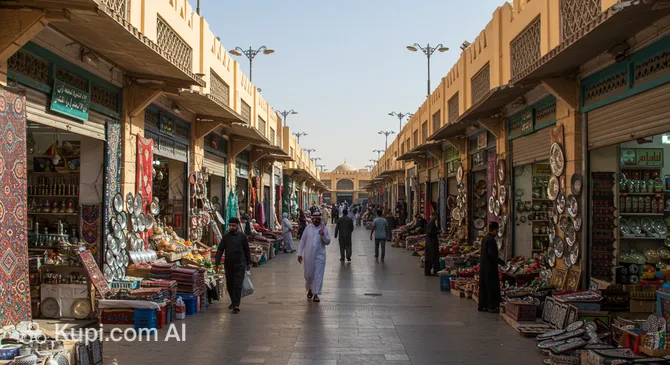
For a taste of the traditional evening atmosphere, a visit to the Tabuk Public Market Al-Jada is essential. As the temperatures drop, this historic souq fills with locals shopping for goods or simply enjoying a stroll. The air is scented with spices and perfumes, and the area serves as a fantastic spot to observe local life, enjoy street food, or sip on warm tea. It is a safe and welcoming environment where the hustle and bustle continue until late in the evening.

Tabuk Public Market Al-Jada. Source: Kupi.Binoculars

Those seeking modern entertainment will find plenty of options in the city's shopping centers, which function as major social hubs. Saving World Mall is a popular destination that offers much more than just retail therapy. With its food courts, cafes, and family entertainment zones, it provides a comfortable, air-conditioned setting for a night out. It is common to see groups of friends relaxing here over coffee and desserts until midnight.

If you are looking for something more active, particularly if traveling with family or a group, Jumpoline offers a fun and energetic way to spend the evening. This amusement park features trampolines and various activities that remain open late, making it a favorite spot for burning off energy after a day of sightseeing. It represents the family-friendly nature of entertainment in the region, where venues cater to all ages.

Jumpoline. Source: Kupi.Binoculars

The "bar" scene in Tabuk consists of high-quality coffee houses and juice bars rather than alcohol-serving venues, which are prohibited in Saudi Arabia. You will find numerous stylish cafes along the main roads, such as King Abdulaziz Road, where the atmosphere is sophisticated and lively. These venues often feature outdoor seating, distinct decor, and a wide selection of specialty coffees and mocktails, making them the perfect places to unwind and socialize.

When planning your night out, keep in mind that the city is generally very safe for walking, even late at night. The dress code remains modest; men should wear long trousers, and women are expected to dress conservatively. For transportation, ride-hailing apps like Uber and Careem are the most reliable way to get around, as they are readily available and avoid the need for negotiating taxi fares. Most shops and entertainment venues stay open until at least 11:00 PM, with many cafes welcoming guests until the early hours of the morning.

Parks & Museums

Tabuk is a city where history and nature coexist beautifully, offering visitors a mix of lush green spaces and deeply rooted cultural heritage sites. While the surrounding landscape is defined by dramatic mountains and deserts, the city itself features well-maintained parks that serve as community hubs, alongside museums that preserve the rich narrative of northwestern Saudi Arabia.

For those seeking relaxation amidst greenery, Prince Fahed Bin Sultan Park is the most prominent green lung in the city. It is a vast, beautifully landscaped area perfect for evening strolls or family picnics. The park features wide walking paths, manicured lawns, and designated play areas for children, making it a favorite gathering spot for locals when the weather cools down. Another notable green space is the King Abdulaziz Garden, which offers a peaceful respite with its organized flower beds and shaded seating areas, providing a stark, refreshing contrast to the arid surroundings.

To understand the local culture, a visit to the Tabuk Mud House Museum is essential. This site is more than just a collection of artifacts; it is an architectural heritage site that allows you to walk through a traditional dwelling. The museum highlights the ingenuity of old construction techniques used to keep homes cool in the summer and warm in the winter, displaying authentic tools and furnishings that paint a vivid picture of pre-modern life in the region.

Another key institution is the Maydan Museum, which serves as a treasure trove of regional history. It is particularly interesting for tourists because of its eclectic collection that spans various eras, from ancient inscriptions to Islamic heritage. The exhibits include traditional weaponry, old currencies, and Bedouin crafts, offering a comprehensive overview of the diverse civilizations that have passed through this strategic crossroads over the centuries.

Beyond the dedicated museums, the city's history is etched into its architectural landmarks. The Tabuk Castle, dating back to 1559 during the Ottoman era, stands as a sentinel of the past. Although often viewed from the outside, its imposing structure tells stories of the pilgrim caravans it once protected. Nearby lies the historic Hejaz Railway Station, a poignant reminder of the early 20th-century attempt to connect Damascus and Medina by rail. The restored buildings and locomotives here offer a nostalgic journey back to the age of steam travel.

For a truly authentic experience, try visiting these parks and historical sites just after the Asr prayer in the late afternoon. This is when the city wakes up from the midday heat, and you can witness the true social fabric of Tabuk as families gather with tea and coffee on the grass, often welcoming visitors to join in their conversations.

Getting Around

Navigating Tabuk is relatively straightforward, though the city is designed primarily for vehicular traffic rather than extensive public transit networks. Unlike some major global capitals, you will not find a metro, tram, or trolleybus system here. The primary modes of getting around are road-based, with a heavy reliance on private cars, taxis, and a developing public bus network that serves the main arteries of the city.

The public bus system is a recent and welcome addition, offering a cost-effective way to travel between key districts. These modern buses typically operate on specific routes connecting major landmarks, such as the university, large shopping malls, and the downtown area. While the network is efficient for moving along main roads, it may not cover every residential street or specific tourist hideaway. Bus stops are generally marked, and the vehicles are air-conditioned, providing a comfortable respite from the desert heat.

For most tourists, ride-hailing applications are the most convenient and popular alternative to public buses. Services like Uber and Careem are widely available and offer a reliable way to travel without the language barrier often encountered with traditional street taxis. These apps allow you to track your ride, see the estimated fare upfront, and pay digitally, eliminating the need to carry exact change. Traditional taxis, recognizable by their distinct green or white livery, are also plentiful; if you hail one, ensure the driver uses the meter or agree on a fare before starting your journey.

Payment for transport varies by mode. For ride-hailing apps, your credit card is linked to your account, making transactions seamless. If you choose to use the public bus, payment is often managed through a digital system or a rechargeable card, though exact cash can sometimes be accepted. It is highly advisable to download the relevant transport apps upon arrival and keep a small amount of local currency on hand for traditional taxis or smaller transport operators who may not accept cards.

Given that many of the region's most spectacular attractions—such as the majestic desert rock formations and coastal sites—are located outside the city limits, renting a car is often the best advice for travelers. Car rental agencies are abundant at the airport and within the city center. Having your own vehicle gives you the freedom to explore at your own pace, which is particularly valuable in a region where distances between points of interest can be significant.

Accommodation

Where to Stay:

Accommodation in Tabuk has expanded significantly in recent years to cater to the growing number of tourists and business travelers visiting the region. The city offers a broad spectrum of lodging options, ranging from economical furnished apartments to modern, high-end hotels. While it may not yet have the sheer density of luxury resorts found in major global capitals, visitors will find comfortable and clean facilities that meet international standards, ensuring a pleasant stay regardless of the budget.

For many travelers, especially families or those planning a longer visit, furnished apartments (often called "hotel apartments") are a very popular choice. These units are widely available throughout the city and offer excellent value for money, typically providing more space, a kitchenette, and living areas compared to standard hotel rooms. They range from basic budget options to luxurious, fully serviced suites that rival top-tier hotels in comfort.

If you prefer the amenities of a traditional hotel, the city boasts several mid-range and luxury hotels, including well-known international chains. These establishments are usually located along the main arterial roads, such as King Abdulaziz Road and King Abdullah Road. Staying in these areas is highly convenient as it offers easy access to the airport, modern shopping malls, and restaurants, while still being a short drive from historical sites like Tabuk Castle.

In terms of location, staying in the city center places you closer to the historic souqs and museums, allowing for an immersive cultural experience where you can explore on foot. Conversely, booking a hotel near the Tabuk Regional Airport is practical for those on a tight schedule or planning to use the city merely as a base for excursions into the surrounding deserts and mountains, such as Wadi Al Disah or Neom.

Regarding prices and booking, Tabuk is generally affordable compared to Riyadh or Jeddah. Budget travelers can find respectable options starting at a lower price point, while luxury stays remain competitively priced. However, a crucial tip is to book in advance if you plan to visit during the winter months (December to February). This is the peak season when tourists flock to the region hoping to see snow on the mountains, and the best accommodations can fill up quickly. Most hotels can be easily booked via major online travel platforms or directly through their websites.

Nearby Cities

For those looking to explore the surroundings, Tabuk serves as an excellent base for day trips to several interesting nearby locations:

Although the distances in Saudi Arabia can be vast, the region connects to several fascinating cities that are perfect for a short visit or an extended road trip. Sakaka, located to the east, is the capital of the Al Jouf region and is renowned as the "Olive Basket of Saudi Arabia." Beyond its agriculture, it boasts rich history, including the ancient Za'bal Castle and the mysterious standing stones of Al-Rajajil, which date back thousands of years and offer a glimpse into the area's pre-Islamic past.

To the south lies the coastal city of Yanbu, a major destination for those seeking the sea. Known as the "Pearl of the Red Sea," it offers incredible diving and snorkeling experiences among untouched coral reefs. The city also features a beautifully restored historic district where visitors can walk through traditional Hejazi architecture, making it a refreshing contrast to the desert landscapes of the interior.

Another notable destination is Hail, situated between the dramatic Shammar mountains. Famous for the legendary generosity of Hatim al-Tai, this city is a cultural hub that serves as the gateway to the UNESCO World Heritage rock art sites at Jubbah. It provides a deep insight into the Bedouin traditions and ancient human history of the Arabian Peninsula.

City Population Distance (km)
Medina 1,180,770 529
Buraydah 467,410 767
Sakaka 400,000 396
Hail 385,257 516
Yanbu 250,000 499

These nearby destinations offer a glimpse into the diverse culture and landscapes of the region.

Shopping & Souvenirs

Shopping in Tabuk is a delightful mix of the old and the new. While the city may not be a global fashion capital, it offers a distinct retail experience where ultra-modern shopping complexes stand in contrast to traditional open-air markets. Visitors can find everything from international high-street brands to authentic local handicrafts, making it easy to purchase both daily necessities and unique cultural keepsakes.

The commercial heartbeat of the city flows along its major arteries, particularly King Abdulaziz Road and King Abdullah Road. These bustling streets are lined with a wide array of standalone boutiques, jewelry stores, and electronics shops. Walking or driving along these avenues offers a glimpse into the local trade, with plenty of options for clothing and accessories suited to the region's style and climate.

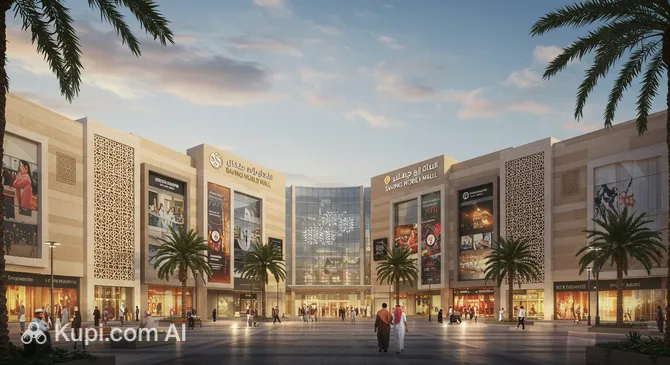
For a modern retail experience, the city boasts several contemporary centers. One of the prominent destinations is Saving World Mall. This complex is a favorite among locals for its variety of retail outlets offering fashion, footwear, and household goods. It provides a comfortable, air-conditioned environment where tourists can browse through international and regional brands away from the desert heat.

Saving World Mall. Source: Kupi.Binoculars

To truly capture the spirit of the city, a visit to the Tabuk Public Market Al-Jada is indispensable. This traditional souq is the best place to find authentic local products. Here, the air is filled with the aroma of spices and perfumes, and stalls are piled high with colorful fabrics, traditional garments, and Bedouin handicrafts. It is a vibrant marketplace where bargaining is part of the experience and where you can observe the daily social life of the residents.

When looking for gifts to take home, Tabuk offers several regional specialties. The area is famous for its agriculture, particularly olives and olive oil, which are considered some of the best in the Kingdom. High-quality dates and local honey are also popular choices. For non-edible souvenirs, look for traditional Sadu weaving (Bedouin textiles), Arabic coffee pots (dallah), and aromatic oud perfumes found in the local souqs.

Shopping hours in Tabuk generally follow the rhythm of the day and prayer times. Large malls typically operate from 9:00 AM to 11:00 PM, often staying open later on weekends. Traditional markets and smaller street shops often close for a mid-afternoon break between 1:00 PM and 4:00 PM, reopening for a lively evening session that lasts until late. On Fridays, most shops open only after the afternoon prayer, around 4:00 PM.

Modern malls and supermarkets widely accept credit and debit cards, including international networks. However, carrying cash (Saudi Riyal) is highly recommended when visiting traditional souqs like Al-Jada or smaller independent shops, as many vendors may not have card terminals.

Saudi Arabia applies a 15% Value Added Tax (VAT) on goods. Tourists may be eligible for a VAT refund on purchases made at participating retailers that are part of the "Tax Free" scheme. Look for the tax-free signage in store windows and request the necessary documentation at checkout to process your refund at the airport upon departure.

Reached the end of the page?

That means the route is fully explored