Support

Hurghada

About

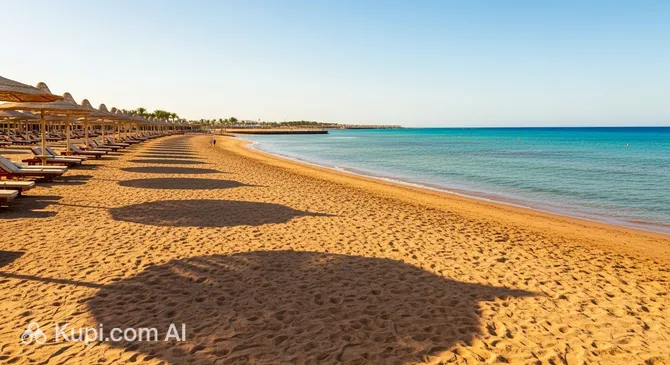
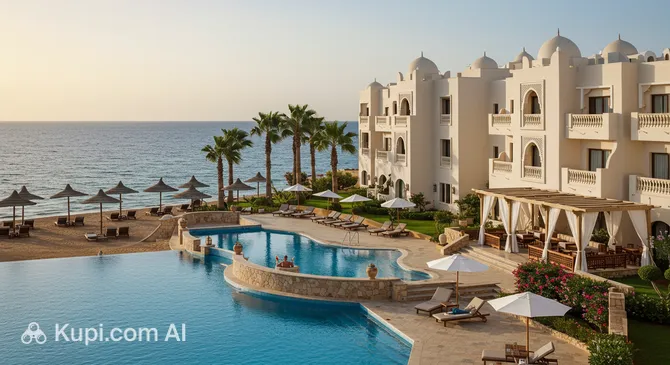
Hurghada is widely recognized as one of the most vibrant and popular resort destinations in Egypt. Stretching for about 40 kilometers along the scenic Red Sea coast, this bustling city offers a perfect mix of relaxation, adventure, and local culture. With a population of approximately 486,000 people, it serves as the capital of the Red Sea Governorate and is renowned for its year-round sunny weather and crystal-clear waters.
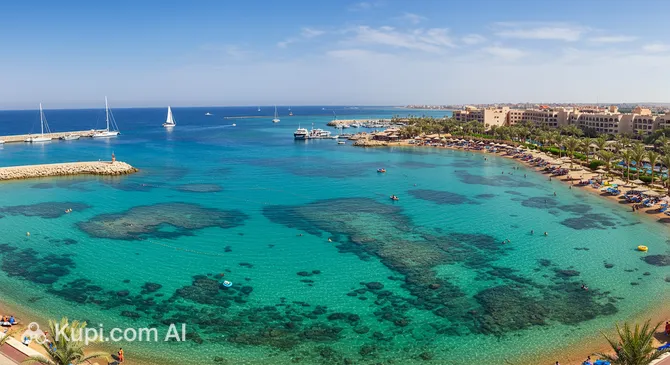
Hurghada. Source: Kupi.Binoculars

While it is now a major hub for international tourism, the history of Hurghada reveals humble beginnings as a small fishing village founded in the early 20th century. Over the decades, it has transformed into a dynamic city that retains its charm, particularly in the old town area known as El Dahar, where visitors can experience traditional Egyptian life and bustling souks.

Travelers flock to Hurghada primarily for its world-class water sports. The city is a premier destination for scuba diving and snorkeling, offering easy access to stunning coral reefs and diverse marine life. Beyond the beaches, the modern Hurghada Marina provides a sophisticated atmosphere with numerous restaurants and shops, while the nearby Giftun Islands offer an idyllic escape for day trips.

Whether you are seeking an adrenaline-filled diving expedition or a peaceful retreat by the sea, Hurghada welcomes you with open arms. Its unique combination of desert landscapes and turquoise waters makes it an unforgettable destination for your next holiday.
Weather Overview

Hurghada is famous for its year-round sunshine and subtropical desert climate, making it an ideal destination for beach lovers at almost any time. The summer months, particularly from June to September, are quite hot with average temperatures hovering around 30°C to 31°C and daily highs frequently reaching 35°C. In contrast, the winter season from December to February offers a mild retreat with comfortable average temperatures between 16°C and 19°C.

Rainfall is exceptionally rare in this region, ensuring clear skies for the vast majority of the year. Expect scorching, arid summers and mild, dry winters, as precipitation remains at 0mm for nearly every month. Even in February, which is statistically the "wettest" time, there is typically only one wet day. To help you pack the right clothing for your trip, you can consult the detailed guide on the weather in Hurghada.

Interesting Facts

Beyond the main attractions and sun-soaked beaches, Hurghada holds fascinating stories that reveal its transformation from a quiet settlement to a global tourism hub. Here are some intriguing facts about this Red Sea jewel that often go unnoticed by visitors.

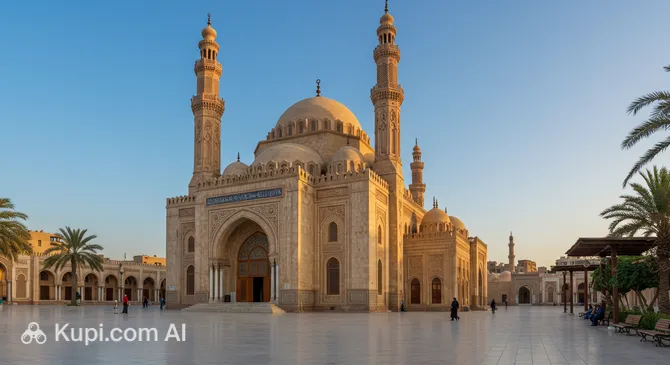
Al Mina Mosque. Source: Kupi.Binoculars
  • The city derives its unique name from the "Ghardaq" plant (Nitraria retusa), a desert shrub that grew naturally in the area. Long before the resorts were built, this plant served as a crucial meeting point and landmark for local fishermen and Bedouins.

  • While often described purely as a former fishing village, Hurghada's early development was significantly influenced by the discovery of oil in 1913. This industrial heritage helped put the location on the map decades before it evolved into a world-class destination for leisure.

  • The magnificent Al Mina Mosque is not only a spiritual center but also an architectural marvel. Located directly by the sea, it features two towering minarets and 25 domes, creating a stunning silhouette against the blue waters.

  • Unlike the ancient cities along the Nile, Hurghada is a relatively modern creation and does not contain Pharaonic temples within its city limits. Instead, it boasts a distinctly cosmopolitan atmosphere, hosting one of the largest communities of foreign residents in Egypt.

How to Get There

Reaching this Red Sea gem is relatively straightforward, as the city is well-connected to major international hubs and domestic destinations. Most travelers choose to fly directly, but there are also road options for those exploring other parts of the country. For a comprehensive guide on all transport modes, you can read more about how to get to Hurghada and plan your route accordingly.

The primary gateway for visitors is Hurghada International Airport (IATA: HRG), located conveniently within the city limits. It serves as a major hub for charter flights from Europe and scheduled domestic connections. The airport is situated approximately 8.9 km from the city center, making the transfer quick and easy. A taxi or bus ride to the downtown area or the main hotel strips typically takes around 35 minutes, depending on traffic.

If you are planning a multi-stop itinerary, you might consider arriving via other regional airports. Sharm El Sheikh Airport (IATA: SSH) is located about 98 km away across the Red Sea; while physically close, travel requires a ferry or a connecting flight. Alternatively, Luxor International Airport (IATA: LXR) in Luxor is about 207.5 km away. Many tourists combine a Nile cruise starting or ending in Luxor with a beach holiday in Hurghada, transferring between the two cities by road, which takes approximately 5.5 hours.

For clarity, here is a summary of the main airports:

Airport Name City Passenger Traffic Km from City
Hurghada International Airport Hurghada Large 8.9
Sharm El Sheikh Airport Sharm El Sheikh Large 98.3
Marsa Alam International Airport Marsa Alam Medium 204.1
Luxor International Airport Luxor Medium 207.5
Neom Bay Airport Neom Small 163.9

While there are no railway stations in Hurghada, the city is well-served by a network of long-distance buses connecting it to Cairo, Luxor, and other major Egyptian cities. These buses are a popular and affordable alternative for travelers already within Egypt. Taxis and private transfers are also widely available for intercity travel.

Main Attractions

Hurghada offers a diverse array of attractions that cater to every type of traveler, from those seeking luxury and leisure to adventurers looking to immerse themselves in the local bustle. The city seamlessly blends its fishing village heritage with modern entertainment hubs, ensuring there is always something new to discover.

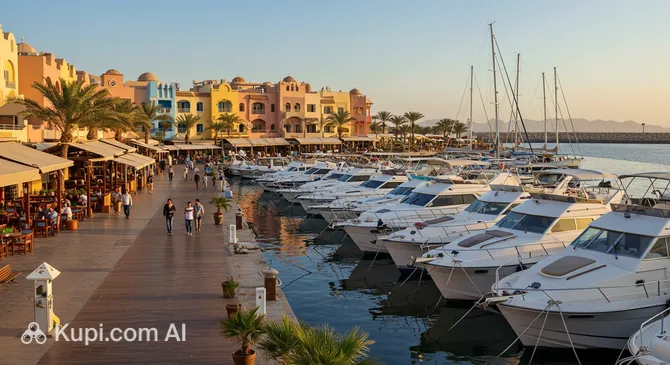
One of the most picturesque spots in the city is the Hurghada Marina. This upscale waterfront promenade is lined with multi-colored buildings, fine dining restaurants, and chic cafes, all overlooking a harbor filled with luxurious yachts. It is the perfect place for an evening stroll, offering a relaxed atmosphere where tourists can enjoy live music, shop for souvenirs, or simply admire the stunning views of the Red Sea at sunset.

Hurghada Marina. Source: Kupi.Binoculars

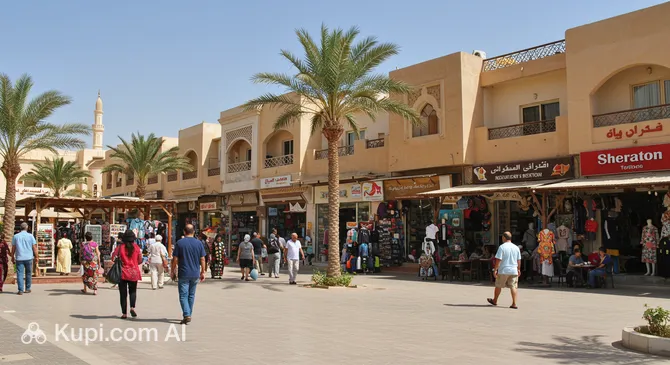
For a lively immersion into the city's daily rhythm, a visit to Sheraton Street is essential. Known as one of the main arteries of Hurghada, this bustling street never sleeps and is packed with bazaars, local eateries, and shops selling everything from spices to clothing. It serves as a vibrant contrast to the quiet resorts, allowing visitors to experience the energetic vibe of the town center and practice their bargaining skills with friendly local vendors.

Sheraton Street. Source: Kupi.Binoculars

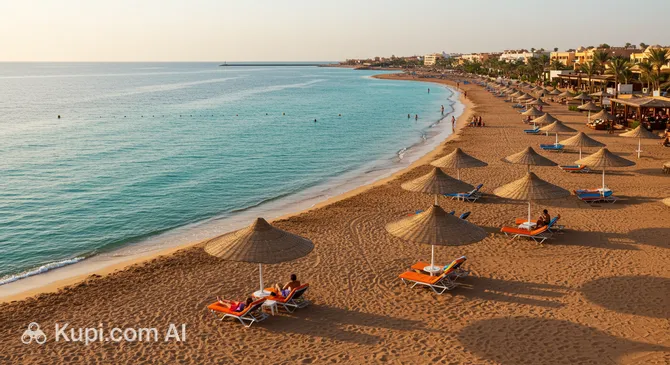
Beach lovers who prefer to stay close to the city center often flock to Orange Beach. This popular shoreline is celebrated for its convenient location, soft sands, and clear shallow waters, making it family-friendly and accessible. It provides a comfortable setting for sunbathing and swimming without the need to travel far from downtown amenities, offering a classic Red Sea beach experience right in the heart of the action.

Orange Beach. Source: Kupi.Binoculars

Travelers looking for a modern shopping experience can explore the Hurghada City Center. This large shopping mall is an excellent escape from the midday heat, featuring a wide variety of international and local brands, a cinema, and entertainment options for children. It also hosts a marine aquarium, allowing visitors to glimpse the underwater world of the Red Sea while enjoying the comforts of a contemporary commercial hub.

Local Cuisine

Hurghada's culinary scene is a delightful fusion of traditional Egyptian flavors and the fresh bounty of the Red Sea. Given its coastal location, it comes as no surprise that seafood plays a starring role in the local diet. Freshly caught fish, calamari, crab, and shrimp are often prepared simply—grilled over charcoal or fried—and served with lemon, creamy tahini, and fresh green salads.

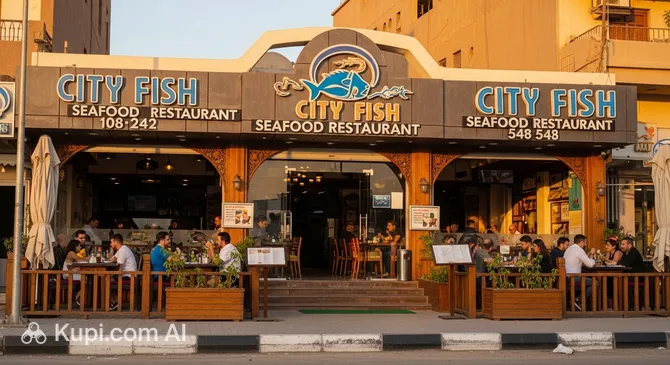
One of the best ways to experience this maritime heritage is to visit a specialized venue like City Fish Seafood Restaurant. Here, you can enjoy the catch of the day cooked to perfection in a lively, authentic setting. Dishes like Sayadiya—a flavorful fish and rice dish cooked with caramelized onions and spices—are local favorites that offer a true taste of the coast.

City Fish Seafood Restaurant. Source: Kupi.Binoculars

Beyond seafood, the city offers classic Egyptian staples that are perfect for a hearty meal. Koshary, a famous mix of rice, lentils, pasta, and chickpeas topped with spicy tomato sauce and crispy fried onions, is a must-try street food. For breakfast, locals often prefer Ful Medames, slow-cooked fava beans seasoned with oil, lemon, and cumin, usually eaten with warm baladi bread. You can find these authentic bites in the older district of El Dahar, where the aroma of spices fills the air.

When it comes to beverages, the refreshing Karkade (hibiscus tea) is incredibly popular, served either hot or ice-cold to beat the desert heat. Freshly squeezed juices, particularly sugarcane (Asab) and mango, are also widely available at fruit stands throughout the city. For those looking for alcoholic options, local beers like Stella and Sakara, as well as Egyptian wines, are readily served in hotels, bars, and licensed restaurants.

The dining culture in Hurghada ranges from casual street eats to upscale experiences. While the Hurghada Marina is the go-to spot for fine dining with international cuisines and elegant harbor views, the bustling Sheraton Street offers a more fast-paced environment with shawarma stands and local grills. Whether you prefer a candlelit dinner by the water or a quick bite in a busy souk, the city's food landscape caters to every palate.

Travel Tips

Planning a trip to the sunny shores of Hurghada is exciting, but a little local know-how goes a long way in ensuring a stress-free holiday. Here are some essential practical tips to help you navigate the city like a pro and make the most of your Red Sea adventure.

  1. Clothing and Gear: The climate demands light, breathable fabrics like cotton or linen to cope with the heat. However, outside of your resort, it is respectful to dress modestly; cover your shoulders and knees, especially when visiting markets or religious sites like the Al Mina Mosque. A sturdy pair of coral shoes is highly recommended for swimming, as the seabed can be rocky or have sharp coral and sea urchins.
  2. Transportation: For getting around, orange and blue taxis are ubiquitous, but drivers rarely use meters; always agree on the fare before getting in or use ride-hailing apps like Uber and Careem for fixed pricing. For a truly local experience, you can try the white microbuses, which are incredibly cheap and run along specific routes, though they can be crowded and chaotic.
  3. Finances: The local currency is the Egyptian Pound (EGP). While major hotels and malls accept credit cards, cash is king in local shops, bazaars, and taxis. Keep a supply of small bills handy for baksheesh (tipping), which is a standard part of the culture for service staff, drivers, and bathroom attendants.
  4. Health and Safety: Tap water in Hurghada is not suitable for drinking; always stick to sealed bottled water for hydration and even for brushing your teeth. Pharmacies are abundant, easy to find, and many remain open late or 24/7 to assist with minor ailments. Sun protection is non-negotiable—the desert sun is strong, even when there is a cool breeze.
  5. Communication: Arabic is the official language, but due to tourism, English (as well as Russian and German) is widely spoken in hotels and shops. To stay connected, it is best to buy a local SIM card (Vodafone, Orange, Etisalat) upon arrival at the airport or at an official store in town, as hotel Wi-Fi can sometimes be unreliable.
  6. Local Etiquette: Egyptians are known for their warmth and hospitality. When greeting someone, a handshake is common, but wait for a woman to extend her hand first. Always use your right hand for eating, passing money, or greeting, as the left hand is traditionally considered unclean.
  7. What to Avoid: Public displays of affection (PDA) are frowned upon and should be avoided in streets and public places. Additionally, strictly avoid taking photos of military installations, police checkpoints, or government buildings, and always ask for permission before photographing locals, especially women.
  8. Shopping Hack: If you visit the souks in El Dahar or shops on Sheraton Street, remember that bargaining is expected. Never accept the first price offered; negotiate politely but firmly, often aiming for about half the initial quote, and treat it as a friendly interaction rather than a conflict.

With these tips in your pocket, you are ready to explore everything Hurghada has to offer beyond the hotel pool. Embrace the local culture, respect the traditions, and enjoy the warm hospitality that makes this Egyptian city such a memorable destination.

Entertainment & Nightlife

When the sun sets over the Red Sea, Hurghada transforms from a laid-back beach destination into a buzzing hub of entertainment. The city's nightlife is diverse, catering to everyone from those seeking a quiet cocktail by the water to party-goers looking to dance until dawn. The atmosphere is generally relaxed and welcoming, with a mix of open-air lounges, traditional shisha cafes, and energetic nightclubs.

The nightlife scene is concentrated in three main areas. The Hurghada Marina offers a sophisticated vibe with upscale bars and restaurants lining the harbor, perfect for a dressy but casual evening. In contrast, Sheraton Street (Sakkala) provides a chaotic, authentic experience with loud music, neon lights, and bustling shops open late into the night. For a middle ground, the El Mamsha promenade offers a pedestrian-friendly strip filled with hotels, nightclubs, and bars that attract a mix of tourists and locals.

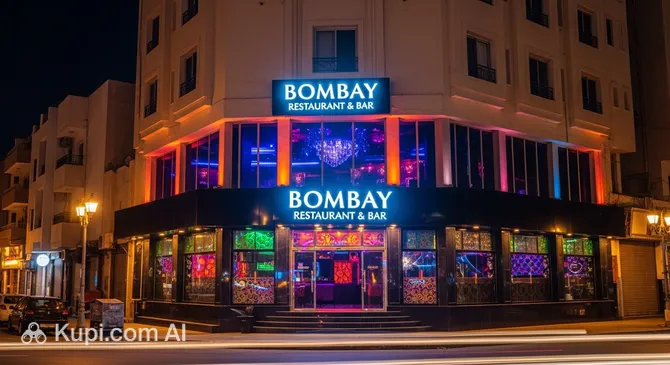
If you are looking for specific venues to enjoy the evening, the city has plenty of options. Bombay Restaurant & Bar is a popular spot that combines dining with a lively bar atmosphere, making it a great place to start your night. For those who want to relax with a drink in hand while soaking up the coastal vibes, Waves Restaurant & Lounge Bar offers a comfortable setting and a varied menu.

Bombay Restaurant & Bar. Source: Kupi.Binoculars

Another excellent choice for a night out is Vanille Bar & Restaurant, known for its friendly service and inviting ambiance. When visiting these venues, keep in mind that the dress code is usually "smart casual"—beachwear is generally not accepted in clubs or upscale bars after dark. Most nightlife venues start filling up around 10:00 PM, with clubs peaking well after midnight.

Regarding safety and logistics, Hurghada is generally safe for night walks, especially in the Marina and El Mamsha areas. However, Sakkala can be crowded, so keep an eye on your belongings. For transportation, it is highly recommended to use ride-hailing apps like Uber or Careem to avoid haggling with taxi drivers late at night. If you do take a regular orange taxi, agree on the fare before getting in.

While the nights are for partying, the city offers plenty of daytime entertainment beyond the beach. Families can enjoy a fun-filled day at Tito's Marina Aqua Park and Beach, which features slides and pools suitable for all ages. For those interested in exploring the surrounding landscapes, Hurghada Private Excursions can organize memorable trips to the desert or nearby cultural sites.

Parks & Museums

While Hurghada is primarily celebrated for its endless coastline and underwater wonders, the city also offers a surprising variety of cultural and natural attractions on land. Beyond the hotel resorts, visitors can discover open-air museums, fascinating marine exhibits, and serene natural areas that showcase the region's diverse heritage and geography.

The most significant natural asset of the region is undoubtedly the Giftun Islands National Park. Located just a short boat ride from the shore, this protected area is a paradise of pristine white sands and vibrant coral reefs. It serves as a sanctuary for marine life and is the perfect escape for nature lovers looking to experience the untouched beauty of the Red Sea.

For those who prefer to stay on the mainland, Anemone Beach offers a delightful slice of the coast. This well-maintained beach is ideal for a relaxing afternoon, providing golden sands and clear waters without the need for a boat trip. It is a great spot to unwind, swim, and enjoy the natural seaside atmosphere right within the city.

Anemone Beach. Source: Kupi.Binoculars

When it comes to culture and history, the Hurghada Museum is a standout attraction. As the first antiquities museum in the Red Sea Governorate, it takes visitors on a journey through Egypt's rich history, displaying artifacts from the Pharaonic, Greco-Roman, Coptic, and Islamic eras. It is an excellent place to gain a deeper understanding of the country's civilization without traveling to Cairo or Luxor.

Another unique cultural venue is Sand City Hurghada, an open-air museum dedicated to the art of sand sculpting. This impressive gallery features intricate statues of mythological figures, historical icons, and famous cartoon characters, all crafted from sand and water. It is particularly engaging for families and offers a whimsical artistic experience under the open sky.

For a glimpse into the underwater world without getting wet, the Hurghada Grand Aquarium acts as a living museum of marine biology. It houses a massive collection of Red Sea species, including sharks and rays, and features an underwater tunnel that provides an immersive perspective on the local ecosystem.

Architecturally, the city offers more than just modern hotels. The St. Shenouda Coptic Orthodox Church in the El Dahar district is a significant religious landmark. Built with intricate details and beautiful frescoes, it stands as a testament to the city's Coptic community and offers a peaceful contrast to the bustling streets outside.

Insider Tip: If you want to see all of Egypt's famous landmarks in one afternoon, visit Mini Egypt Park. This outdoor miniature park features scaled-down models of the Pyramids, the Sphinx, and the Luxor Temple, allowing you to "tour" the entire country in just a few hours—a fun and educational experience for all ages.

Getting Around

Navigating Hurghada is an experience in itself, distinctly different from the structured public transport systems found in many European capitals. The city does not have a metro, tram, or trolleybus network. Instead, the local transportation system relies entirely on road vehicles, primarily a mix of privately owned microbuses and taxis. Understanding how these work is key to moving between the different districts, such as El Dahar (Downtown), Sakkala, and the Resort Strip (El Mamsha), efficiently and affordably.

The most authentic and ubiquitous form of public transport is the microbus. These white vans ply specific routes along the main coastal roads and through the city center. There are no official bus stops; to catch one, you simply stand by the side of the road and wave your hand. When you want to get off, just say "ala gamb, law samaht" (on the side, please) or simply "stop," and the driver will pull over at the nearest safe spot. They are incredibly frequent, often passing every few minutes during the day.

For those preferring more privacy and comfort, taxis are the standard alternative. You will easily recognize them by their distinctive orange and blue coloring. While they are available 24/7 and can be hailed anywhere, they rarely use taximeters. It is absolutely essential to negotiate and agree on the fare before you get into the car to avoid disputes at your destination. Drivers often quote higher prices to tourists, so having a rough idea of the distance and standard rates is helpful.

A highly recommended alternative for visitors is using ride-hailing apps like Uber or Careem. These services operate extensively in Hurghada and offer several advantages: the price is fixed and known in advance, you do not need to haggle, and the GPS tracking adds a layer of safety. This is often the most stress-free way to travel, especially in the evenings or if you are unfamiliar with the local currency.

Regarding payment, cash is king in Hurghada's transport system. Microbuses and street taxis do not accept credit cards or travel passes. Fares for microbuses are extremely low, typically costing just a few Egyptian pounds. You pay the driver directly after boarding; if you are sitting in the back, it is customary to pass your money to the passenger in front of you, who will pass it along to the driver. Always try to carry small bills and coins, as drivers may not have change for large denominations.

Operating hours are quite flexible. Microbuses run from early morning until late at night, though their frequency decreases significantly after midnight. Taxis are available around the clock. If you are planning to stay out very late in a less busy area, arranging a ride via an app or keeping a taxi driver's number is a good strategy to ensure a quick return to your hotel.

While walking is a pleasant option within specific pedestrian-friendly zones like the Hurghada Marina or the El Mamsha promenade, the distances between the main districts are too great to cover on foot. Car rentals are available, but they are generally not recommended for first-time visitors due to the chaotic local driving style and lack of strict adherence to traffic lanes. Cycling is not a major mode of transport here, although some resorts offer bike rentals for leisure use within their premises.

Accommodation

Where to Stay:

Hurghada is synonymous with sprawling seaside resorts, but the city offers a surprisingly wide spectrum of accommodation to suit every budget and travel style. While the coastline is dominated by large all-inclusive complexes, visitors can also find budget-friendly hostels, comfortable mid-range city hotels, and private holiday apartments.

Most tourists choose to stay in one of three main zones, each offering a distinct atmosphere. The Resort Strip (El Mamsha) is a dedicated tourist promenade lined with upscale 4- and 5-star hotels, making it ideal for families and couples seeking a relaxed environment with wide sidewalks and cafes. Sakkala offers a mix of city hotels and resorts right in the heart of the action, placing you within walking distance of the vibrant nightlife and shopping districts. For those on a tighter budget or seeking a more authentic experience, El Dahar (Downtown) provides smaller hotels and guesthouses away from the main tourist bustle.

If you are looking for a unique, vibrant atmosphere, Meraki Resort is a well-known destination. It stands out with its bohemian design and club-style vibe, often catering to travelers looking for a lively beach experience combined with modern amenities.

Meraki Resort. Source: Kupi.Binoculars

Another excellent option located centrally is the SUNRISE Holidays Resort. This property offers the best of both worlds: easy access to the city's attractions and a private beach where guests can unwind by the Red Sea.

Prices in Hurghada are generally competitive compared to other global beach destinations. Budget options can be found for very reasonable rates, while luxury all-inclusive packages offer great value for money. It is highly recommended to book in advance, especially if you plan to visit during the peak winter sun season (December to February) or during major holidays like Easter, when occupancy rates are high. Most accommodations can be easily booked via major online platforms, which often provide the best deals and flexible cancellation policies.

Nearby Cities

For those looking to explore the surroundings, Hurghada serves as an excellent base for day trips to several interesting nearby locations. While the Red Sea coast is captivating, a journey inland reveals the rich tapestry of Egyptian history and culture, offering a stark and majestic contrast to the beach life of the resort.

Luxor is undoubtedly the most famous destination for a day trip. Located approximately 210 km away, it is often called the world's greatest open-air museum. Visitors flock here to witness the grandeur of the Karnak Temple, the mysterious Valley of the Kings, and the Temple of Hatshepsut. It is a must-visit for anyone wishing to see the monumental legacy of the Pharaohs.

Closer to the coast lies Qena, situated about 164 km from the city. This city is best known for its proximity to the Dendera Temple complex, dedicated to the goddess Hathor. The temple is renowned for having some of the most vibrant and well-preserved reliefs in all of Egypt, including the famous zodiac ceiling.

For those interested in religious history, Sohag offers a deep dive into the country's Coptic heritage. Although a bit further away, it is home to the famous Red and White Monasteries, which are significant architectural and spiritual landmarks providing a unique perspective on Egypt's diverse past.

City Population Distance (km)
Sohag 250000 224
Luxor 202232 210
Qena 201191 164
Girga 102597 217
Akhmim 101509 219

These nearby destinations offer a glimpse into the diverse culture and landscapes of the region.

Shopping & Souvenirs

Shopping in Hurghada:

Shopping in Hurghada is a vibrant experience that offers a fascinating contrast between modern convenience and traditional Egyptian culture. Visitors can choose between wandering through air-conditioned shopping complexes with international brands or immersing themselves in the chaotic charm of local bazaars. Whether you are looking for high-end fashion or authentic handmade crafts, the city provides a diverse retail landscape that caters to every taste and budget.

For those who enjoy the hustle and bustle of street shopping, Sheraton Street is the undisputed center of action. Located in the Sakkala district, this lengthy thoroughfare is lined with countless shops selling souvenirs, clothes, and snorkeling gear. It is a high-energy environment where shopkeepers actively invite passersby to view their wares. If you prefer a more relaxed outdoor experience, the Hurghada Marina offers a selection of boutique stores and upscale shops in a pedestrian-friendly setting along the harbor.

Travelers seeking a contemporary retail environment will find everything they need at the Hurghada City Center. This large shopping mall is situated near the Hilton hotel and features a wide array of global fashion retailers, a cinema, and a large supermarket. It is the perfect place to shop for fixed-price goods in comfort, especially during the hottest parts of the day. Another notable destination is the Senzo Mall, located in the south of the city, which is popular for its massive food court and extensive shopping options.

Hurghada City Center. Source: Kupi.Binoculars

To experience the authentic soul of the city, a visit to the markets in the El Dahar district (Old Town) is essential. The traditional souk here is a sensory delight, filled with the aroma of exotic spices and the vibrant colors of fresh produce. This is the best place to find local treasures that feel genuine rather than mass-produced. The vegetable and fruit market is particularly lively, offering a glimpse into the daily lives of the local residents.

When it comes to souvenirs, Hurghada offers plenty of unique items to take home. Spices like cumin, saffron, and hibiscus (for making tea) are top choices, often sold in colorful displays. Perfume oils and essences are also famous; you can find replicas of famous scents or traditional Egyptian blends. Other popular buys include soft Egyptian cotton products, alabaster statues, and intricate papyrus art. Just be sure to verify the quality of papyrus to ensure it is authentic.

Store hours in Hurghada cater to the night-owl lifestyle of the resort. Many shops, especially in tourist areas like Sheraton Street, stay open late, often until midnight or even 1:00 AM. In contrast, standard hours apply to malls, which typically open around 10:00 AM. Regarding payment, cash is king in the souks and smaller street shops, and the Egyptian Pound (EGP) is the best currency to use to get a fair price. While malls and larger stores accept credit cards, it is always wise to carry small bills for minor purchases.

Tourists in Egypt may be eligible for a VAT refund on certain goods purchased from authorized retailers. To qualify, you usually need to spend a minimum amount in a single receipt and present your passport at the time of purchase to get a refund form. However, the process can be bureaucratic and requires validation at the airport before departure, so it is best to ask the specific store for details if you plan on making significant purchases.

Reached the end of the page?

That means the route is fully explored