Support

Sohag

About

Located on the western bank of the Nile, Sohag is a captivating city that offers travelers a genuine glimpse into the heart of Upper Egypt. Unlike the more crowded tourist hubs, this city maintains a relaxed atmosphere where ancient traditions blend seamlessly with modern life. As the capital of the Sohag Governorate, it serves as a significant cultural and administrative center, home to approximately 250,000 residents who are known for their hospitality and warmth.

The city is renowned for its significant Coptic heritage, which attracts pilgrims and history enthusiasts from around the world. Those wishing to delve deeper into the rich history of Sohag will discover that the region was a major center of monasticism in late antiquity. The landscape is dominated by the fertile Nile Valley, contrasting sharply with the arid desert cliffs that frame the horizon, creating a stunning backdrop for exploration.
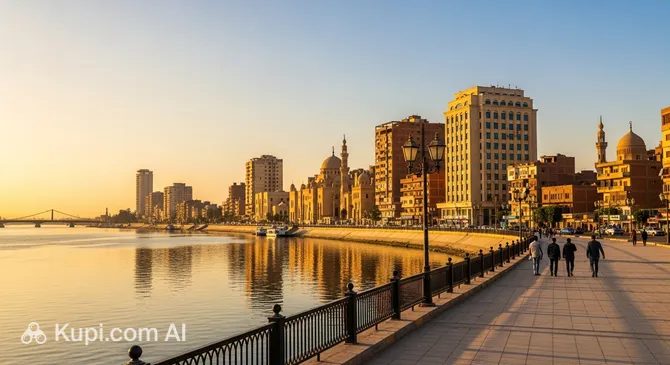
Sohag. Source: Kupi.Binoculars

Among the city's most remarkable landmarks are the ancient monasteries located just outside the urban center. The White Monastery (Deir el-Abyad) and the Red Monastery (Deir el-Ahmar) are architectural marvels, famous for their intricate stonework and vibrant frescoes that have survived for centuries. Additionally, the Sohag National Museum offers a curated journey through the ages, displaying artifacts that trace the region's development from the Pharaonic era to Islamic times.

Whether you are passing through on a Nile cruise or planning a dedicated stop, Sohag provides a unique opportunity to experience a less commercialized side of the country. Its blend of spiritual history, archaeological treasures, and local charm makes it a rewarding destination for anyone seeking to uncover the hidden gems of the Nile Valley.
Weather Overview

Sohag experiences a quintessential desert climate, characterized by scorching summers, mild winters, and arid conditions year-round. Travelers can expect extremely dry weather with virtually no rainfall, ensuring clear skies for sightseeing regardless of when they visit. To help plan your itinerary around the best conditions, you can consult the detailed guide to the weather in Sohag.

The summer season is intense, with average temperatures peaking in August at around 32.3°C. During the hottest part of the day, the thermometer often rises to nearly 40°C, making early morning or late evening explorations preferable. The heat remains consistent from June through September, requiring light clothing and plenty of water for any outdoor excursions.

Winters provide a pleasant respite, with January being the coolest month, featuring an average temperature of 13.7°C and lows dipping to roughly 7.2°C at night. Throughout the entire year, the city sees 0mm of precipitation, meaning rain is an incredibly rare event. Generally, expect blazing hot summers and cool, dry winters, making the shoulder seasons or winter the most comfortable times for travel.

Interesting Facts

Beyond the main attractions, Sohag holds many fascinating secrets that reveal its deep historical roots and cultural significance. The city and its surroundings are steeped in legends that date back to the time of the Pharaohs and even touch upon Greek mythology.

  • The Bride of the Nile: Just across the river in the twin city of Akhmim, a spectacular open-air museum houses a colossal statue of Queen Meritamen, the daughter of Ramses II. Standing over 11 meters tall, this limestone masterpiece is affectionately known by locals as "Arouset El-Nil" or the "Bride of the Nile" due to its stunning beauty and preservation.

  • A Link to Greek Legends: According to the ancient historian Herodotus, this region was unique in ancient Egypt for worshipping the Greek hero Perseus. Legends claimed that Perseus had ancestral ties to the city and visited to retrieve his sandals, prompting the locals to hold gymnastic games in his honor—a practice unseen elsewhere in the country at the time.

  • Thousands of Years of Weaving: The Sohag region is historically celebrated as one of the oldest textile centers in the world. For over 4,000 years, the area has been renowned for its hand-woven silk and cotton, preserving intricate weaving techniques that have been passed down through generations since the Pharaonic era.

How to Get There

Reaching Sohag is relatively straightforward, as the city is well-connected to the rest of Egypt through its own international airport and the extensive road network along the Nile Valley. Whether you are arriving directly from abroad or transferring from other major Egyptian cities, there are convenient options available. For a comprehensive overview of all travel methods, you can read more about how to get to Sohag to plan your journey effectively.

The most direct way to arrive is via Mubarak International Airport (IATA: HMB), which is conveniently located within the Sohag Governorate itself. Situated approximately 25 km from the city center, it serves as the primary hub for the region. A trip from the airport to downtown Sohag by taxi or bus typically takes less than an hour. This airport handles a significant volume of regional traffic, making it the best choice for travelers who want to minimize ground travel time.

Alternatively, travelers can fly into Assiut Airport (IATA: ATZ) in the neighboring city of Asyut, which is about 87 km away. The drive from Asyut to Sohag generally takes approximately two hours. For those combining their trip with a visit to southern Egypt's famous monuments, Luxor International Airport (IATA: LXR) in Luxor is another viable option. Although it is located roughly 141 km from Sohag, requiring a transfer time of around three to four hours, it offers extensive international connections that may be advantageous for some itineraries.

For clarity, here is a summary of the main airports:

Airport Name City Passenger Traffic Km from City
Hurghada International Airport Hurghada Large 220.0
Luxor International Airport Luxor Large 141.1
Mubarak International Airport Sohag Medium 24.7
Assiut Airport Asyut Small 86.8

In addition to air travel, Sohag is accessible by the national railway system, which runs along the Nile and connects the city to Cairo in the north and Aswan in the south. Trains are a popular and scenic mode of transport for many visitors. The city is also linked by a network of agricultural roads and highways, allowing for travel by bus or private car from nearby governorates.

Main Attractions

While the region is famous for its ancient roots, the city itself boasts impressive landmarks that reflect its living heritage. A standout example is the Sidi Arif Mosque, a magnificent structure that dominates the skyline with its soaring minarets and grand central dome. As a masterpiece of modern Islamic architecture, it serves as a vital spiritual center for the community. The mosque is celebrated for its intricate design and craftsmanship, offering visitors a peaceful atmosphere to admire the artistic details and observe the local religious culture up close.

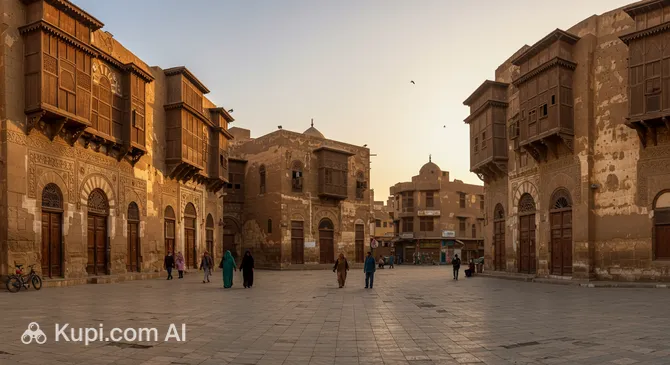
To experience the vibrant daily rhythm of Sohag, travelers should head to Young Muslims Square. This bustling hub is the heart of social life in the city, where the energy of the streets is most palpable. It serves as a popular gathering point for residents and offers a genuine slice of modern Egyptian culture. A stroll through the square provides an excellent opportunity for people-watching and soaking in the authentic atmosphere of Upper Egypt.

Young Muslims Square. Source: Kupi.Binoculars

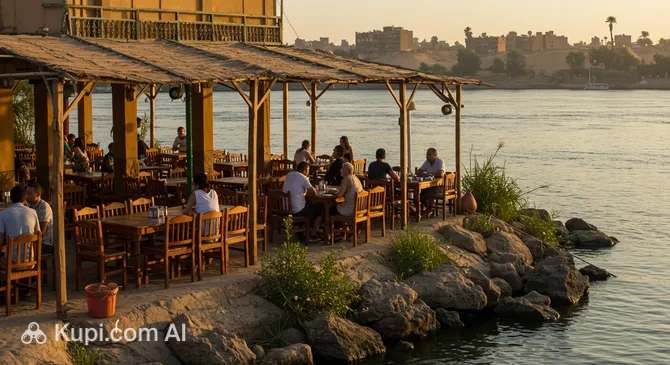
For a taste of the governorate's rich flavors, Wesaya El Gomhorya is a culinary landmark that should not be missed. More than just a dining spot, it is considered a destination for those wishing to explore authentic local cuisine. Visitors can enjoy traditional dishes prepared with care, making it the perfect place to relax and indulge in the region's renowned hospitality after a day of sightseeing.

Wesaya El Gomhorya. Source: Kupi.Binoculars

Local Cuisine

The culinary landscape of Sohag is deeply rooted in the traditions of Upper Egypt (Sa'id), offering a gastronomic experience that is both hearty and flavorful. The food here is characterized by the use of fresh ingredients cultivated right along the fertile banks of the Nile. Travelers will find that dining in this city is not just about sustenance but is a reflection of the region's legendary hospitality, where meals are often communal and portions are generously served.

One of the dishes that defines the local palate is Molokhia, a green jute leaf soup that is often prepared with a thicker consistency and more robust garlic flavor in the south compared to Cairo. It is typically served with rice and chicken or rabbit. Another delicacy worth seeking out is Hamam Mahshi (stuffed pigeon), a classic Egyptian favorite that is prepared with exceptional skill in local kitchens. For a lighter meal or breakfast, Fiteer Meshaltet—a flaky, layered pastry served with molasses, honey, or salty cheese—remains a beloved staple.

When it comes to beverages, the region's agricultural background shines through. Since Sohag is situated in a major sugar-producing area, fresh Sugarcane Juice (Asab) is ubiquitous and incredibly refreshing, especially during the hot summer months. Tea culture is also a vital part of daily life; locals prefer their Shai (tea) strong, dark, and sweet, often enjoyed in street-side cafes. While alcoholic drinks are not widely available in standard restaurants due to local customs, visitors will find an abundance of fresh fruit juices and Karkade (hibiscus tea), which can be enjoyed hot or ice-cold.

The food culture in Sohag revolves around informal, family-friendly dining. You can find everything from quick street food stalls selling crisp Ta'ameya (Egyptian falafel) to sit-down establishments perfect for a relaxed evening. For those eager to sample authentic local dishes in a reputable setting, Wesaya El Gomhorya is a popular choice. It stands out as a culinary landmark where visitors can immerse themselves in the genuine flavors of the governorate while soaking in the lively local atmosphere.

Travel Tips

Visiting Sohag offers a unique window into the traditional lifestyle of Upper Egypt, far removed from the typical tourist trail. To ensure your journey through this historic city is smooth and respectful of local customs, here are some essential practical tips to help you prepare.

  1. Dress Modestly and Lightly: Given the conservative nature of Upper Egypt, it is respectful for both men and women to cover shoulders and knees when in public. Wear loose, breathable fabrics like cotton or linen to handle the intense heat, and bring sturdy, comfortable shoes for walking on dusty or uneven streets.
  2. Transportation Options: Local taxis are the most convenient way for tourists to get around the city. Since meters are often not used or ignored, it is crucial to negotiate and agree on the fare before getting into the car. Microbuses are cheap and plentiful but can be chaotic for first-time visitors.
  3. Cash is King: While a few major hotels might accept credit cards, daily life in Sohag runs almost entirely on cash. Ensure you have sufficient Egyptian Pounds (EGP) for markets, cafes, and transport. ATMs are available in the city center, but it is wise to keep small denominations handy for baksheesh (tipping).
  4. Health and Hydration: The desert climate is extremely dry; always carry bottled water and avoid drinking from the tap. Pharmacies are widely available and easily identified by a green cross, often staying open late to provide minor medical assistance or over-the-counter remedies.
  5. Language and Connectivity: English is not as widely spoken here as in Cairo or Luxor. Buying a local SIM card upon arrival in Egypt is highly recommended for maps and translation tools. Learning basic Arabic phrases like "Salam" (Hello) and "Shukran" (Thank you) will be warmly received by the friendly locals.
  6. Local Etiquette: Sohag is a traditional city where social norms are valued. Public displays of affection should be avoided. When greeting people, use your right hand, and always remove your shoes before entering a mosque or a local home.
  7. Photography Precautions: Avoid taking photographs of government buildings, police checkpoints, or military personnel, as this is strictly prohibited. Additionally, always ask for explicit permission before taking photos of local residents, especially women, to respect their privacy.
  8. Friday Timings: Keep in mind that Friday is the weekly holiday and day of prayer. Many shops and businesses close for a few hours around noon for the congregational prayers, so it is best to plan your shopping or dining activities for the late afternoon or evening on this day.

By keeping these practicalities in mind, you will be well-prepared to navigate Sohag with confidence and ease. Embracing these local nuances will not only make your trip smoother but will also allow you to connect more deeply with the genuine hospitality of the Sa'idi people.

Entertainment & Nightlife

Nightlife in Sohag is defined by a relaxed, social atmosphere rather than high-energy partying. Unlike the resort cities of the Red Sea or the cosmopolitan districts of Cairo, this Upper Egyptian city does not have a western-style clubbing scene. Instead, the evening entertainment revolves around the Nile Corniche, bustling street cafes, and family-friendly gatherings that often stretch late into the night. The city comes alive after sunset, especially in the summer, when the temperatures drop and locals head outdoors to socialize.

The heart of the city's evening activity is undoubtedly the Nile Corniche. This riverside promenade is the perfect place for a leisurely night walk, offering cooling breezes and views of the city lights reflecting on the water. Here, you will find floating restaurants and stationary boats that serve as popular venues for dinner and soft drinks. The atmosphere is welcoming and safe, filled with families, groups of friends, and couples enjoying the fresh air.

For a genuine local experience, the area around Young Muslims Square is a vibrant hub of activity. As the sun sets, this district buzzes with energy. It is surrounded by numerous traditional coffee shops (ahwas) where the main entertainment consists of watching football matches, playing backgammon or dominoes, and sipping on strong tea or fresh juices. These venues are the center of social life in Sohag and offer a great opportunity to interact with friendly locals.

Dining out is a major part of the nightlife here. Restaurants often stay open late, catering to the Egyptian habit of eating late dinners. Wesaya El Gomhorya is a prime example of a venue that remains lively into the evening. It is an excellent spot to enjoy a substantial meal in a comfortable setting after a day of exploration. While alcohol is generally not served in standard restaurants or cafes due to local customs, you may find it in the bars of high-end hotels, though these are few and far between.

When planning your evening, keep in mind that the city stays awake quite late. Shops and cafes often operate until midnight or later, particularly in the summer. The dress code remains conservative; smart casual and modest attire is recommended for both men and women to blend in respectfully. In terms of safety, the main streets and the Corniche are very safe for walking. To get around, local taxis are plentiful and can be easily hailed from the street; just be sure to agree on a fare or ensure the meter is running.

During the day, entertainment shifts towards cultural and recreational activities. Before the evening sets in, visitors can explore the local history or take a trip to Karaman Island (Gezirat Karaman), a park located in the middle of the Nile that is popular for picnics and daytime relaxation. While the city lacks large amusement parks, the charm of Sohag lies in its laid-back pace and the warmth of its people, offering a peaceful alternative to the frantic energy of larger tourist capitals.

Parks & Museums

While Sohag is geographically defined by the desert and the river, the city offers several refreshing green spaces and cultural institutions that allow visitors to pause and appreciate the region's heritage. From lush islands in the middle of the Nile to museums housing millennia of history, the city provides a balanced mix of relaxation and education for travelers.

Karaman Island (Gezirat Karaman) is the undisputed jewel of the city's natural attractions. Located right in the middle of the Nile, this extensive island serves as a primary recreational park for locals and visitors alike. It features sprawling gardens, shaded walkways, and designated picnic areas, making it an ideal escape from the bustle of the urban center. The island is also equipped with a swimming pool and chalets, offering a resort-like atmosphere where one can enjoy the cooling river breeze surrounded by greenery.

Another significant green space is Flower Island (Gezirat El-Zohour), situated slightly north of the city. As its name suggests, this area is dedicated to botanical beauty and leisure. It features colorful flower beds and open lawns that are perfect for a quiet afternoon stroll. Additionally, the city's Nile Corniche acts as a linear park, providing a beautifully paved promenade lined with trees where families gather to enjoy the scenic views of the river, especially during the cooler evening hours.

For culture enthusiasts, the Sohag National Museum is a must-visit destination. Uniquely designed to resemble an ancient Egyptian temple, the building itself is an architectural tribute to the region's past. Inside, the museum houses a vast collection of around 5,000 artifacts that span from the Predynastic period to the Islamic era. Highlights include statues of the goddess Sekhmet, intricate Coptic textiles, and objects excavated from the nearby holy city of Abydos, offering a comprehensive overview of the governorate's historical timeline.

Just across the river in the twin city of Akhmim, the Meritamen Open-Air Museum offers a focused look at Pharaonic grandeur. The centerpiece of this site is the magnificent limestone statue of Queen Meritamen, daughter of Ramses II. Standing over 11 meters tall, the statue is a masterpiece of ancient sculpture, displaying exquisite detail in the queen's jewelry and wig. The site sits below the current street level, giving visitors a sense of the layers of history that underpin the modern city.

In terms of historical architecture, the region is famous for its Coptic heritage, most notably the White Monastery and the Red Monastery. These functioning monastic complexes are essentially living museums of late antique architecture. The Red Monastery, in particular, is world-renowned for its sanctuary, which is covered floor-to-ceiling in vibrant, restored frescoes that are considered some of the finest examples of polychrome wall paintings from the period.

For a truly authentic experience, seek out the traditional weaving workshops in Akhmim. While not a formal museum, this district functions as a living gallery where you can watch artisans use hand looms to create silk and cotton textiles, a craft that has been practiced here since the time of the Pharaohs. It is a rare opportunity to see history in action and interact with the masters of this ancient trade.

Getting Around

The public transport system in Sohag is significantly different from the structured networks found in major capitals like Cairo or European cities. There is no metro, tram, or large municipal bus system operating within the city limits. Instead, local mobility relies heavily on an informal yet efficient network of privately operated vehicles. For tourists, this can seem chaotic at first, but it is the authentic way to navigate the city alongside the locals.

The backbone of public transportation is the microbus. These are 14-seater vans that ply specific routes connecting the city center with outlying districts and the neighboring city of Akhmim across the Nile. There are no official maps or fixed schedules; microbuses depart when they are full, which usually happens very quickly. To catch one, you simply stand by the side of the road and wave. Drivers or assistants often shout their destination as they pass, so you will need to listen carefully or ask locals where to stand for your specific direction.

For a more private and direct mode of travel, taxis are widely available and are the most convenient option for visitors. In Sohag, taxis are typically white and blue. Unlike in the capital, taxi meters are rarely used or may not exist in older vehicles. It is standard practice to negotiate and agree on the fare before getting into the car. Ask your hotel receptionist for a rough estimate of what a trip should cost to avoid being overcharged.

In narrower streets and residential neighborhoods, tuk-tuks (three-wheeled motorized rickshaws) are a common sight. They are nimble, noisy, and incredibly cheap, making them perfect for short trips where cars might struggle to pass. However, they are generally not allowed on main highways or in certain prestigious parts of the city center. While they offer a fun and breezy ride, safety standards can vary, so they are best used for short hops rather than long commutes.

Regarding payment, the system operates entirely on cash. There are no travel cards, passes, or mobile apps for public transport in Sohag. Fares for microbuses are fixed and very low, typically costing just a few Egyptian Pounds. You pay the driver directly or pass your money forward through other passengers. For taxis and tuk-tuks, you pay the driver upon reaching your destination. It is essential to carry plenty of small change and coins, as drivers often struggle to break large banknotes.

Ride-sharing apps like Uber or Careem are generally not available or have very limited presence in Sohag compared to Cairo and Alexandria. Therefore, travelers should not rely on them and should be prepared to hail street taxis. Operating hours for public transport are flexible; microbuses run from early morning until late at night, though frequency drops significantly after midnight. Taxis can be found 24/7, but it is safer and easier to have your hotel arrange one if you are traveling very late.

A final tip for tourists concerns local etiquette. In microbuses, it is common courtesy for men to avoid sitting next to unaccompanied women if other seats are available, or to leave a gap if possible. The front seat next to the driver is often considered a "privileged" spot and is a good option if you want a better view and a bit more personal space. Navigating Sohag's transport requires a bit of patience and a sense of adventure, but it offers a genuine window into the daily rhythm of the city.

Accommodation

Where to Stay:

Accommodation options in Sohag differ significantly from the vast resort choices found in Egypt's major tourist hubs like Hurghada or Sharm El-Sheikh. The city primarily caters to business travelers, local visitors, and cultural tourists passing through Upper Egypt. As a result, the selection is more limited but generally adequate for short stays. Travelers will mostly find a range of mid-range city hotels and budget-friendly guesthouses, with a few establishments offering higher standards of comfort and amenities.

The most desirable area to stay is undoubtedly along the Nile Corniche on the western bank of the river. Hotels located here often provide stunning views of the Nile and easy access to the city's main promenade, restaurants, and walking areas. Staying in this central district ensures that you are close to key transport links and the vibrant street life, while still enjoying the cooling river breeze. There are also some accommodation options in the twin city of Akhmim on the east bank, though the west bank remains the preferred base for most tourists due to its proximity to services.

While the city lacks the sprawling luxury resorts seen elsewhere, it boasts a unique feature: floating hotels. Some of the best-regarded accommodations are permanently docked ships or boats converted into hotels. These establishments typically offer the most atmospheric stays in the city, combining the charm of living on the water with modern conveniences such as restaurants and sometimes even pools. For those prioritizing practicality, standard business hotels in the downtown area offer clean and functional rooms suitable for a good night's rest.

Booking Tips and Prices: Prices in Sohag are generally very reasonable and significantly lower than in Cairo or Luxor. Most options fall into the budget to mid-range category. While the larger and more modern hotels can be booked through major international online platforms, many smaller or older establishments may not have a strong online presence. In such cases, booking by phone or finding a room upon arrival is common practice. However, it is always recommended to book in advance if you plan to visit during major Islamic holidays or university events, as the best rooms can fill up quickly.

Nearby Cities

For those looking to explore the surroundings, Sohag serves as an excellent base for day trips to several interesting nearby locations:

City Population Distance (km)
Asyut 500,000 85
Luxor 202,232 135
Qena 201,191 111
Girga 102,597 31
Akhmim 101,509 5

One of the most compelling reasons to venture out is to visit the ancient pilgrimage site of Abydos, which is easily accessible via the city of Girga. This archaeological treasure is home to the Temple of Seti I, famous for its exceptionally preserved colorful reliefs and the Abydos King List. Unlike the busier sites in the south, Abydos offers a serene atmosphere where visitors can admire ancient artistry in peace.

Just across the river, Akhmim offers a quick and rewarding excursion. Known as the ancient city of Panopolis, it maintains a legendary reputation for its hand-woven textiles, a craft that has thrived here for millennia. Beyond the weaving workshops, the town features an impressive open-air museum hosting the colossal statue of Queen Meritamen, making it a perfect spot for a short cultural trip.

For those willing to travel a bit further, Qena serves as the gateway to the magnificent Temple of Dendera. Dedicated to the goddess Hathor, this temple is one of the best-preserved in Egypt, renowned for its stunning astronomical ceiling and vibrant blue colors. It stands as a testament to the grandeur of the Ptolemaic and Roman periods.

These nearby destinations offer a glimpse into the diverse culture and landscapes of the region.

Shopping & Souvenirs

Shopping in Sohag offers a delightful mix of modern convenience and traditional charm, reflecting the city's role as a bridge between Upper Egypt's history and its developing present. While it may not have the sprawling luxury avenues of Cairo, the city provides an authentic retail experience where visitors can find everything from international brands to unique local handicrafts. The shopping scene here is less about high-end fashion and more about exploring bustling streets, discovering handmade treasures, and engaging with the friendly local merchants.

Main Shopping Areas/Streets

The heart of the city's commercial life beats along El Gomhoureya Street and El Galaa Street. These vibrant thoroughfares are lined with a multitude of clothing boutiques, shoe stores, and accessories shops that cater to local tastes. Walking down these busy streets, especially in the evening, offers a lively atmosphere where neon lights mix with the sounds of daily commerce. Another key area is the district around Culture Square (Midan El-Thaqafa), which serves as a central hub for various retail outlets and is a good starting point for a shopping tour on foot.

Shopping Malls

For a more modern shopping experience, Sohag City Center is the premier destination. Located along the Nile Corniche, this mall is the first of its kind in the governorate, offering a cool, air-conditioned retreat from the outdoor heat. It houses a large hypermarket, a food court, and a selection of fashion brands, making it a convenient stop for travelers who need to stock up on essentials or are looking for a familiar retail environment.

Markets

To witness the traditional side of commerce, a visit to the historic Qisareya Market (Souq el-Qisareya) is essential. This ancient marketplace is a labyrinth of narrow alleys where the spirit of the old city is most palpable. Here, you can find vendors selling spices, fabrics, household goods, and traditional clothing at prices significantly lower than in modern stores. It is a sensory experience filled with the aromas of herbs and the vibrant colors of local merchandise, perfect for those who enjoy the art of bargaining.

Souvenirs

The most distinctive souvenirs from this region are undoubtedly the world-famous textiles from Akhmim. Just across the river, the twin city of Akhmim has been a center of weaving since the Pharaonic era. You can find exquisite hand-woven silk and cotton shawls, bedspreads, and tablecloths known for their durability and intricate patterns. Additionally, look for items featuring Talli embroidery, a traditional craft of Upper Egypt where silver or gold threads are stitched into fine netting or cotton to create stunning geometric designs.

Opening Hours and Payment

Shops in Sohag typically open around 10:00 AM and stay open late into the night, often until midnight during the summer months. It is important to note that many businesses close for a few hours on Friday afternoons for congregational prayers. While the modern mall and larger hotels accept credit cards, cash is essential for shopping in local markets, smaller boutiques, and for transportation. ATMs are widely available throughout the city to withdraw Egyptian Pounds.

Reached the end of the page?

That means the route is fully explored