Support

Luxor

About

Often described as the world's greatest open-air museum, Luxor offers an unparalleled journey into the ancient past. Located in Upper Egypt, this captivating city stands on the site of ancient Thebes, the pharaohs' capital at the height of their power. Today, it remains a vibrant destination where modern life flows alongside the timeless currents of the Nile River, creating a unique atmosphere that enchants visitors from around the globe.
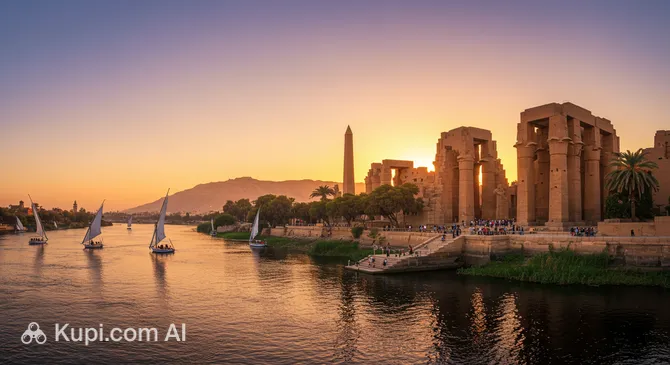
Luxor. Source: Kupi.Binoculars

Geographically, the city is situated on the east bank of the Nile, surrounded by desert landscapes that have helped preserve its monuments for millennia. With a population of approximately 202,000 residents, it serves as the administrative capital of the Luxor Governorate. The local climate is characteristically dry and sunny, making it an ideal destination for winter travel, although the summer months can be quite warm.

The profound history of Luxor is evident in every corner of the landscape. The city is traditionally divided by the river: the East Bank is home to the living city and the majestic Luxor Temple and Karnak Temple Complex, while the West Bank is known as the gateway to the afterlife. Here, travelers can explore the necropolises of the Valley of the Kings and the Valley of the Queens, where the elaborate tombs of ancient rulers were carved into the rock.

Whether you are an avid archaeology enthusiast or simply seeking a memorable cultural adventure, Luxor promises an unforgettable experience. The sheer scale of its architecture and the serene beauty of the Nile at sunset make it a must-visit destination for anyone exploring the region.
Weather Overview

Luxor experiences a hot desert climate characterized by abundant sunshine and distinct temperature variations between seasons. Since the city is located in Upper Egypt, the weather is generally dry and sunny year-round. To help you pack appropriately for your trip, it is helpful to check the detailed forecast and weather in Luxor before your departure.

The summer months, particularly from June to August, are intensely hot, with average maximum temperatures regularly climbing above 40°C. In contrast, the winter season offers much milder conditions; January is typically the coolest month, featuring an average temperature of 14.1°C and nighttime lows that can dip to around 7.4°C. Rainfall is virtually non-existent in this region, with data showing 0mm of precipitation throughout the year, ensuring clear skies for visiting the open-air monuments.

Interesting Facts

Beyond the famous monuments and tombs, Luxor holds many fascinating secrets that reveal the depth of its history. Here are some intriguing facts that add an extra layer of wonder to this ancient city.

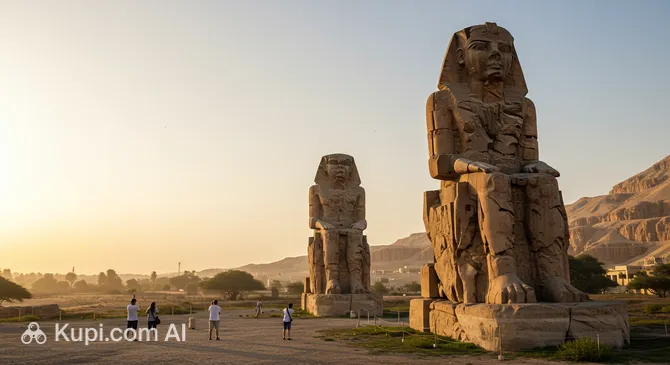
Colossi of Memnon. Source: Kupi.Binoculars
  • The Colossi of Memnon were once legendary for their "singing." Following an earthquake in 27 BC, the northern statue famously emitted a musical sound at sunrise, attracting visitors from across the Roman Empire until repairs in the 3rd century silenced it forever.

  • You can witness thousands of years of continuous worship at the Abu Haggag Mosque. Uniquely, this mosque was constructed right inside the walls of Luxor Temple, sitting atop ancient columns and creating a rare architectural blend of Pharaonic and Islamic heritage.

  • The Hypostyle Hall within the Karnak Temple is so immense that it could comfortably fit the Notre Dame Cathedral of Paris inside it. The 134 massive columns in this hall are arranged to represent a papyrus marsh, symbolizing the primeval creation of the world.

  • While mummies are found throughout Egypt, the Mummification Museum in Luxor is unique for focusing specifically on the techniques and tools of the embalming process. It even displays mummified animals, including a ram and a crocodile, highlighting the sacred status of animals in ancient Thebes.

How to Get There

Planning a trip to the land of Thebes is the first step toward an unforgettable adventure. Whether you are flying directly from abroad or connecting through another Egyptian city, there are several convenient ways to reach this historic destination. For a complete overview of all travel options, you can read more about how to get to Luxor to help organize your itinerary.

The most direct and convenient option is to fly into Luxor International Airport (LXR). This facility is located within the city itself, just 7 km from the center. Due to its proximity, a transfer by taxi or bus is quick, typically taking around 30 minutes. As a key transport hub with medium passenger traffic, it welcomes numerous domestic flights from Cairo as well as various international charters.

Alternatively, many travelers choose to arrive via Hurghada International Airport (HRG), especially those combining a Red Sea vacation with a cultural tour. This airport is located in Hurghada, approximately 202 km away from Luxor. While it is further afield, it is a large international gateway with high passenger volume. The journey by road from Hurghada to Luxor takes roughly 5 hours and 20 minutes, offering a route through the Eastern Desert.

For clarity, here is a summary of the main airports:

Airport Name City Passenger Traffic Km from City
Hurghada International Airport Hurghada Large 201.7
Marsa Alam International Airport Marsa Alam Medium 196.9
Luxor International Airport Luxor Medium 7.0
Aswan Airport Aswan Medium 191.7
Mubarak International Airport Sohag Medium 115.5

Beyond air travel, the city is well-connected by other means. Trains run regularly along the Nile Valley, linking Luxor with Cairo to the north and Aswan to the south, offering a scenic and authentic way to traverse the country. Additionally, many visitors arrive via Nile cruise ships, docking directly in the city center near the major temples.

Main Attractions

No visit to this ancient capital would be complete without exploring the Valley of the Kings. Hidden within the arid hills of the West Bank, this royal necropolis served as the burial ground for pharaohs such as Tutankhamun and Ramses II. Tourists are drawn here to descend into the deep, rock-cut tombs, where remarkably preserved hieroglyphics and vibrant wall paintings depict the journey to the afterlife, offering a vivid glimpse into the beliefs of the New Kingdom.

Valley of the Kings. Source: Kupi.Binoculars

On the East Bank, the sprawling complex of Karnak Temple stands as a testament to the ambition of ancient builders. Covering more than 100 hectares, it is one of the largest religious sites in the world, developed over 1,500 years by successive rulers. Visitors are particularly captivated by the Great Hypostyle Hall, a forest of 134 towering stone columns that creates an awe-inspiring sense of scale and grandeur.

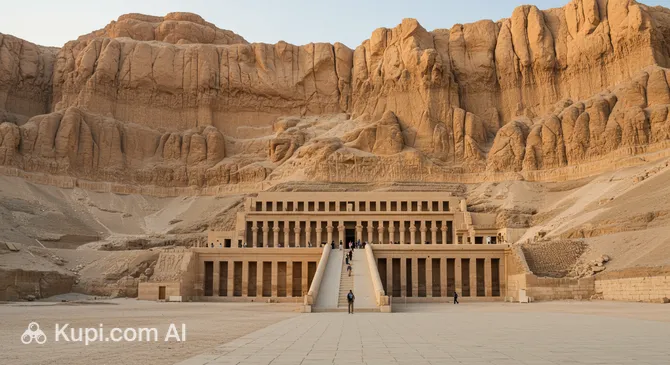
Another architectural masterpiece on the West Bank is the Mortuary Temple of Hatshepsut at Deir el-Bahari. Built for one of Egypt's few female pharaohs, this structure is renowned for its modern-looking design, featuring three layered terraces connected by long ramps. The temple is carved directly into the towering limestone cliffs, creating a dramatic contrast between the man-made symmetry and the rugged natural backdrop.

Mortuary Temple of Hatshepsut. Source: Kupi.Binoculars

Located right in the center of the modern city, Luxor Temple offers a unique experience, especially when visited at sunset or under the night sky. Unlike Karnak, which was dedicated to the gods, this temple focused on the rejuvenation of kingship. It is a fascinating site where history layers upon itself, visible in the fusion of Pharaonic structures, Roman remnants, and an active mosque that was built atop the ancient ruins.

Local Cuisine

The culinary landscape of Luxor offers a delicious dive into traditional Upper Egyptian, or "Sa'idi," flavors, which are often heartier and spicier than those found in the north. A true signature dish of the region is Hamam Mahshi (stuffed pigeon). Delicately filled with seasoned rice or cracked wheat (freekeh), this bird is grilled or roasted to perfection and is considered a delicacy served on special occasions or to honored guests. Another staple is the Tagine, a slow-cooked stew prepared in a clay pot, often featuring tender beef, onions, and vegetables like okra (bamya) in a rich tomato sauce.

Given the city's warm climate, staying hydrated is a tasty affair. The most iconic drink is Karkade (hibiscus tea), which is grown locally in Upper Egypt. It can be served piping hot or ice-cold, offering a tart, cranberry-like flavor that is incredibly refreshing. Fresh sugar cane juice (Asab) is another local favorite, pressed right in front of you at street stalls. While Egypt is a Muslim-majority country, alcohol is available in hotels and licensed venues. Travelers often enjoy a cold bottle of the local Stella beer or Egyptian wines after a long day of sightseeing.

The dining scene in Luxor caters to all tastes, ranging from authentic street food carts selling falafel and koshary to sit-down establishments. For those seeking a mix of British and Egyptian hospitality, The King's Head Pub provides a familiar atmosphere with a menu of comfort foods. Meanwhile, Snobs Restaurant is well-regarded among visitors for its diverse menu and welcoming vibe, making it a great spot to unwind.

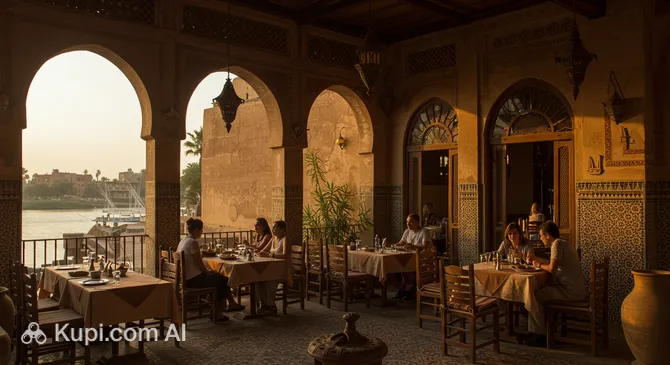
Thebes Restaurant. Source: Kupi.Binoculars

For a more traditional setting, Thebes Restaurant offers a chance to sample local recipes in an authentic environment. Many visitors also enjoy dining along the Nile, where the breeze complements the meal. Places like SunRise Bar & Restaurant allow you to savor your food and drinks while soaking in the views of the river and the distant West Bank hills.

Travel Tips

Visiting Luxor is like stepping back in time, but navigating the nuances of modern Egyptian life requires a bit of local know-how. To ensure your adventure among the pharaohs is as smooth as it is mesmerizing, here are some essential practical tips to help you plan your journey.

  1. Clothing and Gear: Given the hot desert climate, pack lightweight, breathable fabrics like cotton or linen. While it is hot, modesty is respected; both men and women should aim to keep shoulders and knees covered, especially when visiting religious sites or walking in town. Comfortable, closed-toe walking shoes are a must for navigating the dusty, uneven terrain of the temples. Don't forget a wide-brimmed hat, high-SPF sunscreen, and sunglasses to protect against the intense sun.

  2. Transportation: Taxis are the most convenient way to get around the East Bank, but they rarely use meters; always negotiate and agree on the fare before getting in. To cross to the West Bank, you can take the inexpensive "Baladi" (local) ferry, which offers a scenic and authentic experience, or hire a private motorboat. Horse-drawn carriages (calèches) are popular for short city trips, but again, confirm the price and destination clearly beforehand.

  3. Finances: The local currency is the Egyptian Pound (EGP). While major hotels and upscale restaurants accept credit cards, cash is king in Luxor. You will need small bills for taxis, local markets (souks), and the ubiquitous culture of baksheesh (tipping), which is expected for small services. ATMs are widely available in the city center and at banks, but it is wise to carry enough cash for daily expenses.

  4. Health and Safety: The most important health rule is to stay hydrated and avoid tap water; stick to sealed bottled water for drinking and brushing your teeth. Pharmacies are plentiful and many pharmacists speak English, offering advice for minor ailments like "Pharaoh's Revenge" (upset stomach). Luxor is generally very safe for tourists, but stick to well-lit areas at night and be cautious of traffic when crossing streets.

  5. Communication: Arabic is the official language, but English is widely spoken in the tourism industry. Learning a few local phrases goes a long way in building rapport; try using "Shukran" (Thank you) or "Salam" (Hello). Wi-Fi is available in most hotels and cafes, but for reliable internet access on the go, it is recommended to buy a local SIM card (Vodafone, Orange, or Etisalat) upon arrival.

  6. Local Etiquette: Egyptians are known for their hospitality and warmth. When greeting, a handshake is common, but wait for a woman to extend her hand first if you are a man. Public displays of affection are frowned upon and should be avoided. Always ask for permission before taking photographs of locals, especially women and elders, as a sign of respect.

  7. What to Avoid: Avoid engaging with aggressive street vendors or touts if you are not interested in their services. A polite but firm "La, shukran" (No, thank you) while keeping your walking pace is the best way to handle these interactions without causing offense. Also, never climb on ancient statues or touch the temple walls, as oils from skin can damage the millennia-old artwork.

  8. Early Bird Advantage: Beat the heat and the crowds by starting your day as early as possible. Many sites, including the Valley of the Kings, open at 6:00 AM. Visiting at this hour not only provides a cooler climate for exploration but also allows you to experience the monuments in a peaceful, almost mystical atmosphere before the tour buses arrive.

With these preparations in place, you are ready to fully immerse yourself in the magic of Thebes without worry. Embrace the vibrant energy of the city, respect the local customs, and your journey through history will be a safe, comfortable, and truly rewarding experience.

Entertainment & Nightlife

While the monumental temples and tombs are the primary focus for most visitors, Luxor offers a variety of engaging activities that go beyond standard sightseeing. From aerial adventures to cultural immersion, there are many ways to experience the city's unique atmosphere once the main archaeological tours are finished.

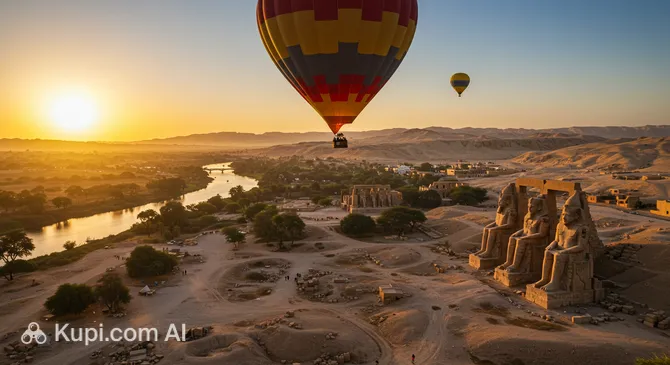
One of the most iconic experiences in the region is the Luxor Hot Air Balloon Ride. These flights typically depart just before sunrise, allowing travelers to float silently over the West Bank. The vantage point offers a breathtaking contrast between the lush green agricultural lands along the Nile and the golden sands of the desert necropolises, providing a perspective of the ancient sites that is impossible to get from the ground.

Luxor Hot Air Balloon Ride. Source: Kupi.Binoculars

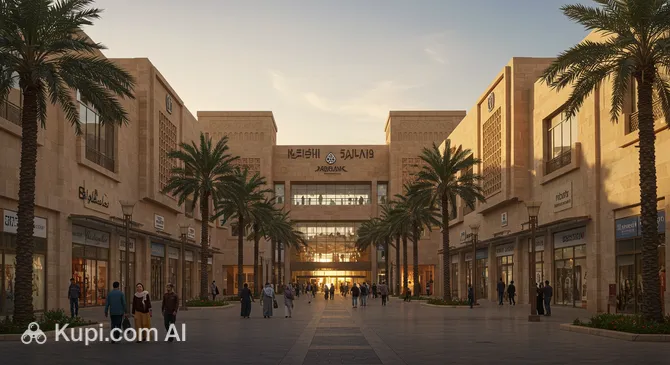
For those interested in local craftsmanship, the city is renowned for its alabaster industry. A visit to the Imhotep Alabaster Mall or similar workshops on the West Bank allows you to watch artisans shaping stone into vases and statues using traditional techniques passed down for generations. The local souks (markets) in the city center are also vibrant places to shop for spices, Egyptian cotton, and souvenirs, where bargaining is a customary and expected part of the transaction.

Imhotep Alabaster Mall. Source: Kupi.Binoculars

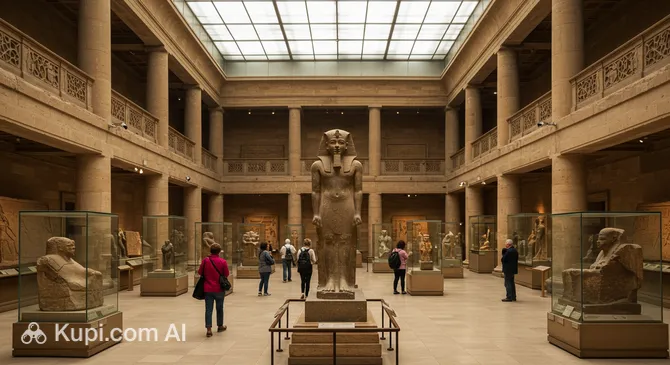
Cultural enthusiasts looking for a more curated experience should visit the Luxor Museum. Located on the Corniche, this museum is celebrated for its high-quality display of artifacts, including statues found in the Luxor Temple cache and objects from the tomb of Tutankhamun. Unlike the overwhelming volume of other national museums, this collection is spaciously arranged and well-lit, making it a pleasant evening activity as it often stays open late.

Luxor Museum. Source: Kupi.Binoculars

Evenings in Luxor offer their own charm. A traditional felucca sailboat ride on the Nile at sunset is a relaxing way to cool down after a hot day of exploration. Additionally, the Sound and Light Show at Karnak Temple provides a dramatic retelling of history, where the ancient ruins are illuminated with colorful projections and narration, walking visitors through the legends of Thebes under the starry sky.

Parks & Museums

While the entire city of Luxor operates as a sprawling open-air museum, it also boasts dedicated institutions and scenic areas that offer a deeper understanding of its heritage and natural beauty. Beyond the colossal temples, visitors can find well-curated galleries and pleasant promenades that provide a relaxing counterpoint to the busy archaeological sites.

For a comprehensive look at the artistic achievements of ancient Thebes, the Luxor Museum is an essential stop. Located along the Nile Corniche, this facility is renowned for its uncluttered and modern display of artifacts. Unlike other crowded Egyptian museums, it highlights a select collection of masterpieces, including the majestic statue of Thutmose III and objects from the Tutankhamun collection. It is the perfect place to appreciate the finesse of ancient craftsmanship in a cool, quiet environment.

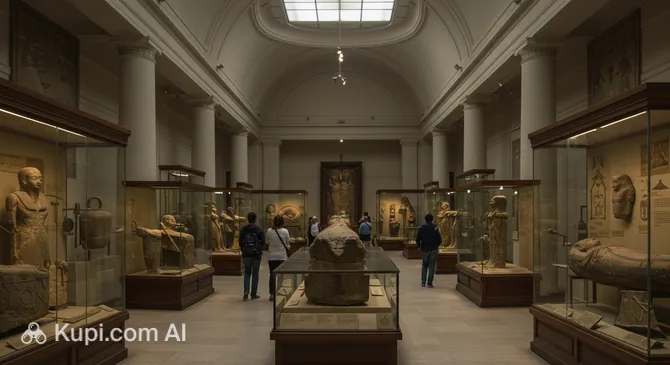
A short walk away lies the Mummification Museum, a unique institution dedicated entirely to the ancient art of embalming. This compact but fascinating museum walks visitors through the complex religious and scientific processes used to prepare the dead for the afterlife. The exhibits include elaborate tools, organic materials used in mummification, and perfectly preserved mummies of both humans and animals, such as the sacred ibis and crocodiles.

Mummification Museum. Source: Kupi.Binoculars

In terms of green spaces, the city's arid climate means traditional lush parks are rare, but the Nile Corniche serves as the city's primary "green lung" and public gathering space. This paved promenade stretches along the East Bank of the river, lined with gardens, palm trees, and benches. It offers a refreshing escape where tourists can enjoy a leisurely stroll, watch the feluccas glide by, and witness the sunset turning the West Bank hills a fiery orange.

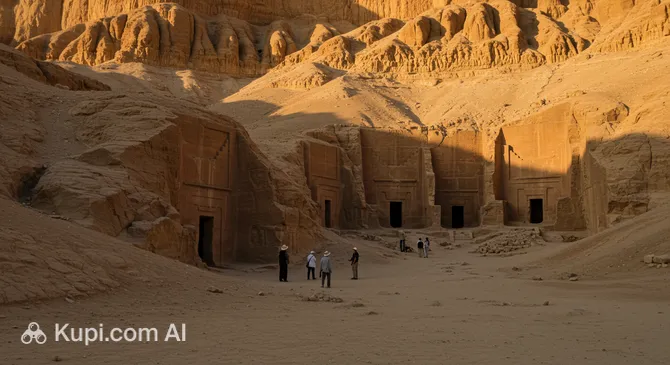
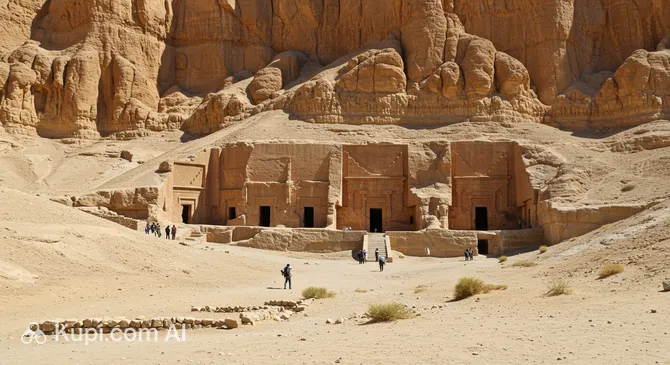
To experience the region's natural landscape, a trip to the West Bank offers a striking contrast between the fertile green fields of the Nile floodplain and the stark beauty of the desert mountains. Amidst this landscape lies the Valley of the Queens, a secluded necropolis that houses the stunning tombs of royal wives and children. It is often quieter than its counterpart for kings, allowing for a more intimate connection with the history and the rugged natural surroundings.

Valley of the Queens. Source: Kupi.Binoculars

Another site that blends history with an open-air museum feel is Deir el-Medina. This ancient village was home to the artisans who built the royal tombs. Walking through the remains of their stone houses provides a rare glimpse into the daily lives of common people in ancient Egypt, rather than just the royalty. The site also features beautifully decorated tombs of the workers themselves, known for their vivid colors and scenes of everyday life.

For a truly authentic experience, try visiting the museums in the evening when they are open late. The temperatures are cooler, and the lighting inside the galleries adds a dramatic flair to the ancient statues, making for a memorable night of culture.

Getting Around

Public transport in Luxor is quite different from the structured networks found in many large international cities. There is no metro, tram, or formal schedule-based bus system. Instead, the city relies on a combination of informal road transport and essential river crossings to connect the bustling East Bank with the monuments of the West Bank. For visitors, getting around is often an interactive experience that requires a bit of local knowledge and negotiation.

The backbone of local transit is the microbus. These ubiquitous white-and-blue vans ply specific routes along the main roads. There are no designated bus stops; passengers simply flag one down from the curb and shout their destination to the driver. If there is a seat available, you hop in. This is by far the cheapest way to travel, costing only a few pounds, but it can be crowded and somewhat chaotic for those unfamiliar with the routes.

To cross the Nile, the National Ferry (often referred to as the "Baladi" ferry) is the primary public link. It departs regularly from the dock near the Luxor Temple on the East Bank and drops passengers on the West Bank. It is a reliable and incredibly affordable service used by locals and tourists alike. Tickets are purchased at a small booth at the entrance to the pier. Alternatively, private motorboats are everywhere along the riverbank, offering faster, on-demand crossings for a higher, negotiated price.

Taxis are the most convenient option for tourists who prefer direct transport. You will easily recognize them by their white and blue colors. It is important to note that drivers in the city rarely use meters. The standard practice is to hail a taxi and agree on the fare before getting into the car. While ride-hailing apps are becoming more common in the region, street taxis remain the dominant force, so having a general idea of fair prices is helpful.

A distinctive feature of the city's transport landscape is the calèche, or horse-drawn carriage. These are particularly popular in the evenings for leisurely rides along the Corniche or through the market streets. While charming, they are considered a tourist service rather than public transit. As with taxis, firm negotiation is required to settle on a price and trip duration before you start your journey.

For exploring the West Bank, bicycle rentals are a highly recommended alternative. The area is relatively flat and less congested than the East Bank, making it perfect for cycling between the villages and the various temples. Rental shops are conveniently located near the ferry landing, allowing you to explore the open-air museum at your own pace while enjoying the rural scenery.

Regarding payments, the entire system operates on cash. There are no travel cards, mobile passes, or validation machines for public transport here. You will need to pay the driver directly for microbuses and taxis, or buy a paper ticket for the ferry. It is crucial to carry plenty of small change and lower-denomination banknotes, as drivers often do not have change for large bills. Transport generally operates from early morning until late at night, though frequency decreases significantly after midnight.

Accommodation

Where to Stay:

Accommodation in Luxor is as diverse as its history, catering to every type of traveler, from backpackers seeking adventure to luxury seekers looking for Nile-side opulence. The city offers a wide spectrum of options, including budget-friendly hostels, charming family-run guesthouses, mid-range hotels, and world-class resorts. Generally, lodging is divided between the two banks of the Nile, each offering a distinct atmosphere. The East Bank is the bustling heart of the city, home to the train station, the souq, and most of the high-end hotels; it is ideal for those who want to be in the center of the action with easy access to restaurants and shops. In contrast, the West Bank offers a quieter, more rural vibe, with many apartments and smaller hotels nestled among fields, providing a peaceful retreat close to the pharaonic tombs.

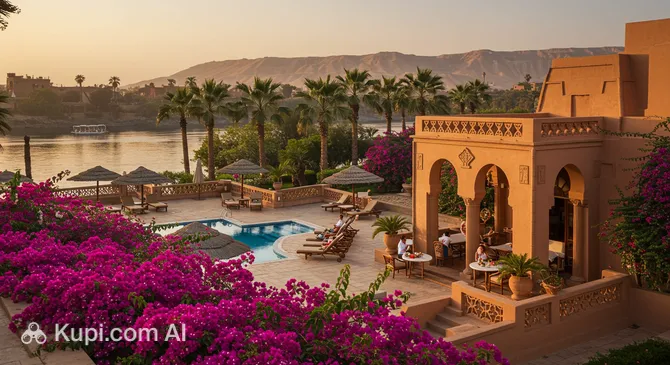
Achti Resort. Source: Kupi.Binoculars

For those prioritizing comfort and extensive amenities, the city features several reputable establishments that blend modern convenience with local hospitality. The Achti Resort is a popular choice, known for its spacious grounds and relaxing environment, making it a perfect sanctuary after a dusty day of sightseeing. Another excellent option is the Luxor Resort & Spa, which offers visitors a comprehensive range of facilities designed to ensure a restful stay. These resorts typically provide swimming pools and dining options that take full advantage of the beautiful weather.

When planning your trip, it is important to consider the seasonality of the destination. During the peak winter season, from October to April, demand is high, so it is advisable to book in advance to secure your preferred dates and rates. Prices can fluctuate significantly, with budget rooms available for very modest sums and luxury suites commanding international rates. Most accommodation can be easily booked via major online platforms, although many smaller properties on the West Bank also accept direct bookings for a more personal touch.

Nearby Cities

For those looking to explore the surroundings, Luxor serves as an excellent base for day trips to several interesting nearby locations:

Just a short drive to the north lies Qena, a city best known as the gateway to the magnificent Temple of Dendera. Dedicated to the goddess Hathor, this site is famous for its remarkably preserved astronomical ceiling and vibrant colors. To the south, the city of Idfu (Edfu) attracts visitors with the Temple of Horus, which is widely considered the best-preserved ancient temple in Egypt. Further up the Nile is Aswan, a picturesque destination famous for its Nubian culture, the Philae Temple, and the High Dam, offering a distinct change of pace from the busy streets of Luxor.

City Population Distance (km)
Aswan 267,913 179
Sohag 250,000 135
Qena 201,191 52
Idfu 133,772 82
Girga 102,597 105

These nearby destinations offer a glimpse into the diverse culture and landscapes of the region.

Shopping & Souvenirs

Shopping in Luxor is a vibrant cultural experience that goes far beyond simple transactions. The city is renowned for its rich heritage of craftsmanship, particularly in stone carving, textiles, and spices. Whether you are exploring the narrow alleyways of the traditional market or visiting a specialized workshop, you will find an array of authentic treasures that reflect the history and artistry of Upper Egypt.

The region is most famous for its alabaster, a translucent stone that has been quarried here since the time of the pharaohs. The West Bank is the heart of this industry, where you can find numerous factories and showrooms. One notable location is the Imhotep Alabaster Mall, where visitors can purchase high-quality hand-carved vases, statues, and bowls. When shopping for alabaster, it is helpful to ask for a demonstration to distinguish between genuine, heavy stone and lighter, machine-made imitations.

For a lively atmosphere, head to the main Souq located near the Luxor Temple. This pedestrian-friendly market is filled with the aromas of incense and fresh spices like saffron, cumin, and hibiscus (karkade). It is an excellent place to find cotton galabeyas, leather sandals, and colorful scarves. You can also find jewelry shops offering silver and gold cartouches, which can be personalized with your name in hieroglyphics for a unique keepsake.

Another popular souvenir is papyrus, the world's earliest form of paper. When looking for painted papyrus art, it is advisable to visit reputable galleries that provide certificates of authenticity. This ensures you are purchasing genuine papyrus made from the pith of the plant, rather than the cheaper banana leaf alternatives often sold by street vendors.

Bargaining is an essential part of the shopping culture in the local souks and smaller shops. Prices are rarely fixed, and the initial quote is typically a starting point for negotiation. Approach the process with a smile and patience; it is a social interaction as much as a business deal. However, in larger establishments like the Imhotep Alabaster Mall or fair-trade centers, fixed prices are often the norm, providing a relaxed alternative for those who prefer not to haggle.

Reached the end of the page?

That means the route is fully explored