Support

Asyut

About

Welcome to Asyut, the largest city in Upper Egypt and a vital hub of culture and commerce along the majestic Nile River. Situated roughly halfway between Cairo and Luxor, this bustling metropolis serves as the capital of the Asyut Governorate. With a population of approximately 500,000 inhabitants, it offers a lively atmosphere that blends traditional Egyptian life with the energy of a major university town.

Asyut. Source: Kupi.Binoculars

The city's location on the western bank of the Nile provides it with fertile agricultural surroundings, contrasting beautifully with the arid desert cliffs that frame the valley. While the climate is typically hot and dry, the river breeze offers a refreshing respite, especially during the evenings. Asyut has been a significant settlement for millennia, known in antiquity as Lycopolis, or the "City of Wolves." You can learn more about the fascinating history of Asyut and its transformation through the ages on our dedicated page.

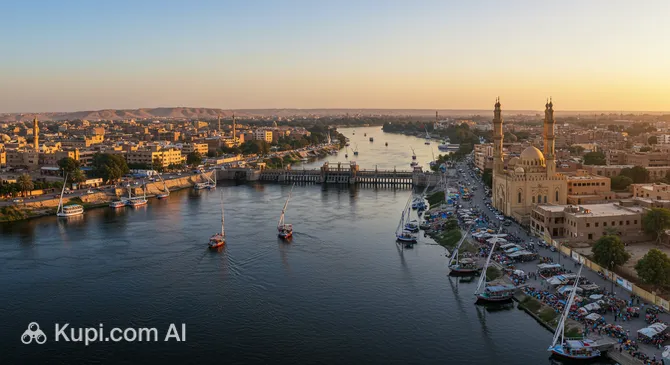
Travelers visiting the region are often drawn to its profound spiritual heritage. The area is renowned for its historic Coptic sites, most notably the Monastery of the Holy Virgin Mary at Al-Muharraq and the cliffside Deir Dronka, which are key stops on the Holy Family's trail in Egypt. Additionally, the impressive Asyut Barrage, built across the Nile, is not only an engineering marvel but also a scenic spot to admire the river's expanse.

Whether you are passing through on a Nile cruise or exploring the hidden gems of the region, Asyut offers an authentic glimpse into the heart of the country. We invite you to discover its unique heritage, warm hospitality, and the timeless flow of the Nile that defines this remarkable city.

Weather Overview

Asyut is characterized by a desert climate, meaning visitors can expect abundant sunshine and dry air throughout the year. The weather in Asyut follows a distinct pattern of scorching summers and mild, cooler winters. Rainfall is practically non-existent in this region, with data showing 0mm of precipitation year-round, ensuring that outdoor plans are rarely disrupted by wet weather.

The summer months, particularly June through August, are very hot, with average temperatures peaking around 32°C and daily highs often reaching nearly 39°C. In contrast, the winter season from December to February brings a significant drop in temperature. January is typically the coolest month, where averages sit at about 13.5°C and nights can feel quite chilly with lows around 7°C. The transitional periods of spring and autumn offer warm and comfortable conditions, making them popular times for travel.

Interesting Facts

Beyond the main attractions and the river's edge, Asyut holds many fascinating secrets that reveal its deep historical and cultural layers. From ancient deities to modern political figures, the city's legacy extends far beyond its role as a commercial capital.

  • Roots of a Leader: While born in Alexandria, Gamal Abdel Nasser, the second President of Egypt, had deep familial ties to Asyut. His father hailed from the nearby village of Beni Mur, and Nasser spent time in the region during his childhood. This connection remains a point of local pride, linking the city to one of the most influential figures in modern Arab history.

  • The Opener of the Ways: While the city was known to the Greeks as Lycopolis or "City of Wolves," this name specifically honored Wepwawet, an ancient jackal-headed god. In local mythology, Wepwawet was revered as the "Opener of the Ways," believed to guide the pharaohs and the deceased safely through the afterlife.

  • A Unique Textile Tradition: The region is one of the last strongholds of Tally (or Tulle-bi-telli), a distinct form of traditional embroidery. This intricate craft involves weaving thin strips of silver or gold metal directly into mesh fabric, creating geometric patterns that have adorned Egyptian dresses for centuries.

  • Engineering by a Master: The Old Asyut Barrage, a marvel of early 20th-century engineering, was designed by Sir William Willcocks. This famous British civil engineer was also the mind behind the original Aswan Low Dam, making Asyut's barrage a sister project to one of Egypt's most famous water management structures.

How to Get There

Reaching Asyut is relatively straightforward, as the city serves as a major transit point in Upper Egypt. Whether you are arriving from domestic locations or from abroad, there are several convenient routes to consider. You can read more about how to get to Asyut and plan your journey with our detailed guide.

The most direct way to arrive by air is via Assiut Airport (ATZ). This facility is located directly in the Asyut governorate, approximately 23 km from the city center. While it is a smaller regional airport, it offers the closest access point for travelers. A trip from the terminal to downtown Asyut typically takes around 30-40 minutes by taxi or private transfer.

Alternatively, visitors may fly into Mubarak International Airport (HMB), located in the city of Sohag. This airport is about 108 km away from Asyut but handles a larger volume of passengers and may offer different flight schedules. Travelers choosing this option should be prepared for a longer ground transfer, with the drive to Asyut taking approximately 1.5-2 hours.

For clarity, here is a summary of the main airports in the region:

Airport Name City Passenger Traffic Km from City
Hurghada International Airport Hurghada Large 259.0
Luxor International Airport Luxor Large 225.6
Mubarak International Airport Sohag Medium 108.0
Assiut Airport Asyut Small 22.6

Main Attractions

Asyut is a city where history, religion, and modern Egyptian life converge. While it is often viewed as a commercial center, the region is home to some of the most significant Coptic Christian sites in the world, as well as impressive architectural and engineering landmarks. Below are some of the key places that make Asyut a worthwhile stop for travelers.

One of the most famous destinations in the region is the Monastery of the Virgin Mary (Deir Dronka). Perched on a cliffside roughly 10 kilometers southwest of the city, this sprawling complex offers breathtaking views of the Nile Valley. It is believed that the Holy Family stayed in a cave here during their flight into Egypt. Today, it serves as a major pilgrimage site, especially during the Feast of the Virgin in August, when thousands of visitors gather to celebrate its spiritual heritage.

Another site of immense religious importance is the Al-Muharraq Monastery. Located further north of the city, this ancient fortress-like monastery is considered one of the holiest locations in Christianity. Tradition holds that the Holy Family resided here for over six months, making it a "Second Bethlehem" for Coptic believers. The complex houses several churches, including the ancient Church of the Virgin, and remains an active center for monks and scholars.

In the heart of the city, visitors can observe local life at Asma' Allah al-Husna Square. This public space is a notable landmark in Asyut, often serving as a reference point for navigating the bustling streets. It offers a glimpse into the daily rhythm of the city, surrounded by the energy of urban traffic and local commerce.

Asma' Allah al-Husna Square. Source: Kupi.Binoculars

For those interested in engineering and scenic views, the Asyut Barrage is a must-see. Spanning the Nile, this massive structure was originally built by the British in the early 20th century to regulate water flow for agriculture. A newer barrage has since been constructed, but the site remains a popular spot for locals to walk and enjoy the cool river breeze while watching feluccas glide across the water.

Finally, architecture enthusiasts should look out for the Alexan Pasha Palace. Situated on the banks of the Nile, this 19th-century mansion is a stunning example of European-influenced design in Upper Egypt. While access to the interior can sometimes be restricted depending on restoration efforts, the exterior’s ornate facade and surrounding gardens stand as a testament to the city's wealthy past.

Local Cuisine

The cuisine in Asyut offers a distinct taste of Upper Egypt, characterized by hearty flavors and traditional recipes that have been passed down through generations. Known as "Sa'idi" food, the local gastronomy relies heavily on fresh agricultural produce from the fertile Nile Valley. One of the most iconic staples you will encounter here is Eish Shamsi, or "Sun Bread." Unlike the flatbreads found in Cairo, this thick, sourdough-like bread is left to rise in the sun before baking, resulting in a unique texture and flavor that perfectly accompanies almost every meal.

Meat plays a central role in the local diet, with grilled dishes being particularly popular. Visitors should definitely try the succulent kebab and kofta, often seasoned with aromatic spices and served with tahini and fresh salads. For a more traditional home-style meal, look for tagines—clay pot stews slow-cooked in ovens. Okra (bamya) with meat and Molokhia are favorites, with the Upper Egyptian version of Molokhia often being thicker and richer than its northern counterpart. Stuffed pigeon (Hamam Mahshi) is another delicacy frequently enjoyed during special occasions or at established restaurants.

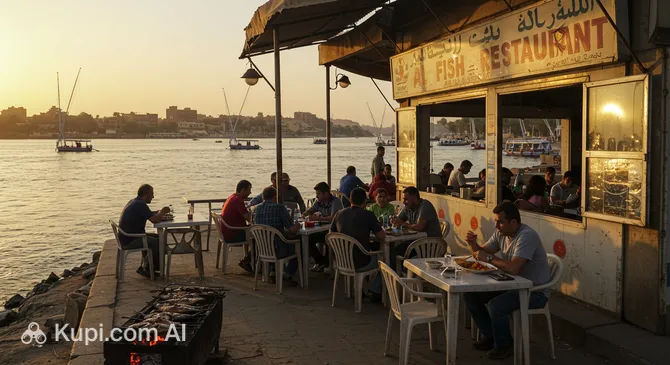
Given the city's location on the banks of the river, freshwater fish is a significant part of the culinary landscape. Fried or grilled Tilapia and Nile Perch are widely available and are best enjoyed near the water. A notable spot to experience this is Al Hamd Fish Restaurant – Corniche Branch, where you can savor fresh seafood while taking in views of the Nile. Dining along the Corniche is a favorite pastime for locals, offering a pleasant breeze to complement the meal.

Al Hamd Fish Restaurant – Corniche Branch. Source: Kupi.Binoculars

When it comes to beverages, the hot climate makes refreshing drinks essential. Sugarcane juice (Asab) is freshly pressed at numerous street stalls and provides an instant energy boost. Another staple is Karkade (hibiscus tea), which can be served hot or cold and is known for its tart, cranberry-like flavor. Tea culture is also deeply ingrained; expect to be served strong, sweet black tea, often called "Shai," which is the standard gesture of hospitality in shops and homes alike.

The food scene in Asyut ranges from bustling street food carts serving quick bites like Ta'ameya (Egyptian falafel) and Koshary to relaxed sit-down establishments. While alcohol is not widely consumed due to the conservative nature of the region and is generally restricted to high-end hotels or specific venues, the vibrant café culture more than makes up for it. Local coffee shops (ahwas) are social hubs where people gather late into the evening to smoke shisha, drink tea, and enjoy the lively atmosphere of the city.

Travel Tips

Visiting Asyut offers a unique opportunity to experience the authentic culture of Upper Egypt, but navigating this bustling non-touristic city requires a bit of local know-how. To help you make the most of your journey along the Nile, we have compiled a list of essential practical tips for a smooth and enjoyable trip.

  1. Dress Conservatively and Comfortably: Asyut is a traditional city in Upper Egypt, so modesty is highly respected. Both men and women should wear loose-fitting clothing that covers shoulders and knees. Since the summer heat can be intense, opt for breathable natural fabrics like cotton or linen. Don't forget a hat and high-SPF sunscreen, as the sun is strong year-round.
  2. Navigating the City: Public transport consists mainly of microbuses and tuk-tuks, which can be chaotic for first-time visitors. The most convenient option for tourists is to use white taxis. Be sure to agree on the fare before getting in or ask the driver to run the meter. Ride-hailing apps are less common here than in Cairo, so having cash for taxis is essential.
  3. Cash is King: The local currency is the Egyptian Pound (EGP). While larger hotels and some modern supermarkets accept credit cards, most local shops, cafes, and markets operate strictly on cash. ATMs are widely available in the city center and near the university, so keep a supply of small bills handy for daily purchases and tips (baksheesh).
  4. Health and Hydration: The dry desert climate causes dehydration faster than you might realize. Always carry bottled water and avoid drinking tap water. Pharmacies are plentiful and easily identified by a green cross; many pharmacists speak some English and can provide advice for minor ailments.
  5. Communication Essentials: Arabic is the primary language, and English proficiency may be lower here compared to major tourist hubs like Luxor. Learning a few basic phrases like "Salam" (Hello) and "Shukran" (Thank you) goes a long way. We highly recommend buying a local SIM card upon arrival in Egypt to access maps and translation apps, which are lifesavers for navigation.
  6. Respect Local Etiquette: Upper Egyptians are known for their hospitality and pride. When greeting locals, a handshake is common among the same gender. Always use your right hand for eating, exchanging money, or handing over items, as the left hand is considered unclean. If you are invited for tea, accepting is a polite gesture of friendship.
  7. Photography Precautions: Avoid taking photos of government buildings, police checkpoints, military personnel, or critical infrastructure like bridges and barrages without explicit permission. This is strictly regulated in Egypt and can lead to unnecessary trouble. Always ask people for permission before taking their portraits.
  8. Plan for "Siesta" Time: Asyut is a university city with a lively evening atmosphere. Many shops may close for a break during the hottest part of the afternoon (around 2:00 PM to 5:00 PM) and reopen later, staying active well into the night. Plan your outdoor exploration for the cooler morning hours or the vibrant evenings.

By keeping these practical points in mind, you will be well-prepared to explore the hidden charms of Asyut with confidence. Embrace the slower pace of the south, enjoy the warm hospitality of its people, and have a safe and memorable adventure in the heart of the Nile Valley.

Entertainment & Nightlife

Nightlife in Asyut differs significantly from the club-centric scenes found in Cairo or Sharm El Sheikh. As a conservative city and a major educational hub in Upper Egypt, the evening entertainment here is defined by social gatherings, vibrant street life, and relaxed dining rather than bars or dance clubs. The atmosphere is family-friendly and communal, with the city remaining awake and energetic well into the late hours, driven by the large student population and the local custom of staying up late to enjoy the cooler night air.

The epicenter of evening activity is undoubtedly the Nile Corniche. This riverside promenade is where locals flock after sunset to walk, socialize, and enjoy the breeze off the river. The Corniche is lined with stationary boats and floating restaurants that serve as the city's premier nightspots. One prominent venue to experience this riverside dining atmosphere is Al Hamd Fish Restaurant – Corniche Branch. Here, you can enjoy a late dinner of fresh seafood while watching the lights reflect on the dark waters of the Nile, a popular pastime for families and groups of friends.

For a more casual and authentically Egyptian experience, the traditional coffee shops, known as ahwas, are the heart of social life. You will find them on almost every corner, particularly in the busy downtown streets and around the university district. These venues are bustling until long after midnight, filled with the sounds of animated conversation, the clacking of dominoes, and the scent of shisha (water pipe). It is important to note that alcohol is generally not served in these establishments or most restaurants in Asyut; the "nightlife" is fueled by strong tea, Turkish coffee, and fresh juices.

The streets themselves offer their own form of entertainment. The area surrounding Asma' Allah al-Husna Square is a hive of activity, with shops and markets often staying open late. Walking through these districts offers a safe and immersive way to observe local culture. The crowd is diverse, ranging from university students to families, and the dress code is consistently modest. Visitors should dress conservatively to blend in and show respect for local customs.

Regarding safety, Asyut is generally safe for night walks in main areas like the Corniche and major commercial streets like Al-Gomhouria Street. However, it is advisable to stick to well-lit, populated zones and avoid empty backstreets. Taxis are the best way to get around at night; they are plentiful and affordable. A short ride within the city typically costs a modest amount, but always agree on the price or check the meter before departing.

While the focus is often on the evenings, daytime entertainment in Asyut has its own charm, though it is more limited. Cultural enthusiasts can explore the local heritage, while families might enjoy the green spaces along the river. The Feryal Garden is a historic park offering a peaceful retreat with views of the Nile, perfect for a relaxing afternoon before the city heats up again for the evening.

Parks & Museums

While Asyut is primarily known as a commercial and educational hub, the city offers several serene green spaces and deep cultural reservoirs that provide a welcome contrast to its busy streets. Visitors will find that the city's approach to leisure and history is deeply intertwined with the Nile River and its long-standing religious heritage, rather than a traditional circuit of large public parks and modern museums.

Feryal Garden stands out as the most significant green space in the city. Located gracefully along the banks of the Nile, this historic garden dates back to the royal era and offers a lush, shaded retreat from the Upper Egyptian heat. It is a favorite spot for locals to relax, read, or enjoy a quiet conversation while watching the feluccas drift by. The garden's layout, featuring mature trees and paved walkways, makes it an excellent location for a peaceful afternoon stroll.

Another vital natural area is the Nile Corniche, which functions as the city's longest linear park. Stretching along the riverfront, this promenade is lined with trees and benches, serving as the social heart of Asyut during the cooler evening hours. It provides uninterrupted views of the water and the limestone cliffs on the opposite bank, offering a simple yet profound connection to the natural landscape that sustains the valley.

In terms of museums, Asyut does not boast the vast archaeological collections found in Cairo or Luxor, but its architectural heritage serves as a living museum. The Alexan Pasha Palace is the city's premier artistic and historical landmark. Although often viewed from the exterior due to ongoing restoration efforts, this 19th-century mansion is a masterpiece of European-influenced design. Its ornate facade, distinct tower, and surrounding gardens reflect the opulent lifestyle of the region's aristocracy in a bygone era, effectively acting as a monument to the city's modern history.

For those interested in religious history and art, the ancient monasteries surrounding the city function as open-air galleries of Coptic heritage. The Monastery of the Holy Virgin Mary (Deir Dronka) contains caves and chapels that have been used for worship for centuries. The iconography, ancient altars, and the very architecture of the cave complex offer a tangible link to the early Christian era, providing a cultural experience that rivals many formal museum exhibits.

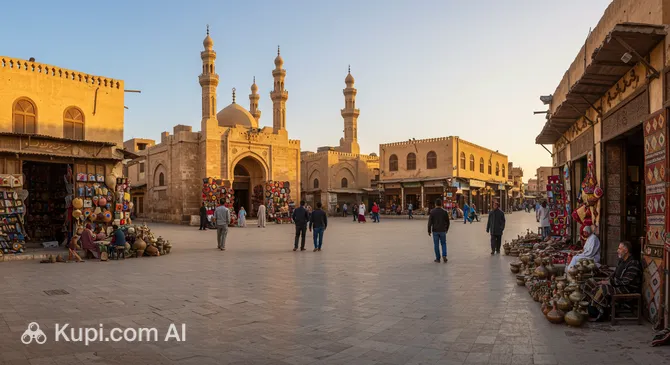
Among the city's historical landmarks, the Al-Mujahidin Mosque is a noteworthy site reflecting the Islamic heritage of the region. Dating back to the Ottoman era, it is one of the oldest mosques in Asyut and is known for its "hanging" architectural style, built above street level on elevated arches. In the modern center, Asma' Allah al-Husna Square serves as a contemporary cultural focal point. This public square, with its distinct design elements, acts as a gathering place that represents the civic pride of the current generation.

For a truly authentic experience, venture into the older districts near the majestic mosques to find small workshops producing Tally embroidery. Watching these artisans weave silver threads into fabric offers a glimpse into a dying craft that is as culturally significant as any museum artifact. Additionally, taking a small boat to the banana island plantations in the middle of the Nile provides a rustic and green escape that few average tourists get to experience.
Getting Around

Public transport in Asyut operates differently from the structured systems found in many western metropolises. The city does not possess a metro, tram, or large municipal bus network. Instead, the system is informal, decentralized, and reliant on road-based vehicles. For visitors, this means navigating a dynamic network where routes are flexible and interaction with locals is part of the journey.

The primary mode of mass transit is the microbus. These ubiquitous white vans ply specific routes connecting the downtown area, the university, and outlying districts. There are no designated bus stops; passengers simply stand by the roadside and wave a hand to hail an approaching van. To disembark, you just ask the driver to stop at any safe point along the route. While destinations are often shouted by the driver or displayed in Arabic, asking a local for the correct van is the best strategy for non-Arabic speakers.

For shorter trips or navigating narrow residential streets, tuk-tuks (three-wheeled motorized rickshaws) are a popular alternative. They are agile and can reach areas that larger vehicles cannot access. However, they are typically restricted from main arterial roads and the Corniche to prevent congestion. They provide a breezy, albeit bumpy, ride and are strictly for short-distance travel within neighborhoods.

White taxis represent the most comfortable and stress-free option for tourists. Unlike the shared nature of microbuses, taxis offer privacy and air conditioning, which is valuable in the heat. While many taxis are equipped with meters, it is common practice in Asyut to negotiate and agree on a fare before getting into the car to avoid misunderstandings. Ride-hailing apps are available in the region but may have fewer drivers and longer wait times compared to the capital, making street-hailed taxis the more reliable choice.

The payment system across all forms of local transport is entirely cash-based. There are no travel cards, digital passes, or ticket validation machines. On microbuses, the fare is passed hand-to-hand from passengers in the back to the driver. Prices are extremely low, typically costing a very small amount of local currency. It is crucial to carry small bills and coins, as drivers often do not have change for large banknotes.

Transport services generally operate from early morning until late at night, mirroring the city's active commercial and student life. While microbuses run frequently during daylight hours, their availability decreases significantly after midnight. For river crossings, small local ferries and motorboats connect the city banks to nearby islands, serving as both a functional commute and a scenic way to experience the river.

Accommodation

Unlike Egypt's major tourist hubs such as Luxor or Sharm El Sheikh, Asyut does not feature a vast array of international luxury resorts. Instead, the accommodation landscape here is functional and modest, catering primarily to business travelers, university visitors, and those passing through on their way up or down the Nile. The city offers a decent selection of mid-range hotels, budget-friendly guesthouses, and government-run clubs that provide comfortable lodging at very reasonable prices.

The most desirable area to stay is undoubtedly along the Nile Corniche. Hotels located on the riverfront offer a significant advantage: the refreshing breeze and scenic views of the water provide a relaxing escape from the dust and noise of the city center. Staying here also puts you within walking distance of the best dining spots and the evening social scene. Alternatively, the Downtown area near the railway station is practical for those prioritizing easy access to transport and local markets, though it can be quite bustling and noisy throughout the day.

In terms of pricing, accommodation in Asyut is generally very affordable. Most establishments fall into the budget to mid-range categories. A comfortable room in a reputable hotel often costs significantly less than what you would pay in Cairo or Hurghada. While there are a few establishments that aim for a higher standard with amenities like swimming pools, "luxury" here is relative and usually equates to a solid 3- or 4-star standard globally.

Booking Tips: While it is usually easy to find a room, the city can get surprisingly busy during specific times. The Feast of the Virgin Mary in August draws thousands of pilgrims to the nearby monasteries, and university conferences can also fill up local hotels quickly. It is advisable to book in advance during these periods. While the larger hotels appear on major online booking platforms, some smaller, local establishments may require a direct phone call to secure a reservation. Additionally, keep in mind that many smaller hotels may prefer cash payments, so having Egyptian Pounds on hand is recommended.

Nearby Cities

For those looking to explore the surroundings, Asyut serves as an excellent base for day trips to several interesting nearby locations.

One of the most compelling destinations nearby is Minya, often referred to as the "Bride of Upper Egypt." Located to the north, it is renowned for its elegant riverfront and colonial architecture. More importantly, it serves as the gateway to some of Egypt's most unique archaeological sites, including the rock-cut tombs of Beni Hasan and the remains of Akhenaten's capital at Tell el-Amarna. It creates a perfect itinerary for history enthusiasts interested in the Middle Kingdom and the Amarna period.

To the south lies Sohag, a city deeply rooted in Coptic Christian heritage. Visitors here are often drawn to the historic White Monastery and Red Monastery, which are architectural marvels dating back to the 4th and 5th centuries. Just across the river from Sohag is the ancient town of Akhmim. Known since pharaonic times, it is famous for its traditional hand-woven textiles and an open-air museum that houses a magnificent colossal statue of Meritamen, the daughter of Ramses II.

Another notable stop is Mallawi, situated between Asyut and Minya. It is home to the Mallawi Museum, which displays artifacts recovered from the region, and is close to the necropolis of Tuna el-Gebel, known for its catacombs of ibises and baboons.

City Population Distance (km)
Minya 2,700,000 109
Sohag 250,000 85
Mallawi 212,628 70
Girga 102,597 116
Akhmim 101,509 88

These nearby destinations offer a glimpse into the diverse culture and landscapes of the region, allowing travelers to expand their understanding of Upper Egypt beyond the main city.

Shopping & Souvenirs

Shopping in Asyut provides a genuinely authentic Egyptian experience, distinct from the tourist-centric markets of Cairo or Luxor. Here, commerce caters primarily to local residents, allowing visitors to explore bustling souqs and retail streets that reflect the everyday life of Upper Egypt. The city serves as a major regional hub, offering a wide range of goods from modern electronics to traditional handicrafts, often at prices significantly lower than in major tourist destinations.

The city's retail pulse is strongest along Al-Gomhouria Street (Republic Street). This main artery is lined with clothing boutiques, shoe stores, and pharmacies, making it a popular spot for evening window shopping. Nearby, Yousry Ragheb Street is the go-to destination for electronics and mobile phones. For a more vibrant and chaotic atmosphere, the area around the railway station and Asma' Allah al-Husna Square is filled with street vendors selling fresh produce, household items, and local goods.

While Asyut does not feature the massive mega-malls found in the capital, it offers several modern centers for a comfortable shopping experience. Al-Watania Mall, situated within the Wataniya Palace Hotel complex, is a notable example, hosting a variety of branded stores and cafes. These centers are favorite gathering spots for families and university students, particularly when seeking refuge from the afternoon heat.

To experience traditional trade, the local souqs in the downtown area are essential. These open-air markets are alive with the scents of spices and the sounds of bargaining. Unlike in tourist hubs, the atmosphere here is functional and relaxed, with few aggressive touts. Shoppers can find high-quality cotton fabrics and traditional galabeyas at excellent prices.

The most prized souvenir from the region is Tally (or Tulle-bi-telli), a unique form of embroidery indigenous to Asyut. This craft involves weaving thin strips of silver or gold metal into mesh fabric to create intricate geometric patterns. Although the art form has become rarer, Asyut remains one of the few places to purchase authentic, hand-made Tally scarves and shawls, often available at specialized workshops or women's cooperatives.

Shops in Asyut typically operate from 10:00 AM to 10:00 PM, though many may close briefly for afternoon prayers or a mid-day break. On Fridays, businesses usually open later in the afternoon. It is important to note that cash is king; while some upscale mall stores may accept credit cards, most market vendors and small shops deal strictly in Egyptian Pounds. Bargaining is acceptable in the souqs, but prices in modern stores are generally fixed.

Nearby cities

Reached the end of the page?

That means the route is fully explored