Support

Marsa Alam

About

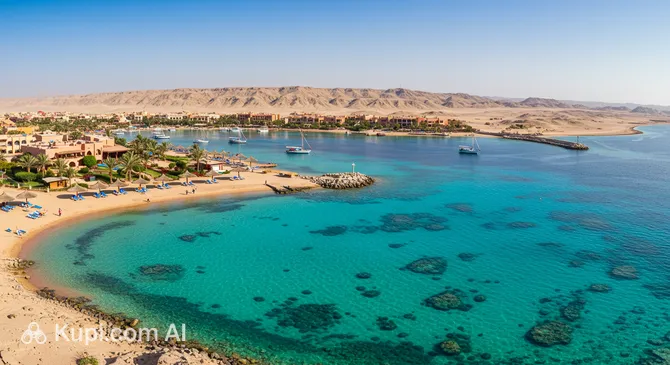
Marsa Alam is a captivating destination located on the western shore of the Red Sea in Egypt. Known for its pristine beaches and crystal-clear waters, this resort town offers a more tranquil and untouched alternative to the bustling tourist hubs found elsewhere in the country. With a population of approximately 50,000 residents, it retains a welcoming atmosphere while providing world-class amenities for international travelers.

Marsa Alam. Source: Kupi.Binoculars

The region is defined by its dramatic landscape, where the vast, rugged Eastern Desert meets the vibrant turquoise sea. While the history of Marsa Alam began as a humble fishing village, it has evolved into a premier destination for eco-tourism and diving enthusiasts. The climate is typically warm and sunny throughout the year, making it a perfect retreat for sunseekers looking to escape colder weather.

Visitors are primarily drawn to the area's spectacular underwater world. Abu Dabbab is one of the few places in the world where you can swim with resident sea turtles and the rare dugong, often referred to as the "sea cow." For experienced divers, the legendary Elphinstone Reef offers thrilling encounters with diverse marine life and colorful coral gardens. Whether you are seeking an adrenaline-filled diving adventure or a relaxing break on soft sands, Marsa Alam invites you to experience its natural beauty.

Weather Overview

Marsa Alam features a subtropical desert climate, ensuring bright sunshine and clear skies for the vast majority of the year. The weather in Marsa Alam is consistently dry, with virtually zero rainfall recorded annually, making it a reliable destination for sunseekers. Summers, particularly from June to September, are hot, with average temperatures hovering around 31°C to 32°C and daily highs often reaching 36°C in August.

The winter months, spanning December through February, offer much milder conditions, with average temperatures ranging between 18°C and 20°C. During this season, daytime highs remain comfortable at approximately 22°C, while nights can be cooler, dipping to around 14°C. Expect scorching hot summers perfect for water activities and mild, pleasant winters with dry conditions throughout the year.

Interesting Facts

Beyond its reputation as a diving paradise, Marsa Alam conceals fascinating secrets that range from ancient history to unique ecological phenomena. Here are some intriguing aspects of this coastal gem that often go unnoticed by the casual visitor.

  • Cleopatra’s Emeralds: The region is home to the ancient Mons Smaragdus, or "Emerald Mountains." Located within the Wadi Gemal National Park, these mines were the sole source of emeralds for the Roman Empire and are believed to be where Queen Cleopatra obtained her favorite gemstones.

  • A Golden Legacy: The Eastern Desert surrounding the city is historically rich in gold. The nearby Sukari Gold Mine is not only the largest in modern Egypt but sits on a site that has been excavated since the time of the Pharaohs, creating a direct link between contemporary industry and ancient civilization.

  • The Dolphin House Sanctuary: The Samadai Reef is one of the world's most important habitats for spinner dolphins. To ensure their safety, the reef is managed with a strict zoning system, including a designated "no-entry" area solely for the dolphins, allowing them to rest without human interference.

  • Mangroves in the Desert: Despite the arid desert climate, the coastline features thriving mangrove forests, particularly in the Qulaan archipelago. These resilient trees grow directly in the saltwater, creating a rare green ecosystem that supports a variety of bird species and marine life right on the desert's edge.

How to Get There

Reaching this Red Sea gem is relatively straightforward, with options to fly directly or travel overland from neighboring cities. For a complete overview of all transport methods, routes, and tips, you can read more about how to get to Marsa Alam on our detailed page.

The most convenient entry point for visitors is the Marsa Alam International Airport (RMF). Located directly in the region, this international airport specifically serves the resorts along the southern Red Sea coast. It is situated approximately 61.2 km from the city center. A trip by taxi or hotel shuttle typically takes around 45 to 60 minutes, though travel times can vary depending on where exactly your hotel is located along the coastline. It handles a moderate volume of flights, focusing largely on charter traffic from Europe.

Another common option is to fly into Hurghada International Airport (HRG) in the city of Hurghada. While it is located about 257.6 km north of Marsa Alam, it is a much larger hub with more frequent scheduled connections. Be prepared for a longer overland transfer if you choose this route; the drive by taxi or bus takes approximately 3.5 to 4.5 hours. Despite the distance, many tourists opt for this airport due to the wider availability of flights.

For clarity, here is a summary of the main airports in the region:

Airport Name City Passenger Traffic Km from City
Hurghada International Airport Hurghada Large 257.6
Marsa Alam International Airport Marsa Alam Medium 61.2
Luxor International Airport Luxor Medium 228.6
Aswan Airport Aswan Small 241.8
Berenice International Berenice Small 133.4

Currently, there is no direct railway connection to Marsa Alam. The city and its surrounding resorts are not served by the national train network, and the nearest major stations are quite far away in the Nile Valley, making train travel an impractical option for reaching the coast directly. Most visitors rely on air travel, private transfers, or long-distance buses to arrive at their destination.

Main Attractions

Marsa Alam is renowned for its unspoiled natural beauty, offering a perfect blend of desert adventures and underwater exploration. The city's attractions are largely centered around the Red Sea's vibrant marine ecosystems and the majestic landscapes of the Eastern Desert. Here are some of the most captivating places to visit during your stay.

Wadi El Gemal National Park is a highlight for nature lovers, spanning a vast area of land and sea south of the city. Translating to "Valley of the Camels," this protected park is home to diverse wildlife, including wild gazelles and Nubian ibexes. Visitors can explore the terrestrial side to see ancient Roman ruins and prehistoric rock art, or head to the coast where thriving mangrove forests meet the sea. The park's pristine beaches and seagrass beds are also excellent spots for snorkeling and spotting dugongs in their natural habitat.

For those seeking the ultimate beach experience, Sharm El Luli is often cited as one of the most beautiful coastlines in the world. Located within the national park, this lagoon features powdery white sands and shallow, crystal-clear aquamarine waters that resemble the Caribbean. It is an ideal location for families and beginner snorkelers, as the gentle slope into the water allows for easy access to colorful coral formations teeming with fish just meters from the shore.

Elphinstone Reef is a legendary site that attracts advanced divers from across the globe. Situated about 30 kilometers from the coast, this cigar-shaped reef drops vertically into the depths, offering thrilling wall dives and drift diving experiences. It is famous for frequent encounters with large marine species, particularly oceanic whitetip sharks and hammerheads. While it requires a certain level of diving proficiency due to strong currents, it remains one of the most exhilarating underwater attractions in the region.

If you are looking for a change of pace from nature excursions, Port Ghalib offers a sophisticated marina atmosphere. This purpose-built resort town features a beautiful waterfront promenade lined with upscale restaurants, cafes, and boutiques. It serves as a bustling hub for evening entertainment and is also the departure point for many boat trips and diving safaris. A stroll along the Corniche at sunset provides a relaxing way to end a day of adventure.

Local Cuisine

The culinary scene in Marsa Alam is a delightful reflection of its coastal location and cultural heritage, offering a mix of fresh Red Sea bounty and traditional Egyptian flavors. As you might expect, seafood is the undisputed star of local menus. Visitors should not miss the opportunity to try freshly caught fish, often grilled over charcoal and seasoned with cumin, garlic, and lemon. Calamari, shrimp, and lobster are also staples here, frequently served with "Sayadeya" rice, a brown onion rice that perfectly complements the rich flavors of the sea.

Beyond seafood, the region offers a chance to savor authentic Egyptian classics. Kebab and Kofta—skewered grilled meat and spiced minced meat—are widely available and best enjoyed with a side of tahini sauce and warm Aish Baladi (Egyptian flatbread). For a lighter option, the traditional mezze spread featuring hummus, baba ganoush, and crisp salads provides a refreshing start to any meal, especially during the warm desert evenings.

A unique gastronomic experience specific to this part of the Eastern Desert is the Bedouin dinner. Many tourists opt for desert excursions that include a traditional meal prepared by the local Ababda tribe. A highlight of this experience is often Gaburi bread, a thick dough baked directly in hot sand and embers, served alongside slow-cooked goat meat or chicken and roasted vegetables. This communal style of dining under the stars offers a deep connection to the local food culture.

When it comes to beverages, staying hydrated is key. The most popular local drink is Karkade (hibiscus tea), which can be served hot or ice-cold and is known for its tart, cranberry-like flavor. Freshly squeezed juices, particularly mango and sugarcane, are also abundant and delicious. For those seeking alcoholic beverages, hotels and tourist bars serve local Egyptian beers like Stella and Sakara, as well as wines produced in the country's northern vineyards, though alcohol is generally not found in local shops or traditional cafes in the town center.

The dining atmosphere in Marsa Alam varies from all-inclusive resort buffets to more atmospheric settings. For a sophisticated night out, the marina at Port Ghalib offers a row of upscale restaurants and cafes where you can dine while overlooking the yachts. Conversely, the small town of Marsa Alam itself provides a few humble, authentic eateries where you can rub shoulders with locals and enjoy simple, hearty meals at a fraction of the price found in the hotels.

Travel Tips

Planning a trip to Marsa Alam promises relaxation and underwater adventure, but a few practical preparations can ensure your holiday runs smoothly. Here is some essential advice to help you navigate the local customs and logistics of this Red Sea paradise.

  1. Clothing and Gear: The desert climate calls for loose, breathable fabrics like cotton or linen to stay cool during the day. However, if you are visiting Egypt between November and March, bring a warm sweater or light jacket, as temperatures drop significantly after sunset. Comfortable walking shoes are essential for desert excursions, and specialized reef shoes are highly recommended to protect your feet from sharp coral and sea urchins when entering the water.

  2. Transportation: Unlike Cairo, Marsa Alam is very spread out, and public transport is not a viable option for tourists. The best way to get around is by booking private taxis or limousines through your hotel or a reputable tour operator. Rideshare apps are generally not available in this remote region, so it is crucial to arrange transfers in advance, especially for airport pickups or trips to Port Ghalib.

  3. Finances: The local currency is the Egyptian Pound (EGP). While major resorts and diving centers accept credit cards and foreign currencies like USD or Euros, smaller shops and local cafes prefer cash. ATMs are available in hotels and the Port Ghalib marina, but they can be sporadic elsewhere. Keep plenty of small change handy for baksheesh (tipping), which is a standard part of the service culture here.

  4. Health and Safety: Tap water is not safe for drinking; always stick to sealed bottled water for drinking and brushing your teeth. Pharmacies are available in the main town and Port Ghalib, often open late, but it is wise to bring a basic first-aid kit with stomach relief medicine, sunscreen, and insect repellent. The area is generally very safe, but avoid swimming in unauthorized areas due to currents.

  5. Communication: Arabic is the official language, but English is widely spoken in hotels, shops, and tourist areas. Italian and German are also commonly understood due to the frequent visitors from those countries. Wi-Fi in resorts can be slow or limited to the lobby, so buying a local SIM card (Vodafone, Orange, or Etisalat) at the airport upon arrival is the best way to stay connected.

  6. Local Etiquette: Egypt is a conservative country, and while swimwear is perfectly fine at the beach or pool, you should dress modestly when visiting the town of Marsa Alam or local markets. It is polite to ask for permission before taking photos of locals, especially women. When greeting people or eating without cutlery, always use your right hand.

  7. What to Avoid: Never touch, stand on, or break the coral reefs. The marine ecosystem is extremely fragile and strictly protected by law; damaging it can result in heavy fines. Additionally, avoid public displays of affection outside of the resort grounds to respect local cultural norms.

  8. Power Plugs: Electricity in Egypt is 220V, and the sockets are Type C and F (the standard two-pin European style). If your devices use a different plug type, make sure to pack a universal travel adapter, as they can be difficult to find in the smaller hotel shops.

By keeping these practical tips in mind, you can focus entirely on enjoying the stunning landscapes and warm hospitality that Marsa Alam has to offer. A little preparation goes a long way in making your desert coast getaway a truly memorable experience.

Entertainment & Nightlife

Marsa Alam is distinct from Egypt’s busier party destinations like Sharm El Sheikh or Hurghada. The nightlife here is significantly more low-key and relaxed, catering primarily to divers, couples, and families seeking tranquility after a day at sea. Most evening entertainment is concentrated within the large self-contained resorts, where animation teams organize shows, live music, and themed parties. However, for those looking to venture out, the nightlife scene is almost exclusively centered around the marina area of Port Ghalib.

Port Ghalib serves as the vibrant heart of the region after dark. The Corniche promenade comes alive in the evening, offering a sophisticated yet laid-back atmosphere. Visitors can stroll along the waterfront, browsing small boutiques before settling into one of the many venues overlooking the yachts. The crowd is generally international and mature, with a dress code that leans towards "resort casual"—smart shorts and shirts are acceptable, but swimwear is reserved for the beach.

For a drink with a view, Divino is a popular spot located directly on the marina. It offers a selection of cocktails and wines in a stylish setting, often accompanied by chill-out music or live singers. Another favorite is Wunderbar, known for its friendly service and lively atmosphere, making it a great place to meet fellow travelers and enjoy a cold beer or a classic shisha pipe. If you are looking for a more energetic vibe, The Red Club (located within the Port Ghalib complex) occasionally hosts DJ nights and dance parties, providing one of the few true clubbing experiences in the area.

Practicalities are important when planning a night out here. The best time to visit the marina is between 8:00 PM and midnight. Prices for drinks and food in Port Ghalib are comparable to European standards, slightly higher than in traditional Egyptian towns but reasonable for the quality. Since public transport is non-existent at night, you will need to rely on hotel taxis or private transfers. It is highly recommended to arrange your return ride in advance, as hailing a cab on the street can be difficult late at night.

In terms of safety, Marsa Alam and Port Ghalib are very secure for tourists. The marina area is well-lit, guarded, and pedestrian-friendly, making it perfectly safe for evening walks. However, if you venture into the small town of Marsa Alam itself, sticking to the main streets is advisable, though you will find little there in terms of nightlife beyond traditional coffee shops.

While the nights are calm, daytime entertainment offers its own thrills beyond the reef. For families and thrill-seekers, Aqua Coraya is a large water park located in the Madinat Coraya area, featuring numerous slides and pools. Alternatively, the surrounding desert provides a vast playground for quad biking safaris and jeep tours, which often conclude with a traditional Bedouin tea ceremony at sunset, bridging the gap between daytime adventure and evening relaxation.

Parks & Museums

While Marsa Alam is not defined by manicured city gardens or traditional indoor museums, the entire region functions as a spectacular sanctuary of raw nature and living history. The "parks" here are vast protected wildernesses where the desert meets the sea, and the "museums" are often open-air archaeological sites that tell stories stretching back to the Pharaohs and the Roman Empire.

Wadi El Gemal National Park is the crown jewel of the region's green spaces, though "green" here often encompasses the gold of the desert and the blue of the sea. Spanning over 7,000 square kilometers, this protected area is one of the most diverse ecosystems in Egypt. Visitors can explore the terrestrial section to see acacia trees, wild gazelles, and the indigenous Nubian Ibex navigating the rocky terrain. It is a place of profound silence and beauty, offering a stark contrast to the busy coastal resorts.

Inside the national park lies the enchanting Qulaan Mangrove Forest, a unique natural area that feels worlds away from the arid desert surroundings. Here, resilient mangrove trees grow directly out of the shallow, crystal-clear saltwater, creating a thriving nursery for marine life and a sanctuary for endemic birds like the osprey and herons. It is a peaceful spot for a nature walk, where you can wade through the shallow waters and observe the delicate balance of this coastal ecosystem up close.

For those interested in culture and history, the Mons Smaragdus, or "Emerald Mountains," serves as a fascinating open-air museum. Located within the Eastern Desert, this archaeological site was once the primary source of emeralds for the Roman Empire. Tourists can wander among the ruins of ancient mining settlements, temples, and rock-cut tombs. Walking through these remnants offers a tangible connection to the past, allowing you to trace the footsteps of ancient miners who toiled here thousands of years ago.

Another captivating cultural site is the collection of Prehistoric Rock Art scattered throughout the wadis (valleys) of the Eastern Desert. Often considered an ancient art gallery, these carvings depict scenes of hunting, dancing, and animals like giraffes and ostriches that once roamed a much greener Sahara. Guided tours into the desert can take you to these hidden locations, providing insight into the lives of the prehistoric inhabitants long before the dynastic periods of Egypt.

For a truly authentic experience, consider a visit to the Ababda Bedouin communities within the protected areas. While not a museum in the conventional sense, spending time with the Ababda tribe offers a living lesson in local culture. You can learn about their traditional survival skills, herbal medicine, and the famous Gaburi coffee ceremony. This cultural immersion provides a deeper understanding of the human history that has shaped this rugged landscape for centuries.

Getting Around

The public transport system in Marsa Alam is fundamentally different from what visitors might expect in major metropolitan areas. There is no metro, tram, or municipal bus network operating within the town or along the coastal resort strip. The infrastructure is primarily designed around the long coastal highway, meaning that getting from one point to another usually requires private transportation or specific arrangements made through your accommodation.

For the local population, the primary mode of shared transport is the privately operated microbus. These white vans ply the main coastal road, connecting the town center with neighboring villages and sometimes stopping near resort entrances. They do not have fixed schedules or designated bus stops; passengers simply stand by the side of the road and wave to signal the driver to stop. While this is an authentic and incredibly cheap way to travel, it can be challenging for tourists due to the lack of English signage and the informal nature of the routes.

Regarding payment, the system is entirely cash-based. There are no travel cards, passes, or mobile ticketing apps for local transport in Marsa Alam. If you choose to use a microbus, you pay the fare directly to the driver or pass it forward through other passengers. Prices are very low, typically amounting to just a few pounds depending on the distance, but you must have small change available, as drivers rarely have large amounts of cash for change.

For the vast majority of tourists, taxis and private limousines are the only practical alternatives. Regular street taxis are often painted orange and blue. Unlike in some other cities, these taxis rarely use meters, so it is strictly required to negotiate and agree on a fixed price before getting into the vehicle. Hotel limousines (private cars booked via reception) are more expensive but offer fixed rates and higher comfort standards, eliminating the need for bargaining.

Ride-hailing apps like Uber or Careem, which are popular in other parts of the region, are generally not available or reliable in Marsa Alam due to the low density of drivers. Consequently, tourists are advised to rely on hotel shuttle buses, which many resorts operate to transport guests to the town center or the Port Ghalib marina at scheduled times. Car rentals are available, but driving can be stressful due to local driving habits and road conditions, making pre-arranged transfers the most stress-free option for getting around.

Accommodation

Accommodation in Marsa Alam is quite different from a typical city destination. Instead of a dense urban center filled with hotels, the "city" is actually a long stretch of coastline spanning over 100 kilometers, dotted with standalone resorts and diving camps. The options generally fall into two distinct categories: sprawling, all-inclusive beach resorts that cater to families and sunseekers, and eco-lodges or "diving camps" designed specifically for nature lovers and scuba enthusiasts.

For the majority of visitors, the most popular choice is staying in one of the large beachfront resorts. These properties are often self-contained villages, offering everything from multiple swimming pools and restaurants to private beaches and house reefs. Because these resorts are often isolated in the desert, kilometers away from the next building, they are designed to provide a complete holiday experience without the need to leave the premises. This makes them ideal for travelers looking for relaxation and convenience.

When it comes to specific areas, location depends largely on what you want to do. Port Ghalib is the most developed and upscale area, centered around a beautiful marina. Staying here offers the unique advantage of being within walking distance of shops, cafes, and a promenade, providing a bit more freedom and nightlife than the isolated resorts further south. Conversely, the Deep South (towards Hamata and Berenice) is famous for its eco-lodges. These offer a more rustic experience, ranging from stone chalets to beachfront tents, focusing on sustainability and direct access to some of the pristine reefs.

Booking Tip: Because most resorts are located far from towns or supermarkets, the "All-Inclusive" board basis is highly recommended and often the standard. It ensures you have access to all meals and drinks without worrying about the lack of nearby restaurants. Additionally, if snorkeling is a priority, check reviews to ensure your chosen hotel has a jetty or a accessible "house reef," as some shores can be rocky or affected by tides.

The price range in Marsa Alam is generally very competitive compared to other global diving destinations. You can find excellent value, with 4-star and 5-star resorts often priced in the mid-range category relative to European standards. Budget options are available primarily in the form of diving camps or smaller hotels in the town center, though the latter are less common for leisure tourists. Booking is best done via major online travel platforms or through package holiday operators, which often include airport transfers—a crucial detail given the distances involved.

Nearby Cities

For those looking to explore the surroundings, Marsa Alam serves as an excellent base for day trips to several interesting nearby locations.

Although the distances involve a few hours of travel, many visitors take the opportunity to visit Luxor, often described as the world's greatest open-air museum. A day trip here allows you to witness the grandeur of ancient Thebes, including the majestic Karnak Temple and the royal tombs in the Valley of the Kings. It provides a profound historical contrast to the relaxing beach atmosphere of the coast.

Another popular excursion heads to Aswan, a serene city located on the Nile. Known for its distinct Nubian culture and beautiful river scenery, Aswan is home to the Philae Temple and the monumental High Dam. On the route towards the Nile Valley, the city of Idfu (Edfu) is also a significant stop, famous for housing the Temple of Horus, which is considered one of the best-preserved ancient temples in all of Egypt.

City Population Distance (km)
Hurghada 486,000 265
Aswan 267,913 228
Luxor 202,232 236
Qena 201,191 248
Idfu 133,772 202

These nearby destinations offer a glimpse into the diverse culture and landscapes of the region, ranging from bustling Red Sea resorts to the timeless monuments of the Nile Valley.

Shopping & Souvenirs

Shopping in Marsa Alam offers a relaxed and authentic experience, quite different from the frenetic energy of Cairo's bazaars or the sprawling malls of Dubai. Instead of high-end fashion chains and department stores, the retail scene here focuses primarily on traditional Egyptian crafts, beach essentials, and unique souvenirs. Visitors can expect a laid-back atmosphere where browsing is often accompanied by a cup of tea and a friendly chat with the shopkeeper.

The most prominent shopping destination in the region is the Port Ghalib marina. This upscale waterfront area features a vibrant promenade known as "The Khan," designed to replicate a traditional Egyptian souk with a modern, clean twist. Here, tourists can wander through a labyrinth of boutiques selling everything from high-quality cotton clothing and designer swimwear to intricate jewelry and spices. It is a pedestrian-friendly zone that comes alive in the evening, making it the perfect place to combine dinner with a shopping spree.

For a more local and rustic experience, the town of Marsa Alam itself has a main street lined with smaller, family-run shops. While less polished than the marina, this area offers better prices and a glimpse into the daily life of the residents. You will find grocery stores, pharmacies, and simple bazaars selling standard tourist goods. Additionally, almost every large resort along the coast features its own shopping arcade, providing a convenient—albeit slightly more expensive—option for guests who prefer not to travel far.

While Marsa Alam does not have large Western-style shopping malls, the shopping center at Madinat Coraya (Souk Coraya) serves as a notable commercial hub for the hotels in that specific bay. It is built in a distinct Oriental architectural style and hosts a variety of bazaars, perfume shops, and papyrus galleries. It provides a concentrated shopping experience that is safe, accessible, and tailored specifically to international visitors.

Markets in the traditional sense are smaller here, but the "souk" atmosphere is cultivated in the tourist bazaars. Travelers looking for authentic goods should focus on local spices and herbs, particularly hibiscus (karkade) and cumin, which are staples of the region. Perfume oils and essences are also extremely popular; shops will often let you smell various scents that mimic famous international brands or offer traditional blends like "Secret of the Desert."

When it comes to souvenirs, Marsa Alam has plenty to offer. Alabaster statues and vessels are classic Egyptian keepsakes, though buyers should check for quality to ensure they are getting genuine stone rather than painted plaster. Egyptian cotton products, such as towels, scarves, and galabeyas (traditional robes), are renowned for their softness and durability. Hand-blown glass bottles, often used for perfume, and Bedouin-style jewelry made from silver and semi-precious stones are also excellent gifts to take home.

Most shops in tourist areas operate from late morning until late at night, often staying open until 10:00 PM or 11:00 PM to accommodate guests after dinner. In the town center, some smaller shops may close for a few hours in the afternoon. Bargaining is an essential part of the culture in bazaars and independent shops; do not hesitate to negotiate the price with a smile, as the initial quote is often higher than the expected selling price. Fixed-price stores do exist, particularly in hotel lobbies and supermarkets.

Regarding payment, Egyptian Pounds (EGP) are the standard currency, but US Dollars and Euros are widely accepted in tourist shops. However, you will likely receive change in local currency. Credit cards are generally accepted in the larger boutiques at Port Ghalib and hotel shopping arcades, but cash is king in the smaller town shops and for minor purchases. While Egypt has a tax-free shopping system for tourists (VAT refund), the process can be complex and is mostly feasible for large purchases made at authorized retailers, with refunds processed at international airports upon departure.
Reached the end of the page?

That means the route is fully explored