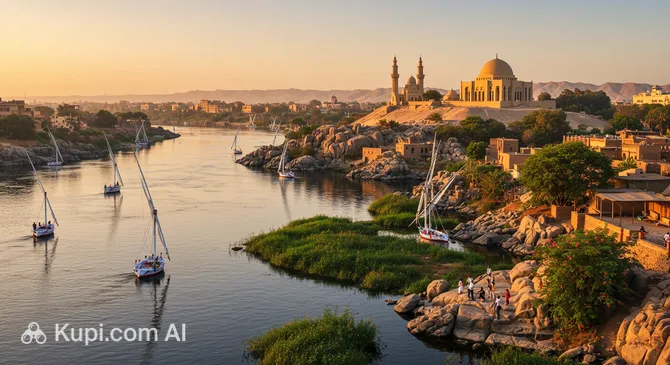
Aswan is widely celebrated as the most serene and beautiful city in Egypt, offering a delightfully relaxed atmosphere that contrasts with the bustling energy of the country's northern capitals. Situated on the cataracts of the Nile River, this southern frontier city is famous for its stunning river scenery, where the deep blue waters are dotted with emerald islands and framed by golden sand dunes. With a population of approximately 267,000 residents, Aswan maintains a welcoming, community-focused vibe while serving as a major administrative center for the Aswan Governorate.
Aswan. Illustration.
Source: Kupi.com AI
The city enjoys a sunny, dry climate year-round, making it an ideal winter destination for travelers seeking warmth and clear skies. Beyond its natural beauty, the history of Aswan is deeply engaging, serving for millennia as a gateway to Africa and a thriving trade hub. It was here that the ancient Egyptians quarried the granite used for their colossal obelisks and statues, leaving behind traces of their craftsmanship that can still be seen today.
Key attractions include the majestic Philae Temple, which was rescued from rising waters and relocated to Agilkia Island, and the impressive Aswan High Dam, a marvel of modern engineering. Visitors should not miss the chance to take a traditional felucca boat ride around Elephantine Island or explore the colorful Nubian villages nearby. Whether you are interested in ancient monuments or simply want to watch the sunset over the Nile, Aswan invites you to slow down and enjoy its timeless charm.
Weather Overview
Aswan is renowned for its hot desert climate, ensuring bright blue skies and abundant sunshine throughout the year. The region is extremely arid, with data showing 0mm of precipitation across all twelve months, meaning rainfall is practically non-existent. This consistent dryness makes it a reliable destination for outdoor activities, though travelers should be prepared for the intensity of the sun.
The temperatures vary significantly between seasons, offering distinct experiences depending on when you visit. Summers are scorching, particularly from June to August, when daily highs frequently exceed 41°C and average temperatures hover around 34°C. In contrast, the winter months provide a comfortable retreat; January sees average temperatures of 15.6°C, with refreshing nights dipping to 8.8°C and pleasant daytime highs of 22.3°C. To help you pack appropriate clothing for your trip, you can consult the detailed guide to the weather in Aswan.
Average monthly temperature
Average monthly precipitation
Interesting Facts
Beyond the famous dams and temples, Aswan holds a treasure trove of historical curiosities and scientific milestones. This ancient frontier city offers intriguing stories that go far beyond the standard guidebook descriptions.
Aswan played a pivotal role in one of the most famous scientific experiments of antiquity. It was here, in the ancient city of Syene, that the Greek polymath Eratosthenes calculated the circumference of the Earth by observing that the sun cast no shadow at the bottom of a well at noon on the summer solstice.
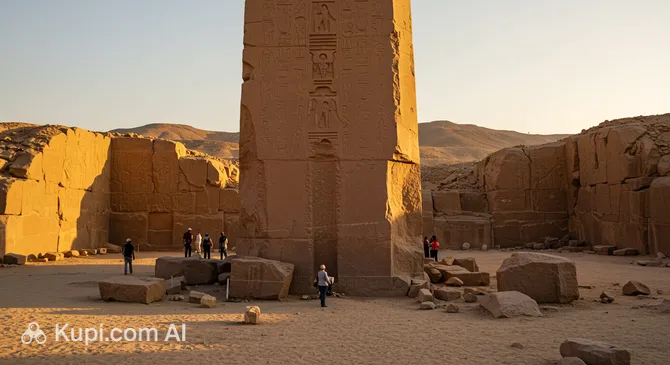
The city was the ancient world's premier quarry, supplying the rose granite used for the Pyramids of Giza and monuments across the land. The Unfinished Obelisk remains attached to the bedrock today, abandoned after a crack appeared, providing a frozen-in-time snapshot of how ancient masons carved these massive stones.
Taxes in ancient Egypt were once determined right here on the riverbanks. The historic Nilometers located on Elephantine Island were used to measure the water level during the annual flood; a high water level meant a good harvest and higher taxes, while low levels signaled potential famine and tax relief.
The lush Aswan Botanical Garden on Kitchener's Island was not always a green paradise. It was originally a barren patch of land until Lord Kitchener transformed it in the late 19th century by importing exotic plants and seeds from as far away as India and Malaysia.
Unfinished Obelisk. Illustration.
Source: Kupi.com AI
Traveler photos:
How to Get There
Reaching this historic city is relatively straightforward, with options ranging from direct flights to scenic journeys along the Nile. Whether you are arriving from international destinations or other parts of Egypt, you can find detailed information on all ways to reach the city to help plan your itinerary.
The most direct entry point is Aswan Airport (IATA: ASW), located approximately 16 km from the city center. This international airport serves as the primary hub for travelers, welcoming regular domestic flights from Cairo as well as select international charters. The journey from the airport to the downtown area typically takes around 45 minutes by taxi or bus. For those exploring the wider region, Luxor International Airport (IATA: LXR) is a significant alternative. Situated in the city of Luxor, about 176 km away, it is a major gateway for the Nile Valley. Traveling from Luxor to Aswan by road takes approximately 4 hours and 45 minutes, though many visitors opt to connect the two cities via a Nile cruise or train.
For clarity, here is a summary of the main airports serving the region:
In addition to air travel, Aswan is well-connected to the rest of Egypt by a railway network that runs along the Nile. Trains are a popular choice for visitors coming from Cairo or Luxor, offering a comfortable and scenic way to watch the landscape transform from lush green fields to desert sands. River cruises traveling upstream from Luxor are also a classic and leisurely method of arrival.
Main Attractions
Aswan offers a fascinating mix of ancient history and natural beauty, with sites that range from colossal quarries to lush river islands. While the city is famous for its relaxed pace, its landmarks provide deep insights into the region's rich cultural heritage and its pivotal role in the construction of Egypt's greatest monuments.
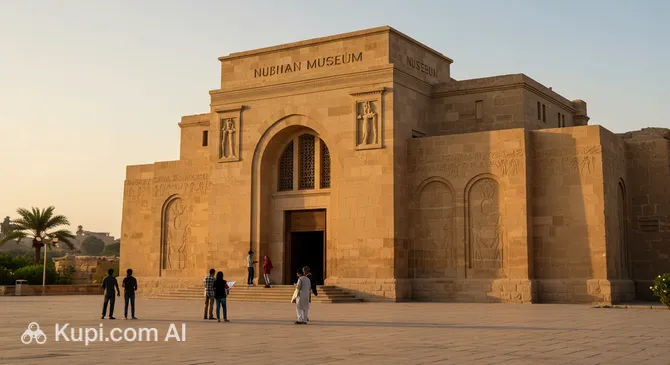
One of the most important cultural institutions in the city is the Nubian Museum. This beautifully designed complex is dedicated to preserving the history, art, and heritage of the Nubian people, much of which was threatened by the construction of the Aswan High Dam. Visitors can explore thousands of years of history through expertly curated exhibits, ranging from prehistoric artifacts to colorful displays of modern Nubian life, all set within a building that harmonizes perfectly with its rocky surroundings.
Nubian Museum. Illustration.
Source: Kupi.com AI
Traveler photos:
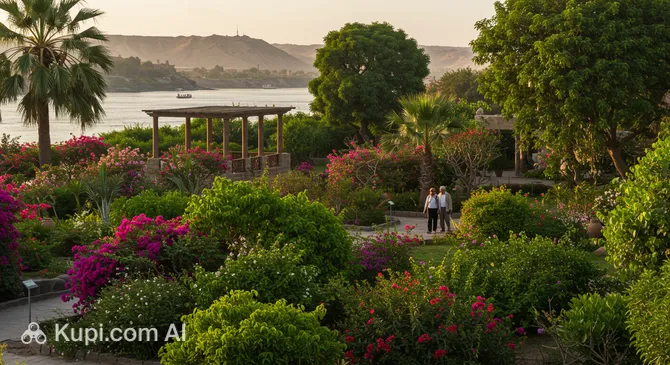
For a peaceful escape from the desert heat, a visit to the Aswan Botanical Garden is essential. Occupying the entirety of Kitchener’s Island, this lush oasis is accessible only by boat, making the journey itself a delightful experience. The garden is home to a vast collection of exotic plants, towering palm trees, and rare bird species, offering a tranquil atmosphere where you can stroll along shaded paths and enjoy the cool breeze off the Nile.
Aswan Botanical Garden. Illustration.
Source: Kupi.com AI
Traveler photos:
To understand the sheer scale of ancient Egyptian engineering, you must visit the Unfinished Obelisk. Located in the Northern Quarries, this massive granite monolith would have been the largest ever erected had it not cracked during carving. Seeing it still attached to the bedrock provides a unique insight into the stone-working techniques of the ancients, allowing you to walk in the footsteps of the workers who supplied the materials for Egypt’s greatest monuments.
Local Cuisine
The culinary landscape of Aswan is distinct from the rest of Egypt, heavily influenced by its rich Nubian heritage and its location along the Nile. While you will find classic Egyptian staples like koshary and ful medames, the real treat here lies in the local specialties. The region is famous for its fresh fish, particularly Nile perch and tilapia, which are often grilled or fried and served with rice and salads. A must-try accompaniment is Eish Shamsi (Sun Bread), a thick, sourdough-like bread that is unique to Upper Egypt and is traditionally left to rise in the sun before baking.
Nubian cuisine offers hearty and flavorful dishes that reflect the warmth of the local culture. Travelers should look for tagines, slow-cooked stews prepared in clay pots that lock in the flavors of meat, vegetables, and spices. Okra (bamiyeh) tagine is a particular favorite in the south. The city is also the best place in the country to buy and taste spices; a walk through the local Aswan Souq reveals mounds of colorful spices, including the highest quality dried hibiscus flowers, cumin, and chili, which form the backbone of local recipes.
King Jamaica Restaurant & Cafe. Illustration.
Source: Kupi.com AI
Traveler photos:
When it comes to beverages, Aswan is renowned for its Karkade (hibiscus tea). The hibiscus grown in this region is considered the finest in Egypt, producing a deep red, tart, and refreshing drink that can be served hot or ice-cold. Another local curiosity is Doum juice, made from the fruit of the doum palm, which has a unique taste often compared to gingerbread or brown sugar. Coffee lovers should try Jabana, a traditional Nubian coffee flavored with spices like cardamom and ginger, often roasted fresh in front of guests.
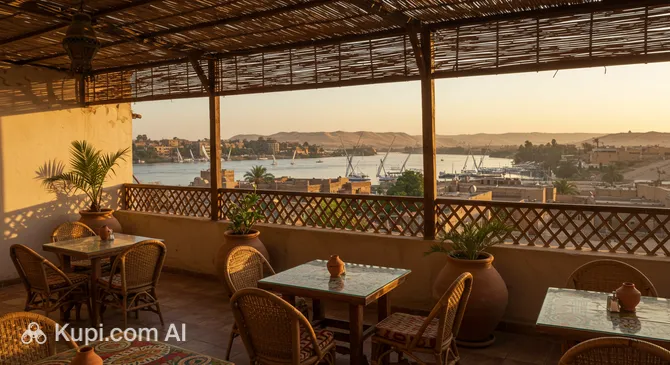
The dining atmosphere in Aswan is generally relaxed and scenic, with many of the best spots located right along the riverbank or on the islands. Tourists often enjoy meals with a view of the feluccas sailing by. For a vibrant atmosphere that combines good food with colorful Nubian decor, you can visit the King Jamaica Restaurant & Cafe. Alternatively, for those seeking a peaceful evening overlooking the water, the Moonlight Terrace Restaurant & Cafe offers a delightful setting to enjoy local dishes while watching the sunset over the Nile.
Travel Tips
Aswan is the sunniest city in Egypt, and while its atmosphere is incredibly laid-back, a little preparation goes a long way to ensure a smooth trip. These practical tips will help you navigate the local customs, climate, and logistics so you can focus on the stunning Nile views.
Clothing and Gear: Given the intense desert heat, lightweight and breathable fabrics like cotton and linen are essential; loose-fitting clothes will keep you cool and are respectful of conservative local norms. Always pack high-SPF sunscreen, a wide-brimmed hat, and sturdy, comfortable walking shoes for exploring sandy archaeological sites. When visiting mosques or walking through the town center, ensure your shoulders and knees are covered.
Transportation: The Nile is a major highway here, so public ferries and private motorboats are often the best way to reach Elephantine Island and the West Bank attractions. On land, blue-and-white taxis are plentiful, but meters are rarely used; you must negotiate and agree on the fare before getting into the vehicle. Car rental is generally unnecessary and can be stressful due to local traffic habits.
Finances: The local currency is the Egyptian Pound (EGP), and "cash is king" in Aswan, especially for small shops, cafes, and transport. While major hotels and upscale restaurants accept credit cards, you should rely on ATMs located in the city center to withdraw cash. Tipping, known locally as baksheesh, is a standard part of daily life, so keep a supply of small bills handy for drivers, boatmen, and service staff.
Health and Safety: Aswan is known for being one of the safest cities in the country, but it is still wise to keep an eye on your belongings in crowded market areas. Pharmacies are widely available and often open late for minor ailments. Crucially, avoid drinking tap water; stick strictly to sealed bottled water to prevent stomach upsets, and stay hydrated throughout the day.
Communication: Arabic is the official language, though English is widely spoken by those in the tourism industry. To stay connected, it is highly recommended to purchase a local SIM card (such as Vodafone or Orange) upon arrival, as Wi-Fi in hotels can sometimes be slow or unreliable. Learning a few basic words like "Shukran" (Thank you) is greatly appreciated by locals.
Local Etiquette: The people of Aswan, particularly the Nubian community, are famous for their hospitality; always return a greeting if someone says "Salam" to you. Public displays of affection are culturally inappropriate and should be avoided. Additionally, always ask for permission before taking photographs of people, as privacy is highly valued.
What to Avoid: Strictly avoid taking photos of military personnel, police checkpoints, or government buildings, as this is prohibited and can cause serious legal issues. Also, try not to show frustration or aggression when bargaining in the souq; negotiation is a social game here, and keeping a smile on your face yields better results.
Shopping Insight: The best time to visit the famous Aswan Souq (Sharia al-Souq) is in the evening after sunset, when the air cools down and the market becomes vibrant. Bargaining is essential here; a good rule of thumb is to start your counter-offer at about half the asking price and meet somewhere in the middle.
With these tips in mind, you are ready to embrace the slow pace and warm hospitality of this southern frontier city. Whether you are sailing on a traditional felucca or haggling for spices in the market, Aswan promises a travel experience that is as smooth and memorable as the river that defines it.
Entertainment & Nightlife
Unlike the high-energy party scenes found in Cairo or the Red Sea resorts, nightlife in Aswan is characterized by a laid-back, culturally rich atmosphere. The city does not have a bustling clubbing culture; instead, evenings here are best spent enjoying the cool river breeze, listening to traditional Nubian music, or socializing in lively markets. The primary hub for evening activity is the Corniche, a scenic promenade running along the Nile, where locals and tourists alike gather to walk, eat ice cream, and watch the feluccas drift by under the stars.
For those seeking a vibrant street atmosphere, the Sharia al-Souq (Aswan Souq) is the place to be. As the sun sets, this market street comes alive with colorful lights and the scent of exotic spices and perfumes. It is a fantastic place for a night walk, allowing you to shop for souvenirs, drink tea at small street-side cafes, and interact with friendly local vendors. The souq remains open late into the night, offering a safe and bustling environment that captures the true essence of southern Egypt.
While nightclubs are scarce, there are several spots where you can enjoy music and a lively crowd. King Jamaica Restaurant & Cafe is a favorite among travelers for its vibrant, colorful decor and Reggae-inspired vibe. Located on Elephantine Island, it often hosts live music evenings and offers a relaxed setting to enjoy drinks with a stunning view of the river. It is an excellent spot to unwind after a day of sightseeing and meet fellow travelers.
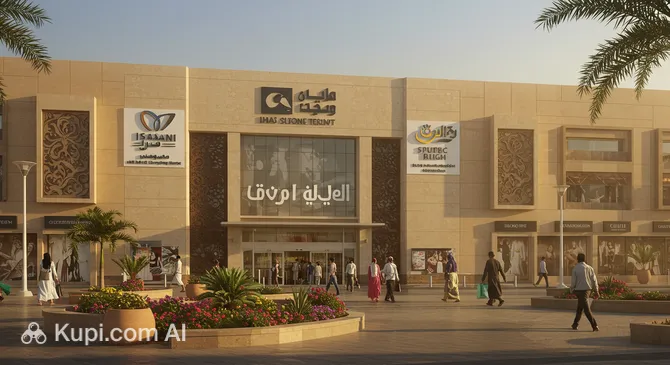
For a more modern entertainment experience, you can visit the Aswan Plaza Mall. Located along the Corniche, this complex offers a change of pace from the traditional markets. It features a cinema showing the latest films, a food court, and various shops, making it a popular gathering spot for local families and young people in the evenings. It is a good option if you are looking for a familiar, air-conditioned environment to spend a few hours.
Aswan Plaza Mall. Illustration.
Source: Kupi.com AI
Traveler photos:
Another popular evening activity is attending the Sound and Light Show at the Philae Temple. This spectacle brings the ancient history of the site to life with dramatic lighting and narration, creating a magical atmosphere on the island. Additionally, many hotels and Nubian guesthouses organize traditional folklore shows featuring Tanoura dancing and Nubian drumming, which provide a captivating cultural entertainment experience.
Regarding practicalities, Aswan is generally very safe for night walks, especially in tourist areas like the Corniche and the Souq. Taxis are plentiful and can be hailed easily on the street; however, it is advisable to agree on the fare before starting your journey. The dress code is casual but leans towards conservative; while shorts and t-shirts are fine for men, women may feel more comfortable with shoulders and knees covered when walking in the city center.
During the daylight hours, entertainment shifts towards cultural exploration. Visitors can spend their time exploring the fascinating Nubian Museum, which offers deep insights into the local heritage, or taking relaxing boat trips to the botanical gardens. For those interested in local sports and recreation, the Nasser Sporting Center provides facilities for various activities, serving as a community hub during the day.
Parks & Museums
Aswan is a city where nature and history intertwine seamlessly, offering visitors a unique collection of lush river gardens and world-class museums that celebrate the region's deep heritage. Unlike the dense urban sprawl of other capitals, the cultural and green spaces here are defined by the Nile, creating serene environments for exploration and relaxation.
For nature lovers, the crown jewel of the city is the Aswan Botanical Garden. Occupying the entirety of Kitchener's Island, this verdant oasis is home to thousands of exotic plants and palm trees imported from across Africa and Asia. It serves as a peaceful retreat where you can walk along shaded pathways surrounded by colorful flora and birdlife. Another significant green space is Feryal Garden, located on a hill at the southern end of the Corniche. Known for its terraced walkways and rocky outcrops, it offers one of the most spectacular panoramic views of the Nile and the granite rocks of the cataracts, especially during sunset.
When it comes to museums, the Nubian Museum stands out as a masterpiece of modern architecture and cultural preservation. It houses a vast collection of artifacts saved during the UNESCO campaign to rescue Nubian monuments from the rising waters of Lake Nasser. The museum beautifully narrates the history of the Nubian people from prehistoric times to the present day. For a more intimate experience, the Animalia museum on Elephantine Island is a fascinating private collection focusing on the flora, fauna, and traditions of Nubia, often guided by the knowledgeable owner who shares personal stories of the local culture.
Aswan itself acts as an open-air museum, with the Unfinished Obelisk being a prime example of its historical significance. Located in the ancient Northern Quarries, this site allows visitors to visualize the colossal scale of pharaonic engineering and understand the techniques used to carve the massive granite monuments found throughout Egypt. Additionally, the Tombs of the Nobles, carved into the high cliffs on the West Bank, offer both historical intrigue and a vigorous hike, rewarding climbers with decorated chapels and sweeping river views.
For an authentic insider experience, consider taking a small motorboat to the quiet western side of Sohail Island. Here, you can find small, community-run cultural centers and craft workshops that are less crowded than the main tourist spots, offering a genuine glimpse into daily village life.
Getting Around
Public transport in Aswan is significantly different from the complex networks found in larger metropolitan areas. The city does not have a metro, tram, or trolleybus system; instead, it relies on a straightforward network of road and river vehicles. The most common form of public transportation for locals is the microbus. These white vans run on specific routes along the main roads, particularly the Corniche and the streets leading inland. They are an efficient and incredibly cheap way to travel between the city center and outlying neighborhoods or the Aswan High Dam area, though they can be crowded and destinations are usually shouted out by the driver rather than marked on signs.
Given the city's geography along the river and its inhabited islands, water transport is an integral part of the public transit system. Public ferries are the lifeline connecting the East Bank (downtown Aswan) with Elephantine Island and the West Bank (where the Tombs of the Nobles are located). These ferries are reliable, inexpensive, and offer a scenic commute that is unique to this part of the world. For a more private or direct water crossing, small motorboats operate as river taxis, allowing you to reach specific docks or botanical gardens at your own pace, though they cost significantly more than the public ferry.
The payment system in Aswan is almost exclusively based on cash. There are no electronic travel cards, transport apps, or tap-to-pay terminals for public buses or ferries. Travelers must carry the local currency, the Egyptian Pound (EGP), and it is crucial to have small denominations (coins or 5, 10, and 20 pound notes). Fares for microbuses and public ferries are fixed and very low, often costing just a few pounds. You simply hand the money to the driver or the ferry collector; for microbuses, money is often passed forward by other passengers if you are seated in the back.
Taxis are the primary alternative for tourists who prefer comfort and direct transport. Aswan's taxis are typically blue and white. While they are plentiful, they rarely use meters, so it is standard practice to hail one and negotiate the fare before getting in. A popular, albeit slower, alternative for short sightseeing trips along the Corniche is the caleche (horse-drawn carriage). While scenic and traditional, these are considered more of a tourist attraction than practical transport, and firm bargaining is essential.
For a smooth experience, tourists should be aware that public ferries usually operate from early morning until late at night, but they are not 24-hour services. If you are staying on an island and plan to return late, ensure you know the last ferry time or arrange for a private motorboat. Walking is also a viable option for much of the downtown area, as the city center is compact and the promenade along the Nile provides a pleasant, pedestrian-friendly route connecting many hotels, restaurants, and the souq.
Accommodation
Accommodation in Aswan offers a delightful variety that ranges from legendary luxury properties to charming, family-run guesthouses. Unlike the standardized resort strips found in some coastal cities, the lodging options here often reflect the local culture and geography. Visitors can choose between staying in the heart of the bustling city, retreating to a quiet island in the middle of the Nile, or immersing themselves in traditional village life on the West Bank. The range covers everything from budget-friendly hostels and eco-lodges to high-end hotels steeped in history.
For those who prioritize convenience and easy access to services, the East Bank (Downtown) is the most practical choice. Hotels located along the Corniche offer spectacular views of the Nile and are within walking distance of the railway station, the souq, and the ferry terminals. This area is ideal for travelers who want to be close to restaurants and transport links. Alternatively, Elephantine Island provides a peaceful escape with a mix of upscale resorts and quiet, locally-owned guesthouses. Staying here requires a short ferry ride to reach the city center, but the tranquility and lush surroundings are often worth the extra step.
A growing trend in Aswan is staying in the colorful Nubian villages on the West Bank, particularly in areas like Gharb Soheil. These neighborhoods offer a distinct cultural experience, with accommodations often styled as traditional Nubian houses featuring domed roofs and vibrant artistic decorations. These guesthouses are generally more affordable and provide a warm, community-oriented atmosphere, though they are further from the main city attractions.
Booking Tips and Prices:
The price of accommodation in Aswan varies significantly. Budget travelers can find comfortable beds in hostels or simple guesthouses for very reasonable rates, while mid-range hotels offer modern amenities at a moderate price. The luxury segment, particularly historic hotels with Nile views, commands a premium. It is highly recommended to book in advance if you plan to visit during the peak winter season (October to April) or during major holidays, as the best riverside rooms sell out quickly. Most properties can be booked via major online platforms, though some smaller Nubian guesthouses may also accept direct bookings via social media or messaging apps.
Nearby Cities
For those looking to explore the surroundings, Aswan serves as an excellent base for day trips to several interesting nearby locations:
One of the most significant destinations in the region is Luxor, often described as the world's greatest open-air museum. Located to the north, it is home to the massive Karnak Temple Complex and the legendary Valley of the Kings on the West Bank. Although it is a few hours away, the sheer density of pharaonic monuments makes it a compelling option for a dedicated day trip or the next stop on a Nile itinerary.
Closer to Aswan is the city of Idfu (also known as Edfu), which is famous for the Temple of Horus. This sandstone structure is widely considered the best-preserved ancient temple in Egypt, having been buried under desert sand for centuries. It offers a remarkable opportunity to walk through a complete ancient sanctuary, from its towering entrance pylons to the inner sanctums.
City
Population
Distance
Daraw
38 400
35 km
Kom Ombo
71 596
42 km
Idfu
133 772
99 km
Esna
68 656
138 km
Armant
76 457
173 km
These nearby destinations offer a glimpse into the diverse culture and landscapes of the region.
Shopping & Souvenirs
Shopping in Aswan is a delightful experience that differs significantly from the high-pressure environment often found in other Egyptian cities. The pace here is slower, the vendors are generally more relaxed, and the focus is heavily on traditional goods that reflect the city's unique position as the gateway to Nubia and Africa. While you will not find massive luxury fashion districts, the local markets offer a treasure trove of exotic spices, colorful handicrafts, and authentic souvenirs that are distinct to this region.
The heart of the city's commercial life is the Aswan Souq (Sharia al-Souq), a vibrant open-air market running parallel to the Nile Corniche. This is the best place to find Aswan’s most famous products. The air here is thick with the aroma of incense and spices, inviting visitors to explore stalls piled high with sacks of hibiscus (Karkade), cumin, saffron, and dried dates. Aswan is renowned for producing the highest quality hibiscus in Egypt, and buying a bag of dried flowers to make tea back home is a popular choice. You will also find excellent quality peanuts (fuul sudani), which are a local specialty often sold fresh and roasted.
Beyond culinary treats, the souq is the ideal place to purchase authentic Nubian handicrafts. Look for the distinctive, multi-colored baskets and plates woven from palm leaves, which make for beautiful wall decorations. The market is also famous for its textile shops selling galabeyas (traditional robes) in Egyptian cotton and linen, as well as shops offering essential oils and perfumes. For a unique keepsake, many visitors pick up small, hand-carved stone statues or "sand art" bottles, where artists create intricate desert scenes inside glass vials using colored sand.
For those seeking a more modern retail experience with fixed prices, the Aswan Plaza Mall offers a contemporary alternative. Located along the Corniche, this complex provides a comfortable, air-conditioned environment where you can browse through clothing stores, electronics shops, and accessory boutiques. It serves as a convenient stop for travelers looking for standard goods or a break from the heat of the outdoor markets.
When shopping in the traditional souq, bargaining is an essential part of the process. Prices are rarely fixed, and vendors expect customers to negotiate. It is recommended to start with a counter-offer significantly lower than the asking price and work your way up to a fair amount. The exchange is usually friendly and accompanied by offers of tea. Most shops accept cash in Egyptian Pounds, and while some larger bazaars may take credit cards, carrying small bills is highly advisable for smoother transactions.