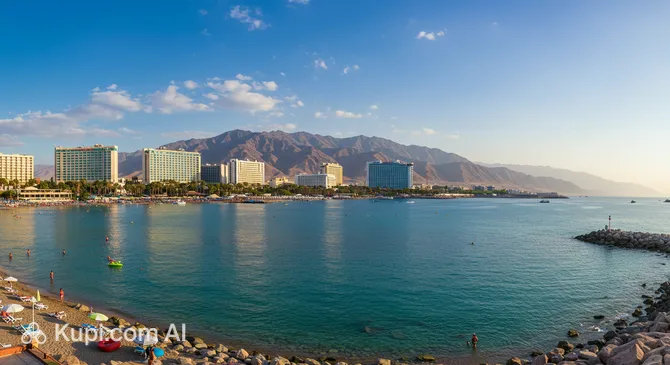
Eilat is the ultimate resort destination located at the southernmost tip of Israel. Nestled between the rugged mountains of the Negev Desert and the crystal-clear waters of the Red Sea, this city offers a unique blend of relaxation and adventure. With a population of approximately 52,000 residents, it serves as a bustling port and a major tourism hotspot, renowned for its eternal sunshine and vibrant atmosphere.
The region enjoys an arid desert climate, making it a perfect getaway for sun-seekers throughout the year. While it stands as a modern city today with luxury hotels and shopping centers, the history of Eilat extends back to ancient times, having served as a strategic junction for trade and copper mining. Visitors are often captivated by the striking contrast between the golden desert sands and the deep blue sea.
Eilat. Illustration.
Source: Kupi.com AI
Eilat is a paradise for water sports enthusiasts and nature lovers. The city is famous for its spectacular coral reefs, which are among the northernmost in the world and easily accessible from the shore. Top attractions include the Underwater Observatory Marine Park, where you can view diverse marine life without getting wet, and the Dolphin Reef, offering intimate encounters with these intelligent creatures in their natural habitat.
Whether you are looking to dive into an underwater kaleidoscope, hike through the nearby Red Canyon, or simply unwind by the pool, Eilat promises an unforgettable experience. It is a welcoming oasis that invites travelers to discover the warm southern charm of the country.
Weather Overview
The city is renowned for its arid desert climate, characterized by clear blue skies and sunshine throughout the year. For a more detailed breakdown of conditions for your specific travel dates, you can consult the guide to the weather in Eilat. Generally, the area experiences significant heat during the summer months and mild, pleasant days during the winter.
Summer in Eilat is intense, with July and August seeing average temperatures of 28.5°C and daily highs climbing to nearly 36°C. This period is consistently dry, with months like June through September recording 0mm of precipitation and zero wet days. It is the perfect time for water activities, though sun protection is essential due to the high temperatures.
Winters are much cooler, particularly in January, which has an average temperature of 11.5°C and nighttime lows that can drop to around 6.4°C. Rainfall remains negligible year-round, peaking only slightly in February with just 1mm of precipitation. Overall, visitors can expect hot, dry summers and cool winters with extremely rare rainfall.
Average monthly temperature
Average monthly precipitation
Interesting Facts
Beyond the main attractions, Eilat holds many fascinating secrets that reveal its unique character as a desert oasis. From geological rarities to surprising climatic paradoxes, there is much more to this southern city than just sunbathing and swimming.
A Global Bird Superhighway: Eilat sits on one of the most critical migration flyways in the world, serving as a land bridge between Africa, Europe, and Asia. Twice a year, millions of birds pass through the area, making the Eilat Ornithological Park a premier destination for birdwatchers hoping to spot diverse species resting before their desert crossing.
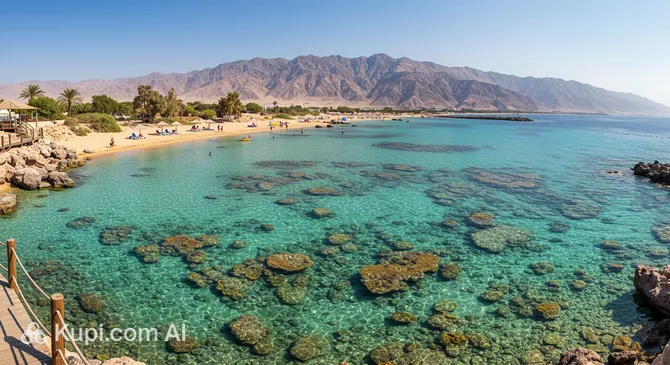
The Northernmost Coral Reefs: The city is home to some of the northernmost shallow-water coral reefs on the planet. Unlike many other reef systems that are suffering from climate change, the corals at the Coral Beach Nature Reserve have shown remarkable resilience, thriving in the unique water circulation of the Gulf of Aqaba.
Ice in the Desert: Despite being located in an arid desert where summer temperatures soar, Eilat hosts an Olympic-sized ice skating rink. Located inside the Ice Mall, this attraction offers the surreal experience of skating in winter gear while the weather outside is scorching hot.
The King Solomon Stone: The region is the exclusive source of the Eilat Stone, a rare blue-green gem that is a natural hybrid of copper minerals like malachite and turquoise. Visitors can learn about the mining history and see these unique stones at the Eilat Stone Center.
A Tax-Free Haven: Uniquely in the country, Eilat is a designated Free Trade Zone, meaning purchases here are exempt from Value Added Tax (VAT). This economic perk turns the city into a shopping paradise, with major centers like HaYam Mall offering significantly lower prices on clothing and electronics compared to other cities.
Coral Beach Nature Reserve. Illustration.
Source: Kupi.com AI
Traveler photos:
How to Get There
Reaching this southern resort city is relatively straightforward, with air travel being the most convenient method for international and domestic visitors. For a comprehensive look at all travel options, including driving routes and public transport, you can read more about how to get to Eilat.
The primary gateway for most travelers is Ramon Airport (ETM). Located within the city's vicinity, approximately 19.4 km from the center, it serves as the main international and domestic hub for the region. The journey from the airport to the city center typically takes around 50 minutes by taxi or shuttle bus. This modern facility handles a significant volume of passengers annually, ensuring regular connections.
Travelers can also consider arriving via neighboring countries. King Hussein International Airport (AQJ) is located in Aqaba, Jordan, just 8.8 km from Eilat. While geographically very close, reaching the city from here requires crossing the border, which takes approximately 35 minutes of travel time plus border procedures. Another option is Taba International (TCP) in Taba, Egypt, situated about 17.2 km away, which also involves a border crossing.
For clarity, here is a summary of the main airports:
Since there are no railway lines directly serving the city, those arriving from central Israel without a flight typically use the extensive intercity bus network or drive via Highway 90, enjoying the scenic desert landscapes along the way.
Main Attractions
Eilat is packed with diverse activities that cater to nature lovers, families, and those simply looking to relax by the sea. The city's unique location between the desert and the sea creates a variety of experiences, from marine exploration to green oases hidden in the arid landscape.
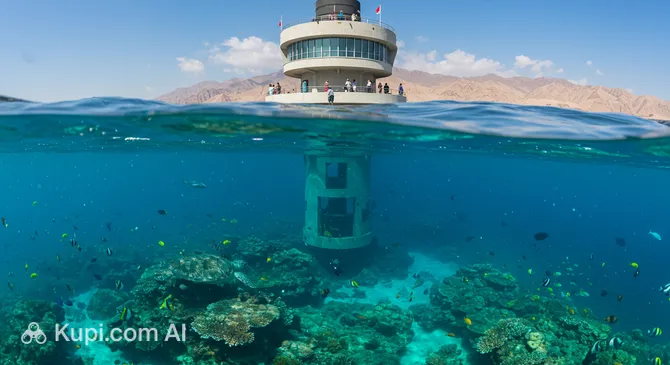
One of the most famous sites in the country is the Underwater Observatory Park. Located at the southern end of the coast, this facility offers a window into the Red Sea without the need for diving gear. Visitors can descend into the underwater tower to view the vibrant coral reefs and fish in their natural habitat through large glass windows. The park also features a shark tank, a turtle rescue pool, and dark rooms showcasing glowing deep-sea creatures, making it an educational highlight for any trip.
Underwater Observatory Park. Illustration.
Source: Kupi.com AI
Traveler photos:
For a unique encounter with marine life, the Dolphin Reef provides an unforgettable experience. This ecological site is home to a pod of bottlenose dolphins that live in the open sea but choose to interact with humans. You can observe them from floating piers or book guided swimming and diving sessions. The site also includes a secluded beach and "Stalbet al Hamayim," a complex of relaxation pools surrounded by lush vegetation, perfect for unwinding.
Hidden away from the coastline is the Eilat Botanical Garden, often referred to as a jungle in the desert. Built on ancient stone terraces, this organic garden showcases plants from around the world that thrive in the local climate. A central attraction here is the tropical rainforest dome, which creates a misty, cool environment complete with waterfalls, offering a refreshing break from the desert heat.
If you are looking for the ultimate relaxation spot, Mosh Beach is a favorite among locals and tourists alike. Known for its bohemian atmosphere, this beach features comfortable seating on rugs and cushions right by the water. With excellent food service, chill music, and stunning views of the Jordanian mountains across the gulf, it is the perfect place to enjoy the sunset and the laid-back vibe of the city.
Local Cuisine
The culinary landscape of Eilat perfectly mirrors its status as a cosmopolitan resort city, blending traditional Middle Eastern flavors with fresh Mediterranean ingredients. The dining scene is diverse, ranging from casual beachside kiosks serving quick bites to upscale establishments offering gourmet experiences. A staple way to begin the day is with a lavish Israeli breakfast, featuring shakshuka—eggs poached in a spicy tomato sauce—served alongside an array of fresh chopped salads, creamy labneh, and warm bread.
Given its location on the shores of the Red Sea, it is no surprise that seafood plays a starring role in the local diet. Fresh fish, particularly the locally farm-raised Sea Bream (known as Denis), is a must-try. It is often prepared simply, grilled with olive oil, lemon, and herbs to highlight its natural flavor. For a quick and satisfying meal, street food options like falafel and shawarma are widely available and best enjoyed inside a fresh pita with tahini and pickles.
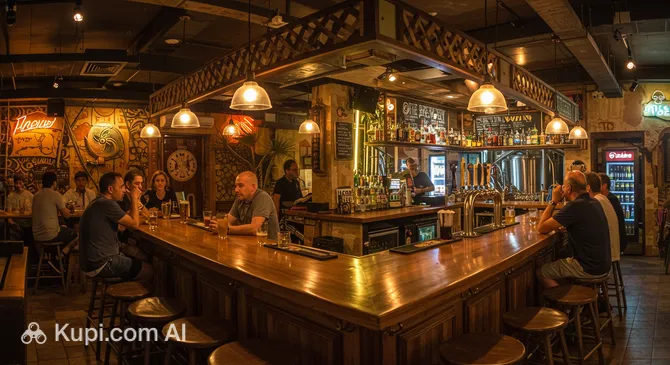
The Brewery. Illustration.
Source: Kupi.com AI
Traveler photos:
When it comes to beverages, the hot desert climate calls for refreshing drinks. A local favorite is Limonana, a slushy blend of lemonade and fresh mint that provides an instant cool-down. For beer enthusiasts, the city has its own local production. You can visit The Brewery to taste unique craft beers brewed right in the industrial district, offering a flavorful break from the commercial brands.
The food culture here is incredibly laid-back, with many tourists choosing to eat outdoors to enjoy the warm evenings. For a hearty meal that captures the essence of local comfort food, Khubza & Seneya is a popular choice, known for its fresh baking and traditional dishes. Meat lovers might appreciate Al-Khamisa Butcher’s & Grill, which serves high-quality cuts in a welcoming atmosphere. Whether you are grabbing a snack on the promenade or settling in for a feast, the flavors of the city are sure to delight.
Travel Tips
Welcome to Eilat, where the desert meets the sea! To ensure your vacation in this sun-drenched oasis is as smooth and enjoyable as possible, we have compiled a list of essential practical advice. These tips will help you navigate the local customs, climate, and logistics like a pro.
Clothing and Gear: Given the arid desert climate, lightweight and breathable clothing is essential for most of the year. A wide-brimmed hat, high-quality sunglasses, and strong sunscreen are non-negotiable items to protect against the intense sun. If you are visiting in winter, bring a light jacket or sweater, as desert nights can get surprisingly chilly. Crucial tip: Pack a pair of water shoes; many beaches in Eilat are rocky or have coral reefs close to the shore, and protecting your feet from sharp stones and sea urchins is important.
Transportation: Getting around Eilat is quite easy. The city center and promenade are walkable, but for longer distances, taxis are the most convenient option. You can hail them on the street or use the Gett app to book one. Public buses are reliable and affordable, but you cannot pay with cash on board; you must use a Rav-Kav transport card or a payment app like Moovit or HopOn. Car rentals are generally not necessary unless you plan to explore the surrounding Negev Desert.
Finances: The currency used is the New Israeli Shekel (ILS). Credit cards are widely accepted almost everywhere, from hotels to beach kiosks, though it is wise to carry a small amount of cash for small purchases. ATMs are plentiful throughout the city. Tipping is a strong cultural norm in restaurants; leaving a gratuity of 10-15% is standard if service is not included in the bill.
Health and Safety: The most significant health risk in Eilat is dehydration and heatstroke. Drink far more water than you think you need, even if you don't feel thirsty. Tap water is safe to drink. Pharmacies, such as Super-Pharm, are common and well-stocked, with some locations open late or 24/7. Eilat is generally very safe for tourists, but always keep an eye on your belongings at the beach.
Communication: The official language is Hebrew, but English is widely spoken, especially in the tourism and service sectors. You will have no trouble communicating in hotels, restaurants, and shops. Free Wi-Fi is available in most hotels and cafes. For mobile data, you can purchase a local SIM card at the airport or at various shops in the city center.
Local Etiquette: Israelis are known for being direct and informal, which creates a friendly and casual atmosphere. The standard greeting is "Shalom" (hello/peace) and "Todah" (thank you). Be aware of Shabbat, the Jewish day of rest, which runs from Friday afternoon to Saturday evening. While Eilat is a secular resort city and many restaurants remain open, public transportation (buses) ceases operations during this time, so plan your travel accordingly.
What to Avoid: Never touch, stand on, or break the corals. The coral reefs are protected by strict laws, and damaging them can result in heavy fines, not to mention the harm to the ecosystem. Also, avoid hiking in the desert mountains during the midday heat (11:00 AM to 3:00 PM) in summer; stick to early mornings or late afternoons for outdoor treks.
Shopping Bonus: Eilat is a designated VAT-Free Zone. This means that most goods and services in the city are exempt from the standard 17% Value Added Tax found elsewhere in the country. This makes it an excellent place to shop for clothing, electronics, and cosmetics at significantly lower prices compared to Tel Aviv or Jerusalem.
Armed with these practical tips, you are ready to dive into everything Eilat has to offer, from its underwater wonders to its vibrant nightlife. Relax, stay hydrated, and enjoy the unique warmth of this southern resort city!
Entertainment & Nightlife
Entertainment and Nightlife:
When the sun sets over the Red Sea and the desert heat subsides, Eilat transforms into a vibrant hub of evening activity. As Israel's premier resort city, the nightlife here is energetic yet unpretentious, catering to a diverse crowd of vacationers. The atmosphere is distinctly "resort-style," meaning the vibe is relaxed, dress codes are casual, and the party often spills out onto the open-air terraces to take advantage of the warm desert breeze.
The epicenter of the action is the North Beach Promenade (Tayelet). Walking along this bustling waterfront strip at night is an experience in itself, with neon lights, street performers, and market stalls creating a carnival-like environment. Just a short walk away is the "Tourist Center" (Merkaz Tayarut), a concentrated area of bars and clubs that becomes the city's beating heart after dark. Here, you can find everything from Irish pubs to dance bars that stay open until the early hours of the morning.
For those looking to immerse themselves in the local bar scene, Bardak Eilat is a popular choice. Known for its lively atmosphere, this venue combines great music, a wide selection of drinks, and artisanal pizzas, making it a favorite hangout for both locals and tourists. If you prefer combining your evening drinks with some friendly competition, Nisha 17 Snooker Bar offers a spacious environment with high-quality pool tables, perfect for a group night out.
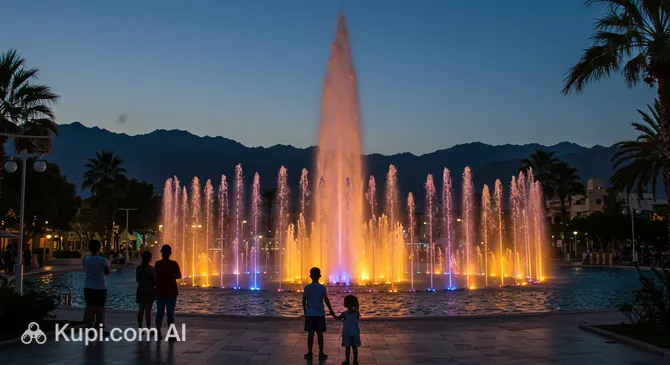
Musical Fountain Eilat. Illustration.
Source: Kupi.com AI
Traveler photos:
Not all evening entertainment revolves around alcohol. One of the city's charming nightly spectacles is the Musical Fountain Eilat. Located near the central park, this attraction features a colorful water and light show synchronized to music, providing a delightful and relaxing experience for families and couples. Additionally, the Kisuski Promenade offers a more laid-back setting for a moonlit stroll right by the water's edge.
Regarding practicalities, the nightlife in Eilat kicks off relatively late, with many bars filling up only after 10:00 PM or 11:00 PM. The city is very safe for walking at night, even in the early hours. Taxis are plentiful and can be easily hailed on the street or ordered via apps to get back to your hotel. Since it is a vacation town, there is rarely a strict dress code; shorts and sandals are acceptable in almost all bars and most clubs.
While the nights are for partying and relaxation, the daytime offers a different kind of excitement. Before the sun goes down, visitors typically spend their time exploring the marine museums, enjoying the thrill of amusement parks, or shopping in the tax-free malls. This balance of sun-soaked adventure by day and vibrant entertainment by night makes the city a round-the-clock destination.
Parks & Museums
While Eilat is primarily known for its stunning coastline, the city also boasts fascinating green spaces and cultural institutions that offer a deeper look into the region's unique environment and history. Beyond the beaches, visitors can explore desert parks teeming with life and museums that narrate the story of this strategic southern outpost.
Key Parks and Green Spaces
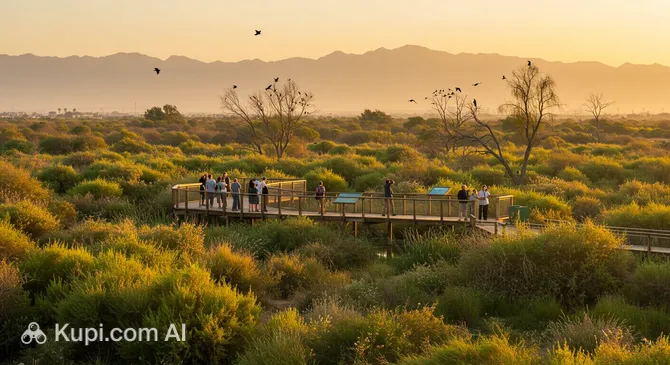
One of the most significant natural sites in the area is the Eilat Ornithological Park. Located just north of the city, this reclaimed salt marsh is a vital stopover for millions of migrating birds traveling between Africa, Europe, and Asia. The park features well-maintained walking trails and hidden observation points, allowing visitors to quietly observe flamingos, herons, and various birds of prey without disturbing them. It is a peaceful sanctuary that highlights the desert's surprising biodiversity.
Eilat Ornithological Park. Illustration.
Source: Kupi.com AI
Traveler photos:
For those interested in desert flora, Holland Park offers a different kind of natural beauty. Situated on the edge of the city, this sprawling park is filled with indigenous trees and plants that have adapted to the arid climate. A network of walking paths winds through the rugged terrain, offering scenic views of the surrounding mountains and the Red Sea. It is an excellent spot for a morning hike or a quiet picnic away from the bustling hotel zone.
Museums and Galleries
To understand the geological wonders of the region, a visit to the Eilat Stone Center is highly recommended. This museum and gallery is dedicated to the "Eilat Stone," a rare blue-green gemstone found only in this area. Exhibits detail the mining history of the region, which dates back to the time of King Solomon, and showcase raw mineral specimens alongside polished gems. It provides a sparkling insight into the treasures hidden beneath the desert soil.
For a broader historical perspective, the Eilat City Museum (located near the tourist center) chronicles the development of the city from a small military outpost to a thriving international resort. Through photographs, artifacts, and interactive displays, visitors can learn about the challenges of settling in the desert, the construction of the port, and the diverse communities that have called this place home.
Historical and Architectural Sites
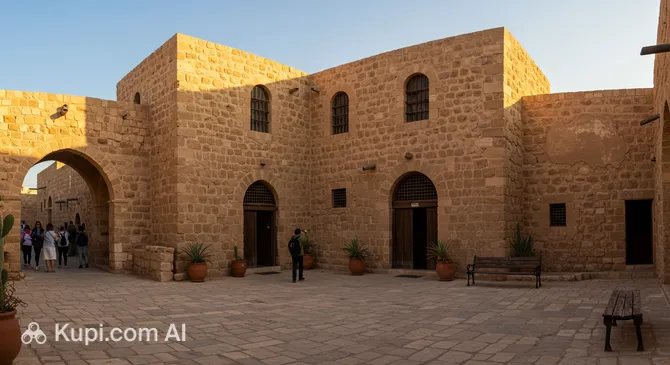
A pivotal landmark in modern Israeli history is Um Rashrash. Located on the promenade, this site marks the location of the former police station where the "Ink Flag" was improvised and raised in 1949, symbolizing the end of the War of Independence and the inclusion of Eilat within the state's borders. Today, a bronze statue recreates this iconic moment, standing as a monument to the soldiers who reached the Red Sea.
Um Rashrash. Illustration.
Source: Kupi.com AI
Traveler photos:
Authentic Experiences
For a truly local experience, head to the salt pools near the northern entrance of the city around sunset. Here, you can often find large flocks of flamingos wading in the shallow waters. The contrast of the pink birds against the red desert mountains and the golden evening light creates a photographer's dream and a magical end to a day of exploration.
Getting Around
Navigating Eilat is remarkably straightforward, as the city is compact and tourist-friendly. The public transport system relies primarily on a network of buses operated by the national cooperative, Egged. There are no metros, trams, or trains within the city limits. The bus service is efficient, air-conditioned, and connects the hotel district on the North Beach with the residential neighborhoods, the underwater observatory to the south, and the central bus station.
For payment, it is crucial to know that cash is not accepted directly by bus drivers. To pay for your ride, you must use a rechargeable transport card called Rav-Kav or a mobile payment application. The Rav-Kav card can be purchased and topped up at the central bus station, the airport, and various kiosks around the city. Alternatively, tourists often find it more convenient to use apps like Moovit or HopOn, which allow you to pay by scanning a QR code located near the driver's seat. A single urban journey is quite affordable, typically costing a few shekels.
Taxis are a very popular alternative and are available 24/7, offering a convenient way to move between the beaches and the city center, especially when carrying luggage. You can hail a taxi on the street or book one using the Gett app. Drivers are required by law to use the meter (moneh) for all urban trips, so it is advisable to insist on this rather than agreeing to a fixed price. For trips to specific tourist attractions outside the main city area, such as the Dolphin Reef or the Coral Beach, taxis provide a direct and comfortable option.
Travelers should be aware of the operating hours, particularly regarding the weekly rest day. Public buses cease operation on Friday afternoon shortly before sunset and do not resume until Saturday evening after sunset. During this Shabbat period, taxis are the only motorized public transport available. On regular weekdays, buses run frequently, usually from early morning until around midnight, though frequencies may drop in the late evening.
Given the city's relatively small size, walking is often the best way to get around the main tourist zone. The promenade links many of the major hotels, shops, and beaches, making it easy to explore on foot. For those wishing to venture into the surrounding desert or visit the Red Canyon independently, car rentals are widely available. Additionally, while there is no historic cable car, there are shuttle bus lines (such as lines 30 and 50) specifically designed to connect the city center with Ramon Airport, ensuring smooth transfers for arriving visitors.
Accommodation
Finding the perfect place to stay in Eilat is easy, as the city offers a diverse range of accommodation options to suit every budget and travel style. From opulent luxury resorts with private beaches to budget-friendly hostels and cozy vacation apartments, visitors can choose the experience that best fits their needs. Whether you are looking for a pampering spa vacation or a simple base for desert adventures, the city's hospitality sector is well-equipped to welcome you.
Most tourists choose to stay in one of two main areas: the North Beach or the Coral Beach. The North Beach is the heart of the action, where the hotel zone lines the promenade, offering immediate access to shopping malls, restaurants, and nightlife. This area is ideal for those who want to be in the center of things. In contrast, the Coral Beach area to the south is quieter and more relaxed, perfect for divers and nature lovers who want to be close to the underwater reserves and away from the city bustle. For budget-conscious travelers, the city center (located slightly inland) offers numerous hostels and rental apartments.
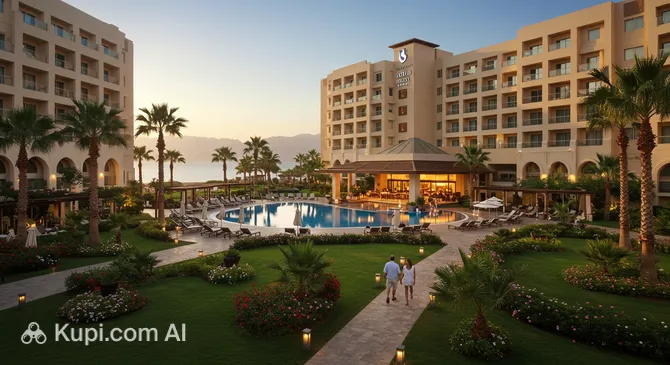
For those seeking a classic resort experience, the city boasts several renowned establishments. The Dan Eilat Hotel is a flagship luxury property located on the North Beach, famous for its distinctive architecture and extensive pool facilities. Nearby, the Panorama Eilat Hotel offers a comfortable stay with stunning views of the lagoon and easy access to the boardwalk. These hotels typically provide comprehensive amenities, including large breakfast buffets and entertainment programs.
Dan Eilat Hotel. Illustration.
Source: Kupi.com AI
Traveler photos:
Prices in Eilat can vary significantly depending on the season. During Jewish holidays and the peak summer months (July and August), rates are at their highest, and the city is often fully booked. It is highly recommended to book your accommodation well in advance during these times to secure a room and a reasonable price. Conversely, visiting during the winter or shoulder seasons can offer excellent value for money, with luxury rooms often available at mid-range prices.
Booking is straightforward, with most hotels and rentals listed on major international online platforms as well as local travel websites. While the luxury resorts cater to the higher end of the market, there is a growing number of boutique hotels and "glamping" sites in the surrounding desert area for those seeking a unique price-performance ratio. Regardless of where you choose to stay, the warm hospitality of this southern city ensures a comfortable visit.
Nearby Cities
For those looking to explore the surroundings, Eilat serves as an excellent base for day trips to several interesting nearby locations. Although the city is geographically isolated at the southern tip of the country, a journey northward through the desert landscape leads to significant urban centers and cultural sites.
Beersheba, often referred to as the "Capital of the Negev," is the closest major city to Eilat on this list. Situated approximately 189 kilometers to the north, it serves as the gateway to the desert region. Visitors can explore the Abraham's Well International Visitors Center, which connects to biblical history, or enjoy the modern architecture and vibrant atmosphere of this university town.
Jerusalem offers a destination of immense historical and spiritual magnitude for those willing to undertake a longer journey. Known for its ancient stone walls, holy sites, and bustling markets, it provides a profound contrast to the coastal relaxation of Eilat. While it requires a significant drive, the opportunity to walk through millennia of history makes it a compelling option for a dedicated day trip or an overnight excursion.
These nearby destinations offer a glimpse into the diverse culture and landscapes of the region, ranging from the arid beauty of the Negev to the historic depth of the central highlands.
Shopping & Souvenirs
Shopping in Eilat is a major attraction in its own right, largely due to the city's unique economic status. As a designated Free Trade Zone, the city offers a significant financial advantage that draws visitors from all over the country and the world. Beyond the savings, the shopping experience here is diverse, ranging from air-conditioned luxury centers to vibrant open-air stalls, all located within a short distance of the beach. Whether you are looking for international fashion brands, the latest electronics, or authentic local crafts, the city provides a relaxed and rewarding retail therapy experience.
The heart of the city's outdoor shopping scene is undoubtedly the North Beach Promenade. Stretching along the waterfront, this bustling walkway is lined with a mix of brand-name stores, independent boutiques, and souvenir shops. It is the perfect place to stroll in the evening, allowing you to browse for swimwear, beach accessories, and casual clothing while enjoying the sea breeze. The atmosphere here is lively and informal, with shops staying open late to accommodate the vacation crowd.
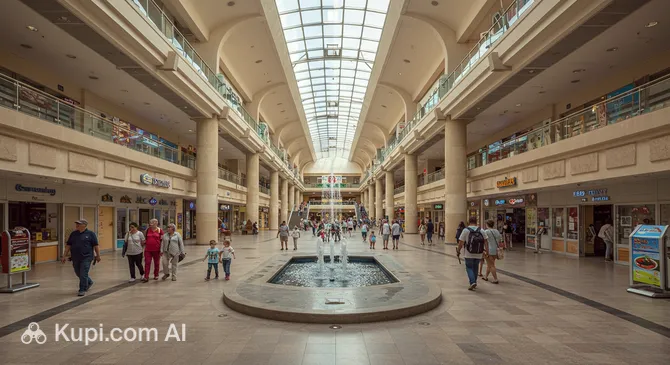
For a more concentrated retail experience, the city boasts several impressive shopping centers. The most famous is the Ice Mall, a massive circular complex that combines shopping with entertainment. Its centerpiece is an Olympic-sized ice skating rink surrounded by two floors of shops, offering a surreal escape from the desert heat. Another central hub is HaYam Mall (Mall of the Sea), located right in the center of the tourist district. It features a wide array of fashion chains and a food court with panoramic views of the Red Sea. For those seeking an open-air power center with outlet prices, Big Eilat is situated at the city's entrance and is popular for footwear, electronics, and housewares.
Ice Mall. Illustration.
Source: Kupi.com AI
Traveler photos:
While Eilat does not have a traditional Middle Eastern souq like Jerusalem or Acre, it offers a charming alternative in the form of the Promenade Night Market. As the sun sets, dozens of temporary stalls pop up along the boardwalk. This colorful bazaar is excellent for finding inexpensive trinkets, handmade jewelry, caricatures, and braided hair services. It creates a festive carnival atmosphere where you can haggle slightly and find fun, small gifts to take home.
When it comes to unique souvenirs, the city is famous for the Eilat Stone, a rare blue-green gemstone that is the national stone of Israel. This semi-precious mineral, a natural combination of copper-based minerals like malachite and turquoise, was historically mined in the region. You can find exquisite jewelry set with this stone at the Eilat Stone Center or in reputable jewelry shops. Additionally, cosmetic products made from Dead Sea minerals are a popular purchase, often sold at better prices here than at the Dead Sea itself.
Most shops in the malls and tourist areas have long operating hours, typically opening around 9:30 AM and closing as late as 11:00 PM or even midnight during the summer. On Fridays, shops usually close in the afternoon for Shabbat and reopen on Saturday evening, though some non-kosher establishments and convenience stores may remain open. Payment is easy, with major credit cards accepted almost everywhere, including at many market stalls. Contactless payment is the standard.
The most compelling reason to shop here is the VAT-Free status. Eilat is exempt from the standard Value Added Tax (currently 17%) that applies to the rest of Israel. This exemption applies to most consumer goods, including clothing, footwear, electronics, and cosmetics. As a result, prices on these items are generally significantly lower than in Tel Aviv or Jerusalem. Note that the tax exemption is automatically deducted from the price tag in stores, so you see the final price on the shelf.