Support

Neom

About

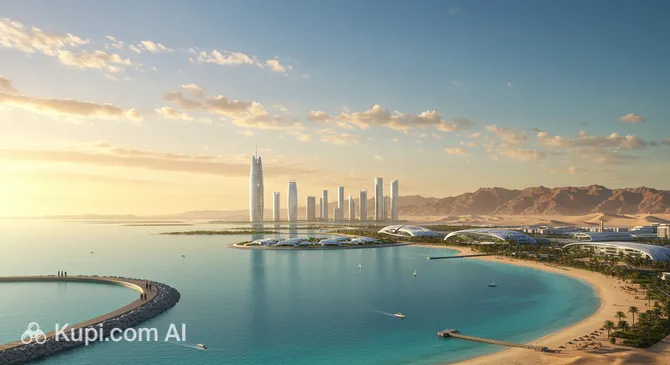
Neom is a visionary destination located in the northwest of Saudi Arabia, representing a bold leap into the future of urban living. Often described as a living laboratory, this vast region in the Tabuk Province is being crafted to harmonize nature with cutting-edge technology, offering a glimpse into what the cities of tomorrow might look like.

Neom. Source: Kupi.Binoculars

Geographically, Neom boasts a diverse landscape that stretches along the pristine waters of the Red Sea, encompassing sandy beaches, expansive deserts, and towering mountain ranges. While the region is generally characterized by a warm desert climate, the elevated mountain areas offer significantly cooler temperatures, creating a unique environment that supports year-round tourism and outdoor activities.

Although it is a modern creation, the history of Neom is already being written as a pivotal chapter in the nation's architectural and economic transformation. The project is designed to be powered entirely by renewable energy and features distinct zones such as The Line, a revolutionary linear city concept without cars or streets, and Sindalah, a luxury island destination tailored for yachting enthusiasts and relaxation.

Travelers seeking a truly unique experience will find Neom to be an inspiring place to explore. Whether you are intrigued by sustainable innovation, eager for adventure in the mountains of Trojena, or simply wish to relax by the turquoise coast, this futuristic hub invites you to witness the dawn of a new era in travel.

Weather Overview

The climate in this region is generally arid, ensuring clear skies for the vast majority of the year. For travelers planning their wardrobe and activities, checking the weather in Neom is recommended to ensure a comfortable stay. The area typically experiences hot summers and mild winters, with significant temperature shifts between the seasons.

Summer, spanning from June through September, sees the highest temperatures, with daily averages ranging from 31.7°C to 33.1°C and maximums frequently reaching up to 39.2°C in August. These months are exceptionally dry, with no wet days recorded, making it essential to prepare for the heat if visiting during this time.

In contrast, the winter months of December, January, and February offer much cooler conditions, with average temperatures settling between 15.1°C and 17.3°C. Nighttime lows can drop to around 9.1°C, particularly in January. Precipitation is minimal throughout the year; expect hot, dry summers and mild winters with only the very rare occurrence of a wet day during the colder season.

Interesting Facts

Beyond its futuristic renderings and ambitious scale, Neom holds several surprising features that challenge conventional geography and urban planning. This vast development is not just a construction project but a collection of record-breaking concepts.

  • Snow in the Desert: While the region is associated with arid heat, the mountain peaks of Trojena experience sub-zero temperatures and natural snowfall. This unique climate has allowed the area to be chosen as the host for the 2029 Asian Winter Games, a first for a desert nation.

  • A Mirror Façade: The linear city known as The Line is designed to be encased in a massive mirrored exterior. This architectural choice is intended to reflect the surrounding landscape, allowing the 170-kilometer-long structure to blend seamlessly into the desert rather than imposing upon it.

  • The World's Largest Floating Structure: The industrial hub of the project, Oxagon, is planned to be an octagon-shaped city floating on the Red Sea. It represents a reimagining of industrial living, positioned to take advantage of global trade flows through the Suez Canal.

  • Protected Wilderness: Despite the massive scope of development, the project has a strict mandate to preserve 95% of the land as a nature reserve. The urbanization is concentrated in specific zones to protect the region's diverse ecosystem, which is roughly the size of Belgium.

How to Get There

Reaching this futuristic destination is becoming increasingly accessible as its infrastructure develops. For a comprehensive guide on travel options, you can read more about how to get to Neom to help plan your journey. The region is served by its own growing airport as well as established hubs in the surrounding province.

The most direct point of entry is Neom Bay Airport (IATA: NUM), located approximately 22 km from the city center. This facility is specifically designed to welcome visitors to the new development. A transfer by taxi or shuttle from here is quick, typically taking just a short drive to reach the main areas. While currently smaller in scale, it is a key strategic hub for direct access to the region.

Alternatively, many travelers choose to fly into Tabuk Regional Airport (IATA: TUU) in the city of Tabuk. Situated about 130 km away, it is a significant regional airport with more frequent connections. Visitors arriving here should expect a longer ground transfer; the drive to Neom takes approximately 1.5 to 2 hours, offering a chance to see the desert landscapes of the Tabuk Province.

For clarity, here is a summary of the main airports:

Airport Name City Passenger Traffic Km from City
Sharm El Sheikh Airport Sharm El Sheikh High 92.5
Tabuk Regional Airport Tabuk Medium 130.2
King Hussein International Airport Aqaba Low 167.9
Neom Bay Airport Neom Low 21.8
Taba International Taba Low 171.1

Main Attractions

Neom is a destination defined by its distinct regions, each offering a glimpse into a different facet of this futuristic development. From high-tech urban living to pristine islands and rugged mountains, the attractions here blend ambitious architectural concepts with the breathtaking natural beauty of the Tabuk Province. While much of the project is a vision of tomorrow, the sheer scale and diversity of its zones make it a fascinating subject for exploration.

Sindalah is the first of Neom’s regions to welcome the world, designed as an exclusive luxury island destination in the Red Sea. It serves as a premier gateway for yachting enthusiasts, featuring a world-class marina and a vibrant yacht club. Visitors are drawn to its stunning marine environment, which offers exceptional opportunities for diving and snorkeling among untouched coral reefs, all while enjoying high-end hospitality and sophisticated leisure facilities.

Perhaps the most globally recognized component of the project is The Line, a revolutionary concept for urban living. Designed as a linear city stretching 170 kilometers, it is being built without cars, streets, or carbon emissions. For tourists, the intrigue lies in its "Mirror Line" façade, which is intended to reflect the surrounding desert, and its unique approach to vertical urbanism. It represents a bold experiment in sustainability and walkability that challenges traditional city planning.

For those seeking adventure and cooler climates, Trojena offers a dramatic contrast to the coastal and desert areas. Located in the mountains of Neom, this destination is being developed for year-round mountain tourism, including skiing, hiking, and wellness retreats. Its high altitude ensures a unique weather pattern with sub-zero winter temperatures, making it a surprising hub for winter sports in the heart of the Middle East.

Beyond the futuristic developments, the Natural Landscapes of the region remain a primary attraction. The area encompasses the dramatic red sands and sandstone rock formations of the Hisma Desert, as well as the pristine coastline along the Gulf of Aqaba. These natural wonders offer travelers a chance to experience the raw, untouched beauty of northwest Saudi Arabia through camping, 4x4 tours, and hiking, providing a grounding connection to nature amidst the high-tech transformation.

Local Cuisine

The culinary landscape of Neom is a fascinating reflection of its dual identity: deeply rooted in the Bedouin traditions of the Tabuk Province while rapidly evolving into a global center for high-end gastronomy. Visitors can expect a dining experience that honors the heritage of the Arabian Peninsula, featuring hearty, spice-laden dishes, alongside cutting-edge sustainable food concepts that define this futuristic region.

At the heart of the local diet is Kabsa, widely considered the national dish of Saudi Arabia. This fragrant meal consists of long-grain rice cooked with meat—typically chicken, lamb, or camel—and a blend of spices such as cardamom, saffron, cinnamon, and lime. Given Neom's extensive coastline along the Red Sea, seafood also plays a pivotal role in the local cuisine. Fresh catches like Najil (grouper) and Hamour are often grilled to perfection or fried and served with Sayadiym rice, offering a distinct coastal flavor profile.

Another dish worth trying is Mandi, a traditional meal where meat and rice are cooked in a tandoor (clay oven) underground, imparting a unique smoky taste. For a lighter option, Jareesh—made from crushed wheat cooked with yogurt and served with caramelized onions—provides a comforting, porridge-like texture that is a staple in Saudi households.

When it comes to beverages, the culture is steeped in hospitality. The most iconic drink is Gahwa (Saudi coffee), a yellowish coffee brewed with cardamom and saffron, traditionally served in small cups alongside sweet dates to balance the bitterness. Karak tea, a strong, spiced tea with milk, is also incredibly popular. Regarding alcoholic drinks, it is important to note that Saudi Arabia is a dry country where alcohol is prohibited. Instead, the local scene excels in creative non-alcoholic beverages, such as the famous "Saudi Champagne," a refreshing mix of apple juice, sparkling water, and fresh fruit slices.

The food culture in Neom is shifting from traditional communal dining to world-class culinary experiences. While the surrounding Tabuk region offers authentic local eateries and bustling markets where one can eat with their hands in the traditional style, Neom's new developments, such as Sindalah, are introducing Michelin-starred chefs and luxury dining concepts. Here, the focus is on "farm-to-table" freshness and innovative vertical farming, ensuring that even in the desert, the ingredients are sustainable and of the highest quality.

Travel Tips

While Neom is designed as a futuristic semi-autonomous zone, it is located within Saudi Arabia, and travelers should be mindful of local customs and regulations. Modesty in dress is highly recommended, especially when traveling through the surrounding Tabuk Province or passing through public airports. For both men and women, covering shoulders and knees is the respectful standard. Public displays of affection should be avoided, and it is important to note that alcohol is strictly prohibited throughout the country, including for tourists.

The official currency is the Saudi Riyal (SAR). While digital payments and credit cards are widely accepted in hotels, upscale restaurants, and the modern facilities of Neom, carrying some cash is advisable for smaller purchases or when exploring more remote areas of the region. Tipping is not mandatory but is appreciated for good service, typically around 10-15% in restaurants.

As Neom is a massive project under active construction, logistics require careful planning. Access to certain development zones may be restricted to authorized personnel or specific tours. It is essential to pre-book accommodation and experiences rather than arriving without a plan. Transportation within the region is primarily by car, and renting a vehicle or arranging private transfers is often the most practical way to navigate the distances between the coastal areas and the mountains.

Staying connected is straightforward, with major providers like STC, Mobily, and Zain offering excellent coverage, including 5G in many developed areas. Visitors can easily purchase SIM cards at international airports upon arrival. Regarding electronics, the standard voltage is 230V, and the power plugs are typically Type G (the same as in the UK), so bringing a universal adapter is a smart move for international travelers.

Entertainment & Nightlife

Entertainment and nightlife in Neom offer a glimpse into a sophisticated, future-forward lifestyle that contrasts sharply with traditional perceptions of the region. Unlike the bustling, chaotic energy of typical urban centers, the evening scene here is curated, exclusive, and deeply integrated with luxury hospitality. The nightlife is centered primarily around high-end social hubs, where world-class dining, ambient music, and stunning architectural backdrops create an atmosphere of refined leisure.

The beating heart of Neom’s social scene is currently Sindalah, the luxury island destination in the Red Sea. This is where the region's most vibrant evening energy is concentrated. The Marina Promenade comes alive after sunset, transforming into a bustling thoroughfare for yacht owners, international travelers, and locals. Here, the concept of a "night out" revolves around open-air lounges and chic terraces that overlook the harbor, offering a place to socialize while enjoying the cool sea breeze.

For those seeking a club-like atmosphere, the Sindalah Beach Club is a premier venue. By day, it is a relaxation spot, but by night, it transitions into a lively social space often featuring international DJs, live music performances, and distinct lighting installations. Another key venue is the Yacht Club, which offers a more exclusive setting for evening gatherings. Visitors can expect a "resort chic" dress code—smart, stylish, and suitable for a luxury coastal environment. The crowd is typically cosmopolitan, ranging from business leaders to adventure tourists.

It is important to note that while the vibe mimics European beach destinations, the beverage culture adheres to local regulations. The "bars" and lounges specialize in creative mixology, serving elaborate mocktails and non-alcoholic botanical drinks that are as complex and crafted as traditional cocktails. The venues stay open late, often until the early hours of the morning, capitalizing on the cooler nighttime temperatures.

Practicality is key when planning a night out. The best time to head out is after 9:00 PM, when the heat has fully dissipated and the venues fill up. Prices in Neom are on the higher end, comparable to top-tier destinations like Dubai or Monaco, so budget accordingly. Transportation within zones like Sindalah is often managed via golf buggies or walking, while travel between different regions of Neom (like moving from the coast to the desert camps) requires pre-arranged private transfers or high-tech electric shuttles.

Safety is a non-issue in Neom, which is designed to be one of the safest places on earth. The area is heavily monitored by advanced security systems, and the environment is well-lit and pedestrian-friendly. Walking along the promenades late at night is perfectly safe. If you need to move longer distances, transport can be hailed via the destination’s dedicated digital apps, ensuring a seamless and secure return to your accommodation.

While the nights are for socializing, daytime entertainment in Neom focuses on adventure and culture. Before the sun sets, visitors can explore the pristine waters through diving excursions or visit the developing cultural assets. Although traditional museums are still in the making, the landscape itself acts as an open-air gallery, and areas like Trojena offer outdoor mountain activities that provide a stark, thrilling contrast to the coastal relaxation of the evening.
Parks & Museums

While Neom is globally recognized for its futuristic architecture, a core pillar of its design is the preservation and celebration of the natural world and ancient history. The region is not merely a construction site but a vast canvas where 95% of the land is designated for nature conservation, and where millennia of history sit quietly amidst the shifting sands, offering visitors open-air experiences that rival traditional museums and parks.

Neom Nature Reserve is the crowning jewel of the region's green initiatives. Covering a massive portion of the development area, this reserve is the stage for one of the world's largest rewilding programs. Visitors here witness a landscape being restored to its ancestral glory, with native vegetation being replanted and indigenous wildlife such as the Arabian oryx, ibex, and sand gazelles being reintroduced. It is a "park" in the wildest sense, offering safaris and nature walks that highlight the raw beauty of the Arabian desert ecosystem.

For those drawn to the water, the Red Sea Marine Parks along the Neom coastline offer a pristine underwater sanctuary. Unlike crowded tourist beaches elsewhere, the waters here—particularly around the islands like Sindalah—are part of a protected marine environment. The coral reefs are among the most resilient in the world, teeming with vibrant marine life. These protected zones serve as natural aquatic gardens where snorkelers and divers can explore untouched biodiversity in crystal-clear waters.

In terms of culture and history, the region serves as a living museum. Maghaer Shuaib, located near the town of Al-Bad’ within the Neom region, is a spectacular historical site often compared to Petra in Jordan or Hegra in AlUla. These ancient tombs are carved directly into the reddish sandstone cliffs and date back to the late 2nd millennium BC. Associated with the Prophet Shuaib and the biblical Midianites, this open-air archaeological site offers a profound connection to the ancient trade routes that once crisscrossed this territory.

Another fascinating site that functions as a historical landmark is the Catalina Seaplane Wreckage. Resting on the beach at Ras Al-Sheikh Hameed, this is the skeletal remains of an American PBY-5A Catalina seaplane that has been stranded here for decades. While not a museum in the traditional building sense, it is a poignant and photogenic piece of modern history that attracts curious travelers exploring the coastline where the desert meets the sea.

For a truly immersive experience, treat the Hisma Desert as an open-air geological gallery. The unique sandstone formations here, sculpted by wind and time, create a surreal landscape that feels almost alien. Exploring these natural sculptures offers a quiet, contemplative break from the high-tech energy of the city's development zones.

Getting Around

The public transport system in Neom is unlike that of any traditional city; it is being built from the ground up to be the world's first fully sustainable, cognitive, and multi-modal mobility network. Since the region is designed to be largely car-free—specifically within zones like The Line—the transport infrastructure relies heavily on high-speed transit, electric shuttles, and advanced autonomous technologies rather than conventional subways or city buses.

Currently, the primary mode of transport for visitors moving between the airport, accommodation camps, and open destinations like Sindalah is a network of electric shuttles and coaches. These are not typical municipal buses but modern, high-comfort vehicles managed by Neom’s mobility operators. For access to the luxury island of Sindalah, water taxis and private yacht transfers are the standard, offering a scenic and seamless connection from the mainland marina.

A massive high-speed rail system known as The Spine is under development to serve as the region's backbone. Once fully operational, it is designed to transport passengers across the 170-kilometer length of The Line in just 20 minutes. While this "metro" of the future is a key part of the vision, tourists visiting today will rely more on road-based electric transport and designated transfer services arranged by hotels or tour operators.

Payment and access in Neom are designed to be frictionless and invisible. There are no paper tickets or magnetic stripe cards. Instead, the system is integrated into a comprehensive digital ecosystem. Visitors should expect to manage their journeys via a dedicated mobile app, where payments are processed automatically through a linked profile. Fares for shuttles or transfers are often cashless and may sometimes be bundled with accommodation or experience packages.

For practical advice, tourists must understand that Neom is not a "hop-on, hop-off" destination where you can hail a cab on the street. Pre-booking is essential. Whether you need a transfer from Neom Bay Airport or a boat to the islands, these should be arranged in advance through your hotel or the official destination portal. Operating hours for shuttles are generally aligned with flight schedules and the needs of residents, while private transfers can be scheduled 24/7.

Alternatives to public transport focus on personalized and sustainable mobility. Private transfers (chauffeur services) are the most common and convenient option for navigating the vast distances between the coastal and mountain regions. Car rentals are available at the airport for exploring the wider Tabuk Province, but keep in mind that private cars are restricted within specific development zones like The Line. Within walkable areas, you may also encounter shared autonomous pods or electric scooters for short hops.

A special feature that sets Neom apart is its pioneering work in Urban Air Mobility. The city is a pilot ground for Volocopters—electric vertical take-off and landing (eVTOL) air taxis. While this technology is in the advanced testing and initial rollout phase, it represents the future of local travel here, promising to ferry passengers between the airport and resorts through the air, completely bypassing the ground.

Accommodation

Accommodation in Neom is unlike that of a typical city; it is a developing collection of exclusive destinations rather than a sprawling urban center with endless hotel blocks. The options here are curated to fit the specific themes of the regions, ranging from ultra-luxury island resorts to functional, high-tech community living spaces designed for business and logistics. As the project progresses, the range of places to stay is shifting rapidly from essential infrastructure to world-class hospitality.

For leisure travelers, the primary focus is currently on Sindalah. This luxury island in the Red Sea is the first showcase of Neom’s hospitality vision, offering exquisite resorts that cater to the yachting community and high-net-worth individuals. Staying here means being in the center of the action, with immediate access to the marina, golf course, and fine dining. The accommodation is designed to be immersive, blending cutting-edge architecture with the natural marine environment.

Visitors traveling for business or those exploring the wider development often stay in the operational hubs near the Gayal and Sharma areas. These locations host the "Neom Communities," which were originally built to house the workforce and executives building the city but also offer high-standard facilities for visitors. These areas are practical and convenient, often featuring modern amenities, gyms, and dining halls, serving as a comfortable base for those attending meetings or touring the construction sites of The Line.

A crucial tip for booking accommodation in Neom is to plan well in advance. Unlike traditional tourist destinations where you can find a last-minute room, access to Neom is often regulated, and capacity in the operational hotels is tightly managed. For the luxury resorts on Sindalah, reservations are highly sought after and may require booking months ahead, especially during the peak winter season or major events.

In terms of pricing, visitors should expect a premium range. The leisure offerings are positioned at the top of the market, competing with the world's most exclusive retreats. Budget accommodation is virtually non-existent for tourists at this stage. Booking is typically done directly through the official Neom hospitality portals or via specialized luxury travel agents who manage the logistics of entry and transfer to the hotels.

Nearby Cities

For those looking to explore the surroundings, Neom serves as an excellent base for day trips to several interesting nearby locations:

City Population Distance (km)
Jeddah 3,976,000 827
Medina 1,180,770 589
Tabuk 547,957 126
Sakaka 400,000 519
Hail 385,257 634

Among the destinations listed, Tabuk is the most accessible and popular choice for a day trip. As the capital of the province, it offers a fascinating mix of history and culture just a short drive away. Visitors can explore the historic Tabuk Castle, which dates back to 1559 and houses a museum detailing the region's heritage. Another highlight is the restored Hejaz Railway Station, a relic of the early 20th century that provides insight into the area's past importance as a pilgrimage route. The city's bustling souqs are also perfect for experiencing authentic local life and purchasing traditional crafts.

Closer to Neom, the small town of Al-Bad’ offers a journey further back in time. It is famous for the archaeological site of Maghaer Shuaib, where ancient tombs are carved into sandstone cliffs, reminiscent of the famous structures in Petra and Hegra. This area is steeped in history and is often associated with the story of the Prophet Moses. A visit here can easily be combined with a trip to the nearby coastal town of Magna, known for its beautiful springs and the stunning "Valley of Moses" (Tayeb Ism), where towering granite cliffs meet the Red Sea.

These nearby destinations offer a glimpse into the diverse culture and landscapes of the region, providing a rich historical context to the futuristic developments of Neom.

Shopping & Souvenirs

Shopping in Neom offers a glimpse into the future of retail, moving away from the traditional concept of sprawling mega-malls to create curated, experience-driven environments. As a destination built on innovation, the retail landscape here is designed to be seamless and exclusive, blending high-end international luxury with the rich heritage of Saudi Arabia.

The focal point for retail therapy is currently Sindalah, the luxury island destination. Here, the shopping experience is centered around a dedicated "Retail Village" that features an array of exclusive boutiques and global designer brands. The selection is tailored to the island's nautical lifestyle, offering everything from resort wear and yachting equipment to fine jewelry and rare watches. The architecture itself is an attraction, with open-air avenues that allow visitors to browse in a relaxed, sophisticated atmosphere cooled by the sea breeze.

For those interested in local culture, the shopping scene also highlights the craftsmanship of the region. While you won't find dusty antique shops in the modern development zones, you can expect to find high-quality, modern interpretations of traditional Saudi products. Look for Taif rose perfumes, artisanal Oud oils, and premium dates presented in elegant packaging. These items make for perfect souvenirs that capture the essence of the Arabian Peninsula while fitting the destination's upscale aesthetic.

It is important to note that Neom is a cashless society designed for maximum convenience. Payments are almost exclusively digital, utilizing advanced biometric or mobile technologies to ensure a frictionless experience. Visitors should also be aware that the pricing in these zones reflects the ultra-luxury nature of the destination. For a more traditional and bustling market experience, a day trip to the nearby city of Tabuk offers classic souqs where bargaining is part of the charm.

Reached the end of the page?

That means the route is fully explored