Support

Hail

About

Welcome to Hail, a captivating oasis city located in the northwestern part of Saudi Arabia. Renowned for its legendary hospitality and rich cultural heritage, this city serves as the capital of the Hail Region. Nestled between the dramatic peaks of the Aja and Salma mountains, Hail offers a unique blend of stunning natural landscapes and deep-rooted traditions.

With a population of approximately 385,000 residents, the city is a bustling hub that maintains a welcoming atmosphere. Its strategic location historically made it a vital stop on the pilgrim caravan route from Iraq to Mecca. The climate here is typical of the desert, yet the surrounding mountains create a pleasant environment, especially during the cooler months, making it an ideal destination for outdoor exploration.
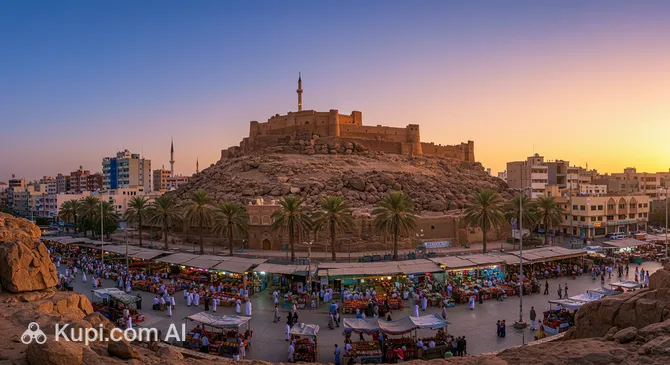
Hail. Source: Kupi.Binoculars

The region is steeped in stories of the past, most notably the legend of Hatim al-Tai, a pre-Islamic poet famous for his extreme generosity. To truly understand the depth of this heritage, exploring the history of Hail is essential. Visitors can discover ancient forts and traditional mud-brick architecture that stand as testaments to the city's enduring significance over the centuries.

Travelers are drawn to Hail for its remarkable attractions. The Qishlah Fortress, a massive mud-brick castle in the city center, is a must-see architectural marvel. Nature enthusiasts will appreciate the proximity to the UNESCO World Heritage rock art sites at Jubbah, which showcase thousands of years of human history carved into stone. Additionally, the city is famous for hosting the annual Hail International Rally, attracting motorsport fans from around the globe.

Whether you are interested in exploring ancient petroglyphs, hiking through rugged mountain terrain, or simply experiencing the warmth of authentic Arabian hospitality, Hail promises an unforgettable journey. It is a destination where history and nature converge beautifully, inviting you to discover its many secrets.
Weather Overview

The climate in Hail is typical of the Arabian desert, featuring distinct seasonal shifts that travelers should consider when planning their itinerary. To help you pack appropriately for your trip, it is helpful to review the detailed weather in Hail before departure.

Summers, spanning from June to September, are hot and arid. July is generally the hottest month, with average temperatures around 32.9°C and daily highs often reaching 40.0°C. During this period, the skies remain clear with zero precipitation. In contrast, winters are significantly cooler. January sees average temperatures drop to 11.5°C, with nighttime lows dipping as far as 5.5°C, making warm clothing necessary for evenings.

While rain is rare, it is most likely to occur during the transitional months rather than the peak of winter. November records the highest frequency of precipitation with about 5 wet days, followed by April with 4 wet days. Overall, expect hot summers with dry conditions and cool winters with occasional light showers.

Interesting Facts

Beyond its well-known landmarks, Hail holds many fascinating secrets and legends that enrich its cultural tapestry. Digging deeper reveals stories of tragic romance, ancient signals, and enduring traditions that define the local identity.
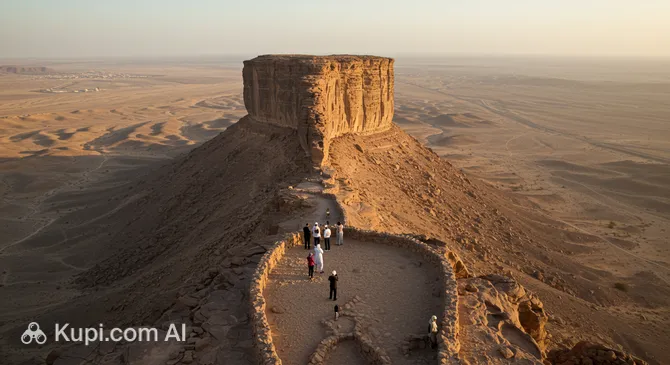
A'arif Fort. Source: Kupi.Binoculars
  • The city's geography is steeped in a legendary love story. Local folklore recounts that the twin mountain ranges surrounding the city, Aja and Salma, were named after two lovers from different tribes who fled together; their tragic tale is immortalized in the names of these majestic peaks.

  • The prominent Al Samra Mountain is famous for more than just its views. It is said that the renowned poet Hatim Al Tai used to light large fires on its summit to guide lost caravans and travelers across the dark desert to his home, establishing the region's reputation for unmatched hospitality.

  • Perched on a hill overlooking the city, A'arif Fort plays a special role during the holy month of Ramadan. A traditional cannon located at the fort is fired at sunset to signal the end of the daily fast, a beloved practice that connects the present community with its historical roots.

  • Hail is often referred to as the "Key to the Desert" because of its historical significance as a major transit point. It was once the primary meeting place for pilgrim caravans from Iraq and the Levant heading towards Mecca, making it a melting pot of diverse cultures and trade for centuries.

How to Get There

Planning a trip to this historic city is the first step toward an unforgettable adventure in the heart of the Arabian Peninsula. Whether you are arriving from within the Kingdom or from abroad, you can find more about how to get to Hail and choose the option that best suits your itinerary. The city is well-connected, serving as a major gateway to the northern regions of Saudi Arabia.

The most convenient and common way to reach the city is by flying directly into Hail Airport (IATA: HAS). Located just 8.8 km from the city center, this airport is the primary hub for the region, handling a significant volume of passengers annually. It offers frequent domestic flights and connections to major international hubs. A taxi ride from Hail Airport to the downtown area is quick and typically takes about 30 minutes, making it an effortless start to your visit.

If direct flights are unavailable, you might consider arriving at Prince Nayef bin Abdulaziz Regional Airport (IATA: ELQ), situated in the city of Buraydah. This airport is approximately 244 km southeast of Hail. While it requires a longer transfer, the drive is straightforward via well-maintained highways. Travelers landing at Prince Nayef bin Abdulaziz Regional Airport can expect a journey of around 2.5 to 3 hours by taxi or rental car to reach Hail.

For clarity, here is a summary of the main airports serving the region:

Airport Name City Passenger Traffic Km from City
Hail Airport Hail High 8.8
Prince Nayef bin Abdulaziz Regional Airport Buraydah Medium 244.0
Jouf Airport Sakaka Small 297.7

Beyond air travel, Hail is an important node on Saudi Arabia's modern road network. The city is accessible via high-quality expressways connecting it to Riyadh, Medina, and Jouf, making it a popular stop for road trippers exploring the Kingdom. Visitors can also check for intercity bus services, which offer a budget-friendly alternative for reaching the city from other major urban centers.

Main Attractions

Hail is a city where history and nature intertwine, offering visitors a chance to explore ancient fortifications, rugged landscapes, and modern leisure spots. The city's attractions reflect its status as a crossroads of cultures and a guardian of traditional Arabian heritage. Here are some of the top places to visit during your stay.

One of the most prominent landmarks is A'arif Fort, perched strategically on a hill overlooking the city. Dating back to the 17th century, this mud-brick fortification is not only a historical site but also the best vantage point for panoramic views of Hail. Historically used for military observation and sighting the Ramadan moon, the fort now welcomes tourists to explore its watchtowers and learn about the region's defensive past.

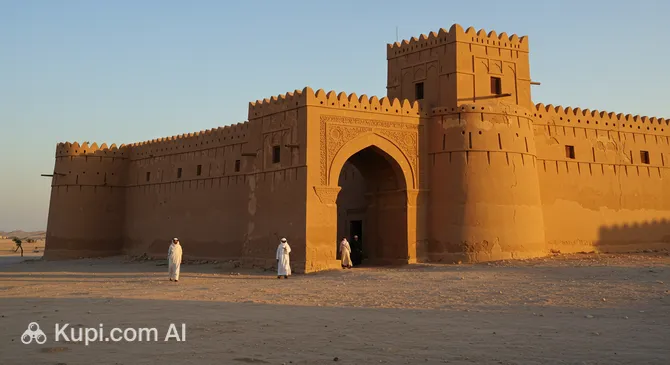
A short distance away in the city center stands the impressive Qishlah Palace. Built in the 1940s, this massive rectangular fortress was originally constructed as a military barracks and is a prime example of the region's traditional mud-brick architecture. Visitors can walk through its grand courtyard and admire the eight watchtowers that guard the structure, offering a glimpse into the architectural ingenuity of the era.

Qishlah Palace. Source: Kupi.Binoculars

For those seeking natural beauty and outdoor recreation, Al Samra Mountain is a favorite destination. Legend holds that the famous poet Hatim Al Tai lit fires on this peak to guide travelers, and today, it remains a beacon of hospitality. The area features a beautiful park and a lake, making it a perfect spot for evening strolls where you can enjoy the cool breeze and see the city lights shimmering below.

Al Samra Mountain. Source: Kupi.Binoculars

Families looking for entertainment should consider a visit to La Vera Amusement Park and Events Hall. This lively venue offers a variety of rides and activities suitable for all ages, providing a fun contrast to the historical sightseeing. It is a great place to relax, enjoy local snacks, and experience the modern vibrancy of the city.

If you are interested in agritourism and a peaceful retreat, the Bee and Palm Resort offers a unique glimpse into local farm life. This attraction allows visitors to connect with nature, learn about date palm cultivation, and enjoy the serene environment of a traditional Saudi farm, making it a refreshing stop on your itinerary.

Local Cuisine

Cuisine:

The culinary traditions of Hail are deeply rooted in the region's history of generosity. As the land of Hatim Al Tai, the city prides itself on offering warm hospitality to every visitor. The local cuisine is hearty and flavorful, utilizing ingredients like wheat, dates, and lamb to create dishes that are perfect for the desert climate.

A signature dish you must try is Kebeiba Hail. This local variation of stuffed grape leaves is distinct for its use of red peppers and aromatic spices, often simmered with meat to create a rich, savory taste. Other traditional favorites include Jareesh, a crushed wheat porridge, and Thareed, a dish of bread soaked in meat broth, both of which are staples at family gatherings.

No meal in Hail is complete without dates and Arabic coffee, or Gahwa. The region is known for its high-quality date palms, and the ritual of serving coffee with fresh dates is a symbol of welcome that you will encounter throughout the city.

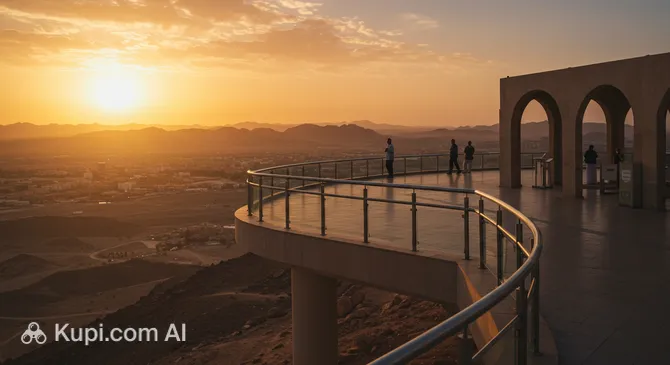
For a memorable dining experience, visit Hatem Al Tai Viewpoint. Situated on a high vantage point, this restaurant offers not only delicious local and international dishes but also stunning panoramic views of Hail, especially beautiful at sunset.

Hatem Al Tai Viewpoint. Source: Kupi.Binoculars

If you are looking for a convenient meal while exploring the city, Perfect for Fast Food is a popular spot to grab a quick bite. Whether you choose a traditional feast or a simple snack, the flavors of Hail are sure to leave a lasting impression.

Travel Tips

Planning a trip to Hail is the start of an exciting adventure into the heart of Arabian hospitality and history. To ensure your journey is smooth and respectful of local customs, here are some essential practical tips to help you prepare for your visit.

  1. Clothing and Gear: Given the desert climate, lightweight and breathable fabrics are essential for summer, while warm layers are necessary for cold winter nights. As in the rest of Saudi Arabia, modest dress is required; men should wear long trousers, and women should opt for loose-fitting clothes that cover the shoulders and knees, with an abaya being a respectful choice in public spaces.

  2. Transportation: Public transportation options like buses are limited within the city, so renting a car is highly recommended, especially if you plan to visit outlying attractions like the Jubbah rock art or the Aja mountains. Alternatively, ride-hailing apps such as Careem and Uber are reliable and widely used for getting around downtown Hail.

  3. Finances: The local currency is the Saudi Riyal (SAR). While credit cards and contactless payments are widely accepted in malls, hotels, and restaurants, it is wise to carry cash for traditional souqs and smaller shops. ATMs are plentiful, and tipping around 10-15% for good service is appreciated, though not strictly mandatory.

  4. Health and Safety: Hail is a very safe city for tourists, but it is always smart to stick to well-lit areas at night. Pharmacies are easy to find, with many major chains operating 24/7 to assist with minor health issues. Remember to stay hydrated and use high-SPF sun protection, as the desert sun can be intense even in cooler months.

  5. Communication: Arabic is the official language, and while staff in major hotels and tourist sites often speak English, it is less common in smaller markets or rural areas. Learning a few basic phrases like "Shukran" (Thank you) goes a long way. Buying a local SIM card from providers like STC or Mobily at the airport is recommended for reliable navigation and translation apps.

  6. Local Etiquette: Saudis are famous for their hospitality, so always accept offers of Arabic coffee (Gahwa) and dates with a smile. When greeting locals, a verbal "As-salamu alaykum" is polite; avoid shaking hands with the opposite sex unless they initiate it. Always use your right hand for eating and passing items.

  7. What to Avoid: Strictly avoid public displays of affection and photographing local residents, particularly women, without their explicit permission. Also, be mindful that alcohol is strictly prohibited throughout the country, and possession or consumption is a serious offense.

  8. Local Insight: Many shops and businesses in Hail close for a mid-day break (siesta) from around 1:00 PM to 4:00 PM and during prayer times. Plan your shopping and dining for the mornings or evenings, when the city comes alive and the weather is more pleasant.

By following these simple guidelines, you will be well-prepared to experience the warmth and beauty of Hail without any hassles. Embrace the local culture, enjoy the stunning landscapes, and get ready for a truly authentic Arabian journey.

Entertainment & Nightlife

Entertainment and nightlife in Hail offer a unique cultural experience that differs significantly from Western concepts. Instead of nightclubs and bars serving alcohol, which are prohibited throughout Saudi Arabia, the city's evening scene revolves around vibrant social gatherings in upscale cafes, shisha lounges, and bustling restaurants. As the desert heat subsides, the city comes alive with locals and visitors enjoying the cooler temperatures, making the night the prime time for socializing and exploration.

The atmosphere in Hail after dark is family-friendly yet lively. The streets and parks fill with people picnicking and enjoying conversation late into the night. One of the most popular areas for evening activity is around Al Samra Mountain. This area transforms into a beacon of light and activity, hosting numerous cafes and food trucks at its base and summit, offering breathtaking views of the glittering city below. It is the perfect spot to sip on traditional Arabic coffee or tea while soaking in the energetic vibe of the local crowd.

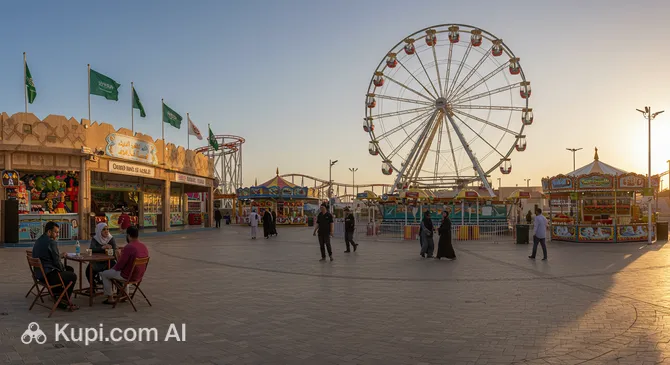
For those seeking fun and excitement, the La Vera Amusement Park and Events Hall is a fantastic destination. This venue is particularly bustling in the evenings, offering a mix of thrill rides, games, and light shows that attract families and groups of friends. It serves as a modern entertainment hub where you can enjoy the festive spirit that characterizes Hail's nights.

La Vera Amusement Park and Events Hall. Source: Kupi.Binoculars

Dining is a central pillar of nightlife here. Restaurants often stay open well past midnight, serving everything from traditional feasts to quick bites. If you are looking for a casual and convenient late-night meal, Perfect for Fast Food is a popular stop among locals. For a more scenic dining experience, the area around the Hatem Al Tai Viewpoint offers establishments where you can enjoy a delicious dinner with a panoramic backdrop of the city lights.

Practical advice for enjoying Hail at night includes dressing modestly, which is standard for public spaces. The best time to head out is after the Isha prayer (around 8:00 PM), and venues often remain busy until 1:00 AM or 2:00 AM. Prices are generally affordable, though upscale lounges may charge a premium. Getting around is easy; while walking is pleasant in busy districts like the city center, using ride-hailing apps like Uber or Careem is the most convenient and safe way to navigate between specific venues.

Safety is rarely a concern in Hail, as the city is known for its low crime rate and welcoming nature. Well-lit areas and public parks are perfectly safe for night walks. While the focus is often on the evening, daytime entertainment should not be overlooked. Visitors can spend their mornings exploring the city's rich heritage at local museums or visiting nearby historical sites before retreating for a mid-day rest, ready to embrace the vibrant nightlife once again after sunset.

Parks & Museums

While Hail is surrounded by the golden sands of the desert, the city itself creates a refreshing contrast with its lush green spaces and deep dedication to preserving history. Visitors will find a variety of parks that take advantage of the region's unique geography, alongside museums that safeguard the rich cultural narrative of the Arabian Peninsula.

For those seeking tranquility and natural beauty, Mashar Park is a standout destination. Nestled at the foot of the Aja Mountains, this park is famous for its scenic backdrop of rugged granite peaks and a picturesque artificial waterfall. It is a favorite spot for locals to enjoy picnics and evening strolls, offering a perfect blend of well-maintained gardens and wild mountain scenery.

Another popular green space is the area surrounding Al Samra Mountain. While the peak offers panoramic views, the park at its base features a serene lake and landscaped walkways. It is an excellent location for families, providing a cool retreat where the water reflects the city lights after sunset, creating a magical atmosphere.

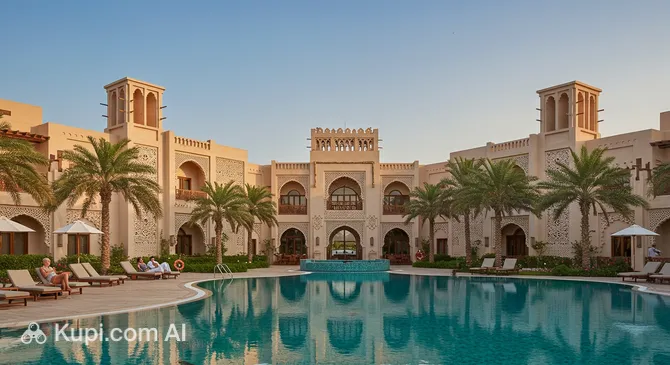
Bee and Palm Resort. Source: Kupi.Binoculars

For a more immersive nature experience, the Bee and Palm Resort offers a delightful escape into Hail's agricultural heritage. This agritourism destination allows visitors to walk among date palms and learn about traditional farming methods. It is an educational and relaxing environment where you can taste fresh local produce and appreciate the vital role of the date palm in Saudi culture.

When it comes to culture, the city takes pride in its museums. The Hail Regional Museum is a key institution, housing a comprehensive collection that spans from the Stone Age to the modern Saudi era. Exhibits include ancient rock art, traditional crafts, and artifacts that tell the story of the region's evolution as a major caravan hub.

Private museums also play a significant role in Hail's cultural landscape. The Al-Naif Palace Museum is a renowned private collection located in a historic mud-brick building. It features thousands of items, including vintage weapons, copperware, and agricultural tools, offering an intimate look into the daily lives of the region's ancestors.

The city's history is also etched into its architecture. The majestic Qishlah Palace serves as a monumental example of traditional mud-brick construction. Its high walls and eight watchtowers reflect the defensive architectural style of the 1940s, while its vast courtyard often hosts cultural festivals. Similarly, the historic A'arif Fort acts as an open-air museum, where visitors can explore the corridors and towers that once protected the city, providing insight into military ingenuity of the past.

Insider Tip: For a truly authentic experience, visit the parks in the late evening. In Hail, public spaces come alive at night when the weather cools down, and you will find families socializing, sharing tea, and enjoying the outdoors until well past midnight.

Getting Around

Navigating Hail requires a bit of planning, as the city does not currently possess an extensive public transport network like a metro or tram system. The primary mode of transportation for both locals and visitors is private vehicles. Consequently, the most convenient way to explore the city and its surrounding natural landmarks is by car, whether through rental services or taxis.

For tourists without a rental car, ride-hailing apps are the most reliable and efficient solution. Platforms such as Uber, Careem, and local alternatives like Kaiian operate widely throughout the city. These apps offer the advantage of fixed pricing, eliminating the need to haggle, and allow you to pay digitally using credit cards or mobile wallets. Traditional green taxis are also available on the streets; however, it is advisable to ensure the driver uses the meter or to agree on a fare before starting your journey if the meter is not operational.

Car rental is highly recommended for those who wish to explore at their own pace, especially if you plan to visit attractions located on the outskirts, such as the Aja Mountains or the Jubbah rock art sites. Rental agencies are plentiful at the airport and within the city center. Driving in Hail is generally straightforward due to wide roads and clear signage, though it is important to carry a valid international driving permit along with your national license.

Regarding bus services, the options within the city limits are quite limited for sightseeing purposes. While the Saudi Public Transport Company (SAPTCO) operates in the region, its primary focus is on intercity travel connecting Hail to other major hubs like Riyadh and Medina, rather than providing a dense network of intra-city routes. Therefore, tourists should not rely on buses for daily commuting between local attractions.

It is worth noting that Hail is a key stop on the modern North-South Railway (SAR). The city's train station is a state-of-the-art facility that connects passengers to the capital and the northern borders. While this is an intercity service rather than local transport, the station serves as a major entry point. Upon arrival by train, travelers can easily find car rental desks and taxi stands to continue their journey into the city center.

In terms of payment, cash is still widely used for traditional taxis and smaller transactions, so keeping some small denomination bills is practical. However, for ride-hailing apps and car rentals, electronic payments are the norm. There are no specific "city transport passes" or travel cards for tourists, as the system relies on pay-per-ride or daily rental models.

Accommodation

Accommodation in Hail caters to a variety of preferences, ranging from budget-friendly options to comfortable mid-range stays. While the city may not have an extensive collection of ultra-luxury international resorts compared to the capital, it offers a solid selection of modern hotels and highly popular furnished apartments. These serviced apartments, often referred to locally as "aparthotels," are a dominant form of accommodation in the region, providing travelers with spacious living areas and kitchenettes that are perfect for families or longer visits.

When choosing where to stay, location is key. Visitors interested in history and culture often prefer the city center, which provides easy access to major landmarks like the souqs and historical fortifications. Alternatively, the areas near the ring roads and the University of Hail district offer newer, more modern hotel facilities with ample parking. For those seeking a scenic backdrop, looking for accommodation on the western side of the city near the Aja Mountains can provide beautiful views of the granite peaks, especially at sunrise and sunset.

Prices in Hail are generally affordable and offer good value for money. Budget travelers and backpackers can find economical furnished suites, while mid-range hotels provide amenities such as on-site dining, gyms, and Wi-Fi. It is standard practice to book accommodations online through major travel platforms, which ensures a smooth check-in process. However, for some smaller local furnished apartments, direct booking or walk-ins are still common, though less recommended for international tourists who may face language barriers.

Booking Tip: Hail hosts several major events throughout the year, most notably the Hail International Rally. During this season, the city experiences a surge in visitors, and hotels can fill up quickly. If your travel dates coincide with the rally or national holidays, it is highly advisable to book your accommodation well in advance to secure your preferred location and rate.

Nearby Cities

For those looking to explore the surroundings, Hail serves as an excellent base for day trips to several interesting nearby locations:

Just a few hours' drive to the southeast lies Buraydah, the capital of the Al Qassim region. This city is globally renowned for its massive date market, which becomes a hive of activity during the annual harvest season. Visitors can explore the King Khalid Cultural Center and experience the region's rich agricultural heritage, making it a perfect spot for food enthusiasts and culture seekers.

Located near Buraydah, Unayzah is another gem in the Qassim region, often celebrated for its well-preserved heritage and cultural tourism. The city is home to the Musokaf Market, a traditional souq built in the authentic Najdi architectural style, where artisans sell local crafts. It offers a charming atmosphere for a leisurely day of shopping and sightseeing.

To the north of Hail, Sakaka offers a journey into ancient history. As the capital of the Al Jouf region, it boasts significant archaeological sites such as the hilltop Za'bal Castle and the mysterious Rajajil Columns, which date back thousands of years. While the drive is slightly longer, the chance to see these unique historical landmarks makes it a rewarding excursion.

City Population Distance (km)
Medina 1,180,770 398
Hafar al-Batin 600,000 428
Buraydah 467,410 258
Sakaka 400,000 309
Unayzah 163,729 275

These nearby destinations offer a glimpse into the diverse culture and landscapes of the region.

Shopping & Souvenirs

Shopping in Hail is a vibrant experience that bridges the gap between ancient traditions and modern convenience. The city’s markets reflect its historical role as a trade hub, offering visitors a chance to explore rich local heritage while browsing for unique goods. Whether you are looking for authentic handicrafts or contemporary fashion, the city provides diverse options to suit every taste.

For a taste of the traditional, the Barzan Souq is the cultural heart of the city's commerce. Here, wandering through the alleyways reveals a treasure trove of goods, including aromatic spices, traditional incense (oud), and authentic Arabian clothing. It is an excellent spot to observe daily life, interact with friendly local vendors, and practice your bargaining skills in a lively atmosphere.

Travelers looking for authentic souvenirs should look for Sadu items. This traditional Bedouin weaving technique, recognized by UNESCO, produces colorful textiles used for carpets, cushions, and camel bags. Given the region's agricultural fame, the local Date Market is another essential stop, offering high-quality dates that are a staple of Saudi hospitality. Copper coffee pots, known as Dallahs, are also widely available and serve as a perfect memento of the city's welcoming spirit.

Those seeking a modern retail environment will find several well-equipped shopping centers, such as Grand Mall and Garden Mall. These complexes feature a variety of international and local brands, along with food courts and family entertainment areas. They provide a comfortable, air-conditioned retreat from the desert heat and are popular destinations for families, especially in the evenings.

When planning your shopping trips, keep in mind that many traditional shops in the souqs close for a mid-day break, typically from 1:00 PM to 4:00 PM. The markets come alive again in the late afternoon and remain bustling well into the night, offering the best experience for visitors who want to soak up the local vibe.

Nearby cities

Reached the end of the page?

That means the route is fully explored