Support

Rafha

About

Rafha is a welcoming city situated in the Northern Borders Region of Saudi Arabia. Known for its strategic location near the international border, it offers a glimpse into the unique culture of the northern part of the Kingdom. The city has grown significantly over the years, now home to a vibrant community of over 80,000 people who maintain a blend of traditional hospitality and modern living.

Rafha. Source: Kupi.Binoculars

Much of the city's growth can be traced back to the mid-20th century. Exploring the history of Rafha reveals its origins as a pumping station on the famous Trans-Arabian Pipeline (Tapline), which transformed the area into a bustling settlement. Today, visitors can appreciate this heritage while exploring nearby attractions such as the historical village of Lina, which features ancient ruins and traditional architecture, or enjoying the serene desert landscapes that bloom beautifully during the spring season.

Whether you are passing through on a cross-country journey or looking to explore the less-traveled paths of the north, Rafha provides a peaceful and interesting stop. The local markets and well-maintained public parks offer a relaxing atmosphere, making it a pleasant destination for those seeking to discover the diverse facets of the region.

Weather Overview

The climate in Rafha is characterized by distinct seasonal changes, shifting from scorching heat to crisp, cool air. Visitors will generally experience a desert environment where the sun dominates the sky for most of the year, making it essential to pack accordingly depending on when you plan to arrive.

Summers are intense, particularly from June through August, when average daytime temperatures frequently climb above 40°C, peaking around 43°C in July. This period is exceptionally dry, with virtually no rainfall. In contrast, the winter months of December, January, and February offer a stark difference; days are mild with highs near 17°C to 20°C, while nights can become quite cold, with temperatures dropping as low as 6°C.

Rainfall is sparse throughout the year, though the winter and transition months do see occasional wet days. To help plan your activities around these conditions, you can consult the detailed forecast for the weather in Rafha. Generally, you can expect very hot summers and cool winters with only rare, light showers.

Interesting Facts

Beyond the main attractions, Rafha holds many fascinating secrets that range from ancient urban legends to significant milestones in modern industrial history. The city is not just a stopover; it is a place where the stories of queens, engineers, and mythical figures intertwine with the desert landscape.

  • The Legend of the Name: Unlike many cities named after geographical features, local tradition suggests that Rafha owes its name to a woman. It is believed that the city was named after a local woman named Rafha who lived near a prominent hill in the area. A well dug in the vicinity became known as "Bir Rafha" (Rafha's Well), and eventually, the entire settlement adopted her name, immortalizing her legacy in the region.

  • Born from a Pipeline: Rafha is a relatively young city that owes its very existence to the "Black Gold" era. It was established in the mid-20th century specifically as a pumping station for the Trans-Arabian Pipeline (Tapline), which carried oil from the Eastern Province to the Mediterranean. Before this massive engineering project, the specific site of the modern city was uninhabited desert, making Rafha a true "pipeline city."

  • Solomon’s Wells: Just a short drive south of Rafha lies the village of Lina, home to a captivating legend. The village contains hundreds of ancient wells cut deep into the solid limestone rock. Local folklore claims these were not dug by human hands but by Jinn (spirits) under the command of King Solomon (Prophet Sulaiman) to quench the thirst of his army as they passed through the barren desert.

  • The Queen’s Road: Long before the pipeline, this region was a vital part of the Darb Zubaydah, the famous pilgrimage route linking Iraq to Makkah. It was named after Queen Zubaydah, the wife of Caliph Harun al-Rashid, who commissioned the construction of pools and rest stations along the way. Remnants of these engineering marvels, designed to catch and store rainwater for pilgrims, can still be found in the desert surrounding the city.

  • The Eye of the Wolves: Nature lovers near Rafha often visit a site known as Ayn Al-Dhi'bah, or "The Eye of the Wolves." Located near Lina, this area features a unique rocky elevation with small caves and cavities. It earned its name because it was historically known as a shelter and vantage point for Arabian wolves, adding a touch of wild mystery to the local geography.

How to Get There

Reaching Rafha involves traveling through the vast landscapes of the Northern Borders Region. While the city is remote, it is accessible via regional transport hubs. For a detailed overview of all travel options, routes, and tips, you can read more about how to get to Rafha on our dedicated page.

Since Rafha does not have a major international airport listed in the immediate vicinity, travelers often fly into nearby regional hubs. One of the primary options is Arar Airport (IATA: RAE), located in the city of Arar. It serves as a significant gateway for the region and handles a moderate volume of passenger traffic. The airport is situated approximately 269 km from Rafha. The transfer by car or taxi typically takes about 3 hours, allowing you to enjoy the desert scenery along the route.

Another accessible entry point is Qaisumah Airport (IATA: AQI), located in the city of Qaisumah. This airport is about 291 km away from Rafha. It is a well-utilized facility in the Eastern Province, connecting various parts of the Kingdom. Travelers choosing this route should expect a ground journey of approximately 3 to 3.5 hours to reach Rafha city center.

For clarity, here is a summary of the main airports in the wider region:

Airport Name City Passenger Traffic Km from City
Al-Najaf International Airport Najaf Large 275.2
Qaisumah Airport Qaisumah Medium 291.5
Arar Airport Arar Medium 269.4
Nasiriyah Airport Nasiriyah 295.8

Main Attractions

Rafha serves as a gateway to some of the most intriguing historical and natural sites in the Northern Borders Region. While the city itself is a modern settlement born from the oil boom, its surroundings are rich with ancient heritage, offering visitors a unique blend of recent history and deep-rooted legends. From royal palaces to mythical wells, the attractions here tell the story of a crossroads that has welcomed travelers for centuries.

King Abdulaziz Palace in Lina
Located approximately 100 kilometers south of Rafha in the village of Lina, this historic palace is a must-visit for history enthusiasts. Built in the 1930s by order of the founding King, the palace stands as a testament to the unification era of Saudi Arabia. Covering over 4,000 square meters, it was constructed using traditional mud and stone, featuring four circular watchtowers and a grand wooden gate. Visitors can explore the rooms that once served as the seat of the local emirate and admire the classic Najdi architecture preserved in the heart of the desert.

Solomon’s Wells
Also situated in the historic village of Lina, these ancient wells are shrouded in fascinating folklore. Legend has it that these wells were carved into the solid limestone rock by Jinn under the command of Prophet Solomon (Sulaiman) to provide water for his army. Originally numbering around 300, many of these wells still exist today. Their rugged, hand-hewn appearance and the sheer number of them clustered together create a captivating sight, offering a tangible connection to the myths of the region.

Darb Zubaydah
The region around Rafha is crossed by the famous Darb Zubaydah, the historic pilgrimage route that once connected Kufa in Iraq to Makkah. Named after Queen Zubaydah, the wife of Caliph Harun al-Rashid, the trail is dotted with the remains of ancient rest stations and water cisterns. One of the most prominent sites nearby is Birkat Al-Jumaymah, a well-preserved circular pool designed to catch rainwater for thirsty pilgrims. Exploring these ruins allows tourists to walk in the footsteps of travelers from the Abbasid era.

Al-Mujahidin Park
For those looking to relax within the city limits, Al-Mujahidin Park offers a refreshing green escape. It is one of the most popular outdoor spaces in Rafha, featuring well-maintained walking paths, playgrounds for children, and shaded picnic areas. It serves as a social hub where families gather to enjoy the pleasant evening weather, making it a perfect spot to experience the local pace of life and unwind after a day of desert exploration.

Local Cuisine

The local cuisine in Rafha is a true reflection of the generous hospitality found in the Northern Borders Region. The food here is hearty, flavorful, and deeply rooted in Bedouin traditions, designed to sustain travelers and locals alike in the desert environment. Rice and high-quality meat, particularly lamb, form the foundation of the culinary scene, often served on large communal platters that symbolize welcome and community.

One of the signature dishes you must try when visiting the north is Al-Mlehiya. This regional specialty is somewhat similar to the famous Mansaf but has its own distinct character. It typically consists of rice and meat served with a rich, tangy sauce made from dried yogurt (jameed) or milk, often garnished with nuts and parsley. Another staple is Kabsa, the national dish of Saudi Arabia, which features spiced rice cooked with chicken or lamb. In Rafha, you might also encounter Marqouq, a comforting stew made with vegetables, meat, and discs of dough that soak up the savory broth.

When it comes to drinks, the culture is strictly non-alcoholic, with a strong focus on warm beverages that facilitate conversation. The meal almost always begins or ends with Arabic coffee (Gahwa), lightly roasted and spiced with cardamom and saffron. It is traditionally served in small cups alongside premium local dates. Sweet tea with mint or aromatic herbs is also very popular, especially during the cooler evenings.

The dining scene in Rafha offers a mix of traditional and modern experiences. Visitors will find numerous local restaurants where they can enjoy meals in the traditional style, seated on carpeted floors in private sections, which adds an authentic touch to the dining experience. Additionally, because Rafha is famous for its beautiful spring landscapes, the "Kashta" culture is vibrant here; locals frequently head into the desert to cook fresh meals over an open fire, turning a simple dinner into a festive outdoor event.

Travel Tips

Visiting Rafha offers a unique opportunity to experience the authentic hospitality of Saudi Arabia's Northern Borders, but a smooth trip requires a bit of preparation for the desert environment and local customs. These practical tips are designed to help you navigate the city with ease, ensuring your journey is as comfortable as it is memorable.

  1. Clothing and Gear: Since the weather fluctuates significantly, your packing list should depend on the season. For summer visits, bring lightweight, breathable fabrics to handle temperatures exceeding 40°C, along with a good hat and sunglasses. If you are traveling in winter, however, you will need warm layers and a jacket, as nights can drop to around 6°C. Regardless of the season, modest dress is essential; men should wear long trousers, and women should opt for loose-fitting clothing that covers the shoulders and knees to respect local norms.

  2. Transportation: Public transport options like buses or metros are not available within the city. The most practical way to explore Rafha and its surrounding attractions, such as the village of Lina, is by renting a car. This gives you the freedom to travel the long distances typical of the region. Ride-hailing apps may be available but can be less reliable than in major cities like Riyadh, so having your own vehicle is highly recommended.

  3. Finances: The local currency is the Saudi Riyal (SAR). While supermarkets and hotels in Rafha generally accept international credit cards, smaller shops, traditional markets, and gas stations in remote areas often prefer cash. ATMs are widely available throughout the city. Tipping is not mandatory but is appreciated for good service in restaurants; leaving around 10-15% is a standard gesture.

  4. Health and Safety: Rafha is a safe city for tourists, but the desert environment poses its own risks. Always carry plenty of water to prevent dehydration, especially if you venture out to see the landscapes. Pharmacies are easy to find in the city center, and many stay open late. If you plan to go off-road or camping, never go alone; always travel in a convoy and inform someone of your route.

  5. Communication: Arabic is the primary language spoken in Rafha. While hotel staff and younger locals may speak some English, it is not as widely spoken as in the major tourist hubs. It is very helpful to learn a few basic phrases like "Shukran" (Thank you) or have a translation app ready on your phone. You can easily purchase a local SIM card (STC, Mobily, or Zain) at the airport or local mobile shops to stay connected.

  6. Local Etiquette: Hospitality is central to life in the north. If you are invited for coffee (Gahwa) and dates, accept the offer as it is a sign of respect and friendship. When greeting locals, a handshake is common between men, but men should generally avoid initiating handshakes with women unless they offer their hand first. Always use your right hand for eating and passing items.

  7. What to Avoid: Be mindful of privacy when taking photos. Strictly avoid taking pictures of local people, especially women, without their explicit permission. It is also important to refrain from public displays of affection, as this is considered culturally inappropriate. During the holy month of Ramadan, avoid eating, drinking, or smoking in public during daylight hours.

  8. Desert Camping Tip: If you are visiting during the spring, join the locals in the tradition of "Kashta" (desert camping). The desert around Rafha transforms with greenery and wildflowers, making it a prime spot for picnics. However, always respect nature by cleaning up your campsite thoroughly before you leave to preserve the pristine beauty of the dunes.

By keeping these practicalities in mind, you will be well-equipped to enjoy the serene landscapes and warm community spirit of Rafha. Embrace the slower pace of life in the north, and you are sure to have a rewarding and enriching travel experience.

Entertainment & Nightlife

Nightlife in Rafha offers a distinct cultural experience that differs significantly from Western concepts of evening entertainment. In this conservative yet hospitable city, "nightlife" does not involve nightclubs or bars serving alcohol. Instead, the social scene revolves around vibrant coffee culture, late-night dining, and family gatherings in public spaces. As the sun sets and the desert heat dissipates, the city comes alive with locals heading out to socialize, shop, and relax under the stars.

The atmosphere is relaxed and community-focused. The peak hours for evening activities typically begin after the Isha prayer (around 8:00 PM) and can extend well past midnight, especially on weekends and during the summer months. The dress code is modest and traditional; men usually wear thobes, while women wear abayas. Visitors are expected to dress modestly as well to respect local customs. You will find that the crowd is a mix of families enjoying picnics in parks and groups of friends gathering in cafes to watch football matches or chat over cups of specialized coffee.

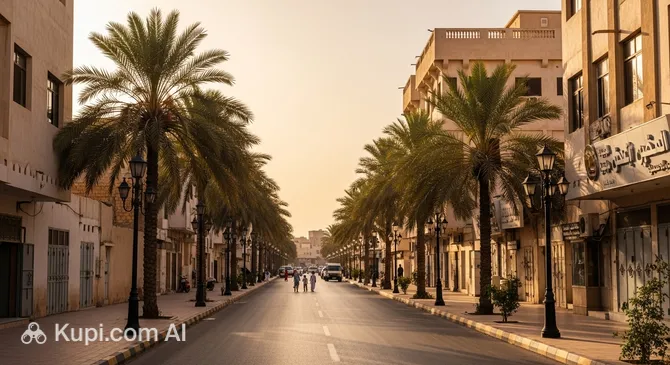
The heart of the city's evening activity is often found along the main thoroughfares, such as King Abdulaziz Road. This bustling strip is lined with numerous restaurants, local eateries, and an increasing number of modern cafes. It is the perfect place to experience the local "cruising" culture, where young locals drive their cars slowly to see and be seen, or to stop for a quick drive-through beverage.

For a structured evening out, Rafha Mall is a primary destination. As one of the main commercial hubs in the city, it offers a safe and air-conditioned environment where you can shop, dine at the food court, or simply walk around. It serves as a modern meeting point for the youth and families alike. Another key venue for evening relaxation is the Garden of the Northern Borders University or the previously mentioned Al-Mujahidin Park. In the evenings, these green spaces transform into lively social venues where families spread out rugs on the grass, share food, and children play until late hours.

The "bar" scene in Rafha is entirely non-alcoholic and focuses on high-quality beverages. The city has seen a surge in specialty coffee shops and lounges that offer a sophisticated ambiance similar to upscale cafes in major cities. These venues often feature stylish interiors, comfortable seating, and a menu of gourmet coffees, mocktails, and desserts. They are the de facto social clubs of the city, providing a space for conversation and relaxation.

Practical Advice for the Night:
Best Time: The city is most active between 9:00 PM and 1:00 AM.
Prices: Entertainment is generally affordable. A premium coffee might cost around 15-20 SAR, while a dinner at a nice restaurant can range from 30 to 70 SAR per person.
Getting Around: Public transport is virtually non-existent at night. It is essential to have a rental car or use a ride-hailing app. Taxis are available but can be harder to flag down on the street.

Safety in Rafha is excellent. The city is very safe for night walks, even late into the evening. Violent crime is extremely rare, and the streets are well-lit and populated. However, as with any travel destination, it is wise to stay in well-trafficked areas and keep valuables secure.

While the focus here is on the evening, daytime entertainment in Rafha is generally quieter due to the heat. During the day, visitors might explore local markets or visit small private museums if available, though these often have irregular hours. Most locals prefer to stay indoors until the late afternoon, making the night the true prime time for experiencing the city's energy.
Parks & Museums

Rafha offers a delightful mix of modern recreational spaces and deep-rooted cultural heritage, providing visitors with both relaxation and a journey through time. While the city is known for its desert surroundings, it surprises travelers with well-maintained green parks and historical sites that serve as open-air museums, reflecting the region's unique identity as a crossroads of trade and pilgrimage.

Tapline Park
One of the city's newest and most significant recreational landmarks is Tapline Park. Named after the historic Trans-Arabian Pipeline that gave birth to the city, this expansive park covers over 200,000 square meters. It is a favorite destination for families and fitness enthusiasts, featuring dedicated tracks for walking and cycling, vibrant children's playgrounds, and lush green lawns perfect for picnics. The park also hosts various food trucks and seasonal events, making it a lively hub where you can experience the modern social life of Rafha's residents.

Lavender Fields of Northern Borders
For a truly unique natural experience, visitors arriving in late winter or early spring should explore the wild "gardens" south of the city, particularly around the Hadaq Al-Jendah area. During the rainy season, the desert floor transforms into a breathtaking carpet of purple lavender and wildflowers. While not a manicured city park, this natural phenomenon attracts nature lovers from across the Kingdom who come to enjoy the aromatic air and the stunning contrast between the colorful blooms and the golden sands.

Lina Heritage Village
Although Rafha is still developing its formal museum scene, the nearby village of Lina serves as a magnificent living museum. Located about 100 kilometers south of the city, it offers an immersive look into the past. The village is dominated by the King Abdulaziz Palace, a fortress built in the 1930s using traditional mud and stone construction. Walking through its ancient gates and exploring the preserved watchtowers allows tourists to visualize the history of the Saudi state's unification and the administrative life of the early 20th century.

Old Rafha Market (Souq)
For a glimpse into the commercial history of the region, the Old Rafha Market acts as a bustling cultural gallery. Unlike modern malls, this market retains the traditional layout and atmosphere of decades past. Visitors can wander through rows of small shops selling local handicrafts, Bedouin supplies, and spices. It is an excellent place to observe the enduring customs of the Northern Borders, engage with local shopkeepers, and find authentic souvenirs that reflect the area's heritage.

Insider Tip: If you are interested in industrial history, keep an eye out for the remnants of the original Tapline infrastructure scattered around the city's outskirts. While not a formal museum, these rusted pipes and old station buildings tell the silent story of the oil boom that transformed this entire region from barren desert into thriving cities.

Getting Around

Navigating Rafha is a straightforward experience, though it differs significantly from the transport systems found in major metropolitan hubs. As a smaller city in the Northern Borders Region, Rafha does not have a metro, tram, or a comprehensive intra-city public bus network. The city's infrastructure is designed primarily for private vehicles, meaning that visitors will not find scheduled public transit routes for sightseeing within the city limits.

For tourists who do not drive, taxis are the most viable form of public transport. You can typically find local taxis stationed near key landmarks such as the main markets, hospitals, or larger shopping centers. These vehicles are often white or green. It is important to note that while some taxis are equipped with meters, they are not always used for short local trips. Therefore, it is standard practice to negotiate the fare with the driver before getting into the car to avoid any misunderstandings upon arrival.

Ride-hailing apps offer a modern and often more convenient alternative to traditional taxis. Services like Careem and Uber operate in Saudi Arabia and can be used in Rafha, though the fleet of available cars may be smaller than in capital cities. Using these apps is highly recommended for international visitors because they bridge the language gap, provide a pre-calculated fixed price, and allow for digital payment, removing the need to carry cash for every trip.

Regarding the payment system, there are no complex travel passes, magnetic cards, or ticket validation machines to worry about, simply because there is no mass transit system requiring them. For ride-hailing apps, payments are handled automatically via your linked credit or debit card. For traditional street taxis, cash is king. You should always carry small denominations of Saudi Riyals (SAR), such as 5, 10, and 50 notes, as drivers often do not have change for larger bills.

The most popular alternative for getting around is renting a car. This is widely considered the best way to explore Rafha, especially if you plan to visit outlying attractions like the historical village of Lina or the desert camping spots. Car rental agencies are available in the city, and fuel is affordable. Bicycle rentals and car-sharing schemes are not currently established features of the city's transport landscape, and walking is generally reserved for evening strolls in parks due to the daytime heat.

While there is no local bus service for getting around town, the SAPTCO (Saudi Public Transport Company) station connects Rafha to other major cities in the Kingdom. These intercity buses are modern, air-conditioned, and reliable, serving as a good option for arriving in or departing from the city. Tickets for these long-distance journeys can be purchased at the station or via the official SAPTCO mobile app, but remember that these buses do not make local stops for city tourism.

Accommodation

Where to Stay:

Accommodation in Rafha is designed primarily to cater to travelers passing through the Northern Borders and those visiting for business or family reasons. The city does not typically feature high-end luxury resorts or international 5-star chains. Instead, visitors will find a reliable selection of mid-range hotels and furnished apartments (known locally as Shqq Mafroosha). These serviced apartments are particularly popular in the region, often offering spacious living areas and kitchenettes, making them an excellent choice for families or travelers who appreciate a bit more room than a standard hotel room provides.

In terms of location, the most convenient area to stay is along King Abdulaziz Road and near the international highway (Route 85) that cuts through the city. Staying in this central zone places you within walking distance of essential services, supermarkets, and a variety of local restaurants. It also ensures easy access to the main road, which is ideal if you are planning an early departure for the next leg of your journey across the desert.

Booking Tip: While accommodation is generally available year-round without issue, the city can see an influx of visitors during the spring camping season and major Islamic holidays. During these times, when the surrounding desert blooms and the weather is mild, it is advisable to book your stay a few days in advance to secure the best quality rooms.

Prices in Rafha are generally budget-friendly to moderate compared to major Saudi cities like Riyadh or Jeddah. Most properties fall into an affordable price bracket, offering good value for money. While some of the larger hotels are listed on major international booking platforms, many local furnished apartments still operate on a direct booking basis or via local listings, so carrying some cash for payment upon arrival is often a good idea.

Nearby Cities

For those looking to explore the surroundings, Rafha serves as an excellent base for day trips to several interesting nearby locations. While the distances in the Northern Borders Region can be vast, the open roads make travel relatively straightforward, allowing visitors to discover distinct cultural and natural landmarks within a few hours' drive.

Hail
Located to the southwest, this city is one of the most culturally rich in the Kingdom. It is renowned for the stunning granite peaks of the Aja and Salma mountains, which offer dramatic scenery and excellent hiking opportunities. The city is also famous for its legendary hospitality, being the home of the historic figure Hatim al-Tai. History enthusiasts can visit the nearby UNESCO World Heritage site of Jubbah to see ancient rock art, making the journey well worth the effort.

Hafar al-Batin
To the east lies a bustling city often referred to as the "Capital of the Spring." It is a popular destination during the cooler months when the surrounding desert turns green, attracting campers and picnickers. The city is also known for its large traditional market, Souq Al-Maqasis, where visitors can find everything from livestock to local handicrafts, offering a lively atmosphere that contrasts with the quiet of the desert.

Sakaka
Heading west brings you to the administrative capital of the Al Jouf Region. This city is an oasis of history, famous for its vast olive groves and significant archaeological sites. Key attractions include the ancient Zaibal Castle, perched on a hilltop with panoramic views, and the mysterious Rajajil Columns, a set of standing stones that date back thousands of years and are often compared to Stonehenge.

City Population Distance (km)
Hafar al-Batin 600,000 275
Buraydah 467,410 365
Sakaka 400,000 322
Hail 385,257 293
Unayzah 163,729 395

These nearby destinations offer a glimpse into the diverse culture and landscapes of the region.

Shopping & Souvenirs

Shopping in Rafha offers a relaxed and authentic experience that reflects the city's identity as a quiet desert hub in the Northern Borders Region. While you will not find the massive luxury fashion avenues typical of Riyadh or Jeddah, the city provides a charming mix of modern conveniences and traditional Bedouin commerce. The retail scene here is practical and community-focused, ranging from small boutiques and modern plazas to bustling local markets where the heritage of the north is on full display.

Main Shopping Areas
The commercial heartbeat of the city is undoubtedly King Abdulaziz Road. This major thoroughfare cuts through the city and is lined with a wide variety of shops, ranging from electronics and mobile phone stores to clothing boutiques and perfumeries. It is the best place to go for a casual stroll in the evening, where you can browse local goods and find everyday necessities. The street is also home to numerous specialized shops selling camping and outdoor gear, catering to the strong local culture of desert excursions.

Shopping Malls
For a more modern, air-conditioned shopping experience, Rafha Mall is the primary destination. Though modest in size compared to mega-malls in larger cities, it serves as the main gathering point for families and shoppers looking for international and regional brands. Inside, you will find clothing stores, shoe shops, and cosmetic counters, along with a food court and family entertainment zones. It provides a comfortable environment to shop away from the afternoon heat.

Traditional Markets
To truly understand the local culture, a visit to the Old Rafha Market (Souq) is essential. This traditional market is less about high-end fashion and more about heritage and daily life. Here, you can wander through alleyways filled with the scent of spices and cardamom. It is an excellent place to find traditional Saudi garments, such as thobes and abayas, often at very reasonable prices. Additionally, the local fruit and vegetable market offers fresh seasonal produce, including high-quality dates brought in from nearby oases.

Souvenirs
When looking for gifts to take home, Rafha offers unique items deeply rooted in Bedouin tradition.
Sadu Weaving: The Northern Borders Region is famous for Sadu, a traditional form of weaving practiced by Bedouin women. You can find beautiful rugs, cushions, and camel decorations featuring distinct geometric patterns.
Camping Gear: Since "Kashta" (desert camping) is a way of life here, the local camping supply stores sell high-quality, durable equipment, including traditional heavy-duty teapots and portable stoves that make for interesting and practical souvenirs.
Dates and Spices: A box of premium local dates or a bag of "Gahwa" (Arabic coffee) blend mixed with saffron and cardamom makes for a delicious and authentic gift.

Opening Hours and Payment
Shopping hours in Rafha generally follow the traditional split shift. Stores typically open from 9:00 AM to 12:00 PM, close for the afternoon rest, and reopen around 4:00 PM, staying active until 11:00 PM or midnight. It is important to remember that all shops close briefly for prayer times (Salah). Regarding payment, major supermarkets and malls readily accept credit and debit cards. However, in the traditional souqs and smaller independent shops, cash is still the preferred method of payment, so it is wise to carry Saudi Riyals (SAR) with you.

Tax-Free Shopping
Saudi Arabia applies a 15% Value Added Tax (VAT) on goods and services. While a Tax-Free system exists for tourists in the Kingdom, allowing for VAT refunds on purchases made at participating retailers, it is less commonly found in smaller cities like Rafha. Visitors should look for "Tax Free" signage in store windows, primarily within the main mall, but should not expect it to be widely available in local markets.

Reached the end of the page?

That means the route is fully explored