Support

Arar

About

Welcome to Arar, the administrative capital of the Northern Borders Province in Saudi Arabia. Situated in the far north of the Kingdom, this city serves as a vital gateway and a strategic hub connecting the country with its northern neighbors. Known for its warm hospitality and unique desert charm, Arar offers travelers a glimpse into a region defined by vast landscapes and a tranquil atmosphere.
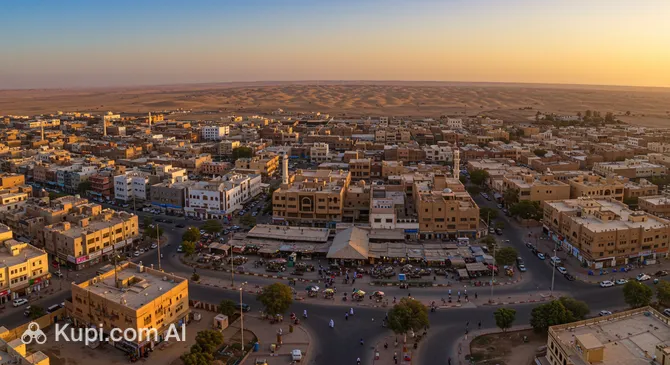
Arar. Source: Kupi.Binoculars

Geographically, Arar is located on a large limestone plateau, characterized by a desert climate that brings hot summers and cool winters. Despite its arid surroundings, the region is famous for its fertile pastures that come alive during the spring, attracting herders with their camels and sheep. The city itself was established relatively recently, originating in 1951 with the construction of the Trans-Arabian Pipeline. This development is a pivotal chapter in the history of Arar, transforming it from a traditional Bedouin gathering point into a modern urban center.

Visitors to Arar can explore local landmarks such as the Great Mosque of Arar, which stands as a prominent architectural feature of the city. The area is also known for its traditional markets where you can find local handicrafts and experience the authentic culture of the northern tribes. For nature lovers, the surrounding desert offers opportunities for camping and observing the starry night skies away from city lights.

Whether you are passing through on a pilgrimage route or looking to explore the less-traveled paths of the north, Arar provides a peaceful retreat and a chance to experience the genuine heritage of the region. It is an inviting destination for those seeking to understand the diverse tapestry of life in the Kingdom.
Weather Overview

Arar experiences a desert climate defined by distinct seasonal contrasts, offering travelers a wide range of conditions depending on the time of year. The summer months, particularly from June through August, bring intense heat with average temperatures peaking around 34°C and daily maximums frequently exceeding 41°C. Conversely, winters are cool and crisp, with January seeing average temperatures drop to approximately 10°C and nighttime lows occasionally reaching 4.5°C.

Precipitation is minimal year-round, maintaining the region's arid character. While most months see little to no rain, November is typically the dampest time, recording up to 4 wet days, though overall accumulation remains low. To plan your trip effectively, it is helpful to review the current weather in Arar, especially if you intend to explore the outdoors during the transitional spring or autumn months when temperatures are most moderate.

Interesting Facts

Beyond its main thoroughfares and administrative buildings, Arar holds several fascinating details that reveal the unique character of Saudi Arabia's northern frontier.

  • A City Born from a Pipeline: Unlike many ancient settlements in the region, Arar is a relatively modern creation founded in 1951. It was established specifically to house workers for the Trans-Arabian Pipeline (Tapline), evolving rapidly from a remote oil pumping station into a bustling provincial capital.

  • Named After Nature: The city takes its name from the Wadi Arar, a valley that runs through the area. The word "Arar" refers to the hardy juniper trees (Juniperus phoenicea) that are native to the wadi, symbolizing resilience in the harsh desert environment.

  • Winter Snowfalls: While the Kingdom is globally associated with scorching heat, Arar is one of the few places in Saudi Arabia where residents occasionally wake up to snow. During severe winter cold snaps, the desert landscape can turn white, offering a rare and striking contrast to the golden sands.

  • The Land of Truffles: The vast plains surrounding the city are a famous destination for hunting "faq'a" (desert truffles). Following the rainy season in spring, locals and visitors alike venture into the desert to forage for this prized, high-value fungus, which is a staple of local seasonal cuisine.

How to Get There

Reaching the Northern Borders Province is primarily done by air, with several options available depending on your itinerary. For a comprehensive guide on all travel methods, you can read more about how to get to Arar to help plan your journey.

The most convenient entry point is Arar Airport (RAE). Located approximately 9.6 km from the center, this domestic airport is situated just outside the city and serves as the main gateway for visitors. It handles a significant number of regional flights, making it a reliable option for reaching the destination directly. A taxi ride from the terminal to the city center is quick, typically taking about 10 to 15 minutes.

If flight options to Arar are limited, you might consider flying into Jouf Airport (AJF) in the city of Sakaka. This airport is busier and serves a larger region, but it is located approximately 160 km away from Arar. Travelers landing here will need to arrange ground transport, such as a rental car or taxi, with the drive taking roughly 2 to 2.5 hours. Another alternative is Turaif Airport (TUI) in Turayf, though it is a smaller facility and sits about 236 km from Arar, requiring a road journey of around 3 hours.

For clarity, here is a summary of the main airports:

Airport Name City Passenger Traffic Km from City
Jouf Airport Sakaka High 159.6
Arar Airport Arar Medium 9.6
Turaif Airport Turayf Low 235.7

Main Attractions

Arar offers a unique blend of spiritual serenity, historical intrigue, and modern leisure, making it a fascinating stop for travelers exploring the Northern Borders Province. The city’s attractions reflect its evolution from a Bedouin settlement to a bustling administrative hub, providing visitors with a mix of architectural marvels and inviting public spaces.

One of the most striking landmarks in the city is the Prince Abdullah bin Abdulaziz bin Musa'ed Mosque. Visible from almost anywhere in Arar due to its towering minarets, this architectural masterpiece is surrounded by beautifully manicured gardens. It serves not only as a place of worship for thousands but also as a symbol of the city’s growth and dedication to Islamic art. Visitors are often captivated by its grandeur and the peaceful atmosphere that envelops the complex, making it a must-see for anyone interested in local culture and design.

For those interested in the region's history, the Badanah Palace stands as a testament to the area's development during the mid-20th century. Associated with the establishment of the Trans-Arabian Pipeline, this site offers a window into the era that transformed Arar into a modern city. Exploring such historical sites allows tourists to understand the rapid changes the region has undergone and appreciate the resilience of its people in the desert environment.

Families and nature enthusiasts will find a welcoming retreat at King Khalid Park. As one of the city's popular green spaces, it provides a lush contrast to the surrounding desert landscape. The park is an ideal spot for picnics, leisurely walks, and enjoying the outdoors, offering a glimpse into the local social life where residents gather to relax and unwind.

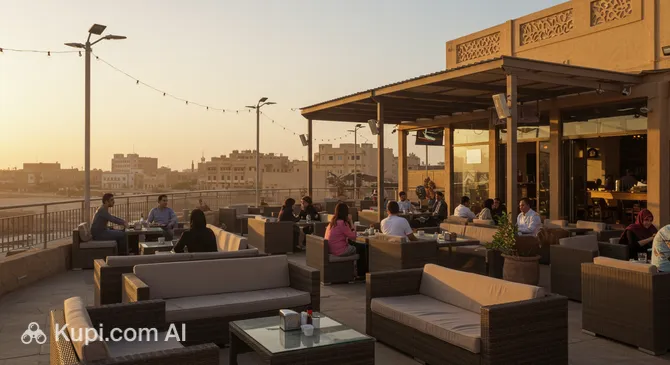
Sibal Restaurant. Source: Kupi.Binoculars

After a day of sightseeing, experiencing the local dining scene is a great way to connect with the city's rhythm. Sibal Restaurant is one of the places where visitors can enjoy a meal in a comfortable setting. Sampling local flavors and enjoying warm hospitality is an essential part of any trip to Arar, rounding out the travel experience with a taste of everyday life in the north.

Local Cuisine

The local cuisine in Arar is a reflection of the region's deep Bedouin roots and its proximity to the northern borders, blending traditional Saudi flavors with influences from neighboring Levant cultures. Food here is not just about sustenance; it is a symbol of the legendary hospitality of the Northern Borders Province. Visitors can expect hearty, generous portions designed to be shared, often served in a communal style that encourages conversation and connection.

One of the most distinctive dishes you must try in this region is Mlehy (also known as Malahi). Similar to the Jordanian Mansaf, this dish is a northern specialty consisting of tender lamb cooked in a rich sauce made from dried yogurt (jameed), served over a bed of rice and bread. It is a celebratory meal often prepared for guests. Of course, the ubiquitous Kabsa—fragrant rice spiced with cardamom, saffron, and cinnamon, topped with roasted chicken or lamb—remains a staple here as well. If you are visiting during the spring after the rains, look out for dishes featuring faq'a (desert truffles), a prized local delicacy often cooked with meat or rice.

When it comes to beverages, the culture revolves around Arabic coffee (Gahwa). In Arar, it is typically lightly roasted and heavily spiced with cardamom and saffron, served continuously alongside high-quality local dates. It is the standard gesture of welcome in any home or establishment. For something refreshing with your meal, try Laban, a chilled savory yogurt drink that pairs perfectly with the rich, spiced meat dishes. As with the rest of the Kingdom, alcohol is not available, but you will find an abundance of fresh fruit juices and "Saudi Champagne," a popular non-alcoholic mix of apple juice and sparkling water.

The dining scene in Arar ranges from casual street eateries to more formal settings. Traditional restaurants often feature private booths with floor seating, allowing you to eat in the customary style. For those looking for a mix of good food and a comfortable atmosphere, Sibal Restaurant is a well-regarded spot where you can enjoy a variety of dishes. Whether you choose a quick bite at a market stall or a sit-down dinner, the food in Arar offers a warm and savory introduction to life in the north.

Travel Tips

Visiting Arar offers a genuine look into the culture of the Northern Borders, but a smooth trip requires a bit of local know-how. These practical tips will help you navigate the city’s customs and logistics with ease, ensuring a comfortable and respectful stay.

  1. Clothing and Gear: Since Arar has a desert climate with distinct seasons, your packing list should adapt to the time of year. In summer, lightweight, breathable fabrics are essential to handle the heat, along with sunglasses and sunscreen. However, if you visit in winter, bring a warm jacket and layers, as nights can get surprisingly cold, sometimes dropping near freezing. Modesty is key everywhere in Saudi Arabia; men should wear long trousers, and while the strictness regarding the abaya for foreign women has relaxed, wearing loose, modest clothing covering the shoulders and knees is highly recommended to show respect.

  2. Transportation: Public transport options like buses or metros are not available within the city. The most convenient way to get around is by renting a car, which gives you the freedom to explore the city and surrounding desert at your own pace. Ride-hailing apps like Uber or Careem are also operational and reliable for getting from point A to point B if you prefer not to drive.

  3. Finances: The local currency is the Saudi Riyal (SAR). While major supermarkets, hotels, and restaurants accept credit cards, it is wise to carry cash for smaller shops, traditional souqs, or petrol stations on the outskirts. ATMs are widely available throughout the city. Tipping is not mandatory but is appreciated for good service in restaurants and cafes, usually around 10-15%.

  4. Health and Safety: Arar is a very safe city for tourists. Pharmacies are plentiful, and many major chains operate 24/7, easily identifiable by a green cross. In case of any medical emergency, dial 997 for an ambulance or 911 for general emergencies. The sun can be intense, so staying hydrated is a top priority, especially if you are exploring outdoor sites like the wadis.

  5. Communication: Arabic is the official language. While staff in major hotels may speak English, it is less widely spoken here than in Riyadh or Jeddah. It is highly useful to have a translation app on your phone. You can easily purchase a local SIM card (STC, Mobily, or Zain) at the airport or local shops to ensure you have reliable data for maps and translation.

  6. Local Etiquette: The culture in the north is deeply rooted in Bedouin hospitality. When greeting locals, a verbal "As-salamu alaykum" (Peace be upon you) is polite. Be aware that many public spaces, including restaurants, may have separate sections for "Singles" (men) and "Families" (women and families). Always respect these divisions. If you are invited for coffee, it is polite to accept; shake your cup slightly from side to side when you have had enough.

  7. What to Avoid: Strictly avoid taking photographs of people, especially women, without their explicit permission, as this is considered very rude and intrusive. Also, refrain from photographing government buildings or military installations. Public displays of affection are culturally inappropriate and should be avoided.

  8. Shopping Hours: Keep in mind that many shops and smaller businesses may close for a break in the afternoon (often between 12:00 PM and 4:00 PM) and during prayer times for about 20-30 minutes. Plan your shopping trips for the morning or late evening, when the city comes alive and markets stay open late into the night.

By keeping these tips in mind, you will be well-prepared to enjoy the unique charm of Arar. The city's relaxed pace and welcoming residents make it a pleasant destination for those ready to embrace the local way of life.

Entertainment & Nightlife

Nightlife in Arar offers a distinct cultural experience that differs significantly from Western concepts of evening entertainment. In accordance with local customs and laws, you will not find nightclubs, bars, or alcohol-serving venues in the city. Instead, the "nightlife" here revolves around a vibrant social scene centered on late-night dining, bustling coffee culture, and family gatherings. The city truly comes alive after the evening prayer (Isha), when the temperatures drop, and locals head out to socialize, shop, and relax in public spaces.

The heart of evening activity can often be found along the city's major thoroughfares. These strips are lined with numerous cafes, restaurants, and shops that stay open well past midnight. The atmosphere is lively yet relaxed, with groups of friends and families enjoying coffee, tea, and conversation. For a taste of the local social vibe, Sibal Restaurant is a popular choice. It offers a comfortable setting where you can enjoy a late dinner and observe the local rhythm of life. It is common to see these venues packed with patrons enjoying the cool night air.

Shopping malls also serve as major hubs for evening entertainment. Places like Al Othaim Mall and Arar Mall are not just for shopping; they are social destinations where families stroll, children play in indoor arcades, and friends meet at food courts. These malls are typically open late, often until 11:00 PM or midnight, providing a safe and climate-controlled environment for a night out. The crowd is generally well-dressed, with locals sporting traditional attire—thobes for men and abayas for women. Visitors are expected to dress modestly as well.

For a more traditional experience, many residents head to the outskirts of the city for "kashtas" (desert picnics/camping) during the cooler months. While this requires a car and some equipment, it is the quintessential northern nightlife experience—sitting under the stars around a fire, drinking tea, and enjoying the silence of the desert. If you prefer to stay in the city, the local public parks and walkways are popular spots for evening strolls and picnics.

Practicalities for a night out in Arar are straightforward. The best time to head out is after 8:00 PM. Prices are generally affordable, with coffee and dining costing significantly less than in major global capitals. Getting around is safest and easiest via ride-hailing apps or taxis, which are readily available. Arar is a very safe city for night walks, especially in well-lit commercial districts and family parks. While the focus here is on the evening, daytime entertainment is quieter, though most outdoor activities are best saved for the cooler evening hours.

Parks & Museums

While Arar is primarily known for its vast desert landscapes and role as a transit hub, the city has cultivated a number of green spaces and cultural venues that offer a refreshing change of pace. Visitors will find that the local parks serve as vital community gathering spots, while the region's history is preserved through significant landmarks and a deep respect for Bedouin heritage.

King Abdullah Park is one of the city's most prominent green lungs and a favorite destination for families. This expansive park is designed to offer a respite from the arid climate, featuring well-maintained lawns, walking tracks, and designated play areas for children. It comes alive in the evenings when temperatures drop, with locals gathering for picnics and socializing under the streetlights. The park's layout encourages leisurely strolls, making it an excellent spot for visitors to observe local social life in a relaxed setting.

For those seeking a more natural environment, the area around Wadi Arar offers a different kind of outdoor experience. Although not a manicured park in the traditional sense, this valley is the ecological heart of the region. During the rainy season, the wadi fills with water and the surrounding desert blooms with greenery and wildflowers. It is a prime location for "kashta"—the traditional Saudi activity of desert camping and picnicking—where you can enjoy the serenity of nature just a short distance from the urban center.

When it comes to culture and history, the Badanah Palace is a cornerstone of Arar's heritage. Built during the era of the Trans-Arabian Pipeline (Tapline) construction, this historic site offers a glimpse into the mid-20th-century development that birthed the modern city. The palace serves as an architectural memory of the region's transformation from a nomadic crossroads to a strategic administrative hub. Visiting the site provides a tangible connection to the story of oil and development in the Northern Borders.

While Arar may not have large national museums, the Northern Borders Literary Club plays a crucial role in the city's cultural scene. It acts as a hub for intellectuals, poets, and historians, frequently hosting events, exhibitions, and lectures that celebrate the region's literature and history. For tourists interested in the Arabic language and local storytelling traditions, this venue offers a window into the intellectual life of the province.

Another fascinating aspect of the local culture is the presence of private heritage collections. In the Northern Borders, it is common for passionate locals to curate small private museums within their homes or on their farms. These collections often display authentic Bedouin artifacts, such as "Sadu" weaving, traditional coffee pots (dallah), and old weaponry. These intimate exhibits reflect the pride the people of Arar have in their ancestors' resilient way of life.

Insider Tip: If you are visiting in late winter or early spring, head to the outskirts of the city to witness the desert truffles (faq'a) phenomenon. The parks and wild green spaces become the starting point for locals heading out to forage. Even if you don't hunt for truffles yourself, seeing the desert carpeted in spring green is a rare and beautiful sight in this part of the world.

Getting Around

The public transport system in Arar is significantly different from what you might find in larger global metropolises. The city does not currently have a metro, tram, or an extensive intracity bus network designed for tourist sightseeing. Instead, the local transportation infrastructure is heavily reliant on private vehicles and road-based services. For visitors, this means that getting around requires planning for car rentals or utilizing taxi services rather than hopping on a train or bus.

For those who prefer not to drive, taxis are the primary alternative. You will find standard white taxis operating within the city, which can be hailed from the street or found waiting near major landmarks, shopping malls, and the airport. While some of these taxis are equipped with meters, it is quite common for drivers to negotiate a fixed fare before the journey begins. It is advisable to agree on the price upfront to avoid any misunderstandings. Cash is the standard method of payment for these street taxis, so keeping small denominations of the local currency is highly recommended.

Ride-hailing applications have become an increasingly popular and convenient way to navigate the city. Services such as Careem and Uber operate in the region, offering a more standardized travel experience. Using these apps allows you to book rides from the comfort of your hotel, track your journey in real-time, and pay digitally via credit card, eliminating the need to haggle over fares. These services are generally reliable and offer a level of comfort and air-conditioning that is essential during the warmer months.

The most practical advice for tourists visiting Arar is to consider renting a car. This is by far the most flexible and efficient way to explore the city and its surrounding desert landscapes. Rental agencies are available at the airport and within the city center. Having your own vehicle allows you to visit attractions at your own pace, which is particularly important given the city's spread-out layout and the lack of pedestrian-friendly infrastructure in some areas. Fuel is affordable, and parking is generally plentiful and free across most of the city.

regarding buses, the Saudi Public Transport Company (SAPTCO) operates a station in Arar, but its services are primarily focused on intercity travel rather than local commuting. These buses connect Arar with other major cities in the kingdom. Therefore, you should not rely on buses for getting from your hotel to a restaurant or a local park. If you do use the intercity bus to arrive or depart, you will still need a taxi or rental car to reach your final destination within the city limits.

Accommodation

Arar offers a range of accommodation options that primarily cater to business travelers, government officials, and those passing through on pilgrimage routes. The city is not a resort destination, so visitors should not expect ultra-luxury sprawling resorts. Instead, the hospitality sector is dominated by functional and comfortable mid-range hotels and a significant number of furnished apartments. These apartments are particularly popular among families and travelers on road trips, offering spacious living areas and kitchenette facilities that provide a "home away from home" atmosphere.

In terms of location, the most convenient places to stay are clustered along the city's major arteries, such as King Abdulaziz Road and the districts surrounding the city center. Choosing a hotel in these areas places you within easy reach of local dining spots, shopping centers, and essential services. For travelers using Arar as a quick stopover, there are also several options located reasonably close to the airport and the main highway exits, ensuring a quick departure for the next leg of your journey.

When planning your stay, it is generally advisable to book in advance, especially if you are traveling during the Hajj season or major national holidays, as the city serves as a key transit point for pilgrims entering from the north. Prices in Arar are typically moderate and often more affordable than in Saudi Arabia's larger metropolitan hubs. While the main hotels can be booked via major international online platforms, many of the smaller furnished apartment complexes operate on a walk-in basis or via direct phone booking.

Nearby Cities

For those looking to explore the surroundings, Arar serves as an excellent base for day trips to several interesting nearby locations:

The most convenient destination for a day trip is Sakaka, the capital of the neighboring Al Jouf region. Located just a short drive away, it offers a rich blend of history and agriculture. Visitors can climb to the ancient Za'bal Castle, which sits atop a rocky hill providing panoramic views of the city, or explore the mysterious Rajajil Columns, a set of standing stones that date back thousands of years. Sakaka is also famous for its millions of olive trees, and a visit to a local olive farm is a delightful way to experience the region's "green gold."

For travelers willing to venture a bit further, Hail presents a captivating option, though it is best suited for a long day trip or an overnight visit. Nestled between the dramatic Aja and Salma mountains, Hail is renowned for its legendary hospitality and stunning natural scenery. It serves as the gateway to UNESCO World Heritage rock art sites at Jubbah, offering a fascinating glimpse into the pre-history of the Arabian Peninsula. The city itself is dotted with historic mud-brick forts and lively souqs.

City Population Distance (km)
Sakaka 400,000 137
Hail 385,257 388
Tabuk 547,957 520
Hafar al-Batin 600,000 554
Buraydah 467,410 584

These nearby destinations offer a glimpse into the diverse culture and landscapes of the region, allowing visitors to experience the broader heritage of northern Saudi Arabia.

Shopping & Souvenirs

Shopping in Arar offers a pleasant mix of modern convenience and traditional charm, reflecting the city's role as a growing administrative hub in the Northern Borders Province. While it may not have the massive luxury boutiques of Riyadh or Jeddah, the city provides a relaxed retail experience where visitors can find everything from international brands to authentic local handicrafts. The shopping scene here is particularly known for its connection to Bedouin culture, making it an excellent place to find goods related to desert life and heritage.

For a modern shopping experience, the city's malls are the primary destinations. Arar Mall is a favorite among locals and tourists alike, housing a variety of fashion retailers, electronics stores, and family entertainment centers. It is a great place to escape the afternoon heat and browse through well-known international and regional brands. Al Othaim Mall is another key spot, offering a comprehensive selection of shops, a large supermarket for supplies, and a food court, making it a one-stop destination for most travelers' needs.

To truly understand the local culture, a visit to the traditional markets is essential. The Souq Al-Sha'bi (Popular Market) is where the spirit of the north comes alive. Here, small stalls and independent vendors sell a colorful array of goods, ranging from spices and perfumes to traditional clothing. It is less polished than the malls but offers a far more authentic atmosphere, where bargaining is part of the experience and the scent of cardamom and oud fills the air.

When it comes to souvenirs, Arar is famous for its Sadu weaving. This traditional Bedouin craft, characterized by geometric patterns woven from camel or goat wool, is a specialty of the Northern Borders. You can find beautiful cushions, rugs, and camel bags that make for unique and meaningful gifts. Additionally, due to the local passion for "kashta" (desert camping), the city is an excellent place to purchase high-quality camping gear and outdoor equipment, often at very competitive prices.

Store hours in Arar generally follow the customs of the wider Kingdom. Most shops open around 9:00 AM or 10:00 AM, close for a mid-afternoon break, and reopen from 4:00 PM until late at night, often staying busy until 11:00 PM or midnight. It is important to remember that businesses typically close briefly during prayer times. While major malls and supermarkets accept credit cards and digital payments, carrying cash is highly recommended when visiting traditional souqs or smaller independent shops.

Tourists visiting Saudi Arabia should be aware of the 15% Value Added Tax (VAT) applied to most goods and services. A tax refund system is available for non-resident tourists on purchases made at participating retailers. Look for the "Tax Free" signage in shop windows and request a tax-free tag or invoice at the checkout to process your refund at departure points from the Kingdom.

Nearby cities

Reached the end of the page?

That means the route is fully explored