Support

Turayf

About

Welcome to Turayf, a fascinating city located in the vast Northern Borders Region of Saudi Arabia. Situated close to the border with Jordan, this city serves as a significant gateway and a hub of activity in the northern part of the Kingdom. With a population of over 90,000 residents, it combines the charm of a desert settlement with modern industrial importance, offering a unique perspective on life in the north.
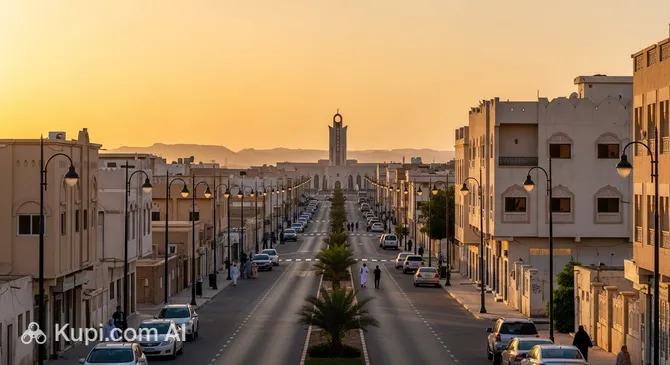
Turayf. Source: Kupi.Binoculars

The climate here is quite distinct from many other parts of the Arabian Peninsula. Turayf is known for its cooler temperatures, especially during the winter months when the surrounding desert landscapes can occasionally be dusted with snow. This unique weather makes it an intriguing destination for those looking to experience a different side of the country's geography, far removed from the sweltering heat often associated with the region.

The city's development is deeply rooted in the mid-20th century expansion of infrastructure. You can learn more about the origins and growth of the settlement by exploring the history of Turayf, which is closely tied to the establishment of the Trans-Arabian Pipeline. This heritage has shaped its identity from a remote outpost to a thriving community that plays a key role in the mining and energy sectors today.

Visitors to Turayf can appreciate the stark beauty of the surrounding desert, which is ideal for camping and outdoor exploration. The region is also celebrated for its traditional falconry, a sport that remains deeply embedded in the local culture. Whether you are passing through on a cross-country journey or visiting for business, the city offers a welcoming atmosphere and a glimpse into the northern lifestyle.

Discover the unique character of Turayf, where industrial progress meets traditional Bedouin hospitality. It is a destination that offers a quiet yet compelling stop for travelers venturing through the northern frontiers.

Weather Overview

Turayf experiences a distinct desert climate marked by significant temperature shifts between seasons. Summers are typically hot and arid, while winters bring much cooler weather, distinguishing the city from many other regions in the Kingdom.

From June to August, the heat intensifies with average high temperatures reaching up to 37.9°C, and rainfall is virtually non-existent during this period. Conversely, the colder months of December through February see average temperatures drop significantly, hovering around 9°C to 11°C, with nighttime lows occasionally falling to 3.5°C. Travelers planning a trip can consult the detailed guide on the weather in Turayf to prepare for these variations.

Rainfall is sparse throughout the year, usually occurring only as light showers during the winter and transition months. Expect hot, dry summers and cool winters with very limited precipitation patterns.

Interesting Facts

Beyond its industrial significance, Turayf holds several fascinating secrets that surprise many visitors. This northern city is not just a transit point but a place with unique records and a rich modern heritage.

  • Turayf is widely recognized as the coldest inhabited place in Saudi Arabia. While the Kingdom is famous for its scorching heat, this city holds the national record for the lowest temperature ever recorded, which once dropped to a chilling -12°C, and the surrounding desert is occasionally blanketed in snow during winter.

  • The city owes its very existence to the famous Trans-Arabian Pipeline, known as the "Tapline." Unlike ancient trade hubs in the region, Turayf was established in the mid-20th century specifically as a pumping station community, evolving from a remote technical outpost into a thriving municipality.

  • Just a short distance from the city lies Wa'ad Al Shamal, or "Promise of the North," a colossal industrial city rising from the sands. It serves as a global hub for phosphate mining, representing one of the country's most ambitious projects to transform the remote desert landscape into a major economic powerhouse.

How to Get There

Reaching this northern outpost is an adventure in itself, with air travel being the most efficient method for most visitors. Whether you are arriving from within the Kingdom or from abroad, understanding your options is key to a smooth journey. You can find more details on how to get to Turayf to help plan your logistics effectively.

The most convenient entry point is the local Turaif Airport (TUI), situated just 7.3 km from the city center. This domestic facility handles regional flights and allows travelers to land directly at their destination without long ground transfers. A taxi or car ride from the airport to the downtown area is quick, typically taking about 30 minutes. While it is a smaller hub with annual passenger traffic of around 35,000, it offers the distinct advantage of proximity.

For alternative routes, you might consider Arar Airport (RAE), located in the city of Arar, approximately 250 km away. This regional airport serves as another gateway to the Northern Borders Region. Travelers landing here should be prepared for a ground journey of about 4 hours by taxi or bus to reach Turayf. Additionally, Queen Alia International Airport (AMM) in Amman is a major international hub located about 253 km away. While it offers extensive global connections, choosing this airport involves a cross-border journey from Jordan.

For clarity, here is a summary of the main airports:

Airport Name City Passenger Traffic Km from City
Queen Alia International Airport Amman Large 253.2
Damascus International Airport Damascus Medium 279.6
Jouf Airport Sakaka Medium 249.8
Arar Airport Arar Medium 250.2
Turaif Airport Turayf Small 7.3

Main Attractions

While Turayf is primarily known as an industrial and logistics hub in the Northern Borders Region, it is surrounded by some of the most spectacular natural landscapes in Saudi Arabia. The city serves as a gateway to vast protected areas that offer a stark contrast to the bustling urban environment, making it a unique destination for nature enthusiasts and those interested in the Kingdom's ecological heritage.

One of the most significant highlights near the city is the King Salman bin Abdulaziz Royal Natural Reserve. As the largest reserve in the Middle East, it encompasses a massive area of diverse terrain, ranging from plains to mountains. This protected zone is a sanctuary for wildlife, hosting hundreds of bird species, including migratory flocks that pass through the region. Visitors who venture into the reserve can witness the restoration of the desert ecosystem, where rare animals like the Arabian gazelle and the houbara bustard roam freely in their natural habitat.

Within this vast reserve lies the Harrat Al-Harrah Conservation, a fascinating geological wonder characterized by its black basaltic rocks and ancient volcanic features. This area offers a dramatic landscape of extinct volcanic cones and rugged plateaus that tell the story of the region's geological past. It is an excellent spot for those looking to explore the raw beauty of the desert, with opportunities to see resilient desert flora and unique rock formations that define the northern frontier.

The city is also deeply connected to the tradition of Falconry, which is celebrated as a major cultural attraction in the region. Turayf is situated along a key migratory route for falcons, making it a prime location for this heritage sport. The local community hosts prestigious events such as the Falcon Festival, which attracts participants from across the Gulf. Even outside of festival times, the culture of training and hunting with these majestic birds is palpable, offering tourists a glimpse into a practice that has been cherished by Bedouins for generations.

Local Cuisine

The culinary scene in Turayf is a delightful reflection of its Bedouin heritage and its geographic proximity to the northern frontiers. The food here is hearty, flavorful, and deeply rooted in tradition, offering visitors a genuine taste of authentic Arabian hospitality. The cuisine is heavily influenced by the availability of local livestock, making lamb and chicken the stars of most dining tables.

One cannot visit this region without trying Mansaf, a dish that highlights the cultural connection with neighboring Jordan. It features tender lamb cooked in a rich, tangy sauce made from fermented dried yogurt, known as jameed, served over a bed of rice and thin flatbread. Another staple is Kabsa, the celebrated spiced rice dish often prepared with chicken or lamb, which serves as a daily comfort food for locals. For something uniquely warming during the cool northern winters, travelers should look for Margog, a savory stew of meat and vegetables thickened with discs of whole wheat dough that absorb the delicious broth.

When it comes to beverages, the local culture revolves around Arabic coffee (Gahwa). This yellowish, cardamom-spiced coffee is traditionally served in small cups alongside sweet dates, symbolizing a warm welcome to guests. Tea is also widely enjoyed, often infused with fresh mint or wild sage to complement the desert climate. Visitors should be aware that alcohol is strictly prohibited throughout the country, including in Turayf, and instead, meals are accompanied by water, soft drinks, or refreshing Laban (a savory yogurt drink).

Dining in Turayf is often a communal affair, emphasizing the values of sharing and generosity. Visitors can choose from traditional restaurants where meals are served on large metal platters to be shared while seated on the floor, offering a truly immersive experience. While the city has a growing number of modern eateries and fast-food spots, the heart of the local food culture remains in the traditional kitchens where the aroma of roasted spices fills the air.

Travel Tips

Preparing for a trip to Turayf requires a bit of specific planning, particularly due to its unique northern climate and distinct local culture. To help you navigate this fascinating city in Saudi Arabia with ease, here are some essential practical tips to ensure your visit is comfortable and respectful of local customs.

  1. Clothing and Gear: Unlike the rest of the Kingdom, Turayf can get extremely cold. If visiting in winter (December to February), bring heavy coats, thermal wear, and gloves, as temperatures can drop below freezing and snow is possible. In summer, lightweight, breathable fabrics are best, but always adhere to modest dress codes: cover your shoulders and knees, and avoid tight-fitting clothing.

  2. Transportation: Public transport options like buses or metros do not exist within the city for tourist use. The most practical way to get around is by renting a car, which gives you the freedom to explore the surrounding desert landscapes. Taxis are available, and while some ride-hailing apps operate in the region, availability can be lower than in major cities like Riyadh.

  3. Finances: The local currency is the Saudi Riyal (SAR). While credit cards are accepted in hotels and larger supermarkets, cash is still king in smaller shops, traditional markets, and gas stations on the outskirts. ATMs are widely available, but it is wise to carry some cash for daily small expenses.

  4. Health and Safety: Turayf is a very safe city for travelers. Pharmacies are easy to find and often stock familiar international brands. However, stick to drinking bottled water to avoid any stomach issues. For emergencies, dial 997 for an ambulance or 999 for the police.

  5. Communication: Arabic is the primary language spoken here. While staff in hotels may speak English, it is less common among the general public compared to larger tourist hubs. Learning a few basic phrases like "Shukran" (Thank you) goes a long way. Buying a local SIM card (from providers like STC or Mobily) is highly recommended for navigation and translation apps.

  6. Local Etiquette: The Northern Borders Region is traditional. Always greet locals with "As-salamu alaykum" (Peace be upon you). Be mindful of gender segregation norms in some restaurants or public waiting areas, which may have separate sections for "singles" (men) and "families."

  7. What to Avoid: Strictly avoid taking photographs of people, especially women, without explicit permission, as this is considered highly offensive. Also, refrain from public displays of affection, which are culturally inappropriate throughout the country.

  8. Shopping Hours: Keep in mind that many shops and businesses close briefly during prayer times, which occur five times a day. It is helpful to download a prayer time app to plan your shopping and dining schedule, avoiding the frustration of arriving just as the doors close.

By keeping these practical points in mind, you will be well-equipped to enjoy the rugged beauty and warm hospitality of the north. Have a wonderful and hassle-free journey exploring the unique character of Turayf!

Entertainment & Nightlife

Entertainment and nightlife in Turayf reflect the city's quiet, traditional character and its location in the Northern Borders Region. Unlike bustling metropolises, the evening scene here is relaxed and centered around social gatherings, dining, and family activities. You will not find loud nightclubs or Western-style bars; instead, the "nightlife" is defined by a thriving coffee culture, late-night shopping, and enjoying meals with friends in a hospitable atmosphere.

The city comes alive after sunset, particularly along the main thoroughfares such as King Abdullah bin Abdulaziz Street. This area serves as a primary artery for local activity, lined with various eateries, cafes, and shops that remain open well into the night. It is common to see locals enjoying the cool evening air, especially during the summer months when daytime temperatures are high. Another key area is the Al Sultanah District, where you can find local shopping centers and markets that offer a glimpse into the daily life of the residents.

For those looking to enjoy a pleasant evening out, hotel lounges and restaurants offer some of the best settings. The Golden Dune Hotel features a restaurant and lounge area that is popular for a comfortable, more upscale dining experience. It is a great spot to relax with a non-alcoholic beverage and enjoy international or local cuisine. Similarly, the restaurant at the Orchida Turaif Hotel provides a welcoming environment for families and travelers seeking a quiet dinner. For a quick and familiar bite late at night, Kudu, a popular Saudi fast-food chain, is a reliable option frequented by the younger crowd.

The atmosphere in Turayf is conservative yet warm. The dress code is modest; men usually wear thobes or smart casual attire, while women wear abayas. Venues typically stay open late, with many shops and cafes operating until midnight or 1:00 AM. The best time to head out is after the evening prayer (Isha), around 8:00 PM, when the streets are most vibrant. Since public transport is limited at night, renting a car or using a taxi is the most practical way to get around.

Safety is not a concern in Turayf, as the city is very safe for night walks and exploration. However, sticking to well-lit main streets is always good practice. Taxis can be hailed on the street, but arranging transportation through your hotel reception is often smoother. If you venture to the outskirts, the clear desert skies offer a different kind of nightlife—stargazing. The lack of light pollution just a few kilometers from the city center makes for a spectacular natural show.

While the nights are for relaxing, daytime entertainment in Turayf offers opportunities to explore the region's unique geography. Visitors often use the day to organize trips to the nearby King Salman bin Abdulaziz Royal Natural Reserve or to visit local heritage sites before settling in for a calm evening in the city.

Parks & Museums

While Turayf is not famous for lush botanical gardens or grand national museums in the traditional sense, it offers a distinct kind of beauty found in its vast natural surroundings and deep-rooted heritage. The city's "green spaces" are often the protected wild areas that lie just beyond its borders, while its cultural sites tell the story of ancient civilizations and the modern industrial era that shaped the Northern Borders.

For nature enthusiasts, the most significant draw is the King Salman bin Abdulaziz Royal Natural Reserve. This immense protected area serves as a sanctuary for the region's diverse wildlife and native flora. Unlike a typical city park, this reserve offers a raw and immersive experience of the Arabian wilderness, where visitors can observe efforts to reintroduce species such as the Arabian oryx and gazelles into their natural habitat. It is a place of quiet majesty, perfect for those who appreciate the vastness of the desert landscape.

Within the vicinity lies the Harrat Al-Harrah Conservation, a unique natural wonder characterized by its volcanic geography. This area is defined by its black basaltic rocks, which create a striking contrast against the golden sands. It provides a fascinating geological playground for hikers and nature photographers looking to capture the rugged beauty of the northern frontier. The terrain here is unlike anywhere else in the Kingdom, offering a glimpse into the volcanic history of the peninsula.

In terms of cultural heritage, the city is inextricably linked to the Trans-Arabian Pipeline (Tapline). While there is no single dedicated museum building, the remnants of this massive industrial project serve as an open-air testament to the city's origins. Turayf was established as a pumping station community, and the infrastructure from this era is considered a key part of Saudi Arabia's industrial heritage. Exploring the legacy of the Tapline gives visitors insight into how this remote outpost transformed into a thriving modern city.

For a look into the deeper past, travelers can visit the archaeological site of Qasr Duqrah, located approximately 40 kilometers southwest of the city. These ancient ruins, situated near the Aqran Mount, date back to pre-Islamic times and offer a rare window into the early civilizations that inhabited this crossroads of trade. The site includes remains of a palace or fortress structure, standing as a silent witness to the caravans that once traversed these desert routes.

A true insider tip for visiting Turayf is to drive out to the edge of the city after dark for a stargazing experience. Far from the light pollution of major metropolises, the clear desert skies here offer a spectacular display of constellations, a simple yet profound activity that connects you with the timeless nature of the desert.

Getting Around

Travelers visiting Turayf should be aware that the city does not currently possess a comprehensive public transport system for intra-city travel. There are no metro lines, trams, or scheduled local bus networks operating within the urban area. The city's infrastructure is primarily designed around private vehicle use, meaning visitors cannot rely on standard public transit options found in larger metropolitan hubs.

The most common alternative to driving yourself is using taxis. Local taxis are available and can often be hailed on the street or, more reliably, arranged through your hotel reception. Ride-hailing applications such as Careem and Uber may operate in the area, but availability can be sporadic compared to bigger cities. Regarding payment, local taxi drivers predominantly accept cash, so it is essential to carry small bills. If you manage to book a ride via an app, payment can be handled digitally through your registered card.

For the best experience, the highly recommended option for tourists is to rent a car. This provides the necessary freedom to navigate the city's spread-out layout and to visit distant attractions like the natural reserves on the outskirts. Rental agencies are conveniently located at the airport and within the city center. When driving, ensure you have a valid license and are comfortable with local traffic rules.

Walking is generally not considered a viable mode of transport due to the significant distances between points of interest and the extreme weather conditions, which range from scorching summers to freezing winters. Similarly, there are no public bike rental schemes or dedicated cycling lanes for tourists. For travel between cities, the SAPTCO bus station offers long-distance connections, but this service does not facilitate travel within the city itself.

Accommodation

Accommodation in Turayf is designed primarily to meet the needs of business travelers, professionals in the mining sector, and those journeying across the Northern Borders. The city offers a practical selection of lodgings, ranging from comfortable mid-range hotels to numerous furnished apartment complexes (known locally as shigga mafroosha). While you will not find sprawling luxury resorts here, the available options are modern, clean, and well-equipped for a restful stay.

The most convenient area to stay is along the main thoroughfares, particularly King Abdulaziz Road and the international highway route. Hotels in this vicinity provide easy access to the city center's restaurants and shops, as well as a quick commute to Turaif Airport. Staying in this central zone ensures that essential services and transport links are just moments away.

For those seeking full-service hospitality, the city features several reputable establishments. Well-regarded options such as the Golden Dune Hotel and Swiss Spirit Hotel & Suites are popular choices, offering amenities like on-site dining, Wi-Fi, and business centers. These hotels provide a higher standard of comfort and are ideal for short-term visitors looking for reliable service.

Booking Tip: While accommodation is generally available throughout the year, the city can get busy during specific regional events, such as the annual Falcon Festival. It is advisable to book your room in advance during the winter season or if you are visiting for business, to ensure you secure your preferred location.

In terms of pricing, Turayf is quite affordable compared to major Saudi cities like Riyadh or Jeddah. Prices typically fall into the budget to mid-range categories. Booking can be done easily through major online travel platforms, though many local furnished apartments also accept direct bookings or walk-ins for travelers on the road.

Nearby Cities

For those looking to explore the surroundings, Turayf serves as an excellent base for day trips to several interesting nearby locations.

The most accessible destination for a day trip is Sakaka, the capital of the Al Jouf region. Located approximately a 2.5-hour drive away, it is rich in archaeological heritage. Visitors can explore the ancient Zaibal Castle, which sits atop a high rock offering panoramic views of the city, and the mysterious Rajajil Columns, a set of standing stones that date back thousands of years. The city is also renowned for its olive farms, producing some of the finest olive oil in the Kingdom.

For travelers willing to venture a bit further for a short visit or an overnight stay, Tabuk offers a wealth of historical and natural attractions. Known as the gateway to the northwest, it is home to the historic Tabuk Castle, which has witnessed various civilizations from the Nabataeans to the Ottomans. The city also serves as a starting point for exploring the dramatic sandstone formations and valleys of the surrounding desert, making it a rewarding destination for history buffs and nature lovers alike.

City Population Distance (km)
Sakaka 400000 240
Tabuk 547957 416
Buraydah 467410 784
Hafar al-Batin 600000 793
Medina 1180770 803

These nearby destinations offer a glimpse into the diverse culture and landscapes of the region.

Shopping & Souvenirs

Shopping in Turayf offers a distinctively local experience, far removed from the glitzy mega-malls found in the Kingdom's larger metropolitan areas. Here, retail therapy is more about discovering the daily rhythm of life in the Northern Borders Region. The city’s shopping scene is functional and traditional, catering primarily to the needs of residents and the thriving Bedouin community. Visitors will find a mix of modern conveniences and authentic local shops that provide a glimpse into the culture of the north.

The heartbeat of the city's commercial activity is centered along the main thoroughfares, particularly King Abdullah bin Abdulaziz Street. This bustling artery is lined with a variety of storefronts, ranging from clothing boutiques and electronics shops to local perfumeries. It is the best place to take an evening stroll, as the area comes alive after sunset when locals head out to shop and socialize. The street-side retail experience here is vibrant, offering everything from everyday necessities to regional specialties.

While Turayf does not host massive international shopping complexes, it features several smaller commercial centers and modern supermarkets that serve the community. These venues provide a comfortable, air-conditioned environment where you can find international brands, groceries, and household goods. They are practical stops for travelers needing to restock on supplies or looking for familiar products during their stay.

For a more traditional atmosphere, the local markets and independent shops are the places to explore. Given the region's strong connection to outdoor life, you will find numerous stores dedicated to camping and desert equipment (known locally as Kashta gear). These shops are fascinating to browse, filled with heavy-duty tents, traditional tea pots, and rugged tools designed for desert survival. Additionally, the local vegetable and date markets offer fresh produce and high-quality dates, which are a staple of Saudi hospitality.

When it comes to souvenirs, Turayf offers unique items that reflect its heritage. As a hub for falconry, the city is an excellent place to purchase falconry accessories such as handmade leather hoods and gloves, which make for authentic and unusual keepsakes. The region is also known for Sadu weaving, a traditional Bedouin craft featuring geometric patterns on textiles like cushions and rugs. Buying these items not only provides a beautiful souvenir but also supports local artisans.

Most shops in Turayf operate on a split schedule, opening in the morning until noon, closing for a mid-day break, and reopening in the late afternoon until late at night. It is important to remember that businesses briefly close during prayer times, which occur five times a day. While credit cards and digital payments are widely accepted in supermarkets and hotels, carrying cash is advisable for smaller shops and traditional markets.

Tourists should also be aware of the Value Added Tax (VAT) of 15% applied to most goods and services in Saudi Arabia. While tax-free shopping for tourists is a growing concept in the Kingdom, the refund infrastructure is primarily found in major international airports and large flagship stores in big cities, so it is less likely to be available in smaller local shops in Turayf.

Reached the end of the page?

That means the route is fully explored