Support

Qurayyat

About

Welcome to Qurayyat, a significant city located in the northern reaches of Saudi Arabia. Often referred to as Al Qurayyat, this bustling urban center serves as a vital gateway connecting the Kingdom with neighboring Jordan and the wider Levant region. Situated in the picturesque Al Jawf Region, the city is home to a population of approximately 147,550 residents and offers a unique blend of modern development and traditional Arabian hospitality.

The city's strategic location has played a crucial role in its development over the centuries. Exploring the history of Qurayyat reveals its past importance as a trade hub and its fame for salt production, which historically earned it the name "Qurayyat al-Milh" or "Villages of Salt." Today, the landscape is transformed by agriculture, and the region is celebrated for its vast olive groves and high-quality olive oil production, marking a green contrast to the surrounding desert terrain.

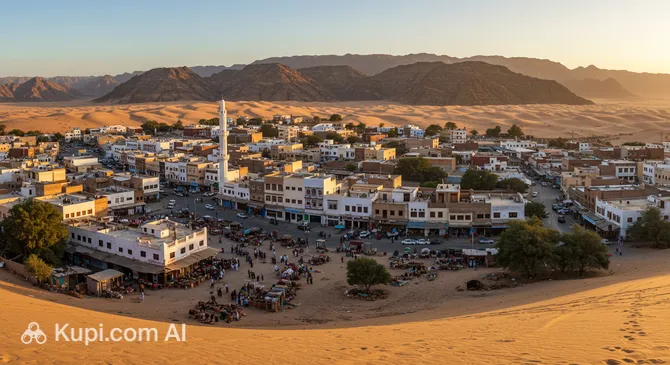
Qurayyat. Source: Kupi.Binoculars

Travelers visiting Qurayyat can explore several intriguing landmarks. The historic Kaaf Castle, located in a nearby village, stands as a testament to the region's architectural heritage, built from local stone and situated atop a hill offering panoramic views. The city is also a great starting point for desert excursions and experiencing the authentic culture of the northern tribes. Whether you are passing through on a cross-border journey or stopping to admire the extensive olive farms, Qurayyat offers a warm and distinctive experience for every visitor.

Weather Overview

The climate in this northern city is characterized by distinct seasonal changes, shifting from intense heat to brisk coolness. For a comprehensive forecast to help you prepare for your trip, you can consult the detailed guide to the weather in Qurayyat.

Summer, spanning from June to August, is the hottest time of the year. During July, the average temperature hovers around 30.7°C, with daily highs often climbing to 38.5°C. Rain is virtually non-existent during these months, ensuring clear, sunny skies for travelers exploring the region.

Winter brings a marked drop in temperature, particularly in January, when averages fall to 9.8°C and nighttime lows can reach a chilly 4.0°C. While precipitation is generally low throughout the year, the winter months of January and February are slightly wetter, averaging about 3 wet days each. Expect hot, arid summers and cool winters with only occasional light rainfall.

Interesting Facts

Beyond the main attractions, Qurayyat holds many fascinating secrets that reveal its unique position at the crossroads of nations. This northern city is defined not just by its history, but by its distinct geography and climate which set it apart from the rest of the Kingdom.
  • A Gateway to the World: Qurayyat is home to the Al Haditha border crossing, which is considered one of the largest and busiest land ports in the Middle East. This massive entry point serves as a vital artery for trade and travel, facilitating the movement of thousands of pilgrims and goods between Saudi Arabia and the Levant region every year.

  • Closer to Neighbors: Geographically, the city is an interesting anomaly; it is actually situated closer to several foreign capitals, such as Amman in Jordan and Damascus in Syria, than it is to its own national capital, Riyadh. This proximity has historically fostered deep cultural and commercial ties with the neighboring northern countries.

  • Winter Surprises: While Saudi Arabia is often associated with endless heat, Qurayyat is one of the few places in the country that occasionally experiences snowfall. During the coldest winter waves, the surrounding desert landscape can be briefly transformed into a stunning white vista, a rare phenomenon that attracts visitors from across the region.

How to Get There

Reaching this northern city involves some planning, as it is situated near the border with Jordan. For a comprehensive guide on all travel options, including driving directions and border crossing details, you can read more about how to get to Qurayyat.

Travelers often choose to fly into airports in neighboring cities to reach the region. One of the closest options within the Kingdom is Turaif Airport (TUI), located in the city of Turayf. It is approximately 136 km away from Qurayyat. The drive from the airport typically takes about 1.5 to 2 hours by taxi or rental car. This is a smaller regional hub, so flight schedules should be checked in advance.

Another significant option, particularly for international travelers, is Queen Alia International Airport (AMM) in Amman, Jordan. Located about 137 km from Qurayyat, this is a major transport hub with high passenger traffic. While the physical distance is short, traveling from Amman involves crossing the international border at Al Haditha, which can add variable time to your journey depending on customs procedures.

For clarity, here is a summary of the main airports in the wider region:

Airport Name City Passenger Traffic Km from City
Queen Alia International Airport Amman Large 137.0
Damascus International Airport Damascus Medium 244.1
Turaif Airport Turayf Small 136.5

Travel by train has become an increasingly convenient option for visiting the city. Qurayyat is a key terminal on the Saudi Arabia Railways (SAR) North-South line. The city's passenger station connects travelers directly to the capital, Riyadh, with stops at other major destinations such as Al Jawf, Hail, and Al Majmaah. This modern rail service provides a comfortable and efficient alternative to long-distance driving across the desert.

For those arriving by road, the city is well-integrated into the national transport grid. A modern highway network connects the Al Jawf Region with other parts of Saudi Arabia and neighboring countries. Taxis and intercity buses remain popular means of ground transport for navigating the local area and crossing the nearby border.

Main Attractions

While Qurayyat is often viewed as a transit hub, it possesses a distinct charm and several sites that offer insight into the region's deep-rooted history and culture. Visitors to this northern city can explore ancient fortifications, enjoy local dining experiences, and witness the agricultural heritage that defines the Al Jawf province. Here are some of the key places to visit during your stay.

One of the most prominent historical sites in the area is Kaaf Castle. Located in the ancient village of Kaaf just outside the modern city, this fortress stands as a guardian of the region's past. Built from local sedimentary stone, the castle sits atop a hill, providing strategic views over the surrounding salt marshes which historically gave the city its wealth. Exploring its mud-brick walls and towers offers travelers a tangible connection to the era when this area was a pivotal stop on trade routes connecting the Arabian Peninsula with the Levant.

For those looking to experience the local culinary scene, the Fish House Restaurant is a notable stop. Despite the city's inland desert location, this establishment is known for serving a variety of seafood dishes, offering a pleasant dining atmosphere for families and travelers alike. It provides a nice contrast to the traditional lamb and rice dishes typically found in the region, making it a popular choice for an evening meal.

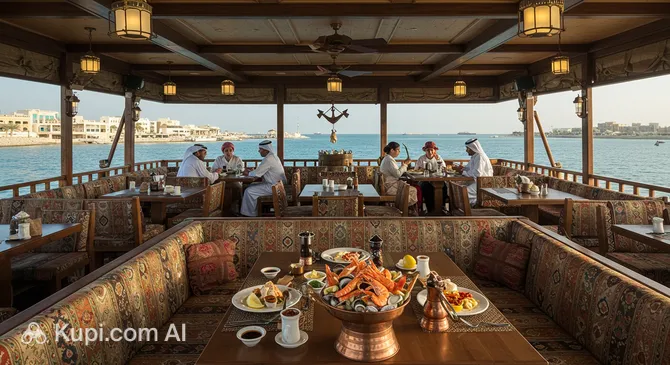
Fish House Restaurant. Source: Kupi.Binoculars

Another significant landmark is the Qurayyat Dam. This infrastructure project is not only vital for water management in the arid environment but also serves as a recreational spot for locals and visitors. The area around the dam is often used for picnics, especially during the cooler winter months when the weather is pleasant. It offers a serene escape from the city center and a chance to appreciate the rugged beauty of the northern desert landscape.

Finally, no trip to Qurayyat is complete without exploring its Traditional Souqs and olive product shops. As part of the Al Jawf region, known as the "olive basket" of Saudi Arabia, the city is an excellent place to purchase high-quality olive oil and olives. Wandering through the local markets allows tourists to engage with friendly residents, buy local handicrafts, and taste the agricultural products that are the pride of this northern community.

Local Cuisine

The culinary landscape of Qurayyat is a flavorful reflection of its location in the northern region of Saudi Arabia, blending traditional Saudi heritage with strong influences from the neighboring Levant. As part of the Al Jawf province, famous for its millions of olive trees, the local cuisine is distinguished by the high quality of its olive oil, which accompanies almost every meal. Visitors can expect hearty, generous portions that showcase the renowned hospitality of the northern tribes.

Due to its proximity to Jordan, one of the most celebrated dishes in Qurayyat is Mansaf. While popular across the Levant, it has a special place in the hearts of locals here. This rich dish consists of tender lamb cooked in a sauce of fermented dried yogurt (jameed) and served over rice or flatbread. It is often reserved for special occasions and honoring guests. Of course, the Saudi staple Kabsa—spiced rice with chicken or lamb—is widely available and remains a daily favorite for many.

For a unique taste of the Al Jawf region, travelers should look for Bakila. This traditional sweet is made by mixing pitted dates with ghee and the flour of the Samh plant, a desert flora native to the area. It is a nutritious and energy-rich snack that has sustained locals for generations. Another regional specialty is the use of local olives and pickles as essential side dishes, adding a tangy contrast to the rich meat-based main courses.

When it comes to beverages, the culture is deeply rooted in tradition. Arabic coffee (Gahwa) is the standard welcome drink, lightly roasted and spiced with cardamom, usually served with dates. Tea is also immensely popular, often brewed strong and sweet with fresh mint or sage. It is important to note that alcohol is strictly prohibited throughout Saudi Arabia. Instead, you will find a variety of refreshing non-alcoholic options, including "Saudi Champagne"—a popular mix of apple juice, sparkling water, and fruit slices—and fresh fruit juices.

The dining scene in Qurayyat ranges from casual street food stalls selling shawarma and falafel to sit-down establishments offering traditional floor seating. For a memorable meal, the Fish House Restaurant brings a taste of the ocean to the inland desert. Renowned for its fresh selection of grilled and fried fish, this venue serves as a lively gathering spot where families enjoy generous seafood platters, proving that excellent marine cuisine can be found far from the coast.

Travel Tips

Visiting Qurayyat offers a unique glimpse into the northern culture of Saudi Arabia, but its location near the border and its distinct climate require some specific preparation. These practical tips will help you navigate the city comfortably and enjoy the warm hospitality of the Al Jawf region.

  1. Clothing and Gear: The weather here varies drastically; summers are intensely hot, requiring lightweight, breathable fabrics, while winters can be cold enough to see snow, so packing a warm jacket and layers is essential. As in the rest of the Kingdom, dress modestly in loose-fitting clothing that covers shoulders and knees to respect local customs.
  2. Transportation: Public transport options like buses are very limited within the city, making car rental the most practical choice for freedom of movement. While ride-hailing apps like Careem may be available, availability can be inconsistent compared to major cities, so having your own vehicle is highly recommended for visiting outlying sites like Kaaf Castle.
  3. Finances: The local currency is the Saudi Riyal (SAR). While modern retail outlets and restaurants accept cards and contactless payments, cash is still king in traditional souqs and smaller shops. It is wise to carry a moderate amount of cash for daily small expenses, though ATMs are easy to find throughout the city.
  4. Health and Safety: Qurayyat is a safe city for travelers, but the dry desert air can cause dehydration quickly, especially in summer, so keep water with you at all times. Pharmacies are common and well-stocked; for any medical emergencies, you can dial 997 for an ambulance or 999 for police assistance.
  5. Communication: Arabic is the dominant language, and English is less widely spoken here than in Riyadh or Jeddah. It is strongly advised to download a translation app and offline maps on your phone; purchasing a local SIM card (STC, Mobily, or Zain) upon arrival in Saudi Arabia ensures you stay connected.
  6. Local Etiquette: The northern region is famous for its Bedouin hospitality. If you are offered Arabic coffee (Gahwa) and dates, accept them graciously as it is a sign of welcome. When greeting locals, the phrase "As-salamu alaykum" is polite and appreciated, and always remember to use your right hand for eating or shaking hands.
  7. What to Avoid: Strictly avoid taking photographs of people—especially women—without their explicit permission, as this is considered intrusive and rude. Additionally, refrain from photographing government buildings or military checkpoints near the border area to avoid any misunderstandings.
  8. Local Speciality: Since you are in the heart of Saudi Arabia's olive country, take the opportunity to buy locally produced olive oil and olive-based products. These make excellent, authentic souvenirs and are often of superior quality compared to what you might find elsewhere.

By keeping these practical points in mind, you can ensure a smooth and respectful visit to this fascinating northern city. Enjoy the rich history, the delicious local produce, and the distinctive charm that makes Qurayyat a special destination.

Entertainment & Nightlife

Nightlife in Qurayyat offers a distinct and culturally rich experience that differs significantly from Western concepts of evening entertainment. Instead of nightclubs and bars, which are not part of the local culture due to the strict prohibition of alcohol in Saudi Arabia, the city comes alive after sunset with a vibrant social scene focused on connection, dining, and shopping. The atmosphere is relaxed yet lively, with families, friends, and visitors gathering to enjoy the cooler evening temperatures.

The heart of evening activity often beats strongest in the Al Aziziyah District and along major thoroughfares like King Abdulaziz Road. Here, the "nightlife" revolves around bustling cafes, modern shopping centers, and restaurants that stay open late into the night. It is common to see these areas packed with cars and pedestrians well past midnight, especially on weekends, as locals enjoy the traditional "Gahwa" (Arabic coffee) and socialize in a friendly, safe environment.

For a modern entertainment experience, Al Qurayyat Mall serves as a primary hub for the community. It is more than just a shopping destination; in the evenings, it transforms into a social meeting point where you can find international brands, a food court, and family entertainment zones. It is an excellent place to witness local life, enjoy a late-night stroll in air-conditioned comfort, and grab a bite to eat in a lively setting.

Coffee culture is taken seriously here, and spending the evening at a high-quality cafe is a favorite pastime. Venues like 12% Cafe offer a sophisticated ambiance where coffee aficionados can enjoy expertly brewed specialty coffees in a stylish, modern setting. For those seeking a substantial evening meal, the Fish House Restaurant remains a top choice. It provides a welcoming atmosphere for a relaxed dinner, serving fresh seafood dishes that are perfect for sharing with family or friends after a long day of exploration.

Practical advice for enjoying your nights in Qurayyat includes adjusting your schedule to local timings. Most shops and venues pause for prayer times but remain open very late, often until 11:00 PM or midnight, and even later during Ramadan. The dress code remains conservative in the evenings; men should wear long trousers, and women should wear an abaya. The city is very safe for night walks, particularly in well-lit commercial areas. For transportation, ride-hailing apps like Careem are reliable, or you can easily flag down a local taxi in the busy districts.

While the nights are for socializing, daytime entertainment in Qurayyat offers a slower pace focused on heritage and nature. Visitors can explore local history at the museum or take short trips to nearby landmarks like the ancient Kaaf Castle. Public parks also offer green spaces for picnics, though these are most enjoyable in the late afternoon as the sun begins to set and the city prepares for its vibrant evening shift.

Parks & Museums

Qurayyat offers a distinct blend of outdoor leisure and historical depth, where visitors can relax by the water in the heart of the desert or walk through the remnants of a bygone era. While the city is rapidly modernizing, it retains pockets of serenity and heritage that serve as custodians of the local culture, inviting travelers to explore the roots of the Al Jawf Region.

For those seeking a natural escape, the area around the Al-Qurayyat Dam is the premier destination for recreation. Located just outside the city, this infrastructure project has created a refreshing microclimate that attracts both locals and migratory birds. The shores of the dam lake have developed into a favored spot for family picnics and evening strolls. The sight of a large body of blue water set against the backdrop of the arid desert offers a tranquil contrast, making it an ideal location for photography and relaxing in the cooler open air.

History enthusiasts will find the area's true "living museum" in the ancient Village of Kaaf. Situated near the famous castle, this abandoned settlement allows visitors to wander through narrow alleyways flanked by traditional mud-brick houses and ancient palm trees. Unlike a conventional museum with glass cases, Kaaf offers an immersive experience where you can touch the textured walls of old homes and imagine the daily lives of the communities that once thrived here. It stands as a silent witness to the region's architectural ingenuity and adaptation to the environment.

The heritage of Qurayyat is deeply intertwined with its natural resources, historically known as the "Salt Villages" (Qurayyat al-Milh). The Salt Marshes (Sabkhas) near the village of Kaaf are not only a geological curiosity but a site of immense historical importance. For centuries, these white, crystalline expanses provided the salt that was traded across the Arabian Peninsula and the Levant. Viewing these natural salt deposits gives travelers insight into the economic history that originally put this city on the map long before the modern era.

Insider Tip: To capture the most atmospheric side of the region, visit the salt marshes near Kaaf Village at sunset. The fading light reflects off the white salt crusts and the surrounding mud-brick ruins, creating a surreal and beautiful landscape that perfectly encapsulates the rugged charm of northern Saudi Arabia.

Getting Around

The public transport system in Qurayyat is relatively limited compared to major metropolitan hubs, reflecting the car-centric nature of the region. Visitors should not expect to find extensive networks of metros, trams, or trolleybuses here. Instead, the city relies heavily on road-based transport, with private vehicles and taxis serving as the primary means of getting around the urban area and reaching nearby attractions.

Taxis are the most common form of public transportation available for tourists. You will find standard white taxis and private cars operating as taxis throughout the city. While some modern taxis are equipped with meters, it is still common practice to negotiate the fare before starting the journey to avoid misunderstandings. Ride-hailing applications like Careem are also operational and offer a more convenient and transparent alternative, allowing you to book rides and pay digitally without the need for cash negotiation.

For bus services, the Saudi Public Transport Company (SAPTCO) operates in the city, but its primary focus is on intercity travel rather than local commuting. The main bus station connects Qurayyat with other major cities in the Kingdom, such as Riyadh and Jeddah, as well as providing routes to the nearby border. There is no comprehensive scheduled municipal bus service that tourists can rely on for hopping between local sightseeing spots within the city limits.

A standout feature of the city's transport infrastructure is the Qurayyat Railway Station, which is part of the modern Saudi Arabia Railways (SAR) North-South line. This state-of-the-art facility serves as a vital link, offering comfortable high-speed train services that connect the northern frontier directly to the capital, Riyadh. For travelers, this is a sophisticated travel option, featuring business and economy class seating, making the long journey across the desert both fast and scenic.

Regarding payment, cash is essential if you plan to hail taxis from the street. Drivers typically accept only Saudi Riyals, and it is advisable to carry small denominations to pay the exact fare. If you use ride-hailing apps or book train tickets via the SAR website or app, you can easily use international credit or debit cards. Train tickets should be purchased in advance online or at the station, as seats can fill up quickly, especially during holidays.

Given the limited scope of local public transport, renting a car is widely considered the best practical advice for tourists. Several car rental agencies are located at the airport and in the city center. Having your own vehicle provides the freedom to explore the Al Jawf region's scattered attractions, such as Kaaf Castle, at your own pace and in the comfort of air conditioning, which is crucial during the warmer months.

Accommodation

Accommodation in Qurayyat primarily caters to travelers passing through the border and business visitors, focusing on practicality and comfort rather than high-end luxury. The city offers a decent selection of mid-range hotels and is particularly well-stocked with furnished apartments (serviced apartments). These apartment units are a popular choice in Saudi Arabia, offering spacious living areas and kitchenettes, making them ideal for families or longer stays.

The most convenient areas to stay are typically located along the city's main arterial roads, such as King Abdulaziz Road and the international highway route. Staying in these central zones places you close to essential services, supermarkets, and dining spots like the Fish House Restaurant. These locations also offer easy access to the road network for those heading towards the Jordanian border or the airport.

Booking Tip: Since Qurayyat is a key transit hub for pilgrims and travelers crossing between Saudi Arabia and the Levant, accommodation can fill up unexpectedly during peak travel seasons and holidays. It is advisable to book your room at least a few days in advance to secure your preferred spot.

In terms of cost, lodging in Qurayyat is generally affordable compared to major Saudi tourist destinations like Riyadh or Jeddah. Prices typically fall into the budget to mid-range categories. While the larger hotels can be booked through major international online platforms, many of the smaller furnished apartment buildings operate on a walk-in basis or through direct telephone booking.

Nearby Cities

Situated in the far north of the Al Jawf Region, Qurayyat is relatively isolated from the Kingdom's central metropolises, yet it serves as a crucial link in the northern frontier. While it is geographically closer to the capitals of Jordan and Syria than to Riyadh, it maintains strong connections with other major Saudi cities in the north. The nearest significant urban center is Sakaka, the administrative capital of the province, which lies approximately 313 kilometers to the southeast.

Travelers exploring this part of Saudi Arabia often include stops in neighboring regions to experience the diversity of the northern desert landscapes. Tabuk, a major historical and agricultural hub, is located to the west and is accessible via a scenic drive. Further afield, the city of Hail offers a gateway to the famous rock art of the Jubbah desert, while the holy city of Medina represents a longer journey to the south.

The following table provides an overview of the major cities in the wider region, including their distances from Qurayyat and population estimates, to help you plan your itinerary:

City Distance (km) Population
Sakaka 313 400,000
Tabuk 335 547,957
Hail 598 385,257
Medina 792 1,180,770
Buraydah 849 467,410

Shopping & Souvenirs

Shopping in Qurayyat offers a blend of modern convenience and traditional charm, reflecting its position as a bustling transit hub in the north of Saudi Arabia. While it may not possess the sprawling luxury avenues of the capital, the city provides a genuine retail experience where visitors can find everything from international brands to locally crafted goods. The shopping scene here is deeply influenced by the region's agricultural heritage, making it an excellent destination for purchasing authentic local produce.

The city's commercial life is centered around its major thoroughfares, with King Abdulaziz Road serving as a primary artery for retail activity. Walking or driving along this busy street reveals a wide array of shops, ranging from clothing boutiques and electronics stores to perfumeries and gold shops. It is a lively district where locals handle their daily purchases, and it offers a great opportunity for tourists to observe the everyday rhythm of the city.

For a modern shopping experience, Al Qurayyat Mall is the most prominent destination in town. This contemporary complex serves as a social and retail hub for families, featuring a variety of fashion retailers, accessory stores, and a food court. It provides a comfortable, air-conditioned environment where visitors can browse for familiar brands or simply escape the afternoon heat while enjoying some window shopping.

To truly understand the local culture, a visit to the traditional markets is essential. The Vegetable and Fruit Market is a vibrant spot where the agricultural bounty of the Al Jawf region is on full display. Here, farmers sell fresh seasonal produce directly to consumers. Additionally, the local "Souq Sha'abi" (Popular Market) offers a more rustic experience, where you can find traditional Bedouin items, camping gear, and household goods that are unique to this desert region.

When it comes to souvenirs, Qurayyat is famous for one specific product: olive oil. As part of the Al Jawf region, known as the "olive basket" of the Kingdom, the city produces some of the finest olive oil and pickled olives in the Middle East. Buying a bottle of cold-pressed, locally produced oil is the best way to take a piece of Qurayyat home with you. Other excellent gifts include high-quality dates, traditional Arabic coffee pots (dallah), and Sadu-style weavings that reflect the area's nomadic heritage.

Store opening hours in Qurayyat generally follow the standard Saudi pattern. Most shops open around 9:00 AM or 10:00 AM, close for a mid-day break in the afternoon, and reopen from 4:00 PM until 11:00 PM or midnight. Large malls and supermarkets often stay open throughout the day. Payment methods are modernizing rapidly; while cash is still preferred in traditional souqs and smaller stalls, credit cards and contactless mobile payments are widely accepted in malls, restaurants, and larger retail outlets.

Tourists visiting Saudi Arabia are eligible for a VAT refund on qualifying purchases made at participating "Tax-Free" stores. The Value Added Tax is currently 15%. If you make substantial purchases at major retailers, look for the tax-free signage and ask the staff for the necessary digital forms to claim your refund at the airport departure point.
Reached the end of the page?

That means the route is fully explored