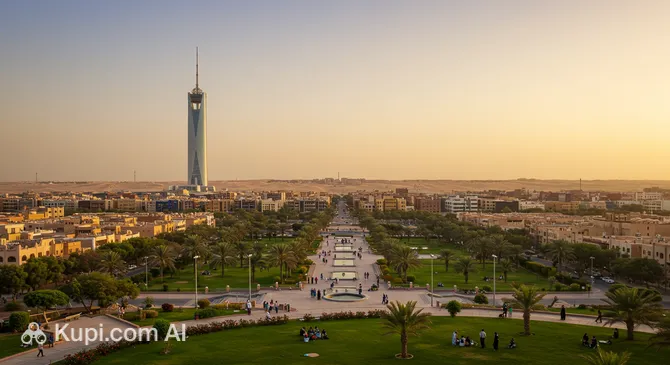
Welcome to Buraydah, the vibrant capital of the Al-Qassim Region and a bustling agricultural heartland. Located in the center of the Arabian Peninsula, this city offers a fascinating glimpse into the authentic culture and traditions of Saudi Arabia. Known for its warm hospitality and thriving commerce, Buraydah serves as a vital link between the kingdom's past and its modern aspirations.
Buraydah. Illustration.
Source: Kupi.com AI
Geographically, the city sits atop rich groundwater reserves, transforming the arid desert landscape into a flourishing oasis. This unique environment supports extensive farming, making the area famous for its lush palm groves and high-quality produce. With a population of over 460,000, the city experiences a typical desert climate with hot summers and mild winters, yet it remains a lively hub throughout the year due to its significant economic activity.
Exploring the history of Buraydah reveals its origins as a crucial stop for trade caravans and merchants crossing the peninsula. Today, this heritage is best experienced at the world-renowned Buraydah Date Festival, a seasonal event that attracts visitors globally to witness the largest date market on the planet. Additionally, the city is home to the massive Camel Market, the largest of its kind in the world, offering a truly unique spectacle for travelers.
Whether you are eager to taste the finest dates, explore traditional markets, or simply soak in the local atmosphere, Buraydah is a destination that surprises and delights. It is an essential stop for anyone wishing to understand the deep-rooted agricultural and trading legacy of the region.
Weather Overview
Buraydah experiences a typical desert climate, characterized by significant temperature variations between seasons. The city is known for its scorching summers and mild, pleasant winters, making the timing of your visit crucial for outdoor activities. Rainfall is generally scarce throughout the year, keeping the region mostly dry and arid.
From June to August, the weather becomes intensely hot, with average high temperatures frequently soaring above 40°C (104°F). July is typically the hottest month, where daily highs average around 43.4°C. During this period, the air is very dry with virtually no precipitation, so staying hydrated and seeking shade is essential for travelers.
In contrast, the winter months of December through February offer much relief, with average temperatures hovering between 13°C and 16°C. Nights can become quite chilly, with lows dropping to around 8°C or 9°C, so bringing layers is advisable. For a more detailed forecast and seasonal breakdown, you can check the current weather in Buraydah before your trip.
Precipitation is minimal, with the wettest months being April and November, yet even then, you might only encounter about 4 wet days per month. Overall, expect extremely hot, dry summers and cool winters with clear skies and only occasional light rain.
Average monthly temperature
Average monthly precipitation
Interesting Facts
Beyond its famous markets, Buraydah holds a variety of cultural and natural secrets waiting to be discovered. Here are some fascinating details that highlight the unique character of this desert oasis.
King Khalid Park. Illustration.
Source: Kupi.com AI
Traveller photos:
The city is renowned for a traditional local delicacy called Kleija, a biscuit filled with date paste and spiced with cardamom. This treat is so culturally significant that Buraydah hosts an annual festival dedicated entirely to it, where local families showcase their heritage recipes.
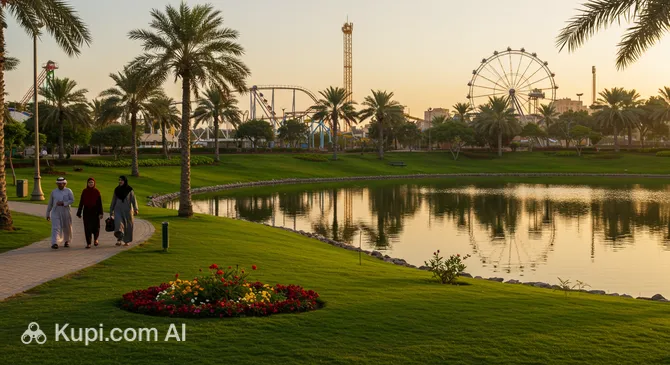
While often associated with desert landscapes, the city is home to King Khalid Park, a massive green sanctuary that serves as a popular gathering spot. This lush space provides a refreshing contrast to the arid surroundings and is a hub for family picnics and evening leisure.
Buraydah is deeply connected to the history of the Al Oqilat, a legendary group of merchants from the region who historically managed trade routes across the Arabian Peninsula. Their legacy of travel and commerce is proudly preserved in specialized local museums and cultural narratives.
Although famous for dates, the Al-Qassim region is also known as the "Food Basket" of the kingdom due to its vast production of wheat. The fertile soil allows for the cultivation of diverse crops, including citrus fruits and vegetables, making it a critical agricultural center.
How to Get There
Planning a trip to the heart of the Al-Qassim Region requires knowing your best travel options. For a detailed breakdown of routes and transport connections, you can read more about how to get to Buraydah before you embark on your journey.
The most direct and convenient way to arrive is by flying into Prince Nayef bin Abdulaziz Regional Airport (ELQ). Located directly in Buraydah, this airport serves as the primary gateway for the region and handles a significant volume of passengers annually. It is situated approximately 21.7 km from the city center. Visitors can expect a short drive by taxi or bus to reach the downtown area.
Alternatively, travelers might consider Hail Airport (HAS), which is located in the city of Hail. While this is a busy airport with substantial passenger traffic, it is important to note that it is about 257.5 km away from Buraydah. The ground transfer from Hail involves a journey of several hours. Therefore, this option is best suited for those who also plan to explore the Hail province or cannot find suitable flights directly to Buraydah.
For clarity, here is a summary of the main airports:
Buraydah offers a delightful mix of modern leisure, traditional culture, and culinary experiences. While the city is famous for its dates, its urban attractions provide plenty of opportunities for relaxation, shopping, and dining, making it a well-rounded destination for visitors.
For those seeking tranquility and outdoor activities, King Khalid Park is the city's premier green space. This expansive park serves as a lush oasis in the heart of the city, offering beautifully landscaped gardens, walking paths, and dedicated picnic areas. It is a favorite spot for families and nature lovers to unwind, especially during the cooler evenings, and frequently hosts local festivals and seasonal events.
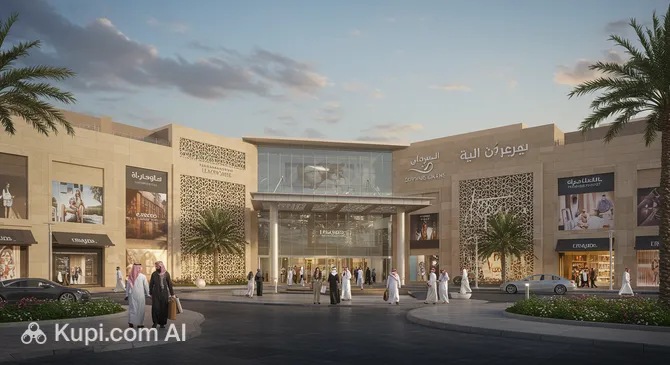
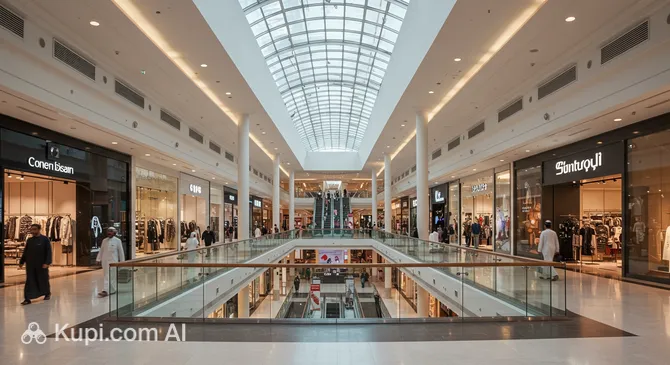
Shopping enthusiasts will find their haven at Al Nakheel Plaza, one of the most popular malls in the region. This modern complex features a wide array of international and local retail brands, making it the perfect place to pick up fashion items or souvenirs. Beyond shopping, the plaza offers a comfortable, climate-controlled environment with various cafes and entertainment options, providing a welcome escape from the midday sun.
Al Nakheel Plaza. Illustration.
Source: Kupi.com AI
Traveller photos:
To experience the authentic flavors of Saudi Arabia, a visit to Al Romansiah - Al Naseem is highly recommended. This restaurant is renowned for its traditional hospitality and high-quality local cuisine, particularly its Mandi and Kabsa dishes. It offers tourists a genuine taste of the region's culinary heritage in a family-friendly setting, where large platters of spiced rice and meat are shared in the customary style.
Al Romansiah - Al Naseem. Illustration.
Source: Kupi.com AI
Traveller photos:
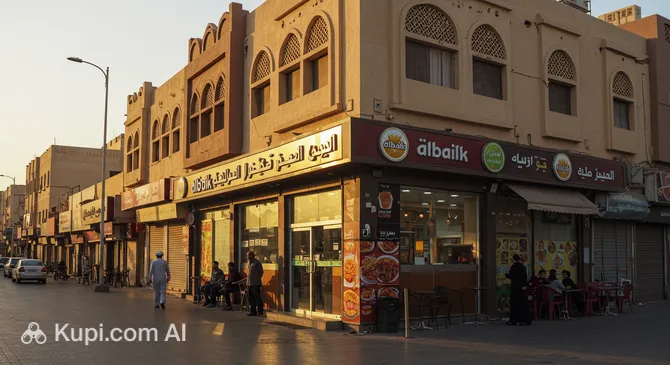
Another culinary landmark that attracts visitors from all over is Albaik. While it is a fast-food chain, it holds a legendary status in the Kingdom for its signature broasted chicken and unique garlic sauce. For many travelers, waiting in line here is a rite of passage, offering a quick, delicious, and incredibly popular dining experience that is deeply woven into modern Saudi culture.
Albaik. Illustration.
Source: Kupi.com AI
Traveller photos:
Local Cuisine
The culinary scene in Buraydah is a direct reflection of its status as the "Food Basket" of Saudi Arabia. With an abundance of locally grown produce, particularly wheat and dates, the cuisine here is fresh, hearty, and deeply rooted in the traditions of the Najd region. Visitors will find that food is not just sustenance but a central part of the local hospitality, often served in generous portions meant for sharing.
When it comes to main courses, you simply cannot leave without trying Kabsa, the national dish of fragrant rice spiced with cardamom and saffron, topped with tender lamb or chicken. However, the Al-Qassim region is specifically famous for Matazeez and Jareesh. Matazeez consists of savory dough dumplings stewed with meat and vegetables, offering a rich and comforting flavor. Jareesh, made from crushed wheat cooked with yogurt and meat, has a creamy, porridge-like consistency and is a beloved staple at local gatherings.
For dessert, the city’s agricultural heritage shines through. Buraydah is the home of the Sukkari date, a golden, melt-in-your-mouth variety that is often eaten fresh. These dates are the perfect accompaniment to Kleija, the city's signature filled biscuit. This molasses and spice-filled treat is so iconic that it has become a symbol of the city's identity, best enjoyed warm.
Beverages in Buraydah are strictly non-alcoholic, in line with national regulations. The most popular drink is traditional Arabic coffee (Gahwa), a yellowish-green brew spiced with cardamom and sometimes cloves or saffron. It is served in small cups and is the standard gesture of welcome in any home or restaurant. For something cold, fresh fruit juices and Laban (a savory, cooling yogurt drink) are widely available and perfect for beating the desert heat.
Dining out in Buraydah ranges from authentic floor-seating restaurants, where you can eat with your hands in the traditional style, to modern establishments. For those looking to combine dining with a bit of retail therapy, Azhar Al Basem offers a convenient setting where you can explore local shops and find various dining options nearby.
Azhar Al Basem. Illustration.
Source: Kupi.com AI
Traveller photos:
Travel Tips
Visiting Buraydah offers a unique immersion into the authentic lifestyle of the Al-Qassim region, but a little preparation goes a long way in this conservative yet welcoming city. Here is some practical advice to help you navigate local customs and logistics comfortably during your stay.
Clothing and Gear: Buraydah is located in a traditional part of Saudi Arabia, so modesty is key. Men should wear long trousers and shirts, while women are advised to wear loose-fitting clothing that covers the arms and legs; wearing an abaya is a respectful choice that helps you blend in. Since the sun is intense, bring sunglasses, a wide-brimmed hat, and high-SPF sunscreen. Comfortable walking shoes are essential, especially if you plan to explore the large sandy markets.
Transportation: Public transport options like buses are limited for tourists, so the best way to get around is by car. Renting a vehicle gives you the freedom to explore the outskirts and palm groves at your own pace. Alternatively, ride-hailing apps like Uber, Careem, and Jeeny are widely available, reliable, and often more convenient than hailing a taxi on the street.
Finances: The local currency is the Saudi Riyal (SAR). While credit cards and contactless payments (like Apple Pay) are accepted in malls, modern restaurants, and hotels, cash is king in traditional settings. You will definitely need cash if you visit the famous Camel Market or the Date Market. ATMs are plentiful throughout the city. Tipping is not mandatory but is appreciated; rounding up the bill or leaving 10-15% is common in restaurants.
Health and Safety: Buraydah is a very safe city for travelers. Pharmacies are easy to find, with major chains often open late or 24/7, and pharmacists usually speak English. Due to the dry desert climate, dehydration is a real risk, so carry water with you at all times. If you need emergency assistance, dial 997 for an ambulance or 999 for the police.
Communication: Arabic is the primary language. While staff in hotels and large shopping centers often speak English, it is less common in traditional markets and smaller shops. It is highly recommended to buy a local SIM card (STC, Mobily, or Zain) at the airport upon arrival to have internet access for maps and translation apps. Learning basic greetings like "As-salamu alaykum" (Peace be upon you) will be warmly received by locals.
Local Etiquette: Hospitality is central to the culture here. If you are offered Arabic coffee (Gahwa) and dates, it is polite to accept. Always use your right hand for eating, drinking, or passing items to others. Be aware that some restaurants may still have separate sections for "singles" (men) and "families" (women and families), though this is becoming less strict.
What to Avoid: Respect privacy strictly. Do not take photographs of people, especially women, without their explicit permission, and avoid pointing your camera at government buildings or military installations. Also, refrain from public displays of affection, as this is considered culturally inappropriate.
Shopping Insight: Be mindful of prayer times. In Buraydah, many smaller shops and market stalls may close briefly for about 20-30 minutes during the five daily prayer times. It is a good idea to plan your shopping or dining schedule around these intervals to avoid waiting.
With these tips in mind, you are well-prepared to enjoy the rich heritage and warm hospitality of Buraydah. Embrace the local rhythm, respect the traditions, and you will find your journey through the heart of Al-Qassim to be a smooth and rewarding experience.
Entertainment & Nightlife
Entertainment and Nightlife:
Nightlife in Buraydah offers a distinct and culturally immersive experience that differs significantly from Western concepts. As in the rest of Saudi Arabia, you will not find nightclubs, discos, or bars serving alcohol, as these are prohibited by law. Instead, the city comes alive after sunset with a vibrant social scene centered around late-night dining, bustling shopping districts, and a thriving coffee culture. The atmosphere is family-oriented, safe, and incredibly welcoming, with locals staying out well past midnight to socialize and enjoy the cooler evening temperatures.
The local equivalent of a "bar scene" is the high-end coffee shop culture. Modern cafes and lounges are the primary social hubs where friends gather to watch sports, play board games, and enjoy gourmet coffee or mocktails. The districts around King Abdullah Road and King Abdulaziz Road are particularly lively, lined with brightly lit venues that remain open late. These areas are perfect for an evening stroll to soak in the local energy, where the dress code is generally modest and casual, though respectful of local customs.
Shopping malls in Buraydah are far more than just retail spaces; they are the heart of evening entertainment. Al Nakheel Plaza is a prime example of this, serving as a bustling meeting point for families and youth. In the evenings, the mall fills with people enjoying the air-conditioned walkways, dining at the food courts, or relaxing in the cafes. It is an excellent place to observe local life and enjoy a safe, lively atmosphere.
For families traveling with children, the city offers dedicated entertainment centers that stay open late. A popular destination is Chuck E. Cheese, which provides a mix of arcade games, shows, and dining. It is a standard stop for local families looking for fun evening activities, ensuring that travelers with kids have plenty of options to keep them entertained after dark.
Chuck E. Cheese. Illustration.
Source: Kupi.com AI
Traveller photos:
Outdoor spaces also play a huge role in Buraydah's nightlife. During the cooler months, parks and public promenades are filled with families picnicking and socializing until late hours. If you are looking for a quick and iconic late-night meal, joining the queue at Albaik is a must-do experience. The crowds here are a testament to its popularity, and grabbing a meal here is considered a staple part of a night out in the city.
Practical Advice for the Night:
Most shops and entertainment venues operate late, often until 11:00 PM or midnight, though they will close briefly during prayer times. The city is extremely safe for walking at night, but for longer distances, it is best to use ride-hailing apps like Uber or Careem rather than trying to hail a taxi on the street. Prices are reasonable, and these apps overcome any language barriers.
While the focus is often on the evening, Buraydah has daytime attractions worth noting. Before the sun sets, visitors can explore local heritage at the Buraydah Museum or visit the bustling Date Market to see the commercial heart of the city in action. However, it is truly in the evening when the city's social spirit shines brightest.
Parks & Museums
While Buraydah is famous for its bustling markets and agricultural prowess, the city also prides itself on maintaining beautiful green spaces and preserving its rich cultural history. Visitors will find a surprising number of lush parks and dedicated heritage centers that offer a peaceful respite from the desert heat and a deep dive into the traditions of the Al-Qassim region.
The most prominent green space in the city is King Khalid Park. Often referred to as the "Garden of Buraydah," this expansive park is the community's favorite escape for outdoor recreation. It features beautifully manicured lawns, shaded picnic areas, and playgrounds for children, making it an ideal spot for families. During the cooler months, the park becomes a social hub where locals gather to enjoy the fresh air, and it frequently hosts seasonal flower festivals that showcase the region's horticultural success.
Another significant natural area is King Abdullah National Park. Known for its modern design and vast size, this park offers extensive walking and jogging tracks, making it popular among fitness enthusiasts. The park is designed with intricate water features and dancing fountains that come alive in the evening, providing a scenic backdrop for a relaxing night stroll. It perfectly illustrates the city's commitment to creating urban oases that blend nature with leisure facilities.
For those interested in the region's past, the Buraydah Museum is a key cultural landmark. This facility provides a comprehensive overview of the Al-Qassim province's history and heritage. Exhibits typically include traditional agricultural tools, ancient manuscripts, and displays showcasing the evolution of local architecture. A highlight for many is the section dedicated to the unification of the Kingdom, which features rare photographs and artifacts from the era of King Abdulaziz.
A truly unique institution is the Aloqilat Museum, which pays homage to the legendary Aloqilat merchants. These traders were famous for leading camel caravans from Al-Qassim across the Arabian Peninsula to the Levant and beyond. The museum houses a fascinating collection of maps, passports, weapons, and personal items belonging to these merchants, telling the story of their perilous journeys and their vital role in the region's economic history.
Architecturally, the city is defined by the iconic Buraydah Water Tower. Standing tall as a symbol of the city's development, it is a major landmark that is visible from various points in town. During the summer festivals, the tower and its surrounding grounds often become the center of celebrations, illuminated by colorful lights that celebrate the vibrancy of the city.
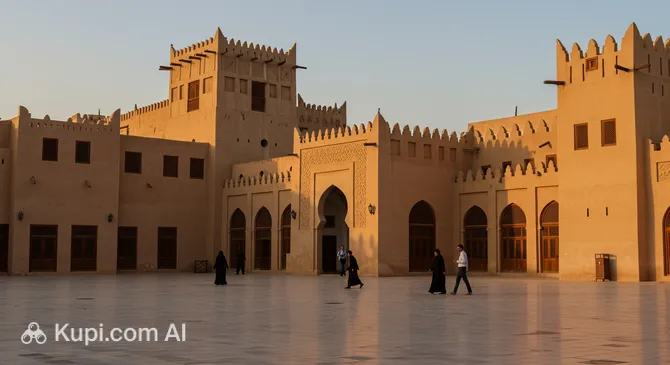
For an authentic insider experience, try to visit one of the smaller, private heritage villages or mud-brick houses that are occasionally open to the public during the Al-Qassim Heritage Festival. These sites offer a raw and untouched look at how locals lived decades ago, often featuring live demonstrations of traditional crafts like weaving and pottery that you won't find in the larger, more polished museums.
Getting Around
Navigating Buraydah is primarily done by private vehicle, as the city is designed with broad highways and significant distances between districts. While the public transport infrastructure is currently undergoing major development to align with modern standards, options for tourists have historically been limited compared to larger metropolitan hubs. However, recent initiatives have introduced a structured bus service to improve connectivity across the city.
The main form of public transit is the Qassim Bus network. This service operates on specific routes that connect key locations such as the city center, major educational institutions, and popular landmarks. The buses are modern, clean, and fully air-conditioned—a necessity given the local climate. Travelers should note that there are no metro, tram, or trolleybus systems in the city; the bus network is the sole mass transit option available.
For payment and navigation, the system relies heavily on digital solutions. To use the bus, it is highly recommended to download the official Qassim Bus app. This application allows users to plan their journeys, view real-time schedules, and purchase digital tickets. Fares are very affordable, typically costing just a few Riyals per trip. While some systems may accept cash, using the app is the most reliable method for tourists to ensure a smooth boarding process.
Despite the availability of buses, the most convenient and popular alternative for tourists is the use of ride-hailing apps. Services like Uber, Careem, and Jeeny are widely used and offer a stress-free way to travel door-to-door. These apps eliminate language barriers regarding directions and provide transparent pricing, which is often preferable to negotiating with traditional taxi drivers. If you do hail a standard green taxi on the street, always ensure the driver uses the meter or agree on a fare before starting your ride.
For those who prefer complete freedom, renting a car is arguably the most practical choice. The city's road infrastructure is excellent, and parking is abundant at malls, hotels, and parks. Rental agencies are available at the airport and throughout the city. Having your own vehicle allows you to easily reach outlying attractions, such as the Camel Market or distant date farms, which may not be serviced by the bus network.
Walking is generally not considered a viable mode of transport for getting from point A to point B due to the city's sprawling layout and the intense heat, particularly during the day. Pedestrian activity is mostly reserved for leisure within parks, souqs, or malls. Therefore, planning your transport in advance—whether by downloading a ride-hailing app or renting a car—is essential for a comfortable visit.
Accommodation
Buraydah provides a welcoming array of accommodation options suited to various travel styles, ranging from economical stays to more upscale comfort. The city is particularly well-known for its abundance of furnished apartments (locally known as shuqaq mafroosha), which offer spacious living areas and kitchenettes, making them a favorite choice for families and long-term visitors. In addition to these, travelers can find standard hotels that cater to business and leisure guests alike, providing a reliable level of service and amenities.
When choosing where to stay, location is a key factor. The city center is ideal for those who wish to be close to the traditional souqs and the vibrant pulse of the old town, offering an authentic immersion into local life. For a more modern experience, the districts along King Abdullah Road and the northern parts of the city are highly recommended. These areas feature newer properties and are conveniently situated near major shopping malls and contemporary dining spots, providing easy access to the main highways for those exploring the region by car.
Booking Tip: The demand for accommodation spikes significantly during the harvest season, particularly during the world-famous Buraydah Date Festival, which typically takes place in late summer (August and September). If you plan to visit during this period to witness the bustling market activity, it is highly advisable to book your lodging several weeks in advance to secure the best rates and availability.
In terms of pricing, staying in Buraydah is generally more affordable compared to major Saudi cities like Riyadh or Jeddah. The price range spans from budget-friendly apartments to mid-range and upper-mid-range hotels. Booking is straightforward, as most reputable properties are listed on major international online travel platforms, allowing visitors to compare reviews and secure reservations with ease before arrival.
Nearby Cities
For those looking to explore the surroundings, Buraydah serves as an excellent base for day trips to several interesting nearby locations:
Among the most popular destinations for a quick getaway is Unayzah, located just a 30-minute drive from Buraydah. Often referred to as the "Paris of Najd" for its cultural vibrancy, Unayzah is renowned for its well-preserved heritage sites. A visit to the Al-Bassam Heritage House offers a fascinating look into traditional Najdi architecture and lifestyle. The city is also famous for its own date festival and the lush ancient farms that surround the urban area, making it a perfect spot for history buffs and nature lovers alike.
Another excellent option for a day trip is Ar Rass, situated about 73 km southwest of Buraydah. This historic city is home to the iconic Shinanah Tower, an ancient mud-brick watchtower that stands as a testament to the region's architectural ingenuity and resilience. Visitors can explore the surrounding historical ruins and traditional markets, which offer a quieter, more intimate glimpse into the past compared to the larger cities.
These nearby destinations offer a glimpse into the diverse culture and landscapes of the region, allowing travelers to experience the rich history of Al-Qassim beyond the capital city.
Shopping & Souvenirs
Shopping in Buraydah offers a fascinating contrast between ancient Arabian commerce and modern retail experiences. As the trading capital of the Al-Qassim region, the city is primarily defined by its agricultural bounty, making it the ultimate destination for purchasing fresh local produce, particularly dates, which are celebrated worldwide for their quality.
The crown jewel of the local shopping scene is undoubtedly the Buraydah Date Market. This bustling hub operates year-round but truly transforms during the harvest season (August to September) into the largest date market in the world. Here, visitors can browse through thousands of tons of dates, with the golden, sweet Sukkari variety being the most sought-after purchase. It is an ideal place to buy high-quality gifts in bulk, often at prices significantly lower than elsewhere in the Kingdom.
For those looking to take home a piece of local heritage, traditional souqs offer an array of authentic goods. The region is famous for Kleija, a traditional cardamom-spiced biscuit filled with date molasses. You can find these fresh at local bakeries or dedicated market stalls, often sold in decorative tins that make for perfect souvenirs. Additionally, the city's markets are excellent for finding aromatic spices, oud perfumes, and traditional Bedouin handicrafts.
Travelers seeking a contemporary shopping experience will find plenty of options as well. Al Nakheel Plaza stands out as a premier destination for fashion and lifestyle brands. This spacious mall provides a comfortable, air-conditioned environment where you can browse international clothing lines, electronics, and accessories, making it a favorite spot for families to escape the afternoon heat while enjoying some retail therapy.
Another notable location is Azhar Al Basem, which offers a mix of shopping and dining opportunities. It is a convenient stop for those looking to combine a shopping trip with a casual meal. Whether you are haggling over a box of fresh dates in the open-air market or browsing the latest trends in a modern complex, Buraydah provides a shopping experience that deeply reflects its identity as a bridge between tradition and modernity.
We use cookies and services to collect user information. This is essential for the functioning of the site and for marketing purposes. You can find out more in .