Support

Dawadmi

About

Welcome to Dawadmi, a captivating city situated in the heart of the Riyadh Region. Known for its strategic location on the Najd plateau, this destination offers a unique glimpse into the authentic culture and heritage of Saudi Arabia. With a population of approximately 26,300 residents, it serves as a vital hub connecting various parts of the kingdom, maintaining a friendly and welcoming atmosphere for all who visit.
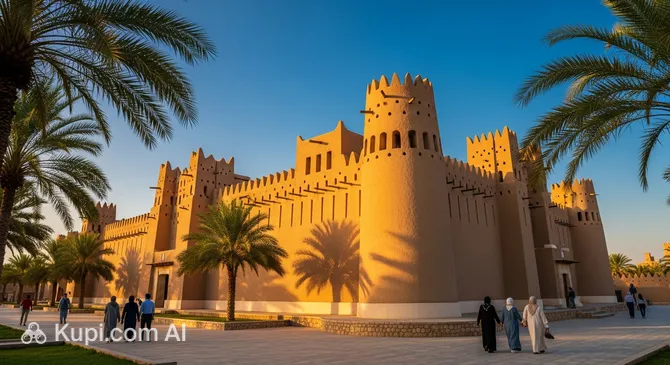
Dawadmi. Source: Kupi.Binoculars

The city is perched at a significant elevation, contributing to a climate that is typical of the central desert region—hot summers and cool, crisp winters. The landscape surrounding the city is characterized by vast plains and striking geological features, making it an interesting stop for those traveling through the central province.

For those interested in the past, the history of Dawadmi is deeply rooted in the formation of the modern kingdom. One of the most prominent landmarks is the King Abdulaziz Palace, a historical structure that stands as a testament to the city's importance in earlier times. The architecture reflects traditional Najdi styles, offering visitors a chance to appreciate the craftsmanship and heritage of the area.

Beyond its historical buildings, the region is known for its archaeological significance, including ancient rock carvings and petroglyphs found in the surrounding desert. These sites provide a fascinating window into the lives of ancient civilizations that once roamed these lands. Whether you are a history buff or simply exploring the Riyadh Region, Dawadmi offers a peaceful and enriching experience off the beaten path.
Weather Overview

The climate in this region is typical of the central Saudi Arabian desert, featuring extreme heat in the summer and cooler temperatures during the winter. During the peak summer months of June through August, the heat can be intense, with average maximum temperatures frequently climbing above 40°C. Conversely, the winter season offers a respite from the heat, with January seeing average highs of around 20.7°C and chilly nights where temperatures drop to approximately 9°C.

Rainfall is minimal year-round, contributing to the area's arid landscape. While precipitation is rare, the months of January, April, and November see a slightly higher occurrence of wet days compared to the rest of the year, though the overall accumulation remains negligible. To pack appropriately for your visit, it is helpful to review the detailed forecast for the weather in Dawadmi before your journey.

Expect scorching hot summers with clear blue skies and mild, dry winters that are ideal for sightseeing.

Interesting Facts

Beyond the main attractions, Dawadmi holds many fascinating secrets that reveal its deep historical roots and ancient significance. This city is not just a modern settlement but a place where royal history and ancient civilizations have left their mark.
  • A 1,200-Year-Old Industrial Hub: Long before the modern era, the region was a bustling center for mining and industry. Archaeological discoveries at the nearby Halit site have unearthed furnaces and tools dating back over a millennium, indicating that this area was a major hub for extracting gold and silver during the early Islamic period.

  • The First Royal Outpost: The city is home to the King Abdulaziz Palace, which holds a special distinction in Saudi history. Built around 1931, it was the very first royal palace constructed outside the capital of Riyadh. The founding King personally selected the location, using it as a vital headquarters and rest stop on his journeys.

  • Lions in the Desert: The surrounding desert landscape serves as an open-air gallery of ancient rock art. Among the many petroglyphs found in the area are faded depictions of large lions, suggesting that the region's environment was once vastly different and capable of supporting such wildlife.

  • A Name Rooted in Nature: Local legend suggests that the name "Dawadmi" may have a botanical origin. One theory proposes it is derived from the abundance of native trees, such as the samar and acacia, which produce a reddish sap reminiscent of blood ("dam" in Arabic), or from a specific tree known locally as "Al-Dawadim" used in tanning.

How to Get There

Reaching Dawadmi is primarily a journey by road, as the city is tucked away in the Riyadh Region and relies on highway connections to major transport hubs. While it does not have its own commercial airport, it is accessible via well-maintained routes from neighboring cities. For a complete guide on planning your route, you can read more about how to get to Dawadmi.

For most travelers, especially those arriving from abroad, the most convenient entry point is King Khaled International Airport (RUH), located in the capital, Riyadh. Situated approximately 235 km from Dawadmi, this is a major international facility handling a vast number of flights. From the airport, visitors can rent a car or arrange for a long-distance taxi service; the drive typically takes about 2.5 to 3 hours via the highway, offering a straightforward route through the central landscape.

Another viable option is Prince Nayef bin Abdulaziz Regional Airport (ELQ) in Buraydah, which is roughly 208 km away. This airport serves various regional routes and is about a 2.5-hour drive from the city. Travelers landing here will also need to rely on road transportation, such as rental vehicles or private transfers, to complete the journey to the Najd plateau.

For clarity, here is a summary of the nearest airports:

Airport Name City Passenger Traffic Km from City
King Khaled International Airport Riyadh High 235.8
Prince Nayef bin Abdulaziz Regional Airport Buraydah Medium 208.2

Main Attractions

Dawadmi may seem like a quiet desert city, but it holds significant historical treasures and cultural spots that offer a deep dive into the heritage of the Najd region. From royal residences to ancient archaeological sites, the attractions here tell the story of a land that has been a crossroads for travelers and civilizations for centuries.

One of the most important landmarks is the King Abdulaziz Palace. This historic fortress, built in the early 1930s, served as a primary residence and headquarters for the founding King during his travels. The palace is a stunning example of traditional Najdi architecture, constructed from mud and straw, featuring high walls and circular watchtowers. Visitors can explore its courtyards and rooms to understand the strategic importance of Dawadmi in the unification of the Kingdom.

For those fascinated by ancient history, the surrounding desert is an open-air museum of Rock Art and Petroglyphs. The region, particularly areas like Jebel Al-Nir, is dotted with granite formations bearing inscriptions and drawings that date back thousands of years. These carvings depict animals such as camels, ostriches, and lions, offering a rare glimpse into the prehistoric environment and the daily lives of early inhabitants.

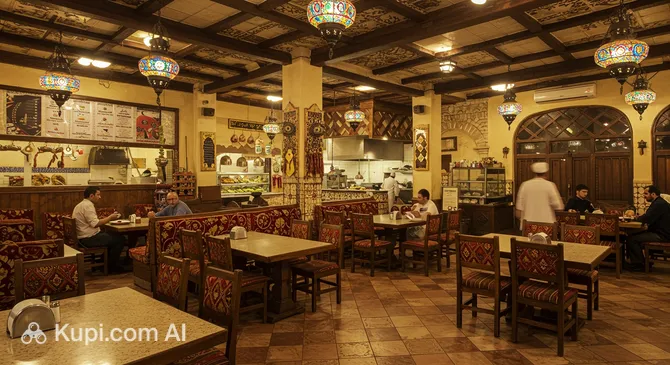
Al Fursan Restaurants and Kitchens. Source: Kupi.Binoculars

After exploring the historical sites, visitors can enjoy the local culinary scene. Al Fursan Restaurants and Kitchens is a popular spot for experiencing authentic Saudi hospitality. This establishment is known for serving traditional dishes that reflect the rich flavors of the region, making it an excellent place for tourists to try local staples like Kabsa and Mandi in a welcoming atmosphere.

Another site of immense historical value is the Halit Archaeological Site, also known as the "Metal of the Caliph." Located nearby, this area was a bustling mining center during the Umayyad and Abbasid eras. Archaeologists have uncovered remains of ancient furnaces and pottery, highlighting the region's industrial past. A visit here provides a fascinating contrast to the natural beauty of the desert, showcasing the early economic activities of the Arabian Peninsula.

Local Cuisine

The culinary landscape of Dawadmi is a reflection of its location in the heart of the Najd region, offering visitors a chance to savor authentic Saudi flavors. The local diet is hearty and rich, designed to sustain life in the desert environment. Rice serves as the staple of almost every main meal, typically prepared with aromatic spices and generous portions of meat. Kabsa is the undisputed king of the table here, a fragrant dish of long-grain rice cooked with chicken or lamb, dried limes, and a blend of spices like cardamom and cinnamon. Another favorite is Mandi, where the meat is traditionally slow-cooked in a tandoor oven to achieve a tender, smoky texture.

In addition to rice dishes, travelers should try Jareesh, a wholesome porridge made from crushed wheat cooked with milk or yogurt and topped with caramelized onions. This dish holds a special place in the heritage of the region and is often served at social gatherings. For dessert, the local dates are exceptional, often enjoyed as a natural sweet treat to balance the savory richness of the main courses.

When it comes to beverages, the culture revolves around hospitality. A meal or visit typically begins with Gahwa (Arabic coffee), which is lightly roasted and spiced with cardamom, served in small cups alongside dates. Sweet tea with mint is also popular after meals. It is important to note that alcohol is prohibited throughout the country, so you will find a variety of refreshing non-alcoholic options instead, such as Laban, a cooling yogurt drink that pairs perfectly with spicy rice dishes.

Dining in Dawadmi ranges from casual street eateries to family-style establishments. Traditional dining often involves sitting on carpeted floors and sharing a large communal platter, a practice that symbolizes friendship and generosity. For those looking to experience this traditional atmosphere and high-quality local cooking, Al Fursan Restaurants and Kitchens is a well-regarded establishment. It is an excellent venue to sample authentic Najdi recipes prepared with care, offering a true taste of the city's gastronomic heritage.

Travel Tips

Visiting Dawadmi offers a unique opportunity to experience the authentic lifestyle of the central Najd region, far removed from the bustle of major metropolises. To ensure your trip is smooth and respectful of local traditions, here are some practical tips to help you navigate this historic city with ease.

  1. Clothing and Gear: As in the rest of Saudi Arabia, modesty is the rule. Men should wear long trousers, and women are expected to wear loose-fitting clothing that covers the arms and legs. Since Dawadmi is located on a desert plateau, the sun is intense, so bring high-quality sunglasses, a wide-brimmed hat, and plenty of sunscreen. If you are visiting in winter (November to February), pack a warm jacket or fleece, as desert temperatures can drop significantly at night.

  2. Transportation: Public transport options like metros or buses do not exist within the city. The most practical way to get around is by car. It is highly recommended to rent a vehicle, likely from Riyadh before you drive out, as this gives you the freedom to explore the remote archaeological sites nearby. Ride-hailing apps may have limited availability compared to the capital, and local taxis are best hailed on the street or arranged via your accommodation.

  3. Finances: The currency is the Saudi Riyal (SAR). While digital payments are becoming widespread across the Kingdom, cash is still king in smaller towns like Dawadmi, especially in traditional markets (souqs), small groceries, and petrol stations. ATMs are readily available throughout the city. It is wise to carry a mix of cash and cards, and tipping is appreciated but not mandatory; rounding up the bill is a common gesture.

  4. Health and Safety: Dawadmi is a very safe city for tourists. Pharmacies are easy to find and are often marked with a green cross; many pharmacists speak basic English. For emergencies, dial 997 for an ambulance or 999 for police. Dehydration is a real risk in the desert climate, so always carry bottled water with you, even if you don't feel thirsty.

  5. Communication: Arabic is the primary language. While you may find English speakers in hotels or larger businesses, it is less common in daily interactions than in Jeddah or Riyadh. It is highly advisable to have a translation app downloaded on your phone. Buying a local SIM card (STC, Mobily, or Zain) is essential for navigation, as you will rely heavily on GPS to find landmarks in the desert.

  6. Local Etiquette: Greetings are important; a simple "As-salamu alaykum" (Peace be upon you) goes a long way. When interacting with locals, always use your right hand for shaking hands, eating, or passing objects. Be mindful of gender segregation norms; if you are a male tourist, avoid initiating conversation with local women unless necessary and respectful boundaries are maintained.

  7. What to Avoid: Do not photograph people, especially women, without their explicit permission, and avoid taking pictures of government buildings or military installations. Public displays of affection are culturally inappropriate and should be avoided. Also, never refuse an offer of Arabic coffee (Gahwa) if possible, as it is a significant symbol of hospitality.

  8. Shopping Hours: Be aware that businesses in Dawadmi often close for a mid-afternoon break, typically between 12:00 PM and 4:00 PM, and they will close briefly during prayer times throughout the day. Plan your shopping and dining schedule accordingly, and use these pauses to rest or travel between sites.

By keeping these practicalities in mind, you will be well-prepared to enjoy the rich heritage and warm hospitality that Dawadmi has to offer. A little cultural awareness will open many doors and ensure your desert adventure is both memorable and comfortable.

Entertainment & Nightlife

Entertainment and nightlife in Dawadmi offer a distinct cultural experience that revolves around social dining, late-night shopping, and relaxed gatherings rather than the loud music and dance clubs found in Western cities. As in the rest of Saudi Arabia, alcohol is prohibited, and there are no nightclubs or bars. Instead, the "nightlife" here is defined by a vibrant café culture and family-oriented activities that often stretch well past midnight, especially during the cooler evening hours.

The heart of the city's evening activity is undoubtedly King Abdulaziz Road. This bustling main artery comes alive after sunset, lined with brightly lit restaurants, coffee shops, and retail stores. It is the best place to witness the local social scene, where groups of friends and families gather to enjoy the cooler night air. The atmosphere is welcoming and safe, with a dress code that remains conservative; men typically wear thobes or smart casual attire, while women wear abayas.

Dining is the primary form of evening entertainment. For a traditional feast, Al Fursan Restaurants and Kitchens is a local favorite that stays busy into the night. It is an excellent venue to experience the communal dining style of the Najd region. After dinner, the locals often head to one of the many cafes for coffee and conversation. International and local coffee houses, such as Blue Martin or Gloria Jeans, are popular spots where people linger for hours over cappuccinos and desserts, making them the social hubs of the city.

For those who prefer a leisurely walk or shopping, Al Makan Mall and Dawadmi Mall are key destinations. These centers are not just for shopping; they serve as air-conditioned sanctuaries where families stroll, children play, and friends meet up. The malls typically remain open late, often until 11:00 PM or midnight, bustling with activity long after the sun goes down. Alternatively, King Salman Park offers a pleasant outdoor setting for an evening promenade under the stars, providing a quiet escape from the city lights.

Practical advice for enjoying your evenings includes renting a car, as public transport and ride-hailing services like Uber or Careem can be limited at night. Taxis are available but are best arranged in advance or found near major landmarks. The city is extremely safe for night walks, though it is always polite to respect local privacy norms. Prices for dining and entertainment are generally moderate, making a night out in Dawadmi both affordable and culturally enriching.

While the nights are for socializing, the daytime offers its own set of attractions. Before the evening sets in, visitors often explore the historical King Abdulaziz Palace or take short trips into the desert to view ancient rock art. However, it is the transition from the quiet heat of the day to the lively, illuminated streets at night that truly defines the rhythm of life in this desert city.

Parks & Museums

While Dawadmi is primarily recognized for its desert geography and role in the Kingdom's unification, the city and its surroundings offer a selection of engaging spaces that blend nature with history. Visitors can find well-maintained public parks for relaxation, alongside unique historical sites that function as living museums, preserving the heritage of the Najd region.

King Salman Park serves as the city's principal green lung and a popular social hub. Conveniently located, this park offers a refreshing counterpoint to the arid desert environment with its landscaped lawns, paved walking tracks, and shaded family areas. It is the perfect spot for an evening stroll, where travelers can witness the local community relaxing in a comfortable outdoor setting, complete with playgrounds for children.

Dominating the local landscape is the majestic Jebel Thahlan, a mountain range that is deeply embedded in the history and literature of the Arabian Peninsula. Known for its imposing presence and scenic beauty, this natural landmark is an excellent destination for those looking to explore the rugged terrain of the Najd plateau. The mountain offers hikers and sightseers dramatic views of the desert horizon and serves as a testament to the geological diversity of the Dawadmi area.

Although the city does not feature a wide array of modern indoor museums, the King Abdulaziz Palace acts as a significant cultural repository. This restored fortress is a prime example of traditional Saudi architecture, constructed from mud-brick and straw. As a heritage site, it allows visitors to walk through the corridors of a royal residence from the early 20th century, offering a tangible connection to the lifestyle of the founding leaders and the era of unification.

For art enthusiasts, the desert itself transforms into an ancient open-air gallery at Jebel Al-Nir. Located within the wider Dawadmi region, this site is home to fascinating rock art and petroglyphs that have survived for thousands of years. These ancient carvings depict scenes of wildlife, such as lions and camels, serving as a permanent exhibition of the region's pre-Islamic history and the early human inhabitants of the area.

Another pivotal site is the Halit Archaeological Site, which operates as an open-air museum of industrial history. Once a thriving mining center during the Umayyad and Abbasid periods, the site preserves the remnants of ancient mining infrastructure. Visitors can observe the ruins of stone structures and smelting furnaces, piecing together the story of a time when this desert region was a bustling economic engine for the Islamic world.

To complete the experience, a trip to the city's outskirts near the natural rock formations at sunset is highly recommended. The interplay of light on the desert sands and the silhouettes of native acacia trees creates a serene, picturesque atmosphere that rivals any curated botanical garden.

Getting Around

Travelers planning a visit to Dawadmi should be aware that the city does not possess a comprehensive public transport network like those found in major international capitals. There are no metro systems, trams, trolleybuses, or scheduled city bus routes operating within the city limits. The local infrastructure is primarily designed for private vehicle use, which is the standard mode of mobility for residents and visitors alike.

Since there is no formal public transit system with ticketing machines or travel passes, the concept of "validating tickets" or purchasing transport cards does not apply here. You will not need to worry about zone maps or complex fare structures. Instead, the payment system for getting around relies almost exclusively on direct transactions with drivers or through vehicle rental agencies.

The most common alternative to public transport is the local taxi service. You will see white taxis, often referred to as "limousines," driving through the main streets. It is important to note that many of these taxis do not use meters. Therefore, a crucial piece of practical advice for tourists is to negotiate and agree on the fare before entering the vehicle. Prices are generally reasonable, but having small denominations of cash (Saudi Riyals) is essential, as card terminals may not be available in every vehicle.

Ride-hailing applications such as Careem and Uber operate in Saudi Arabia and can be a convenient option, offering the benefit of fixed pricing and digital payment. However, in smaller cities like Dawadmi, the availability of drivers may be significantly lower than in Riyadh or Jeddah. It is advisable not to rely solely on these apps for time-sensitive trips, especially late at night or in remote areas on the outskirts.

For the utmost freedom and convenience, renting a car is highly recommended. This is the most popular choice for tourists, as it allows you to explore the city center and the surrounding desert attractions at your own pace. Rental agencies are available, but booking your vehicle in advance or renting one upon arrival at the airport in Riyadh is often the smoothest strategy. Fuel is affordable, and the road network is well-maintained, making driving the most practical solution.

Walking or cycling is generally not considered a viable primary mode of transport due to the city's expansive layout and the intense desert heat, particularly during the day. While you might enjoy a short walk in the evening in areas like King Abdulaziz Road, relying on walking to get between attractions is not feasible. There are no public bike-sharing schemes currently available in the city.

Accommodation

Accommodation in Dawadmi is primarily designed to serve practical needs, catering largely to business travelers, families visiting relatives, and those passing through the Riyadh Region. Unlike major tourist hubs, the city does not feature sprawling luxury resorts or five-star international chains. Instead, the hospitality landscape is dominated by functional mid-range hotels and furnished apartment suites, known locally as "aparthotels," which offer comfortable and spacious living arrangements suitable for short or long stays.

The most convenient area to stay is typically along the city's main commercial arteries, such as King Abdulaziz Road. Choosing a hotel in this central district places you within easy reach of local restaurants, supermarkets, and essential services. Being near the city center also ensures quicker access to the highway for those planning to drive out to nearby archaeological sites or the airport in Riyadh.

Furnished apartments are a particularly popular option in Dawadmi and throughout Saudi Arabia. These units often include a small kitchenette and a living area, providing a "home away from home" experience that is ideal for families or groups who value privacy and extra space. While they may lack the extensive amenities of a full-service hotel, they are generally clean, modern, and well-maintained.

Booking Tip: While it is possible to find accommodation upon arrival, it is advisable to book in advance, especially during national holidays or Eid celebrations when local travel peaks. Checking online maps can also be helpful to locate smaller properties that may not be listed on major international booking platforms.

In terms of cost, the price range is generally budget to mid-range, making Dawadmi an affordable stopover. Many establishments can be booked through popular online travel agencies, but some smaller local hotels may still rely on direct phone bookings or walk-ins. Regardless of where you stay, you can expect warm Saudi hospitality and a helpful attitude from the staff.

Nearby Cities

For those looking to explore the surroundings, Dawadmi serves as an excellent base for day trips to several interesting nearby locations:

Riyadh: Located approximately a 2.5-hour drive away, the Kingdom's capital offers a vibrant mix of modernity and tradition. Visitors can explore the historic Masmak Fortress, wander through the National Museum, or enjoy world-class shopping and dining. The contrast between the quiet desert of Dawadmi and the bustling metropolis of Riyadh makes for an exciting change of pace.

Buraydah: Situated in the heart of the Al Qassim region, this city is famous globally for its massive date market, especially during the harvest season. A trip to Buraydah offers a deep dive into Saudi agricultural heritage, with opportunities to visit lush palm groves and experience the warm hospitality of the central region.

Al Kharj: Known for its historical significance and natural springs, Al Kharj is another fascinating destination. It is home to the historic King Abdulaziz Palace and ancient water wells, providing further insight into the history of the area and the early development of the Saudi state.

City Population Distance (km)
Riyadh 7,237,000 230
Buraydah 467,410 209
Hail 385,257 428
Al Kharj 376,325 298
Al Mubarraz 298,562 341

These nearby destinations offer a glimpse into the diverse culture and landscapes of the region.

Shopping & Souvenirs

Shopping in Dawadmi provides a delightful mix of contemporary retail and traditional market experiences. While the city may not have the sprawling luxury complexes found in the capital, it offers a variety of venues where visitors can purchase both international goods and authentic local treasures. The retail scene here is a reflection of the community's lifestyle, blending modern convenience with deep-rooted customs.

For those seeking modern amenities, Al Makan Mall and Dawadmi Mall are the city's main commercial centers. These malls host a selection of fashion retailers, shoe stores, and lifestyle brands, making them convenient stops for travelers who need to pick up clothing or travel essentials. Beyond retail, these centers provide a cool, air-conditioned environment that is perfect for escaping the afternoon sun while browsing for goods.

To truly understand the local culture of Saudi Arabia, one must explore the independent shops and smaller markets scattered along the main thoroughfares, such as King Abdulaziz Road. This area is excellent for finding traditional Saudi garments, including finely tailored thobes and abayas. Jewelry shoppers will appreciate the local gold shops, where intricate designs are sold by weight, offering both investment value and beautiful craftsmanship unique to the region.

No trip to the central region is complete without purchasing dates. As a staple of the local diet and hospitality, high-quality dates are widely available and make for perfect edible souvenirs. Additionally, visitors should look for shops specializing in Oud and oriental perfumes. These rich, oil-based scents are deeply rooted in Saudi tradition and offer a sensory reminder of your travels in the Kingdom.

Travelers should keep in mind that shopping hours in Dawadmi are influenced by prayer times. Most businesses close briefly during the five daily prayers. Furthermore, many smaller shops take a break in the afternoon, typically from 12:00 PM to 4:00 PM, before reopening for a lively evening session that often lasts until midnight. While prices in malls are fixed, friendly bargaining is often welcomed in traditional markets and independent stores.

Nearby cities

Reached the end of the page?

That means the route is fully explored