Support

Medina

About

Medina, traditionally known as Al-Madinah Al-Munawwarah or "The Radiant City," is a destination of profound spiritual significance and serene beauty. As the second holiest city in Islam, it offers a tranquil atmosphere that deeply moves visitors, distinct from the busier pace found elsewhere in Saudi Arabia. The city is not only a pilgrimage site but also a modern urban center that honors its past while embracing the present.

Geographically, Medina is situated in the Hejaz region in the western part of the country, nestled among volcanic hills and fertile valleys. The city lies at an elevation of about 600 meters above sea level and experiences a desert climate with hot summers and mild winters. With a population of over 1.1 million people, it is a bustling hub that welcomes millions of visitors from around the globe every year.
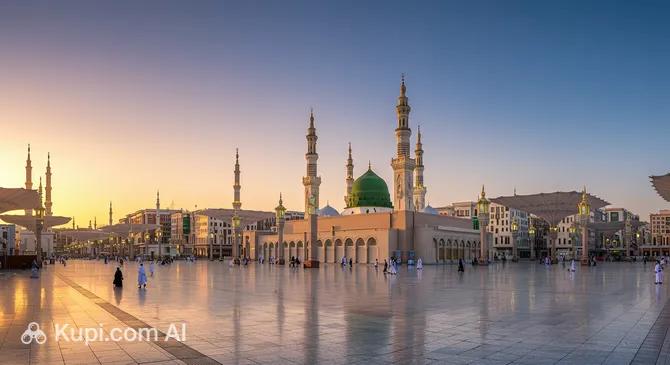
Medina. Source: Kupi.Binoculars

The history of Medina is pivotal to the development of Islamic culture and civilization. It was here that the Prophet Muhammad established the first Muslim community, and this rich heritage is reflected in the city's remarkable landmarks. The heart of the city is the majestic Al-Masjid an-Nabawi (The Prophet's Mosque), famous for its striking Green Dome and the expansive, shaded courtyards that provide a peaceful retreat for worshippers.

Beyond the central sanctuary, the city is home to several other key attractions. The Quba Mosque holds the distinction of being the first mosque ever built in history, while Mount Uhud offers both historical insight into early Islamic battles and panoramic views of the surrounding landscape. Visitors are also drawn to the local date farms and markets, where the region's agricultural bounty can be sampled.

Medina is a city that invites contemplation and discovery. Whether you are drawn by its religious importance or the desire to explore its unique cultural landscape, a visit here promises an experience filled with peace, history, and architectural wonder.
Weather Overview

Medina features a desert climate defined by extreme heat in the summer and significantly milder conditions during the winter. To pack appropriately for your visit, it is helpful to review the typical weather in Medina before you travel, as conditions can vary greatly depending on the season.

The summer months are intense, with June typically recording the highest temperatures; averages sit around 34.8°C, while daily maximums can soar to 42.2°C. The heat persists well into September, making early morning or evening outings preferable. In contrast, winters are comfortable and mild. January is usually the coolest month, with lows dipping to 10.5°C and highs reaching a pleasant 23.6°C. Rainfall is exceptionally scarce throughout the year, although April may occasionally bring brief showers, recording about 3 wet days.

Interesting Facts

Beyond the main spiritual landmarks, Medina holds many fascinating secrets and historical layers that often escape the casual observer's eye. From geological wonders to changes in architectural aesthetics, the city offers a wealth of intriguing details for the curious traveler.
  • One of the most mysterious spots in the region is Wadi Al-Jinn, locally known as the "Valley of Genies." In this peculiar location, vehicles placed in neutral appear to roll uphill against gravity, a phenomenon that has sparked debates about magnetic fields versus optical illusions for years.

  • The iconic Green Dome, which rests above the Prophet's Mosque, has not always borne its signature color. Throughout history, the structure has been painted white, blue, and even purple, only receiving its current emerald hue during the Ottoman era in 1837.

  • Medina is geographically unique because it sits atop a vast volcanic field known as a "harrat." The landscape is dotted with black basalt rocks from ancient lava flows, and the last recorded eruption in the area occurred in 1256 AD, leaving a distinct geological footprint that contrasts with the sandy desert.

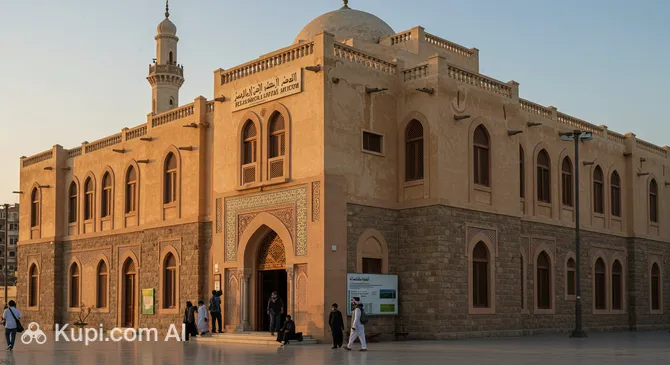
  • The Hejaz Railway Museum offers a glimpse into the early 20th century. Housed in the restored historic Ottoman train station, it tells the story of the ambitious railway project that once connected Damascus to the holy city, aiming to shorten the arduous pilgrimage journey.

Hejaz Railway Museum. Source: Kupi.Binoculars

How to Get There

Reaching the holy city is a straightforward experience for pilgrims and tourists alike, with modern infrastructure facilitating easy access from across the globe. While most international visitors choose to fly directly, there are various ways to reach Medina depending on your starting point and itinerary.

The primary gateway for most travelers is Prince Mohammad Bin Abdulaziz International Airport (MED). Located just 13.2 km from the city center, this major international airport welcomes millions of passengers annually. It is well-connected and serves as the main entry point for the region. A trip from the terminal to the heart of the city by taxi or bus typically takes around 25 to 30 minutes.

For those exploring the wider region or the Red Sea coast, Yanbu Airport (YNB) in the city of Yanbu is another option, situated approximately 160 km away. This regional hub is less central but can serve as an alternative entry point. The journey by road from Yanbu to Medina generally takes approximately 2.5 hours.

For clarity, here is a summary of the main airports:

Airport Name City Passenger Traffic Km from City
Prince Mohammad Bin Abdulaziz International Airport Medina High 13.2
Yanbu Airport Yanbu Medium 160.3
Prince Abdul Majeed bin Abdulaziz Airport AlUla Medium 269.9

In addition to air travel, Medina is well-integrated into the kingdom's transport network. Visitors already in Saudi Arabia can utilize the modern high-speed railway linking the city with Jeddah and Mecca, or make use of the extensive highway system for a scenic drive through the desert landscape.

Main Attractions

Medina is a city where history and spirituality are woven into the very fabric of daily life. While millions visit primarily for religious purposes, the city’s landmarks offer a profound insight into the origins of Islamic culture and the region's heritage. From grand sanctuaries to insightful museums, the attractions here provide a peaceful and educational experience.

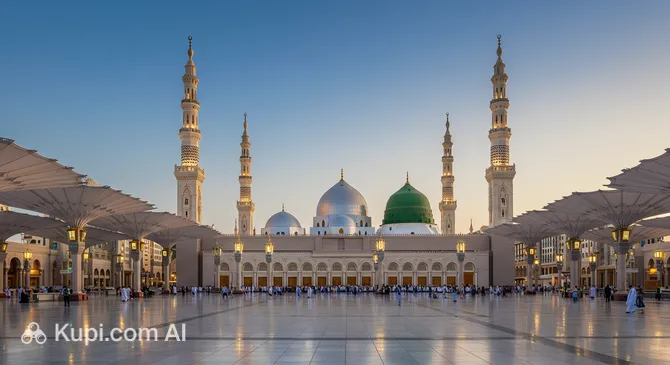
Undoubtedly the focal point of the city is The Prophet's Mosque (Al-Masjid an-Nabawi). This expansive complex is not only the resting place of the Prophet Muhammad but also a masterpiece of Islamic architecture. Visitors are captivated by its serene atmosphere, the stunning golden gates, and the massive retractable umbrellas that shade the courtyards during the day. It serves as the spiritual heart of Medina, open day and night for worshippers and respectful observers.

The Prophet's Mosque. Source: Kupi.Binoculars

A short distance away lies the Quba Mosque, which holds the unique distinction of being the first mosque ever built in history. Its striking white façade and four towering minarets make it a beautiful example of traditional design. It is a place of great significance, as it is believed that offering prayers here carries a special spiritual reward, drawing many visitors to its peaceful halls.

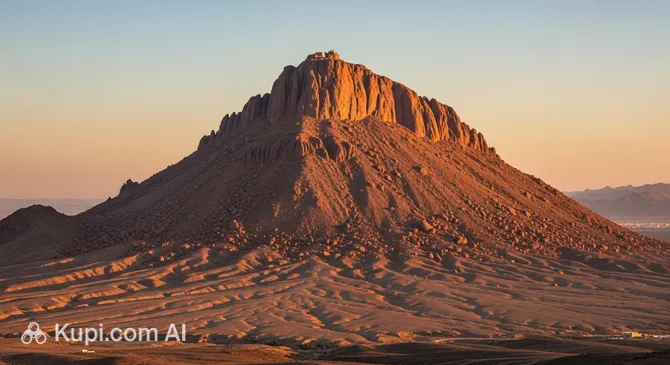
For those interested in the historical landscape, Mount Uhud is a landmark of great importance. Located north of the city, this reddish mountain was the site of a major early Islamic battle. Tourists often visit the adjacent Archers' Hill to gain a panoramic view of the area and reflect on the history that shaped the region. The rugged terrain provides a stark, natural contrast to the urban architecture of the city center.

Mount Uhud. Source: Kupi.Binoculars

To deepen your understanding of the city's evolution, a visit to the Dar Al Madinah Museum is highly recommended. This cultural gem features detailed architectural models and rare artifacts that chronicle the history of Medina and the expansion of the Prophet's Mosque over the centuries. It offers a fascinating narrative that helps contextualize the sights you see around the city.

Local Cuisine

The culinary landscape of Medina is a reflection of its rich history as a gathering place for pilgrims from around the world, blending traditional Hejazi recipes with diverse international influences. At the heart of the local diet are dates, specifically the renowned Ajwa dates, which are grown exclusively in Medina. These soft, dark fruits are not only a spiritual staple but also a ubiquitous sign of hospitality, often served to guests before a meal begins.

When it comes to main courses, visitors should not miss the opportunity to try Saleeg. Widely considered a signature dish of the Hejaz region, it consists of white rice cooked with broth and milk until it reaches a creamy, risotto-like consistency, typically served with roasted chicken or lamb. Another perennial favorite is Kabsa, a fragrant mixed rice dish heavily spiced and topped with tender meat, which serves as a comforting staple across the kingdom.

The drinking culture in Medina is vibrant but strictly non-alcoholic, in accordance with Islamic laws observed throughout Saudi Arabia. Instead of bars, social life revolves around coffee houses and tea lounges. Arabic coffee (Gahwa), spiced with cardamom and saffron, is the traditional welcome drink. Additionally, tea lovers must try tea flavored with fresh Madini mint, a local variety famous for its intense aroma and refreshing taste.

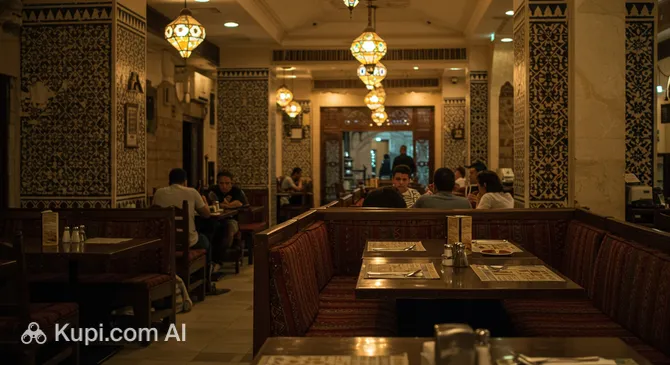
Dining in the city ranges from traditional floor-seating establishments to modern, upscale venues. For a relaxed atmosphere where you can enjoy a variety of flavors, Memaz Restaurant & Cafe offers a blend of great food and a comfortable setting perfect for unwinding after a day of sightseeing. Those looking for a hearty meal might visit Zaitoon Restaurant, which is popular for its delicious mix of Indian and Middle Eastern cuisines, reflecting the city's multicultural palate.

Memaz Restaurant & Cafe. Source: Kupi.Binoculars

Street food also plays a significant role in the local food scene, particularly in the evenings. Near the central markets and mosques, you can find vendors selling fresh juices, such as Sobia—a traditional fermented bread drink often enjoyed chilled—as well as savory snacks like sambousek (fried pastry pockets). Whether dining in a restaurant or grabbing a quick bite, the food in Medina is characterized by generosity and a deep respect for tradition.

Travel Tips

Visiting Medina is a deeply moving experience that blends spiritual tranquility with the bustle of a modern city. To ensure your journey through "The Radiant City" is as smooth and respectful as possible, we have compiled a set of essential guidelines to help you navigate local customs and logistics with ease.

  1. Clothing and Modesty: As the second holiest city in Islam, Medina maintains a strict dress code that reflects its spiritual significance. For both men and women, modest clothing is essential in public spaces. Women are expected to wear loose-fitting clothes that cover the arms and legs; wearing an abaya (a long, loose outer garment) is the norm and highly respectful, especially near the central area. Men should wear long trousers and shirts that cover the shoulders. Given the desert heat, choose breathable, natural fabrics like cotton or linen.
  2. Getting Around: The city offers several convenient transport options. Ride-hailing apps like Uber and Careem are widely used and often more reliable than hailing street taxis, as they overcome language barriers and provide fixed pricing. The Medina Sightseeing Bus is an excellent way for tourists to visit major landmarks like Mount Uhud and the Quba Mosque on a hop-on-hop-off basis. For intercity travel, the Haramain High Speed Railway connects Medina to Jeddah and Mecca efficiently.
  3. Currency and Payments: The official currency is the Saudi Riyal (SAR). While credit and debit cards (Visa, Mastercard, and Apple Pay) are widely accepted in hotels, malls, and restaurants, it is wise to carry cash for small transactions. You will need physical currency for local date markets, small souvenir shops, or tipping porters. ATMs are plentiful throughout the city.
  4. Communication and Connectivity: Arabic is the official language, but English is commonly spoken in hotels, restaurants, and shops catering to visitors. To stay connected, it is recommended to purchase a local SIM card from providers like STC, Mobily, or Zain upon arrival at the airport. Most hotels and cafes offer free Wi-Fi, but having mobile data is helpful for navigation and translation apps.
  5. Health and Safety: Medina is an extremely safe city for tourists. Pharmacies (such as the Nahdi chain) are abundant, and many operate 24/7 to cater to the constant flow of pilgrims. The desert climate can be dehydrating, so always carry water and wear sunscreen. In case of any emergency, you can dial 911 for police, ambulance, or fire services.
  6. Local Etiquette: Politeness is highly valued in Saudi culture. Greeting people with "As-salamu alaykum" (Peace be upon you) is a polite gesture that is always appreciated. Be mindful of prayer times; five times a day, music is turned off, and many smaller shops may close briefly while people head to prayer. It is polite to wait patiently until they reopen.
  7. What to Avoid: Public displays of affection are culturally inappropriate and should be avoided. Additionally, strictly avoid taking photographs of local residents—especially women—without their explicit permission. While Medina is open to visitors, please note that entry to the interior of Al-Masjid an-Nabawi (The Prophet's Mosque) and its immediate prayer courtyards is reserved exclusively for Muslims.
  8. Shopping for Dates: No trip to Medina is complete without buying dates. For the best quality and prices, visit the central Souq Al Tumour (Dates Market). Look specifically for Ajwa dates, which are native to Medina and famous for their soft texture and spiritual significance. Sellers are usually happy to let you taste before you buy.

By keeping these practical tips in mind, you can focus fully on the unique atmosphere and history of this remarkable destination. Medina welcomes its guests with open arms, and a little preparation ensures you will enjoy every moment of your stay in this peaceful sanctuary.

Entertainment & Nightlife

Entertainment and nightlife in Medina offer a unique cultural experience that differs significantly from Western concepts. As a holy city, the "nightlife" here is entirely alcohol-free and family-oriented, characterized by vibrant social gatherings, late-night dining, and bustling markets rather than dance clubs or pubs. The city comes alive after the evening prayer (Isha), when the temperatures drop, and locals head out to enjoy the cooler air, socialize in upscale cafes, or stroll through illuminated promenades.

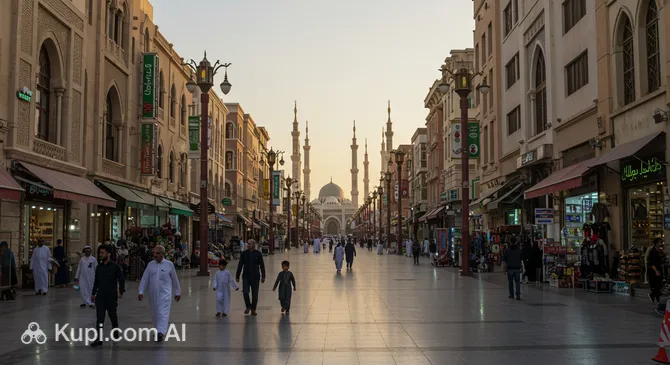
One of the most popular districts for an evening out is Quba Avenue. This lively street connects the Prophet's Mosque to the Quba Mosque and is lined with shops, food stalls, and cafes. It is particularly famous for the Quba Walkway, a pedestrian-friendly path that buzzes with activity until late at night. Here, you will find families walking, children playing, and visitors enjoying street food in a safe, festive atmosphere that perfectly captures the local spirit.

Quba Avenue. Source: Kupi.Binoculars

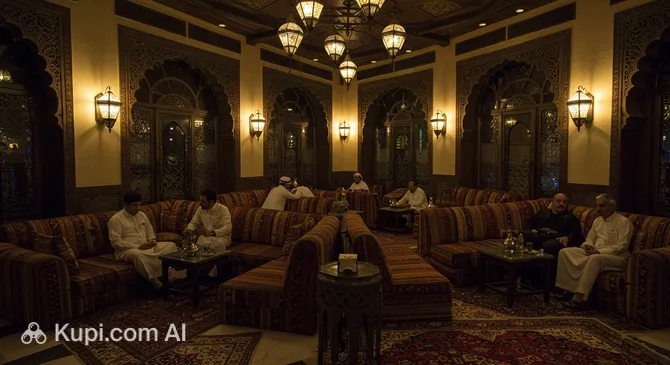
For those seeking a relaxed environment to unwind with high-quality beverages and ambiance, the city boasts several sophisticated lounges. These venues serve as the local equivalent of bars and social clubs, offering elaborate mocktails, gourmet coffee, and desserts. Awtar Ziryab Lounge is a prime example, known for its elegant decor and relaxing vibe, making it a perfect spot for conversation. Similarly, the Pistachio Lounge offers a trendy setting where young locals and tourists gather to enjoy the evening in style.

Awtar Ziryab Lounge. Source: Kupi.Binoculars

Shopping is another major form of evening entertainment. Large complexes like Al Noor Mall remain open late, often until midnight or 1:00 AM on weekends. These malls are not just for shopping; they act as community hubs with indoor amusement centers and food courts that stay busy well into the night. It is a great way to escape the heat and experience modern Saudi lifestyle.

From a practical standpoint, the best time to explore is between 9:00 PM and 1:00 AM. The city is extremely safe for night walks, even for solo travelers, though modest dress is required at all times. Getting around is easy with ride-hailing apps like Uber or Careem, which are reliable and available throughout the night. Prices for food and entertainment are generally reasonable, with luxury lounges charging premium rates similar to European cafes.

While the nights are lively, daytime in Medina offers its own array of activities beyond the mosques. Visitors can explore the city's rich heritage at museums or enjoy family fun at amusement parks like World of Fun. However, due to the afternoon heat, many tourists prefer to save outdoor excursions and social activities for the cooler, energetic evenings.

Parks & Museums

While Medina is primarily recognized for its spiritual significance, the city also offers a variety of green spaces and cultural institutions that provide a deeper understanding of its heritage and natural beauty. Beyond the bustling courtyards of the holy sites, visitors can find tranquility in rugged parks and educational value in well-curated museums that chronicle the region's rich history.

For those looking to experience the natural landscape, Al Baidha Public Park is a standout destination. Often referred to as the "Wild Park," it is located about 30 kilometers northwest of the city center. Unlike typical manicured gardens, this area is defined by its stunning desert scenery, surrounded by granite mountains. It is a favorite spot for locals to enjoy picnics and camping, offering a raw and authentic connection to the Arabian desert environment.

Al Baidha Public Park. Source: Kupi.Binoculars

Another excellent spot for relaxation is the Prince Mohammed bin Abdul Aziz Park. Situated at a higher elevation on Mount Uhud, this park offers panoramic views of the city, which are particularly breathtaking at sunset or under the night sky. Its cooler temperatures and well-maintained walking paths make it a popular escape for families seeking fresh air and scenic beauty away from the urban heat.

Medina's museums serve as custodians of its Islamic legacy. The Dar Al Madinah Museum is essential for anyone interested in the city's urban evolution. It features intricate architectural models and rare exhibits that depict the history of the Prophet's Mosque and the city's expansion from ancient times to the present day. It provides a visual narrative that brings historical texts to life.

Dar Al Madinah Museum. Source: Kupi.Binoculars

Near the Prophet's Mosque, the Assalam Museum offers a modern and immersive experience. It utilizes advanced technology to present the history of the prophets and the message of peace in Islam. For a look at traditional life, the Alamoudi Museum showcases the region's folklore, displaying authentic tools, costumes, and mudbrick architecture that reflect the daily lives of Medina's ancestors.

Architectural enthusiasts should also visit the Anbariya Mosque. Built during the Ottoman era, its design stands out with twin minarets and a distinct Turkish architectural style, serving as a historical monument near the old Hejaz Railway station. For families traveling with children, the Zoo Truck offers a small but engaging animal experience that can be a fun diversion.

Insider Tip: When visiting Al Baidha Public Park, try to go in the late afternoon or evening. The locals often set up campfires and barbecues as the temperature drops, creating a lively and welcoming atmosphere that is perfect for stargazing away from the city lights.

Getting Around

Navigating Medina is relatively straightforward, with a transport network designed to accommodate the millions of pilgrims and visitors who arrive annually. While the city does not yet have an operational metro or tram system, the local authorities have significantly upgraded the public bus network to ensure efficient connectivity between the airport, the central holy sites, and major residential areas.

The primary mode of public transit is the Madinah Bus service. This network operates modern, air-conditioned buses on several key routes, specifically designed to link the Prince Mohammad Bin Abdulaziz International Airport and the Haramain High Speed Railway station with the Prophet’s Mosque (Al-Masjid an-Nabawi) and the Quba Mosque. These buses are clean, reliable, and equipped with screens displaying route information, making them a budget-friendly option for getting to the main landmarks.

For tourists, the most convenient and popular option is the City Sightseeing Al Madinah bus. These distinctive red double-decker buses operate on a "Hop-On Hop-Off" basis, circling the city's major historical and religious attractions, including Mount Uhud, the Seven Mosques, and the Quba Mosque. The service provides audio guides in multiple languages, offering historical context as you travel. Tickets are typically valid for 24 hours, allowing you to explore at your own pace without worrying about navigating local traffic.

Taxis and ride-hailing applications are the most flexible alternatives and are widely used throughout the city. Green public taxis can be hailed from the street, but for price transparency and ease of communication, it is highly recommended to use apps like Uber or Careem. These platforms allow you to pay digitally, avoid language barriers, and see the estimated fare before you ride. If you choose a street taxi, always ensure the driver uses the meter or agree on a fare before starting the journey.

Regarding payments, the system is becoming increasingly digital. For the Madinah Bus, you can often pay via a dedicated mobile app or purchase a smart card at main stations. A single trip is very affordable, typically costing just a few Riyals. Tickets for the sightseeing bus can be purchased online in advance, at the bus stops, or directly from the driver, with prices varying based on the ticket duration. While card payments are widely accepted, carrying some cash is advisable for smaller street taxis or local vendors.

A few practical tips will help ensure a smooth experience. Traffic congestion can be heavy around the central area, especially immediately before and after prayer times, so plan your movements accordingly. Buses and taxis generally operate late into the night, but schedules may shift slightly during the holy month of Ramadan. Additionally, while walking is the best way to move between hotels and the Prophet’s Mosque in the central zone, distances to other sites like Mount Uhud are too great for walking, making motorized transport essential.

Accommodation

Where to Stay:

Accommodation in Medina is abundant and diverse, designed primarily to cater to the millions of pilgrims and tourists who visit throughout the year. The options range from simple, budget-friendly hostels and apartments to opulent 5-star high-rise hotels that offer direct views of the holy sites. Whether you are looking for a luxurious suite with premium services or a modest room just for sleeping, the city is well-equipped to meet various needs and budgets.

The most popular and convenient area to stay is the Central Area (Markazia). This district encircles the Prophet's Mosque and is divided into north, south, east, and west sectors. Staying here means you are often within walking distance of the sanctuary, which is a significant advantage for those wishing to attend all five daily prayers at the mosque. Hotels in the first row facing the Haram are the most prestigious and expensive, while properties just a few blocks back offer a balance of proximity and lower rates.

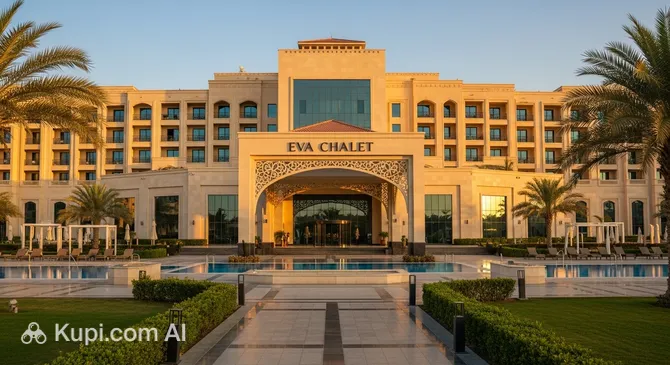
Beyond the bustling city center, visitors can find more spacious and private lodging options, such as chalets and resorts. These are excellent for families or travelers seeking a quiet retreat away from the crowds. For instance, Eva Chalet provides a resort-style experience with amenities often suited for relaxation. Similarly, Milos Chalet offers a comfortable stay, distinct from the typical high-rise hotels found in the central district.

Eva Chalet. Source: Kupi.Binoculars

Booking Tip: Seasonality plays a massive role in availability and pricing. During the holy month of Ramadan and the Hajj season, demand skyrockets, and hotels in the central area can be fully booked months in advance. It is highly recommended to secure your reservation as early as possible if you plan to travel during these peak times. Conversely, visiting during the off-peak season can secure you luxury accommodation at a fraction of the usual cost.

Prices in Medina vary drastically depending on the location and season. Budget travelers can find affordable options further from the center or in furnished apartments, while luxury seekers should be prepared for premium rates near the mosque. Booking is easily done through major online travel platforms, which allow you to compare distances to the Haram, though many hotels also accept direct bookings.

Nearby Cities

For those looking to explore the surroundings, Medina serves as an excellent base for day trips to several interesting nearby locations. Thanks to the modern Haramain High Speed Railway, the vibrant coastal city of Jeddah is easily accessible, offering visitors a chance to explore the historic Al-Balad district and the beautiful Red Sea corniche. Another popular destination is Taif, often referred to as the "City of Roses," which sits at a higher elevation and provides a cool, mountainous retreat famous for its fragrant gardens and fruit markets.

City Population Distance (km)
Jeddah 3,976,000 329
Mecca 2,000,000 338
Taif 579,970 362
Buraydah 467,410 488
Hail 385,257 398

These nearby destinations offer a glimpse into the diverse culture and landscapes of the region, ranging from coastal breezes to mountain vistas.

Shopping & Souvenirs

Shopping in Medina offers a fascinating blend of traditional Arabian commerce and modern retail experiences. While many visitors focus on purchasing religious items and keepsakes to commemorate their pilgrimage, the city also boasts contemporary shopping centers that rival those in major metropolises. From bustling street markets fragrant with the scent of oud to air-conditioned malls housing international brands, the shopping scene caters to a wide range of tastes and budgets.

For a lively street shopping experience, the area immediately surrounding the Prophet's Mosque, known as the Central Area or Markazia, is packed with hundreds of small shops and stalls. Here, pilgrims can find everything from prayer beads and rugs to gold jewelry and readymade clothing. Another vibrant destination is Quba Avenue. This historic street, which connects the two holiest mosques, is lined with local boutiques, perfume shops, and vendors selling traditional goods, making it a perfect place to stroll and shop in a culturally rich atmosphere.

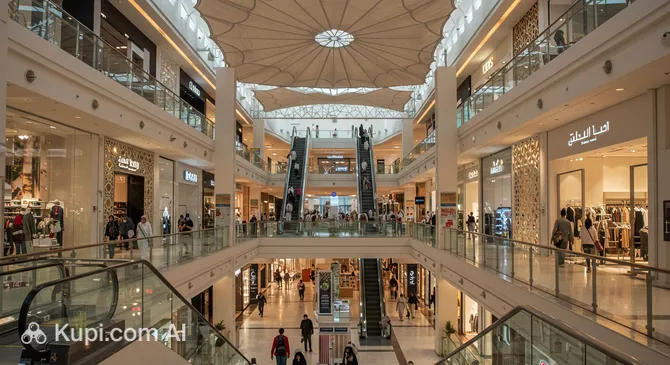
If you prefer a modern shopping environment, the city features several large complexes that offer a respite from the heat. Al Noor Mall is widely considered the most popular shopping destination in the city, featuring a vast array of fashion brands, a food court, and family entertainment zones. Another excellent option is Al Rashid Mega Mall, which stands out for its elegant design and extensive selection of retail outlets, ranging from luxury labels to everyday essentials.

Al Rashid Mega Mall. Source: Kupi.Binoculars

No trip to Medina is complete without visiting its traditional markets, with the Central Dates Market (Souq Al Tumour) being the most significant. Medina is world-renowned for its dates, and this sprawling market offers dozens of varieties, including the famous Ajwa, Rotana, and Safawi dates. It is a sensory experience where you can taste different types before purchasing, ensuring you find the perfect quality and flavor to take home.

When it comes to souvenirs, dates are undoubtedly the top choice for almost every visitor. Beyond that, prayer rugs made in Medina are highly prized gifts. Other popular items include Oud (agarwood) and musk perfumes, which are deeply rooted in local culture, as well as intricate gold jewelry sold in the dedicated Gold Souqs. Wooden miswaks (natural toothbrushes) and customized prayer beads also make for meaningful and affordable mementos.

Store opening hours in Medina generally run from around 9:00 AM or 10:00 AM until late at night, often closing as late as 11:00 PM or midnight. However, it is crucial to remember that businesses close briefly during the five daily prayer times. These breaks typically last for 20 to 30 minutes. While cash is useful for small street vendors, credit and debit cards are widely accepted in malls and larger stores.

International tourists in Saudi Arabia can often benefit from a VAT refund system. The Value Added Tax is currently set at 15%, and visitors may be eligible to claim a refund on goods purchased from participating retailers, provided they present their passport at the time of purchase and spend above a certain minimum amount. Look for "Tax Free" signage in shop windows and ask for a tax-free tag to process your refund at the airport upon departure.

Nearby cities

Reached the end of the page?

That means the route is fully explored