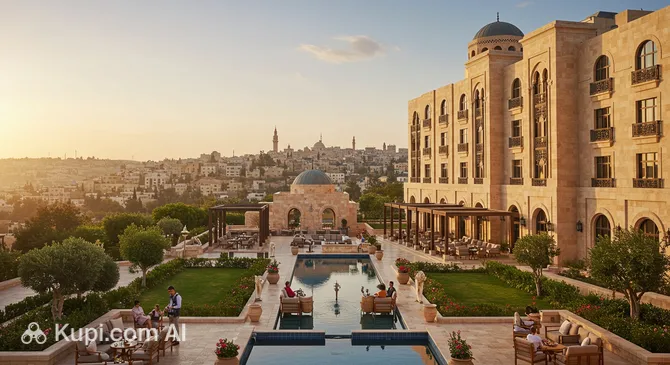
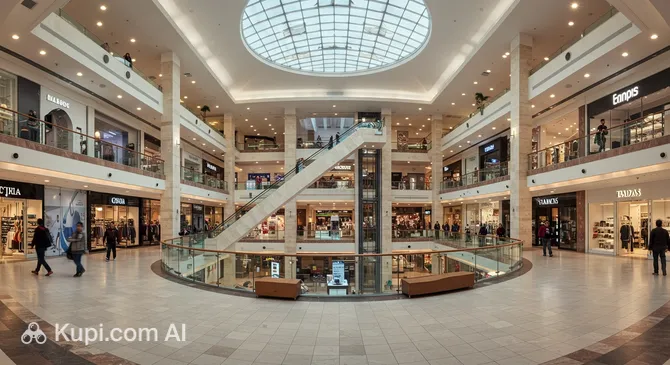
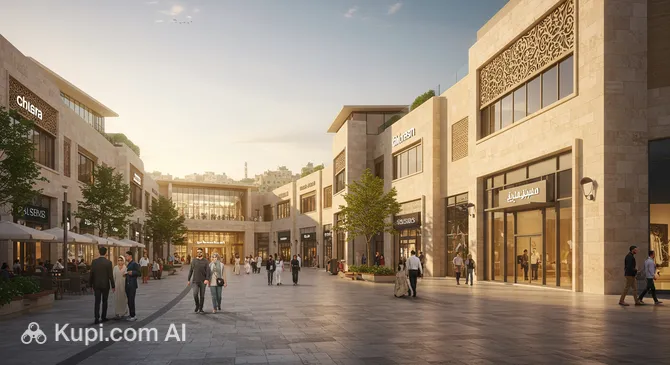
Support

Amman

About

Amman, the capital and largest city of Jordan, is a fascinating metropolis of contrasts where ancient history seamlessly blends with modern ambition. As the political, cultural, and commercial center of the country, it offers travelers a unique atmosphere that is both cosmopolitan and deeply rooted in tradition. Known as the "White City" due to its ubiquitous white stone architecture, Amman is spread across numerous hills, offering spectacular panoramic views at every turn.

Geographically, the city is situated in a hilly area between the desert and the fertile Jordan Valley, providing a temperate climate that is generally enjoyable for exploration. With a population of over 4 million people, it is a bustling hub of activity, yet it retains a welcoming and hospitable charm. The city's layout, originally centered on seven hills, has expanded significantly, creating a dynamic urban landscape filled with cafes, art galleries, and diverse neighborhoods.
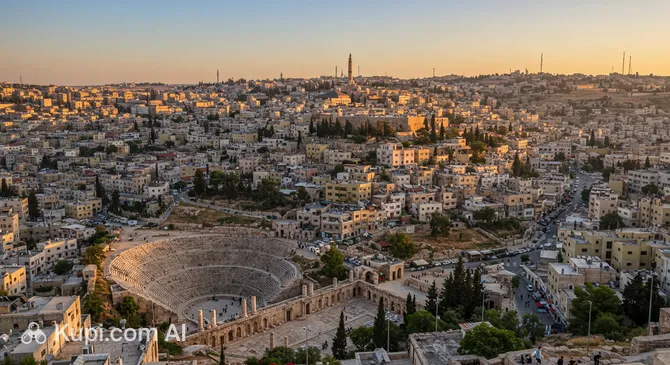
Amman. Source: Kupi.Binoculars

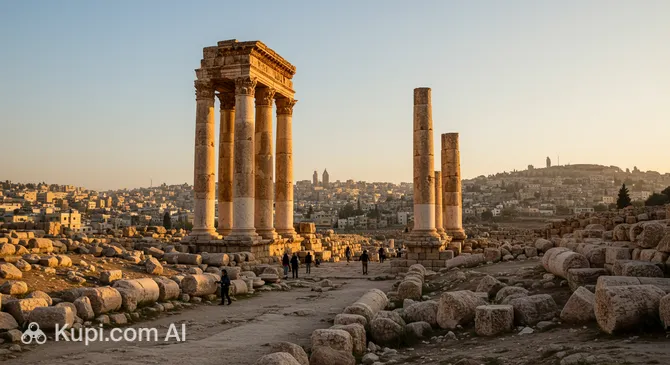
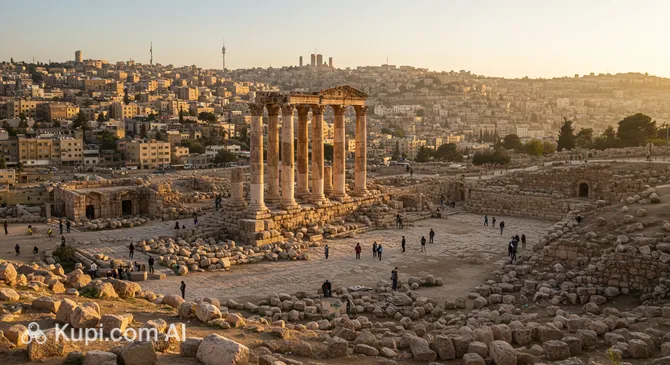
The history of Amman is incredibly rich, dating back to the Neolithic period, and the city serves as a living museum of various civilizations. Visitors can stand atop the Amman Citadel (Jabal al-Qal'a) to see the remnants of the Temple of Hercules and the Umayyad Palace, or descend into the heart of downtown to witness the magnificently preserved Roman Theatre, which still hosts cultural events today. Beyond the ruins, the vibrant Rainbow Street offers a taste of modern Jordanian life with its trendy shops and restaurants.

Whether you are wandering through the lively souks seeking spices and gold or enjoying the sunset from a hilltop terrace, Amman promises an unforgettable experience. It is the perfect starting point for any journey in the region, inviting tourists to discover its hidden gems and warm hospitality.
Weather Overview

Amman experiences a climate characterized by distinct seasonal variations, offering hot summers and cool winters. The summer months, spanning from June to September, are typically dry and sunny, with virtually no rainfall recorded. During this period, average temperatures generally range from 26°C to 28°C, while daily highs in July and August can reach up to 35°C. This season is perfect for visitors who enjoy warmth and clear blue skies.

In contrast, the winter season brings cooler air and the majority of the city's precipitation. January is usually the coldest month, with average temperatures around 10.3°C and lows dropping to nearly 6°C. This time of year also sees the most frequent rainfall, with January averaging about 9 wet days. Expect hot, dry summers and cooler winters with occasional rain. For a more detailed forecast to help plan your trip, you can check the weather in Amman.

Interesting Facts

Beyond the well-known historical sites, Amman holds many fascinating secrets and ancient tales that reveal its depth as a crossroads of civilizations. From mysterious marble fragments to legends found in holy texts, the city offers plenty of intriguing details for the curious traveler.
Temple of Hercules. Source: Kupi.Binoculars
  • Before it acquired its modern name, the city was known as Philadelphia during the Hellenistic and Roman periods. It was renamed by Ptolemy II Philadelphus, a Macedonian ruler of Egypt who rebuilt the city in the 3rd century BC, and it became a key member of the Decapolis league.

  • The Temple of Hercules at the Citadel features a puzzling archaeological remnant: three massive marble fingers and an elbow. These fragments are all that remain of a colossal statue of Hercules that is estimated to have stood over 12 meters tall, which would have made it one of the largest marble statues in history.

  • Just outside the city center lies the Cave of the Seven Sleepers (Kahf Al-Raqim), a site of great spiritual significance. It is widely believed to be the location mentioned in Christian tradition and the Quran, where a group of pious youths slept for centuries to escape religious persecution.

  • Amman is home to some of the oldest human statuary ever found. The famous 'Ain Ghazal statues, discovered in the city's suburbs, date back to approximately 7250 BC. These lime-plaster figures are significantly older than the Egyptian pyramids and offer a rare glimpse into Neolithic art and society.

How to Get There

Reaching the Jordanian capital is relatively straightforward, with air travel being the most convenient method for international visitors. The city is well-connected to major global hubs, welcoming travelers from all over the world. For a complete overview of travel options, including land routes and tips, you can read more about how to get to Amman.

The primary gateway to the city is Queen Alia International Airport (IATA: AMM). Located approximately 27 km from the city center, it is the country's largest and busiest airport. A taxi or shuttle bus ride from the airport to downtown Amman typically takes around 60 minutes, depending on traffic conditions. This modern facility handles millions of passengers annually and serves as the main hub for the national carrier, offering a comfortable arrival experience.

Another significant option for travelers in the region is Ben Gurion International Airport (IATA: TLV), located in the city of Tel Aviv, about 97 km from Amman. While it is a major international hub with extensive connections, visitors should note that it is situated across the border. The travel time by car is approximately 2 hours and 45 minutes, though this does not account for border crossing procedures which can vary. It remains a possible entry point for those planning a multi-stop itinerary in the region.

For clarity, here is a summary of the main airports:

Airport Name City Passenger Traffic Km from City
Ben Gurion International Airport Tel Aviv Large 97.0
Queen Alia International Airport Amman Large 26.9
Beirut-Rafic Hariri International Airport Beirut Medium 210.7
Damascus International Airport Damascus Medium 171.1
Haifa Airport Haifa Small 125.1

Main Attractions

Amman is a city where centuries of history coexist with a vibrant modern lifestyle. The capital's attractions range from ancient ruins perched on hilltops to bustling downtown markets and contemporary entertainment districts. Exploring these sites offers a deep dive into the rich cultural tapestry of Jordan, making every walk through the city a journey through time.

One of the most significant historical sites is the Amman Citadel, located on the highest hill in the city, Jebel Al Qala’a. This open-air museum features ruins that span from the Bronze Age to the Umayyad period, offering visitors a comprehensive look at the civilizations that have shaped the region. Apart from its archaeological importance, the Citadel provides some of the most spectacular panoramic views of Amman's rolling hills and urban landscape.

Amman Citadel. Source: Kupi.Binoculars

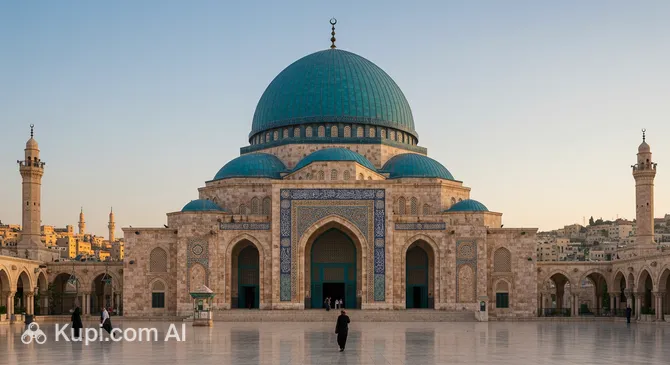
A striking example of modern Islamic architecture is the King Abdullah I Mosque. Famous for its magnificent blue mosaic dome, it is one of the few mosques in the city that welcomes non-Muslim visitors. Inside, the cavernous prayer hall can accommodate thousands of worshippers and is adorned with intricate geometric patterns and a massive chandelier, offering a peaceful and educational experience for tourists interested in local culture and religion.

King Abdullah I Mosque. Source: Kupi.Binoculars

For a taste of the city's traditional heart, a visit to the Grand Husseini Mosque in downtown Amman is essential. Built in the Ottoman style in 1924, it stands on the site of an ancient mosque built by Caliph Omar bin Al-Khattab. While entry is restricted to worshippers, the exterior and the surrounding plaza are a hive of activity, situated right in the middle of the lively souks where locals shop for spices, fabrics, and gold.

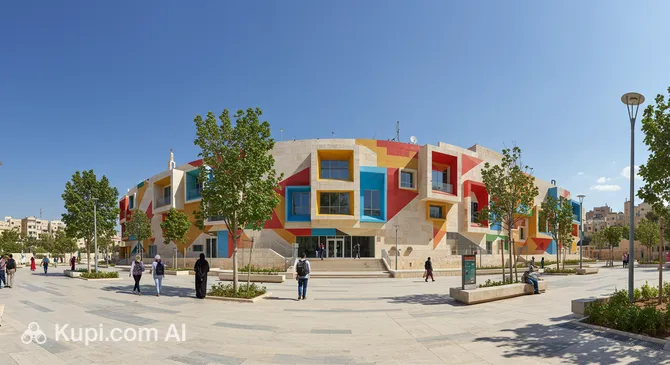
Families traveling with young ones will find The Children's Museum Jordan to be a highlight of their trip. Located in the King Hussein Public Parks, this facility offers over 150 indoor and outdoor interactive exhibits. It is designed to encourage learning through play, covering topics from science and astronomy to art and literature, ensuring an engaging day out for curious minds.

The Children's Museum Jordan. Source: Kupi.Binoculars

To experience the modern face of the capital, head to Abdali Boulevard. This pedestrian-only district is lined with high-end shops, diverse restaurants, and cafes, flanked by sleek contemporary buildings. It is a popular spot for an evening stroll, often hosting festivals and markets, and serves as a perfect contrast to the ancient heritage found elsewhere in the city.

Local Cuisine

The culinary landscape of Amman is a delightful reflection of Jordanian hospitality, where food is not just sustenance but a social event. The city offers a rich tapestry of flavors, ranging from humble street food stalls in the historic downtown to sophisticated dining establishments in modern districts. At the heart of the local cuisine is the concept of sharing, with meals often starting with a spread of mezze—small plates including creamy hummus, smoky moutabal (roasted eggplant dip), and crisp, hot falafel.

No visit to Amman is complete without trying the national dish of Jordan, Mansaf. This celebratory meal consists of tender lamb cooked in a sauce made of fermented dried yogurt called jameed, served over a bed of rice and thin bread, and garnished with roasted pine nuts or almonds. It is a dish deeply rooted in Bedouin tradition and is typically eaten on special occasions. For those with a sweet tooth, Kanafeh is an absolute must. This warm, sugary pastry filled with gooey white cheese and topped with pistachios is best enjoyed fresh from the oven, particularly in the bustling alleyways of the city center.

When it comes to beverages, the locals take great pride in their coffee culture. You will find traditional Arabic coffee, often spiced with cardamom, served as a gesture of welcome everywhere you go. A refreshing non-alcoholic favorite is Limonana, a blended drink made of fresh lemon juice and vibrant mint leaves, perfect for cooling down on a warm afternoon. For those looking for alcoholic options, Arak is the traditional anise-flavored spirit, usually mixed with water and ice, which turns it a milky white color. The city also has a burgeoning scene of local microbreweries and wine bars.

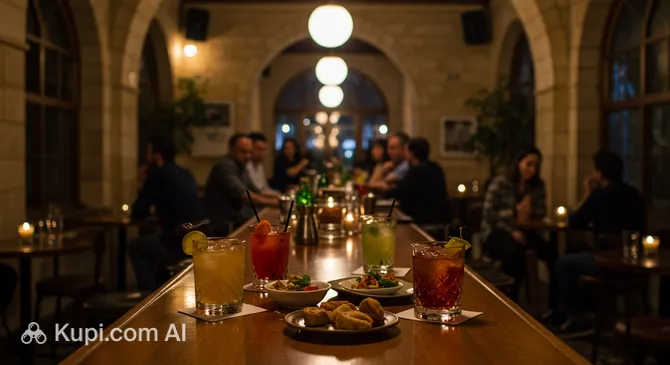
Dining in Amman caters to all tastes and budgets. You can experience authentic local flavors at places like Jubran Restaurant, which offers a beautiful setting to enjoy traditional dishes with a view. For a more contemporary atmosphere that blends food, art, and music, Blue Fig is a popular spot among locals and tourists alike, serving a diverse menu in a relaxed environment.

Blue Fig. Source: Kupi.Binoculars

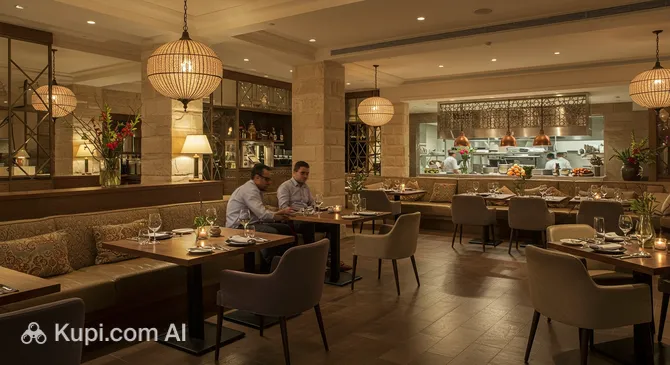
If you are exploring the modern side of the city, such as the Abdali area, you might find yourself at The Boulevard Restaurant, where international and local cuisines meet. Meanwhile, for a refined evening featuring Levantine cuisine, Nur Restaurant provides an elegant dining experience. Whether you are grabbing a quick shawarma wrap on the go or sitting down for a multi-course feast, the flavors of Amman are sure to leave a lasting impression.

Nur Restaurant. Source: Kupi.Binoculars

Travel Tips

Welcome to Amman! To help you navigate the unique blend of ancient tradition and modern life in the Jordanian capital, we have compiled a list of essential practicalities. These tips will ensure your journey through the "White City" is as smooth and enjoyable as possible.

  1. Clothing and Gear: Amman has a conservative culture, so it is respectful to dress modestly. For both men and women, covering shoulders and knees is recommended, especially when visiting religious sites or downtown markets. Pack comfortable walking shoes—the city is built on steep hills, and you will likely be doing a lot of climbing. If visiting in winter, bring warm layers and a waterproof jacket, as it can get quite cold and rainy.
  2. Transportation: While public buses exist, they can be difficult for visitors to navigate. The most convenient way to get around is by using yellow taxis (make sure the driver uses the meter) or ride-hailing apps like Careem and Uber, which are widely available and reliable. Renting a car is an option, but be prepared for heavy traffic and an aggressive driving style that can be challenging for newcomers.
  3. Finances: The local currency is the Jordanian Dinar (JOD), often referred to as "JD". While credit cards are accepted in major hotels, malls, and modern restaurants, cash is king in smaller shops, souks, and for taxi rides. ATMs are plentiful, but it is wise to carry small denominations for tips and minor purchases. Tipping is customary; rounding up the bill or leaving 10% is appreciated.
  4. Health and Safety: Amman is generally a very safe city for tourists. Pharmacies are easy to find, often marked with a green cross, and many pharmacists speak English. It is advisable to drink bottled water rather than tap water to avoid any stomach issues. When crossing streets, be extremely cautious, as pedestrian crossings are not always respected by drivers.
  5. Communication: Arabic is the official language, but English is widely spoken, especially in the hospitality sector and among younger generations. It is highly recommended to buy a local SIM card (Zain, Orange, or Umniah) upon arrival at the airport for easy access to maps and translation apps. A simple "Shukran" (Thank you) goes a long way in interactions.
  6. Local Etiquette: Jordanians are incredibly hospitable. If a shopkeeper offers you a cup of tea or coffee, it is polite to accept, as refusing can be seen as a rejection of their hospitality. When eating with your hands (like for Mansaf) or passing money, always use your right hand. Greetings often involve a handshake, but wait for a person of the opposite gender to extend their hand first.
  7. What to Avoid: Public displays of affection (PDA) are frowned upon and should be avoided to respect local norms. Additionally, avoid eating or drinking in public during daylight hours if you are visiting during the holy month of Ramadan, as it is considered insensitive to those fasting.
  8. Additional Tip: If you plan to visit the Amman Citadel and other major sites across the country (like Petra), purchase the Jordan Pass online before your trip. It covers your tourist visa fees and entry to over 40 attractions, saving you both money and time at ticket counters.

Amman is a city that rewards curiosity and patience, offering a warm welcome to those who respect its customs. By keeping these practical tips in mind, you will be well-prepared to immerse yourself in the vibrant culture and history of this fascinating capital.

Entertainment & Nightlife

Amman challenges the perception of a quiet traditional city with a nightlife scene that is surprisingly cosmopolitan and energetic. While the days are filled with history, the evenings offer a sophisticated blend of rooftop lounges, pulsing nightclubs, and cozy pubs. The city is divided into several key districts, each offering a distinct nocturnal vibe. Jabal Amman, particularly around the famous Rainbow Street, is perfect for bar-hopping in renovated historic houses, while the affluent district of Abdoun is the epicenter of high-end clubbing and chic dining. For a more bohemian and relaxed atmosphere, Jabal Al-Weibdeh attracts an artistic crowd with its hip cafes and smaller venues.

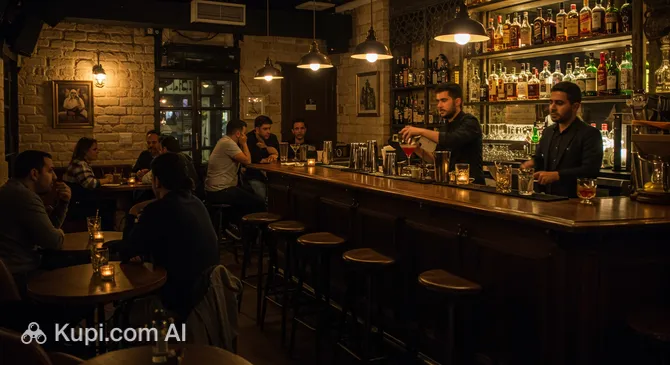
One of the popular spots to experience the local pub culture is Chestnut Restaurant & Pub. Known for its cozy wooden interior and extensive drink menu, it is a great place to start the evening with friends. The atmosphere here is casual and welcoming, making it a favorite among both expats and locals looking for a relaxed drink and good food.

Chestnut Restaurant & Pub. Source: Kupi.Binoculars

For those looking for a more vibrant setting that often combines food, drinks, and a lively crowd, HuQQabaz is a notable destination. It captures the modern spirit of Amman's entertainment scene with a stylish interior and a buzzing energy. If you are in the mood for dancing late into the night, GG Amman offers a club atmosphere where guest DJs and themed nights keep the energy high until the early hours.

HuQQabaz. Source: Kupi.Binoculars

When planning a night out, keep in mind that the "weekend" in Jordan falls on Friday and Saturday, though Thursday nights are often the busiest for nightlife. Most bars and clubs open around 6:00 PM but do not get busy until after 9:00 PM or 10:00 PM. The dress code in Abdoun and upscale hotel bars is usually smart casual or dressy—avoid shorts and flip-flops. Prices for alcohol can be higher than in Europe or the US due to government taxes, so it is wise to budget accordingly.

Safety is generally not a major concern in these busy districts, and walking around main streets like Rainbow Street at night is quite common. However, for getting between districts or returning to your hotel, it is highly recommended to use ride-hailing apps like Uber or Careem. They provide reliable service and transparent pricing, avoiding the need to haggle with taxi drivers late at night.

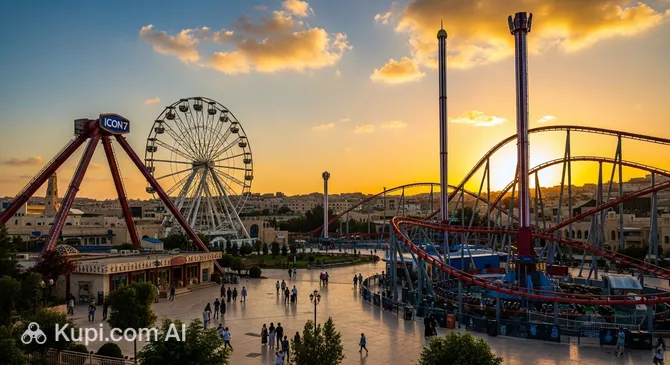
Beyond the nightlife, Amman offers diverse daytime entertainment options that go beyond archaeological sites. Art enthusiasts should visit the Amman Panorama Art Gallery or the quirky Old Signs of Amman Museum, which preserves the city's commercial history through vintage typography and neon. For families or those seeking thrill, ICON7 serves as a modern amusement park offering rides and games that provide a fun break from sightseeing.

ICON7. Source: Kupi.Binoculars

Parks & Museums

While Amman is famous for its beige stone architecture and desert landscapes, the city also boasts several refreshing green spaces and cultural institutions that offer a break from the urban bustle. Exploring these parks and museums provides a deeper understanding of the local lifestyle and the artistic heritage that flourishes within the capital.

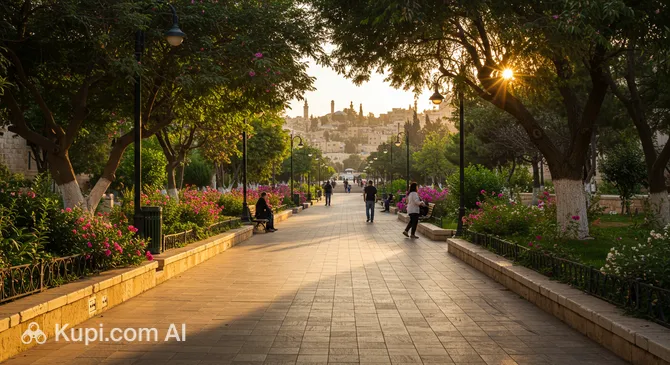
One of the most popular recreational areas is the sprawling Al Hussein Public Parks. This vast complex is not just a green lung for the city but a cultural hub, housing museums, sports fields, and beautifully landscaped gardens. It is a favorite spot for locals to picnic, jog, or simply enjoy the fresh air, offering a serene environment that contrasts with the busy streets of downtown.

Al Hussein Public Parks. Source: Kupi.Binoculars

For those seeking family-friendly entertainment, Al Jubaiha Park is a well-known destination. Often referred to as an amusement park, it features various rides and attractions suitable for children and adults alike. It serves as a lively gathering place, especially on weekends, where visitors can enjoy the festive atmosphere and the cool evening breeze.

Amman's cultural scene is vibrant and diverse. The Zaha Cultural Center stands out as a beacon for community development and arts. It offers a range of facilities including libraries, theaters, and play areas, focusing on empowering children and youth through creative programs. It is an excellent place to witness the city's commitment to education and culture.

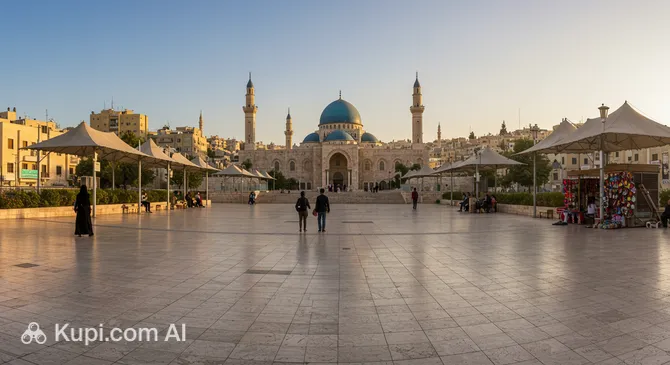
History enthusiasts should not miss the Hashemite Plaza. Located in the heart of the old downtown, this open public square is surrounded by Roman ruins and is a focal point for social life in Amman. It is a fantastic spot to sit and people-watch, with the imposing Roman Theatre on one side and the bustling energy of the city on the other.

Hashemite Plaza. Source: Kupi.Binoculars

High above the city at the Citadel, the Umayyad Palace offers a glimpse into the early Islamic period. This palatial complex, built in the 8th century, features a restored domed audience hall that is architecturally stunning. Walking through its ruins allows visitors to imagine the grandeur of the Umayyad caliphs while enjoying commanding views of the seven hills.

For a quieter, more spiritual experience, consider visiting the University of Jordan Mosque. Its unique architecture and serene atmosphere make it a hidden gem worth seeing, particularly for those interested in modern Islamic design away from the main tourist trails.

Getting Around

Navigating the public transport system in Amman can be an adventure in itself, as the city relies entirely on road-based transportation. Unlike many other major capitals, there is currently no metro, tram, or train system for urban transit. Instead, the network is a mix of modern public buses, traditional shared taxis, and private car services. Understanding the differences between these options is key to getting around efficiently.

The most tourist-friendly development is the Amman Bus and the recently introduced Bus Rapid Transit (BRT) system. The BRT features dedicated lanes that allow buses to bypass the city's notorious traffic, connecting major hubs like the Sweileh Terminal and the Jordan Museum. These buses are modern, air-conditioned, and operate on fixed schedules and routes. In contrast, you will also see older, privately operated "coaster" buses and minibuses. While these cover more extensive areas, they often lack clear signage in English and do not have fixed timetables, departing only when full.

For the modern Amman Bus and BRT fleet, cash payments are not accepted on board. You must use a rechargeable travel card or a QR code generated via the official Amman Bus mobile app. You can purchase and top up these cards at vending machines located in major terminals or authorized points of sale. A single journey is quite affordable, typically costing less than 1 JOD. It is highly recommended to download the app, as it allows you to plan routes, check real-time arrival times, and manage your balance digitally.

A unique feature of the city's transport is the Service (pronounced "ser-wees") taxi. These are white sedans that function somewhere between a private taxi and a bus. They run on fixed routes and take up to four passengers who pay a set price for their seat. While they are a quintessential part of the local experience and very cheap, they can be confusing for visitors unfamiliar with the specific routes and stops. Payment here is strictly cash, and you simply hand the fare to the driver.

For most tourists, the most convenient alternative is using yellow taxis or ride-hailing apps. Yellow taxis are abundant and can be hailed from the street; legally, they must use the meter, but drivers may sometimes try to negotiate a fixed fare. To avoid language barriers and haggling, apps like Uber, Careem, and Jeeny are extremely popular and reliable. They offer transparent pricing and allow you to pay via credit card, making them a stress-free option for moving between attractions.

Operating hours for public transport generally run from roughly 6:00 AM to 10:00 PM, though frequency drops significantly on Fridays and public holidays. While renting a car is possible, be aware that Amman is built on steep hills and traffic can be heavy and chaotic. Walking is a great way to explore specific neighborhoods like Downtown or Rainbow Street, but due to the city's topography, relying on a vehicle is usually necessary for longer distances.

Accommodation

Finding the perfect place to stay in Amman is relatively easy, as the city offers a wide spectrum of accommodation options to suit every preference and budget. Whether you are looking for the opulence of international luxury chains, the charm of boutique guesthouses nestled in historic neighborhoods, or the affordability of backpacker hostels, the Jordanian capital has it all. The hospitality sector here is well-developed, ensuring a comfortable stay regardless of where you choose to rest your head.

When choosing a location, it is helpful to understand the city's layout. For travelers who want to be in the heart of the action and close to historical sites like the Roman Theatre, the Downtown (Al-Balad) area offers numerous budget-friendly hotels and hostels. If you prefer a more artistic and walkable atmosphere filled with cafes and galleries, the neighborhoods of Jabal Amman and Jabal Al-Weibdeh are excellent choices. Meanwhile, West Amman, particularly around the Abdali district and the various "Circles" (traffic roundabouts), is home to modern skyscrapers, shopping malls, and high-end resorts.

For those seeking a luxurious experience with world-class amenities, the city boasts several renowned 5-star properties. The Four Seasons Hotel Amman is a prime example, located on the highest hill in the city, offering commanding views and exceptional service. It is a popular choice for business travelers and vacationers alike who prioritize comfort and elegance.

Four Seasons Hotel Amman. Source: Kupi.Binoculars

Another top-tier option is the Grand Hyatt Amman, situated near the 3rd Circle. This hotel is well-connected to the diplomatic and business districts, making it a convenient base for exploring the modern side of the capital while remaining within reach of the historic center.

Booking Tips and Prices: Prices in Amman can vary significantly based on the season and the type of accommodation. Budget options and hostels typically range from 10 to 30 JOD per night, while mid-range hotels usually cost between 40 and 90 JOD. Luxury stays can start from 100 JOD and go upwards. It is highly recommended to book in advance, especially if you are visiting during the peak seasons of spring (March to May) and autumn (September to November), when the weather is most favorable. Most accommodations can be easily booked through major online platforms, though contacting smaller guesthouses directly can sometimes secure a better rate.

Nearby Cities

For those looking to explore the surroundings, Amman serves as an excellent base for day trips to several interesting nearby locations. The region around the capital is dotted with cities that offer a different perspective on Jordanian life, away from the main tourist trails.

One of the most notable destinations to the north is Irbid. Known locally as the "Bride of the North," it is a vibrant university city with a youthful energy and a rich history. Visitors can explore the Museum of Jordanian Heritage or wander through the lively streets filled with students and cafes. It serves as a cultural hub for the northern region and provides easy access to the surrounding green landscapes and archaeological sites.

Just a short drive northeast of the capital lies Zarqa, the second-largest city in Jordan. While primarily known as an industrial center, it holds historical significance related to the Hejaz Railway and is home to a diverse population that contributes to its unique urban character. Further out, Mafraq acts as a strategic crossroads and a gateway to the eastern desert, offering a glimpse into the Bedouin heritage and the stark beauty of the arid plains.

City Population Distance (km)
Mafraq 580,000 51
Irbid 569,068 67
Zarqa 481,300 21
Ar Rusayfah 280,000 14
Sahab 169,434 13

These nearby destinations offer a glimpse into the diverse culture and landscapes of the region.

Shopping & Souvenirs

Shopping in Amman offers a vibrant mix of experiences, ranging from the chaotic charm of traditional souks to the sleek sophistication of modern retail hubs. The city caters to all tastes and budgets, making it a fantastic destination for those who enjoy retail therapy. Visitors can find everything from high-end international designer brands to handcrafted local treasures that reflect Jordan's rich cultural heritage.

For an authentic taste of the city's commercial history, the downtown area, known as Al-Balad, is the place to be. Here, the streets are lined with small shops selling spices, perfumes, and textiles. It is the perfect spot to practice your bargaining skills and soak in the local atmosphere. In contrast, Wakalat Street in the Sweifieh district offers a pedestrian-friendly shopping experience featuring major international high-street brands, while Rainbow Street in Jabal Amman is famous for its quirky boutiques, antique shops, and art galleries.

Those looking for a comprehensive modern shopping experience will find several world-class malls scattered throughout the capital. City Mall is one of the largest and most popular destinations, housing a vast array of fashion stores, a cinema complex, and a hypermarket. It is a favorite among families and fashionistas alike.

City Mall. Source: Kupi.Binoculars

Another must-visit location is the stylish Abdali Boulevard. This open-air pedestrian strip is part of the new downtown project and exudes luxury. Flanked by contemporary buildings, it features upscale retail outlets, cafes, and rooftop lounges, making it a premier destination for an evening of shopping and dining under the city lights.

Abdali Boulevard. Source: Kupi.Binoculars

Markets play a crucial role in Amman's daily life. The Gold Souk downtown is renowned for its dazzling display of intricate jewelry, sold by weight. Nearby, you will find markets dedicated to fresh produce and aromatic spices. On Fridays during the warmer months, Souk Jara near Rainbow Street comes alive as a pop-up flea market, showcasing local handicrafts, paintings, and homemade goods, offering a unique glimpse into the local creative scene.

When hunting for souvenirs, there are several items that are distinctly Jordanian. Products made from Dead Sea minerals, such as mud masks and bath salts, are incredibly popular and make for excellent gifts. Other recommended buys include hand-painted ceramics, intricate mosaics, olive oil soap, and bags of fresh za'atar spice blend. For a traditional touch, a red and white checkered keffiyeh scarf is a classic symbol of the region.

Most shopping malls and large stores are open daily from around 10:00 AM to 10:00 PM, while smaller shops in the downtown area may close earlier or shut down for Friday prayers. Payment methods vary by location; credit cards are widely accepted in malls and modern districts, but cash is essential when shopping in souks or smaller boutiques. Tourists should also note that Jordan offers a tax-free shopping scheme for non-residents on purchases made at registered stores, allowing for a refund of the sales tax upon departure at the airport.

Reached the end of the page?

That means the route is fully explored