Support

Beirut

About

Beirut, the vibrant capital of Lebanon, is a city that effortlessly blends the ancient with the modern. Often described as a crossroads between East and West, it offers a unique atmosphere where Mediterranean charm meets traditional Middle Eastern hospitality. The city is renowned for its cosmopolitan flair, bustling energy, and a rich cultural tapestry that captivates visitors from the moment they arrive.

Geographically, Beirut is situated on a peninsula extending into the blue waters of the Mediterranean Sea, flanked by the majestic Mount Lebanon range. This prime location gifts the city with a pleasant climate and stunning coastal views. While the city center is home to over 360,000 residents, the greater metropolitan area serves as the country's economic and cultural heart.
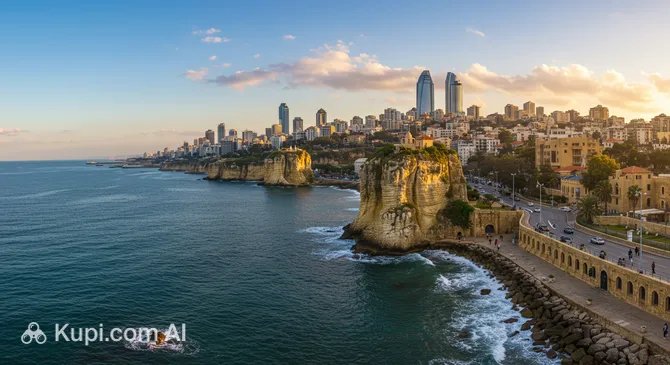
Beirut. Source: Kupi.Binoculars

The history of Beirut runs deep, with a legacy spanning more than 5,000 years. As one of the oldest continuously inhabited cities in the world, it boasts a fascinating mix of architectural styles and archaeological sites. History enthusiasts should not miss the National Museum of Beirut, which houses an impressive collection of artifacts ranging from the Phoenician to the Mamluk periods.

Beyond its historical allure, the city is famous for its natural landmarks and lively social scene. The iconic Pigeon Rocks (Raouche) are massive natural rock formations standing off the coast, offering a perfect backdrop for sunset photos. Visitors can also enjoy a leisurely walk along the Corniche, a seaside promenade that is perfect for soaking in the local vibe. Whether you are exploring its dynamic art galleries or indulging in its world-famous cuisine, Beirut invites you to discover a city full of life and unforgettable experiences.
Weather Overview

Beirut generally enjoys a Mediterranean climate, characterized by long, hot summers and mild, wet winters. The city experiences distinct seasonal changes, offering different atmospheres depending on when you choose to visit. To help you pack appropriately for your specific travel dates, it is helpful to review the detailed weather in Beirut before your journey.

The summer months, particularly from June through September, are marked by warm temperatures and very dry conditions. August is typically the hottest month, with average temperatures around 26.0°C and daily highs reaching nearly 30°C, while rainfall is virtually non-existent during this period. This season is ideal for those looking to enjoy the coastal lifestyle and outdoor events.

In contrast, the winter season brings cooler air and the majority of the region's rainfall. January is usually the coldest and dampest month, with average lows dipping to 7.4°C and approximately 16 wet days. Overall, visitors can expect warm, sun-filled summers with zero precipitation and cooler winters with frequent rain showers.

Interesting Facts

Beyond the bustling streets and famous landmarks, Beirut holds many fascinating secrets that reveal the depth of its cultural and historical heritage. Here are a few intriguing facts that showcase the unique character of this Mediterranean capital:
  • During the Roman era, the city was celebrated as the "Mother of Laws" because it hosted one of the empire's most prestigious law schools. For over three centuries, the Law School of Berytus attracted students from across the region and played a crucial role in codifying Roman law, the influence of which can still be felt in modern legal systems.

  • The city's name itself offers a glimpse into its ancient geography. It is believed to derive from the Canaanite-Phoenician word "Be'erot," meaning "wells," referring to the accessible underground water table that sustained its early inhabitants for generations.

  • Hidden within the campus of Saint Joseph University is the MIM Mineral Museum, which houses one of the world's most significant private collections of minerals. This dazzling exhibit features over 2,000 distinct specimens from 70 different countries, displaying natural geometric forms and vibrant colors that look almost extraterrestrial.

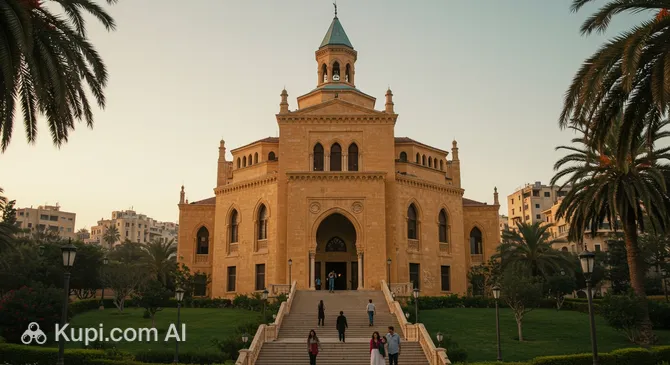
  • The Nicolas Sursock Museum is a prime example of Lebanese architecture, blending Venetian and Ottoman elements. Originally a private villa built by an aristocrat in the early 20th century, it was bequeathed to the city to serve as a public art museum, preserving a legacy of elegance and artistic appreciation.

Nicolas Sursock Museum. Source: Kupi.Binoculars

How to Get There

Reaching the vibrant capital of Lebanon is a straightforward process for most travelers, with air travel being the primary method of entry. For a complete guide on travel options and logistics, you can read more about how to get to Beirut. The city is well-connected to the region and the world through its main international gateway, ensuring a convenient arrival for visitors.

The most convenient and direct way to arrive is via Beirut-Rafic Hariri International Airport (IATA: BEY). Located just south of the capital, this facility serves as the country's main aviation hub, handling a significant volume of passenger traffic annually. It is situated approximately 8.2 km from the city center. The journey to downtown Beirut is quick, typically taking about 32 minutes by taxi or car, depending on traffic conditions. The airport offers various services and connections to major cities across the Middle East, Europe, and beyond.

For travelers coming from further afield or requiring connecting flights, Larnaca International Airport (IATA: LCA) in Cyprus often serves as a key regional transit point. Situated approximately 204.1 km away across the Mediterranean Sea, it provides numerous flight options that link to the Lebanese capital, making it a viable alternative for planning indirect routes into the region.

For clarity, here is a summary of the main airports relevant to travelers visiting the region:

Airport Name City Passenger Traffic (approx.) Km from City
Beirut-Rafic Hariri International Airport Beirut 5.6 Million 8.2
Larnaca International Airport Larnaca 8.1 Million 204.1

Main Attractions

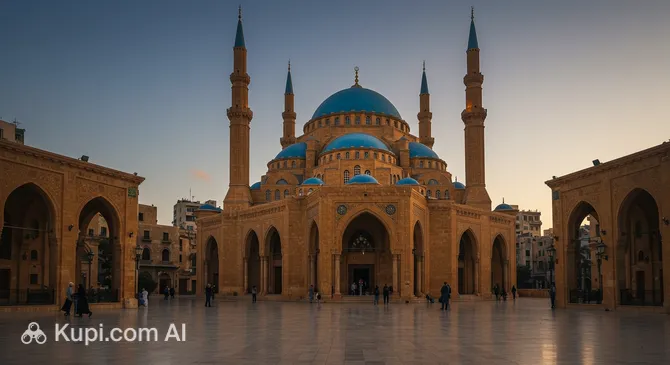
Beirut offers a captivating mix of historical depth and modern luxury, making its sightseeing opportunities as diverse as its culture. One of the most striking landmarks in the city center is the Mohammad Al-Amin Mosque. Dominating the skyline with its magnificent blue dome and four towering minarets, this architectural masterpiece is reminiscent of the Ottoman style. It is a symbol of the city's religious diversity and architectural grandeur, inviting visitors to admire its intricate interior and peaceful atmosphere.

Mohammad Al-Amin Mosque. Source: Kupi.Binoculars

Just a short walk away lies the heart of the city's social and commercial life, Downtown Beirut. This area has been beautifully restored, showcasing a blend of French Mandate-era buildings and modern structures. It is a fantastic place for strolling, offering high-end shopping, charming cafes, and a glimpse into the "Paris of the Middle East." The streets here are pedestrian-friendly, allowing tourists to easily explore the vibrant surroundings and historical ruins nestled among contemporary developments.

Downtown Beirut. Source: Kupi.Binoculars

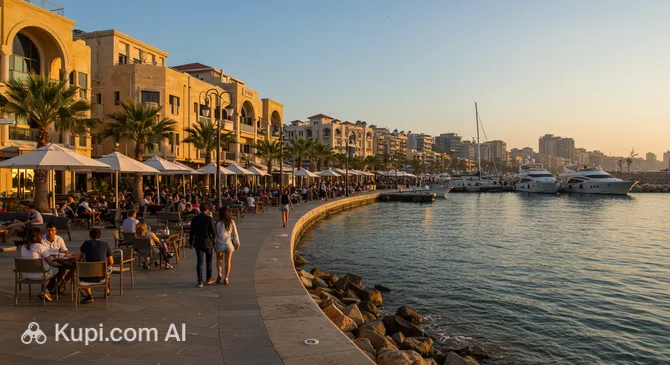
For those seeking a more modern waterfront experience, Zaitunay Bay is the premier destination. Located at the Beirut Marina, this promenade is lined with upscale restaurants and cafes overlooking a harbor filled with luxury yachts. It is an ideal spot for a relaxing evening walk or a sunset dinner, offering a sophisticated contrast to the bustling city streets. The bay reflects the cosmopolitan side of the capital, providing a scenic backdrop of the Mediterranean Sea.

Zaitunay Bay. Source: Kupi.Binoculars

Connecting the historical and modern districts is Martyrs' Square, the city's central public square. Anchored by its iconic statue, this open space serves as a major meeting point and a geographical landmark for navigating the city. While it holds significant historical weight, for the casual visitor, it serves as a gateway to exploring the surrounding neighborhoods, including the nearby arts district of Gemmayzeh and the bustling souks.

Local Cuisine

Beirut is frequently celebrated as the culinary capital of the Middle East, offering a gastronomic landscape that is as diverse as its history. The local cuisine is anchored in the fresh, sun-drenched flavors of the Mediterranean, heavily featuring olive oil, garlic, lemon, and fresh herbs. A traditional meal often begins with Mezze, a colorful array of thirty or more small hot and cold dishes designed for sharing, which embodies the warm Lebanese spirit of hospitality.

Among the must-try dishes is Kibbeh, often considered the national dish, which consists of spiced ground meat and bulgur wheat, served either fried, baked, or raw. Vegetarians will delight in Tabbouleh, a zesty parsley salad dotted with tomatoes and crushed wheat, or Fattoush, a mixed green salad topped with crispy pieces of toasted bread and sumac. For a quick and delicious street food experience, grab a Manakish, a warm flatbread typically topped with za'atar (thyme blend), cheese, or meat, which is a staple breakfast for locals.

The beverage culture in Beirut is equally rich. The traditional alcoholic drink is Arak, a potent, anise-flavored spirit that turns milky white when mixed with water and ice, making it the perfect palate cleanser for fatty mezze dishes. Lebanon also boasts a burgeoning wine industry with ancient roots, producing excellent reds and whites. On the non-alcoholic side, Jallab is a favorite refreshing summer drink made from grape molasses, dates, and rose water, often garnished with floating pine nuts.

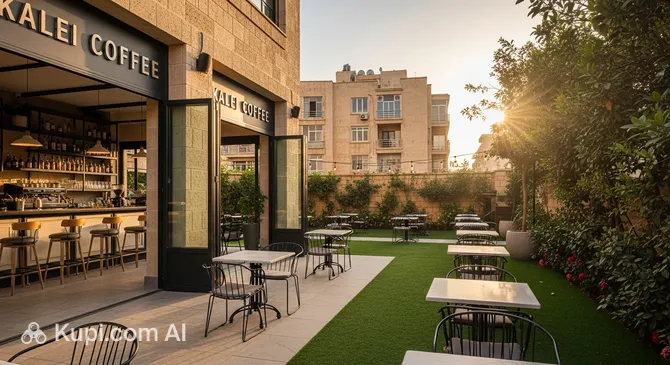
Kalei Coffee. Source: Kupi.Binoculars

Dining in the city ranges from humble street corners to sophisticated establishments. The coffee culture is particularly strong here, serving as a social hub for residents. Places like Kalei Coffee offer a perfect glimpse into this modern cafe scene, providing a relaxed environment to enjoy high-quality brews in a heritage setting. For those seeking a blend of dining and entertainment, Salon Beyrouth is a well-regarded venue where you can enjoy fine drinks and live jazz music. Whether you are sitting in a casual eatery like Murray or exploring the high-end restaurants along the waterfront, the flavors of Beirut are sure to leave a lasting impression.

Travel Tips

Visiting Beirut is an exhilarating experience, filled with warm hospitality, rich history, and a vibrant street life, but a little preparation goes a long way in this dynamic capital. To help you navigate the city like a pro and focus on enjoying its unique charm, here are some essential practical tips for your journey.

  1. Clothing and Gear: Beirut is quite cosmopolitan and fashion-forward, so smart-casual attire is the norm for dining and nightlife. For summer visits, pack breathable, light fabrics, while winters require a warm jacket and waterproof shoes. If you plan to visit religious sites like the Mohammad Al-Amin Mosque, modest dress is required; women should bring a scarf to cover their hair, and both men and women should wear clothing that covers knees and shoulders. A portable power bank is also a must-have accessory due to occasional power cuts.

  2. Transportation: The most convenient and stress-free way to get around is by using ride-hailing apps like Uber or Bolt. They offer transparent pricing and spare you the hassle of negotiating fares. While you will see "Service" taxis (shared cabs with red license plates) everywhere, the system can be confusing for first-time visitors. Renting a car is generally not recommended due to heavy traffic and aggressive local driving styles unless you are planning day trips outside the city.

  3. Finances: This is perhaps the most critical tip: Cash is king in Beirut. While the local currency is the Lebanese Pound (LBP), US Dollars are widely accepted and often preferred. Bring "fresh" USD bills (clean, new notes) and pay in dollars; you will likely receive change in LBP. International credit cards are accepted at major hotels and high-end restaurants, but many smaller shops and cafes operate primarily on cash. relying solely on ATMs can be unreliable, so carrying sufficient cash is wise.

  4. Health and Safety: Beirut is generally safe for tourists, but it is best to stick to well-lit, populated areas at night and stay updated on local news. Do not drink tap water; always opt for bottled water, which is readily available. Pharmacies are abundant, marked by a green cross, and many pharmacists speak English and can provide advice for minor ailments.

  5. Communication: You will find that communication is seamless in Beirut. Arabic is the official language, but English and French are widely spoken, especially in hospitality and commerce. A standard greeting is "Marhaba" (Hello), often replied to with "Marhabtain." For mobile data, it is best to purchase a local SIM card (Touch or Alfa) at the airport upon arrival or at an official store, as you will need your passport to register it.

  6. Local Etiquette: Lebanese people are incredibly hospitable and social. Greetings are often warm, involving a handshake or, among friends, three kisses on the cheeks. When invited to a home, it is polite to bring a small gift, such as sweets. Tipping is customary and appreciated; rounding up the bill or leaving around 10-15% in restaurants is standard practice.

  7. What to Avoid: Be extremely cautious about photography. Never take photos of military personnel, checkpoints, government buildings, or secure zones, as this is strictly prohibited and can lead to serious trouble. Also, avoid discussing sensitive political or sectarian topics with strangers, as these are complex and personal matters for locals.

  8. Additional Tip: Embrace the late-night culture. Beirut comes alive after dark, and dinner often starts late, around 9:00 PM or 10:00 PM. If you go to a restaurant at 7:00 PM, you might find it empty. Adjust your schedule to match the local rhythm to truly experience the city's legendary energy.

By keeping these practicalities in mind, you will be well-equipped to explore the "Paris of the Middle East" with confidence and ease. Beirut rewards the curious traveler with unforgettable culinary delights, breathtaking sunsets, and a resilience that is truly inspiring—enjoy every moment of your adventure!

Entertainment & Nightlife

Entertainment and Nightlife:

Beirut has a well-earned reputation as the nightlife capital of the Middle East, offering an electrifying scene that rivals major European cities. When the sun sets, the city transforms into a playground of lights, music, and energy. The nightlife here is legendary, characterized by a "live for the moment" attitude that keeps the party going well into the early morning hours. Whether you prefer a quiet drink in a hidden alleyway pub or dancing until dawn on a rooftop, the city caters to every mood and style.

The epicenter of Beirut's evening social life is undoubtedly the Mar Mikhael district. This neighborhood, particularly along Armenia Street, is packed with hip bars, pubs, and restaurants housed in traditional buildings. The atmosphere here is bohemian and buzzing, with crowds often spilling out onto the sidewalks with drinks in hand. Just adjacent is Gemmayzeh, known for its artistic flair and iconic stairs, offering a slightly more sophisticated but equally vibrant bar scene. For a more relaxed and leafy environment, the Badaro neighborhood has emerged as a popular spot for locals seeking conversation-friendly garden pubs.

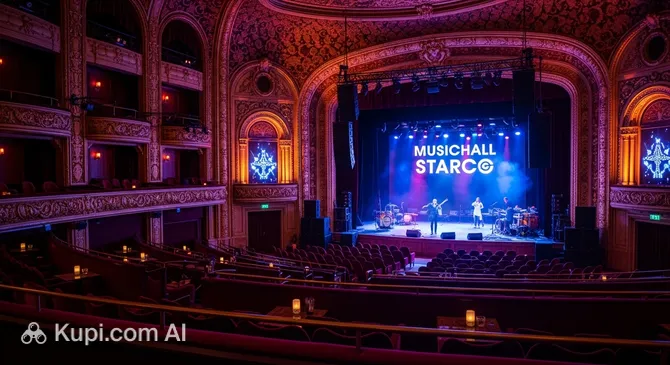
For those looking for a world-class entertainment experience, the city offers unique venues that blend dining with live performances. MusicHall Starco is a prime example, famous for its cabaret-style theater setting where short musical acts from around the globe perform back-to-back. It is a semi-formal affair that perfectly captures the glamour of Lebanese nightlife, making it a must-visit for a memorable night out.

MusicHall Starco. Source: Kupi.Binoculars

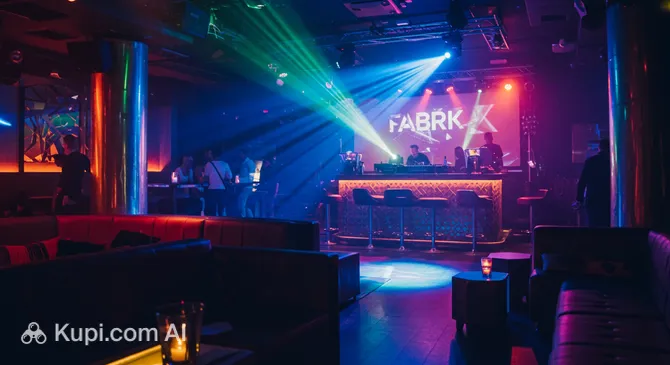
If you prefer a rooftop setting with panoramic views and signature cocktails, FABRK in Mar Mikhael is a standout choice. It combines a chic lounge atmosphere with energetic DJ sets, attracting a stylish crowd looking to unwind above the bustling streets. The dress code in such clubs and high-end rooftop bars tends to be "dress to impress," so it is worth packing your best evening wear. In contrast, the pubs in Hamra and Mar Mikhael generally have a casual, come-as-you-are vibe.

FABRK. Source: Kupi.Binoculars

Practical advice is key to enjoying the night. The party starts late in Beirut; bars typically fill up around 10:00 PM, and nightclubs often don't get going until well after midnight. Prices can vary significantly, with high-end clubs charging premium international rates for drinks and tables, while local pubs remain quite affordable. Regarding safety, the main nightlife districts are heavily populated and generally safe to walk around, but it is always advisable to stay in well-lit areas. To get home, avoid hailing random taxis off the street late at night; instead, rely on reputable ride-hailing apps like Uber or Bolt for a tracked and secure journey.

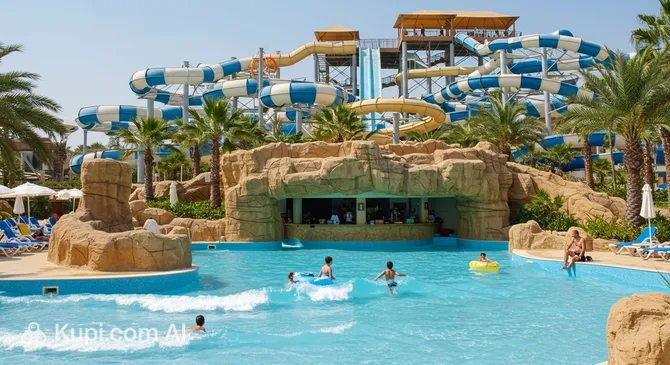
While the nights are for partying, the city also offers plenty of daytime entertainment to recharge or relax. Families and thrill-seekers can head to Waves Aqua Park, one of the largest water parks in the region. Situated on a pine-forested hill, it offers a refreshing escape from the urban heat with its wave pools and slides. Additionally, the city's cinemas, shopping malls, and cultural centers provide ample options for leisure before the sun goes down again.

Waves Aqua Park. Source: Kupi.Binoculars

Parks & Museums

Beirut is a city that rewards exploration, offering a wealth of cultural institutions and breathing spaces amidst its urban energy. For history buffs and art lovers, the capital's museums are treasure troves of antiquity and contemporary creativity. Meanwhile, its parks and promenades provide a welcome escape where locals and visitors alike can enjoy the Mediterranean breeze and lush greenery.

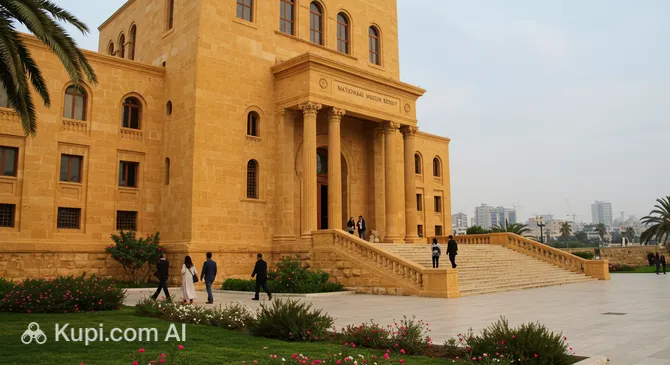
The crown jewel of the city's cultural scene is the National Museum of Beirut. This major institution houses an extraordinary collection of archaeological artifacts that tell the story of Lebanon's history from prehistoric times to the Mamluk period. Highlights include the impressive Phoenician sarcophagi and the gilded bronze figurines found in Byblos. It is a must-visit for anyone wishing to understand the rich tapestry of civilizations that have called this region home.

National Museum of Beirut. Source: Kupi.Binoculars

Art enthusiasts should head to the Nicolas Sursock Museum in the historic Achrafieh district. Housed in a stunning 19th-century aristocratic villa that blends Venetian and Ottoman architecture, the museum focuses on modern and contemporary art. Its exhibitions frequently feature Lebanese and international artists, and the building itself is a masterpiece of design, featuring stained glass windows and elegant marble floors.

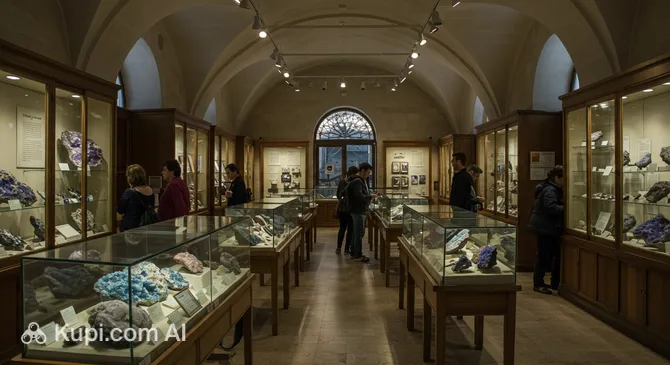
Another unique institution is the MIM Mineral Museum, located within the Saint Joseph University campus. This private museum displays one of the world's most significant collections of minerals, showcasing over 2,000 specimens from around the globe. The vibrant colors and geometric perfection of the crystals on display are mesmerizing, making it a fascinating stop for visitors of all ages.

MIM Mineral Museum. Source: Kupi.Binoculars

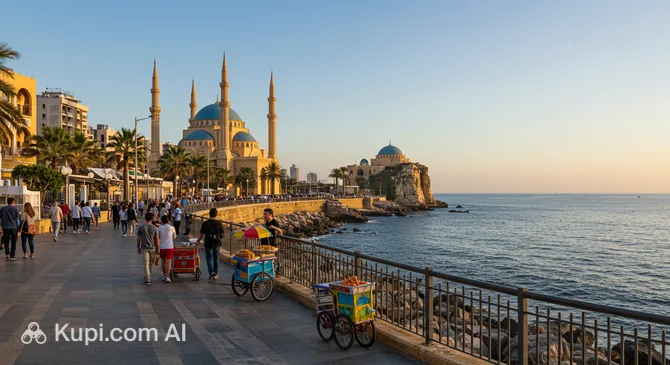
When it comes to outdoor spaces, the Beirut Corniche is the city's most famous promenade. Stretching along the Mediterranean coast, this wide seaside boardwalk offers spectacular views of the sea and the summits of Mount Lebanon. It is the perfect place for a sunset stroll, a morning jog, or simply watching the fishermen and families who gather there to enjoy the fresh air.

Beirut Corniche. Source: Kupi.Binoculars

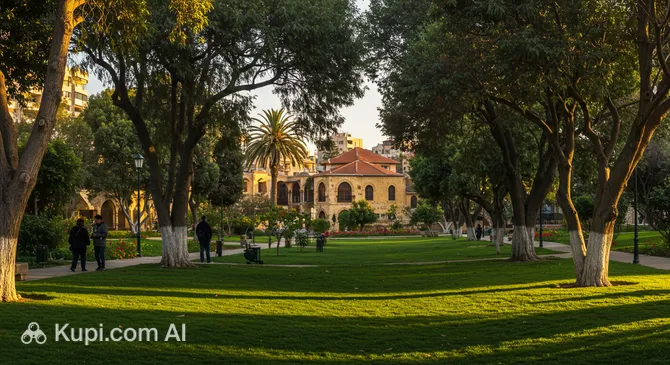
For a quiet retreat in the heart of the city, Sanayeh Park (officially known as René Moawad Garden) is a beloved green oasis. As one of the oldest public gardens in Beirut, it provides a peaceful environment with shaded pathways, fountains, and playgrounds. It is a popular spot for locals to read, relax, or meet with friends, offering a glimpse into the everyday life of the city away from the bustling streets.

Sanayeh Park. Source: Kupi.Binoculars

Getting Around

Navigating Beirut is an adventure in itself, reflecting the city's dynamic and spontaneous character. Unlike many other major capitals, Beirut does not currently have a metro, tram, or trolleybus system. Instead, the public transport network relies heavily on a mix of public buses, privately operated vans, and the city's unique shared taxi system known as "Service." Understanding how these operate is key to moving around efficiently and affordably.

The most popular and iconic mode of transport is the Service (pronounced "ser-vees"). These are shared taxis, typically older sedans, identified by their red license plates. They function like a hybrid between a bus and a taxi, picking up multiple passengers along a general route. To use one, simply stand by the side of the road and hail a passing car with a red plate. When the driver slows down, state your destination. If it matches the driver’s direction, they will nod or motion for you to hop in. It is a social and authentic way to experience the city alongside locals.

Buses and minivans also ply the main arteries of the city. The larger public buses (often white and blue) and smaller private vans (usually white with red plates) cover specific routes, such as the popular Line 4 which runs through major districts like Hamra. While there are no official maps or fixed timetables at stops, these buses are frequent and extremely budget-friendly. They operate on a "hail-and-ride" basis; you can flag them down anywhere along their route and ask the driver to stop whenever you need to get off.

The payment system in Beirut is almost exclusively cash-based. There are no travel cards, magnetic passes, or tap-to-pay apps for public transport. You pay the driver directly, usually at the end of your trip for a "Service" or upon entering a bus. Prices are generally very low compared to international standards, but due to economic fluctuations, it is wise to ask a local or hotel staff for the current standard rate before you head out. Always carry small bills and coins, as drivers may not have change for large denominations.

For tourists seeking a more predictable and private option, ride-hailing apps like Uber and Bolt are highly recommended. They are widely available, safe, and offer the significant advantage of transparent pricing, eliminating the need to negotiate fares or worry about language barriers. Traditional private taxis are also available (look for the neon "TAXI" sign on the roof), but unlike the shared "Service," these will charge a higher, private fare. If you hail a taxi on the street and want a private ride, say "Taxi" instead of "Service" to the driver, but be sure to agree on the price before getting in.

A few practical tips will help you navigate smoothly. Traffic in the city can be heavy, especially during rush hours, so walking is often the fastest way to explore compact districts like Downtown or Gemmayzeh. Public transport generally operates from early morning until late evening, but availability drops significantly after 9:00 PM or 10:00 PM. Finally, always check for the red license plate on any vehicle you hail; this indicates it is a licensed public transport vehicle, ensuring a safer journey.

Accommodation

Finding the perfect place to stay in Beirut is relatively easy, as the city offers a diverse range of accommodation options to suit every preference and budget. From opulent five-star resorts overlooking the Mediterranean to charming boutique hotels in historic buildings and budget-friendly hostels, the Lebanese capital is well-equipped to host its visitors. The hospitality here is legendary, and service standards are generally high across the board.

Choosing the right neighborhood is key to your experience. Hamra is a popular choice for many tourists; it is a bustling hub filled with shops, cafes, and universities, offering a wide variety of mid-range hotels and convenient access to the rest of the city. For those seeking luxury and quiet streets, Downtown Beirut is home to upscale international hotel chains and beautifully restored architecture. If you prefer a bohemian vibe and want to be in the heart of the nightlife, look for guesthouses or boutique stays in Gemmayzeh or Mar Mikhael. Meanwhile, the Raouche area is ideal for travelers who want to wake up to stunning sea views near the famous Pigeon Rocks.

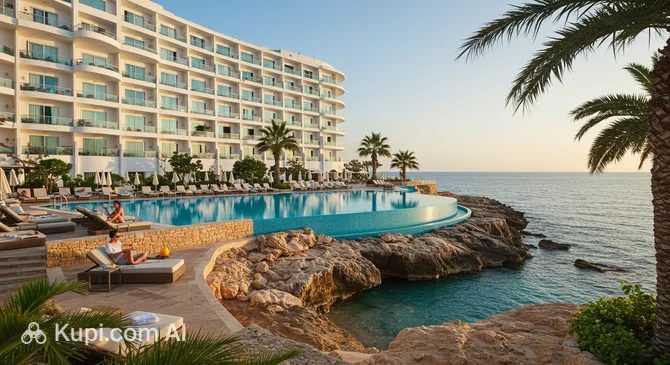
For visitors looking to combine their city trip with a resort experience, the coastline offers some excellent choices. The Coral Beach Hotel & Resort is a well-known destination that features extensive pool facilities and direct access to the sea, providing a relaxing escape from the urban energy. Another available option in the city is Hotel Beirut, which caters to travelers seeking comfortable amenities during their stay.

Coral Beach Hotel & Resort. Source: Kupi.Binoculars

Regarding costs, prices in Beirut can vary significantly. Budget travelers can find hostel beds or simple rooms starting at reasonable rates, while mid-range hotels offer good value with modern comforts. Luxury establishments are priced similarly to those in Europe. It is highly recommended to book your accommodation in advance, especially if you plan to visit during the peak summer season (June to September) or around major holidays, as the best spots fill up quickly.

Booking is straightforward, with most major online travel platforms listing a wide array of properties in the city. Direct booking through hotel websites is also common. While many larger hotels accept credit cards, it is always wise to confirm payment methods beforehand, as some smaller guesthouses may prefer cash payment in US Dollars.

Nearby Cities

For those looking to explore the surroundings, Beirut serves as an excellent base for day trips to several interesting nearby locations. The region offers a diverse mix of coastal cities, mountain resorts, and historic towns, all within a relatively short distance from the capital.

Located just north of Beirut, Jounieh is a bustling coastal city known for its vibrant nightlife and seaside resorts. It is most famous for the Teleferique, a cable car that transports visitors from the coast up the mountain to the shrine of Our Lady of Lebanon in Harissa, offering breathtaking panoramic views of the bay. Jounieh is also home to the Casino du Liban and a charming old souk, making it a perfect destination for both day exploration and evening entertainment.

Heading inland into the mountains, Aley provides a refreshing escape from the coastal humidity. Often referred to as the "Bride of Summers," this historic resort town is celebrated for its cool climate and elegant architecture. The heart of the city is Souk El Aley, a lively promenade lined with restaurants, cafes, and shops where visitors can enjoy outdoor dining and the scenic mountain atmosphere.

Further east in the fertile Beqaa Valley, Zahle is renowned as the "City of Wine and Poetry." It is the gastronomic capital of the region, famous for its open-air restaurants along the Berdawni River that serve traditional Lebanese mezze. As a hub for the country's wine industry, Zahle also offers opportunities to visit nearby vineyards and taste some of Lebanon's finest vintages.

City Population Distance (km)
Bourj Hammoud 150000 4
Aley 130000 13
Jounieh 102221 16
Zahle 100000 37
Borj El Qobbeh 61973 6

These nearby destinations offer a glimpse into the diverse culture and landscapes of the region, allowing travelers to experience the rich heritage of Lebanon beyond the city limits.

Shopping & Souvenirs

Shopping in Beirut is a reflection of the city's cosmopolitan soul, offering a seamless blend of high-end luxury, contemporary fashion, and traditional craftsmanship. Often referred to as the fashion capital of the Middle East, the city caters to every style and budget, from glitzy designer boutiques to bustling street markets. Whether you are looking for the latest international trends or unique local souvenirs, the Lebanese capital promises a rewarding retail therapy experience.

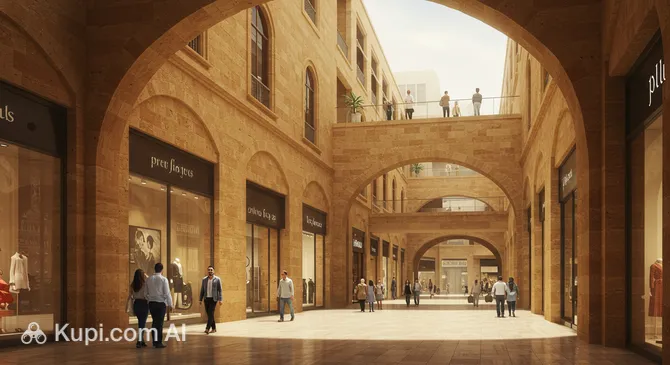
For those seeking luxury brands and an upscale atmosphere, Downtown Beirut is the premier destination. This beautifully restored district features the Beirut Souks, an architectural marvel that reinterprets the historical marketplace with a modern twist. Here, visitors can stroll through open-air pedestrian avenues lined with world-renowned fashion houses, jewelry stores, and department stores. The area is not just about shopping; it is an experience of elegance amidst ancient ruins and modern art installations.

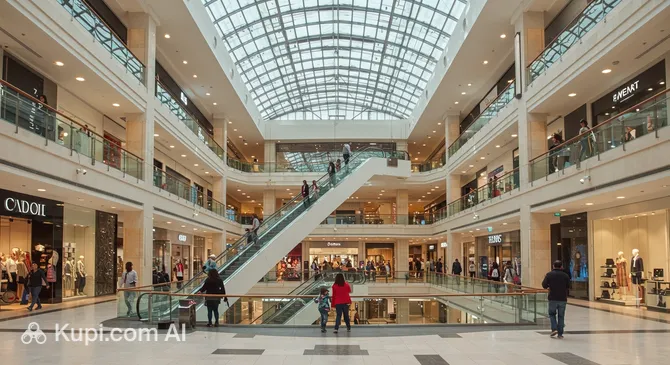
If you prefer the convenience of a large shopping complex, Achrafieh Mall (ABC Achrafieh) is a favorite among locals and tourists alike. Located in one of the city's most prominent residential neighborhoods, this mall offers a wide variety of international retailers, a cinema, and numerous dining options. Its open-roof design allows natural light to flood the interiors, creating a pleasant and airy environment for a day of browsing and entertainment.

Achrafieh Mall. Source: Kupi.Binoculars

For a more vibrant and authentic street shopping experience, Hamra Street is the place to be. This lively thoroughfare was once the intellectual hub of the city and remains a bustling center of activity. The shops here offer everything from affordable clothing and shoes to books and electronics. It is a fantastic spot to find good bargains and soak in the energetic urban atmosphere, with plenty of cafes nearby to rest your feet after a long walk.

Travelers interested in unique, artisanal items should explore the neighborhoods of Mar Mikhael and Gemmayzeh. These districts are known for their bohemian vibe and are home to numerous concept stores, art galleries, and boutiques by emerging Lebanese designers. It is the perfect area to find one-of-a-kind clothing, handmade jewelry, and contemporary home decor that reflects the city's creative spirit.

No shopping trip to Beirut is complete without picking up some local specialties. The city is famous for its culinary souvenirs, such as boxes of assorted Baklava, roasted nuts, and high-quality olive oil. For non-food items, look for traditional cedar wood carvings, handmade soaps from the region, or intricate backgammon sets. The Bourj Hammoud district is particularly renowned for its goldsmiths and craftspeople, making it an excellent destination for custom jewelry and leather goods.

Reached the end of the page?

That means the route is fully explored