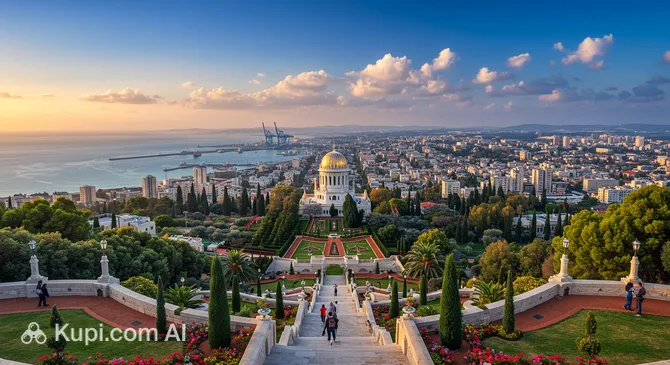
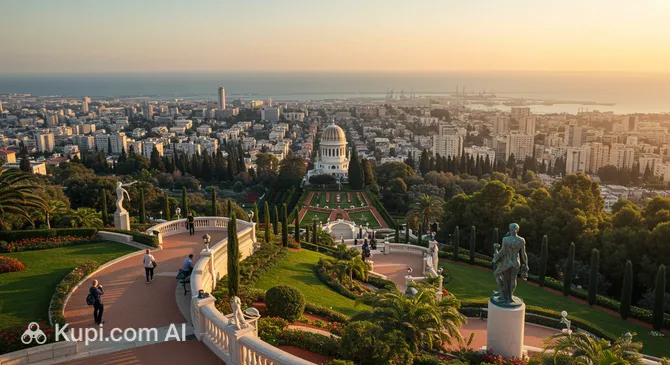
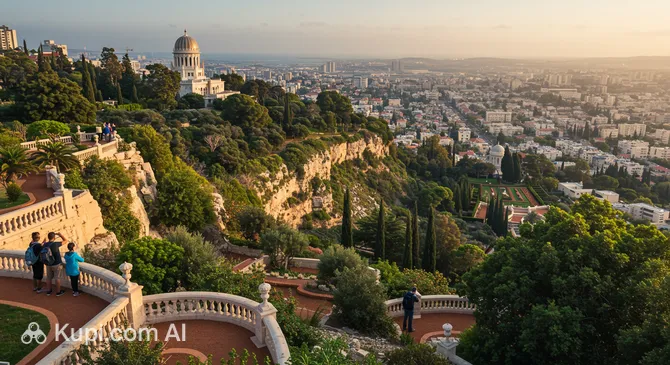
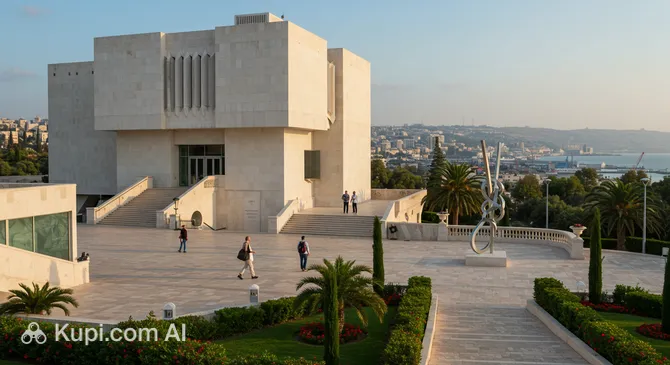
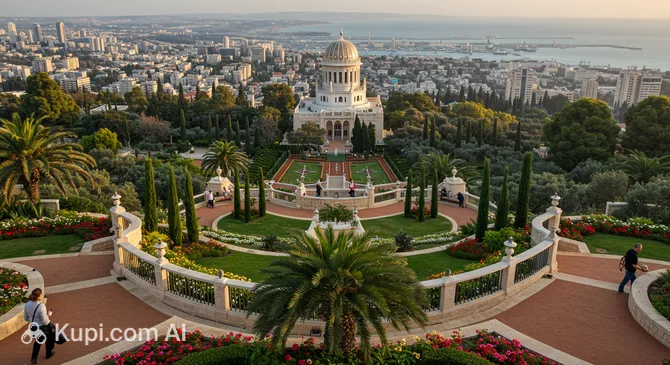
Haifa is a vibrant port city known for its stunning terraced gardens, multicultural atmosphere, and dramatic scenery. Built on the slopes of the majestic Mount Carmel, it offers panoramic views of the Mediterranean Sea and serves as a major urban center in northern Israel. The city's unique topography, cascading down the mountain to the coast, creates distinct neighborhoods, each with its own character and charm.
Haifa. Illustration.
Source: Kupi.com AI
With a metropolitan population of approximately 600,000, Haifa is a bustling hub of commerce and culture. The climate is typically Mediterranean, featuring hot, dry summers and mild winters, making it a pleasant destination year-round. Exploring the history of Haifa reveals a fascinating timeline of settlement and development, transforming it from a small fishing village into a modern metropolis celebrated for its diversity and coexistence.
One of the city's most iconic landmarks is the breathtaking Bahá'í Gardens, a UNESCO World Heritage site. These immaculately landscaped terraces stretch up the mountainside, centering on the golden-domed Shrine of the Báb. At the foot of the gardens lies the picturesque German Colony, a restored historic neighborhood lined with stone buildings, inviting cafes, and restaurants. Visitors can also enjoy the lively port area or take in the natural beauty of the Carmel National Park.
Whether you are wandering through its hillside streets, relaxing on its sandy beaches, or admiring the architectural beauty of its landmarks, Haifa offers a unique blend of relaxation and discovery. It is a welcoming destination that promises a memorable experience for every traveler.
Weather Overview
Haifa enjoys a classic Mediterranean climate, characterized by long, warm summers and mild, damp winters. The weather in Haifa is generally pleasant year-round, though distinct seasonal changes shape the city's atmosphere. Summers are typically hot and dry, while winters bring cooler temperatures and the majority of the annual rainfall.
From June to September, visitors can expect sunny skies and average temperatures climbing to around 27°C, with August peaks reaching slightly over 30°C. Rainfall is practically non-existent during this period, ensuring uninterrupted days for seaside activities. Conversely, the winter months of December through February see average temperatures drop to approximately 14°C. January is usually the wettest month, featuring about 16 rainy days, though the thermometer rarely dips below 11°C.
Average monthly temperature
Average monthly precipitation
Interesting Facts
Beyond the famous terraces and port views, Haifa holds several fascinating secrets that add depth to its character. These unique features highlight the city's historical significance and its status as a beacon of coexistence.
Haifa is home to the only subway system in Israel, known as the Carmelit. Interestingly, it is not a traditional train but an underground funicular that climbs the steep slopes of Mount Carmel, making it one of the shortest subway lines in the world.
The Hecht Museum, located at the University of Haifa, displays the "Ma'agan Michael Ship," a merchant vessel dating back to 400 BCE. Discovered off the coast, it is one of the oldest and best-preserved maritime finds globally, offering a rare glimpse into ancient seafaring.
The city is renowned for the "Holiday of Holidays" festival held every December. This distinct event celebrates Hanukkah, Christmas, and Ramadan (or Eid al-Fitr) simultaneously, reflecting the city's harmonious blend of Jewish, Christian, and Muslim communities.
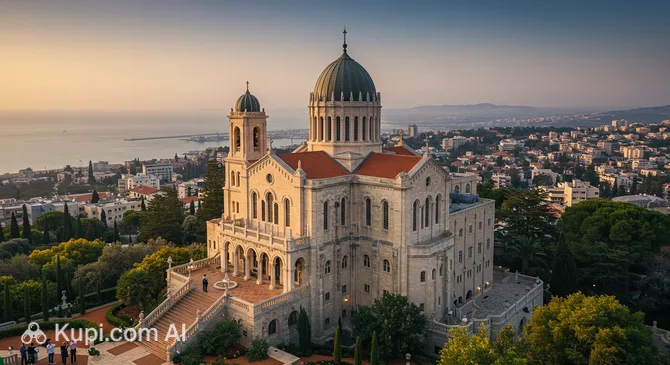
The Stella Maris Monastery is built over a cave believed to be the dwelling place of the Prophet Elijah. This site is considered sacred not only by Christians but also by Jews, Muslims, and Druze, serving as a powerful symbol of shared spiritual heritage.
Stella Maris Monastery. Illustration.
Source: Kupi.com AI
Traveler photos:
How to Get There
Reaching this northern coastal city is quite convenient, thanks to its proximity to major transportation hubs. Whether you are arriving from abroad or traveling within the region, there are several efficient ways to reach your destination. You can find more about how to get to Haifa and plan your journey in detail.
The primary gateway for international tourists is Ben Gurion International Airport (TLV), located near the city of Tel Aviv. Although it is situated about 87 km from Haifa, it is excellently connected by public transport. Visitors can take a direct train from the airport terminal to Haifa, a comfortable journey that usually takes around an hour. If you prefer a taxi or private transfer, the drive typically takes approximately 1.5 hours, depending on traffic conditions. This airport handles a large volume of passengers annually and offers a wide range of services.
For those looking for a closer option, the city is served by its own Haifa Airport (HFA). Located just about 5 km from the city center, this facility is much smaller and primarily handles domestic flights and some regional connections. Arriving here allows for a very quick transfer to your hotel, with a taxi ride taking roughly 30 minutes. While it serves fewer passengers than the main international hub, it offers the distinct advantage of landing directly in the city.
For clarity, here is a summary of the main airports:
Haifa is a city of diverse landscapes and rich culture, offering visitors a mix of stunning natural beauty, fascinating history, and modern leisure spots. From world-famous terraced gardens to engaging museums and relaxing beaches, the city provides a wealth of experiences for travelers of all interests.
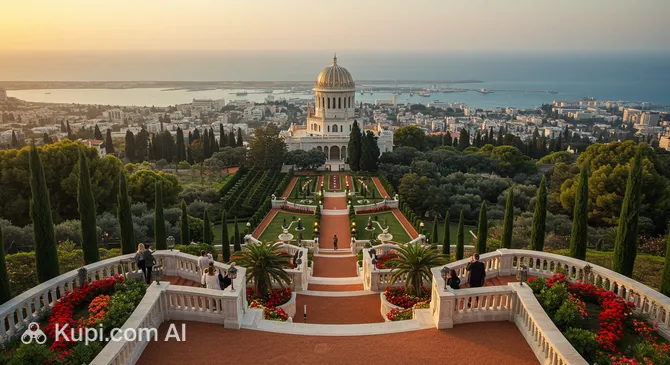
Undoubtedly the most famous site in the city is the Baháʼí Gardens. These nineteen distinct terraces extend up the northern slope of Mount Carmel, creating a breathtaking vertical landscape of manicured hedges, flower beds, and graveled paths. At the center stands the golden-domed Shrine of the Báb, a visual focal point visible from many parts of the city. Visitors can join guided tours to walk down the terraces and enjoy unparalleled views of the bay and the urban landscape below.
Baháʼí Gardens. Illustration.
Source: Kupi.com AI
Traveler photos:
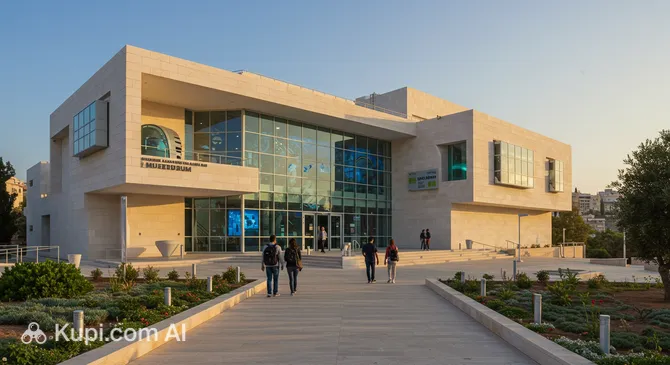
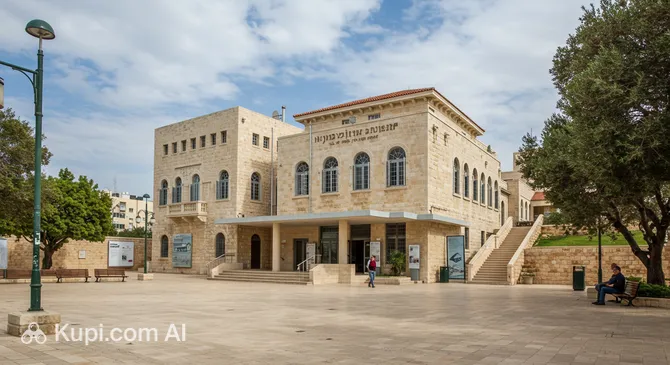
For families and science enthusiasts, Madatech – Israel National Museum of Science is a must-visit destination. Housed in the historic Technion building, the museum features over 20 distinct exhibitions with hundreds of interactive displays that make complex scientific principles accessible and fun. The facility also includes a sprawling outdoor science park and a specialized cinema, ensuring an educational and entertaining day out for visitors of all ages.
Madatech – Israel National Museum of Science. Illustration.
Source: Kupi.com AI
Traveler photos:
History buffs will find the Clandestine Immigration and Naval Museum particularly compelling. This museum tells the dramatic story of the struggle for immigration to the country during the British Mandate period and the history of the naval forces. The highlight of the visit is the opportunity to step inside a real decommissioned missile boat and a submarine, offering a rare glimpse into life at sea and the challenges faced by naval personnel.
Clandestine Immigration and Naval Museum. Illustration.
Source: Kupi.com AI
Traveler photos:
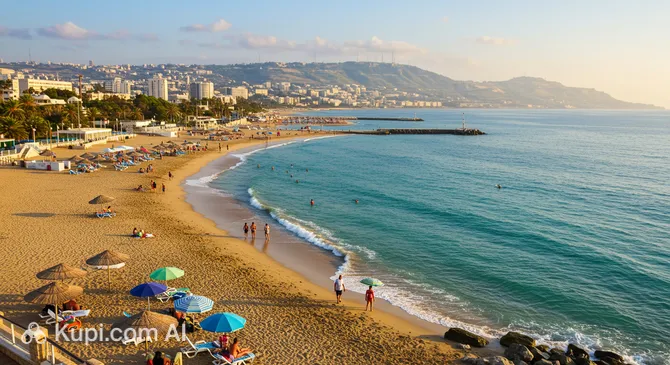
If you are looking to unwind by the Mediterranean, Dado Beach is one of the most popular coastal spots in the city. Known for its long, well-maintained promenade, the beach is lined with gardens, restaurants, and cafes. It is an excellent place for a leisurely stroll, a refreshing swim, or simply watching the sunset over the water. The beach offers convenient facilities and a lively atmosphere, making it a favorite gathering place for both locals and tourists.
Dado Beach. Illustration.
Source: Kupi.com AI
Traveler photos:
Local Cuisine
Haifa’s culinary landscape is a delicious reflection of its multicultural mosaic, blending Jewish, Arab, and Mediterranean influences into a vibrant food scene. The city is often hailed as the street food capital of the north, where fresh ingredients and centuries-old recipes create unforgettable flavors. Visitors will find that dining here is less about white tablecloths and more about the authentic atmosphere of bustling markets and family-run establishments.
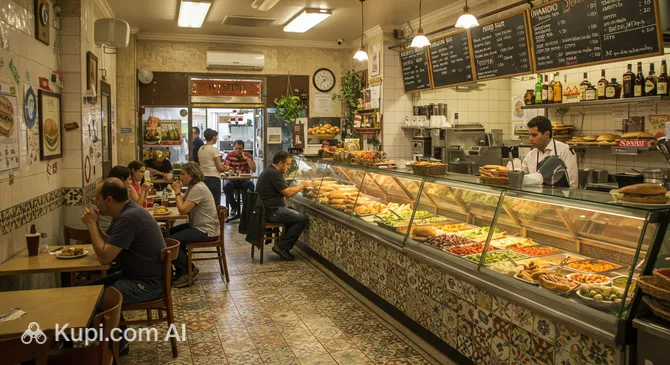
A staple of the local diet is undoubtedly hummus, which is served creamy, warm, and often topped with olive oil, pine nuts, or spiced ground meat. Falafel is another must-try, with local vendors frying these chickpea balls to golden perfection. For a unique gastronomic experience, you should visit Sandwich Bar Bracha. This legendary spot is famous for its hearty sandwiches, particularly those featuring shakshuka or schnitzel, drenched in a secret spicy red sauce that has attracted food lovers for decades.
Sandwich Bar Bracha. Illustration.
Source: Kupi.com AI
Traveler photos:
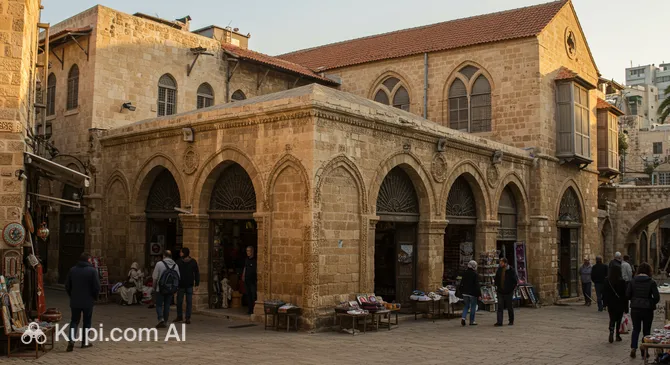
The heart of the city's evolving food culture beats in the Talpiot Market Historical Building and its surrounding streets. By day, this area is a traditional open-air market filled with the aroma of fresh fruits, vegetables, and aromatic spices. By night, it transforms into a hip culinary hub where trendy taverns, craft beer bars, and chef-driven eateries operate alongside the produce stalls, offering a perfect blend of old and new.
Talpiot Market Historical Building. Illustration.
Source: Kupi.com AI
Traveler photos:
When it comes to beverages, the choices are just as diverse. Coffee culture is deeply rooted here, with strong Turkish coffee often spiced with cardamom being a favorite way to end a meal or start the day. For something refreshing on a hot afternoon, try "Limonana," a slushy blend of lemonade and fresh mint. As evening falls, locals often enjoy Arak, an anise-flavored alcoholic spirit served with water and ice, or gather at lively spots like Layla to sip on local wines and craft cocktails in a relaxed setting.
Travel Tips
Welcome to Haifa! To ensure your visit to this hilly, multicultural coastal city is as smooth and enjoyable as possible, we have compiled a list of essential practical advice. These tips will help you navigate the unique geography, local customs, and logistics of your trip with ease.
Clothing and Gear: Since the city is built on steep slopes, comfortable, sturdy walking shoes are an absolute must for exploring the terraced streets and stairways. In summer, pack lightweight, breathable fabrics to handle the heat and humidity, while winter visitors should bring layers and a waterproof jacket for rainy days. If you plan to visit religious sites like the Bahá'í Gardens or Stella Maris Monastery, remember to dress modestly, covering your shoulders and knees.
Transportation: Haifa is unique in Israel because some public transportation continues to operate on the Sabbath (Friday evening to Saturday night), specifically the "Metronit" bus system. For getting up and down Mount Carmel, use the Carmelit, the city's underground funicular subway. Payment for public transport is typically cashless; you will need a "Rav-Kav" transport card or a mobile app like Moovit or HopOn to pay for rides.
Finances: The local currency is the New Israeli Shekel (NIS). Credit cards are widely accepted in hotels, restaurants, and most shops, but it is wise to carry some cash for small purchases in markets like Talpiot or for street food vendors. Tipping is standard practice in restaurants and cafes; leaving a gratuity of around 10-15% is expected if service is not included in the bill.
Health and Safety: The city is generally safe for tourists, but standard precautions like keeping an eye on your belongings in crowded areas apply. Pharmacies, such as "Super-Pharm," are common, and some operate 24/7 or on a rotating emergency schedule. Tap water is safe to drink, but staying hydrated is crucial during the hot summer months, so carry a reusable water bottle.
Communication: Hebrew and Arabic are the official languages, but English is widely spoken and understood, especially in tourist areas and by younger locals. Free Wi-Fi is often available in public spaces, cafes, and on the Metronit buses. For constant connectivity, you can easily purchase a local SIM card at the airport or at various kiosks around the city.
Local Etiquette: The atmosphere is generally casual and informal. A simple "Shalom" (Hello/Peace) is a great way to greet people. Haifa is known for its coexistence between Jewish and Arab populations; being respectful of different cultural and religious traditions is key. When entering shops or homes, a friendly attitude goes a long way.
What to Avoid: Do not attempt to enter the inner sanctuaries or restricted areas of the Bahá'í Gardens with food, chewing gum, or drinks (other than water), as the guards are strict about maintaining the sanctity and cleanliness of the site. Also, avoid planning intercity travel by train on the Sabbath, as the national rail service shuts down completely.
Additional Tip: Take advantage of the "Haifa Trail" or the numerous public staircases that connect the upper neighborhoods to the downtown area. Walking down these stairs offers a scenic and efficient way to see the city's changing architecture and enjoy breathtaking views of the bay that you would miss by taking a taxi.
By keeping these practical tips in mind, you will be well-prepared to embrace the diverse culture and stunning landscapes of this northern gem. Enjoy your adventure in Haifa, from the heights of Mount Carmel to the shores of the Mediterranean!
Entertainment & Nightlife
While Haifa is often perceived as a quiet, industrious city, its nightlife scene has undergone a remarkable transformation in recent years. The action has shifted from the mountain ridges to the revitalized Downtown area, also known as the Lower City. Here, crumbling stone buildings have been repurposed into trendy bars, lively pubs, and chef restaurants, creating a gritty yet hip atmosphere that rivals the energy of Tel Aviv, albeit with a more relaxed and unpretentious vibe.
The epicenter of this nocturnal activity is the area surrounding Paris Square and Palmer Gate Street. On weekends, the streets here are pedestrian-friendly and buzzing with young locals and tourists hopping between venues. The crowd is diverse, ranging from students to professionals, and the dress code is almost universally casual; jeans and a t-shirt are perfectly acceptable almost anywhere.
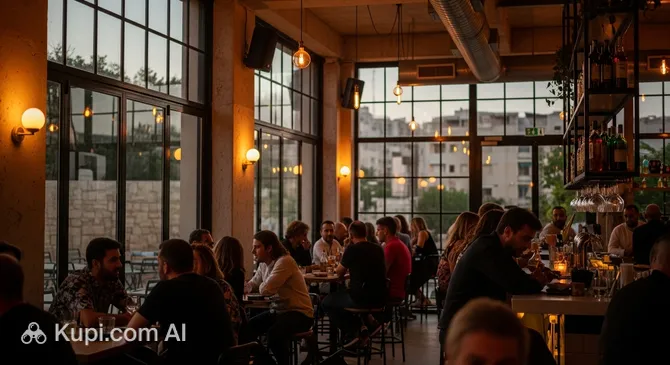
For those looking to enjoy a drink in a unique setting, Rive West is a standout option in the downtown district. It offers a cool, industrial aesthetic typical of the port area, serving a wide selection of drinks and often hosting spirited crowds. It is an excellent place to start your evening, soaking in the local culture and mingling with residents.
Rive West. Illustration.
Source: Kupi.com AI
Traveler photos:
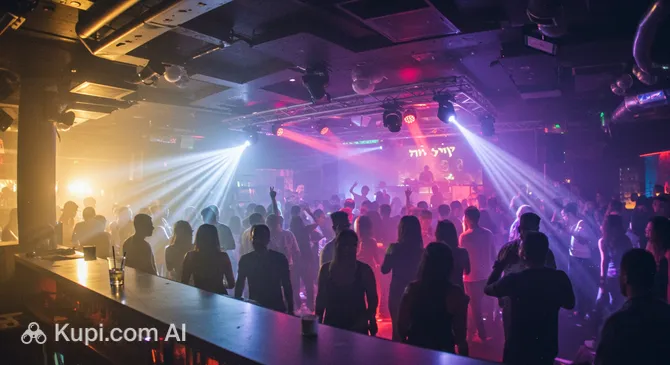
If you are in the mood for dancing or a more high-energy environment, Rodeo Haifa is a well-known spot in the city's entertainment repertoire. It caters to those looking to party late into the night, often featuring themed events and a lively dance floor. The venue captures the eclectic spirit of the city, where different musical styles and crowds blend seamlessly.
Music lovers should not miss the chance to check the schedule at Zappa Haifa. Part of a famous chain of Israeli music venues, it hosts top-tier local artists and international acts in an intimate setting that combines a concert hall with a restaurant. It is the premier destination in the north for live performances, offering a sophisticated night out accompanied by good food and drinks.
Zappa Haifa. Illustration.
Source: Kupi.com AI
Traveler photos:
Practical navigation at night in Haifa is easier than in many other Israeli cities. The "Metronit" bus system runs 24/7 on weekends (Friday and Saturday), providing safe and cheap transport between the Lower City, the bay area, and the suburbs. Taxis are also readily available; using apps like Gett or Yango is recommended for fair pricing. The nightlife districts are generally very safe for walking, even late at night, though it is always wise to stay in well-lit, populated areas.
Beyond the nightlife, the city offers plenty of daytime entertainment. Culture enthusiasts can explore the municipal theater or the various cinemas. For families or those seeking a relaxing day in nature, the Haifa Zoo on Mount Carmel offers a delightful escape with beautiful views of the bay, focusing on education and conservation. Whether day or night, the city provides a welcoming mix of leisure and excitement.
Parks & Museums
Haifa is a city where the urban landscape seamlessly blends with nature, offering a variety of lush green spaces and a rich array of cultural institutions. Beyond the famous terraced gardens, the city boasts extensive parks, nature reserves, and museums that chronicle everything from ancient maritime history to contemporary art, providing visitors with a deeper understanding of the region's diverse heritage.
For those seeking a relaxing escape by the sea without the sand, Hecht Park is the largest linear park in the city. Stretching along the coastline, it features wide walking paths, jogging trails, and playgrounds, all accompanied by unobstructed views of the Mediterranean. It is a favorite spot for locals to enjoy a sunset picnic or a morning run, offering a peaceful respite from the bustling city center.
Hecht Park. Illustration.
Source: Kupi.com AI
Traveler photos:
Just a short drive from the city center lies Nesher Park, a must-visit for nature lovers and adventure seekers. The park is famous for its two steel suspension bridges that hang high above a lush wadi (valley). Crossing these bridges offers a thrilling perspective of the pine and oak forests below. The park also includes marked hiking trails and picnic areas, making it an excellent destination for a family day out in nature.
Nesher Park. Illustration.
Source: Kupi.com AI
Traveler photos:
Culture enthusiasts will find much to explore in the city's museum scene. The Haifa Museum of Art, located in a historic stone building in the Wadi Nisnas neighborhood, is one of the country's leading art institutions. It focuses on contemporary Israeli and international art, hosting changing exhibitions that often tackle social and cultural themes. The museum serves as a vibrant hub for art lovers, often hosting lectures and events.
Haifa Museum of Art. Illustration.
Source: Kupi.com AI
Traveler photos:
Given the city's deep connection to the sea, the National Maritime Museum is particularly significant. Distinct from the naval museum mentioned earlier, this institution is dedicated to the history of shipping in the Mediterranean basin over the last 5,000 years. Its collection includes ancient anchors, ship models, scientific instruments, and archaeological finds that tell the story of human interaction with the sea.
For a unique historical experience, the Israel Railway Museum offers a fascinating look at the development of transportation in the region. Housed in the old Haifa East railway station, the museum displays restored locomotives, carriages, and equipment dating back to the Ottoman and British Mandate eras. It provides a nostalgic journey through time, highlighting the pivotal role railways played in the area's development.
For a quiet and artistic interlude, visit the Sculptures Garden (Gan Hapsalim) on Zionism Avenue. This peaceful park features bronze statues by artist Ursula Malbin, set against one of the most spectacular backdrops in the city—the bay and the Galilee mountains. It is a hidden gem where art and nature complement each other perfectly, offering a serene atmosphere away from the main tourist trails.
Getting Around
Navigating Haifa is a unique experience due to its mountainous topography, but the city boasts an efficient and diverse public transport system designed to handle its steep terrain. Unlike many other cities in the region, Haifa offers a variety of transit options that integrate seamlessly, allowing visitors to move easily between the port area, the downtown district, and the neighborhoods atop Mount Carmel.
The backbone of the local transportation network is the Metronit, a Bus Rapid Transit (BRT) system featuring high-capacity articulated buses that run on dedicated lanes. These buses are faster than regular traffic and connect the city's northern suburbs (Krayot) through the Lower City to the southern beaches. A significant advantage for tourists is that the Metronit operates seven days a week, including weekends (Friday evening and Saturday), which is a rarity in the country.
For traveling up and down the mountain, the city offers two distinct and scenic modes of transport. The Carmelit is an underground funicular railway, often referred to as Israel's only subway. It runs on a single line with six stations, connecting Paris Square in the downtown area to the Gan HaEm park in the Carmel Center in just about eight minutes. Additionally, the Rakavlit is a modern cable car system integrated into the public transport network. It transports passengers from the central transport hub at Lev HaMifratz up to the Technion and the University of Haifa, offering spectacular aerial views of the bay along the way.
Payment for all public transport options—buses, the Metronit, the Carmelit, and the Rakavlit—is unified and cashless. You cannot buy a ticket from the driver with cash. The most convenient way to pay is by using a Rav-Kav, a rechargeable smart card that can be purchased at train stations, central bus terminals, and some pharmacies. Alternatively, you can pay directly via smartphone apps like Moovit or HopOn (Rav-Kav Online), which calculate the fare based on your travel distance. If you use the Rav-Kav card, remember to validate it immediately upon boarding; on the Metronit, validation machines are located on the platform before you board.
Beyond the official public transport, Sheruts (shared taxis) are a popular alternative. These yellow minibuses usually follow the same routes as major bus lines but offer the flexibility of stopping anywhere along the route to let passengers on or off. They accept cash and often run on weekends and holidays when regular buses might be less frequent. Regular private taxis are also plentiful and can be hailed on the street or booked via apps like Gett or Yango.
While the national train service is excellent for intercity travel, it also serves as a quick way to move between the city's three main coastal stations: Hof HaCarmel, Bat Galim, and Merkaz HaShmona. However, keep in mind that unlike the Metronit, the trains do not operate during the Sabbath (from Friday afternoon until Saturday evening). By combining these various modes of transport, you can efficiently explore everything from the bustling port to the serene peaks of Mount Carmel.
Accommodation
Haifa offers a diverse array of accommodation options suitable for every type of traveler, ranging from luxurious hotels with panoramic views to charming boutique guesthouses and budget-friendly hostels. The city's unique topography, built on the slopes of Mount Carmel, means that your choice of location will significantly influence your experience, offering either breathtaking mountain vistas or immediate access to the Mediterranean shore.
The Carmel Center is widely considered the premier district for tourists. Perched high atop the mountain, this area is home to many of the city's major hotels and offers easy access to shops, cafes, and the Gan HaEm (Mother's Garden). Staying here provides a central base for exploring the upper terraces of the city and enjoying the cool mountain breeze in the evenings.
Gan HaEm (Mother's Garden). Illustration.
Source: Kupi.com AI
Traveler photos:
For those seeking a more historic and atmospheric setting, the German Colony is an excellent choice. Located at the foot of the Bahá'í Gardens, this area features beautifully restored stone buildings turned into boutique hotels and is lined with some of the city's best restaurants. Alternatively, visitors who prefer the ocean can find resort-style accommodations near the southern coast, particularly around Carmel Beach, which is perfect for sunseekers and families.
Accommodations in Haifa generally cater to a wide price range. Budget travelers can find affordable hostels and guest apartments, particularly in the Downtown and port areas, while mid-range and luxury options are concentrated in the Carmel Center and beachfront zones. It is highly recommended to book your stay in advance, especially if you plan to visit during the summer months or major Jewish holidays when demand is at its peak. Most bookings can be easily managed through major online platforms.
Nearby Cities
For those looking to explore the surroundings, Haifa serves as an excellent base for day trips to several interesting nearby locations. The region offers a mix of historical sites, coastal retreats, and cultural experiences, all within a short driving distance.
One of the most significant destinations nearby is Nazareth. Known globally for its deep historical and religious roots, this city invites visitors to explore the impressive Basilica of the Annunciation and wander through the narrow streets of its Old City. The bustling market offers a sensory experience with its spices, fabrics, and local sweets, reflecting the rich heritage of the area.
For a more relaxed coastal vibe, Nahariyya is a popular choice located just north of Haifa. As the northernmost coastal city in the country, it features the lively Ga'aton Boulevard, which runs through the center of town down to the sea. Visitors can enjoy pleasant promenades, beautiful beaches, and a laid-back atmosphere that contrasts with the hustle of the larger metropolitan areas.
City
Population
Distance
Tirat Carmel
22 200
4 km
Nesher
23 700
6 km
Kiryat Motzkin
42 000
10 km
Kiryat Yam
39 416
10 km
Kiryat Bialik
39 900
11 km
These nearby destinations offer a glimpse into the diverse culture and landscapes of the region, making them perfect additions to your travel itinerary.
Shopping & Souvenirs
Shopping in Haifa offers a delightful mix of modern convenience and traditional charm, reflecting the city's diverse character. Visitors can choose between exploring expansive, air-conditioned shopping centers featuring international brands or wandering through lively open-air markets that stimulate the senses. Whether you are looking for high-end fashion, unique local crafts, or authentic culinary ingredients, the city provides a varied retail landscape to suit every taste and budget.
For those who enjoy street-side window shopping, the Carmel Center (Merkaz HaCarmel) is a prime location. This upscale neighborhood is dotted with boutique stores, bookstores, and cafes, making it a pleasant area for a leisurely stroll. Lower down the mountain, the picturesque German Colony offers a different vibe; its main avenue is lined with souvenir shops and galleries selling local art, jewelry, and gifts, all set against the stunning backdrop of the Bahá'í Gardens.
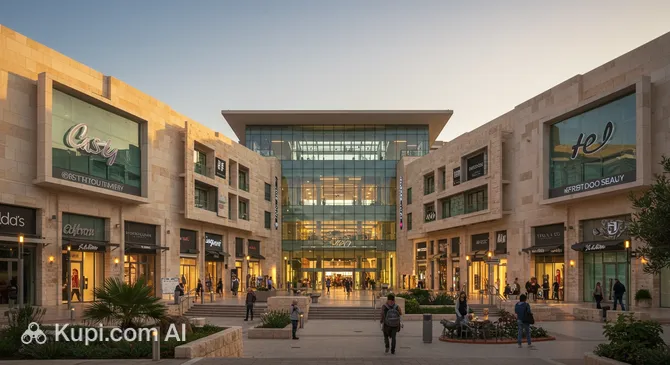
If you prefer a one-stop destination for fashion and entertainment, the city boasts several impressive malls. The largest and most popular is the Grand Canyon Mall Haifa, located in the Neve Sha'anan neighborhood. This massive complex houses hundreds of stores, including major international chains, a cinema, and a large food court. For bargain hunters, Hutzot HaMifratz serves as a sprawling open-air outlet center near the bay area, offering discounted prices on brand-name clothing and footwear.
Grand Canyon Mall Haifa. Illustration.
Source: Kupi.com AI
Traveler photos:
To experience the authentic local atmosphere, a visit to the city's markets is essential. The Talpiot Market Historical Building and its surrounding streets form the culinary heart of the city. Here, you can buy fresh seasonal fruits, aromatic spices, olives, and halva directly from the vendors. For vintage enthusiasts, the Flea Market on Kibbutz Galuyot Street in the Lower City operates daily (except Saturdays) and is a treasure trove for antiques, second-hand clothes, and unique collectibles.
When it comes to souvenirs, there are several distinct items worth bringing home. Dead Sea cosmetics are a popular choice and are widely available in pharmacies and malls. Foodies should look for high-quality olive oil produced in the nearby Galilee region, local wines, or bags of za'atar (a local spice blend). Armenian ceramics and handmade jewelry found in the German Colony also make for beautiful and lasting mementos of your trip.
Most shops in Haifa are open from Sunday to Thursday, typically between 9:00 AM and 9:00 PM. On Fridays, businesses close early, usually around 2:00 PM or 3:00 PM, in preparation for the Sabbath. While many Jewish-owned businesses remain closed on Saturdays, Haifa is unique in that some shopping areas, particularly in the non-Jewish neighborhoods and certain malls like Hutzot HaMifratz, may have stores open on Saturday. Major credit cards are widely accepted, though it is advisable to carry cash for small purchases in the open-air markets.
Tourists visiting Israel are eligible for a VAT refund on purchases made at participating stores. If you buy goods exceeding 400 NIS in a single transaction at a store displaying the "Tax Refund" sign, be sure to ask for a special tax-free invoice. You can then present this form along with the goods at the VAT refund counter at Ben Gurion Airport upon your departure to receive a refund of the value-added tax.