Support

Sakaka

About

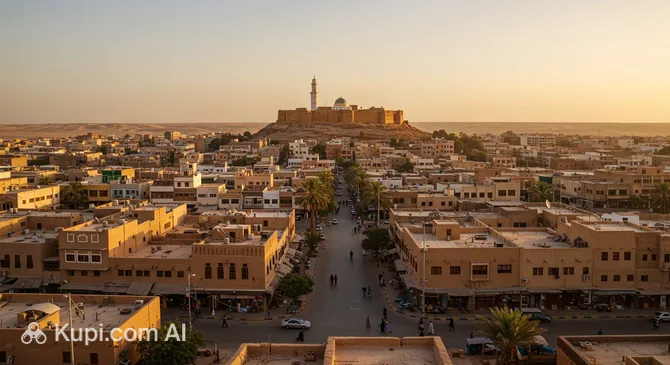
Welcome to Sakaka, a captivating city located in the northwestern part of Saudi Arabia. As the capital of the Al-Jawf Region, this city serves as a vital crossroads where ancient heritage meets modern development. With a population of approximately 400,000 residents, Sakaka is a bustling oasis known for its generous hospitality, rich agricultural lands, and its status as the "Olive Basket" of the Kingdom due to its extensive olive groves.

Sakaka. Source: Kupi.Binoculars

Geographically, Sakaka is situated on the northern edge of the An-Nafud desert, offering a unique landscape that blends golden sand dunes with fertile greenery. The climate here is typical of the desert, characterized by hot summers and surprisingly cool winters, making the cooler months an ideal time for exploration. Visitors are often drawn to the deep and fascinating history of Sakaka, which stretches back thousands of years and is evident in the numerous archaeological sites scattered throughout the area.

Among the city's most prominent attractions is the historic Za'bal Castle, a fortress perched atop a rocky hill that offers panoramic views of the city and its surrounding palm plantations. Another must-visit site is the mysterious Rajajil Columns, often referred to as the "Stonehenge of Saudi Arabia," which stands as a testament to the region's ancient significance. Whether you are a history buff or a nature lover, Sakaka invites you to discover its hidden treasures and experience the authentic charm of northern Arabia.

Weather Overview

The climate in Sakaka is typical of a desert environment, featuring distinct seasonal changes and generally arid conditions. Visitors can expect hot summers with clear skies and very little humidity. During the peak summer months of June through August, average temperatures range from 31°C to nearly 34°C, with daily highs frequently exceeding 40°C, making outdoor activities more challenging during the day.

In contrast, the winter season brings significant relief with much cooler weather. From December to February, average temperatures drop to between 10°C and 12°C, while nights can be quite chilly with lows dipping near 4°C. Rainfall is extremely rare throughout the year, though you might encounter a few wet days in November or during the winter months. For travelers planning their trip, checking the detailed weather in Sakaka is recommended to pack appropriately for the specific season.

Interesting Facts

Beyond its prominent historical forts, Sakaka holds a treasure trove of fascinating secrets ranging from ancient astronomical mysteries to world-breaking modern records. This city is not just a gateway to the north but a place where legends and innovation coexist in the desert.
  • The Stonehenge of Arabia: The mysterious Rajajil Columns, located just outside the city, are a collection of standing stones believed to be over 6,000 years old—older than the Pyramids of Giza. Archaeologists speculate that these aligned pillars served astronomical purposes for ancient civilizations, much like their famous counterpart in England.

  • A World Record in Greenery: Despite its desert location, Sakaka is the "Olive Capital" of the Kingdom. It is home to the largest modern olive farm in the world, a feat recognized by the Guinness World Records, with over 5 million olive trees thriving in the fertile soil of Al-Jawf.

  • An Engineering Marvel: The ancient Sisra Well is carved entirely out of sandstone and features a unique spiral staircase cut into the interior walls, allowing people to descend to the water. Local legend claims a secret underground tunnel once connected this well directly to the hilltop Zaabal Castle, ensuring water supply during sieges.

  • Pioneering Solar Energy: Sakaka put Saudi Arabia on the renewable energy map by hosting the country's first utility-scale solar power plant. This massive project harnesses the region's intense year-round sunlight to generate clean electricity, marking a significant step in the nation's green initiatives.

Zaabal Castle. Source: Kupi.Binoculars

How to Get There

Planning a trip to the Al-Jawf Region is the first step toward an unforgettable adventure, and understanding your travel options is key. Whether you prefer flying directly into the heart of the region or taking a scenic route through neighboring cities, you can find more about how to get to Sakaka to help organize your itinerary.

The most convenient gateway for travelers is Jouf Airport (AJF), located directly in Sakaka. This regional hub connects the city with major destinations across the Kingdom. Situated approximately 22.9 km from the city center, the airport offers quick access to downtown. A journey by taxi or car typically takes around 20 to 30 minutes, depending on traffic conditions. With a moderate flow of passengers, it provides a relatively stress-free arrival experience compared to larger international hubs.

Alternatively, if flights to Sakaka are unavailable, you can fly into Arar Airport (RAE) in the city of Arar. Although it is located about 136.9 km away from Sakaka, it serves as a viable secondary option for reaching the northern region. Travelers choosing this route can expect a straightforward ground transfer via the highway; the drive by taxi or rental car generally takes approximately 1.5 to 2 hours. While less direct, it offers an opportunity to see more of the northern landscapes.

For clarity, here is a summary of the main airports:

Airport Name City Passenger Traffic Km from City
Jouf Airport Sakaka Medium 22.9
Arar Airport Arar Medium 136.9
Turaif Airport Turayf Small 238.1

Beyond air travel, Sakaka is accessible via a well-maintained network of highways connecting it to other major cities in Saudi Arabia. Buses and private cars are popular for those traveling from nearby regions. Additionally, the modern North-South Railway line serves the Al-Jawf region, providing a comfortable and scenic train journey from Riyadh or Hail, with the station located a short drive from the city center.

Main Attractions

Sakaka offers a fascinating blend of ancient history and modern development, making it a unique destination in northern Saudi Arabia. From centuries-old fortresses standing guard over the city to bustling centers of contemporary life, the attractions here provide a deep dive into the region's rich heritage and evolving culture. Whether you are exploring archaeological wonders or enjoying local hospitality, there is much to discover.

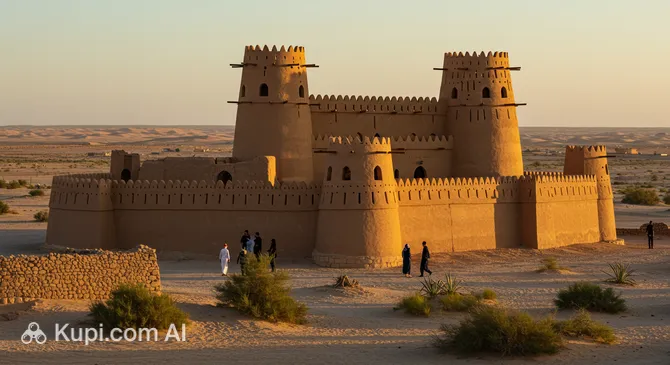
Dominating the city's skyline is the magnificent Zaabal Castle. This historic fortress, perched atop a rocky mountain in the northwest of the city, is arguably Sakaka's most iconic landmark. Built roughly 900 years ago on foundations that date back to the Nabataean period, the castle offers visitors a chance to walk through history. The climb to the top is rewarded with breathtaking panoramic views of the sprawling city and the surrounding lush palm groves, making it a perfect spot for photography and sunset viewing.

For those intrigued by ancient mysteries, the Rajajil Columns are an essential stop. Located just outside the city, this archaeological site is often compared to Stonehenge. It features a collection of 50 groups of upright stone pillars that are believed to be over 6,000 years old. Archaeologists suggest the site may have served astronomical or religious purposes for the region's early inhabitants, and walking among these weathered stones offers a profound sense of connection to the distant past.

Another marvel of ancient engineering is the Sisra Well, located near Zaabal Castle. Carved entirely out of sandstone, this well is famous for its unique spiral staircase that descends along the interior walls, allowing access to the water below. It is believed to connect to the castle via an underground tunnel, a testament to the strategic ingenuity of the people who once defended this oasis.

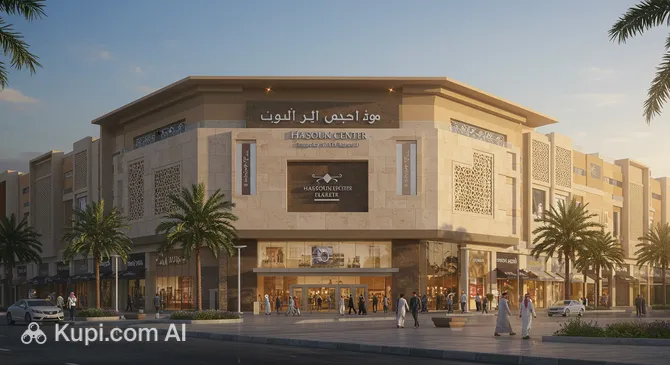
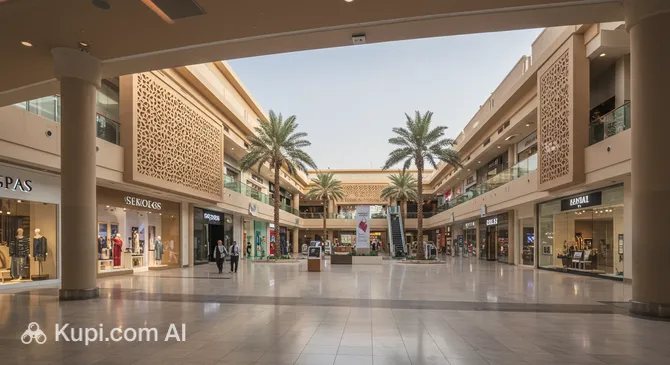
To experience the modern pulse of the city, a visit to the Hassoun Center is highly recommended. As one of the prominent shopping destinations in Sakaka, it offers a wide variety of local and international brands. It is an excellent place to cool off, enjoy some window shopping, or pick up souvenirs that reflect the local culture, blending the traditional market feel with modern convenience.

Hassoun Center. Source: Kupi.Binoculars

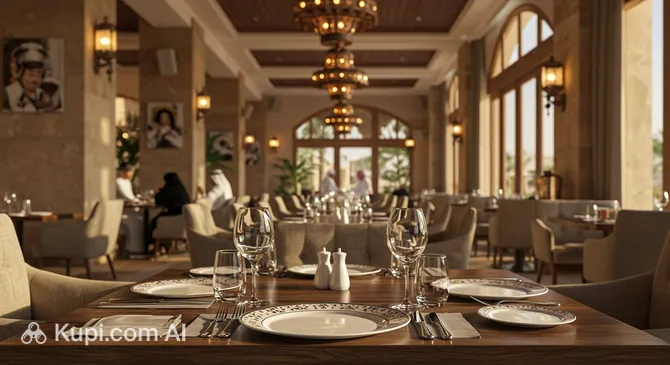
After a day of exploration, food enthusiasts should not miss the opportunity to dine at Chef Iyad. This restaurant has gained popularity not just for its delicious smoked meats and rich flavors, but also for the theatrical dining experience it often provides. It serves as a fantastic venue to enjoy a hearty meal and witness the vibrant culinary scene that is beginning to flourish in the city.

Chef Iyad. Source: Kupi.Binoculars

Local Cuisine

The culinary scene in Sakaka is a delightful reflection of its agricultural heritage, heavily influenced by its status as the "Olive Basket" of Saudi Arabia. The local cuisine is characterized by the use of fresh, locally grown ingredients, particularly high-quality olive oil, dates, and wheat. Visitors will find that food here is not just about sustenance but is a profound expression of the region's legendary hospitality, with meals often served in generous portions meant for sharing.

One dish that is absolutely essential to try when visiting the Al-Jawf region is Bakila. This traditional sweet and savory treat is unique to the area and is made by mixing the paste of sweet dates with pure ghee (clarified butter) and the seeds of the Samh plant, which is indigenous to the northern desert. Another staple is Kabsa, the national dish of the Kingdom, consisting of aromatic spiced rice served with tender lamb or chicken. In Sakaka, you might also encounter Mlehiya, a rich dish featuring meat and rice cooked with a dried yogurt base, offering a tangy and savory flavor profile.

When it comes to beverages, the culture is dominated by hot drinks that encourage socializing. Arabic coffee (Gahwa) is the centerpiece of any gathering, typically brewed with cardamom and saffron and served in small cups alongside dates to balance the bitterness. Tea, often infused with fresh mint or sage, is also extremely popular. It is important for tourists to remember that alcohol is strictly prohibited throughout Saudi Arabia, so you will not find alcoholic beverages in any restaurants or hotels; instead, enjoy the variety of fresh fruit juices and "Saudi champagne," a refreshing mix of apple juice and sparkling water.

The dining culture in Sakaka ranges from traditional settings to modern eateries. Many locals prefer the traditional style of dining, where guests sit on carpeted floors and eat from a communal platter, a practice that fosters a sense of community. While there are modern restaurants and fast-food outlets, the most authentic experiences are often found in smaller, family-run establishments or during local festivals where the connection to the land and its produce is most visible.

Travel Tips

Planning a trip to Sakaka offers a unique glimpse into the authentic lifestyle of northern Saudi Arabia, and a little preparation goes a long way. Here are some essential practical tips to help you navigate the city with ease and enjoy your stay to the fullest.

  1. Clothing and Gear: The desert climate demands versatility in your packing. For summer visits, bring lightweight, breathable fabrics, sunglasses, and a hat to protect against the intense sun. If you are traveling in winter, pack a warm jacket and layers, as nights can be surprisingly cold. Modest dress is expected; both men and women should opt for loose-fitting clothing that covers shoulders and knees to respect local norms.

  2. Transportation: Public transport options are limited within the city, making car rental the most practical choice for exploring attractions like the Rajajil Columns at your own pace. For shorter trips within the city, ride-hailing apps such as Careem and Uber are available and reliable, offering a convenient alternative to hailing street taxis.

  3. Finances: The official currency is the Saudi Riyal (SAR). While international credit and debit cards are widely accepted in malls, hotels, and modern restaurants, it is highly recommended to carry some cash for traditional markets (souqs) and smaller shops. ATMs are plentiful, and tipping around 10–15% is appreciated for good service.

  4. Health and Safety: Sakaka is a safe and welcoming destination for tourists. Pharmacies are widely available, with many operating 24/7 to cater to minor health needs. In case of any medical or security emergency, dial 997 for an ambulance or 999 for the police. Due to the arid climate, always carry water and stay hydrated.

  5. Communication: Arabic is the primary language spoken in Sakaka. While English is generally understood in the hospitality sector, it is less common in local markets; learning a few basic phrases like "Shukran" (Thank you) is very helpful. You can easily purchase a SIM card with data at the airport or local telecom shops to stay connected via map and translation apps.

  6. Local Etiquette: Hospitality is a cornerstone of the culture here. When greeting locals, use the phrase "As-salam alaykum" (Peace be upon you). If you are sharing a traditional meal, remember that it is polite to eat with your right hand. Be mindful of prayer times, as some shops may close briefly during these periods.

  7. What to Avoid: Strictly avoid possessing or consuming alcohol, as it is prohibited by law throughout the country. Furthermore, always ask for permission before taking photos of people, particularly women, and avoid photographing government buildings or military installations to prevent any misunderstandings.

  8. Local Insight: Do not miss the chance to buy local olive oil. As the capital of the "Olive Basket" of the Kingdom, Sakaka is famous for its high-quality production. Visiting during the Olive Festival (usually in winter) or buying fresh oil from a local farm is a fantastic way to support the local economy and take home a delicious souvenir.

By keeping these practical tips in mind, you will be well-equipped to experience the genuine warmth and heritage of Sakaka. Enjoy the rich history, the stunning desert landscapes, and the unforgettable hospitality that awaits you in this northern gem.

Entertainment & Nightlife

Nightlife in Sakaka offers a distinct and culturally immersive experience that differs significantly from the club-centric nightlife found in many Western cities. Instead of loud nightclubs or bars, the evening scene here is defined by a relaxed, family-friendly atmosphere that revolves around late-night socializing, dining, and shopping. As the desert heat fades, the city comes alive with locals gathering in bustling coffee houses, open-air lounges, and vibrant markets to enjoy the cooler evening air.

The heart of the city's evening activity can often be found along the main thoroughfares and in the commercial districts. Here, neon lights illuminate the streets, and the aroma of roasted coffee and spices fills the air. For those looking to engage in some retail therapy or simply soak up the local vibe, shopping centers serve as major social hubs. Price Breaker is a popular destination that stays busy well into the night. It is a great place to browse for bargains and observe the lively flow of residents enjoying their evening leisure time.

Price Breaker. Source: Kupi.Binoculars

Another key spot for evening entertainment is the Hassoun Center. This mall is not just for shopping; it acts as a community gathering place where families and friends meet. The atmosphere is casual and welcoming, with stores and food courts remaining open late, often until midnight. It is customary for the crowds to swell after the Isha prayer, making late evenings the most spirited time to visit.

Dining is an integral part of the nightlife in Sakaka, with many restaurants offering a festive environment for late dinners. Chef Iyad is a standout venue that comes highly recommended for its delicious food and vibrant setting. It is the perfect spot to enjoy a hearty meal after a long day of exploration, surrounded by the chatter of happy diners.

From a practical standpoint, the best time to experience the city's nightlife is from 8:00 PM onwards. The dress code remains modest, consistent with local customs. Sakaka is a very safe city for night walks, particularly in well-lit commercial areas. To get around, ride-hailing apps and taxis are readily available and affordable. While the nights are dedicated to social relaxation, daytime in Sakaka offers its own array of entertainment, including visits to local museums, amusement parks, and cultural landmarks that showcase the region's rich heritage.

Parks & Museums

Sakaka is a city where the golden hues of the desert meet the vibrant green of agricultural life. While it sits on the edge of the An-Nafud desert, the city is celebrated as the "Olive Basket" of Saudi Arabia, offering visitors a refreshing mix of lush parks and deep-rooted heritage. Instead of traditional indoor museums, Sakaka itself serves as a sprawling open-air gallery, where centuries-old fortresses and mysterious stone columns tell the story of the region.

For those seeking relaxation in nature, Al-Nakheel Park is a favorite local retreat. True to its name, which translates to "Palm Park," it features expansive lawns shaded by the region's signature date palms. It is an ideal spot for family picnics and evening strolls, equipped with playgrounds and walking paths that offer a peaceful escape from the bustling city streets.

Another highlight for outdoor enthusiasts is Qara Mountain Park (Al Qarah Mountain Park). Perched on a high elevation in the northwestern part of the city, this park offers some of the best panoramic views of Sakaka and its surrounding olive groves. It is particularly popular in the evenings when the weather cools down, and locals gather at the hilltop cafes to enjoy tea while watching the sunset over the city. Its proximity to historical sites makes it a perfect blend of nature and sightseeing.

Sakaka's heritage is best experienced by exploring its monumental landmarks. The majestic Zaabal Castle is the crown jewel of the city's history. Perched on a rocky summit, this fortress has stood sentinel over the trade routes for centuries. Its mud-and-stone architecture is a prime example of traditional desert fortification, and walking along its ramparts provides a tangible connection to the past, along with commanding views of the oasis below.

Just a stone's throw from the castle lies the fascinating Sisra Well, an engineering marvel carved entirely out of sandstone. Dating back to the Nabataean period, this well features a unique spiral staircase cut into its interior walls, which allowed people to descend to the water level. It is believed to have been connected to the castle by a secret tunnel, ensuring a water supply during times of siege.

For a journey even further back in time, a visit to the Rajajil Columns is essential. Often referred to as the "Stonehenge of Saudi Arabia," this archaeological site consists of 50 groups of upright stone pillars that are over 6,000 years old. Standing among these weathered stones in the open desert offers a profound sense of mystery and is a must for anyone interested in ancient civilizations.

In addition to these historic sites, the region's vast olive farms offer a unique "natural park" experience. During the harvest season in early winter, many farms open their doors to visitors, allowing them to walk through the groves, witness traditional olive pressing methods, and taste some of the finest olive oil in the Middle East right at the source.

Getting Around

Navigating Sakaka is relatively straightforward, though it differs significantly from destinations with extensive public transit networks. The city does not currently possess a metro, tram, or comprehensive intra-city bus system designed for tourism. As a result, the transportation infrastructure is heavily reliant on road travel, making private vehicles and taxis the primary means of moving between neighborhoods and attractions.

For most visitors, ride-hailing apps are the most efficient and stress-free way to get around. Services such as Careem and Uber are active in the city and are highly recommended. Using these apps offers several advantages: it overcomes potential language barriers, provides transparent upfront pricing, and allows for digital payment, eliminating the need to haggle over fares. Traditional street taxis are also available; if you choose to hail one, it is important to ensure the driver activates the meter or to agree on a fixed price before starting the journey.

While the Saudi Public Transport Company (SAPTCO) operates in the region, its primary focus is on intercity routes connecting Sakaka to other major destinations rather than providing frequent local service within the city limits. Consequently, tourists should not rely on buses for daily sightseeing. There are no complex travel passes or transport cards required for getting around, as local travel is typically paid for on a per-trip basis using cash or mobile apps.

Given the dispersed nature of the city's landmarks—such as the distance between the downtown area and the outlying Rajajil Columns—renting a car is widely considered the best alternative. Rental agencies are conveniently located at the airport and within the city center. Having your own vehicle provides the flexibility to explore at your own pace and the comfort of air conditioning, which is essential given the desert climate. Roads are generally well-maintained, and main signage is often displayed in both Arabic and English.

Regarding payments, while ride-hailing apps accept credit cards, it is practical to carry some cash in small denominations if you plan to use standard taxis or visit smaller local establishments. Transport services operate around the clock, though availability might decrease slightly during late-night hours. Visitors should also be mindful that finding a taxi on the street during peak heat hours can be challenging, making pre-booking via an app or renting a car the most reliable strategies.

Accommodation

Finding a place to stay in Sakaka is generally a straightforward experience, with options that cater primarily to practical needs rather than ultra-luxury tourism. The accommodation landscape is dominated by furnished apartments (known locally as apart-hotels) and mid-range hotels. These furnished units are particularly popular in Saudi Arabia, offering travelers spacious living areas and kitchenettes, making them an excellent choice for families or those planning a longer stay. While you will not find an abundance of 5-star international resorts, the available 3-star and 4-star hotels provide comfortable, clean, and modern amenities suitable for business travelers and explorers alike.

Most accommodations are conveniently clustered along the city's main arterial roads, such as King Abdulaziz Road and the areas surrounding the city center. Staying in these central districts places you within easy reach of local dining spots, shopping destinations like the Hassoun Center, and essential services. For those arriving by air, there are also several lodging options located on the southern side of the city, offering quicker access to Jouf Airport while remaining a short drive from downtown attractions.

Booking Tip: While finding a room is usually easy throughout the year, the city can get busy during the annual Olive Festival, typically held in January. During this period, the influx of visitors from across the region means that the best hotels and apartments fill up quickly. It is highly advisable to secure your reservation at least a few weeks in advance if you plan to visit during this vibrant harvest season.

In terms of pricing, Sakaka is a relatively affordable destination. Budget travelers can find decent furnished apartments starting from around 150–200 SAR per night. Mid-range hotels typically charge between 300 and 500 SAR, depending on the season and amenities. While major online booking platforms are widely used and recommended for securing your stay, some smaller, locally-run establishments may still prefer direct phone bookings or walk-ins. However, for peace of mind, using an online aggregator is the safest bet for international tourists.

Nearby Cities

For those looking to explore the surroundings, Sakaka serves as an excellent base for day trips to several interesting nearby locations: While the vast distances of the Arabian Peninsula mean that "nearby" can involve a bit of a drive, the region offers access to some of the Kingdom's most culturally significant cities suitable for a long day trip or a weekend getaway.

Hail is the closest major city and a standout destination for history and nature lovers. Situated approximately 300 kilometers south of Sakaka, it is renowned for the dramatic Aja and Salma mountains and its legendary hospitality, inspired by the poet Hatim Al-Tai. Visitors can explore ancient forts and use the city as a launching point to see the UNESCO-listed rock art at Jubbah.

To the west lies Tabuk, a historic gateway to the northwestern part of Saudi Arabia. Although the drive is longer, Tabuk rewards travelers with its rich archaeological heritage, including the ancient Tabuk Castle and the historic Hijaz Railway station. It is also the access point to breathtaking natural wonders such as Wadi Disah, making it an exciting option for those wanting to see a different side of the country's landscape.

City Population Distance (km)
Hafar al-Batin 600000 586
Tabuk 547957 396
Buraydah 467410 545
Hail 385257 309
Unayzah 163729 567

These nearby destinations offer a glimpse into the diverse culture and landscapes of the region.

Shopping & Souvenirs

Shopping in Sakaka offers a delightful mix of traditional Arabian commerce and modern retail convenience. While the city may not boast the colossal luxury megamalls found in larger capitals, it provides an authentic experience where visitors can discover local culture through its markets and stores. The city is particularly famous for its agricultural bounty, meaning that food products often top the list of must-buy items for tourists.

The commercial heartbeat of the city is often felt along its main thoroughfares, such as King Abdulaziz Road. These bustling streets are lined with a variety of independent shops, local boutiques, and eateries, offering everything from traditional clothing to electronics. Walking these areas in the evening provides a lively atmosphere as locals head out to shop and socialize.

For those seeking a modern shopping environment with air conditioning and international brands, Hassoun Center is a primary destination. It serves as a comprehensive retail hub where you can find fashion, cosmetics, and household goods all under one roof. Another popular spot for bargain hunters is Price Breaker. Known for its extensive range of affordable products, this center is a favorite among families and is an excellent place to pick up everyday items or inexpensive gifts.

To truly understand the essence of the Al-Jawf region, a visit to the local markets is essential. The city's souqs and produce markets are vibrant and aromatic, filled with the region's harvest. Here, you can interact directly with local farmers and vendors. The dates market is particularly interesting, showcasing the variety of sweet fruit that the palm-rich region produces.

When it comes to souvenirs, olive oil is the undisputed star of Sakaka. As the "Olive Basket" of Saudi Arabia, the city produces award-winning olive oil and olive-based products, including soaps and cosmetics, which make for perfect, high-quality gifts. Additionally, dates and traditional sweets like Bakila (a mix of dates and seeds) are excellent edible souvenirs. For non-food items, look for traditional Sadu weaving handicrafts, which reflect the rich Bedouin heritage of northern Arabia.

Store hours in Sakaka generally follow the traditional split shift. Most shops open from around 9:00 AM to 12:00 PM, close for an afternoon break during the hottest part of the day, and reopen from 4:00 PM until 11:00 PM. Malls and supermarkets often operate continuously or stay open late into the night. While major retailers and malls accept credit cards and digital payments, it is highly recommended to carry cash (Saudi Riyals) when visiting traditional souqs or smaller independent vendors.

Tourists visiting Saudi Arabia can take advantage of the Tax-Free shopping scheme. A 15% Value Added Tax (VAT) is applied to goods, but visitors may be eligible for a refund on purchases made at participating retailers. To qualify, look for the "Tax Free" signage in store windows, spend the minimum required amount, and ensure you present your passport to obtain the necessary digital forms for validation at the airport upon departure.
Nearby cities

Reached the end of the page?

That means the route is fully explored