Support

Najaf

About

Najaf is widely recognized as one of the most spiritually significant cities in the Islamic world. Renowned for its profound religious heritage and vibrant atmosphere, it serves as a major center for pilgrimage and learning. The city offers a unique blend of ancient traditions and bustling daily life, welcoming millions of visitors each year who come to experience its sacred sites and deep cultural roots.

Geographically, the city is situated in central Iraq, roughly 160 kilometers south of Baghdad, near the western bank of the Euphrates River. The local climate is characteristic of the desert region, featuring hot, dry summers and mild winters. With a population of over 700,000 residents, Najaf is a thriving urban hub that acts as the capital of the Al-Najaf Governorate, sitting on the ridge of the western plateau.

The history of Najaf is deeply intertwined with the development of Islamic scholarship and architecture. Exploring the city reveals a timeline that stretches back centuries, showcasing its evolution from a desert sanctuary to a monumental center of theology and culture known as the Hawza.
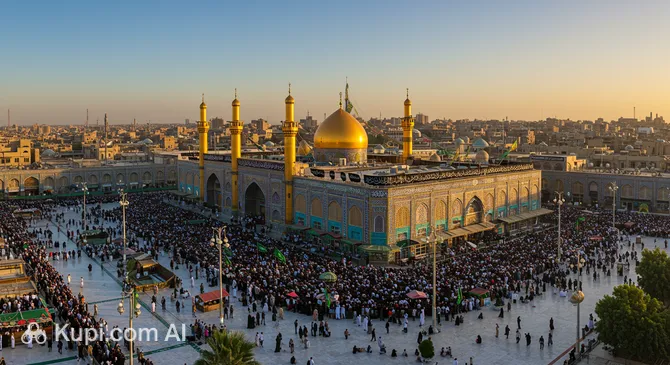
Najaf. Source: Kupi.Binoculars

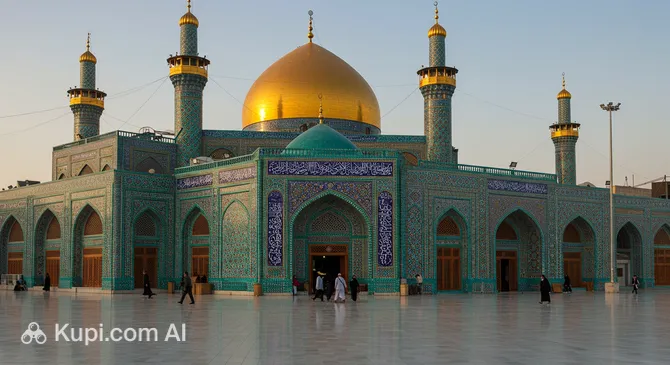
Among its most remarkable attractions is the Imam Ali Holy Shrine, a masterpiece of Islamic architecture adorned with intricate tile work and a magnificent golden dome that dominates the skyline. Another site of global renown is Wadi-us-Salaam (Valley of Peace), the largest cemetery in the world, which covers a vast area and holds immense historical importance. Visitors are often also captivated by the bustling Great Market (Souq Al-Kabir), located near the shrine, where local crafts, spices, and sweets can be found.

Whether you are drawn by spiritual devotion or a keen interest in history and architecture, Najaf offers an unforgettable journey. Its welcoming environment and awe-inspiring landmarks make it a compelling destination for those seeking to understand the heart of the region's heritage.
Weather Overview

The city experiences a typical desert climate defined by scorching summers and mild, generally dry winters. If you are planning a visit during the middle of the year, be prepared for intense heat; July and August are the hottest months, with average temperatures around 38°C and daily highs frequently climbing above 45°C.

In contrast, the winter season offers a much cooler atmosphere, making it a comfortable time for outdoor activities. January is typically the coldest month, with average temperatures hovering around 12.6°C and lows dipping to 6.7°C. For a more comprehensive breakdown of seasonal trends to help you pack, you can check the detailed weather in Najaf. Overall, rainfall is extremely scarce, with negligible precipitation even during the wetter winter months, ensuring sunny skies for the vast majority of the year.

Interesting Facts

Beyond its renowned golden domes and spiritual significance, Najaf holds many fascinating secrets and historical layers that often go unnoticed by the casual observer. Here are some intriguing facts that highlight the city's unique character and ancient roots.
  • The city's name is deeply rooted in local legend and geography, often believed to stem from the phrase "Nay Jaffa," meaning "the sea of Nay has dried." This refers to the ancient Sea of Najaf (Bahr al-Najaf), a large body of water that once covered the area; today, a depression still remains, creating a distinct geological boundary between the rocky plateau and the lush orchards.

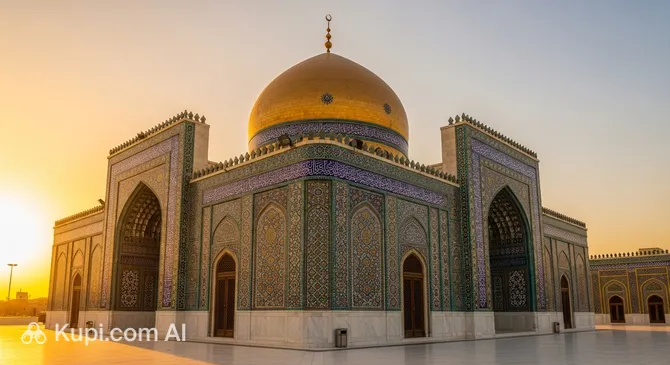
  • The Great Mosque of Al-Sahla is steeped in prophetic history, with traditions suggesting it served as a home and place of worship for several prophets, including Abraham, Noah, and Idris. It is widely considered one of the oldest mosques in existence, built shortly after the founding of Kufa.

  • To combat the intense desert climate, traditional architecture in Najaf features deep underground basements known as "Sirdabs." These subterranean levels are ingeniously designed to stay naturally cool without electricity, providing a refreshing retreat for residents and scholars during the scorching summer months.

  • While the massive cemetery is famous, few realize that the practice of burial in this region predates the Islamic era. Archaeological evidence suggests that the area was used as a burial ground during the Parthian and Sassanid periods, making it a site of continuous historical reverence for millennia.

Great Mosque of Al-Sahla. Source: Kupi.Binoculars

How to Get There

Reaching this spiritual center is relatively straightforward, thanks to its growing connectivity with the region and the world. Whether you are arriving for a pilgrimage or to explore the historical depth of the city, there are several convenient options available. For a detailed breakdown of routes and tips, you can read more about how to get to Najaf.

The most direct way to arrive is via Al-Najaf International Airport (NJF). Conveniently located just 8.3 km from the city center, it serves as the primary gateway for millions of visitors annually. Due to its proximity, the journey into town is quick; a taxi or bus ride typically takes around 35 minutes, making it an incredibly efficient option for travelers.

Alternatively, many visitors choose to fly into Baghdad International Airport (BGW), located in the capital city of Baghdad, approximately 136 km away. This is a major hub with high passenger traffic and extensive international connections. From Baghdad, you can travel to Najaf by road. The transfer usually takes about 3 hours and 45 minutes by taxi or car, offering a chance to see the landscape of central Iraq along the way.

For clarity, here is a summary of the main airports:

Airport Name City Passenger Traffic Km from City
Baghdad International Airport Baghdad Large 136.3
Al-Najaf International Airport Najaf Large 8.3
Ilam Airport Ilam Medium 260.4
Nasiriyah Airport Nasiriyah - 213.5

While air travel is the most common method for international arrivals, the city is also well-connected by road to other major Iraqi cities. Shared taxis and buses frequently run between Najaf and neighboring hubs like Karbala and Baghdad, providing an affordable and authentic way to travel through the region.

Main Attractions

While Najaf is globally revered for its ancient holy sites, the city also features a variety of cultural landmarks and modern facilities that offer a glimpse into local life. Beyond the pilgrimage routes, visitors can explore destinations that cater to history enthusiasts, families, and shoppers alike.

A significant site for those interested in contemporary religious history is the Mausoleum of Sheikh Dr. Ahmed Al-Waeli. This landmark is dedicated to the celebrated Islamic preacher and scholar known for his eloquence and moderate views. The mausoleum stands as a tribute to his enduring legacy, attracting many admirers who come to pay their respects to one of the most influential orators in the modern Islamic world.

Mausoleum of Sheikh Dr. Ahmed Al-Waeli. Source: Kupi.Binoculars

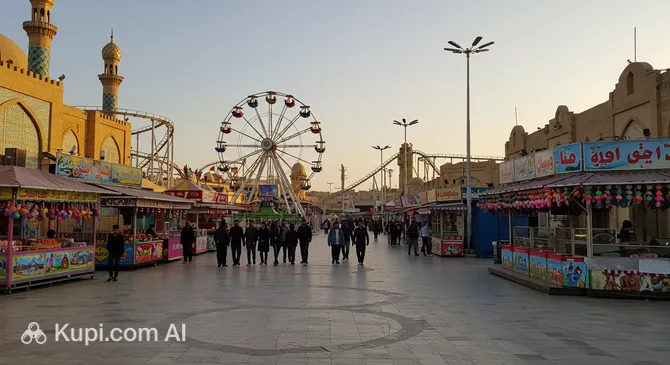
For a change of pace, Marah City provides a lively escape for families and travelers seeking entertainment. This amusement park is a popular local attraction, featuring a variety of rides and games that create a fun, festive atmosphere. It is particularly enjoyable in the evenings, offering a cheerful environment where visitors can unwind and experience the recreational side of the city.

Marah City. Source: Kupi.Binoculars

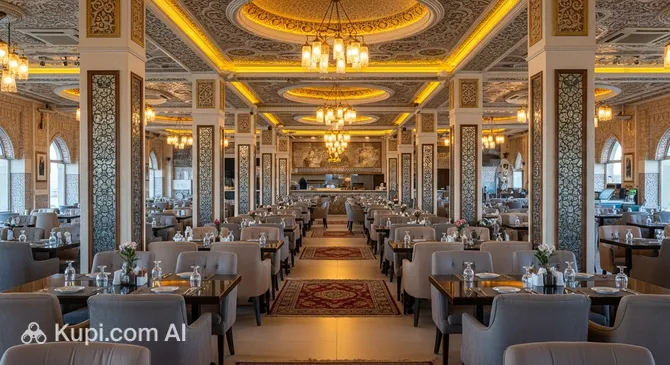
Socializing and dining are central to the experience at the Al Sheraa Entertainment Complex. This facility serves as a vibrant hub for both locals and tourists, offering a selection of restaurants and leisure spaces. It is an excellent place to enjoy a meal, relax after a day of sightseeing, and observe the bustling social dynamics of Najaf in a comfortable, modern setting.

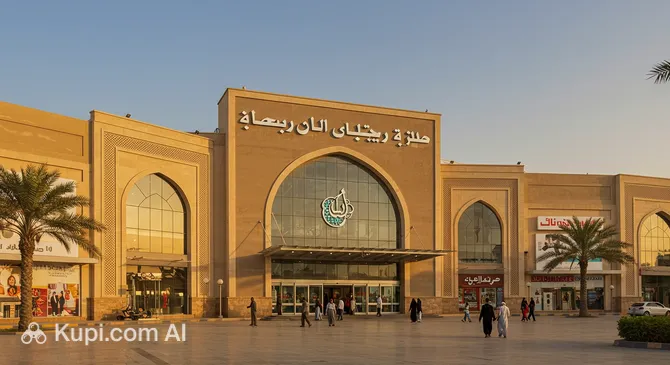
Travelers looking to explore local commerce should visit the Gold Shopping Center. Najaf has a rich tradition of jewelry making, and this center is a focal point for the trade. Visitors can browse through an array of dazzling displays, ranging from intricate gold pieces to silver rings often set with local gemstones, making it a perfect spot to find a memorable souvenir.

Local Cuisine

The culinary landscape of Najaf is a reflection of its deep traditions and generous hospitality, offering flavors that are distinct even within the rich tapestry of Iraqi cuisine. The city is famous for its hearty, communal meals that sustain pilgrims and locals alike. At the heart of this gastronomic identity is the signature dish, Najafi Qeema (Qeema Najafiya). Unlike the standard minced meat stews found elsewhere, this local version is a labor-intensive preparation where meat and chickpeas are pounded together until they form a thick, sticky paste, seasoned with dried lime and cinnamon, and typically served over saffron rice.

Another culinary staple you must try is Daheen, a sweet treat that is synonymous with Najaf. This dense, fudge-like confection is made from flour, milk, sugar, oil, and date syrup, often topped with desiccated coconut. It is incredibly rich and is considered the ultimate souvenir for visitors to take back home. Walking through the city markets, you will see large trays of hot Daheen being cut into blocks, filling the air with a sweet, caramel-like aroma.

When it comes to beverages, tea (Chai) is the lifeblood of social interaction. It is served strong, hot, and very sweet in small glass cups, often flavored with cardamom. Fresh fruit juices are also popular to beat the desert heat, particularly raisin juice or pomegranate juice. It is important for travelers to note that Najaf is a holy city with strict religious observances; therefore, alcohol is prohibited and is not available in restaurants, hotels, or shops.

The food culture here revolves around the bustling souqs and the areas surrounding the holy shrine. Street food is abundant, with vendors selling fresh falafel, shawarma, and grilled meats. For a sit-down meal, families and groups often head to local eateries where large platters are shared. If you are looking for a place to enjoy grilled specialties in a comfortable setting, you might visit 99 Grill, a popular spot among locals for its savory meat dishes and friendly atmosphere.

99 Grill. Source: Kupi.Binoculars

Dining in Najaf is not just about sustenance; it is an experience of community. Whether you are eating a simple sandwich in the Great Market or enjoying a slow-cooked stew in a restaurant, the food is prepared with a sense of devotion and pride that makes every meal memorable.

Travel Tips

Visiting Najaf is a profound experience that blends deep spiritual immersion with the hustle of a historic city, and a little preparation goes a long way in making your trip smooth and enjoyable. To help you navigate the local customs and logistics with ease, here are some practical tips for your journey.

  1. Clothing and Gear: As a holy city, Najaf observes a strict conservative dress code. Men should wear long trousers and shirts that cover the shoulders; shorts are generally not acceptable in public. For women, a headscarf and loose, non-revealing clothing are mandatory, and wearing an abaya (a full-length black cloak) is often required to enter the Holy Shrine and its surrounding areas. Since you will frequently need to remove your footwear at religious sites, bring a shoe bag and wear comfortable slip-on shoes.

  2. Transportation: The city does not have a metro or tram system, so the most convenient way to get around is by taxi. You can easily flag down the yellow taxis on the street, but it is advisable to agree on the fare before starting your journey as meters are rarely used. Ride-hailing apps like Careem are operational in Iraq and can be a useful alternative for securing fair prices and overcoming language barriers.

  3. Finances: Cash is king in Najaf. The local currency is the Iraqi Dinar (IQD), and while major hotels may accept credit cards, most shops, restaurants, and taxis only take cash. It is best to bring US Dollars to exchange at local exchange offices, which are plentiful near the city center and offer competitive rates. ATMs are available but can sometimes be unreliable, so carrying sufficient cash is recommended.

  4. Health and Safety: Due to the intense desert climate, dehydration is a common issue for travelers. Always carry bottled water and avoid drinking tap water. Pharmacies are widely available and often stay open late, especially near the shrine area. In terms of safety, you will encounter frequent security checkpoints; these are standard procedure, so simply cooperate calmly and keep your identification documents handy.

  5. Communication: Arabic is the primary language, and English is not widely spoken outside of the airport and high-end hotels. Learning a few basic phrases like "Salam Alaykum" (Peace be upon you) and "Shukran" (Thank you) will be greatly appreciated by locals. For internet access, it is highly recommended to purchase a local SIM card (providers like Zain or Asiacell) at the airport or in the city, as public Wi-Fi can be spotty.

  6. Local Etiquette: Najaf is a conservative society where politeness and respect are paramount. When greeting people of the opposite gender, it is polite to wait and see if they extend their hand; often, a nod and a hand over the heart is the preferred greeting. Be aware that many public spaces, including entrances to the shrine and some security lines, are segregated by gender.

  7. What to Avoid: Public displays of affection are culturally inappropriate and should be avoided. Additionally, be very careful with photography; while taking photos of the shrine's exterior is usually permitted, photography inside the sanctuary may be restricted, and you should never take photos of security checkpoints, military personnel, or local women without explicit permission.

  8. Timing Your Visits: The area around the Imam Ali Shrine is vibrant and bustling well into the night. A great local tip is to visit the markets and the shrine exterior in the late evening. Not only will you avoid the scorching midday sun, but you will also experience the city at its most atmospheric, with the golden dome beautifully illuminated against the night sky.

By respecting these local customs and coming prepared for the climate, you will find the people of Najaf to be incredibly welcoming and helpful. Embrace the unique rhythm of this historic city, and you are sure to have a memorable and spiritually enriching visit.

Entertainment & Nightlife

Entertainment in Najaf is distinct from the nightlife found in many secular cities; here, leisure is deeply rooted in family values, social interaction, and the rhythms of religious life. The social scene is conservative and relaxed, typically coming alive after sunset when the desert heat subsides. For visitors, this offers a unique opportunity to experience the city's authentic hospitality and community-focused atmosphere in a calm setting.

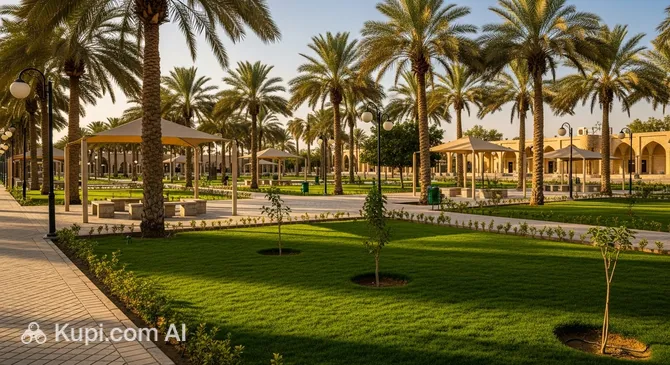
One of the notable spots for those seeking a breath of fresh air is the Yassub al-Din Rest Area. Functioning as a green respite within the arid landscape, this park serves as a welcoming stop for both locals and pilgrims traveling through the region. It provides a peaceful environment where families can gather for picnics and children can play outdoors. The area is particularly popular during the cooler evening hours, offering a refreshing contrast to the bustling city streets.

Yassub al-Din Rest Area. Source: Kupi.Binoculars

Beyond the parks, the city's historic bazaars offer a vibrant form of leisure. A stroll through the Great Market (Souq Al-Kabir), located near the holy shrine, is an engaging experience in itself. Here, the activity is not just about commerce but about immersing oneself in the sensory details of the city—from the sound of craftsmen working on silver to the scent of burning oud and spices. It is the perfect place to observe the daily social life of the residents while exploring the winding alleys.

Whether you are relaxing in a quiet park or navigating the lively rows of the market, leisure in Najaf is about connecting with the local pace of life. It is a city where enjoyment is found in conversation, shared meals, and the simple pleasure of an evening walk under the open sky.

Parks & Museums

While Najaf is primarily celebrated for its religious sanctuaries, the city also preserves a rich tapestry of history and unique natural landscapes. Visitors willing to explore beyond the main pilgrimage sites will discover cultural institutions that safeguard the region's heritage and natural areas that offer a stark, beautiful contrast to the urban environment.

Bahr al-Najaf (Sea of Najaf) is the most significant natural feature in the area. Not a sea in the traditional sense, this vast geological depression transforms seasonally. In wetter periods, it becomes a marshland teeming with birdlife, while in drier months, it reveals a salt-crusted landscape bordered by lush palm orchards. It is a fascinating spot for nature lovers and photographers, offering a panoramic view from the city's ridge that captures the dramatic transition from desert plateau to fertile lowlands.

Surrounding the depression are the Najaf Orchards, which serve as the city's traditional green lungs. These extensive groves of date palms and fruit trees provide a cool, shaded environment that stands in opposition to the arid desert climate. Walking through these agricultural areas offers a glimpse into the ancient farming practices of Mesopotamia and provides a peaceful retreat from the bustling city center.

For those interested in the political and social history of the region, Khan Al-Shilan is an essential stop. Originally built as a hostel for pilgrims during the Ottoman era, this imposing heritage building played a pivotal role during the 1920 Iraqi Revolt against British rule. Today, it has been converted into a heritage museum, showcasing artifacts, weaponry, and documents that narrate the city's struggle for independence and its architectural evolution.

Another cultural cornerstone is the wealth of libraries and manuscript centers associated with the city's religious schools. While not traditional museums, institutions like the library of the Imam Ali Shrine house centuries-old manuscripts, rare Qurans, and Islamic calligraphy. These collections reflect Najaf's status as a premier center of learning (Hawza) and offer deep insight into the intellectual history of the Islamic world.

A short distance from the city lies the historical site of Al-Hira. Once the capital of the Lakhmid Kingdom, this ancient city predates the Islamic era and was a major center of Arab Christianity and poetry. Although much of it lies in ruins, archaeological excavations have uncovered foundations of palaces and churches, making it a compelling destination for history buffs interested in the pre-Islamic heritage of Iraq.

For a truly authentic experience, head to the cliffs overlooking Bahr al-Najaf at sunset. This vantage point offers one of the most spectacular views in the city, where you can watch the sun dip below the horizon, casting long shadows over the palm groves and the glittering salt flats below.

Getting Around

Navigating Najaf is a somewhat different experience compared to cities with extensive rail or subway networks. The city does not have a metro, tram, or government-operated municipal bus system for inner-city travel. Instead, the public transport infrastructure relies heavily on a network of private taxis, shared minivans, and walking, particularly within the historic core surrounding the Holy Shrine.

The most common and convenient way for tourists to move around is by private taxi. You will easily recognize them by their yellow color. Taxis can be hailed directly on the street in most neighborhoods. Since they typically do not use meters, it is standard practice to negotiate and agree on the fare with the driver before you get into the car. For a more regulated experience, ride-hailing apps like Careem are operational in the city. Using an app is often recommended for visitors as it overcomes language barriers and provides a fixed price without the need for bargaining.

For a more local and budget-friendly option, you can use the shared transport system, locally referred to as "Kia" (minivans) or "Coaster" (larger minibuses). These vehicles run on fixed routes along major avenues and between main transport garages. They do not have numbered lines or official stops; instead, you simply wave one down or head to a major intersection where they congregate. The destination is usually shouted by the driver or displayed on a card in the window. While very affordable, this mode of transport can be crowded and may be challenging to navigate if you do not speak Arabic.

When it comes to payment, cash is the only accepted method for taxis and shared transport. There are no travel cards, passes, or digital ticketing systems for public transit. Fares are paid directly to the driver, usually at the end of the trip for taxis or upon entering for shared vans. It is essential to carry small denominations of Iraqi Dinar (IQD), as drivers may not always have change for large bills.

A unique feature of transport in Najaf is the system surrounding the Imam Ali Holy Shrine. The Old City is largely a pedestrian zone, and private vehicles are restricted from entering the immediate vicinity of the shrine due to security protocols. To bridge the gap between the security checkpoints/drop-off points and the shrine itself, there are often electric carts or shuttle buses available. These are frequently free or charge a nominal fee, designed specifically to help pilgrims, the elderly, and those with limited mobility traverse the pedestrianized areas.

Travelers should be aware that security checkpoints are a routine part of moving around the city. Taxis and vehicles may be stopped for inspection, especially when approaching the city center or the airport. It is advisable to factor in a little extra travel time for these stops. Additionally, in shared transport, it is culturally customary for unrelated men and women not to sit directly next to each other if space allows, so observe where others are sitting before choosing your seat.

Accommodation

Accommodation in Najaf is primarily designed to cater to the millions of pilgrims who visit the city annually. As a result, the hospitality sector is robust and varied, ranging from simple, budget-friendly lodgings known locally as fundoqs to modern, high-rise luxury hotels that offer international standards of comfort. While many visitors travel as part of organized tour groups with pre-arranged stays, independent travelers will also find a wide selection of options suited to different needs and budgets.

The most popular area to stay is undoubtedly the Old City, specifically the streets radiating outwards from the Imam Ali Holy Shrine. Staying here allows visitors to be within walking distance of the sanctuary, the main market, and key historical sites. However, hotels in this zone tend to be pricier and are often fully booked due to the high demand for proximity. For those seeking a quieter environment or more spacious rooms, the newer districts further from the city center, such as the Al-Najaf Al-Ashraf neighborhood or the areas near the airport, offer excellent modern facilities, often at more competitive rates.

A crucial tip for booking accommodation in Najaf is to be acutely aware of the Islamic lunar calendar. During major religious observances, such as Ashura, Arbaeen, or Eid, the city fills to capacity, and finding a room on arrival is nearly impossible. It is highly recommended to book your stay weeks, or even months, in advance if you plan to travel during these peak seasons. Conversely, visiting during off-peak times offers more flexibility and better pricing.

Price ranges vary significantly depending on the season and proximity to the shrine. Budget travelers can find affordable rooms with basic amenities, while mid-range and luxury hotels provide services such as on-site dining, Wi-Fi, and shuttle services to the shrine. While major booking platforms are becoming more common for high-end establishments, many smaller hotels still operate on direct bookings or walk-ins. It is also important to note that while some top-tier hotels accept credit cards, cash (Iraqi Dinar or US Dollars) remains the preferred method of payment for most accommodation in the city.

Nearby Cities

For those looking to explore the surroundings, Najaf serves as an excellent base for day trips to several interesting nearby locations. The region is rich in both spiritual heritage and ancient history, allowing visitors to experience diverse aspects of Iraqi culture within a short drive.

One of the most significant nearby destinations is Karbala. Located less than 70 kilometers away, it rivals Najaf in religious importance and attracts millions of visitors to the magnificent shrines of Imam Hussein and Abbas. The city offers a profound spiritual atmosphere and stunning examples of Islamic architecture. Another compelling option is Al Hillah, which is situated near the ruins of ancient Babylon. For history enthusiasts, this is an unmissable opportunity to explore the remnants of one of the world's earliest civilizations, including the site of the legendary Hanging Gardens and the Lion of Babylon.

City Population Distance (km)
Karbala 690,100 69
Al Hillah 541,034 50
Diwaniyah 391,600 55
Ash Shamiyah 300,000 27
Al Hamza 260,000 71

These nearby destinations offer a glimpse into the diverse culture and landscapes of the region, ranging from sacred pilgrimage sites to the cradle of ancient history.

Shopping & Souvenirs

Shopping in Najaf offers a captivating blend of ancient tradition and modern commerce, deeply influenced by the city's status as a major pilgrimage destination. The shopping scene here is less about high-end international fashion brands and more about unique local crafts, religious mementos, and traditional goods. Visitors will find that the retail experience is concentrated around the holy sites, where bustling bazaars have served travelers for centuries, offering everything from precious stones to aromatic spices.

The most prominent shopping destination in the city is the Great Market (Souq Al-Kabir). Located in the heart of the Old City, directly adjacent to the Imam Ali Holy Shrine, this historic bazaar is a labyrinth of narrow alleys and vibrant stalls. It is the primary commercial artery for both locals and pilgrims, lined with merchants selling textiles, perfumes, and religious books. Walking through this market is an immersive experience, where the air is filled with the scent of burning oud and the sound of haggling in various languages.

For those interested in jewelry and precious metals, the Gold Shopping Center is a must-visit location. Najaf has a long-standing reputation for its skilled silversmiths and goldsmiths. This center gathers numerous specialized shops under one roof, offering an impressive array of intricate gold necklaces, silver rings, and gemstones. It is a safe and reliable place to purchase high-quality pieces, often crafted with designs unique to the region.

Gold Shopping Center. Source: Kupi.Binoculars

Beyond the specialized centers, the local markets are famous for their food products. The streets surrounding the shrine are packed with vendors selling Daheen, the city's famous fudge-like sweet, as well as high-quality dates and local spices. These food markets are particularly lively in the evenings, offering a chance to taste and buy authentic Iraqi treats that travel well.

When it comes to souvenirs, the most iconic item to bring back is the Dur Al-Najaf stone. This clear, quartz-like gemstone is sourced locally from the desert and is highly prized for its spiritual significance. You will see it set in silver rings or strung into prayer beads (misbaha). Other popular keepsakes include prayer rugs, bottles of natural perfume oils (attar), and finely woven fabrics used for traditional clothing.

Store hours in Najaf can vary, but most shops in the central market areas open around 9:00 AM and stay open late into the night, often until 10:00 PM or later, to accommodate the flow of pilgrims. However, many businesses may close briefly during prayer times or take a break in the hottest part of the afternoon during summer. Cash is the primary method of payment. While some larger jewelry stores or hotels may accept US dollars, small vendors and market stalls deal exclusively in Iraqi Dinars. Credit cards are rarely accepted in traditional shops, so it is essential to carry sufficient local currency.

Tourists should be aware that tax-free shopping or VAT refund schemes are generally not available in Najaf. The prices you see are final, although bargaining is a common and expected practice in the souqs, especially when purchasing souvenirs, clothing, or bulk items.

Reached the end of the page?

That means the route is fully explored