Support

Baghdad

About

Baghdad, the capital of Iraq, is a city steeped in legend and cultural depth. Often referred to historically as the "City of Peace," it remains a significant metropolis in the Middle East, serving as a political, economic, and cultural hub for the nation. The city's atmosphere is a unique blend of ancient heritage and bustling modern life, offering visitors a glimpse into the heart of the region.

Baghdad. Source: Kupi.Binoculars

Geographically, Baghdad is strategically located along the banks of the majestic Tigris River, which divides the city into two halves: Karkh and Rusafa. The climate is typically hot and dry in the summer, making the cooler months the ideal time for exploration. With a population of approximately 6.1 million residents, it is a lively and densely populated urban center that never truly sleeps.

The history of Baghdad is incredibly rich, dating back to its founding in the 8th century when it became a global center of learning and science during the Golden Age of Islam. Today, travelers can still find echoes of this glorious past in the city's architecture and institutions. Notable sites include the famous Al-Mutanabbi Street, a historic haven for book lovers and intellectuals, and the Abbasid Palace, which showcases exquisite historical brickwork.

For those interested in culture, the city offers a variety of museums and monuments that celebrate its artistic and historical legacy. A walk along the riverbanks or a visit to the local bazaars provides an authentic sensory experience. Baghdad invites travelers to discover the warmth of its hospitality and the resilience of its enduring culture.

Weather Overview

Baghdad experiences a hot desert climate, defined by intensely hot, dry summers and mild winters. The heat builds rapidly from May onwards, with the peak summer months of July and August seeing average temperatures around 38.6°C and daily highs frequently reaching 45.6°C. During this period, the city is extremely arid, with virtually no rainfall recorded from June through October.

The cooler season offers a significant contrast, making exploration much more comfortable. January is typically the coldest month, with average temperatures dropping to 12.6°C and nighttime lows around 7.3°C. While precipitation remains low overall, the winter months do bring a few wet days, though rainfall accumulation is minimal. For a comprehensive forecast to help you pack, you can check the current weather in Baghdad. Generally, visitors should expect scorching, sun-drenched summers and cool winters with only rare, light showers.

Interesting Facts

Beyond the main attractions, Baghdad holds many fascinating secrets and historical curiosities that often surprise visitors. From its unique original urban design to its enduring literary traditions, the city offers layers of history waiting to be uncovered.

  • When the city was founded in 762 AD, it was constructed as a perfect circle and known as the "Round City." This distinct geometric design placed the Caliph's palace at the very center, with four main gates named after the cities they faced: Kufa, Basra, Khurasan, and Damascus.

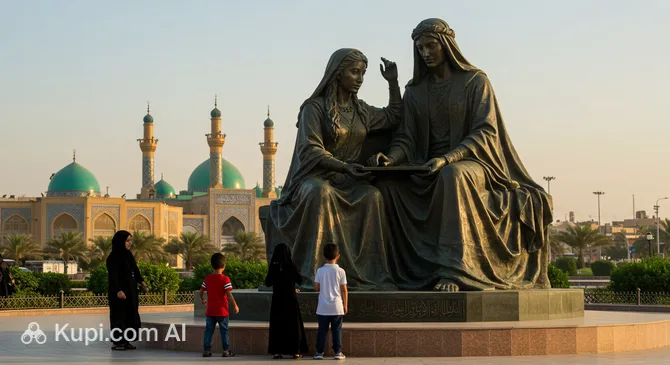
  • Baghdad is deeply connected to the legendary tales of One Thousand and One Nights. This storytelling heritage is immortalized by the Shahrazad and Shahryar Monument, a bronze statue depicting the clever queen narrating stories to the king, symbolizing the power of culture and intellect.

  • A famous Arab proverb states that "Cairo writes, Beirut prints, and Baghdad reads," highlighting the city's status as a literary hub. This tradition is vibrantly alive at Al-Mutanabbi Street, where a bustling book market takes over the sidewalks every Friday, attracting scholars, students, and bibliophiles.

  • The Qishla of Baghdad stands as a testament to the city's Ottoman era. Originally built as a military barracks, it features an iconic clock tower that has watched over the Tigris River for over a century and is now a popular gathering spot for families and history enthusiasts.

Shahrazad and Shahryar Monument. Source: Kupi.Binoculars

How to Get There

Reaching the Iraqi capital is most conveniently done by air, as the city is well-connected to the region and the wider world. For a comprehensive guide on travel routes, airlines, and practical tips, you can read more about how to get to Baghdad to help plan your journey.

The primary gateway for international travelers is Baghdad International Airport (IATA: BGW). Located approximately 14 km west of the city center, it is the country's largest and busiest aviation hub. A taxi ride from the airport to downtown Baghdad typically takes around 40 minutes, depending on traffic conditions. The airport handles a significant volume of passengers annually and offers various facilities for arriving tourists.

Another option for travelers, particularly those visiting the southern regions or on religious pilgrimages, is Al-Najaf International Airport (IATA: NJF). Please note that this airport is located in the city of Najaf, which is about 147 km south of Baghdad. Traveling from Najaf to Baghdad by road is a longer journey, taking approximately 4 hours by car or bus. While further away, it remains a major entry point with substantial passenger traffic.

For clarity, here is a summary of the main airports:

Airport Name City Passenger Traffic Km from City
Baghdad International Airport Baghdad Large 13.9
Al-Najaf International Airport Najaf Large 146.8
Sulaimaniyah International Airport Sulaymaniyah Medium 264.1
Ilam Airport Ilam Small 191.9
Kirkuk Kirkuk Small 239.0

Main Attractions

Baghdad offers a compelling mix of historical depth, architectural grandeur, and modern leisure spots. From ancient artifacts to serene parks, the city's attractions provide a window into its soul, welcoming travelers to explore its diverse heritage.

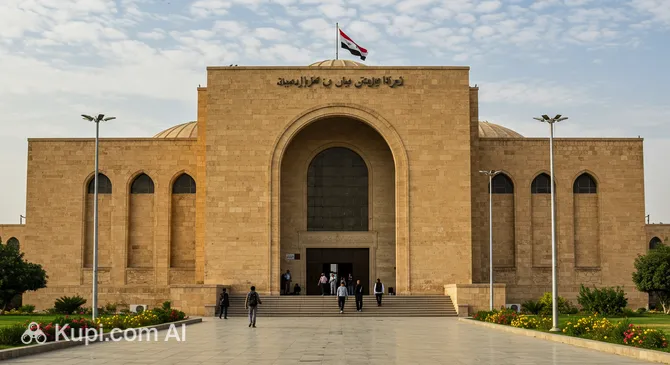
A visit to the city would be incomplete without exploring the Iraqi National Museum. This institution is a global treasure, housing an invaluable collection of artifacts from the Mesopotamian, Babylonian, and Persian civilizations. It is a fascinating destination for history buffs, offering a chance to see ancient tablets, sculptures, and relics that tell the story of the "Cradle of Civilization."

Iraqi National Museum. Source: Kupi.Binoculars

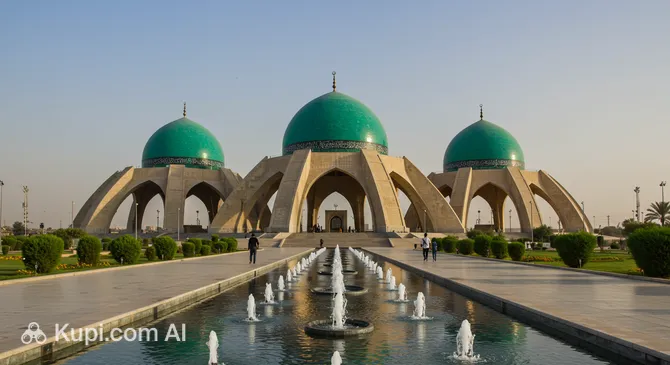
One of the most visually striking landmarks in the capital is the Al-Shaheed Monument. Known for its massive split turquoise dome, this architectural masterpiece is situated in the middle of an artificial lake. It serves as a major memorial and a center for cultural events, drawing visitors with its unique design and the museum located beneath the structure.

Al-Shaheed Monument. Source: Kupi.Binoculars

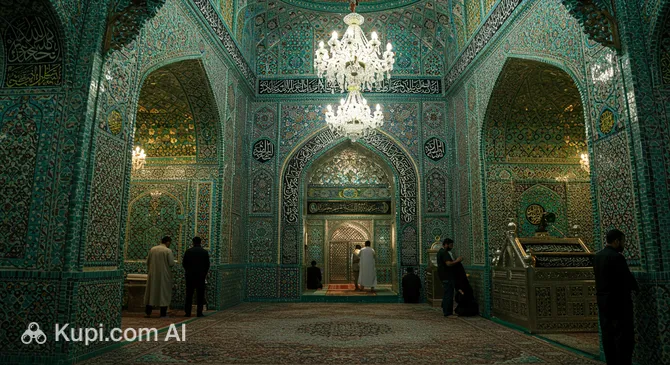
For a glimpse into the city's spiritual life and traditional architecture, the Al-Kadhimayn Shrine is a significant site. Located in the Kadhimiya district, the shrine is famous for its two golden domes and four minarets which dominate the skyline. The intricate tile work and the spiritual atmosphere make it a captivating place for admirers of Islamic art and culture.

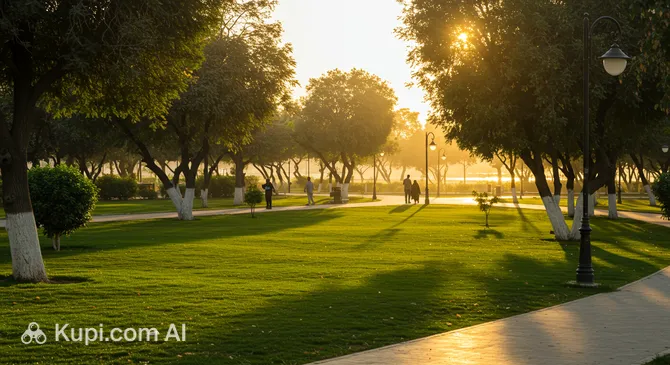
Travelers seeking relaxation and greenery should head to Al-Zawraa Park. As one of the largest public parks in the city, it offers a refreshing escape from the urban hustle. The park features lush gardens, wide walking paths, and a zoo, making it a popular destination for families and anyone looking to enjoy a peaceful afternoon outdoors.

Al-Zawraa Park. Source: Kupi.Binoculars

Finally, for those who want to see the city from above, the Baghdad Tower offers spectacular panoramic views. Standing as a modern symbol of the city, the tower includes a revolving restaurant at the top, allowing guests to dine while taking in 360-degree vistas of the sprawling metropolis and the winding Tigris River.

Local Cuisine

The culinary landscape of Baghdad is a delightful journey through flavors that have been perfected over centuries. Iraqi cuisine is known for its richness, using aromatic spices like cardamom, saffron, and dried limes to create distinctive tastes. A visit to the city is not complete without experiencing the communal joy of a traditional meal, where hospitality is paramount and portions are generous.

The undisputed king of the table is Masgouf, widely considered the national dish of Iraq. This seasoned carp is grilled vertically next to an open fire, often using wood from apricot trees to impart a unique smoky flavor. It is traditionally enjoyed along the banks of the Tigris River, accompanied by mango pickle (amba), fresh vegetables, and hot flatbread. For meat lovers, Quzi—slow-cooked lamb served over spiced rice garnished with raisins and almonds—is a celebratory dish that melts in the mouth.

For a truly authentic start to the day, locals indulge in a breakfast of Kahi and Geymar. Kahi is a crisp, flaky pastry similar to puff pastry, while Geymar is a rich, clotted cream made from buffalo milk. This combination is typically drizzled with date syrup or honey. You can try this legendary breakfast at Rasul Kahi Geymar, a spot renowned for serving this classic delicacy to both residents and visitors.

Rasul Kahi Geymar. Source: Kupi.Binoculars

When it comes to beverages, tea (Chai) is the heartbeat of social interaction in Baghdad. It is served strong, hot, and sweet in small, waist-shaped glass cups called "istikans," often brewed with cardamom. Traditional Arabic coffee is also a staple, usually served black and strong as a gesture of welcome. For a refreshing non-alcoholic option, especially during the hot summers, try Shinina, a savory yogurt-based drink often flavored with mint. While alcohol is less common in public view, Arak, an anise-flavored spirit, remains the traditional alcoholic drink of choice for many, usually diluted with water and ice.

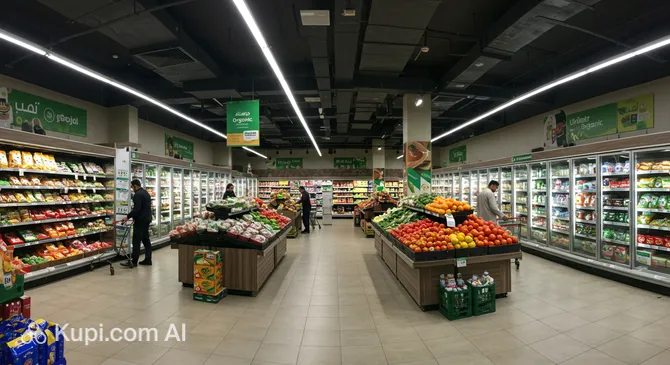
The city's dining scene ranges from bustling street food stalls selling falafel and shawarma to elegant restaurants offering modern interpretations of Iraqi classics. Dining is often a leisurely affair, with families and friends gathering for hours. For a pleasant dining atmosphere, you might visit Top Organic Baghdad, where you can enjoy high-quality dishes in a comfortable setting. Whether you are eating street-side or in a fine dining establishment, the food in Baghdad offers a warm welcome to every traveler.

Top Organic Baghdad. Source: Kupi.Binoculars

Travel Tips

Visiting Baghdad is a rewarding experience that offers a deep dive into history and hospitality, but like any bustling metropolis, it requires a bit of preparation to navigate smoothly. To help you make the most of your journey through the Iraqi capital, here are some essential practical tips to keep in mind.

  1. Clothing and Gear: Due to the conservative nature of the local culture, it is respectful to dress modestly. Men should generally wear long trousers, and women should opt for loose-fitting clothes that cover arms and legs. A headscarf is essential for women planning to visit religious sites like the Al-Kadhimayn Shrine. Since the sun can be intense, especially in summer, bring sunglasses, sunscreen, and a hat.
  2. Transportation: The most convenient and reliable way for tourists to get around is by using ride-hailing apps like Careem or Uber, which offer transparent pricing and overcome language barriers. Orange and white taxis are plentiful, but you should agree on the fare before starting the trip. While public buses exist, they can be challenging for visitors to navigate, so private transport is usually preferred.
  3. Finances: The local currency is the Iraqi Dinar (IQD). While the US Dollar is widely recognized and often accepted for larger transactions, carrying local cash is necessary for daily expenses like taxis, markets, and small restaurants. Credit cards are accepted in major hotels and modern malls, but Baghdad is still largely a cash-based society. ATMs are available, but it is wise to have a cash reserve.
  4. Health and Safety: Pharmacies are common and easy to spot, often marked with a green cross, and many stay open late or 24/7. It is highly recommended to drink bottled water rather than tap water to avoid stomach issues. As a general precaution, keep your identification documents with you at all times and stay aware of your surroundings in crowded areas.
  5. Communication: Arabic is the official language. While younger generations and staff in the hospitality sector often speak English, it is not universally understood. Learning a few basic phrases like "Salam Alaykum" (Peace be upon you) and "Shukran" (Thank you) will go a long way. Buying a local SIM card from providers like Zain or Asiacell is easy and ensures you have reliable internet access for maps and translation apps.
  6. Local Etiquette: Iraqis are incredibly hospitable and may invite you for tea or a meal; accepting such invitations is considered polite. When greeting, a handshake is common, but wait for a person of the opposite gender to extend their hand first. Always use your right hand for eating or passing money, as the left hand is traditionally considered unclean.
  7. What to Avoid: Be very careful with photography. Strictly avoid taking photos of government buildings, military checkpoints, police stations, or security personnel, as this is prohibited and can lead to serious misunderstandings. Also, avoid public displays of affection, which are culturally frowned upon.
  8. Best Time to Shop: If you want to experience the true pulse of the city, plan your visit to the markets on a Friday morning. This is the start of the weekend in Baghdad, and places like Al-Mutanabbi Street come alive with book stalls, poetry readings, and social gatherings, offering a unique cultural atmosphere you won't find on other days.

By keeping these tips in mind, you will find it much easier to connect with the local rhythm of life in Baghdad. The city is eager to welcome visitors, and a little cultural awareness will ensure your interactions are warm, memorable, and trouble-free.

Entertainment & Nightlife

Entertainment:

Baghdad's entertainment scene is a lively mix of traditional social gatherings and modern leisure facilities. As the city revitalizes, new hubs for fun and relaxation are emerging, catering particularly well to families and young people looking to unwind. The atmosphere is generally communal and vibrant, especially after sunset when the city lights up and the temperatures drop.

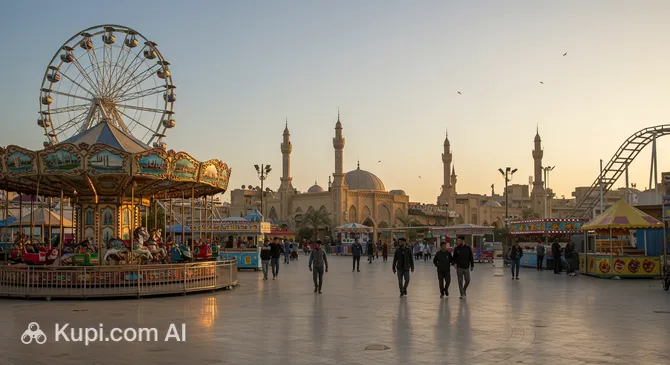
For those traveling with children or seeking thrill rides, the city offers several amusement parks that serve as major local attractions. Palms of Baghdad is a standout destination, featuring a variety of modern rides and activities suitable for all ages. Another popular spot is Wonderland Baghdad, which provides a classic fairground experience. Given the region's intense summer heat, water parks are incredibly popular escapes. Baghdad Aqua Park and Dijlah Water City act as refreshing oases where visitors can cool off in large pools and enjoy exciting water slides.

Palms of Baghdad. Source: Kupi.Binoculars

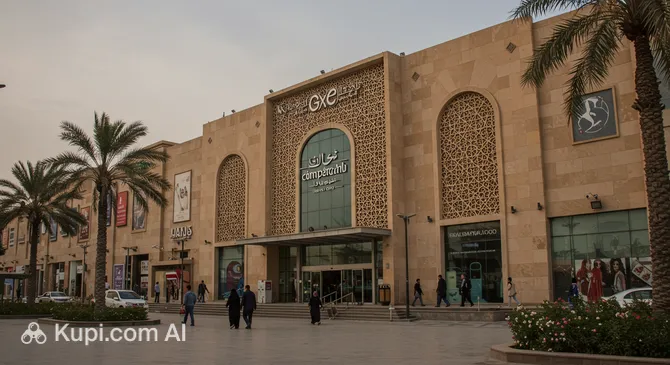
Shopping in the capital is an entertainment activity in itself, often blending retail therapy with social dining. Modern complexes like Dijlah Village offer a sophisticated atmosphere with a range of international brands, upscale cafes, and restaurants, making it a perfect place for a leisurely evening stroll. Similarly, Dream City Mall provides a comprehensive shopping experience complete with entertainment zones for children, ensuring that the whole family stays engaged.

Dijlah Village. Source: Kupi.Binoculars

The city's nightlife is primarily characterized by a vibrant café culture and late-night dining rather than loud clubs. The social scene is buzzing, with venues like D Lounge & Restaurant offering a chic environment to enjoy gourmet food, beverages, and hookah. These spots are excellent for travelers wishing to experience the modern, cosmopolitan side of the city while enjoying the warm hospitality that locals are known for.

Parks & Museums

Baghdad is a city where art and history are not confined to indoor galleries; they spill out into the streets and squares, creating a rich tapestry of public monuments and cultural landmarks. Exploring these sites offers visitors a profound understanding of the city's artistic soul and its resilience through the ages.

One of the most iconic locations in the city is Tahrir Square, the beating heart of modern Baghdad. Dominating this vast public space is the magnificent Tahrir Monument, also known as the Freedom Monument. Designed by the renowned architect Jawad Saleem, this massive bronze bas-relief hangs suspended in the air, depicting the history of Iraq from ancient times to the modern republic. It is a masterpiece of storytelling and a must-see for art enthusiasts.

Another poignant tribute to the nation's heritage is the Monument to Saving Iraqi Culture. Located in the Karkh district, this striking sculpture features a broken cylindrical seal, symbolizing the potential loss of knowledge, supported by hands that represent the effort to preserve it. It stands as a powerful reminder of the importance of history, literature, and art to the Iraqi identity.

For those interested in architectural grandeur, the Umm al-Qura Mosque is a site of immense scale and beauty. With its towering minarets and expansive courtyard, it serves as a major religious center and a stunning example of contemporary Islamic design. The mosque's intricate blue mosaics and imposing structure make it a photographer's delight and a serene place for reflection.

While the Qishla of Baghdad is famous for its clock tower, its surrounding gardens offer a peaceful retreat along the Tigris River. Visitors often combine a trip here with a walk to the nearby cultural hubs, enjoying the blend of Ottoman history and the natural beauty of the riverbanks. These spaces provide a quiet counterpoint to the city's bustling energy, inviting travelers to pause and appreciate the enduring spirit of Baghdad.

Getting Around

The public transport system in Baghdad relies heavily on road-based networks, reflecting the city's dense urban layout. While there is no operational metro or tram system at present, the city is serviced by a combination of state-run buses and a vast, informal network of privately operated minibuses. For the visitor, navigating this system can be an adventure in itself, offering a raw and authentic glimpse into the daily lives of the locals, though it often requires a bit of patience due to frequent traffic congestion.

The most ubiquitous form of transport is the minibus, locally referred to as a "Kia" or "Coaster," depending on the vehicle size. These vans traverse specific routes throughout the city and are the backbone of daily commuting for residents. In addition to these, you will see distinctive red double-decker buses operated by the state. These modern buses run on select major avenues and offer a more comfortable, air-conditioned ride, evoking a sense of nostalgia for the city's historical connection with similar buses in the mid-20th century.

When it comes to payment, cash is the absolute rule. There are currently no integrated travel cards, digital passes, or mobile payment apps for public buses or minibuses. Passengers pay the driver directly upon boarding or exiting. Fares are extremely affordable, typically ranging from 500 to 1,000 IQD (less than 1 USD) for a standard trip. It is essential to carry small change, as drivers may not always have enough cash to break large bills.

For tourists wishing to use these services, practical knowledge is key. Bus stops are not always clearly marked with signage or maps; instead, locals know the stopping points by landmarks or habit. To catch a minibus, you often simply wave from the roadside. Destinations are usually shouted by the driver or displayed on a card in the windshield, almost exclusively in Arabic. Therefore, unless you speak the language or are accompanied by a local guide, navigating the bus network can be challenging.

Given these complexities, the most recommended alternative for visitors is the use of taxis or ride-hailing applications. The city has a fleet of orange and white taxis that can be hailed on the street, but fares must be negotiated in advance. For a more transparent and secure experience, ride-sharing apps like Careem are widely used and highly popular. These apps allow you to book a ride, see the estimated price in advance, and track your journey, bypassing the language barrier and the need to haggle.

Regarding rail transport, it is important to note that while there are ambitious plans for a Baghdad Metro, the project is still in the development phase and not yet a reality for travelers. Similarly, while the Tigris River flows through the heart of the city, river transport is not currently a primary mode of public commuting, although small boats are sometimes used for leisure or short crossings. For now, the road remains the primary artery for all movement within the capital.

Accommodation

Finding the right place to stay in Baghdad is an essential part of planning your trip, with options ranging from high-end luxury hotels to more modest, budget-friendly accommodations. Over recent years, the hospitality sector has seen significant development, offering visitors a blend of modern comfort and traditional Iraqi hospitality. Travelers can choose between internationally branded hotels that provide extensive amenities and security, or smaller, locally-run establishments that offer a more intimate glimpse into daily life.

When selecting a location, many tourists prefer the districts of Karrada and Jadriya. These areas are not only vibrant and filled with shops and restaurants but are also considered some of the most secure and accessible parts of the city. Staying near the banks of the Tigris River is particularly popular, offering scenic views and a cooler breeze during the hot evenings. For business travelers, hotels located near the International Zone (Green Zone) or close to Baghdad International Airport are often the most convenient choices due to their proximity to government offices and transport links.

For those seeking a stay that combines accommodation with leisure activities, the Al-Abasly Family Resort is a notable option. Places like this cater to families and visitors looking for a recreational atmosphere, often featuring pools and entertainment facilities on-site, making them a great choice for a relaxing break from city exploration.

Regarding costs, prices in Baghdad can vary significantly. Luxury hotels, especially those with high-level security and international standards, tend to be priced similarly to major global cities, often considered the "high" range. Mid-range and budget options are considerably more affordable but may vary in terms of amenities. It is highly recommended to book your accommodation in advance, particularly if you are visiting during major religious festivals or holidays when the city sees an influx of visitors. While major hotels accept online bookings and credit cards, smaller local hotels may prefer direct contact and cash payments in Iraqi Dinar or US Dollars.

Nearby Cities

For those looking to explore the surroundings, Baghdad serves as an excellent base for day trips to several interesting nearby locations:

One of the most profound experiences available near the capital is a visit to Karbala. Located southwest of Baghdad, this city is a major center of religious pilgrimage and spiritual significance. It is home to the magnificent Shrine of Imam Hussein and the Shrine of Al-Abbas, which feature breathtaking gold domes and intricate tile work. Even for non-religious travelers, the city's intense atmosphere and architectural grandeur offer a deep insight into Iraqi culture and history.

Another notable destination is Baqubah, situated to the northeast along the Diyala River. Historically celebrated as the "City of Oranges," it is the capital of the Diyala Governorate and is known for its surrounding lush orchards and date palm groves. A trip here offers a contrast to the bustling urban environment of Baghdad, highlighting the region's agricultural richness.

For those interested in traditional architecture, Fallujah lies to the west. Often referred to as the "City of Mosques," it is known for having over 200 mosques within the city and its surrounding villages, showcasing a variety of minaret styles and local designs.

City Population Distance (km)
Karbala 690,100 85
Baqubah 467,900 53
Fallujah 326,471 55
Sab al Bor 254,000 26
Taji 200,000 26

These nearby destinations offer a glimpse into the diverse culture and landscapes of the region, from spiritual centers to agricultural hubs, all within a short distance of the capital.

Shopping & Souvenirs

Shopping in Baghdad offers a fascinating blend of the old and the new, providing visitors with an authentic glimpse into the city's daily life and commercial traditions. The retail landscape ranges from centuries-old bazaars filled with the scent of spices and the sound of copper beating to modern, air-conditioned shopping centers that feature international brands and entertainment. Whether you are looking for traditional handicrafts or contemporary fashion, the city provides a diverse array of options to explore.

One of the most bustling commercial districts in the city is Bab Al Sharqi. Located near the Tigris River, this area acts as a central hub where various markets converge. It is a lively and chaotic mix of street vendors and established shops selling everything from clothing and electronics to military surplus and household goods. Walking through these streets offers a sensory overload and a chance to see the vibrant, unpolished side of Baghdad's trade.

For those preferring a modern retail environment, the city has seen the rise of several contemporary complexes. Dream City Mall is a popular destination for families and shoppers looking for a comfortable experience. It houses a variety of fashion boutiques, electronics stores, and food courts, making it a convenient one-stop location.

Another upscale option is Dijlah Village. While also known for its dining and leisure facilities, it features a selection of high-end shops and boutiques. The complex is designed with a modern aesthetic and offers a more relaxed, open-air shopping atmosphere compared to traditional enclosed malls, perfect for an evening of browsing followed by a meal.

The true heart of shopping in Baghdad, however, lies in its traditional markets. The Al-Mutanabbi Street is world-famous as the historic center of Baghdad's bookselling trade. Every Friday, the street transforms into a massive open-air book market where thousands of titles are displayed on the ground and on tables. Beyond books, you can find stationery, maps, and small artistic souvenirs. For a different flavor, the Shorja Market is the city's oldest and largest marketplace, famous for its aromatic spices, tea, coffee, and household items. Nearby, the Souq al-Safafeer (Copper Market) is a must-visit for admirers of craftsmanship, where artisans hand-beat copper into pots, plates, and lamps.

When it comes to souvenirs, Baghdad offers unique treasures that reflect its rich heritage. Iraqi dates are legendary and make for a delicious gift; look for varieties stuffed with walnuts or dipped in chocolate. Copperware from the traditional souqs is a classic keepsake, ranging from decorative trays to intricate coffee pots. Hand-woven rugs and carpets, as well as silver jewelry featuring traditional designs, are also highly valued by visitors.

Store opening hours can vary significantly. Traditional markets usually open early in the morning, around 8:00 or 9:00 AM, and may close by late afternoon or sunset. In contrast, modern malls and shops in commercial districts like Karrada often stay open late into the night, sometimes until 10:00 PM or midnight, especially during the hot summer months. Friday is the official weekend; while street markets like Al-Mutanabbi are busiest on Friday mornings, many other shops may remain closed until the afternoon or take the day off.

Regarding payments, cash is the primary method of transaction. The Iraqi Dinar (IQD) is essential for shopping in souqs, small shops, and for street vendors. While US Dollars are often accepted for high-value items, carrying local currency is best for daily purchases. Credit cards are generally only accepted in large shopping malls, hotels, and upscale supermarkets. Tourists should note that tax-free shopping or VAT refund schemes are not currently a standard feature in Iraq, so the price you see is typically the final price, though bargaining is expected and encouraged in traditional markets.
Reached the end of the page?

That means the route is fully explored