Support

Sulaymaniyah

About

Sulaymaniyah, often celebrated as the cultural capital of the Kurdistan Region, is a city that captivates visitors with its artistic soul and stunning natural setting. Nestled in a valley bordered by the majestic Azmar, Goizha, and Qaiwan mountains, the city enjoys a semi-arid climate that is generally cooler and more pleasant than the plains of southern Iraq. With a population nearing one million, it is a vibrant metropolis where modernity meets tradition, offering a refreshing and liberal atmosphere that sets it apart as a unique travel destination.

Although the city was founded relatively recently in 1784, the history of Sulaymaniyah is dense with literary and intellectual achievements. It has long been a haven for poets, writers, and scholars, earning it a reputation as a center of enlightenment and creativity. This rich cultural heritage is palpable in the city's streets, where a love for the arts and education is deeply woven into the daily life of its welcoming inhabitants.
Sulaymaniyah. Source: Kupi.Binoculars

Visitors will find plenty to explore, starting with the bustling Grand Bazaar. This lively market is the beating heart of the city, perfect for wandering through narrow alleyways filled with colorful fabrics, spices, and traditional crafts. For those who appreciate history, the Sulaymaniyah Museum is a must-visit, housing the second-largest collection of antiquities in the country. Nature lovers should not miss the opportunity to drive up Goizha Mountain, which offers breathtaking panoramic views of the city lights and the surrounding landscape, particularly enchanting at sunset.

Sulaymaniyah is more than just a city; it is an experience of hospitality, culture, and scenic beauty. Whether you are sipping tea in a local chaikhana (tea house) or hiking in the nearby hills, the city invites you to relax and discover a fascinating and peaceful side of the region.
Weather Overview

The climate in Sulaymaniyah is characterized by distinct seasonal changes, offering hot, dry summers and cool, damper winters. If you visit during the peak summer months from June to September, expect plenty of sunshine and high temperatures, with daily maximums frequently reaching between 34°C and 39°C. Rainfall is virtually non-existent during this period, ensuring clear skies for outdoor exploration.

In contrast, the winter season from December to February brings a shift in conditions. January is typically the coldest month, with average temperatures hovering around 4.5°C and nighttime lows occasionally dropping just below freezing. This is also the wettest time of year, with precipitation occurring on about 12 to 14 days per month. For a more detailed breakdown of what to expect during your specific travel dates, you can consult the guide to the weather in Sulaymaniyah.

The transitional seasons of spring and autumn are often considered the most pleasant times to visit. Months like April and October offer milder averages between 15°C and 19°C, providing comfortable weather for hiking in the nearby mountains or strolling through the city's parks. Overall, travelers should expect warm summers with no rain and cold winters with regular precipitation.

Interesting Facts

Beyond the main attractions, Sulaymaniyah holds many fascinating secrets that reveal its depth as a center of art and modernity. The city is full of unique accolades and hidden gems that offer a deeper understanding of its local character.

  • Sulaymaniyah is the only city in the region to be officially designated as a UNESCO Creative City of Literature. This prestigious title honors its long-standing tradition of fostering poets, writers, and intellectuals who have significantly shaped the cultural identity of the area.

  • The city is home to Chavi Land, which is considered one of the largest tourist cities in the Middle East. This massive entertainment complex features a wax museum and a cable car system that transports visitors up the mountain for unparalleled aerial views of the metropolis.

  • Inside the Red Prison Museum, visitors can witness the stunning Hall of Mirrors. This artistic installation consists of 182,000 shards of glass and thousands of lights, creating a shimmering, starry expanse that serves as a poignant and visually striking memorial.

  • Locals often affectionately refer to the city as the "Paris of Iraq." This nickname stems from its wide boulevards, vibrant café culture, and its reputation as a progressive hub where style, art, and liberal thought flourish more freely than in other parts of the country.

Chavi Land. Source: Kupi.Binoculars

How to Get There

Reaching this vibrant city is relatively straightforward, with options to fly directly or travel overland from nearby major hubs. While the mountainous terrain adds to the region's beauty, it also defines the travel routes, making air travel the most convenient method for most international visitors. For a comprehensive overview of routes and travel tips, you can read more about how to get to Sulaymaniyah.

The most direct way to arrive is via Sulaimaniyah International Airport (ISU), which is conveniently located just over 10 km from the city center. As the main gateway to the province, it handles a significant volume of traffic and connects the city to various international destinations. The journey from the airport to the downtown area is quick, typically taking about 35 to 40 minutes by taxi.

Travelers may also consider flying into Erbil International Airport (EBL), situated in the city of Erbil. This is a larger hub serving the Kurdistan Region and offers a wider array of flight connections. However, please note that this airport is approximately 153 km away from Sulaymaniyah. A transfer by taxi or bus from Erbil involves a scenic drive through the region's landscapes and generally takes around 4 hours.

For clarity, here is a summary of the main airports:

Airport Name City Passenger Traffic Km from City
Kermanshah Airport Kermanshah High 206.8
Erbil International Airport Erbil High 152.9
Sulaimaniyah International Airport Sulaymaniyah Medium 10.8
Sanandaj Airport Sanandaj Medium 147.1
Kirkuk Kirkuk Low 99.0

Main Attractions

Sulaymaniyah is a city where history and leisure blend seamlessly, offering visitors a variety of sites that range from poignant museums to vibrant public spaces. Exploring these attractions provides a deeper insight into the region's past and its contemporary culture.

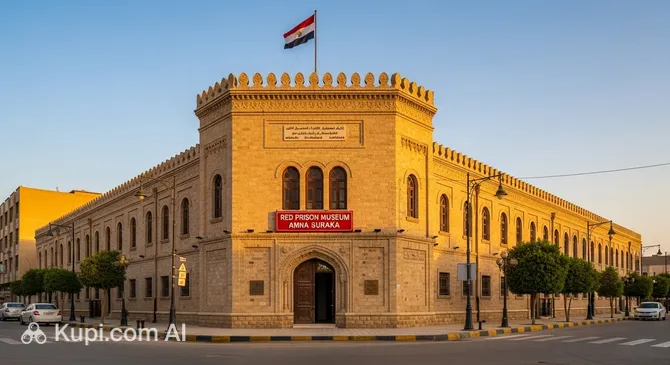
One of the most significant historical sites is the Red Prison Museum (Amna Suraka). Housed in a former intelligence headquarters, this complex has been transformed into a compelling museum documenting the region's turbulent history. Visitors can walk through the preserved prison cells and view displays of military hardware in the courtyard. It serves as a powerful educational experience, offering a sober look at the resilience of the local people.

Red Prison Museum. Source: Kupi.Binoculars

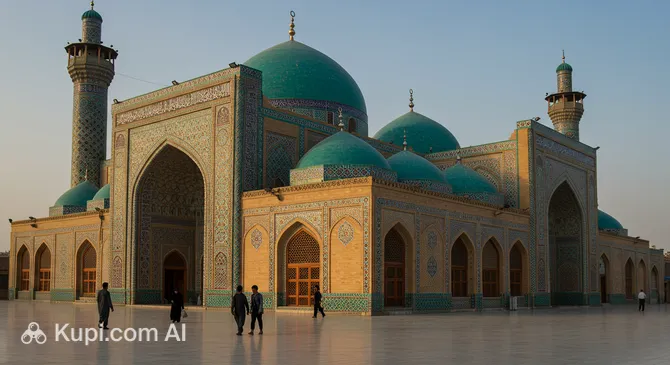
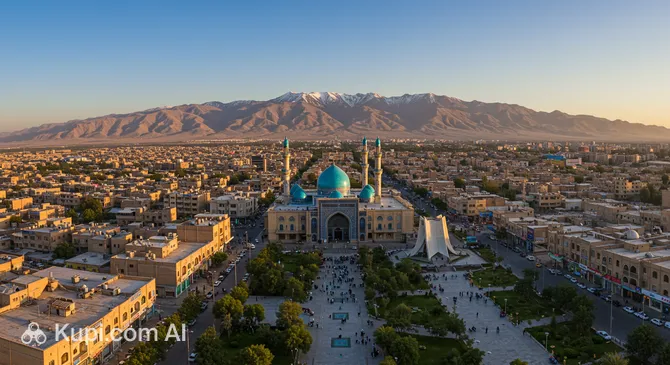
For those interested in architectural and spiritual heritage, the Grand Mosque of Sulaymaniyah is a must-visit. Historically linked to the founding of the city in the 18th century, the mosque is a central figure in the community's religious life. Its striking minarets and the intricate design of the prayer hall make it a beautiful example of Islamic architecture, welcoming travelers seeking a moment of tranquility.

Grand Mosque of Sulaymaniyah. Source: Kupi.Binoculars

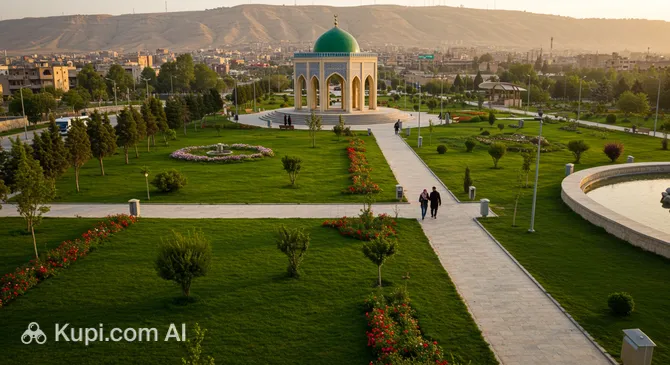
To experience the city's love for nature and social gatherings, head to Azadi Park. This expansive green space is the lungs of the city, featuring beautifully landscaped gardens, walking paths, and a small lake. It is a favorite spot for families and friends to enjoy picnics, especially in the cooler evenings. The park offers a relaxing atmosphere where tourists can mingle with locals and enjoy the scenic backdrop of the mountains.

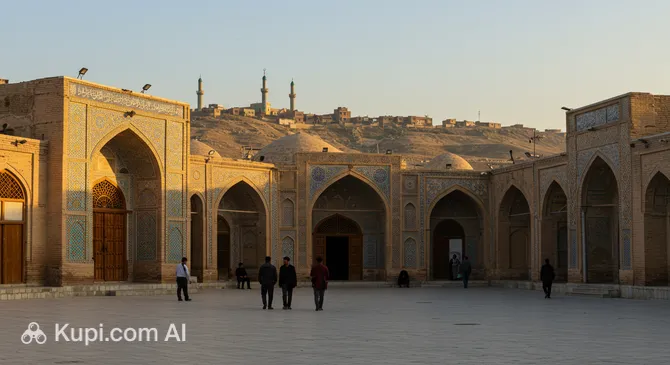
Located in the heart of the downtown area, Sara Square acts as a vibrant focal point for the city. This historic square is surrounded by bustling markets and traditional tea houses, making it a hub of activity day and night. It has long been a gathering place for poets, intellectuals, and citizens, representing the civic soul of Sulaymaniyah. A visit here puts you right in the center of the city's energetic street life.

Sara Square. Source: Kupi.Binoculars

Local Cuisine

The culinary landscape of Sulaymaniyah is a savory reflection of Kurdish hospitality, characterized by fresh ingredients, aromatic herbs, and hearty portions. The city is famous for its love of meat and rice, but the crown jewel of the local table is undoubtedly Dolma (often called Yaprakh locally). This labor-intensive dish consists of vine leaves, onions, zucchini, and eggplant stuffed with a spiced mixture of rice and meat, often simmered to perfection with pomegranate molasses for a distinctively tangy flavor.

Breakfast is taken seriously here and is a ritual you should not miss. A traditional morning spread typically includes fresh tandoor bread (*Naan*), buffalo cream (*geymar*), honeycomb, and local sheep's cheese. For an authentic start to your day, you can visit Mam Rash Breakfast, a popular spot known for serving these classic morning staples in a welcoming atmosphere that reflects the city's warm culture.

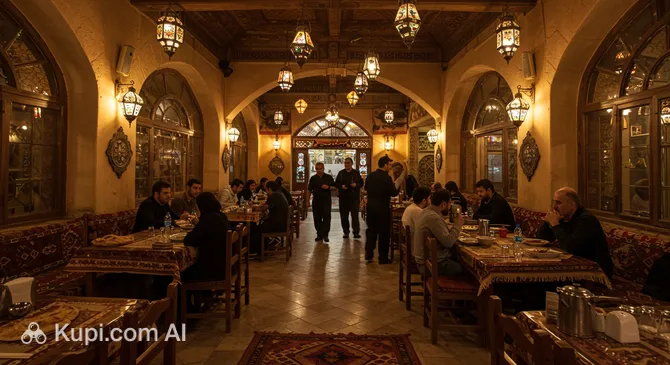
When it comes to lunch and dinner, grilled meats take center stage. Kebabs, tikka (chunks of marinated meat), and grilled chicken are staples found throughout the city. For a reliable and delicious taste of these local favorites, Sardar Restaurant is a well-established venue where tourists can enjoy high-quality traditional meals. Rice dishes, such as Biryani or Qouzi (slow-cooked lamb served over rice with nuts and raisins), are also incredibly popular and are usually served with a side of bean or okra stew.

Sardar Restaurant. Source: Kupi.Binoculars

No meal in Sulaymaniyah is complete without the appropriate beverages. The most common accompaniment to heavy meals is Mast, a refreshing savory yogurt drink similar to Ayran, often mixed with dried mint and water. Tea (*Chai*) is the lifeblood of social interaction; it is served black, strong, and sweet in small glass cups called *istikan* at all hours of the day. While the culture is traditional, the city is known for its relatively liberal atmosphere, and alcohol is available in specific hotels, bars, and licensed shops, with Arak (an anise-flavored spirit) and beer being common choices for those who wish to partake.

Street food culture is vibrant, particularly around the Grand Bazaar and busy intersections. In the cooler months, you will find vendors selling steaming bowls of boiled turnips (*shalgham*) or broad beans (*baqilla*), seasoned generously with lemon juice and sumac. These simple, warming snacks offer a perfect way to mingle with locals and experience the casual, flavorful side of Sulaymaniyah's gastronomic scene.

Travel Tips

Welcome to Sulaymaniyah, a city that perfectly balances deep-rooted Kurdish traditions with a vibrant, modern artistic spirit. To ensure your visit to this "Cultural Capital" is as smooth and enjoyable as possible, here is a set of practical tips to help you navigate local customs and logistics with confidence.

  1. Clothing and Gear: Your packing list should depend heavily on the season; bring lightweight, breathable fabrics for the hot, dry summers, and warm layers with a waterproof jacket for the cold, rainy winters. While the city is more liberal than other parts of Iraq, modest dress is still appreciated. Men should generally wear long trousers rather than shorts, and women are advised to cover their shoulders and knees. A headscarf is not required in public spaces but is mandatory when visiting religious sites like the Grand Mosque.
  2. Transportation: Public transport options like buses can be difficult for tourists to navigate, so taxis are the most reliable way to get around. They are typically beige or orange; it is best to agree on a fare before starting your journey or ask the driver to use the meter. Ride-hailing apps like Careem are also available and offer a convenient, price-transparent alternative for moving between attractions.
  3. Finances: The local currency is the Iraqi Dinar (IQD), and cash is essential for daily life. While major hotels and upscale malls may accept international credit cards, smaller shops, traditional bazaars, and local restaurants operate almost exclusively on cash. Exchange offices are plentiful, especially near the markets, and ATMs are available in the city center for withdrawing local currency.
  4. Health and Safety: Sulaymaniyah is widely considered one of the safest cities in the region, but it is always wise to stay aware of your surroundings. Pharmacies are common, often marked with a green cross, and can assist with minor ailments. As a general health precaution, stick to drinking bottled water and avoid tap water to prevent any stomach upsets during your stay.
  5. Communication: The primary language spoken is Kurdish (Sorani dialect), though Arabic is also widely understood. English is spoken by many young people and university students, but it is not universally known in smaller shops or by older taxi drivers. Buying a local SIM card from providers like Asiacell (which is headquartered in the city) or Korek is highly recommended for reliable maps and translation apps.
  6. Local Etiquette: Kurdish hospitality is legendary, and you may frequently be invited for tea or a meal; accepting these offers is a sign of respect and friendship. When entering a private home or a mosque, it is customary to remove your shoes at the door. Greetings are warm, often involving a handshake with the right hand and placing your left hand over your heart.
  7. What to Avoid: Strictly avoid taking photographs of military checkpoints, security personnel, or government buildings, as this is prohibited and can lead to serious misunderstandings. Additionally, public displays of affection are culturally frowned upon and should be avoided to respect local norms.
  8. Evening Atmosphere: For a true taste of local life, spend an evening on Saholaka Street. This vibrant thoroughfare comes alive at night with street food vendors, tea stalls, and locals socializing, offering a safe and lively environment to experience the city's unique social culture.

By keeping these practical tips in mind, you can focus on soaking up the stunning mountain views and the warm hospitality that defines this unique destination. Whether you are exploring the bustling bazaars or relaxing in a tea house, Sulaymaniyah is ready to welcome you with open arms.

Entertainment & Nightlife

Entertainment and Nightlife:

Sulaymaniyah offers a nightlife scene that is distinct, safe, and surprisingly vibrant, reflecting its status as a liberal cultural hub. Unlike the high-energy clubbing capitals of the world, the evening atmosphere here is defined by social interaction, lively streets, and a mix of traditional and modern leisure. As the sun sets, the city cools down, and locals flock to public spaces, creating a buzzing environment that welcomes visitors to join in.

The epicenter of the city's social life after dark is undoubtedly Saholaka Street (Salim Street). This famous thoroughfare transforms into a pedestrian-friendly zone at night, lined with tea stalls, street food vendors selling boiled turnips and grilled corn, and open-air cafes. It is the perfect place to experience the authentic "night market" vibe, where students, families, and artists gather to discuss politics and poetry over endless glasses of tea until the early hours.

For those seeking a more western-style nightlife experience with bars and music, the Sarchinar district is the go-to destination. This area is known for its leafy streets and concentration of restaurants, lounges, and hotels that serve alcohol. Here, you can find venues ranging from quiet pubs to livelier lounge bars where the local youth and expatriates socialize. The atmosphere in Sarchinar is generally more upscale than the street cafes, so a smart-casual dress code is recommended.

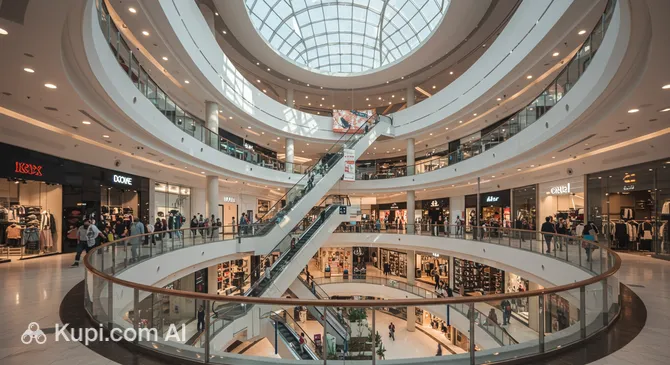
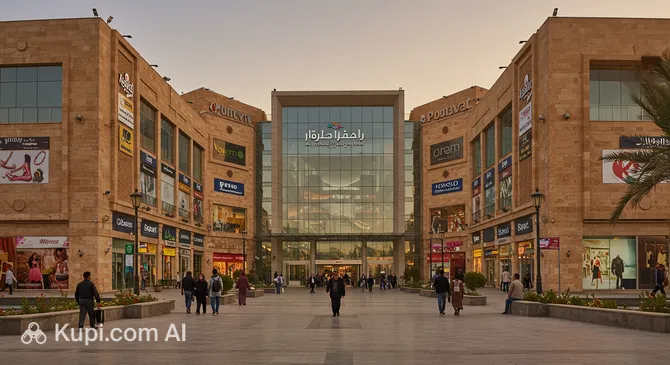
Modern entertainment complexes also play a huge role in the city's evenings. Family Mall is a massive hub for late-night activity, housing a modern cinema, a bowling alley, and a wide food court that stays busy well into the night. Similarly, City Star Mall offers a variety of shopping and leisure options, providing a climate-controlled environment to relax and enjoy the evening.

Family Mall. Source: Kupi.Binoculars

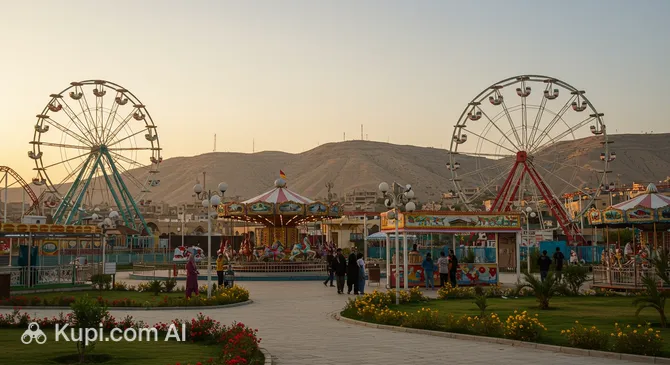
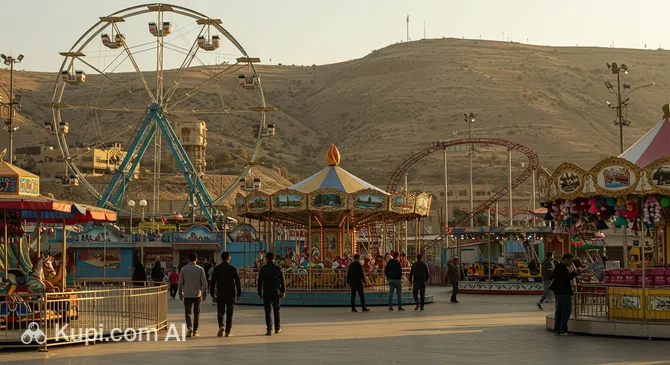
Outdoor entertainment is equally popular, especially during the pleasant spring and autumn months. Azadi Amusement Park is a favorite destination for both thrill-seekers and those looking for a lighthearted evening. With its bright lights and variety of rides, it offers a festive atmosphere that contrasts beautifully with the quiet majesty of the surrounding mountains.

Azadi Amusement Park. Source: Kupi.Binoculars

To make the most of your night out, keep these practical tips in mind:

  • Timing: The city stays awake late. Restaurants and cafes are often bustling until midnight or later, especially on weekends (Thursday and Friday nights).
  • Transport: Taxis are abundant and affordable at night. They are the safest and most convenient way to move between districts like Sarchinar and the city center.
  • Safety: Sulaymaniyah is generally very safe for night walks in popular areas, but it is always standard practice to stay in well-lit, populated zones.

While the nights are lively, the city also offers engaging daytime entertainment. Cultural enthusiasts can explore various museums and galleries that celebrate Kurdish heritage, while nature lovers can enjoy the tranquil paths of the city's parks. Whether you are riding a Ferris wheel at night or visiting a theater by day, Sulaymaniyah ensures your itinerary is full of memorable experiences.

Parks & Museums

Sulaymaniyah is widely recognized for its dedication to culture and greenery, offering a refreshing mix of educational institutions and expansive outdoor spaces. The city’s layout encourages exploration, with world-class museums preserving the region's deep history and beautifully landscaped parks providing serene escapes for both locals and visitors.

For history enthusiasts, the Sulaymaniyah Museum is an absolute treasure trove and an essential stop. As the second-largest museum in Iraq, it houses an extensive and invaluable collection of artifacts that span from the Paleolithic era to the Islamic period. Visitors can explore galleries filled with ancient pottery, intricate cylinder seals, and statues that highlight the rich archaeological heritage of Mesopotamia. The museum is also renowned for its active role in recovering and displaying looted antiquities, offering a fascinating and comprehensive journey through the civilizations that once thrived in this region.

A different kind of history is preserved at the Red Prison Museum (Amna Suraka). While detailed elsewhere as a major attraction, this site is worth noting here for its transformation from a former intelligence headquarters into a powerful memorial museum. It stands as a somber yet important testament to the resilience and recent struggles of the local population.

When it comes to outdoor leisure, Hawari Shar Park is the city's crowning jewel. Ranking among the largest urban parks in the Middle East, this vast green space covers a massive area on the city's edge and is a testament to modern landscape design. It features a magnificent Roman-style amphitheater that hosts cultural events, alongside miles of cycling paths and botanical gardens. The park’s elevated location provides breathtaking panoramic views of the city skyline and the surrounding mountains, making it a perfect spot for sunset picnics and long, relaxing walks.

Another delightful area for nature lovers is the Sarchinar district. Historically a summer resort for the city's residents, this area is defined by its natural springs, flowing streams, and dense canopy of trees. It offers a cooler, refreshing microclimate and a network of shaded paths that are ideal for a leisurely afternoon stroll away from the urban center.

For a quick and convenient escape in the heart of downtown, Azadi Park remains a favorite local oasis. Although smaller than Hawari Shar, it is meticulously maintained with vibrant rose gardens and a central lake. It serves as a communal hub where travelers can sit back and observe the relaxed social life of the city in a lush, tranquil setting.

Azadi Park. Source: Kupi.Binoculars

Getting Around

Navigating Sulaymaniyah is an experience that differs significantly from many European or North American cities. The public transport network is relatively informal and relies almost entirely on road-based vehicles. There is no metro, tram, or train system operating within the city limits. For the vast majority of visitors, the most practical and efficient way to get around is by using the abundant and affordable taxi services, while buses serve as a budget-friendly alternative for those familiar with local routes.

The backbone of the public transit system consists of minibuses and larger public buses. These vehicles typically operate on fixed routes connecting the city center—usually originating near the Grand Bazaar or other major hubs—to outlying residential districts. They do not follow a strict timetable but rather depart when they are full. While this is an authentic way to travel, it can be challenging for tourists as route maps are non-existent and destination signs are almost exclusively in Kurdish or Arabic. If you choose to use them, asking a local for the correct bus number or destination name is essential.

For payment, cash is the only accepted method. There are no travel cards, electronic passes, or mobile payment systems for public buses. You simply pay the driver directly, usually upon boarding or just before disembarking. Fares are incredibly low, typically costing a small amount of Iraqi Dinars (often between 500 and 1,000 IQD depending on the distance). It is crucial to carry small denominations, as drivers may not always have change for large bills.

Taxis are the preferred mode of transport for tourists due to their convenience and low cost. You will see them everywhere, easily identifiable by their beige or orange and white colors. While some taxis are equipped with meters, it is common practice to negotiate the fare before getting in to avoid misunderstandings. A trip within the city center is generally very affordable. For a more predictable experience, ride-hailing apps like Careem are available and widely used. These apps allow you to book a car with a fixed price and track your journey, overcoming potential language barriers.

Walking is a viable and pleasant option if you are staying in the city center, particularly around Mawlawi Street and the Grand Bazaar, where many attractions are clustered close together. However, Sulaymaniyah is a sprawling city with hilly terrain, so for longer distances or trips to the mountainside parks, a vehicle is necessary. While there are no bike-sharing schemes currently in place, the city's walkability in the downtown core allows you to soak up the atmosphere at your own pace.

One unique transport feature worth noting, primarily for leisure rather than commuting, is the cable car system at Chavi Land. While not part of the municipal transit network, it offers a functional and scenic way to ascend the mountain for panoramic views, sparing you a steep hike. Operating hours for general transport like buses usually run from early morning until early evening, around 8:00 PM or 9:00 PM, after which taxis become the sole option for getting around.

Accommodation

Finding the right place to stay in Sulaymaniyah is relatively easy, as the city offers a diverse range of accommodation options to suit various budgets and preferences. Visitors can choose from modern five-star luxury hotels with sweeping mountain views, comfortable mid-range business hotels, and simple, budget-friendly guesthouses. The hospitality sector here is well-developed, reflecting the city's status as a commercial and cultural hub, ensuring that travelers can find a comfortable base whether they are visiting for business or leisure.

When choosing a location, two main areas stand out depending on the type of experience you desire. The City Center, particularly around the Grand Bazaar and Mawlawi Street, is ideal for budget travelers and those who want to be in the thick of the action. Staying here places you within walking distance of historical sites, tea houses, and the vibrant street life. In contrast, the Sarchinar district offers a more relaxed and upscale atmosphere. Known for its leafy streets and resort-style hotels, this area is perfect for those seeking tranquility, access to nightlife, and proximity to high-quality restaurants.

The price range for accommodation is generally reasonable compared to international standards. Budget travelers can find basic rooms in the downtown area for approximately $20 to $40 per night. Mid-range hotels, which often include amenities like breakfast and Wi-Fi, typically range from $50 to $80. For a luxury experience, the city's top-tier high-rise hotels charge upwards of $100 to $150 per night, offering facilities such as swimming pools, spas, and international dining.

Booking procedures vary depending on the establishment. Major high-end hotels are listed on standard international booking platforms and accept credit cards. However, for many budget and mid-range options, online presence may be limited. In these cases, it is often effective to book directly by phone or simply find a room upon arrival. A useful booking tip is to carry sufficient cash (Iraqi Dinars or US Dollars) to pay for your stay, especially at smaller hotels, and to book well in advance if you plan to visit during the Newroz spring festival in March, when the city is at its busiest.

Nearby Cities

For those looking to explore the surroundings, Sulaymaniyah serves as an excellent base for day trips to several interesting nearby locations. The region offers a mix of ancient history, vibrant culture, and stunning natural landscapes within a few hours' drive.

One of the most popular excursions is to Erbil, the capital of the Kurdistan Region. Although the drive takes a few hours, the journey is rewarded with a visit to one of the oldest continuously inhabited settlements in the world. The UNESCO-listed Erbil Citadel towers over the city center, offering a window into ancient history, while the sprawling Qaysari Bazaar below provides a vibrant shopping experience filled with traditional textiles and sweets.

Closer to Sulaymaniyah lies the historic city of Kirkuk. It is famous for the ancient Kirkuk Citadel, which sits on an artificial mound and contains heritage sites from various eras. Nearby, visitors can witness the natural phenomenon of Baba Gurgur, an "eternal fire" fueled by natural gas seeps that has been burning for thousands of years, creating a mystical atmosphere.

For nature lovers, the town of Rania offers a gateway to some of the region's most scenic landscapes. Located near the stunning Lake Dukan, it is a perfect destination for those seeking relaxation by the water, picnicking, or enjoying boat rides surrounded by rolling hills. The area is particularly beautiful in spring when the greenery is lush and vibrant.

City Population Distance (km)
Kirkuk 975,000 96
Erbil 846,000 147
Rania 257,577 91
Kalar 250,000 103
Khanaqin 175,000 133

These nearby destinations offer a glimpse into the diverse culture and geography of the area, making them well worth the journey.

Shopping & Souvenirs

Shopping in Sulaymaniyah offers a vibrant mix of experiences that reflect the city's dual character as a historic trade hub and a modern metropolis. Visitors can transition seamlessly from wandering through centuries-old alleys filled with the scent of spices to browsing international fashion brands in contemporary air-conditioned complexes. Whether you are looking for traditional Kurdish handicrafts or the latest electronics, the city provides a diverse retail landscape that caters to all tastes and budgets.

The heart of the city's retail activity beats strongest along Mawlawi Street. This bustling thoroughfare is more than just a road; it is a sensory experience packed with pedestrians, street vendors, and shops selling everything from clothing and shoes to household goods. Walking down this street is an essential part of the Sulaymaniyah experience, leading you directly into the traditional market areas. It is a place where locals come to shop for daily necessities, offering tourists a genuine glimpse into the everyday life of the city.

For a modern shopping experience, the city boasts several large complexes. City Star Mall is a popular destination for those seeking fashion, cosmetics, and accessories in a comfortable, climate-controlled environment. It features a variety of regional and international brands spread across multiple floors.

City Star Mall. Source: Kupi.Binoculars

Another major retail hub is Family Mall, which stands as one of the largest and most comprehensive shopping centers in the region. While it is also known for its entertainment facilities, the mall anchors a wide array of high-end stores, hypermarkets, and electronics retailers, making it a one-stop destination for travelers needing to resupply or indulge in some luxury shopping.

The soul of Sulaymaniyah's commerce, however, resides in the Grand Bazaar (Qaysari). Located adjacent to the historic Sara Square, this sprawling labyrinth of covered alleyways is a treasure trove for explorers. Here, you can find sections dedicated to specific goods, such as the jewelry market filled with glittering gold, or the textile lanes draped in colorful Kurdish fabrics. It is the perfect place to practice your bargaining skills and engage with friendly local shopkeepers.

When searching for souvenirs, there are several distinctively local items to look out for. The most iconic purchase is a pair of Klash, traditional hand-woven white shoes that are incredibly comfortable and unique to the Hawraman region. Other excellent gifts include local honey, walnuts from the nearby mountains, and traditional Kurdish clothing (*Jili Kurdi*), which is known for its vibrant colors and intricate designs. Sweet shops also offer *Mann al-sama* (manna), a nougat-like confection that is a regional specialty.

Opening hours vary significantly between the traditional markets and modern malls. The Grand Bazaar and street shops typically open early, around 8:00 AM, and begin to close at sunset or shortly after. In contrast, shopping malls like City Star and Family Mall usually open at 10:00 AM and stay open late, often until 10:00 PM or 11:00 PM. Regarding payment, cash is the absolute standard. While the large malls and some upscale shops may accept credit cards, the vast majority of vendors in the bazaar and on Mawlawi Street operate exclusively with Iraqi Dinars (IQD) or US Dollars.

Tourists should be aware that there is no tax-free refund system available in Iraq. The price you see is the final price, although haggling is expected and encouraged in the bazaars and smaller independent shops. In contrast, prices in the modern shopping malls are fixed and non-negotiable.

Reached the end of the page?

That means the route is fully explored