Support

Erbil

About

Welcome to Erbil, a city that stands as a fascinating bridge between the ancient world and modern development. Often referred to locally as Hawler, it is the capital of the Kurdistan Region and serves as a vibrant cultural and economic hub in the northern part of Iraq. With its unique atmosphere, the city offers travelers a safe and welcoming environment to explore a region known for its deep historical roots and warm hospitality.

Geographically, the city is situated on a fertile plain, providing a striking contrast to the mountainous terrain that surrounds the region. It is home to a population of approximately 846,000 people, creating a bustling yet manageable urban environment. The climate is generally semi-arid, characterized by hot summers and mild winters, making the spring and autumn months particularly pleasant for sightseeing and outdoor activities.

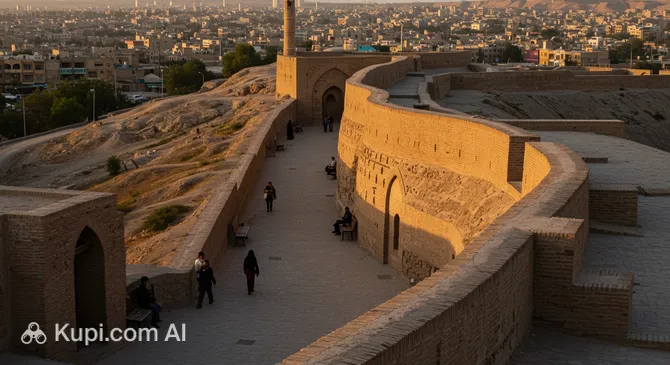
The crown jewel of the city is undoubtedly the Erbil Citadel, a UNESCO World Heritage site that rises dramatically above the city center on an ancient tell. For those keen to understand the significance of this settlement, exploring the history of Erbil reveals that it is one of the oldest continuously inhabited cities in the world, with a legacy spanning thousands of years.
Erbil. Source: Kupi.Binoculars

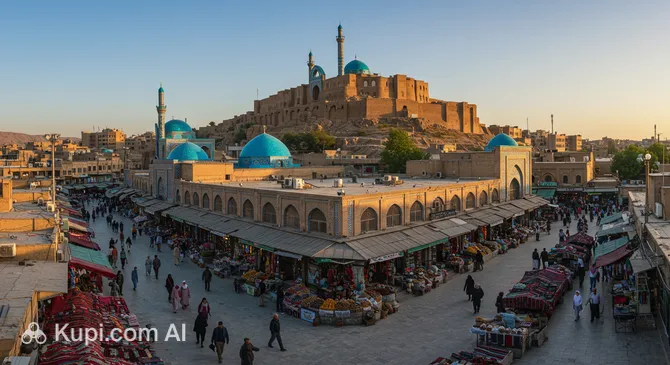
Beyond the ancient Citadel, visitors can immerse themselves in the lively atmosphere of the Qaysari Bazaar. This traditional market is a labyrinth of narrow alleyways filled with colorful textiles, aromatic spices, and local crafts, offering a true taste of local culture. For a change of pace, the Sami Abdulrahman Park provides a vast, lush green space where locals and tourists alike can enjoy peaceful walks and leisure time away from the urban buzz.

Erbil is a destination that surprises and delights, blending its archaeological treasures with modern malls and diverse culinary experiences. Whether you are a history enthusiast or simply looking for a unique travel experience, this dynamic city invites you to discover its many charms.
Weather Overview

The climate in this region is characterized by distinct seasonal contrasts, shifting from intense heat to cooler, damper conditions. To help you pack the right clothing for your trip, it is useful to check the detailed report on the weather in Erbil before you travel.

Expect scorching hot, completely dry summers and cool winters with regular rainfall. From June to September, precipitation is non-existent, and temperatures peak in July with averages around 34.1°C and daily highs reaching up to 42.0°C.

In contrast, the winter season brings relief from the heat but requires warmer attire. January is typically the coldest month, with an average temperature of 7.7°C and lows dipping to 2.8°C. This period is also the wettest, with January and March experiencing about 13 wet days each, making an umbrella an essential item for winter visits.

Interesting Facts

Beyond its bustling bazaars and modern developments, Erbil holds many fascinating secrets that reveal the depth of its heritage. Here are a few intriguing facts that make this city truly unique:
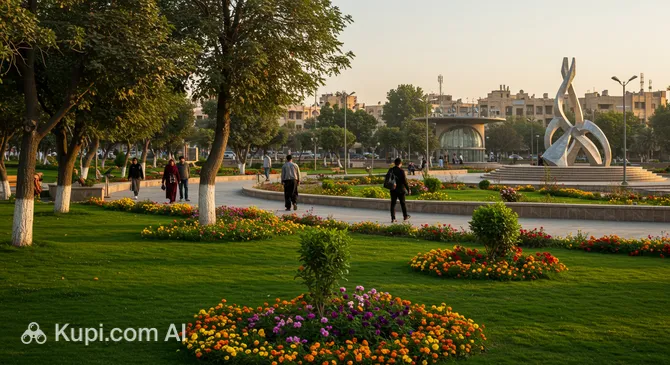
Minara Park. Source: Kupi.Binoculars
  • The Erbil Citadel is not just an ancient fortress; it sits atop a massive mound formed by successive layers of settlements. It is widely considered one of the oldest continuously inhabited cities in the world, with a history stretching back at least 6,000 years.

  • One of the city's most mysterious landmarks is the "Choli Minaret" located in Minara Park. Built in the 12th century, this leaning tower stands completely alone because the mosque it once belonged to disappeared centuries ago, leaving only the minaret to watch over the city.

  • The city pays homage to a groundbreaking prehistoric discovery at Shanadar Park. The park is named after the nearby Shanidar Cave, where archaeologists found Neanderthal remains buried with flowers, changing the global understanding of prehistoric empathy and rituals.

  • Hidden within the citadel's labyrinthine alleys is the Kurdish Textile Museum, which preserves a dying art form. The intricate rugs and fabrics displayed here were historically used by nomadic tribes not just for warmth, but as a sophisticated language of symbols to tell stories and record history.

How to Get There

Reaching this vibrant destination is relatively straightforward, with air travel being the most convenient option for international visitors. The city is well-connected to the region and beyond, serving as a major gateway for travelers. For a complete guide on planning your journey, you can read more about how to get to Erbil and explore all available transport options.

The primary entry point is Erbil International Airport (IATA: EBL), located just 7 km from the city center. It is a modern facility handling a large volume of passengers and offers excellent connectivity. A taxi ride from the airport to the downtown area typically takes about 30 minutes, making it a quick and hassle-free transfer.

Another viable option is Sulaimaniyah International Airport (IATA: ISU), situated in the city of Sulaymaniyah. Although it is approximately 137 km away, it serves as an alternative hub for the region. Travelers landing here should be prepared for a longer transfer, as the journey by road to Erbil generally takes around 3 hours and 45 minutes.

For clarity, here is a summary of the main airports:

Airport Name City Passenger Traffic Km from City
Erbil International AirportErbilLarge7.0
Sulaimaniyah International AirportSulaymaniyahMedium136.9
Urmia AirportOrumiyehMedium189.4
YuksekovaHakkariSmall152.5
KirkukKirkukSmall85.4

Currently, there are no railway stations providing passenger services directly to Erbil. Visitors who do not arrive by plane typically travel by road, utilizing taxis or buses from neighboring cities. The road network connects the city well with the surrounding areas, though travel times can vary depending on traffic and checkpoints.

Main Attractions

Erbil offers a compelling mix of ancient heritage and modern leisure, making it a unique destination in the region. From millennia-old fortifications to sprawling green spaces and contemporary shopping centers, the city's attractions cater to a wide range of interests. Visitors can easily spend days exploring the historical depth and the vibrant modern life that defines this Kurdish capital.

Dominating the city center is the magnificent Erbil Citadel. As one of the oldest continuously inhabited settlements in the world, this UNESCO World Heritage site offers more than just history; it provides panoramic views of the sprawling city below. Tourists love wandering through its restored alleyways and visiting the cultural centers housed within traditional courtyard homes, which offer a glimpse into the region's architectural past.

Erbil Citadel. Source: Kupi.Binoculars

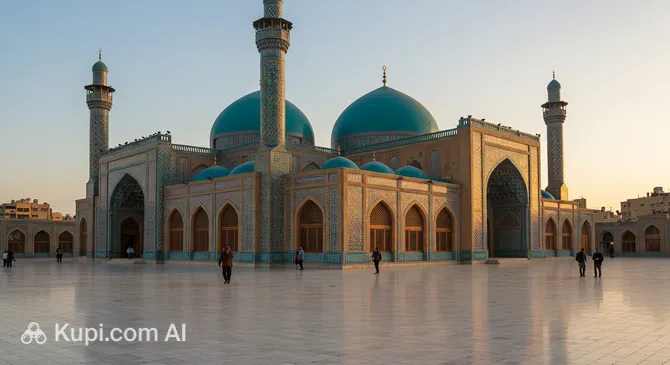
For those interested in Islamic architecture, the Jalil Khayat Mosque is an absolute must-see. Often compared to the Blue Mosque in Istanbul due to its similar style, this grand structure features towering minarets and a breathtaking interior adorned with intricate mosaics and colorful arabesques. It is not only a place of worship but also a stunning example of modern craftsmanship that leaves visitors in awe of its scale and beauty.

Jalil Khayat Mosque. Source: Kupi.Binoculars

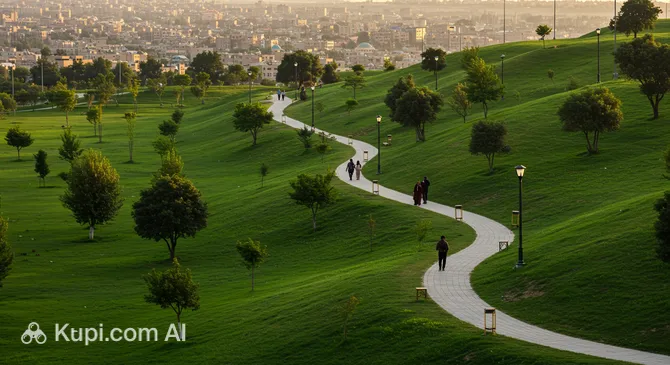
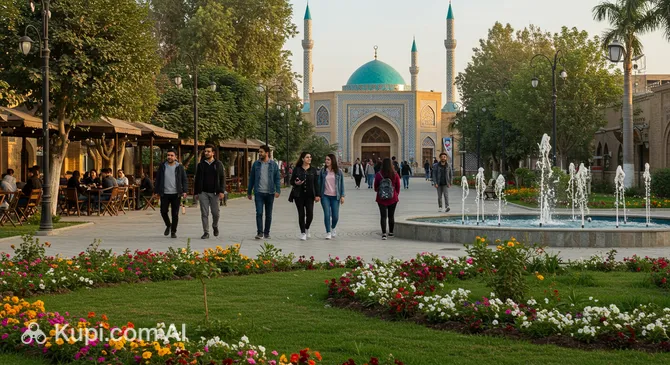
To escape the urban bustle, locals and tourists alike flock to Sami Abdulrahman Park. This vast green oasis, built on the site of a former military base, is the largest park in Iraq and serves as the city's lungs. With its expansive lakes, rose gardens, and running tracks, it is the perfect spot for a relaxing afternoon picnic or a leisurely boat ride, offering a peaceful retreat from the heat of the city.

Sami Abdulrahman Park. Source: Kupi.Binoculars

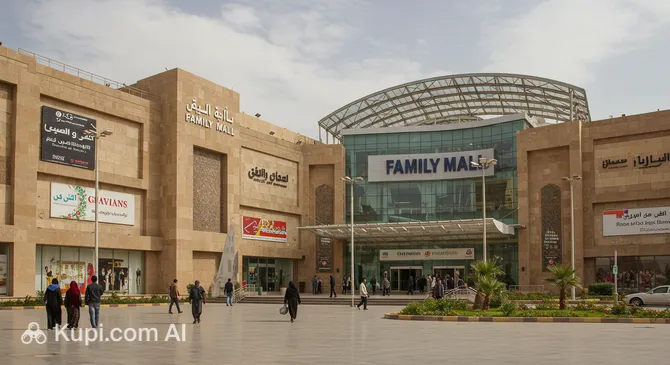
For a taste of modern Erbil, the Family Mall stands out as a premier shopping and entertainment destination. It is one of the most popular malls in the region, hosting a wide array of international brands, a cinema complex, and an indoor ice-skating rink. Located adjacent to the Family Fun amusement park, it is a favorite spot for families and travelers looking to enjoy contemporary comforts, dining, and leisure activities.

Family Mall. Source: Kupi.Binoculars

Local Cuisine

Local Cuisine:

The culinary scene in Erbil is a delightful reflection of Kurdish hospitality, characterized by rich flavors, fresh ingredients, and generous portions. Food is a central part of the culture here, and meals are often communal affairs meant to be shared with family and friends. The local cuisine relies heavily on high-quality meats, particularly lamb and chicken, accompanied by aromatic rice, fresh vegetables, and savory stews.

When visiting the city, you simply must try the famous Erbil Kebab. Unlike other variations, the local version is renowned for its specific blend of spices and the quality of the meat, typically grilled to perfection over charcoal. Another signature dish is Yaprakh (Kurdish Dolma), which consists of vine leaves, onions, and zucchini stuffed with a savory mixture of rice, meat, and herbs. For a hearty meal, look for Quzi, a dish featuring slow-cooked lamb served over a bed of spiced rice and garnished with roasted nuts and raisins.

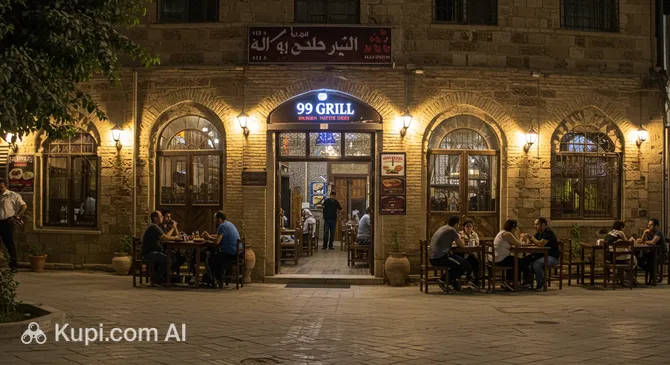
The dining culture ranges from bustling street stalls in the bazaars to elegant sit-down restaurants. For a taste of the modern local food scene, you might visit places like 99 Grill, where traditional grilling techniques meet contemporary service. Locals often enjoy long, leisurely lunches, which are considered the main meal of the day.

99 Grill. Source: Kupi.Binoculars

No meal in Erbil is complete without the appropriate beverages. The most common drink is Chai, strong black tea heavily sweetened with sugar, served in small glass cups immediately after eating. During the hot summer months, a glass of cold Mast (a savory yogurt drink similar to Ayran) is incredibly refreshing and often accompanies lunch to aid digestion.

While Iraq is a predominantly Muslim country, Erbil is known for its diversity and tolerance. In the Christian district of Ainkawa, you will find a lively social scene where alcohol is readily available. Travelers looking to relax with a drink can explore various venues in this area, such as the German Bar, which offers a cozy atmosphere popular with both expats and locals.

Travel Tips

Preparing for a journey to this dynamic city ensures you can focus on enjoying its rich history and warm hospitality without any logistical hiccups. To help you navigate the local customs and daily life smoothly, here are some essential practical tips for your visit.

  1. Clothing and Gear: Pack according to the season; summers are intensely hot, requiring lightweight, breathable fabrics and sun protection, while winters can be surprisingly cold, so a warm jacket is necessary. While the city is quite modern and liberal, it is respectful to dress modestly in public areas, covering shoulders and knees. Comfortable walking shoes are a must for exploring the uneven paths of the Citadel.

  2. Transportation: Public transport options like buses are limited and not typically used by tourists, so taxis are the best way to get around. Look for the cream-colored taxis and always negotiate the fare before getting in, or simply use ride-hailing apps like Careem for fixed prices. Renting a car is possible but only recommended if you are comfortable with somewhat chaotic local driving styles.

  3. Finances: The official currency is the Iraqi Dinar (IQD), but US Dollars are widely accepted and sometimes preferred for larger purchases. Cash is king here; while major hotels and modern malls like Family Mall accept credit cards, most local shops and restaurants do not. Exchange offices are plentiful, especially around the bazaar, and offer competitive rates.

  4. Health and Safety: The city is generally very safe for tourists, often considered the safest in Iraq. Pharmacies are widely available and often open late, but it is advisable to bring any specific prescription medications you need. Stick to drinking bottled water to avoid any stomach issues, and be cautious when crossing streets, as traffic rules can be loosely followed.

  5. Communication: The primary language is Kurdish (Sorani), though Arabic is also widely spoken. English is increasingly common, especially among younger people and in the Ainkawa district, but learning a few basic phrases like "Slaw" (Hello) or "Spas" (Thank you) will go a long way with locals. buying a local SIM card (e.g., Korek or Asiacell) is easy and recommended for staying connected.

  6. Local Etiquette: Hospitality is a cornerstone of the culture; if you are offered tea, it is polite to accept it as a gesture of friendship. When greeting people, a handshake is common, often followed by placing the right hand over the heart to show sincerity. If invited into a local home, remember to remove your shoes at the door unless told otherwise.

  7. What to Avoid: Strictly avoid taking photographs of military checkpoints, government buildings, or security personnel, as this is prohibited and can lead to questioning. Also, avoid publicly criticizing local political figures or sensitive topics; it is best to keep conversations focused on culture, food, and travel.

  8. Additional Tip: For a different vibe, visit the Ainkawa district in the evenings. This area is known for its relaxed atmosphere, diverse dining options, and social scene, making it a popular spot for both expatriates and locals to unwind after a long day.

Armed with this local knowledge, you are all set to explore the vibrant streets and ancient sites of Erbil with confidence. Embrace the local rhythm, enjoy the endless cups of tea, and let the city's unique charm create unforgettable memories for you.

Entertainment & Nightlife

Entertainment and Nightlife:

As the sun sets over the ancient citadel, Erbil transforms into a lively metropolis with a vibrant nightlife scene that sets it apart from much of the region. While traditional tea houses remain a staple of evening social life, the city also offers a bustling array of modern lounges, bars, and clubs, catering to both the local youth and the international community.

The epicenter of nightlife in Erbil is undoubtedly the Ainkawa district. Historically a Christian quarter, Ainkawa has evolved into a cosmopolitan hub where the streets are lined with restaurants, pubs, and liquor stores. This is the primary area where alcohol is served openly, creating a relaxed and festive atmosphere. Visitors can wander through the main streets here, hopping between venues that range from quiet, cozy pubs to energetic dance floors.

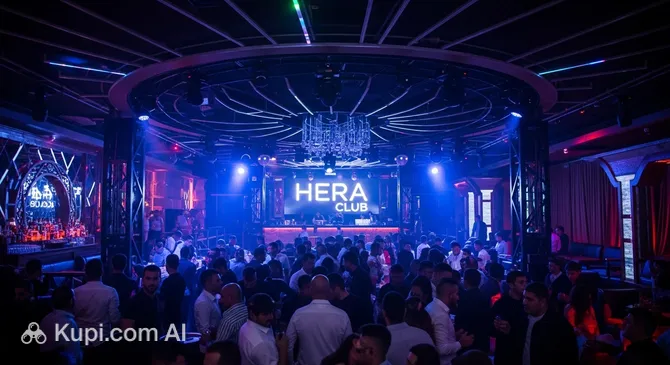
For those seeking a high-energy experience with music and dancing, the HERA Club is a popular destination. It offers a modern clubbing vibe with DJ sets and a lively crowd, making it a great spot to experience the city's contemporary pulse late into the night.

HERA Club. Source: Kupi.Binoculars

If you prefer a more laid-back environment to enjoy a drink and conversation, the German Bar in Ainkawa is a local favorite. Known for its pub-style comfort and friendly service, it attracts a mix of expatriates and locals looking to unwind after work. The dress code in most of these venues is smart casual; while the city is liberal, looking neat and presentable is appreciated.

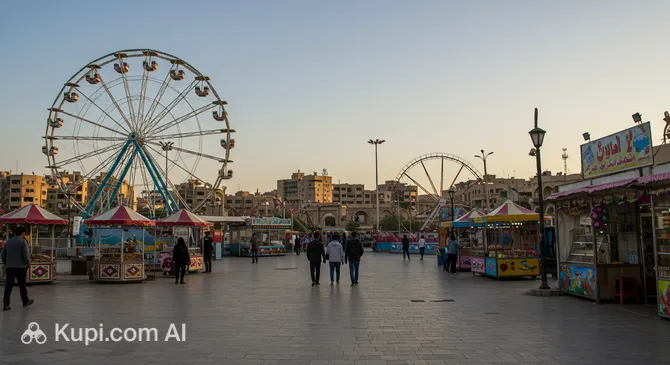
Beyond the bars, the city offers plenty of entertainment options for families and groups during the day and early evening. Thrill-seekers should head to Family Fun, a large amusement park located right next to the Family Mall. It features a variety of rides and games suitable for all ages, making it a perfect spot for a fun-filled evening under the lights.

Family Fun. Source: Kupi.Binoculars

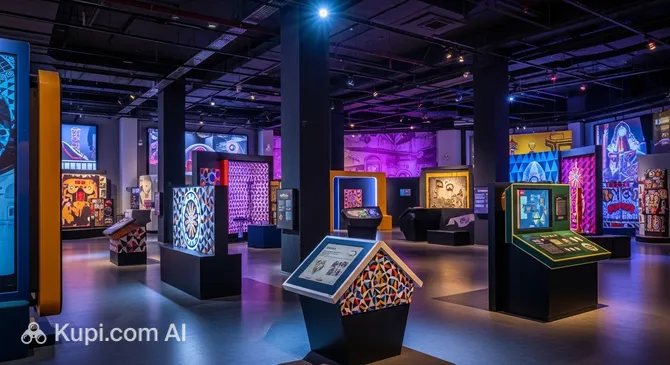
For a unique indoor experience that challenges your perception, the Illusion Museum Erbil is a must-visit. This interactive museum offers a break from the heat and provides countless photo opportunities with its mind-bending exhibits, appealing to both children and adults.

Practical Nightlife Tips:

  • Getting Around: Taxis are the safest and most convenient way to travel between venues at night. Ride-hailing apps like Careem are widely used and recommended to ensure fair pricing and overcome language barriers.
  • Safety: Erbil is generally very safe for night walks, especially in well-lit areas like Ainkawa and around major malls. However, it is always wise to stay in populated areas and keep your valuables secure.
  • Timing: The nightlife in Ainkawa typically picks up after 9:00 PM and can last until the early hours of the morning, especially on weekends (Thursday and Friday nights).

Parks & Museums

Erbil offers a refreshing balance between urban development and cultural preservation, boasting an array of landscaped gardens and institutions dedicated to its rich heritage. Beyond the bustling bazaars and ancient fortifications, visitors can find tranquility in the city's green zones or dive deep into the artistic and historical traditions of the region.

One of the most popular recreational areas is Shanadar Park, a beautifully designed space that blends art with nature. While its name pays tribute to prehistoric discoveries, the park itself is thoroughly modern, featuring manicured gardens, water fountains, and walking paths. It is also home to an art gallery that frequently showcases works by local artists, making it a cultural hub as well as a place for relaxation.

Shanadar Park. Source: Kupi.Binoculars

Connected to Shanadar Park by a cable car system is Minara Park, another significant green space in the city. While it is famous for housing the historical Choli Minaret, the park also features a large amphitheater that hosts concerts and festivals during the cooler months. The grounds are spacious and lined with trees, providing a perfect setting for evening strolls when the park is illuminated and the local families come out to socialize.

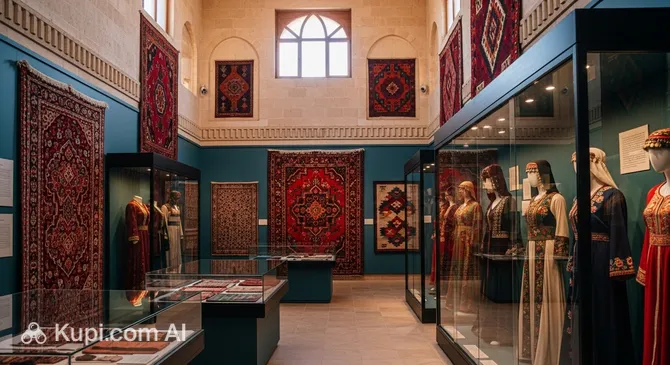
For a deep dive into the region's craftsmanship, the Kurdish Textile Museum is an essential stop. Located within the historic Citadel, the museum is housed in a restored traditional courtyard home, adding to the atmospheric experience. It displays a stunning collection of rugs, felts, and costumes, preserving the intricate weaving techniques that have been passed down through generations of nomadic tribes.

Kurdish Textile Museum. Source: Kupi.Binoculars

If you are looking for a completely different museum experience, the Illusion Museum Erbil offers a playful break from history. This interactive venue is designed to trick the eye and the mind with optical illusions, holograms, and puzzles. It is a fantastic spot for families or groups of friends wanting to engage in something lighthearted and capture some unique photos.

Illusion Museum Erbil. Source: Kupi.Binoculars

For an authentic local experience, try taking the cable car ride between Shanadar and Minara parks at sunset. The ride offers a lovely perspective of the city as the lights begin to twinkle, and it provides a convenient way to explore two of the city's best outdoor spaces in one evening.

Getting Around

Navigating Erbil is a unique experience that differs significantly from many European or North American cities. The public transport system here is still developing, meaning there is no metro, tram, or extensive train network within the city limits. Instead, the transportation infrastructure relies heavily on road-based options, with private cars and taxis being the primary means of getting around for both locals and visitors.

For most tourists, the most convenient and reliable way to travel is by taxi. You will easily recognize them by their distinctive cream or beige color. While some taxis are equipped with meters, they are rarely used, so it is standard practice to negotiate the fare with the driver before you get into the vehicle. Fares are generally reasonable, but having a rough idea of the cost beforehand can help you avoid overpaying. Payment is almost exclusively made in cash using Iraqi Dinars, so always carry small denominations with you.

If you prefer a more structured pricing system and want to avoid the hassle of negotiation, ride-hailing apps are an excellent alternative. Careem is the most popular service in the city and operates similarly to Uber. Using the app allows you to see the fixed price upfront, track your ride, and avoid language barriers, making it a highly recommended option for international travelers. These cars are modern, air-conditioned, and offer a comfortable respite from the city heat.

Public buses and minibuses do operate throughout the city, serving as the main mode of transport for many locals. These are typically white Coaster buses that run along specific routes. While they are incredibly cheap, they can be challenging for tourists to navigate as route maps are not widely available in English, and stops are not always clearly marked. If you are feeling adventurous and want to try them, you simply pay the driver in cash upon boarding or exiting. However, be prepared for a crowded and potentially confusing journey.

A unique and scenic feature of Erbil's transport landscape is the cable car system, known locally as the Teleferic. While it is not a mass transit solution for the whole city, it connects Shanadar Park with Minara Park. This aerial link offers a fun and practical way to move between these two major green spaces without navigating traffic, providing lovely views of the city skyline and the famous Choli Minaret from above.

Walking is a feasible option within specific districts like the Citadel, the bazaar area, or the Ainkawa neighborhood, where streets are more pedestrian-friendly. However, Erbil is a sprawling city designed for cars, and sidewalks can sometimes be uneven or non-existent on major roads. When crossing streets, always remain vigilant, as traffic can be fast-paced and drivers may not always yield to pedestrians.

Accommodation

Finding the right place to stay in Erbil is increasingly easy, as the city has experienced a significant boom in hospitality infrastructure over the last decade. Travelers can now choose from a wide spectrum of options, ranging from luxurious five-star towers catering to business dignitaries to modest, budget-friendly hotels and guesthouses suitable for backpackers.

For those prioritizing convenience and luxury, the modern commercial districts along Gulan Street and the road leading to the airport are the prime locations. This area is home to several major international hotel chains and high-end local resorts. These establishments typically offer extensive amenities, including swimming pools, gyms, and secure environments, making them ideal for business travelers and families seeking comfort.

If you prefer a more vibrant, community-focused atmosphere, the Ainkawa district is highly recommended. Historically a Christian quarter, it is known for its relaxed vibe, safety, and excellent dining scene. Staying here puts you within walking distance of numerous restaurants, cafes, and social venues, making it a favorite choice for expatriates and tourists who want to enjoy the city's nightlife.

For history enthusiasts who want to be close to the action, the City Center near the Citadel and Qaysari Bazaar offers several mid-range and budget options. While these hotels may be older and simpler than their counterparts in the new districts, their proximity to the main historical attractions allows for easy exploration on foot.

Booking Tips: While major hotels can be booked easily through standard international online platforms, some smaller, locally-run establishments may not have a strong online presence. For these, it is often better to book directly or through a local travel agent. Additionally, while credit cards are accepted at luxury hotels, smaller guesthouses often require payment in cash (Iraqi Dinars or US Dollars).

Prices in Erbil generally offer good value compared to other regional business hubs. Budget travelers can find comfortable rooms at very affordable rates, while the upper end of the market provides world-class luxury at prices that remain competitive. It is advisable to book your accommodation in advance, particularly if you are visiting during major trade fairs or the pleasant spring season when the city is busiest.

Nearby Cities

For those looking to explore the surroundings, Erbil serves as an excellent base for day trips to several interesting nearby locations. The region is rich in history and natural beauty, offering travelers a chance to see a different side of the country within a short drive.

One of the most visually striking destinations is Akre. Often referred to as the city of celebrations, it is famous for its tiered old town where houses are built into the steep hillside, creating a dramatic and photogenic landscape. Visitors can explore the historic bazaar, hike up to the old fortress ruins for panoramic views, and enjoy the town's vibrant atmosphere, which is deeply rooted in local tradition.

For nature lovers, Rawanduz is an unmissable gem. Located at the end of the famous Hamilton Road, this town is perched on the edge of deep, dramatic canyons. It is the perfect escape for those seeking fresh mountain air, stunning waterfalls, and spectacular scenery that contrasts sharply with the plains of Erbil. The drive itself is an adventure, winding through some of the most impressive mountains in the region.

City Population Distance (km)
Mosul169400079
Kirkuk97500087
Rania25757779
Akre21200062
Rawanduz9508966

These nearby destinations offer a glimpse into the diverse culture and landscapes of the region.

Shopping & Souvenirs

Shopping in Erbil offers a fascinating mix of old-world charm and modern luxury, effectively mirroring the city's diverse character. Visitors can spend their mornings haggling over prices in centuries-old alleyways and their evenings browsing high-end international brands in air-conditioned comfort. Whether you are looking for traditional Kurdish handicrafts or the latest fashion trends, the city provides a varied retail landscape that caters to all tastes and budgets.

For a traditional shopping experience, the area surrounding the Citadel is the undisputed heart of the city's commercial life. The streets radiating from the central square are lined with shops selling everything from gold and silver to everyday household items. In contrast, the modern districts, particularly along Gulan Street and the 100 Meter Road, serve as the hub for contemporary fashion, electronics, and lifestyle stores, offering a more westernized shopping environment.

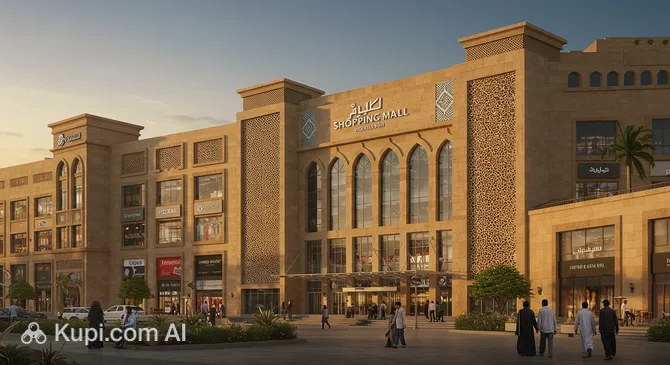
The city has embraced the mall culture with enthusiasm, boasting several large complexes that serve as social hubs as well as retail centers. The Family Mall is one of the most popular destinations, offering a vast array of international clothing chains, a hypermarket, and extensive entertainment options. For those seeking a more upscale experience, the Gulan Mall features luxury brands and a sophisticated atmosphere, making it a favorite spot for fashion enthusiasts.

Gulan Mall. Source: Kupi.Binoculars

No trip to Erbil is complete without getting lost in the Qaysari Bazaar. Located at the foot of the Citadel, this historic market is a labyrinth of narrow, covered lanes that teem with activity. It is the perfect place to explore local culture, with dedicated sections for colorful textiles, aromatic spices, and intricate gold jewelry. The atmosphere here is vibrant and authentic, offering a sensory experience that modern malls simply cannot replicate.

When searching for souvenirs, local craftsmanship offers the best value and uniqueness. Handmade Kurdish rugs and kilims are highly prized for their quality and intricate designs. The city is also famous for its sweets; boxes of "manna" (a nougat-like sweet) or traditional kleicha cookies make excellent gifts. Additionally, the spice market offers high-quality saffron, sumac, and dried fruits that allow you to take a taste of Kurdistan home with you.

Store hours in Erbil can vary depending on the type of establishment. Major shopping malls typically open from 10:00 AM to 10:00 PM or later, seven days a week. Traditional markets like the Qaysari Bazaar usually open early in the morning and start closing down around sunset, and they may be closed or have limited hours on Fridays. While modern malls and large supermarkets accept credit cards, cash is still king in bazaars and smaller shops. It is advisable to carry Iraqi Dinars or US Dollars, both of which are widely accepted.

Regarding taxes, there is currently no formal tax-free refund scheme for tourists in Iraq. The price you see on the tag is generally the final price in supermarkets and malls, though bargaining is expected and encouraged when shopping in the traditional bazaars.

Reached the end of the page?

That means the route is fully explored