Support

Orumiyeh

About

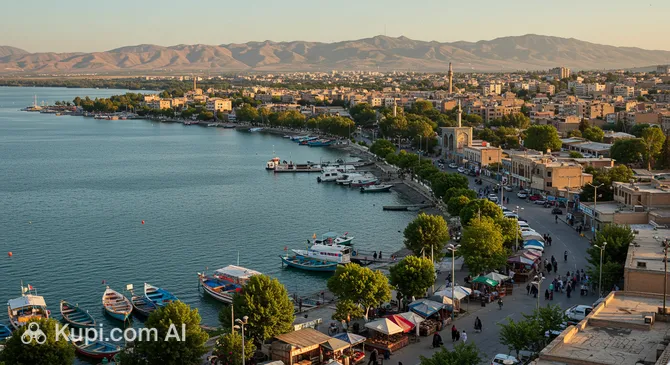
Orumiyeh, often referred to as Urmia, is a vibrant metropolis located in the northwest of Iran. As the capital of the West Azerbaijan Province, this city stands as a significant cultural and economic hub, celebrated for its rich heritage and scenic beauty. Historically known as the "City of Water" due to its proximity to the famous Lake Urmia, it offers a unique blend of urban energy and natural tranquility.

Orumiyeh. Source: Kupi.Binoculars

Geographically, the city is situated on a fertile plain at an altitude of roughly 1,330 meters, contributing to its reputation as a lush "garden city" filled with orchards and greenery. With a population of approximately 736,000 residents, it is a bustling center that maintains a welcoming atmosphere. The history of Orumiyeh is deeply rooted in antiquity, with legends suggesting it as a potential birthplace of the prophet Zoroaster, adding a layer of mystique to its ancient streets.

Travelers are drawn to the city's diverse architecture and historical landmarks. The Jameh Mosque of Orumiyeh displays intricate plasterwork from the Seljuk era, while the Seheh Gombad (Three Domes) tower showcases unique cylindrical brickwork. For those seeking relaxation, the riverside areas and the nearby Band Park provide excellent spots for leisure and picnicking. A visit to Orumiyeh promises a memorable journey through time and nature, making it a compelling destination for any itinerary.

Weather Overview

Orumiyeh experiences a climate marked by distinct seasonal contrasts, ranging from cold winters to warm, dry summers. Visitors can generally expect clear, sunny days during the peak travel season, though the temperature drops significantly as the year comes to a close. For a comprehensive look at what to expect during your specific travel dates, you can consult the detailed guide to the weather in Orumiyeh.

The summer months, particularly June through August, are the warmest and driest time of the year. During July, the average temperature reaches approximately 25.5°C, with daytime highs often climbing to 31.5°C. This period sees almost no precipitation, making it an excellent time for outdoor exploration without the worry of rain.

In contrast, the winter season brings a chill to the city. January is typically the coldest month, with average temperatures dipping to -0.7°C and minimums reaching as low as -4.8°C. Spring acts as a transition period; while temperatures become milder—rising to an average of 16.0°C by May—it is also the time with the most frequent precipitation, with March seeing up to 11 wet days.

Interesting Facts

Beyond its scenic landscapes and historical depth, Orumiyeh holds fascinating cultural nuances and local legends that often surprise visitors. Here are some unique insights into the city's heritage and daily life.
Saint Mary Church. Source: Kupi.Binoculars
  • Orumiyeh is widely celebrated as the "Volleyball Capital" of Iran. The sport is deeply ingrained in the local culture, with casual games frequently played in neighborhoods and parks, and the city consistently produces some of the country's top athletes for the national team.

  • The city is home to the historic Saint Mary Church, which is steeped in a captivating legend. It is said that the building was originally a fire temple used by the Magi (Three Wise Men); after their journey to Bethlehem, they returned and converted the temple into one of the world's earliest churches.

  • Orumiyeh played a pioneering role in the modernization of education and medicine in the region. In the 19th century, it hosted the establishment of one of Iran's first modern schools and medical colleges, founded by foreign missionaries who settled in the area.

  • While the local lake is a well-known landmark, its chameleon-like nature is a lesser-known marvel. During the hot summer months, the waters of Lake Urmia can shift from a deep blue to a striking red or orange hue, a phenomenon caused by the rapid growth of specific algae and bacteria in the hypersaline environment.

How to Get There

Reaching this part of West Azerbaijan Province is relatively straightforward, with options suiting different travel preferences. For a detailed guide on planning your journey and finding the best route, you can read more about how to get to Orumiyeh. The city is well-connected to the national transport network, making it accessible for both domestic and international visitors.

The most convenient entry point is Urmia Airport (OMH), located directly in Orumiyeh. It is a regional hub that handles regular flights, primarily from Tehran. The airport is situated approximately 13.2 km from the city center, making the transfer quick and easy. A taxi or bus ride to the downtown area typically takes about 40 minutes.

Alternatively, travelers often choose Tabriz Airport (TBZ), located in the city of Tabriz. This airport is significantly larger and offers a wider range of flight connections. However, it is situated about 120.6 km away from Orumiyeh. If you choose to land here, you will need to arrange ground transport to Orumiyeh, which takes approximately 3 hours and 20 minutes by taxi or bus.

For clarity, here is a summary of the main airports serving the region:

Airport Name City Passenger Traffic Km from City
Erbil International Airport Erbil Large 176.3
Tabriz Airport Tabriz Large 120.6
Van Ferit Melen Airport Van Medium 184.1
Urmia Airport Orumiyeh Small 13.2
Yuksekova Hakkari Small 74.3

Main Attractions

Orumiyeh offers a compelling mix of historical depth and natural beauty, making it a rewarding destination for travelers exploring the northwest of Iran. From ancient religious sites to lush green spaces, the city's attractions reflect its diverse cultural heritage and geographical splendor. Visitors can easily spend days uncovering the layers of history hidden within its streets or relaxing in its scenic parks.

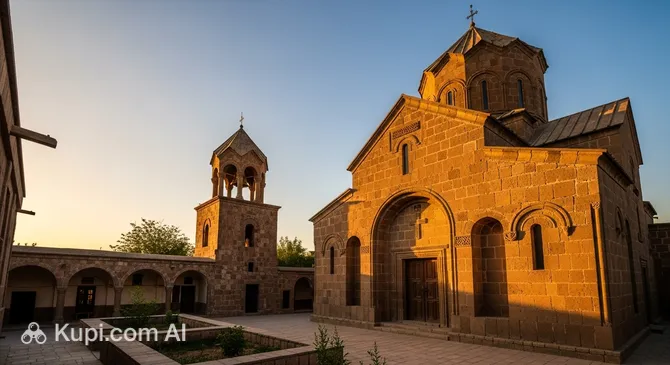
One of the most significant historical landmarks is Saint Mary Church. Located in the older part of the city, this ancient stone structure is not only a place of worship but also a testament to the region's long-standing Christian history. While often associated with legends of the Three Wise Men, the church is admired today for its architectural simplicity and spiritual ambiance. The interior, with its thick stone walls and modest adornments, offers a peaceful retreat and a glimpse into the architectural styles of antiquity.

Saint Mary Church. Source: Kupi.Binoculars

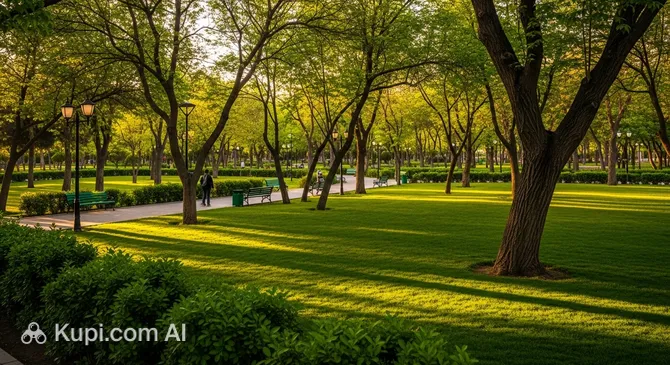
For nature enthusiasts and those looking to unwind, Jangali Park (Forest Park) provides a perfect escape. Situated on the outskirts of the city, this expansive recreational area is a favorite among locals for picnics and outdoor activities. The park is characterized by its tall trees and well-maintained walking paths, offering a cool respite during the warmer months. It is an excellent spot to experience the local leisure culture and enjoy panoramic views of the surrounding landscapes.

Jangali Park. Source: Kupi.Binoculars

A trip to Orumiyeh would be incomplete without acknowledging the famous Lake Urmia. As one of the largest saltwater lakes in the world, it is a designated UNESCO Biosphere Reserve of immense ecological value. Although water levels have varied, the lake remains a stunning natural phenomenon, known for its saline waters and the migratory birds, such as flamingos, that frequent its shores. The unique salt formations and therapeutic mud found here continue to attract visitors seeking both scenery and natural wellness.

To experience the vibrant commercial life of the city, the historic Urmia Bazaar is a must-visit destination. Dating back to the Safavid period, this traditional market features a labyrinth of arched alleyways and brick domes. It is the beating heart of the city's trade, where tourists can browse for handwoven Persian carpets, aromatic spices, and traditional copper crafts. The bazaar offers a sensory journey through the region's artistic and culinary traditions, providing an authentic taste of local life.

Local Cuisine

The cuisine of Orumiyeh is a delightful reflection of its fertile surroundings and rich Azeri heritage, offering a palette of flavors that are savory, aromatic, and deeply satisfying. As a city surrounded by orchards and gardens, the local food relies heavily on fresh herbs, vegetables, and locally grown produce. Visitors will find that the culinary scene here is hearty and welcoming, with recipes that have been perfected over generations.

One of the most iconic dishes you must try is Kofteh. While meatballs are common across the region, the local variety often features a unique blend of minced meat, split peas, rice, and aromatic herbs, sometimes stuffed with dried fruits or a boiled egg. Another staple is Dolma, particularly stuffed grape leaves, which are prepared with a zest and lightness characteristic of the West Azerbaijan style. For a comforting meal, look for Ash-e Doogh, a thick, sour yogurt soup filled with chickpeas, vegetables, and plenty of garlic, which is especially popular during the cooler months.

Orumiyeh is also famous for its sweets, most notably Noghl. These are sugar-coated almonds or pistachios, often flavored with the essence of musk willow (Bidmeshk), a plant native to the area. Noghl is not just a treat but a symbol of the city and serves as the perfect accompaniment to a cup of tea. You will see shops throughout the city dedicated entirely to selling different varieties of this beloved confection, making it the ultimate edible souvenir.

When it comes to drinks, the city is renowned for its herbal distillates, known locally as Araghiyat. The most famous is Bidmeshk distillate, which is often diluted with water and sugar to create a refreshing, aromatic syrup called Sharbat. While alcohol is strictly prohibited in Iran and not available in restaurants or shops, the region historically had a winemaking tradition among its Christian communities. Today, however, the beverage culture is centered around these healthy herbal drinks, fresh fruit juices, and the ever-present black tea, which is served at every social gathering.

Dining in Orumiyeh ranges from traditional kebab houses in the city center to casual street food stalls near the bazaar. However, a significant part of the local food culture involves eating outdoors. On weekends and holidays, families flock to green spaces like Jangali Park to enjoy elaborate picnics. Joining the locals in such a setting offers a unique glimpse into the social fabric of the city, where sharing food and tea in the fresh air is a cherished pastime.

Travel Tips

Visiting Orumiyeh is a delightful experience that combines rich history with the warm hospitality of the Azeri people. To help you navigate the local customs and logistics smoothly, here are some practical tips to ensure your trip to this "Garden City" is as enjoyable and hassle-free as possible.

  1. Clothing and Gear: As in the rest of Iran, adhering to the local dress code is essential. Women must wear a headscarf (hijab) and loose-fitting clothing that covers the arms and legs, such as a manteau (long tunic). Men should avoid wearing shorts in public. Since Orumiyeh experiences cold winters, bring a warm coat and boots if you are visiting between November and March. In summer, breathable fabrics like cotton are best to handle the heat.

  2. Transportation: The most convenient way to get around the city is by taxi. Shared taxis (shuttle lines) run on fixed routes and are very affordable. For a more personalized experience, it is highly recommended to download local ride-hailing apps like Snapp or Tap30 (the Iranian equivalents of Uber), which allow you to set the price in advance and avoid language barriers with drivers.

  3. Finances: International credit and debit cards (Visa, Mastercard) do not work in the country due to banking restrictions. You must bring sufficient cash in USD or EUR to exchange at official exchange offices (Sarafi). Be aware of the currency confusion: while the official currency is the Rial, locals almost exclusively quote prices in Toman. One Toman equals 10 Rials, so always clarify which unit is being used to avoid paying ten times the price.

  4. Health and Safety: Orumiyeh is generally a very safe city for tourists. Pharmacies (Daru-khaneh) are well-stocked and easy to find; look for the green cross sign. It is advisable to drink bottled water rather than tap water to avoid any stomach issues. If you need medical assistance, hotel staff can usually direct you to the nearest clinic or hospital.

  5. Communication: The official language is Persian (Farsi), but the primary language spoken by locals in this region is Azeri Turkish. Knowing a few phrases in either language will be greatly appreciated. English is not widely spoken by the older generation or taxi drivers, so having a translation app or a phrasebook is crucial. Buying a local SIM card (e.g., Irancell or MCI) upon arrival is recommended for internet access.

  6. Local Etiquette: You will likely encounter the cultural practice of Taarof, a system of politeness where people may initially refuse payment or offer things they don't mean literally. If a shopkeeper or driver refuses your money, you should insist on paying; it is usually just a polite gesture. Also, remember to remove your shoes before entering a private home or the carpeted areas of a mosque.

  7. What to Avoid: Public displays of affection (PDA) between couples, such as kissing or hugging, are frowned upon and should be avoided in public spaces. additionally, never attempt to photograph government buildings, military sites, or police stations, as this is strictly prohibited and can lead to serious trouble.

  8. Local Insight: Don't leave the city without visiting a specialized Noghl shop. These sugar-coated almond treats are the city's signature souvenir. Ask locals for the freshest batch flavored with musk willow (Bidmeshk); they are often happy to let you sample different varieties before you buy.

By keeping these practical points in mind, you will be well-prepared to immerse yourself in the unique culture of Orumiyeh. The city's relaxed atmosphere and the genuine kindness of its residents make it a wonderful place to explore, ensuring that your memories of the region will be filled with warmth and discovery.

Entertainment & Nightlife

Entertainment in Orumiyeh takes on a unique and vibrant character when the sun goes down. Unlike the western concept of nightlife centered around dance clubs and alcohol bars, the evening culture here is deeply rooted in socializing, dining, and enjoying the outdoors. The city comes alive after dark with families, groups of friends, and couples flocking to parks, promenades, and traditional teahouses. The atmosphere is warm and welcoming, often extending late into the night, particularly during the summer months when the cool evening air provides a refreshing break from the heat.

The undisputed hub of evening entertainment is the Band (or Band Tappeh) area. Located along the river on the southwestern outskirts of the city, this picturesque district is lined with multi-story traditional restaurants and garden cafes. It functions as the city's primary "nightlife district," where the sound of flowing water mixes with lively conversation and local music. Here, you can find venues offering traditional Persian dishes, fragrant tea, and hookahs (galyan) in a relaxed, open-air setting. It is the perfect place to experience the local hospitality and observe the social fabric of the city in full swing.

For a more modern vibe, the Sheikh Tappeh district offers a different flavor of nightlife. This upscale neighborhood is known for its chic cafes, juice bars, and fast-food eateries that attract a younger, stylish crowd. It is an excellent area to enjoy a high-quality espresso or a fresh fruit smoothie while people-watching. The streets here are bustling with energy, and the venues often feature modern decor and a cosmopolitan ambiance, making it a popular spot for the city's youth to gather and socialize until late.

Nature lovers will find that Jangali Park transforms into a magical destination at night. Situated on the heights overlooking the city, it offers panoramic views of the glittering city lights below. It is a favorite spot for locals to set up evening picnics, play volleyball, or simply stroll along the paths. The park remains safe and populated well into the night, providing a serene yet active environment for a night walk.

When planning your evening, keep in mind that the peak time for going out is typically between 9:00 PM and 11:00 PM. Most restaurants and cafes in the popular districts remain open until around midnight or 1:00 AM. Prices are generally affordable, with a lavish dinner in the Band area costing significantly less than a comparable meal in Europe. For transportation, ride-hailing apps like Snapp are the most reliable way to get around at night, ensuring a fixed price and safe journey back to your accommodation.

Orumiyeh is widely considered safe for tourists, and walking in busy areas like Khayyam Street (Sang Farsh) in the evening is a pleasant experience. This pedestrian zone is lively with shoppers and street food vendors selling roasted corn and beetroot. While the city is secure, standard precautions apply; stick to well-lit, populated areas and avoid unlit alleys late at night.

While the nights are for socializing, the daytime offers its own array of cultural entertainment. Visitors can explore the rich history of the region at the Urmia Museum, which houses artifacts dating back thousands of years, or catch a performance at the local theaters if there is a festival in town. For families, small amusement parks and indoor game centers provide fun diversions before the evening festivities begin.
Parks & Museums

Orumiyeh harmoniously blends its rich cultural heritage with an abundance of refreshing green spaces, earning it the reputation of a garden city. Visitors will find a variety of peaceful parks and informative museums that offer a deep dive into the region's history and natural beauty.

One of the most beloved green spaces in the city is Goller Baghi (Park of Flowers). Located near the city center, this park is famous for its vibrant floral displays and manicured lawns, making it a favorite spot for families and evening strolls. Another significant area is Saheli Park (Coastal Park), which stretches along the banks of the Shahr Chay river. It offers a long promenade perfect for walking or cycling, with the sound of the river providing a soothing backdrop. For a more immersive nature experience, Jangali Park serves as a major recreational hub, offering expansive wooded areas and elevated views of the city.

For those interested in the region's past, the Urmia Museum is an essential stop. It houses a remarkable collection of artifacts dating back to the prehistoric and Islamic eras, including pottery, bronzes, and manuscripts that highlight the area's strategic importance throughout history. Another fascinating venue is the Natural History Museum of Urmia. This facility focuses on the unique ecosystem of the region, particularly the wildlife and geological features of Lake Urmia, providing valuable context about the local environment.

The city's architectural landscape is equally impressive. The Seheh Gombad (Three Domes) is a cylindrical tomb tower from the Seljuk era, renowned for its intricate brickwork and Kufic inscriptions. Nearby, the grand Jameh Mosque of Orumiyeh stands as a masterpiece of Islamic architecture, featuring stunning stucco decorations that have survived for centuries. Religious history is also well-preserved at the ancient Saint Mary Church, a site of great spiritual significance and architectural simplicity.

For a truly authentic experience, seek out the Doquz Palleh Ice House (Yakhchal). This historic structure, once used to store ice during the hot summers, is a marvel of traditional engineering and offers a quiet, lesser-known glimpse into the daily life of old Orumiyeh.

Getting Around

Navigating Orumiyeh is relatively straightforward, as the public transport system is primarily road-based. The city does not have a metro or tram network, so residents and visitors rely heavily on a combination of buses and taxis to get around. The system is designed to be affordable and covers the majority of the city, connecting residential neighborhoods with the bustling city center, the bazaar, and major tourist sites.

The backbone of the public transit network is a comprehensive city bus system. These buses operate on key arterial routes, providing a reliable link between the main districts and the suburbs. While route maps are not always available in English, the network is extensive, and most drivers and locals are helpful if you ask for assistance with your destination. It is an authentic way to travel alongside locals and see the city from street level.

For a more flexible and faster alternative, shared taxis, known locally as Savari, are an integral part of the transport culture. These yellow or green taxis run on fixed routes between major squares and landmarks. They wait until they are full—usually four passengers—before departing and charge a small, fixed fare per person. If you prefer a private ride, telephone taxi agencies (known as Ajance) and ride-hailing apps are widely available, offering comfortable door-to-door service.

Payment methods vary depending on the mode of transport. For the bus network, the city utilizes an electronic ticket card system. You can purchase and top up these rechargeable cards at kiosks located near major bus stops. It is advisable to buy a card if you plan to use the bus frequently, as it eliminates the need for exact change. For shared and private taxis, cash is the standard method of payment. Fares are generally very low, but it is wise to carry small bills to pay the driver easily upon exiting.

Public transport typically operates from early morning, around 6:00 AM, until approximately 9:00 PM or 10:00 PM, depending on the route and season. On Fridays and public holidays, service frequency may be reduced. While walking is a pleasant option for exploring the compact city center, especially around the bazaar and historic churches, the transport network ensures that outlying attractions are easily accessible.

In addition to standard transit, the city features a cable car project located in the scenic Band area. It is important to note that this is primarily a recreational attraction rather than a mode of commuter transport. Designed for leisure, it offers visitors a chance to glide over the mountainous terrain and enjoy panoramic views of the city and its surrounding orchards, serving as a unique way to experience the landscape from above.

Accommodation

Where to Stay:

Accommodation in Orumiyeh caters to a variety of preferences and budgets, reflecting its status as a major provincial capital and trade hub. While you will not find the international hotel chains common in other parts of the world, the city offers a solid selection of locally managed establishments. options range from modest, budget-friendly guesthouses—known locally as Mosaferkhaneh—to modern mid-range hotels and a few upscale venues that provide excellent amenities and hospitality.

For travelers prioritizing convenience and sightseeing, the City Center is the most practical area to base yourself. Staying near Imam Street or the historic Bazaar places you within walking distance of key attractions, museums, and shopping districts. This area is bustling with activity day and night, offering easy access to public transport and a wide array of dining options. It is the ideal choice for those who want to be in the heart of the action and soak up the urban atmosphere.

If you prefer a more tranquil and scenic environment, consider looking for accommodation in the Band (Band Tappeh) area. Located on the outskirts along the river, this district is known for its cooler air, lush surroundings, and recreational vibe. Hotels and resorts here often offer a more relaxed experience, making them perfect for families or travelers seeking a retreat from the city noise while still being a short taxi ride away from downtown.

Booking and Prices: The cost of accommodation in Orumiyeh is generally very affordable by international standards.

  • Budget: Simple guesthouses and lower-tier hotels are extremely economical, often costing very little per night.
  • Mid-Range: The majority of hotels fall into this category, offering comfortable, clean rooms with private bathrooms, Wi-Fi, and breakfast included at reasonable rates.
  • Luxury: Higher-end hotels are available, providing amenities like swimming pools, gyms, and on-site restaurants, though "luxury" here is often defined by local 4-star standards rather than ultra-modern opulence.

Important Booking Tip: Due to international banking restrictions, major global booking platforms often do not list Iranian hotels, or if they do, they cannot process payments. It is highly recommended to book your stay through a local Iranian travel agency or by contacting the hotel directly via WhatsApp or email. Additionally, remember that international credit cards (Visa/Mastercard) do not work in the country; you will need to pay for your room in cash (Euros or USD are usually exchangeable) or use a local debit card if you obtain one upon arrival.

Nearby Cities

For those looking to explore the surroundings, Orumiyeh serves as an excellent base for day trips to several interesting nearby locations. The region of West Azerbaijan and its neighbors are dotted with cities that boast rich historical legacies and stunning natural landscapes, making them perfect for short excursions.

One of the most culturally significant destinations is Maragheh. Located to the southeast, this ancient garden city was once the capital of the Ilkhanate dynasty. It is renowned for the historic Maragheh Observatory, established in the 13th century by the scholar Nasir al-Din al-Tusi, which was a center for astronomical science in the medieval world. Visitors are also drawn to its five famous funerary towers, such as the Gonbad-e Sorkh (Red Dome), which showcase exceptional brickwork and architectural style from the Seljuk period.

To the north lies the city of Khoy, a place of great importance for literature and mysticism enthusiasts. It is home to the Minaret of Shams Tabrizi, the resting place of the celebrated Sufi mystic and spiritual mentor of the poet Rumi. Beyond its spiritual allure, Khoy features a historic covered bazaar and the beautiful Motalleb Khan Mosque, which is unique for its massive open-air dome. The surrounding sunflower fields in summer add a vibrant touch to the journey.

Another fascinating stop is Mahabad, situated south of Orumiyeh. While the city itself offers a pleasant atmosphere and the impressive Mahabad Dam, it is primarily the gateway to the magnificent Saholan Water Cave. This natural wonder allows visitors to explore its vast limestone chambers by boat, gliding over clear subterranean waters in a setting that rivals the famous Ali Sadr Cave.

City Population Distance (km)
Khoy 198,845 111
Maragheh 175,255 104
Mahabad 168,393 104
Piranshahr 138,864 95
Marand 130,825 115

These nearby destinations offer a glimpse into the diverse culture and landscapes of the region, providing travelers with a deeper understanding of the area's heritage beyond the city limits.

Shopping & Souvenirs

Shopping in Orumiyeh offers a fascinating blend of the old and the new, reflecting the city's role as a commercial hub in West Azerbaijan. Visitors can wander through centuries-old covered markets that smell of spices and tea, or explore modern shopping complexes offering contemporary fashion and entertainment. Whether you are looking for traditional handicrafts or modern conveniences, the city provides a vibrant retail atmosphere that is deeply integrated into the daily social life of its residents.

For a lively street shopping experience, Khayyam Street (locally known as Sang Farsh) is the place to be. This pedestrian-only zone is located in the city center and is lined with a high concentration of clothing boutiques, shoe stores, and cafes. In the evenings, it becomes a major social promenade where locals gather to shop and stroll. Another key commercial artery is Imam Street, which runs through the heart of the city and hosts a wide array of banks, pharmacies, and shops selling everything from electronics to jewelry.

Travelers seeking a modern retail experience should visit the city's growing number of shopping malls. Citadium Urmia is one of the largest and most modern complexes in the region, featuring international and local brands, a hypermarket, and a food court. It serves as a comprehensive lifestyle destination. Turk Mall is another popular spot, particularly known for offering Turkish clothing brands and goods, reflecting the region's proximity to and cultural exchange with neighboring Turkey.

The crown jewel of the city's shopping scene is undoubtedly the Urmia Historic Bazaar. Dating back to the Safavid era, this sprawling market retains its traditional architecture with brick arches and domes. It is divided into various sections, each dedicated to specific goods such as carpets, copperware, crystals, and spices. Walking through its labyrinthine alleys offers not just a shopping trip but a cultural immersion, where you can watch artisans at work and haggle with friendly shopkeepers.

When it comes to souvenirs, Orumiyeh is famous for its edible treats. The most iconic purchase is Noghl, a sugar-coated almond confection often flavored with musk willow (Bidmeshk) or saffron. You should also look for bottles of herbal distillates (Araghiyat), particularly Bidmeshk and Badranjbooyeh, which are high-quality local specialties. For non-edible gifts, handwoven Persian rugs and fine woodcarvings (Monabat) are excellent choices that showcase the region's artistic heritage.

Store opening hours typically run from around 9:00 AM to 1:00 PM and then from 4:00 PM to 10:00 PM, with a midday break being common for smaller independent shops. Modern malls usually stay open continuously from morning until late evening. Payment is almost exclusively made in cash (Rials/Tomans) or via local Iranian debit cards. International credit cards like Visa or Mastercard are not accepted, so it is essential to carry sufficient local currency for your purchases.

Tourists should be aware that Iran does not currently have a VAT refund system (Tax-Free) for international visitors. The price you see on the tag is the final price, although bargaining is acceptable and expected in the bazaar and smaller independent shops, particularly when buying handicrafts or souvenirs.

Reached the end of the page?

That means the route is fully explored