Support

Kapan

About

Welcome to Kapan, the vibrant administrative center of the Syunik Province and a hidden gem for travelers seeking scenic beauty and authentic culture. Nestled in a deep valley formed by the Voghji River, the city is surrounded by steep, verdant mountain ridges that create a dramatic and breathtaking backdrop. With a population of approximately 43,000 people, it stands as the largest city in the southern part of the country, offering a lively yet relaxed atmosphere.

Located in the southeastern corner of Armenia, Kapan is often characterized by its unique multi-level layout, where buildings seem to climb the slopes of the surrounding Zangezur Mountains. The climate here is generally mild, with warm summers and relatively moderate winters, making it a pleasant destination for exploration year-round. The city serves as a perfect base for outdoor enthusiasts and those looking to discover the lush forests and rugged terrain of the region.
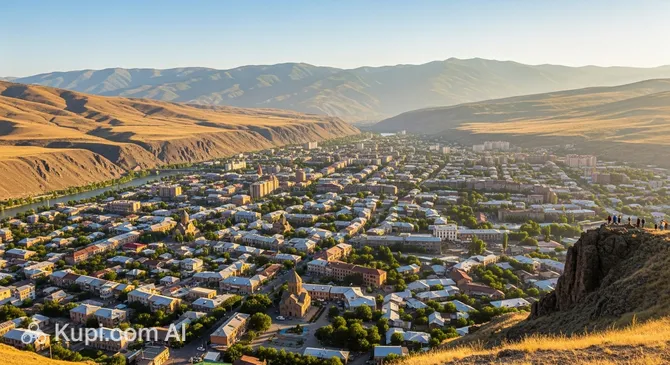
Kapan. Source: Kupi.Binoculars

Beyond its natural allure, the area holds significant heritage. Delving into the history of Kapan reveals a past that stretches back to the 5th century, with stories of ancient settlements and medieval development. Although much of the current architecture dates from the Soviet era, the spirit of the city is deeply connected to its historical roots and the resilience of its people.

Visitors are particularly drawn to the majestic Mount Khustup, which dominates the skyline and offers challenging trails for hikers and nature lovers. Just a short distance from the city center, you can discover the stunning Vahanavank Monastery, a medieval religious complex tucked away in the forest, providing a serene spot for reflection. Whether you are interested in trekking through pristine nature or experiencing local hospitality, Kapan invites you to discover a unique side of the Armenian highlands.

Weather Overview

The climate in Kapan is marked by distinct seasonal changes, offering travelers everything from snowy landscapes to sunny mountain trails. Winters are generally cold, with average temperatures in January dropping to around -2.5°C, while the summer months of July and August bring pleasant warmth with daily highs reaching approximately 24.6°C. For a more detailed forecast to help you plan your activities, checking the weather in Kapan is highly recommended.

Spring is typically the wettest time of the year, particularly in May, which sees rainfall on about 24 days of the month. In contrast, the summer season is drier and ideal for outdoor exploration, though occasional showers can still occur. Overall, visitors can expect warm summers perfect for hiking and cold winters that require warm layers.

Interesting Facts

Beyond the scenic mountain views and Soviet-era architecture, Kapan holds several fascinating secrets that reveal its deep historical roots and unique geography. Here are a few intriguing facts that make this southern city truly special:

  • The "Lock" of the Valley: The name "Kapan" is derived from an ancient Armenian word meaning "lock" or "narrow pass." This is a perfect geographic description, as the city is situated in a tight gorge where the converging mountain ranges seem to "lock" the valley, creating a natural fortress.

  • A Former Royal Capital: Although much of the current city was developed in the 20th century, Kapan has a regal past. In the late 10th century, it served as the capital of the Kingdom of Syunik, a powerful medieval state that played a crucial role in the region's history.

  • The Last Stronghold: Nearby lies the legendary Bagaberd Fortress, often associated with the city's heritage. It is historically significant for being the last major fortification of the Syunik Kingdom to fall to invaders in the 12th century, thanks to its massive double walls and strategic position atop a cliff.

  • A City of Bridges: Due to its linear layout stretching along the Voghji River and its tributaries, the city is connected by numerous bridges. This unique urban planning allows the residential areas to climb the steep mountain slopes, giving Kapan its distinctive multi-level appearance.

How to Get There

Reaching the city of Kapan involves traveling through the scenic landscapes of the Syunik Province. Whether you prefer a quick flight or an overland journey, planning your route is essential for a smooth trip. For a complete guide on all available transport options, you can read more about how to get to Kapan.

For those looking to fly, the most convenient local option is Kapan Airport (YUK). Located just 4.2 km from the city center, this regional airport serves as a direct link to the area. A taxi or shuttle from the airport typically takes a very short time to reach downtown Kapan. Although it is a small transport hub with an annual passenger traffic of approximately 4,800 people, it offers the quickest access to the city.

Alternatively, travelers might consider arriving via Tabriz Airport (TBZ), situated in the neighboring city of Tabriz in Iran. This is a large international airport handling about 1.8 million passengers annually. It is located approximately 120 km from Kapan. However, please note that this route involves crossing the international border between Iran and Armenia, so it is important to check visa requirements and border crossing regulations beforehand. The journey by road from Tabriz to Kapan generally takes about 3 hours and 20 minutes.

For clarity, here is a summary of the viable airports in the region:

Airport Name City Passenger Traffic Km from City
Tabriz Airport Tabriz Large 120.2
Kapan Airport Kapan Small 4.2

Regarding rail transport, Kapan does not have its own active railway station for passenger services. While there are railway networks in the broader region, there are no currently operational rail routes that provide direct access to the city for tourists. Consequently, most visitors choose to arrive by car, bus, or the regional flight from Yerevan.

Main Attractions

Kapan and its surroundings offer a compelling mix of medieval history and breathtaking natural landscapes. For travelers exploring the Syunik region, the city serves as a gateway to some of Armenia's most significant cultural monuments and scenic hiking destinations. From ancient religious sites hidden in the forests to imposing mountain peaks, here are the main attractions to visit.

One of the most treasured sites in the region is Vahanavank Monastery, located approximately 7 kilometers west of the city. Dating back to the 10th century, this medieval complex was once a spiritual center and the burial site for the kings and princes of Syunik. Built from reddish basalt stone, the monastery harmoniously blends with the surrounding forest, creating a picturesque and serene atmosphere. Visitors can explore the Church of St. Gregory the Illuminator and the narthex, admiring the intricate khachkars (cross-stones) and the architectural mastery of the era.

For history enthusiasts, Halidzor Fortress is a must-see destination situated on a hill overlooking the Voghji River valley. Originally built as a convent in the 17th century, it was later fortified and became the headquarters of the Armenian military commander David Bek during the struggle for independence in the 18th century. The fortress is renowned for its strategic location and strong defensive walls. exploring the ruins offers a glimpse into the region's turbulent past while providing sweeping panoramic views of the gorge below.

Nature lovers and hikers are drawn to the majestic Mount Khustup, the highest peak in the area, rising to 3,201 meters. The mountain is not only a natural symbol of Kapan but also a popular destination for trekking. The trail to the summit passes through alpine meadows and rocky terrain, rewarding climbers with spectacular vistas of the Zangezur mountain range. Even if you do not hike to the very top, the foothills offer excellent opportunities for photography and picnics amidst pristine nature.

Just a short drive from the city lies the Shikahogh State Reserve, Armenia's second-largest forest reserve. It is a paradise for eco-tourists, home to untouched oak and hornbeam forests, rare plant species, and diverse wildlife. The reserve offers several marked trails that allow visitors to immerse themselves in the lush greenery and tranquility of the southern Armenian highlands. It is an ideal spot for those looking to escape the urban environment and connect with the raw beauty of the Caucasus.

Local Cuisine

The local cuisine in Kapan is a delightful reflection of the broader Syunik region's traditions, characterized by hearty, flavor-packed dishes made from fresh, mountain-grown ingredients. The food here is often simple but incredibly rich in taste, relying heavily on organic vegetables, wild herbs gathered from the surrounding forests, and high-quality locally raised meat. Visitors will find that the culinary experience is deeply tied to the land, offering a genuine taste of the southern Armenian highlands.

One of the absolute must-try specialties in this region is Zhingyalov hats. While it is famous throughout the area, the version found in Syunik is particularly authentic. It is a flatbread stuffed with a mix of up to 20 different types of finely chopped wild herbs and greens, lightly seasoned with oil and salt. Another staple is Khorovats (Armenian barbecue), typically made with pork or lamb marinated to perfection and grilled over wood fires. For a comforting meal, look for traditional bean dishes like Lobahash, a nutritious soup or mash that has been a part of the local diet for centuries.

When it comes to drinks, the Syunik province is legendary for its Mulberry Vodka (Tuti oghi). This strong, fruit-based spirit is considered a symbol of hospitality and is often homemade by locals who take great pride in its quality. It is widely believed to have health benefits when consumed in moderation. For non-alcoholic options, you can enjoy refreshing Tan, a yogurt-based drink with cucumber and dill, or sip on aromatic teas brewed from wild mountain thyme and mint collected from the nearby slopes.

The food culture in Kapan is relaxed and welcoming, with many dining spots taking advantage of the city's scenic geography. You will find several restaurants and cafes situated along the banks of the Voghji River, allowing you to enjoy your meal with the soothing sound of flowing water and views of the mountains. Whether you choose a formal restaurant or a casual roadside eatery, the emphasis is always on generosity and freshness, ensuring that no guest leaves hungry.

Travel Tips

Visiting Kapan offers a unique glimpse into the rugged beauty of southern Armenia, but its distinct geography and local customs require a bit of preparation to fully enjoy. To help you navigate the city's mountain slopes and connect with its welcoming residents, here are some practical tips for your journey.

  1. Clothing and Gear: Since Kapan is surrounded by mountains, the weather can be unpredictable. Bring layers that you can easily add or remove, as evenings can get chilly even in summer. Sturdy, comfortable walking shoes are a must, not only for hiking Mount Khustup but also for navigating the city's steep, multi-level streets. If you plan to visit religious sites like Vahanavank Monastery, remember to dress modestly; women should bring a scarf to cover their heads, and men should avoid wearing shorts.

  2. Transportation: The city stretches along the river and climbs up the valley walls, making walking between neighborhoods tiring due to the elevation changes. Taxis are the most convenient and affordable way to get around; you can flag one down or ask your hotel to call a local service. While ride-hailing apps like GG or Yandex Go are popular in the capital, they may have limited availability here, so carrying cash for local drivers is wise. Renting a car is recommended only if you plan to explore the remote surrounding villages at your own pace.

  3. Finances: The local currency is the Armenian Dram (AMD). While larger supermarkets and hotels in Kapan accept credit cards, cash is king for small shops, local transport, and restaurants. There are several ATMs and bank branches in the city center where you can withdraw money or exchange currency. A daily budget is generally affordable; a hearty meal can cost between 3,000 and 5,000 AMD. Tipping around 10% in cafes and restaurants is customary and appreciated.

  4. Health and Safety: Kapan is a very safe city for tourists, with low crime rates. Pharmacies (often marked with a green cross or the word Deghatun) are widely available in the center, though few stay open 24/7, so stock up on essentials during the day. The tap water is generally safe and often comes from mountain springs, but if you have a sensitive stomach, stick to bottled water. As in any mountainous area, be cautious on winding roads.

  5. Communication: The main language is Armenian. Russian is also widely understood and spoken. English is less common than in Yerevan, especially among the older generation, so having a translation app is incredibly helpful. It is highly recommended to buy a local SIM card (operators like Viva-MTS, Team, or Ucom have offices in the city) for reliable navigation and communication. Learning a few words like Barev (Hello) and Shnorhakalutyun (Thank you) will go a long way with locals.

  6. Local Etiquette: Armenians are famous for their hospitality. If a local invites you for coffee or a meal, it is polite to accept; refusing without a good reason can be seen as rude. When entering a home, always ask if you should remove your shoes, as this is the standard practice. In public, greetings are warm, often involving a handshake and direct eye contact. Treat elders with distinct respect, giving up seats on transport and letting them speak first.

  7. What to Avoid: Avoid taking photographs of military installations, border checkpoints, or soldiers. Kapan is located near the country's border, and strict rules apply to photography in sensitive areas. Additionally, avoid blowing your nose loudly at the dinner table, as this is considered bad manners in local culture; it is better to excuse yourself and step away.

  8. Additional Tip: Keep an eye out for Pulpulaks—small stone water fountains scattered throughout the city. The water flowing from them is fresh, cold mountain spring water and is completely safe and free to drink. It is a unique Armenian tradition and a lifesaver during long walks in the summer heat.

By keeping these tips in mind, you will be well-equipped to experience the best of Kapan, from its dramatic landscapes to its heartwarming traditions. Embrace the slower pace of life in the mountains, enjoy the fresh air, and let the genuine hospitality of the Syunik region make your trip unforgettable.

Entertainment & Nightlife

While Kapan is not known for a raucous nightlife scene comparable to a capital city, it offers a distinctively atmospheric and relaxed evening experience. As the sun sets behind the dramatic Zangezur mountains, the city settles into a calmer rhythm, where entertainment revolves around social dining, leisurely walks, and enjoying the company of friends. The nightlife here is centered less on thumping nightclubs and more on cozy restaurants, hotel lounges, and riverside cafes where the sound of the Voghji River provides a soothing backdrop.

The heart of the evening activity is undoubtedly the city center, particularly the areas surrounding Garegin Nzhdeh Square and the parks along the riverbanks. In the warmer months, locals flock to these open spaces to enjoy the cool mountain air. The atmosphere is casual and welcoming; there is no strict dress code, though smart-casual attire is appreciated if you are dining at one of the nicer establishments. Visitors will find that the crowd is a mix of families, local youth, and tourists, all enjoying the safe and friendly environment.

For those looking for a place to enjoy a drink or a late meal with music, the city's major hotels often host the best venues. The Dian Hotel is a popular spot, featuring a restaurant and lounge area that often serves as a social hub for both travelers and locals. It is a great place to sample local wines or spirits in a modern setting. Another notable venue is the restaurant at the Grand House Hotel, which offers a comfortable atmosphere for an evening out. These venues occasionally host live music events or celebrations, bringing a bit more vibrancy to the quiet nights.

From a practical standpoint, Kapan is very affordable. An evening out will cost significantly less than in Yerevan or major European cities. Transport at night is best managed by taxi; since the city is spread out across different elevation levels, walking back to your accommodation might be strenuous. Taxis are readily available and inexpensive, but it is always a good idea to have cash on hand. The city is generally very safe for night walks, especially in the illuminated central districts, but standard travel precautions apply.

Before the sun goes down, Kapan offers several cultural entertainment options to fill your day. The Alexander Shirvanzade Drama Theater is a cultural cornerstone of the city, staging performances that highlight Armenian theatrical traditions. For those interested in the region's rich past, the Kapan Geological Museum provides fascinating insights into the mining history and natural diversity of the Syunik region. These daytime activities provide a perfect cultural prelude to a relaxing evening in this scenic mountain city.

Parks & Museums

Kapan is a city where urban life is deeply intertwined with the surrounding nature, offering a refreshing mix of green spaces and cultural institutions. While it may not have the extensive museum network of a capital city, its cultural venues provide deep insights into the region’s rich history and artistic spirit, while its parks offer serene spots to enjoy the fresh mountain air.

For those interested in the heritage of the Syunik region, the Kapan Geological Museum is a primary destination. Given the area's long history of mining and its unique geological structure, this museum offers a fascinating look at the natural resources that have shaped the city's development. Exhibits include diverse rock samples, minerals, and fossils found in the region, as well as displays dedicated to the local flora and fauna. It is an educational stop that helps visitors appreciate the rugged landscape they are exploring.

Art enthusiasts should not miss the Kapan Museum of Modern Art, a branch of the main museum in Yerevan. This venue highlights the creative pulse of the city, showcasing works by talented Armenian painters and sculptors. It serves as a cultural hub where temporary exhibitions and permanent collections display the evolution of national contemporary art. Visiting this gallery offers a quiet escape and a chance to see how the dramatic landscapes of southern Armenia inspire local artists.

When it comes to outdoor relaxation, the Voghji River Embankment acts as the city's natural promenade. Stretching along the river that cuts through the town, this area is lined with trees and benches, making it a favorite spot for locals to take evening strolls. The sound of the rushing water and the views of the multi-story buildings climbing the mountain slopes create a unique urban atmosphere that is distinctly Kapan.

Another significant green space is the area around Garegin Nzhdeh Square. As the central heart of the city, it features fountains and monuments dedicated to Armenian history. It is a lively gathering place where visitors can sit, relax, and observe the daily rhythm of local life against the backdrop of the imposing Mount Khustup. Nearby, you can find the monumental statue of Garegin Nzhdeh, a national hero and military commander revered for his role in defending the Syunik region.

For a truly authentic experience, take the time to walk up to the Garegin Nzhdeh Memorial complex located on a hill overlooking the city. While it requires a bit of a hike or a short taxi ride, the location offers one of the best panoramic views of Kapan and the valley. It is a peaceful place for reflection and photography, especially during the "golden hour" just before sunset.

Getting Around

The public transport system in Kapan is relatively simple and straightforward, designed primarily to serve the local population navigating the city's unique linear geography. Due to the city's layout stretching along the Voghji River valley, there is no metro, tram, or trolleybus network. Instead, the backbone of local transit consists of minibuses (known locally as marshrutkas) and small buses. These vehicles typically ply the main road that runs through the center of the valley, connecting the downtown area with the residential districts located further up the river or on the lower slopes.

For tourists, using public transport here is an authentic and incredibly affordable experience. The payment system is entirely cash-based; there are no electronic travel cards, mobile apps, or ticket machines for the buses. You simply pay the driver directly, usually upon exiting the vehicle. The fare is fixed and very low, typically costing 100 AMD for a ride within the city limits. It is highly recommended to carry small change (coins or 1,000 AMD notes), as drivers may not always have change for larger bills.

Navigating the system requires a bit of local know-how. While there are designated bus stops marked along the main avenue, locals often flag down marshrutkas by waving their hand if they are not at a strict stop. To get off, you should loudly inform the driver of your intended stop a few moments in advance. Operating hours are generally from early morning, around 7:30 AM, until approximately 8:00 PM or 9:00 PM. Be aware that service frequency drops significantly in the evenings and on weekends, so it is wise not to rely on buses late at night.

Given the mountainous terrain where residential blocks climb steep hillsides, walking to a bus stop can sometimes be a workout in itself. Consequently, taxis are an extremely popular and practical alternative. They are abundant and inexpensive, with most rides within the city costing between 500 and 1,000 AMD. While ride-hailing apps are gradually appearing in the region, traditional street taxis or calling a local dispatch service remain the most reliable methods. For visitors wanting to explore the surrounding nature or reach specific trailheads like Mount Khustup, hiring a taxi for the day is often the best option.

A unique historical feature of Kapan is its network of cable cars. During the Soviet era, the city developed an extensive system of ropeways to transport workers and residents from the valley floor to the high-altitude mining districts and hilltop neighborhoods. While most of these lines are now defunct, industrial, or not in operation for public tourist use, their rusting stations and lines are visible landmarks that speak to the city's industrial heritage and vertical urban planning.

Accommodation

Accommodation options in Kapan are reflective of the city's character: practical, welcoming, and deeply integrated into the local landscape. While you will not find sprawling luxury resorts or international hotel chains here, the city offers a decent selection of places to stay that cater to hikers, business travelers, and those exploring the Syunik region. The primary offerings include renovated mid-range hotels, smaller budget-friendly guesthouses, and bed-and-breakfasts run by local families, all providing a comfortable base for your adventures.

When choosing where to stay, location is a key factor due to Kapan's unique geography. The most convenient area is the city center, specifically along the banks of the Voghji River and near Garegin Nzhdeh Square. Staying in this low-lying central district places you within easy walking distance of supermarkets, pharmacies, and the main transport stops. Given that many residential neighborhoods climb steeply up the mountain slopes, booking accommodation in the downtown area saves you from strenuous uphill treks at the end of the day.

For travelers seeking modern amenities and a higher standard of comfort, the city has a few well-established hotels. The Dian Hotel is widely regarded as one of the premier options in town, featuring contemporary rooms, a swimming pool, and an on-site restaurant that offers great views of the surrounding ridges. Another reputable choice is the Grand House Hotel, which provides reliable service and comfortable lodging close to the heart of the city. These establishments are ideal for visitors who prefer a traditional hotel experience with 24-hour reception and diverse facilities.

For a more intimate experience, there are several guesthouses and "B&Bs" scattered throughout the city and its outskirts. These options are often more affordable and offer a chance to interact with local hosts, who are famous for their hospitality and can provide homemade breakfasts featuring fresh regional produce. This type of accommodation is particularly popular among backpackers and those planning to hike Mount Khustup.

Booking Tip: While Kapan is not a mass tourism hub, the supply of high-quality rooms is limited. It is highly advisable to book your accommodation in advance, especially if you plan to visit during the summer hiking season or around major Armenian holidays. While major hotels are listed on international booking platforms, some smaller guesthouses may require direct contact or payment in cash (Armenian Dram), so having local currency on hand is always a smart move.

In terms of pricing, Kapan is generally very affordable. Most stays fall into the budget to mid-range categories, with prices significantly lower than in the capital, Yerevan. Whether you choose a full-service hotel or a modest room in a guesthouse, you can expect excellent value for money, allowing you to spend more on exploring the stunning nature and cuisine of Southern Armenia.

Nearby Cities

For those looking to explore the surroundings, Kapan serves as an excellent base for day trips to several interesting nearby locations:

One of the most captivating destinations within reach is Goris, located north of the city. This town is renowned for its unique urban architecture, featuring stone houses with red-tiled roofs and arched windows, set against a backdrop of surreal "stone pyramids" and ancient cave dwellings carved into the soft rock. Walking through Old Goris offers a journey back in time, allowing visitors to see how locals historically adapted to the rugged volcanic terrain.

Traveling south towards the Iranian border brings you to Meghri, often referred to as the warmest town in Armenia. Due to its lower elevation and dry subtropical climate, Meghri is famous for its lush orchards, producing delicious pomegranates, figs, and persimmons that are difficult to find elsewhere in the country. The town has a distinct charm with its narrow streets, fortress ruins, and ancient churches featuring unique frescoes, offering a stark contrast to the alpine environment of the highlands.

Another essential stop is the historic Tatev region. While famous for its majestic monastery perched on a cliff edge, the journey itself is part of the adventure. Visitors can ride the "Wings of Tatev," the world's longest reversible aerial tramway, which soars over the Vorotan River Gorge. The area combines significant spiritual history with breathtaking natural beauty, making it a perfect spot for photography and exploration.

City Population Distance (km)
Yerevan 1075800 195
Hrazdan 52808 203
Abovyan 44400 192
Charentsavan 25039 201
Sevan 23200 193

These nearby destinations offer a glimpse into the diverse culture and landscapes of the region.

Shopping & Souvenirs

Shopping in Kapan is primarily a functional and local experience rather than a high-end retail therapy destination. Unlike the capital city with its sprawling luxury avenues, the shopping scene here is modest, authentic, and centered around the daily needs of its residents. Visitors will not find international designer boutiques, but they will discover a charming array of small shops, local grocery stores, and markets that offer a glimpse into the everyday life of the Syunik region.

The main commercial activity is concentrated in the city center, particularly along the streets radiating from Garegin Nzhdeh Square and running parallel to the Voghji River. This downtown area is walkable and lined with various small businesses, including clothing boutiques, pharmacies, electronics shops, and bookstores. A stroll down these avenues allows tourists to browse for essentials while enjoying the lively atmosphere of the town's social hub.

For a more modern shopping experience, the city is home to Kapan Mall. As the largest shopping center in the region, it serves as a major gathering place for locals. Inside, you can find a selection of clothing stores, a supermarket, a food court, and entertainment facilities. It is the go-to spot for travelers who need to purchase travel gear, electronics, or simply want to enjoy a familiar retail environment in a modern setting.

The true highlight of shopping in Kapan, however, lies in its markets. The local food market (often referred to as the Shuka) is a vibrant place where farmers from nearby villages sell their fresh produce. Here, the air is filled with the aroma of fresh herbs, seasonal fruits, and homemade cheeses. It is the perfect place to interact with friendly vendors and taste the rich flavors of the southern highlands, from sun-ripened peaches to organic walnuts.

When it comes to souvenirs, the best items to bring back from Kapan are edible treats that reflect the region's culinary heritage. The Syunik province is famous for its wild herbs, so look for dried mountain thyme or mint for tea. Another popular local product is honey, produced in the ecologically clean alpine meadows. For those who enjoy spirits, a bottle of homemade or artisanal Mulberry Vodka (Tuti oghi) is the ultimate signature gift from this area. Additionally, you might find traditional dried fruits and sujukh (walnuts threaded and dipped in grape molasses) at the market.

Store opening hours in Kapan are generally from 10:00 AM to 7:00 PM or 8:00 PM. Large supermarkets and the mall may stay open later, often until 10:00 PM or even midnight. While modern establishments and supermarkets accept credit cards (Visa and Mastercard), cash is essential for shopping at the market, small kiosks, and souvenir stalls. ATMs are widely available in the city center for withdrawing Armenian Drams.

Regarding tax refunds, Armenia does have a Tax-Free system for foreign tourists, allowing for a VAT refund on purchases made in participating stores (usually identified by a "Tax Free" signage). However, this is mostly found in major international brand stores in Yerevan. In Kapan, finding shops that participate in the Tax-Free scheme is rare, so it is best not to rely on this benefit for local purchases.

Reached the end of the page?

That means the route is fully explored