Support

Ganja

About

As the second-largest city in Azerbaijan, Ganja serves as a vibrant cultural and industrial hub in the western part of the country. Known for its rich literary heritage and red-brick architecture, the city offers a unique blend of ancient tradition and modern vitality. It sits at the northeastern foot of the Lesser Caucasus mountains, providing a scenic backdrop to its bustling streets and leafy avenues.

With a population of approximately 335,600 residents, Ganja is a significant urban center that maintains a welcoming and hospitable atmosphere. The climate here is generally semi-arid, featuring hot summers and mild winters, making it a pleasant destination for exploration throughout much of the year. The city's location has historically made it an important stop for traders and travelers alike.
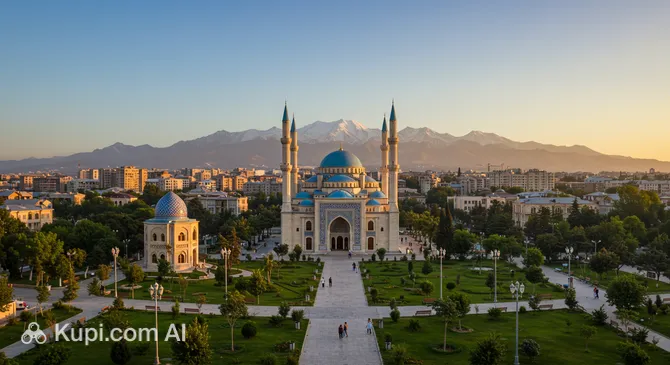
Ganja. Source: Kupi.Binoculars

The history of Ganja is deeply intertwined with the legacy of the great 12th-century poet Nizami Ganjavi, who was born here. His influence is celebrated throughout the city, most notably at the majestic Nizami Mausoleum, a monumental structure that attracts visitors from around the world. Another testament to the city's past is the Imamzadeh Mausoleum, a beautiful architectural complex characterized by its intricate blue tile work and spiritual significance.

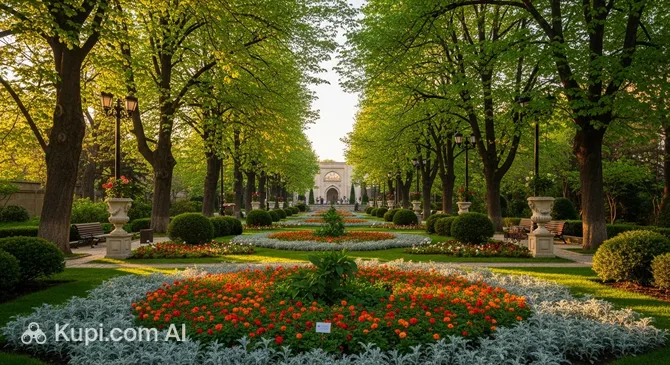
For those looking for unique local landmarks, the Bottle House is a must-see curiosity; this private residence is decorated with thousands of glass bottles and colorful stones, creating a whimsical mosaic. Nature lovers and those seeking relaxation often head to Khan's Garden, one of the oldest parks in the Caucasus, offering a serene escape with its ancient trees and diverse flora.

Whether you are interested in exploring centuries-old architecture, walking in the footsteps of legendary poets, or simply enjoying the local cuisine in a friendly setting, Ganja invites you to discover its many treasures. It is a destination that perfectly complements a journey through the diverse landscapes of the region.
Weather Overview

The climate in Ganja varies significantly throughout the year, offering distinct experiences depending on the season. Summers are typically warm to hot, with July being the warmest month, featuring an average temperature of 24.7°C and daily highs often approaching 30°C. In contrast, the winter months are much cooler; January sees the lowest temperatures, averaging around 2.4°C, with overnight lows occasionally dropping below freezing.

While the city is generally dry, spring brings a notable increase in rainy days. May is particularly active, recording up to 20 wet days, although the total precipitation volume remains moderate. Expect warm summers with occasional rain and cold, dry winters. For a more comprehensive breakdown of seasonal trends and forecasts, you can consult the detailed guide to the weather in Ganja.

Interesting Facts

Beyond the main attractions and busy avenues, Ganja holds many fascinating secrets and historical footnotes that add depth to its character. Here are a few unique details about the city that often surprise visitors.

Khan's Garden. Source: Kupi.Binoculars
  • The City of Treasure: The name "Ganja" is widely believed to derive from the Persian word "Ganj," which translates to "treasure." According to local legend, the city was founded on the exact spot where a traveler discovered a massive pot filled with gold and precious stones.

  • A Garden with Royal Roots: The central Khan's Garden is not merely a public park; it was originally the private estate of Javad Khan, the last ruler of the Ganja Khanate. It is one of the oldest parks in the entire Caucasus region and still shelters trees that are centuries old.

  • Nature Born from Disaster: The stunning Lake Goygol, a popular day trip from the city, was created by a catastrophic event. A massive earthquake in 1139 caused the peak of Mount Kapaz to collapse, blocking the Agsu River and forming the crystal-clear mountain lake that exists today.

  • A Temporary Capital: For a brief but pivotal period in 1918, Ganja served as the temporary capital of the Azerbaijan Democratic Republic. It hosted the government for several months before the administration moved to Baku, marking a significant chapter in the nation's history.

How to Get There

Reaching Ganja is relatively straightforward, with several transport options available depending on your starting point. For a complete guide on planning your journey, you can read more about how to get to Ganja and choose the route that best suits your itinerary.

The most convenient entry point is Ganja Airport (GNJ), which is located directly in the city, just 7.2 km from the center. It is a regional hub that connects the city with various destinations. A trip from the airport to the downtown area by taxi or bus is quick, typically taking around 31 minutes.

For more extensive international connections, many travelers opt for Tbilisi International Airport (TBS) in Tbilisi, Georgia. Although it is situated about 161 km away, it is a major airport with high passenger traffic, offering a wider range of flights. The journey by road from Tbilisi to Ganja usually takes several hours, accounting for travel and border crossing procedures. Another alternative is Gabala International Airport (GBB) in Gabala, located roughly 114 km from Ganja. The drive from Gabala takes about 3 hours.

For clarity, here is a summary of the main airports in the region:

Airport Name City Passenger Traffic Km from City
Tbilisi International Airport Tbilisi Large 161.4
Ganja Airport Ganja Medium 7.2
Fuzuli International Airport Fuzuli Medium 140.2
Gabala International Airport Gabala Small 114.2

If you prefer traveling by rail or are coming from nearby regions, there are several stations in the vicinity that serve as transit points. The Akstafa Railway Station is located in the city of Aghstafa, approximately 92 km from Ganja. From there, you can take a taxi or bus to reach Ganja. Another option is the station in Sheki, situated about 89 km away, offering an alternative route through the scenic landscapes of the region.

Here is a list of the nearest railway stations for your reference:

Station City Passenger Traffic Km to Center
Akstafa Railway Station Aghstafa Medium 91.9
Sheki Shaki Small 88.9
Agdash Railway Station Agdash Small 93.2
Goychay Railway Station Goychay Small 115.8
Agjabedi Station Aghjabadi Small 116.4

Main Attractions

Ganja is a city where history and culture are woven into the very streets and buildings. From ancient religious sites to quirky modern landmarks, the city offers a diverse range of sights that reflect its rich heritage and artistic spirit. Here are some of the most fascinating places to visit during your stay.

One of the city's most beloved green spaces is Khan's Garden. Located in the heart of Ganja, this historic park is a perfect spot for a leisurely stroll. It was once the private garden of the last ruler of the Ganja Khanate, Javad Khan, and today it welcomes visitors with its shaded pathways, decorative fountains, and centuries-old trees. It serves as a peaceful retreat from the urban bustle and a living reminder of the city's aristocratic past.

Khan's Garden. Source: Kupi.Binoculars

A tribute to one of the world's greatest literary figures, the Nizami Mausoleum is a monumental structure dedicated to the 12th-century poet Nizami Ganjavi. Standing at the entrance to the city, the tall, cylindrical monument is surrounded by manicured gardens and statues depicting scenes from his epic poems. It is a place of pilgrimage for literature lovers and a symbol of the city's deep intellectual roots.

For something truly unique, the Bottle House is an architectural curiosity that stands out in the residential streets. This private home was constructed using nearly 50,000 glass bottles of various shapes and sizes, creating a shimmering, mosaic-like façade. Built by a local resident to commemorate a family member missing after World War II, it has become one of Ganja's most photographed and heartwarming landmarks.

The Imamzadeh Mausoleum, also known as the Blue Imamzadeh, is a stunning example of medieval architecture and a significant spiritual site. The complex is famous for its exquisite blue-tiled dome and intricate brickwork featuring peacock and floral motifs. The site includes a mosque, a caravanserai, and burial vaults, offering visitors a glimpse into the region's religious history and architectural mastery.

Another architectural gem is the Shah Abbas Mosque, often referred to as the Juma Mosque. Built in the early 17th century, this red-brick mosque was designed by the renowned architect Sheikh Bahauddin. Its distinct construction uses egg whites and lime in the mortar, a traditional technique believed to strengthen the structure. The mosque's twin minarets and spacious prayer hall make it a central piece of Ganja's historical landscape.

Local Cuisine

The culinary scene in Ganja is a source of immense local pride, offering flavors and preparations that are distinct from other regions of Azerbaijan. While the city shares the national love for rich meats and fresh herbs, it is famous for specific variations of traditional dishes that food enthusiasts must try. The local gastronomy is characterized by its reliance on fresh, seasonal produce and a deep respect for centuries-old recipes.

A true signature dish of the city is Ganja Dovga. While this yoghurt-based soup is popular across the country, the Ganja version is unique for its specific blend of herbs, often including wild fennel and mint, and unlike the Baku style, it is typically prepared without chickpeas or meatballs. It is smooth, refreshing, and can be served either warm or cold. Another culinary icon is Ganja Baklava. This sweet pastry differs significantly from its counterparts; it is traditionally baked in copper trays over charcoal, and the walnuts used in the filling are completely peeled, giving the dessert a distinctively light color and delicate taste. It is often infused with saffron and rose water, making it an aromatic treat.

For a main course, meat lovers will appreciate the variety of kebabs grilled to perfection over open fires. These are almost always accompanied by fresh tandir bread, baked in traditional clay ovens, and a side of tart pomegranate sauce (narsharab) or sumac to cut through the richness. Plov (pilaf) also holds a special place here, often served as the centerpiece of festive gatherings, featuring aromatic rice, dried fruits, and tender lamb.

The culture of drinking tea is central to social life in Ganja. Locals spend hours in chaykhanas (tea houses), sipping hot black tea from pear-shaped armudu glasses. This ritual is often accompanied by lemon, sugar cubes, or fruit preserves. Tea houses are not just places to drink but social hubs where community news is exchanged. You can experience this authentic atmosphere in many spots around the city, including the historic grounds of Khan's Garden, where visitors can enjoy a pot of tea surrounded by ancient trees.

In terms of beverages, Ganja is also situated in a region with a long history of viticulture. The nearby vineyards produce distinct local wines that are gaining recognition. For a non-alcoholic alternative, locally made sherbets—sweet, chilled drinks infused with fruit juices like basil, mint, or pomegranate—are perfect for cooling down during the warm summer months.

Travel Tips

Visiting Ganja is a delightful experience that immerses you in the true spirit of Azerbaijani hospitality, but a little preparation goes a long way in making your trip smooth and enjoyable. To help you navigate the local customs and logistics with ease, here are some practical tips designed specifically for travelers exploring this historic city.

  1. Clothing and Gear: The climate in Ganja dictates your wardrobe; summers are hot and dry, so lightweight, breathable fabrics are essential, while winters can be chilly, requiring warm layers and a sturdy jacket. Since you will likely be walking through parks like Khan's Garden or exploring cobblestone streets, comfortable walking shoes are a must. If you plan to visit religious sites such as the Imamzadeh Mausoleum, remember to dress modestly: men should wear long trousers, and women are expected to cover their heads with a scarf and wear clothes that cover their arms and legs.
  2. Transportation: Ganja does not have a metro system, so the primary modes of public transport are buses and marshrutkas (minibuses). These are very affordable but can be crowded and often lack clear English signage, so having your destination written in Azerbaijani helps. Taxis are abundant and a convenient way to get around; ride-hailing apps like Bolt are operational and recommended as they provide fixed prices, sparing you the need to negotiate fares with street taxis.
  3. Finances: The local currency is the Azerbaijani Manat (AZN). While credit cards are accepted in major hotels, supermarkets, and upscale restaurants, Ganja is still very much a cash-based society. You will definitely need cash for small shops, bazaars, public transport, and tea houses. ATMs are widely available throughout the city, and it is wise to carry smaller denominations for easier transactions. Tipping is appreciated; leaving 5-10% in restaurants is a standard gesture of gratitude.
  4. Health and Safety: Ganja is a safe city for tourists, with low crime rates, but standard precautions like watching your belongings in crowded areas apply. Pharmacies, marked as "Aptek", are easy to find, and many are open late or 24/7. In case of any emergency, you can dial 112 for general assistance. Tap water is generally not recommended for drinking; stick to bottled water, which is cheap and readily available everywhere.
  5. Communication: The official language is Azerbaijani. While younger people in the city center may speak some English, it is not as widely spoken as in the capital. Russian is frequently understood, especially by the older generation. It is highly useful to learn a few basic local phrases like "Salam" (Hello) and "Sagol" (Thank you). For internet access, purchasing a local SIM card (Azercell, Bakcell, or Nar) at an official store in the city center is the best option for reliable data.
  6. Local Etiquette: Azerbaijanis are known for their hospitality and respect for tradition. When greeting someone, a handshake is common among men, while a polite nod is appropriate for women unless they offer their hand first. If you are invited to a local home, it is customary to take off your shoes at the entrance. Respect for elders is paramount; always give up your seat on public transport to older passengers.
  7. What to Avoid: Try not to refuse an offer of tea if possible. Tea drinking is a central part of social interaction in Ganja, and declining a cup can sometimes be perceived as impolite or cold. Also, avoid public displays of affection, as the local culture is somewhat conservative regarding such behaviors in public spaces.
  8. Market Life Hack: When visiting the local bazaars to buy fresh fruits or the famous Ganja sweets, do not be afraid to engage with the vendors. They often encourage you to taste their products before buying. It is not just a transaction but a social experience; a friendly attitude and a smile can often lead to the best produce and sometimes even a better price.

By keeping these practical points in mind, you will be well-equipped to enjoy everything Ganja has to offer, from its ancient architecture to its vibrant tea culture. Embrace the local pace of life, and you will find that the city's greatest charm lies in the warmth and friendliness of its people.

Entertainment & Nightlife

While Ganja may not rival the frenetic energy of the capital, its nightlife scene has a distinct, welcoming charm that blends traditional Azerbaijani culture with modern entertainment. The city comes alive in the evenings, shifting from a busy industrial hub to a relaxed urban center where locals gather to socialize, listen to music, and enjoy the cool night air. The atmosphere is generally laid-back, focusing more on long conversations over tea or dinner with live music rather than wild all-night partying, although a few livelier spots have emerged in recent years.

The heart of the evening activity beats strongest around the central pedestrian zones. Javad Khan Street is a favorite destination for an evening promenade, lined with shops, cafes, and historic buildings that look particularly enchanting under the streetlights. For a more serene experience, the expansive Khan's Garden remains open late, offering a safe and beautifully lit environment for night walks among ancient trees and fountains. It is common to see families and groups of friends strolling here well into the evening.

Khan's Garden. Source: Kupi.Binoculars

For those seeking a more vibrant nightlife experience with music and drinks, the city offers several popular venues. Era Pub is a well-known spot among locals and expats alike, often featuring live music performances that range from traditional melodies to pop covers. It offers a cozy environment to enjoy local wines and beers. If you are looking for a place to dance or experience a more energetic club atmosphere, REX Club is one of the premier destinations in the city, hosting DJs and themed parties that attract a younger crowd. Karaoke is also a popular pastime here, with venues like Park Karaoke providing private rooms for groups to sing the night away.

Beyond bars and clubs, Ganja boasts a rich cultural scene that provides excellent evening entertainment. The Ganja State Philharmonic Hall is an architectural gem that regularly hosts classical music concerts and folk performances, offering a sophisticated night out. Theater enthusiasts should check the schedule at the Ganja State Drama Theater, which stages productions ranging from classic Azerbaijani plays to modern dramas. For a more casual outing, the Ganja Mall houses a modern cinema complex showing the latest international and local films.

When planning your night out, keep in mind that the pace of life here is unhurried. Venues typically get busy around 8:00 PM or 9:00 PM. The dress code is generally smart-casual; while you don't need formal wear, looking neat is appreciated, especially in clubs and upscale restaurants. In terms of safety, Ganja is very secure for night walks, particularly in the city center and well-lit parks. Public transport stops running relatively early, so for late-night travel, it is best to use taxi apps like Bolt or hail an official taxi, which are both plentiful and affordable.

Parks & Museums

Ganja is a city that breathes through its extensive greenery and preserves its rich legacy in well-curated cultural institutions. For tourists, the city offers a harmonious balance between relaxing strolls in centuries-old gardens and educational visits to museums that chronicle the region's deep historical and literary roots.

The crown jewel of the city's green spaces is undoubtedly Khan's Garden. Located in the city center, this historic park is a living monument to the Ganja Khanate. It is not just a place for leisure but a botanical treasure trove featuring diverse flora, including Eldar pines and ancient plane trees. Visitors are drawn here for its tranquil atmosphere, decorative fountains, and the palpable sense of history that permeates its shaded avenues.

In stark contrast to the intimate historical setting of Khan's Garden is the expansive Heydar Aliyev Park Complex. As one of the largest parks in the Caucasus, spanning roughly 450 hectares, it represents the modern face of Ganja. The park is famous for its monumental Arc de Triomphe replica, an open-air amphitheater, and a large artificial lake. It is a favorite spot for locals to cycle, jog, or enjoy family picnics, offering a vast, airy landscape that feels distinct from the dense city center.

For those interested in the region's past, the Ganja State History-Ethnography Museum is an essential stop. Housed in a building that is an architectural landmark in itself, the museum boasts a collection of over 30,000 exhibits. The displays range from Bronze Age archaeological finds and medieval weaponry to traditional Azerbaijani carpets and household items, providing a comprehensive overview of how life in Ganja has evolved over millennia.

Given Ganja's status as the birthplace of the great poet Nizami, the Nizami Ganjavi Museum holds a special place in the city's cultural landscape. Located near his mausoleum, the museum is dedicated to his life and works. It houses rare manuscripts, illustrations of his epic poems, and scholarly research that highlights his impact on Eastern literature. It is a deeply inspiring venue for anyone interested in poetry and philosophy.

Another significant cultural venue is the Mahsati Ganjavi Center, dedicated to the renowned 12th-century female poet. The center serves as both a museum and a cultural hub, featuring exhibitions on her literary contributions as well as displays of traditional chess sets and musical instruments. It offers a fascinating insight into the role of women in the region's medieval intellectual history.

For a truly authentic experience, take a moment to explore the smaller alleys around the central museums. You might stumble upon local art galleries or small craft workshops where artisans still practice traditional methods of copper work and carpet weaving, keeping the city's artistic soul alive.

Getting Around

Navigating Ganja is relatively simple and stress-free, as the city's public transport network is straightforward compared to larger metropolises. The system relies entirely on road-based transport, specifically buses and minibuses (locally known as marshrutkas). There is no metro, tram, or trolleybus system in the city. The network is extensive enough to cover all major neighborhoods, the airport, and key tourist attractions such as the Nizami Mausoleum and the railway station.

The most common way to get around is by marshrutka. These small vans zip through the city streets and can stop almost anywhere along their designated route if you signal the driver. Large modern buses also operate on major lines, providing a more spacious and air-conditioned alternative. Destination signs are typically displayed in the front window, usually in Azerbaijani, so it is helpful to know the name of your destination or landmark before boarding.

Payment for public transport in Ganja is predominantly cash-based. Unlike the capital, where smart cards are ubiquitous, here you will generally pay the driver directly. The fare is very affordable, typically costing around 0.30 to 0.40 AZN per ride. It is essential to carry small change—coins (qəpik) or small banknotes—as drivers may not always have change for large bills. You usually pay upon exiting the vehicle in marshrutkas, while in larger buses, payment might be collected upon entry.

Public transport generally operates from early morning, around 6:00 AM, until approximately 9:00 PM or 10:00 PM. Service frequency is high during the day, but intervals can increase significantly in the late evening. If you are planning to stay out late, be prepared to use alternative transport, as bus services may cease earlier than expected on weekends or holidays.

For a more comfortable and flexible alternative, taxis are extremely popular and inexpensive. Ride-hailing apps like Bolt operate in Ganja, allowing you to book a ride with a fixed price and track your journey, which eliminates the language barrier. If you hail a traditional taxi on the street, be sure to agree on the fare with the driver before getting in, as most do not use meters. Given the compact nature of the city center, many distances are also easily walkable, allowing you to enjoy the architecture and parks at your own pace.

Accommodation

Finding the right place to stay in Ganja is relatively easy, as the city offers a hospitality landscape that caters to a variety of preferences and budgets. The accommodation options range from modern, high-standard hotels that meet international expectations to charming, family-run guesthouses that provide a more intimate look into local life. For budget-conscious travelers, there are several hostels and an increasing number of private apartment rentals, which are perfect for longer stays or those who prefer self-catering facilities.

The most convenient area for tourists is undoubtedly the city center. Staying near the main squares or within walking distance of the central pedestrian zones places you right in the heart of the action. Locations near Khan's Garden are particularly popular, as they offer easy access to major historical landmarks, museums, and a wide selection of restaurants and tea houses. This central location allows visitors to explore most of the city's key attractions on foot, soaking in the atmosphere without the need for constant transport.

In terms of pricing, accommodation in Ganja is generally more affordable than in the capital, Baku. You can find comfortable mid-range hotels and guesthouses at very reasonable rates, while luxury options remain accessible compared to European standards. While many of the larger hotels and established guesthouses can be booked through major online travel platforms, some smaller local establishments may still operate primarily through direct contact or cash payments. It is always a good idea to book your room in advance, especially if you plan to visit during the warm summer months or around major national holidays when the city sees an influx of domestic tourists.

Nearby Cities

For those looking to explore the surroundings, Ganja serves as an excellent base for day trips to several interesting nearby locations. The region is rich in history and natural beauty, offering diverse experiences just a short drive away from the city center.

One of the most culturally significant destinations is Shaki. Although it requires a slightly longer drive, the journey is well worth it to see the magnificent Palace of Shaki Khans, a UNESCO World Heritage site known for its exquisite stained glass and miniature paintings. The city is also famous for its historic caravanserais and the delicious local sweet, Shaki halva.

Closer to Ganja lies Mingachevir, often referred to as the "City of Lights." Situated on the banks of the Kura River, it is home to a massive reservoir that resembles an inland sea. Visitors can enjoy a peaceful walk along the riverside boulevard or take a boat trip to appreciate the calm waters and the city's modern energy.

For a unique blend of cultures, Shamkir offers a fascinating glimpse into the region's past. Formerly known as the German settlement of Annenfeld, the town retains traces of its German heritage in its architecture and layout. Today, it is known for its well-maintained parks and modern recreational facilities, making it a pleasant spot for a relaxing afternoon.

City Population Distance (km)
Mingachevir 106100 58
Shaki 68360 87
Yevlakh 59036 66
Shamkir 40600 34
Barda 38500 74

These nearby destinations offer a glimpse into the diverse culture and landscapes of the region.

Shopping & Souvenirs

Shopping in Ganja offers a delightful mix of modern convenience and traditional charm, reflecting the city's dual character. While it may not have the overwhelming variety of a capital metropolis, the city provides a satisfying retail experience where visitors can find everything from high-end international brands to authentic local handicrafts. The shopping scene here is less about rushing through crowded department stores and more about discovering unique items while enjoying the laid-back local atmosphere.

For a pleasant walking and shopping experience, Javad Khan Street is the place to be. As the city's main pedestrian artery, it is lined with a variety of small boutiques, souvenir shops, and clothing stores housed in beautifully restored historic buildings. Strolling down this street allows you to browse for fashion, accessories, and gifts while soaking in the architectural beauty of the city center. It is a vibrant hub where locals gather, making it perfect for window shopping and people-watching.

If you prefer a contemporary shopping environment, Ganja Mall is the city's premier destination. Located centrally, this modern complex houses a wide range of international and Turkish fashion retailers, electronics stores, and a well-stocked supermarket. It serves as a one-stop-shop for travelers needing travel essentials or clothing. The mall also features a food court and a cinema, making it a popular social spot for the city's youth and families.

To truly understand the local culture, a visit to the Ganja Bazaar (Central Market) is essential. This bustling marketplace is a sensory explosion of colors and scents, offering the freshest seasonal produce, aromatic spices, and dried fruits. It is the best place to buy local delicacies such as pomegranate sauce (narsharab) and various types of nuts. The market is not just a place to buy food; it is a lively social environment where bargaining is expected and friendly banter with vendors is part of the experience.

When it comes to souvenirs, Ganja has several distinct specialties worth taking home. The city is famous for its confectionery, particularly the Ganja Baklava, which is lighter and often infused with saffron, distinct from the Baku variety. Carpet weaving is another deep-rooted tradition, and you can find beautiful Ganja rugs characterized by their geometric patterns and rich colors. Additionally, local wines from the nearby vineyards and traditional copperware make for excellent, authentic gifts.

Standard store opening hours in Ganja are typically from 10:00 AM to 8:00 PM, though Ganja Mall usually stays open until 10:00 PM. The bazaars start much earlier, often opening around 7:00 AM and winding down by late afternoon. regarding payment, major supermarkets, malls, and hotels accept credit cards (Visa and Mastercard), but cash is essential for small shops, souvenir stalls, and especially the markets. ATMs are widely available throughout the city for withdrawing the local currency, the Manat.

Tourists visiting Azerbaijan can benefit from the Tax-Free system, which allows for a refund of the Value Added Tax (VAT) on eligible purchases. Look for the "Tax Free" signage in the windows of participating stores, which are mostly found within the larger shopping malls or branded boutiques. To claim the refund, you must make a purchase above a certain threshold and present your passport to fill out the necessary forms, which can then be processed at the airport upon departure.

Reached the end of the page?

That means the route is fully explored