Support

Igdir

About

Welcome to Igdir, a captivating destination located in the easternmost part of Turkey. Distinct from the rugged and often snowy highlands typical of Eastern Anatolia, this city sits in a fertile plain and enjoys a unique microclimate. This surprisingly mild weather allows for the cultivation of cotton and various fruits, earning the region the nickname "The Cukurova of the East." With a population of approximately 137,000, it serves as a lively hub where diverse cultures and stunning natural landscapes meet.

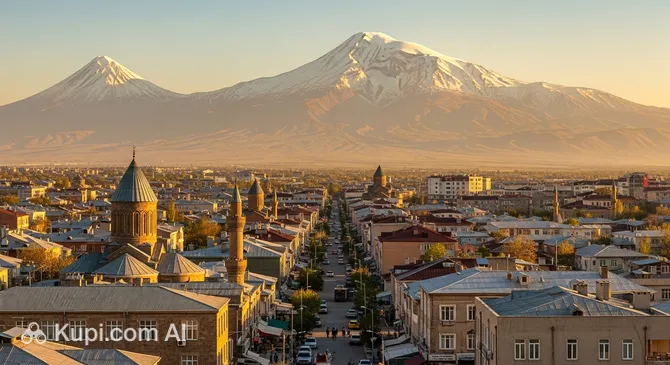
Igdir. Source: Kupi.Binoculars

The city's most striking feature is undoubtedly the legendary Mount Ararat (Ağrı Dağı), which dominates the skyline and offers breathtaking views from almost every corner of the province. For centuries, this strategic location has been a crossroads of civilizations. Travelers interested in the region's heritage can delve into the fascinating history of Igdir, which reveals a tapestry of influences from the ancient Silk Road era to the present day.

Beyond the majestic mountain vistas, Igdir offers several unique attractions for adventurous tourists. The Tuzluca Salt Caves are a must-visit, featuring impressive subterranean tunnels and air believed to be therapeutic for respiratory health. Additionally, historical sites like the Harmandali Caravanserai provide a glimpse into the area's past importance as a trade center. Whether you are a mountaineer aiming for the summit of Ararat or a traveler seeking the warmth of Eastern hospitality, Igdir awaits with its distinct charm and scenic beauty.

Weather Overview

Igdir experiences a climate defined by distinct seasonal changes, offering warm summers and cold winters. The hottest months are typically July and August, where average temperatures hover around 24°C to 25°C, with daily highs frequently reaching 31°C. Conversely, the winter season brings a chill to the air, particularly in January, when the average temperature drops to -1.7°C and nights can be significantly colder, dipping to around -7°C.

Rainfall patterns in the city are quite unique; while the total precipitation volume remains relatively low year-round, the frequency of wet days increases noticeably in the spring. May is typically the most active month for showers, featuring about 20 wet days, compared to the drier autumn months like September. To help plan your activities and packing list, it is helpful to review the current weather in Igdir before your departure.

Interesting Facts

Beyond the commanding views of Mount Ararat, Igdir holds several geographic and cultural distinctions that often surprise visitors. This city is defined by its strategic location and unique natural phenomena that set it apart from the rest of the region.

  • A Meeting Point of Nations: Igdir is the only province in Turkey that shares borders with three different countries: Armenia, Azerbaijan (via the Nakhchivan Autonomous Republic), and Iran, making it a significant cultural and transit crossroads.

  • The First Sunrise: Due to its location at the extreme eastern tip of the country, the city has the privilege of being the very first place in Turkey to greet the morning sun each day.

  • Valley of Storks: The region is a crucial path for migratory birds, and the local village of Kazanci is often called "Stork Valley" because of the incredible density of stork nests perched on rooftops and utility poles.

  • Ancient Name: The city derives its name from "Igdir Bey," the eldest son of Cengiz Alp, belonging to one of the 24 branches of the Oghuz Turks, signifying a deep historical heritage that traces back centuries.

How to Get There

Reaching this eastern Turkish city is an adventure in itself, offering a journey through some of the country's most scenic landscapes. Whether you are planning to fly or travel overland, there are several options to consider. For a comprehensive guide on all available routes and transport methods, you can read more about how to get to Igdir to help plan your itinerary.

The most convenient way to arrive is by air, directly serving the city. The Igdir airport (IATA: IGD) is located just outside the city center. It is a regional hub that connects the area with major Turkish cities like Istanbul and Ankara. Since the airport is situated only about 15 km from the city, the transfer is quick and easy; a taxi or shuttle bus ride typically takes around 20 to 30 minutes. This proximity makes it the preferred choice for most travelers visiting the region.

Alternatively, travelers often use Kars Airport (IATA: KSY) in the neighboring city of Kars. Although it is located approximately 106 km from Igdir, Kars is a significant destination in its own right and offers additional flight schedules. The journey from Kars to Igdir by road is scenic and takes about 1.5 to 2 hours by taxi or bus. Another viable option is Agri Airport (IATA: AJI), situated roughly 92 km away, providing further flexibility for flight planning.

For clarity, here is a summary of the main airports in the region that are practical for travelers:

Airport Name City Passenger Traffic Km from City
Igdir Igdir Medium 15.3
Agri Airport Agri Medium 92.0
Kars Airport Kars Medium 106.4

Regarding rail travel, Igdir does not currently have a railway station, and the rail network in this specific part of Eastern Anatolia is limited. While there are railway lines in neighboring provinces, they do not offer a direct or convenient link to the city for short-term visitors. Consequently, most tourists find that combining domestic flights with bus or car rentals is the most efficient and comfortable way to explore the area.

Main Attractions

Igdir offers a fascinating blend of natural wonders and historical sites, making it a unique stop for travelers exploring Eastern Turkey. While the majestic silhouette of Mount Ararat serves as a constant backdrop, the city and its surroundings are home to several specific landmarks that are well worth a visit. From geological marvels to ancient ruins, the attractions here reflect the region's position as a crossroads of cultures.

One of the most intriguing natural sites in the area is the Meteor Hole (Meteor Çukuru). Located near the Korhan Plateau, not far from the Iranian border, this impressive geological feature is often cited as one of the largest of its kind in the world. The pit offers a striking visual experience amidst the rugged landscape, attracting nature enthusiasts and photographers looking to capture the raw beauty of the region's geography.

For those interested in history, Karakale (Black Castle) stands as a silent witness to the past. Situated to the west of the city center, this medieval fortress was historically significant for guarding the Silk Road trade routes. Although much of it lies in ruins today, the remnants of its dark basalt walls and towers still evoke a sense of the area's strategic importance throughout the centuries, offering a compelling spot for history buffs.

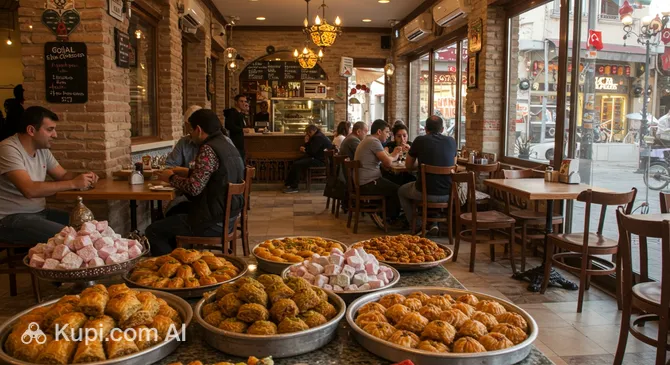
Iğdır Dessert Café. Source: Kupi.Binoculars

After exploring the outdoor sights, visitors can enjoy a more relaxing experience at the Iğdır Dessert Café. This spot is popular among locals and tourists alike for its inviting atmosphere. It provides a perfect opportunity to sample traditional Turkish sweets and tea, allowing travelers to recharge and soak in the local hospitality before continuing their journey.

Another must-see destination is the Tuzluca Salt Caves, located in the Tuzluca district. These ancient salt mines have been transformed into a health tourism center, famous for their therapeutic air which is believed to help with respiratory conditions. The caves are illuminated to highlight the stunning crystalline structures on the walls, creating a magical underground atmosphere that contrasts sharply with the arid plains above.

Local Cuisine

The local cuisine of Igdir is a flavorful reflection of its strategic position at the crossroads of Turkey, Armenia, Azerbaijan, and Iran. This geographic diversity has created a rich gastronomic tapestry that blends classic Anatolian traditions with distinct Caucasian and Persian influences. The food here is hearty, spice-infused, and deeply rooted in the agricultural abundance provided by the fertile plains surrounding the city.

Meat lovers will find themselves at home with dishes like Bozbaş (also known as Piti), a traditional mutton stew cooked with chickpeas and turmeric, often served in individual clay pots. It is a ceremonial meal where the broth is typically consumed first with crumbled bread, followed by the meat and vegetables. Another culinary signature is Taş Köfte, a unique type of meatball. The preparation involves beating the meat on a special stone until it reaches a paste-like consistency, resulting in a texture that is remarkably smooth and distinct from standard Turkish köfte.

Thanks to the region's unique microclimate, Igdir is also famous for its high-quality produce, particularly its renowned apricots (known locally as Şalak). These fruits are celebrated for their sweetness and are consumed fresh, dried, or turned into delicious jams that accompany breakfast spreads. For a refreshing drink, locals prefer freshly brewed black tea, often consumed in the traditional "kıtlama" style, where a hard piece of sugar is held in the mouth rather than dissolved in the glass.

Dining in the city typically revolves around family-run establishments and "esnaf" (tradesmen) restaurants that serve home-style cooking. The atmosphere is generally casual and welcoming. For those looking to indulge in sweets after a savory meal, the Iğdır Dessert Café is a notable spot to experience the local dessert culture. Here, you can try various treats that highlight the region's love for nuts, honey, and pastry, offering a perfect ending to your culinary exploration of the city.

Travel Tips

To ensure your journey to this unique crossroads of cultures is as smooth and enjoyable as possible, a little preparation goes a long way. Here is a set of practical tips designed to help you navigate local customs, logistics, and the distinct environment of Igdir with confidence.

  1. Clothing and Gear: Due to the region's microclimate, summers can be surprisingly hot, so pack lightweight, breathable fabrics like cotton. However, if you visit in winter, bring heavy layers, a warm coat, and boots, as temperatures drop significantly. Comfortable walking shoes are essential for exploring sites like the Tuzluca Salt Caves. While there is no strict dress code for general sightseeing, it is respectful to dress modestly, covering shoulders and knees, especially when visiting religious sites or rural villages.

  2. Transportation: The city center is compact and walkable, but for longer distances, the local dolmuş (minibuses) are the most popular and affordable way to get around. Taxis are readily available and operate on meters; you can find them at designated stands or hail them on the street. If you plan to explore the surrounding landscapes, such as the foothills of Mount Ararat or the Meteor Hole, renting a car is highly recommended for flexibility.

  3. Finances: The local currency is the Turkish Lira (TRY). While credit cards are accepted in hotels and larger restaurants, cash is king in local markets, tea houses, and small shops. ATMs are plentiful in the city center for withdrawing cash. It is wise to carry small denominations for taxi fares and tips. Tipping is appreciated; leaving about 10% in restaurants or rounding up taxi fares is a common practice.

  4. Health and Safety: Pharmacies, known as Eczane, are easy to find and can assist with minor ailments; look for the "Nöbetçi Eczane" sign for after-hours service. Igdir is generally a safe city for tourists, but standard precautions apply. Since this is a border province, be mindful of your surroundings near border areas and always carry your passport or ID with you.

  5. Communication: The primary language is Turkish. English is not widely spoken outside of major hotels or the airport, so learning a few basic phrases like "Merhaba" (Hello) and "Teşekkür ederim" (Thank you) will be warmly received. It is highly advisable to download a translation app and offline maps before you arrive. Pre-paid SIM cards can be purchased from major operators in the city center to stay connected.

  6. Local Etiquette: Turkish hospitality is legendary, and you may be offered tea (çay) by shopkeepers or locals; accepting it is a polite gesture of friendship. When greeting people, a handshake is standard, often accompanied by a friendly nod. If you are invited into a local home, remember to remove your shoes at the door unless told otherwise.

  7. What to Avoid: As Igdir is strategically located near the borders of three countries, strictly avoid taking photos of military installations, checkpoints, or government buildings, as this is prohibited and can lead to serious legal issues. Also, avoid engaging in sensitive political discussions, focusing instead on the rich culture and history of the region.

  8. Local Insight: Don't leave without trying or buying the famous local apricots, known as Şalak. If you are visiting in early summer, you can taste them fresh; otherwise, dried apricots make for a delicious and healthy souvenir. Also, shops in Igdir may close for a brief period during Friday prayers around noon, so plan your shopping accordingly.

Armed with these practical insights, you are well-prepared to discover the hidden gems of this eastern frontier. Embrace the local rhythm, enjoy the stunning views of Mount Ararat, and let the warm hospitality of Igdir make your trip truly memorable.

Entertainment & Nightlife

Entertainment in Igdir is defined by a relaxed, social atmosphere rather than a high-energy nightlife scene. The city’s location and warm climate foster a culture where evenings are best spent outdoors, socializing with friends and family. For visitors, this offers a wonderful opportunity to slow down and experience the authentic local lifestyle, which revolves heavily around conversation, tea, and community gatherings.

The epicenter of the city's social life is Vali Yolu (Governor's Road). This vibrant avenue comes alive as the sun sets, transforming into a bustling promenade lined with illuminated trees, fountains, and sculptures. It is the most popular spot for an evening stroll, known locally as "piyasa," where people of all ages gather to walk, chat, and enjoy the fresh air. The street is flanked by numerous modern cafes and tea gardens, making it the perfect place to people-watch and soak in the city's energy.

For a comfortable place to unwind, the Iğdır Dessert Café is a welcoming option. While it is famous for its sweets, it also serves as a cozy venue for spending a leisurely evening. Locals often gather in such establishments to play backgammon (tavla) or simply enjoy long conversations over endless glasses of tea, and joining them is a great way to immerse yourself in the local culture.

Shopping enthusiasts will find the Russian Bazaar (Rus Pazarı) to be an interesting diversion. This lively market area offers a mix of goods, from textiles and household items to unique local finds. It is a chaotic but colorful experience that reflects the city's history as a border trade hub. Additionally, keeping an eye out for local festivals can add a special touch to your trip; the Apricot Festival, typically held in early summer, features folk music, dance performances, and celebrations dedicated to the region's prized fruit.

Parks & Museums

While Igdir is often defined by its dramatic backdrop of Mount Ararat, the city and its surrounding province offer a variety of green spaces and open-air cultural sites that allow visitors to connect with the region's nature and history. From urban promenades to ancient cemeteries that function as open-air museums, the area provides a unique window into the heritage of Eastern Anatolia.

For those seeking a relaxing stroll within the city limits, Vali Yolu (Governor's Road) serves as the primary green artery and social hub. Lined with trees, landscaped gardens, and ornamental pools, this long promenade is where the city comes to breathe. It is particularly lively in the evenings when locals gather to enjoy the fresh air. Just beyond the city center, the foothills of Mount Ararat offer a vast, natural playground. While ascending the mountain requires preparation and permits, the lower slopes and the surrounding National Park areas provide excellent opportunities for trekking, photography, and observing the diverse flora that thrives in this unique microclimate.

In terms of museums, Igdir offers a different experience compared to cities with large indoor galleries; here, history is best viewed under the open sky. The most significant cultural site is the Karakoyunlu Open Air Museum. Located in the nearby district of Karakoyunlu, this site is famous for its historic Ram-Headed Tombstones. These fascinating stone monuments, dating back to the Karakoyunlu and Akkoyunlu periods, are adorned with intricate reliefs and symbolize bravery and heroism. They provide a tangible link to the Turkic tribes that once ruled this region and are a must-see for anyone interested in art history and anthropology.

Another key historical landmark that reflects the city's cultural depth is the Harmandali Caravanserai. situated along the ancient Silk Road route. This 12th-century structure, built by the Surmari Emirs, stands as a testament to the region's commercial importance in the medieval era. Although it is an architectural site rather than a traditional museum, exploring its stone halls offers a vivid impression of the travelers and merchants who passed through these lands centuries ago.

For a truly authentic experience, look beyond the designated parks and visit the Karasu River wetlands during the migration season. Often referred to as "Bird Paradise," this natural area is a haven for birdwatchers. An insider tip for visitors is to head to the villages near the Armenian border, such as those around the Aras River, where you can often spot storks nesting on almost every chimney, offering a charming glimpse into the harmony between local life and nature.

Getting Around

Navigating Igdir is pleasantly straightforward, as the city’s public transport system is designed to serve a compact urban area rather than a sprawling metropolis. Unlike larger capitals with complex rail networks, this city relies primarily on a well-organized system of road-based transport. For visitors, this means there is no need to study complicated metro maps; getting around is mostly a matter of hopping onto a minibus or taking a taxi.

The most popular and efficient mode of transport is the dolmuş (minibus). These vehicles operate on fixed routes throughout the city and connect the center with outlying neighborhoods and districts. They are easily recognizable and typically display their destination on a sign in the front window. The beauty of the dolmuş system lies in its flexibility; while there are designated stops, drivers will often let passengers off at any safe point along the route if requested. It is an authentic and inexpensive way to travel like a local.

Municipal buses also operate within the city, offering a more structured alternative with fixed schedules and stops. These are generally modern and comfortable, suitable for reaching specific government buildings, hospitals, or the university campus. For those planning to explore the wider province or visit nearby villages, distinct district minibuses depart from the central bus terminal (Otogar) or designated stops in the city center.

Regarding payment, the system is quite traditional compared to major tourist hubs. For the dolmuş, cash is the standard method of payment. You simply hand the fare to the driver upon boarding; it is advisable to carry small change (coins or small banknotes) to make this process smoother. Municipal buses may require a local transport card or a disposable ticket, which can typically be purchased at kiosks or small shops near major stops. Fares are very affordable, making public transport a budget-friendly option for all travelers.

Taxis are a convenient alternative, especially if you are carrying luggage or traveling late at night when bus services wind down. You can easily spot the bright yellow taxis at designated stands or hail one on the street. They operate on a meter system, ensuring a fair price. Since the city is relatively flat and compact, taxi fares for short trips within the center remain quite reasonable.

Public transport generally operates from early morning, around 6:00 or 7:00 AM, until late evening, typically winding down between 10:00 PM and 11:00 PM. If you are staying in the heart of the city, you will find that many attractions, restaurants, and shops are within comfortable walking distance. For excursions to the countryside, such as the salt caves or the foothills of the mountain, renting a car is often the most practical choice to enjoy the scenery at your own pace.

Accommodation

Accommodation options in Igdir are generally straightforward and practical, catering primarily to business travelers, transit tourists crossing into neighboring countries, and mountaineers preparing to climb Mount Ararat. The city does not feature sprawling luxury resorts; instead, visitors will find a selection of reliable mid-range hotels, comfortable city hotels, and budget-friendly guesthouses. The standards are generally decent, with many establishments offering essential modern amenities such as Wi-Fi, air conditioning, and breakfast service.

The most convenient area to stay is the city center. Choosing a hotel near Vali Yolu (Governor's Road) or the main government buildings places you within walking distance of local restaurants, cafes, and shops. Staying centrally also provides easy access to public transport and taxi stands, making it simple to arrange excursions to nearby attractions like the Salt Caves or the Meteor Hole. Since the city is compact, almost any central location will serve as a good base for exploring the region.

Regarding costs, accommodation in Igdir is quite affordable compared to Turkey's major tourist hubs like Istanbul or Antalya. Prices typically fall into the budget to lower mid-range category. While walk-in availability is often good due to the steady flow of transit traffic, it is still advisable to book in advance if you are visiting during the peak summer months or around the time of the Apricot Festival. Major booking platforms list the larger hotels, but some smaller local establishments may prefer direct contact via phone or email.

Nearby Cities

For those looking to explore the surroundings, Igdir serves as an excellent base for day trips to several interesting nearby locations:

City Population Distance (km)
Van 353,419 168
Agri 149,188 88
Patnos 122,833 127
Dogubeyazit 121,263 41
Kars 115,891 110

Among these destinations, Dogubeyazit is the closest and most popular choice for a quick excursion. It is renowned for the magnificent Ishak Pasha Palace, an architectural masterpiece perched on a hill that combines Ottoman, Persian, and Seljuk styles. The town also offers some of the most dramatic views of Mount Ararat, making it a favorite spot for photographers and history enthusiasts alike.

Another fascinating option is Kars, known for its unique blend of cultures and history. Visitors are drawn to the mesmerizing Ruins of Ani, a UNESCO World Heritage site often called the "City of 1,001 Churches," located right on the border with Armenia. The city center itself features distinct Baltic-style architecture from the Russian occupation period and is famous for its impressive hilltop castle and local cheese varieties.

Although a bit further away, Van is well worth the journey for its stunning natural beauty. The city sits on the shores of Lake Van, the largest lake in Turkey, where visitors can take a boat trip to Akdamar Island to see the historic Cathedral of the Holy Cross. Van is also celebrated for its legendary breakfast culture, offering a feast of local cheeses, herbs, and breads that is an experience in itself.

These nearby destinations offer a glimpse into the diverse culture and landscapes of the region.

Shopping & Souvenirs

Shopping in Igdir is less about high-end fashion and expansive luxury malls, and more about experiencing the vibrant trade culture of a border city. Located at the crossroads of three countries, the city serves as a commercial hub where goods from neighboring nations often find their way into local markets. Visitors can expect a lively atmosphere where traditional Turkish hospitality meets the hustle and bustle of cross-border commerce, offering everything from fresh produce to imported textiles and household goods.

The main pulse of retail activity can be found along Vali Yolu (Governor's Road). While this avenue is famous for its evening promenade and cafes, it is also lined with a variety of boutiques, clothing stores, and shops selling local wares. Another key area is Cumhuriyet Street and the surrounding pedestrian zones in the city center. Here, tourists can wander through a maze of small businesses, jewelry stores, and shoe shops, experiencing the authentic daily life of the locals while browsing for affordable items.

Unlike Turkey's major metropolises, Igdir does not feature massive, multi-story shopping complexes. However, there are smaller shopping centers and modern arcades scattered throughout the city that provide a more contemporary retail experience. These spots typically house familiar Turkish clothing brands, supermarkets, and electronics stores, offering a convenient stop for travelers who need to pick up standard supplies or clothing in a comfortable, indoor setting.

The most intriguing shopping destination in the city is undoubtedly the Russian Bazaar (Rus Pazarı). This bustling market area is a relic of the region's intense border trade history and offers a chaotic but colorful treasure hunt for visitors. Stalls here sell an eclectic mix of items, ranging from kitchenware and tools to textiles and toys. It is an excellent place to find unique bargains and observe the commercial diversity that defines this frontier province.

When it comes to souvenirs, the region's agricultural abundance takes center stage. The most famous local product is the apricot (Şalak), which can be bought fresh in early summer or dried year-round. Another unique gift idea is a salt lamp crafted from the rock salt of the nearby Tuzluca caves; these are believed to improve air quality and make for beautiful decorative pieces. For those with a sweet tooth, stopping by the Iğdır Dessert Café offers a chance to purchase traditional local pastries and boxed treats to share with friends back home.

Stores in Igdir generally operate from around 9:00 AM to 8:00 PM, though hours can extend later in the summer, especially along the busy Vali Yolu. While modern shops and supermarkets readily accept credit cards, cash is still the preferred method of payment in the Russian Bazaar and smaller local stalls. It is advisable to carry small denominations of Turkish Lira for smoother transactions in these traditional market settings.

Tax-free shopping (Tax Free) is available in Turkey for foreign tourists, but it is less common in smaller cities like Igdir compared to Istanbul or Antalya. Visitors should look for the "Tax Free" signage in larger retail stores or chain brands. If you make a qualifying purchase, be sure to ask for the necessary paperwork to claim your refund at customs upon departure, although processing facilities at smaller border crossings or regional airports may vary.
Reached the end of the page?

That means the route is fully explored