Support

Kutaisi

About

As one of the oldest continuously inhabited cities in the world, Kutaisi offers a fascinating blend of ancient heritage and vibrant modern life. Located in the picturesque Imereti region of Georgia, this city spans both banks of the Rioni River, creating a scenic backdrop for travelers. With a population of approximately 147,900 residents, it serves as a significant cultural and economic hub, providing a more relaxed and authentic atmosphere compared to the bustling capital.

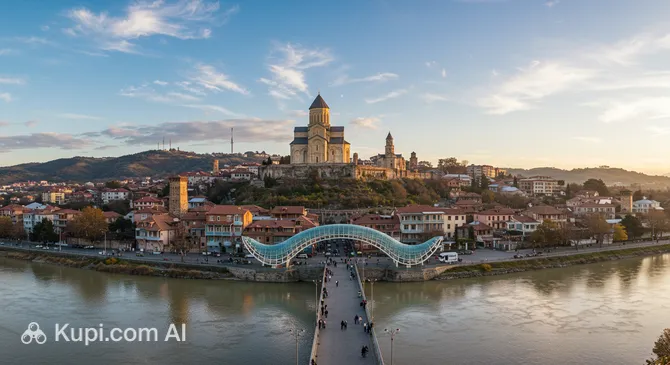
Kutaisi. Source: Kupi.Binoculars

The city holds a legendary status as the ancient capital of the Kingdom of Colchis, often associated with the myth of Jason and the Argonauts. Visitors are encouraged to delve into the rich history of Kutaisi to understand its pivotal role in the nation's development over millennia. Today, the city is renowned for its lush greenery, pleasant climate, and the warm hospitality of the locals, making it a perfect base for exploring the western part of the country.

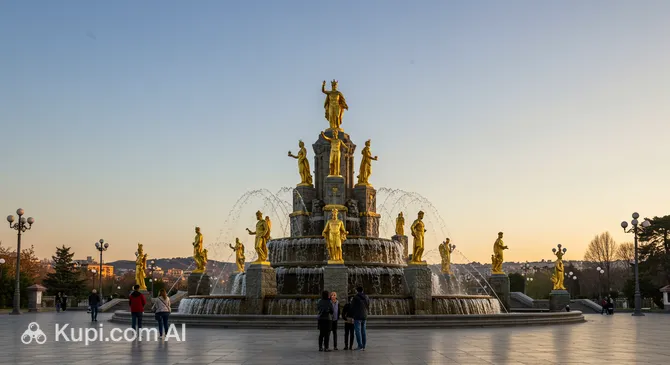
Travelers are drawn to iconic landmarks such as the majestic Bagrati Cathedral, which watches over the city from a hilltop and offers panoramic views. The city center features the ornate Colchis Fountain and the charming White Bridge, both of which are perfect spots for leisurely walks. Whether you are exploring nearby natural wonders like the Prometheus Cave or enjoying distinct Imeretian cuisine, Kutaisi promises an unforgettable experience for every guest.

Weather Overview

Kutaisi experiences a humid subtropical climate with distinct seasonal changes, making it a year-round destination with varied atmospheric moods. To plan your activities effectively, it is useful to check the detailed weather in Kutaisi, as the city is known for its lush greenery fed by regular rainfall. Generally, the region enjoys significant humidity and moderate temperatures compared to the highlands.

Summer is the warmest season, with August typically being the hottest month, featuring an average temperature of 23.5°C and highs reaching 28.6°C. This period is also the driest, with precipitation dropping to around 2mm. In contrast, winters are cool, with January averages hovering around 1.8°C and minimums occasionally dipping to -2.3°C, though severe freezes are not very common.

Spring and autumn serve as pleasant transitional periods, though they can be quite wet. March is often the rainiest month in terms of frequency, with up to 20 wet days, while May and September offer comfortable averages of 15.4°C and 19.3°C respectively. Overall, you can expect warm summers with occasional rain and cold, damp winters, so packing a waterproof jacket is always a good idea.

Interesting Facts

Beyond the main attractions, Kutaisi holds many fascinating secrets that reveal its depth as one of the world's oldest continuously inhabited cities. From ancient mythology to unique urban features, these details offer a deeper connection to the local culture.
  • Legend holds that Kutaisi was the ancient city of Aia, the capital of the Kingdom of Colchis and the destination of Jason and the Argonauts in their quest for the Golden Fleece. This mythological heritage is celebrated at the Colchis Fountain, which is adorned with enlarged bronze replicas of ancient jewelry and animal figures discovered during archaeological excavations in the region.

  • For a distinctively local experience, you can ride a vintage Soviet-era aerial tramway that connects the city center to the Besik Gabashvili Amusement Park. The cable car soars over the Rioni River, offering one of the most spectacular panoramic views of the historic districts and the surrounding hills.

  • The White Bridge is famous not only for its pedestrian promenade but for a quirky artistic detail. It features a bronze sculpture of a boy holding two hats, a tribute to a character from the classic Georgian film "The Eccentrics," and includes a glass floor section where visitors can look directly down at the white stones of the riverbed.

  • Before Tbilisi became the center of power, Kutaisi served as the capital of the United Kingdom of Georgia during the Middle Ages. It was here that David the Builder, one of the most revered figures in Georgian history, was crowned, launching the country's Golden Age.

Colchis Fountain. Source: Kupi.Binoculars

How to Get There

Reaching this historic city is straightforward thanks to its growing status as a transport hub for Western Georgia. Whether you are flying directly or traveling overland, you have several convenient options. For detailed planning, you can read more about how to get to Kutaisi and choose the route that suits your itinerary best.

The most direct way to arrive is via Kutaisi International Airport (IATA: KUT), which serves as a major gateway for low-cost carriers connecting Georgia with Europe. Located just 21.2 km from the city center, it offers quick access to the heart of the region. A taxi or bus ride from the airport typically takes less than an hour. With an annual passenger traffic of over 1.7 million, it is a bustling and modern facility.

Alternatively, travelers can fly into Batumi Airport (IATA: BUS) in the coastal city of Batumi. Although it is located about 117.5 km away from Kutaisi, it is a popular option for those who wish to combine a seaside visit with their trip. The transfer from Batumi to Kutaisi generally takes around 3 hours and 15 minutes by road.

For clarity, here is a summary of the main airports serving the region:

Airport Name City Passenger Traffic Km from City
Kutaisi International AirportKutaisiLarge21.2
Batumi AirportBatumiMedium117.5

If you prefer traveling by train or are connecting from other parts of the region, you can make use of the railway network. One of the notable nearby hubs is the Zugdidi station, located in the city of Zugdidi, approximately 73.5 km from Kutaisi. From there, you can get a taxi or bus to reach your final destination, which takes about 2 hours and 10 minutes.

Below is a list of relevant railway stations in the vicinity:

Station City Km to Center
ZugdidiZugdidi73.5

Main Attractions

Kutaisi is a city where every street corner seems to tell a story, offering a mix of architectural marvels and relaxing green spaces. While the city center is compact and walkable, the most significant landmarks are spread across the riverbanks and the surrounding hills. Exploring these sites provides a deep dive into the region's spiritual, cultural, and recreational life.

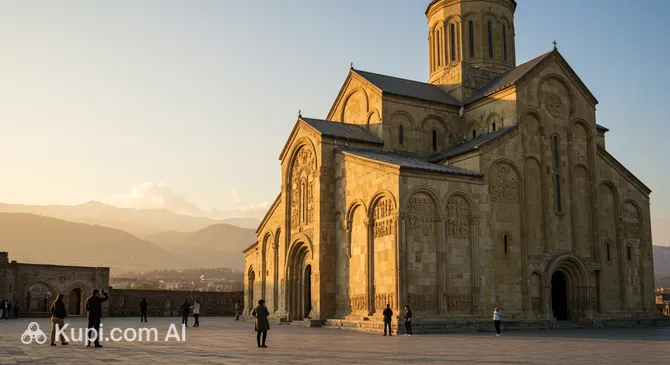
Standing proudly on Ukimerioni Hill, the Bagrati Cathedral is arguably the city's most iconic symbol. Built in the early 11th century during the reign of King Bagrat III, this masterpiece of medieval Georgian architecture dominates the skyline and is visible from almost anywhere in town. Tourists flock here not only to admire the imposing stone structure and its turquoise dome but also to enjoy breathtaking panoramic views of the city and the Rioni River below.

Bagrati Cathedral. Source: Kupi.Binoculars

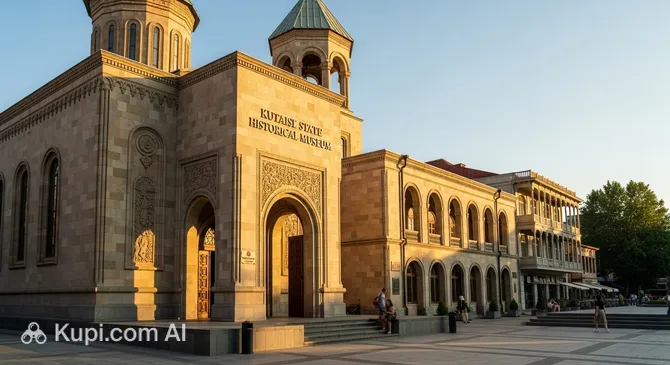
For those interested in the rich heritage of the region, the Kutaisi State Historical Museum is an essential stop. It houses an impressive collection of over 150,000 artifacts, ranging from the Bronze Age to the late medieval period. Visitors can marvel at ancient religious manuscripts, unique weaponry, and exquisite gold jewelry from the Colchian culture, offering a fascinating insight into why this area was once known as the land of the Golden Fleece.

Kutaisi State Historical Museum. Source: Kupi.Binoculars

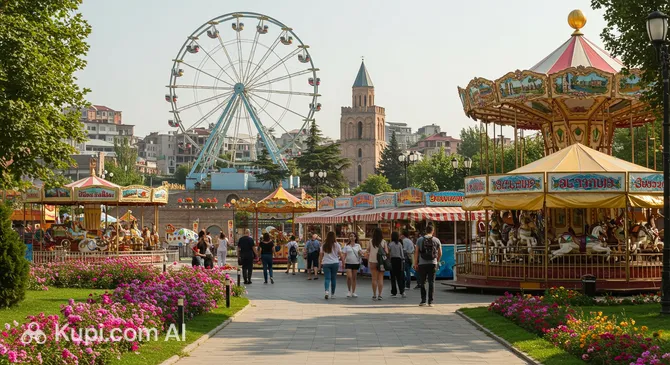
If you are looking for a place to unwind and have some fun, the Besik Gabashvili Amusement Park is a favorite among locals and tourists alike. Perched on a hill, the park features various rides, including a Ferris wheel that offers another perspective of the cityscape. It is a perfect spot for a leisurely stroll among the trees or a family outing, easily accessible via the famous cable car or a scenic drive.

Besik Gabashvili Amusement Park. Source: Kupi.Binoculars

Back in the heart of the city, the White Bridge serves as a charming pedestrian connector between the two banks of the river. Beyond its function, it is a romantic and artistic landmark, celebrated for its lovely views of the rushing white stones of the Rioni River. It is an ideal location for photography and a pleasant walk, placing you right in the center of Kutaisi's vibrant atmosphere.

Local Cuisine

The culinary landscape of Kutaisi is a vibrant reflection of the Imereti region, which is widely regarded as the gastronomic heart of Georgia. The local cuisine is characterized by the generous use of walnuts, fresh herbs, and tangy spices, creating flavors that are both rich and delicate. Unlike the heavier dishes found in the mountain regions, Imeretian food tends to be slightly lighter, often featuring poultry and plenty of vegetable-based appetizers known as pkhali, which are made from spinach, beets, or beans blended with a savory walnut paste.

No visit to the city is complete without trying the famous Imeretian Khachapuri. Distinct from the boat-shaped version found in other parts of the country, this circular cheese bread is stuffed with mild, slightly salty Imeretian cheese and baked to golden perfection. Another signature dish to look for is Chkmeruli, a mouthwatering preparation of fried chicken simmered in a creamy garlic and milk sauce. It is best enjoyed with hot mchadi (cornbread) to soak up the flavorful juices.

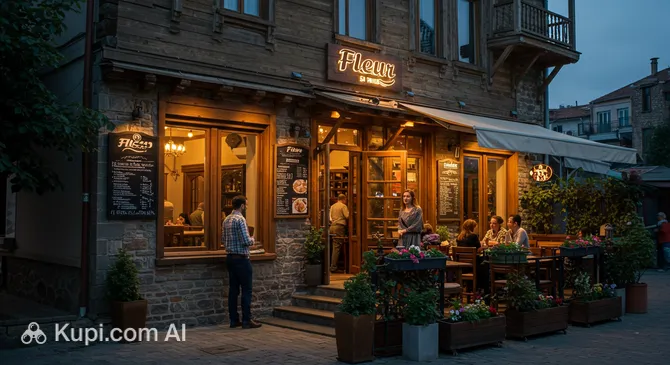
For those looking to explore the local dining scene, the city offers a mix of traditional taverns and modern establishments. You can enjoy a sophisticated meal at Fleur, a restaurant known for its cozy atmosphere and delicious fusion of local and European tastes. Alternatively, Doli is another excellent spot where travelers can sample authentic regional recipes in a welcoming setting. The central "Green Bazaar" is also a must-visit for foodies, offering rows of colorful spices, homemade cheeses, and churchkhela (candle-shaped walnut sweets).

Fleur. Source: Kupi.Binoculars

When it comes to drinks, Kutaisi boasts a deep-rooted winemaking tradition. The Imereti region produces unique amber wines using grapes like Tsolikouri and Tsitska, which are fermented with less skin contact than their eastern Georgian counterparts, resulting in a lighter and more acidic profile. To experience this wine culture firsthand, you can visit Wine Vibes, a popular bar where you can taste local vintages. For a more casual evening, the Kutaisi Bar offers a relaxed environment to unwind with a drink after a day of sightseeing.

Travel Tips

Visiting Kutaisi is a delightful experience, but a little local know-how goes a long way in ensuring your trip to this historic corner of Georgia is as relaxing as it is memorable. From navigating the city's unique transport system to understanding cultural nuances, these practical insights will help you travel with confidence.

  1. Clothing and Gear: The climate in Imereti can be quite humid, and rain showers are common throughout the year, so packing a waterproof jacket or a sturdy umbrella is essential. Comfortable walking shoes are a must for navigating the cobblestone streets and hilly terrain. If you plan to visit religious sites like the Bagrati Cathedral, remember to dress modestly; women should carry a scarf to cover their heads, and men should wear long pants.

  2. Transportation: The most authentic way to get around is by using marshrutkas (minibuses), which cover most of the city, though routes can be confusing for newcomers without local help. For a more convenient option, ride-hailing apps like Bolt or Yandex Go are widely available, very affordable, and eliminate language barriers. Walking is also a great option for the compact city center.

  3. Finances: The local currency is the Georgian Lari (GEL). While credit cards are accepted in hotels, large restaurants, and supermarkets, you will definitely need cash for small shops, guesthouses, and the famous Green Bazaar. ATMs are plentiful, and it is customary to leave a tip of around 10% in restaurants if a service charge is not already included in the bill.

  4. Health and Safety: Kutaisi is generally a very safe city for tourists, but standard precautions apply. Pharmacies are easy to find, often marked with a green cross, and major chains like Aversi or PSP have 24/7 branches. Tap water is generally safe to drink, but those with sensitive stomachs might prefer bottled mineral water, for which the region is famous.

  5. Communication: The official language is Georgian, which uses its own unique alphabet. While younger people often speak good English, the older generation is more likely to know Russian. It is highly recommended to buy a local SIM card (such as Magti or Silknet) upon arrival for reliable internet access, as this will help significantly with navigation and translation apps.

  6. Local Etiquette: Georgians are incredibly hospitable and consider guests a gift. A simple greeting of "Gamarjoba" (Hello) is always appreciated and breaks the ice. When visiting churches, maintain a respectful silence; strictly avoid taking photos during services, do not use flash, and ensure your phone is on silent mode.

  7. What to Avoid: Avoid discussing sensitive political topics, particularly regarding international relations or disputed territories, as this can be a painful subject for locals. Additionally, try not to reject an offer of food or wine too abruptly if invited to a local home, as hospitality is taken very seriously here and refusal can be seen as impolite.

  8. Market Shopping: When visiting the central Green Bazaar, do not be afraid to sample the cheese or churchkhela before buying, as vendors often encourage it to show off their quality. However, be prepared to haggle slightly or at least compare prices at different stalls to ensure you get a fair deal on your spices and souvenirs.

Armed with these tips, you are ready to immerse yourself in the authentic charm of Imereti's capital. Embrace the local rhythm, enjoy the spontaneous conversations with residents, and let Kutaisi surprise you with its warmth and vibrant character.

Entertainment & Nightlife

Entertainment:

While Kutaisi is deeply rooted in history, it also offers a variety of modern leisure activities and shopping experiences for visitors. The city's entertainment scene is a mix of contemporary retail hubs, relaxing green spaces, and a lively evening atmosphere that invites travelers to unwind after a day of exploration.

For those looking to shop, the city features several modern centers. Karvasla is a well-known complex located near the city center, offering a range of clothing stores, accessory shops, and cafes. It serves as a convenient spot to pick up travel essentials or browse for local and international brands in a comfortable indoor setting.

Another major destination for retail is the Grand Mall. As one of the larger commercial spaces in the area, it provides a comprehensive shopping experience with a diverse selection of boutiques, electronics stores, and entertainment facilities. It is a popular gathering place for locals, especially on weekends, offering a glimpse into the modern lifestyle of the city's residents.

If you prefer outdoor recreation, the city boasts several pleasant parks perfect for a leisurely stroll. The Youth Park is a favorite green space, featuring wide walking paths, sports grounds, and shaded benches. It is an excellent location for families or anyone seeking a quiet moment surrounded by nature, away from the bustle of the main tourist attractions.

Beyond shopping and parks, the city's cultural life is active. The streets around the central square often come alive in the evenings, offering a pleasant environment for a night walk. Visitors can also look out for performances at the local theaters, which frequently host traditional Georgian dance and music events, providing a memorable end to the day.

Parks & Museums

Beyond its ancient cathedrals and bustling streets, Kutaisi offers a refreshing array of green sanctuaries and cultural institutions that invite deeper exploration. The city’s layout, hugging the Rioni River and climbing the surrounding hills, creates natural pockets of tranquility, while its galleries preserve the artistic soul of the Imereti region.

One of the most serene spots in the city is the Kutaisi Botanical Garden. Located on the right bank of the river, not far from the Bagrati Cathedral, this garden was established in the mid-19th century and serves as a living library of diverse flora. Visitors can wander through dendrological zones featuring subtropical plants, ancient oaks, and exotic species. A unique highlight within the garden is a small chapel constructed inside the hollow trunk of a massive oak tree, a whimsical feature that attracts photographers and nature lovers alike.

For a more adventurous escape into nature, the Sataplia Managed Reserve is a must-visit destination located just a short drive from the city center. Famous for its preserved dinosaur footprints, the reserve combines geological history with stunning natural beauty. Tourists can explore the karst caves adorned with stalactites and stalagmites or walk along a glass-bottomed observation deck that offers breathtaking views of the lush Imeretian landscape. It is an educational and scenic experience that perfectly complements a trip to Kutaisi.

While the city's main historical museum captures the grand timeline of the region, art enthusiasts should not miss the David Kakabadze Kutaisi Fine Art Gallery. Named after one of Georgia's most prominent modernists, this gallery houses a rich collection of Georgian art from the late 19th and 20th centuries. The exhibits include paintings, sculptures, and graphic works that reflect the creative evolution of the nation, making it an inspiring stop for those looking to understand the local aesthetic and cultural identity.

Another cultural gem is the Zakaria Paliashvili House Museum, dedicated to the legendary composer often regarded as the father of Georgian classical music. Located in the house where he was born, the museum preserves personal belongings, musical scores, and period furniture that recreate the atmosphere of the late 19th century. It offers an intimate glimpse into the life of the man who composed the Georgian national anthem and the famous operas "Abesalom and Eteri" and "Daisi."

For a truly authentic experience, seek out the small garden near the Okros Chardakhi (Golden Marquee), the last remnant of the residential complex of the Imeretian Kings. Sitting under the shade of the ancient plane trees here, with the sound of the Rioni River rushing nearby, provides a quiet moment of connection with the city's royal past that few tourists take the time to enjoy.

Getting Around

Navigating the public transport system in Kutaisi offers a truly authentic glimpse into local life. While the city center is compact enough to explore comfortably on foot, reaching outlying attractions or the airport requires using the municipal network. The system is currently undergoing modernization, meaning you will encounter a mix of traditional options and newer vehicles as you move around the city.

The most common mode of transport is the marshrutka (minibus). These ubiquitous vans serve as the backbone of the city's transit, covering almost every street and neighborhood. Routes are identified by numbers displayed on the windshield, though destination signs are typically written only in the local alphabet. While they may seem chaotic at first, they are efficient and run frequently. Recently, the city has also introduced a fleet of modern blue and green municipal buses, which offer a more spacious and comfortable ride on major routes.

Payment methods vary depending on the vehicle. For marshrutkas, the standard practice is to pay the driver in cash upon exiting the vehicle. It is essential to carry small coins, as drivers may not always have change for large banknotes. The fare is very affordable, typically costing less than 1 GEL. On the newer municipal buses, the system is shifting towards electronic payments, and you can often use travel cards or contactless bank cards, though having cash as a backup is always wise.

For tourists, using the system requires a bit of preparation. Since route maps at stops can be scarce or only in the local language, it is highly recommended to use navigation apps like Google Maps or dedicated local transport apps to identify the right bus number. Marshrutkas generally operate from early morning until around 8:00 PM or 9:00 PM; after this time, service becomes infrequent, so plan your evening returns accordingly.

If you prefer more comfort or are traveling late at night, taxis are a popular and inexpensive alternative. Ride-hailing apps such as Bolt, Yandex Go, and Maxim are widely used in the city. Using these apps is preferable to hailing a cab on the street, as it eliminates language barriers and ensures a fixed, fair price without the need for bargaining.

A unique feature of the city's transport network is the historic cable car (aerial tramway) that connects the city center near the White Bridge to the hill on the other side of the river. While it serves as a tourist attraction offering stunning views, it also functions as a practical mode of transport for locals heading to the park or the residential areas on the upper slopes. It provides a scenic and quick shortcut across the river valley.

Accommodation

Where to Stay:

Kutaisi offers a welcoming mix of accommodation options that reflect its status as a growing tourist hub and the capital of the Imereti region. While you can find comfortable modern hotels meeting international standards, the city is particularly famous for its charming family-run guesthouses. These establishments provide not just a place to sleep, but a genuine immersion into Georgian hospitality, often costing significantly less than standard hotels.

For travelers who prioritize convenience, the city center is the best place to base yourself. Staying near the Colchis Fountain or the White Bridge puts you within walking distance of the main restaurants, cafes, and shops. This area is flat, making it easy to navigate with luggage and ideal for evening strolls along the Rioni River. It serves as the perfect starting point for exploring the local urban vibe.

Another popular area is the historic district on the hill surrounding the Bagrati Cathedral. Accommodations here often boast spectacular panoramic views of the city and the mountains beyond. However, keep in mind that staying here involves a steep walk or a short taxi ride to reach the downtown area. It is a quieter alternative, perfect for those seeking a scenic retreat away from the bustle of the main streets.

Budget travelers and backpackers will find a good selection of hostels, particularly in the streets radiating from the central square. When booking smaller guesthouses, it is worth noting that many owners go above and beyond to treat guests like family. Stays frequently include a hearty homemade breakfast featuring local cheeses and pastries, which can be a culinary highlight of your trip. While credit cards are accepted at larger hotels, carrying cash is advisable for paying at smaller family-run places.

Nearby Cities

For those looking to explore the surroundings, Kutaisi serves as an excellent base for day trips to several interesting nearby locations:

Located just a short drive to the west, Zugdidi is the cultural and administrative center of the Samegrelo region. It is best known for the Dadiani Palaces History and Architectural Museum, an elegant estate that houses impressive historical artifacts and is surrounded by a beautiful botanical garden. This destination offers a refined glimpse into the aristocratic past of Western Georgia.

For those interested in ancient history and unique landmarks, Gori is a compelling option. The city is famous as the birthplace of Joseph Stalin and features a dedicated museum complex, including his childhood home and personal railway carriage. Just a short distance from the city lies the ancient rock-hewn town of Uplistsikhe, which dates back to the Iron Age and offers fascinating caves to explore.

Closer to the Black Sea coast, Poti serves as a major port city and a gateway to natural wonders. It is the main access point for the Colchis National Park, where visitors can take boat tours on Lake Paliastomi to observe migratory birds and unique wetland ecosystems. The city also features the impressive Poti Cathedral, a neo-Byzantine architectural landmark.

City Population Distance (km)
Batumi169095112
Gori48143121
Zugdidi4299874
Poti4146586

These nearby destinations offer a glimpse into the diverse culture and landscapes of the region.

Shopping & Souvenirs

Shopping in Kutaisi offers a delightful mix of modern convenience and traditional charm, reflecting the city's role as a bridge between the past and present. While you may not find the extensive luxury avenues of a major European metropolis, the city provides an authentic retail experience where visitors can purchase everything from high-street fashion to unique local handicrafts. The atmosphere is generally relaxed, allowing you to browse at your own pace without the intense crowds found in larger capitals.

The heart of the city's retail life is concentrated around the central square and the streets radiating from the Colchis Fountain. Paliashvili Street and the surrounding pedestrian areas are lined with small boutiques, souvenir shops, and wine cellars. This area is perfect for a casual walk, where you can pop into independent stores selling Georgian designers' clothes, books, and handmade accessories while enjoying the historic architecture of the city center.

For a more contemporary shopping experience, the city features several modern complexes. Karvasla is a convenient option located right in the center, housing a variety of clothing stores, shoe shops, and outlets for travel essentials. It is an easy stop for tourists needing to pick up supplies. Further enhancing the city's modern retail scene is the Grand Mall, which offers a broader selection of international brands, electronics, and lifestyle products, making it a primary destination for locals seeking a comprehensive shopping trip.

However, the true soul of shopping in Kutaisi is found at the Green Bazaar. Located just a short walk from the Red Bridge, this bustling market is a sensory explosion of colors and scents. Here, vendors display piles of aromatic spices, strings of churchkhela (walnut sweets), and fresh Imeretian cheese. It is the best place to engage with locals and experience the daily rhythm of the city. While it is primarily a food market, you can also find stalls selling household items and cheap clothing.

When it comes to souvenirs, travelers should look for items that represent the region's rich culture. The most popular gifts include bottles of Imeretian amber wine, packets of Svanetian salt (a savory spice blend), and jars of homemade Tkemali (plum sauce). For non-edible gifts, look for traditional blue tablecloths with bird motifs, handmade wool socks, or exquisite Minankari (cloisonné enamel) jewelry, which is a celebrated Georgian art form.

Standard opening hours for shops in the city center are typically from 10:00 AM to 7:00 PM or 8:00 PM. The Green Bazaar operates earlier, usually bustling from 8:00 AM and winding down by 5:00 PM. Regarding payment, modern malls and supermarkets widely accept credit cards (Visa and Mastercard). However, cash is strictly required at the bazaar, small guesthouses, and minor souvenir stalls. It is advisable to carry small denominations of Georgian Lari (GEL) for these transactions.

Tourists visiting Georgia can also take advantage of the Tax-Free shopping system. If you purchase goods worth more than 200 GEL in a single receipt at participating stores (look for the "Tax Free" signage), you may be eligible for a VAT refund upon departure. Be sure to ask the shop assistant for a special tax-free form and present it along with your unopened goods to customs officers at the airport before leaving the country.
Reached the end of the page?

That means the route is fully explored