Support

Mineralnye Vody

About

Welcome to Mineralnye Vody, a city that serves as the primary gateway to the famous resort region of the Caucasian Mineral Waters. Located in the southern part of the Russian Federation, this city is often the first stop for travelers seeking the healing springs and majestic mountains of the North Caucasus. Its name translates to "Mineral Waters," reflecting the region's rich natural resources, although the city itself is primarily a vital transportation hub connecting tourists to nearby spa towns.

Geographically, Mineralnye Vody is situated in the Stavropol Krai, nestled along the banks of the Kuma River. The landscape is dominated by the picturesque Mount Zmeyka (Snake Mountain), which rises dramatically near the city and provides a stunning backdrop. With a population of approximately 74,000 residents, the city offers a calmer atmosphere compared to larger metropolitan areas, characterized by a continental climate that brings warm summers and mild winters.
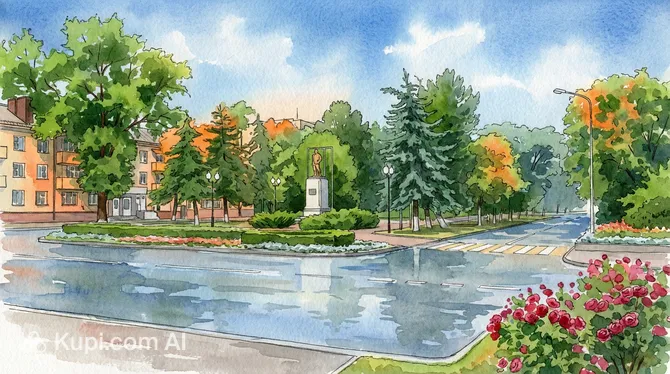
Mineralnye Vody. Source: Kupi.Binoculars

The development of the city is closely tied to the expansion of the railway network in the late 19th and early 20th centuries. Visitors interested in the past can explore the history of Mineralnye Vody to learn how a small settlement grew into a major logistical center. The local architecture still reflects this heritage, particularly the impressive Railway Station, which is considered one of the finest examples of Stalinist architecture in the region and a local architectural landmark.

While many travelers use the city as a transit point, there are several sights worth seeing before heading to the resorts. The Cathedral of the Intercession of the Holy Virgin stands as a significant spiritual site with beautiful iconography. For nature lovers, a hike around the foothills of Mount Zmeyka offers breathtaking panoramic views of the steppe and the distant Caucasus range. Additionally, the Aviation Museum near the airport provides a fascinating look into the history of civil aviation in the area.

Whether you are starting a wellness journey to the nearby spas or planning to explore the rugged beauty of the Caucasus mountains, Mineralnye Vody is an excellent starting point. Its convenient location and welcoming atmosphere make it a strategic and pleasant stop on your travel itinerary.
Weather Overview

Mineralnye Vody experiences a continental climate characterized by distinct seasons, making it a year-round destination with varying atmospheres. The summer months are the warmest, particularly July and August, when average temperatures hover around 24°C and daily highs can reach 30°C. This season is generally sunny, although June can still see a fair amount of rainfall with approximately 11 wet days.

Travelers planning a trip in the shoulder seasons should be prepared for changeable conditions. May is typically one of the wettest months, experiencing rain on about 13 days, while September offers a pleasant respite with mild averages around 18.4°C. For a more detailed forecast to help you pack, you can consult the guide to the weather in Mineralnye Vody.

Winters in the region are cold but generally manageable compared to more northern latitudes. January is usually the coldest month, with average temperatures dropping to -0.2°C and lows reaching -3.3°C. Expect warm summers with occasional rain and cold, dry winters.

Interesting Facts

Beyond the main attractions and its reputation as a transit hub, Mineralnye Vody holds fascinating secrets and local paradoxes that often surprise visitors. Here are some unique insights into the city's character and history:
  • Despite its name, which literally translates to "Mineral Waters," the city paradoxically possesses no mineral springs of its own. It received this name solely because it serves as the central railway and aviation gateway to the nearby resort towns where the famous healing waters are actually located.

  • The city is a significant spiritual center for the region. The Cathedral of the Intercession of the Holy Virgin houses the relics of Saint Theodosius of the Caucasus, a revered patron saint of the Stavropol region, making it a major destination for pilgrims seeking blessings.

  • The dominant Mount Zmeyka, which towers over the city, is geologically a laccolith, or a "failed volcano" that never erupted. Its name means "Little Snake," derived not from the presence of reptiles, but from the winding ravines and ditches on its slopes that resemble crawling snakes when viewed from a distance.

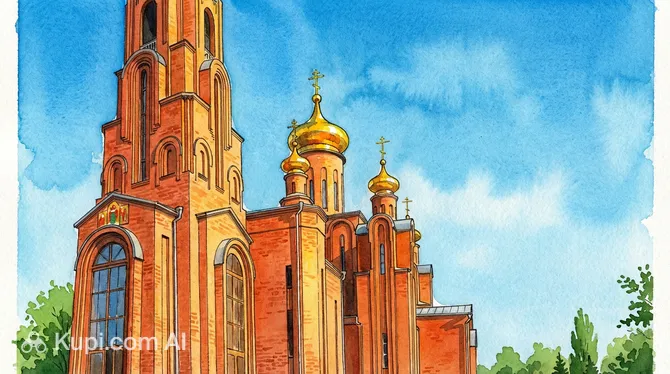
Cathedral of the Intercession of the Holy Virgin. Source: Kupi.Binoculars

How to Get There

Reaching this transport hub is quite convenient, as it serves as the main entry point for the entire region. Whether you prefer flying or taking the train, there are excellent connections from major cities. For a detailed breakdown of routes and tips, you can read more about how to get to Mineralnye Vody.

The primary gateway for most travelers is Mineralnye Vody (IATA: MRV). It is a major international airport and the largest in the Stavropol Krai, handling millions of passengers annually. Located just 3.7 km from the city center, it offers a very quick transfer; a taxi or bus ride typically takes around 10-15 minutes. While the airport is the most direct option, you can also fly into Nalchik (IATA: NAL). However, this is a smaller regional hub situated approximately 87.9 km away, meaning the transfer would take significantly longer.

For clarity, here is a summary of the main airports:

Airport Name City Passenger Traffic Km from City
Mineralnye Vody Cherkessk Large 3.7
Beslan Vladikavkaz Medium 163.7
Stavropol Airport Stavropol Medium 128.0
Magas Airport Magas Small 181.6
Nalchik Nalchik Small 87.9

Traveling by train is another popular and scenic way to arrive. The city is home to the Mineralnye Vody Railway Station, which is a key junction for the North Caucasus Railway. It is located right in the city, just 1.4 km from the center, making the commute to your accommodation very short—often less than 20 minutes. This station receives long-distance trains from Moscow, St. Petersburg, and other major Russian cities, as well as local electric trains connecting to nearby resorts.

Below is a list of the nearest railway stations:

Station City Passenger Traffic Km to Center
Mineralnye Vody Railway Station Mineralnye Vody Medium 1.4
Beshtau Station Zheleznovodsk Small 10.8
Pyatigorsk Railway Station Pyatigorsk Large 19.6
Yessentuki Railway Station Yessentuki Large 28.1

Main Attractions

While often viewed as a transit hub, the city possesses several noteworthy landmarks that reflect its history and culture. Visitors with time to explore before heading to the resort towns will find interesting sites ranging from spiritual centers to monuments honoring local history.

The most prominent architectural and religious landmark is the Cathedral of the Intercession of the Holy Virgin. This majestic red-brick church is not only a place of worship but also a visual gem of the city. It houses the relics of Saint Theodosius of the Caucasus, making it a significant pilgrimage site for Orthodox believers. The complex includes a bell tower and beautifully painted interiors that attract admirers of religious art and architecture.

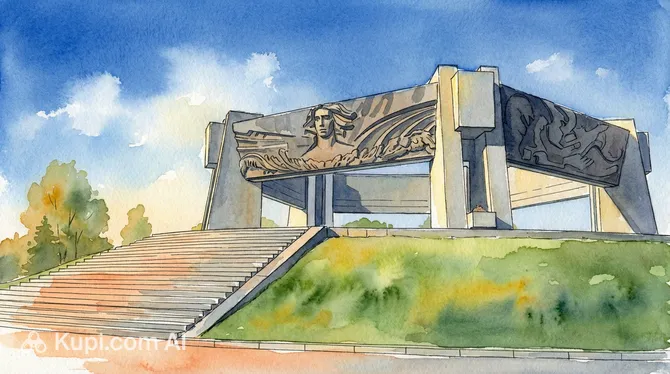
For those interested in history and remembrance, the Eternal Flame is a solemn and important site. Located within the Memorial of Glory, this monument is dedicated to the soldiers who lost their lives during the Second World War. The memorial complex features sculpted figures and bas-reliefs depicting scenes of heroism, providing a quiet place for reflection on the region's past sacrifices.

Eternal Flame. Source: Kupi.Binoculars

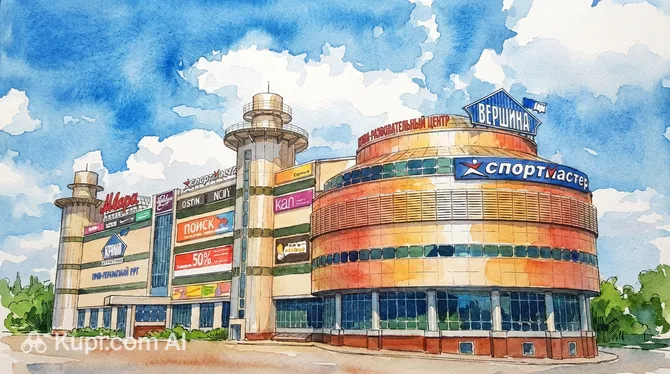
Travelers looking for a modern leisure experience can visit the Vershina Shopping Mall. As one of the largest shopping and entertainment centers in the city, it offers a distinct contrast to the historical sites. It is a popular spot for both locals and tourists to enjoy a variety of retail stores, a food court, and cinema facilities, making it a convenient stop for relaxation or picking up travel essentials.

Local Cuisine

The culinary landscape of Mineralnye Vody is a delightful reflection of its geographical position in the North Caucasus. The local food scene is a vibrant mix of traditional Russian comfort foods and the rich, spicy flavors of Caucasian cuisine. While the city is a transit hub, it offers plenty of opportunities to taste hearty dishes that are characteristic of the region, making it a great place to introduce your palate to Southern Russian gastronomy.

One of the absolute must-try dishes here is shashlik (skewered grilled meat). In this region, preparing meat over an open fire is an art form, and you will find it served with fresh onions, herbs, and spicy tomato sauce in many local establishments. Another regional specialty worth seeking out is the khychin, a thin, pan-fried flatbread stuffed with cheese, potatoes, or meat. These are a staple of the North Caucasus and make for a perfect, filling snack. For a quick and popular street food option, locals often enjoy gyros, which have become a widespread favorite in the Stavropol region.

When it comes to drinks, the choice is obvious yet essential. Although the mineral springs are located in neighboring towns, mineral water from the Caucasus region is the beverage of choice and is available everywhere. For something distinctively local, try ayran or kefir, fermented dairy drinks that are refreshing and considered very healthy. Local herbal teas, brewed from mountain plants gathered in the nearby foothills, are also a soothing option after a long journey.

Dining in the city ranges from simple canteens to modern cafes. For travelers looking for a quick and affordable meal, Obzhora is a well-known spot. It operates as a canteen-style eatery offering a wide variety of home-style dishes, salads, and pastries, making it convenient for a budget-friendly lunch. If you prefer familiar international flavors, Dodo Pizza provides a reliable menu of pizzas and snacks in a modern setting.

Dodo Pizza. Source: Kupi.Binoculars

For those who want a variety of options in one place, the food court at the Vershina Shopping Mall is a popular destination for both locals and tourists. Here, you can find a mix of fast food and local cuisine counters, allowing you to sample different tastes without leaving the city center. Whether you are grabbing a quick bite between flights or sitting down for a traditional dinner, Mineralnye Vody offers a welcoming taste of Southern hospitality.

Travel Tips

To ensure your visit to Mineralnye Vody is as smooth and enjoyable as possible, we have compiled a list of essential travel advice. Whether you are stopping over on your way to the mountain resorts or spending a few days exploring the local sights, these practical tips will help you navigate the city with confidence.

  1. Clothing and Gear: Pack according to the season, as the climate is continental. Summers are hot, so light, breathable fabrics and a hat are essential, while winters require a warm coat and sturdy boots. If you plan to visit the Cathedral of the Intercession of the Holy Virgin, remember to dress modestly; women are typically expected to cover their heads with a scarf and wear skirts or long trousers, and men should remove their hats.

  2. Transportation: The most convenient way to navigate the city is by using marshrutkas (minibuses), which follow specific routes and are very affordable. For a more comfortable ride, ride-hailing apps like Yandex Go are widely used and reliable for booking taxis. If you are heading to the nearby spa towns, the local electric trains (elektrichka) from the main railway station are the fastest and most scenic option.

  3. Finances: The official currency is the Russian Ruble (RUB). While supermarkets and larger restaurants in Mineralnye Vody accept cards, smaller shops, markets, and transport often operate on a cash-only basis. It is highly advisable to carry enough cash for daily expenses, as cards issued by foreign banks may not work locally. ATMs are available throughout the city center and at the airport.

  4. Health and Safety: Pharmacies are easily identifiable by a green cross sign and the word "Apteka"; many in the city center operate 24/7. Mineralnye Vody is generally safe for tourists, but standard precautions apply—keep an eye on your belongings in crowded places like the railway station and avoid poorly lit areas on the outskirts at night.

  5. Communication: The primary language is Russian, and English is not widely spoken outside of the airport and major hotels. It is strongly recommended to download an offline translation app and a map on your phone before arrival. buying a local SIM card (MTS, Beeline, or Megafon) is easy at the airport or mobile shops in the city, ensuring you have internet access for navigation.

  6. Local Etiquette: People in the North Caucasus region value respect and politeness. When greeting locals, a firm handshake is common for men. It is polite to offer your seat to elderly people on public transport. In general, behavior in public is somewhat more conservative than in Western Europe, so loud or boisterous conduct is best avoided.

  7. What to Avoid: Avoid drinking tap water; while it is treated, the mineral content and piping systems can vary, so buying bottled water is the safer choice for travelers. Also, refrain from taking photographs of military personnel or secure government facilities, particularly near the airport and railway infrastructure.

  8. Transit Tip: Since Mineralnye Vody is a major transportation hub, the train station can get quite busy, especially during holiday seasons. If you are transferring to a train for Kislovodsk or Pyatigorsk, check the schedule in advance and allow extra time for security checks at the station entrance.

By keeping these tips in mind, you will be well-prepared to experience the unique hospitality of Southern Russia. Enjoy your journey through this gateway to the Caucasus!

Entertainment & Nightlife

Unlike the bustling resort towns nearby, Mineralnye Vody offers a much more subdued and relaxed nightlife scene. As a primary transportation hub, the city quiets down significantly after sunset, with evening entertainment revolving around casual dining, leisurely walks, and local social hubs rather than high-energy nightclubs or raucous bars. Travelers staying here overnight will find a peaceful atmosphere suitable for unwinding after a long journey.

The epicenter of evening activity is undoubtedly the city center, particularly along Prospekt Karla Marksa (Karl Marx Avenue). This main thoroughfare is well-lit and lined with cafes and shops, making it a pleasant route for an evening stroll. For a more concentrated entertainment experience, locals and visitors alike head to the Vershina Shopping Mall. As the city's modern leisure complex, it is not just for shopping; it serves as a key nightlife spot thanks to its cinema, which screens the latest movies until late, and a food court that remains bustling into the evening.

Vershina Shopping Mall. Source: Kupi.Binoculars

If you are looking for a place to grab a late-night bite or hang out with friends in a familiar setting, Dodo Pizza is a reliable option. It is popular among young locals and travelers for its consistent quality and extended opening hours compared to traditional canteens. While the city lacks dedicated dance clubs, the atmosphere in such eateries is friendly and informal, with no strict dress codes—casual travel wear is perfectly acceptable everywhere.

For those seeking a more vibrant party scene with DJs, cocktails, and dance floors, the best advice is to take a short trip to the neighboring city of Pyatigorsk. Located just about 20-25 kilometers away, Pyatigorsk has a much more developed nightlife infrastructure. A taxi ride there takes approximately 30 minutes and is reasonably priced, allowing you to enjoy a full night out before returning to the quieter environment of Mineralnye Vody to sleep.

Practical Nightlife Tips:

  • Safety: The city is generally safe at night, especially in the central districts. However, it is advisable to stick to well-lit main streets and avoid unlit parks or the outskirts after dark.
  • Transport: Public transport stops running relatively early. If you are out past 21:00, use a taxi app like Yandex Go to get back to your hotel. It is safe, tracks your ride, and eliminates language barrier issues.
  • Prices: Entertainment here is very affordable. A movie ticket or a substantial dinner will cost significantly less than in Moscow or the larger resort cities.

Regarding daytime entertainment, the city offers modest but pleasant diversions. Before the evening sets in, you can explore the local City Park, which features walking paths and simple amusements for children. Cultural enthusiasts might appreciate a visit to the local Palace of Culture, which occasionally hosts concerts and theatrical performances, or the Aviation Museum for a unique look at the region's history.

Parks & Museums

While Mineralnye Vody is primarily known as a transit hub, the city offers several pleasant green spaces and cultural venues that provide a glimpse into local life and history. Visitors with time to spare before their flight or train journey can enjoy a relaxing stroll in the city's parks or explore museums that celebrate the region's aviation heritage and literary past.

The main green artery of the city is the City Park of Culture and Rest. Located centrally, it serves as a favorite leisure spot for families and locals. The park features wide, tree-lined alleys perfect for walking, as well as simple amusement rides for children and plenty of benches for relaxation. It is a quiet refuge from the bustling streets, offering a classic post-Soviet park atmosphere that is both nostalgic and peaceful.

For those who prefer untamed nature over manicured gardens, the foothills of Mount Zmeyka act as a massive natural park just minutes from the city limits. While not a formal garden, this area offers hiking trails that wind through dense forests and rocky terrain. It is an ideal spot for outdoor enthusiasts to breathe fresh mountain air and enjoy panoramic views of the steppe without traveling deep into the Caucasus range.

Cultural exploration in the city often begins with the Museum of Aviation Equipment. Given the city's status as a major air hub, this open-air museum is particularly significant. It displays a fascinating collection of retired civil aircraft and helicopters, including legendary models like the Tu-154 and Yak-40. Visitors can get up close to these engineering marvels, making it a hit for aviation buffs and children alike.

Another cultural gem is the House-Museum of A.P. Bibik, dedicated to the turbulent life and works of the writer Alexey Bibik. The museum is set in the house where he lived and preserves the domestic atmosphere of the mid-20th century. It offers a rare intimate look at the life of the intelligentsia in the region during the Soviet era, featuring personal belongings, manuscripts, and period furniture.

In terms of historical and architectural landmarks, the Cathedral of the Intercession of the Holy Virgin remains the city's spiritual anchor. Its imposing red-brick structure and golden domes are visible from many points in the city, and the grounds provide a serene environment for reflection. Nearby, the Eternal Flame memorial complex stands as a solemn tribute to the fallen, serving as a focal point for local historical memory and commemorative events.

Insider Tip: If you are visiting the Railway Station, take a moment to admire the building itself before you leave. It is an architectural monument in its own right, featuring grand colonnades and intricate stucco work. A walk around the station square often reveals small, impromptu markets where locals sell seasonal fruits and homemade goods, offering a truly authentic taste of the city.

Getting Around

Public transport in Mineralnye Vody is straightforward and functional, designed primarily to serve the local population and facilitate transfers to the railway station and airport. Unlike larger metropolises, there is no metro or tram network within the city limits. The backbone of the urban transport system consists of marshrutkas (minibuses) and a limited number of standard buses. These vehicles cover the entire city, connecting residential areas with the city center, the central market, the railway station, and the airport.

Payment in public transport is predominantly cash-based. While digitization is progressing, it is highly recommended to carry small denominations of the local currency. You typically pay the driver directly; in most marshrutkas, this happens upon exiting, though it is always wise to observe what other passengers do. The fare is very affordable, usually costing a modest amount per ride. Some newer buses may accept contactless bank cards, but relying solely on cards can be risky on smaller routes. There are no complex travel passes or zone systems for short-term visitors; you simply pay for each trip individually.

For tourists, navigating the system requires a bit of attention. Marshrutkas generally follow fixed routes with designated numbers displayed on the windshield. Stops are marked, but drivers will often stop only if you signal them from the roadside or verbally request a stop from inside by saying "Na ostanovke, pozhaluysta" (At the stop, please). Operating hours are somewhat limited compared to big cities; transport starts running early in the morning, around 06:00, but the frequency drops significantly after 19:00 or 20:00. If you plan to travel late in the evening, do not rely on buses.

Given the early end to public transport services, taxis are a popular and inexpensive alternative. Mobile apps like Yandex Go work reliably in the city, offering a convenient way to get around without language barriers. The app allows you to see the price upfront and pay via a linked card, which is often easier than dealing with cash for every ride. Car rentals are available, primarily at the airport, but for navigating the compact city center, a car is rarely necessary unless you plan to explore the surrounding regions independently.

A special feature of the local transport landscape is the network of electric trains (elektrichkas). While technically a regional service, they function almost like an overland metro for the wider area. Departing from the central Railway Station, these modern trains are the most efficient way to travel between Mineralnye Vody and the nearby resort towns. They are punctual, avoid road traffic, and offer a scenic and reliable connection that is often faster and more comfortable than taking a bus.

Accommodation

Accommodation in Mineralnye Vody primarily caters to its role as a major transportation hub rather than a luxury resort destination. Travelers will not find the sprawling sanatoriums or high-end spa resorts typical of the neighboring towns like Kislovodsk or Pyatigorsk. Instead, the city offers a practical selection of hotels designed for short-term stays, transit passengers, and business travelers. The options range from renovated Soviet-era hotels to modern private mini-hotels and guest houses that offer a comfortable place to rest before a flight or train journey.

For most visitors, the most convenient area to stay is the city center, particularly near the Railway Station and along the main avenues such as Prospekt Karla Marksa. Staying here places you within walking distance of shops, cafes, and the central market, while ensuring you are only a short taxi ride away from the airport. For those with very early morning flights or late arrivals, there are also several accommodation options located specifically near the airport, minimizing travel time and stress.

The price range for accommodation in Mineralnye Vody is generally more affordable than in the famous resort towns of the region. Budget travelers can find inexpensive hostels and simple guest rooms, while mid-range options provide standard amenities like Wi-Fi, private bathrooms, and 24-hour reception. Because the city is a transit point, room turnover can be high.

Booking Tip: While it is often possible to find a room on arrival, it is highly recommended to book your accommodation in advance, especially during the peak summer season (July and August). Many travelers use the city as a staging post for hiking trips to the Caucasus mountains, and the best-value rooms in convenient locations tend to fill up quickly.

Nearby Cities

For those looking to explore the surroundings, Mineralnye Vody serves as an excellent base for day trips to several interesting nearby locations:

One of the most popular destinations is Pyatigorsk, located just a short distance away. It is often considered the cultural capital of the region, famous for its association with the renowned poet Mikhail Lermontov. Visitors can explore the site of his duel, visit the unique underground lake known as Proval, or take a cable car up Mount Mashuk for panoramic views of the Caucasus range.

A bit further south lies Kislovodsk, a sunny resort town celebrated for its healing Narzan mineral water. The city boasts the largest man-made park in Europe, the Kislovodsk National Park, where travelers can wander through the Valley of Roses or hike scenic trails. Its mild climate and clean mountain air make it an ideal spot for a relaxing full-day excursion.

Another excellent option is Yessentuki, worldwide famous for its specific mineral waters, Essentuki-4 and Essentuki-17. The town features impressive architecture, including the monumental Mud Bath building designed in the style of ancient Roman thermal baths. It offers a quieter, more restorative atmosphere compared to its busier neighbors.

City Population Distance (km)
Pyatigorsk 145836 19
Kislovodsk 128779 47
Cherkessk 122395 86
Yessentuki 113056 28
Georgiyevsk 67054 28

These nearby destinations offer a glimpse into the diverse culture and landscapes of the region, allowing travelers to experience the rich heritage of the Caucasian Mineral Waters.

Shopping & Souvenirs

Shopping in Mineralnye Vody is practical and convenient, reflecting its status as a major transportation hub rather than a dedicated fashion destination. While you will not find high-end luxury boutiques here, the city offers a good selection of modern retail stores and authentic local markets. It is an excellent place to purchase travel essentials, casual clothing, and unique regional gifts before heading to the resort towns or catching a flight home.

The main commercial artery of the city is Prospekt Karla Marksa (Karl Marx Avenue). This central street is lined with a variety of small shops, pharmacies, banks, and mobile phone retailers. Walking along this avenue provides a glimpse into local daily life, with plenty of opportunities to pop into smaller grocery stores or souvenir kiosks. Another key area for shopping is the vicinity of the Railway Station, where numerous stalls cater to travelers in need of quick snacks, magazines, or last-minute gifts.

For a more comprehensive and modern shopping experience, the Vershina Shopping Mall is the primary destination. As the largest complex in the city, it houses a wide range of Russian and international brands selling clothing, electronics, and accessories. It is a one-stop location where tourists can find everything from sporting goods for mountain hikes to cosmetics, all within a comfortable, climate-controlled environment.

To experience the authentic flavor of the North Caucasus, a visit to the Central Market is a must. Located near the city center, this bustling market is where locals buy fresh seasonal produce. Here, you can find tables piled high with fragrant fruits, vegetables, and homemade cheeses like suluguni. It is also the best place to buy Caucasian spices, dried fruits, and nuts, which are staples of the local diet and make for delicious, edible souvenirs.

When it comes to souvenirs, Mineralnye Vody offers goods that represent the wider Stavropol and Caucasus region. Popular items to bring back include Tambukan mud cosmetics, known for their therapeutic properties, and packs of herbal teas gathered in the nearby mountain foothills. You can also find jars of local mountain honey and spicy adjika sauce. Although the city itself has no springs, ceramic drinking cups with spouts—traditional symbols of the mineral water resorts—are widely available and make charming keepsakes.

Most shops in the city operate daily, typically opening around 09:00 or 10:00 and closing by 21:00 or 22:00. The Central Market operates earlier in the day and usually winds down by late afternoon. Regarding payment, major shopping centers and supermarkets widely accept credit and debit cards. However, if you plan to visit the market or smaller kiosks, it is essential to carry cash in Russian Rubles, as electronic payment terminals may not be available.

Tourists should be aware that while a Tax-Free system for VAT refunds exists in the Russian Federation for eligible foreign visitors, it is primarily operational in major cities like Moscow and St. Petersburg. In Mineralnye Vody, the availability of stores participating in the Tax-Free program is very limited, so it is best not to rely on receiving a tax refund for purchases made here.

Reached the end of the page?

That means the route is fully explored