Support

Elista

About

Welcome to Elista, a truly unique destination that stands out as a vibrant center of Buddhist culture within the Russian Federation. As the capital of the Republic of Kalmykia, this city offers an atmosphere distinct from any other in the region, blending nomadic traditions with modern urban life in a way that fascinates visitors from around the globe.
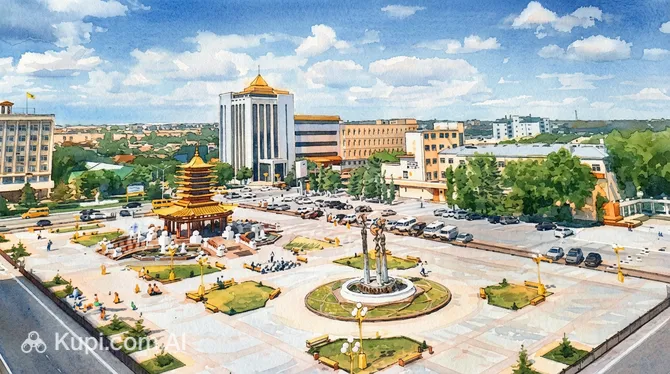
Elista. Source: Kupi.Binoculars

Located in the heart of the vast Kalmyk steppes, Elista serves as an oasis of spirituality and culture. With a population of approximately 103,000 people, it maintains a friendly and accessible size while providing all the amenities of a regional capital. The city is known for its sunny, continental climate, which perfectly complements the golden hues of its religious architecture.

The history of Elista is a testament to the resilience and rich heritage of the Kalmyk people. Although the city itself was established relatively recently compared to ancient settlements, it has rapidly evolved into a significant cultural hub. Walking through its streets, you can feel the deep connection to the land and the traditions that have shaped this community over generations.

Elista is famous for being the only region in Europe where Buddhism is the dominant religion. The magnificent Golden Abode of Buddha Shakyamuni is a must-see landmark, recognized as one of the largest Buddhist temples on the continent. Additionally, the city is renowned as the "Chess Capital," featuring the unique Chess City complex, which was built to host major international tournaments and celebrates the local passion for the game.

Whether you are drawn by the serenity of Buddhist temples or the intellectual challenge of chess, Elista promises an unforgettable travel experience. We invite you to explore this hidden gem and discover the warm hospitality and colorful culture that define the capital of Kalmykia.
Weather Overview

Elista experiences a continental climate characterized by distinct seasonal contrasts, offering hot summers and cold winters. The city's location on the steppe contributes to its specific weather patterns, where precipitation is generally low year-round, though the frequency of wet days varies by season.

The summer months of June through August are typically the warmest, with average temperatures peaking around 26.0°C in July. It is not uncommon for daily highs to reach 32.0°C, particularly in August, which is also the driest month with very few wet days. If you prefer milder conditions, May and September are excellent times to visit, offering comfortable average temperatures of 17.0°C and 18.6°C respectively.

Winters in the region are cold, with January seeing average temperatures drop to -2.0°C and nighttime lows reaching nearly -5.0°C. While the total precipitation volume remains low, winter months like December and January tend to have a higher number of wet days compared to the summer. For a comprehensive forecast to help you pack the right gear, check the current weather in Elista before your departure.

Interesting Facts

Beyond the main attractions, Elista holds many fascinating secrets that reveal its unique blend of cultures and history. This city on the steppe offers surprises that range from literary tributes to spiritual marvels.
Pagoda of Seven Days. Source: Kupi.Binoculars
  • Elista is one of the few places in the world that brings a fictional dream to life; it features a Monument to Ostap Bender, the charismatic anti-hero of the novel "The Twelve Chairs," honoring his fantastical vision of transforming a provincial town into a global chess capital.

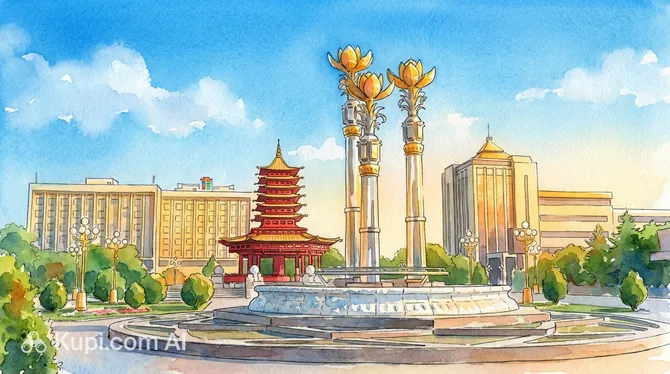
  • The stunning Pagoda of Seven Days in the city center houses a massive prayer wheel containing millions of written mantras, and locals believe that spinning it just once generates the same spiritual merit as reciting all the prayers inside.

  • Inside the magnificent Golden Abode of Buddha Shakyamuni, visitors can gaze upon the largest statue of Buddha in Europe, which stands an impressive nine meters tall and is covered in gold leaf.

  • The name of the city is derived from the Kalmyk word "Elst," which translates to "sandy," a fitting descriptor for the landscape of the surrounding steppe where the settlement was originally established in the mid-19th century.

How to Get There

Reaching the capital of Kalmykia requires a bit of planning, as the city is located in the vast steppe region. However, there are several convenient options for travelers. To explore every available route and plan your itinerary in detail, you can read more about how to get to Elista on our dedicated page.

The most direct way to arrive is by flying into the local Elista Airport (IATA: ESL). It is situated directly in the city of Elista, just 7.6 km from the center. A taxi or bus ride from the terminal to the downtown area is very quick, typically taking about 15 to 20 minutes. While convenient, this is a small regional hub with limited connections.

For more frequent flight options, many travelers choose to fly into Mineralnye Vody (IATA: MRV). This airport serves the wider region and handles a large volume of passengers, offering broader international and domestic connections. It is located approximately 250.6 km away from Elista. From there, the journey by road is significant, usually taking around 4 hours. Another viable alternative is Stavropol Airport (IATA: STW) in the city of Stavropol. It is approximately 215.5 km from Elista, and the ground transfer typically takes about 3 to 3.5 hours.

For clarity, here is a summary of the main airports:

Airport Name City Passenger Traffic Km from City
Mineralnye Vody Cherkessk High 250.6
Gumrak Volgograd High 274.3
Narimanovo Astrakhan Medium 287.1
Stavropol Airport Stavropol Medium 215.5
Elista Airport Elista Small 7.6

If you prefer traveling by train, please note that Elista does not have a major railway station with frequent long-distance connections. Instead, you can arrive at Kotelnikovo Station in the city of Kotelnikovo, which is approximately 169.9 km from Elista. From there, you can get a taxi or bus, which takes about 2.5 to 3 hours. Another option is the Ipatovo Railway Station in Ipatovo, located roughly 125.3 km away, with a transfer time of about 2 hours.

Below is a list of the nearest railway stations to help you plan your transfer:

Station City Passenger Traffic Km to Center
Kotelnikovo Station Kotelnikovo Medium 169.9
Svetlograd Railway Station Svetlograd Low 156.1
Ipatovo Railway Station Ipatovo Unknown 125.3
Zimovniki Station Dubovskoye Unknown 166.6
Remontnaya Station Dubovskoye Unknown 168.5

Main Attractions

Attractions:

Elista offers a fascinating array of sights that blend Buddhist spirituality, nomadic history, and modern culture. Exploring the city reveals unique landmarks that you won't find anywhere else in Europe, making it a truly distinctive destination for travelers.

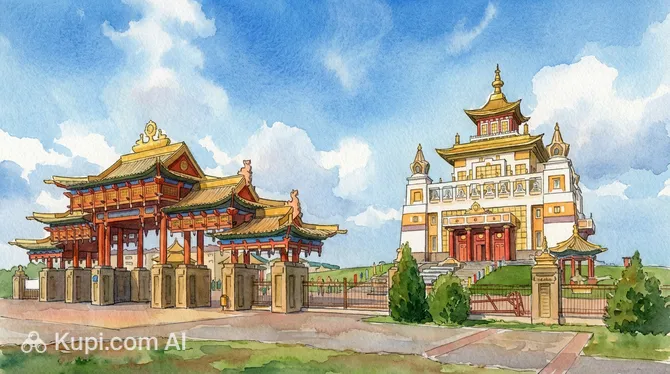
The crown jewel of the city is undoubtedly the Golden Abode of Buddha Shakyamuni. This majestic khurul is one of the largest Buddhist temples in Europe and serves as the spiritual heart of the republic. Visitors are greeted by ornate gates and seventeen statues of great Buddhist masters surrounding the perimeter. Inside, the serene atmosphere is dominated by a towering 9-meter statue of Buddha covered in gold leaf. It is a place of profound peace where you can admire intricate murals, learn about Buddhist philosophy, or simply soak in the tranquil energy.

Golden Abode of Buddha Shakyamuni. Source: Kupi.Binoculars

Located in the heart of the main square, the Pagoda of Seven Days is another spiritual landmark that defines the city's skyline. This bright, tiered structure houses a massive prayer wheel at its base filled with millions of written mantras. Locals and tourists alike spin the wheel to bring good fortune and purify karma. The surrounding fountains and open space make it a perfect spot for an evening stroll and a great place to observe local daily life.

For a touch of literary whimsy, you should visit the Monument to Ostap Bender. Dedicated to the charismatic anti-hero of the famous novel "The Twelve Chairs," this bronze statue celebrates the character's fictional dream of turning a small town into an intergalactic chess capital. The monument stands near the City Chess complex and is surrounded by twelve chairs, inviting visitors to sit and take a memorable photo with the "Grand Strategist." It highlights the city's unique sense of humor and its deep passion for chess.

Monument to Ostap Bender. Source: Kupi.Binoculars

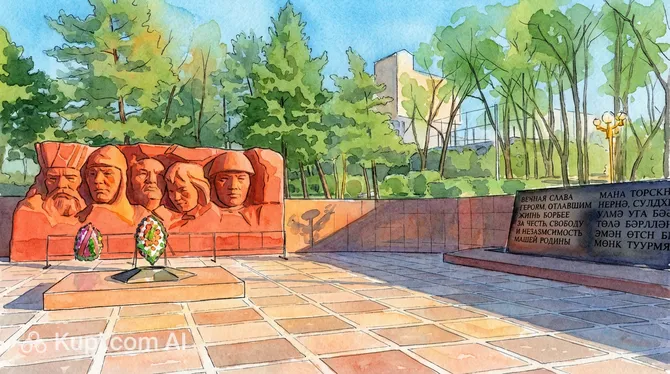
Another significant site is the Druzhba Monument, situated in a scenic park of the same name. This memorial complex honors the historic bond between the Kalmyk people and Russia, commemorating the 400th anniversary of Kalmykia's voluntary entry into the Russian state. The monument is a poignant symbol of history and resilience, while the surrounding park offers a quiet, green environment for relaxation and reflection away from the city center's bustle.

Druzhba Monument. Source: Kupi.Binoculars

Local Cuisine

The culinary scene in Elista offers a unique journey that is distinct from typical Russian fare, reflecting the deep nomadic roots of the Kalmyk people. The local cuisine is hearty and energy-rich, originally designed to sustain life on the windy steppes. Visitors can expect a menu dominated by high-quality meat—primarily lamb and beef—paired with dairy products and simple, delicious dough preparations.

One of the absolute must-try dishes is Berigi, large and juicy dumplings filled with minced meat, which are somewhat similar to manty or pelmeni but possess a distinct local flavor. Another staple is Mahan, a traditional dish consisting of large chunks of boiled meat and potatoes served in a rich, savory broth. These meals are almost always accompanied by Boortsog, golden fried dough pieces that serve as a delicious substitute for bread and are enjoyed with everything from soups to tea.

No gastronomic exploration of Elista is complete without tasting Jomba, the famous Kalmyk tea. This is not a typical sweet tea; it is a savory, nutrient-dense drink made from brick tea, milk, salt, and butter, often seasoned with spices like nutmeg. It is the symbol of Kalmyk hospitality. For those interested in traditional alcoholic beverages, you might encounter Araka, a milk vodka distilled from fermented milk, although the salty tea remains the most iconic drink of the region.

Dining in the city ranges from casual street food stalls selling hot meat pies to comfortable restaurants celebrating national traditions. To experience authentic flavors in a thematic setting, you can visit Kalmyk Cuisine Uralan. It is a popular destination for both locals and tourists looking to dive deep into traditional recipes.

Kalmyk Cuisine Uralan. Source: Kupi.Binoculars

Another excellent option for a satisfying meal is Chaykhana Tamerlan, which offers a welcoming atmosphere and a variety of hearty dishes. Whether you are looking for a quick snack at a market or a full festive dinner, the food culture in Elista is warm, filling, and unforgettable.

Travel Tips

Traveling to Elista is an adventure into a distinctive cultural landscape, and a few practical preparations will ensure your journey is smooth and enjoyable. Here is some essential advice to help you navigate the capital of Kalmykia with ease.

  1. Clothing and Gear: The steppe climate is characterized by strong winds, so a windproof jacket is useful even in warmer months. Summers can be very hot and winters quite cold, so check the forecast and pack layers. Crucially, when visiting Buddhist khuruls (temples), modest dress is required: both men and women should cover their shoulders and knees. Wear shoes that are easy to slip on and off, as you must remove them before entering prayer halls.

  2. Transportation: Elista is a relatively compact city, and many central attractions are walkable. For longer distances, the main form of public transport is the marshrutka (minibus). For the most convenient experience, use ride-hailing apps like Yandex Go; they are very affordable and help avoid language barriers. Car rental is generally not necessary for exploring the city itself.

  3. Finances: The local currency is the Russian Ruble (RUB). Please note that credit and debit cards issued by banks outside of the Russian Federation generally do not work within the country. You should bring sufficient cash in Rubles or exchange major currencies (USD or EUR) at official bank branches. Cash is essential for paying in small shops, markets, and public transport.

  4. Health and Safety: Elista is a safe and peaceful city for tourists. Pharmacies (marked as "Apteka") are easy to find, and some operate around the clock. A specific health tip for this region is to drink bottled water exclusively. The local tap water often has a high mineral and salt content due to the steppe soil, which can have a distinct taste and might upset a traveler's stomach.

  5. Communication: The primary language is Russian. While the Kalmyk language is also spoken locally, everyone understands Russian. English proficiency is relatively low, so having an offline translation app and an offline map on your phone is highly recommended. You can purchase a local SIM card at mobile provider stores using your passport to stay connected.

  6. Local Etiquette: Respect for Buddhist traditions is central to local life. When walking around stupas or inside temples, always move in a clockwise direction (keeping the sacred object to your right). Inside the temple, do not sit with your legs stretched out towards the Buddha statue or the altar; tuck your legs beneath you or sit cross-legged. It is also polite to receive or give items with your right hand or both hands.

  7. What to Avoid: Avoid loud behavior or taking photos where it is explicitly prohibited inside religious sites. Never point your finger at statues or monks; if you need to indicate a direction, gesture with an open hand. Do not turn your back directly on the Buddha statue immediately upon leaving; step backward a few paces first.

  8. Seasonal Tip: If you plan your visit for mid-summer (July or August), you may have the unique opportunity to see the lotus fields blooming in the waterways of the region. However, be prepared for temperatures that can exceed 30°C and ensure you have adequate sun protection and water.

By keeping these practical tips in mind, you will be well-prepared to embrace the warm hospitality of the Kalmyk people and the spiritual serenity of their capital. Enjoy your exploration of this fascinating city on the steppe!

Entertainment & Nightlife

Elista is not known for a raucous nightlife scene comparable to larger metropolises; instead, it offers a more relaxed and intimate evening atmosphere. After sunset, the city center transforms into a beautifully illuminated space where locals gather to socialize. The primary hub for evening activity is the area around Lenin Square and the Pagoda of Seven Days. At night, the pagoda is lit up with colorful lights, creating a magical backdrop for a peaceful evening stroll.

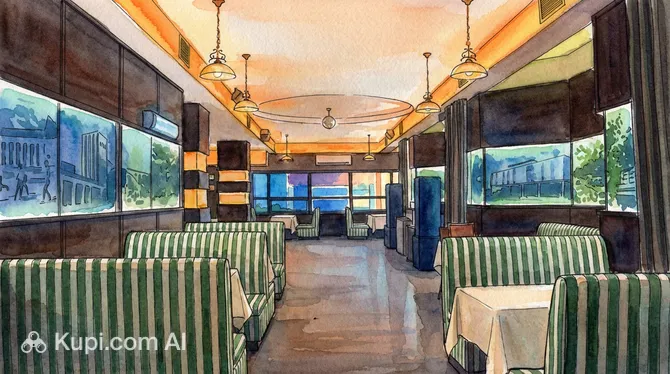
For those seeking a place to unwind with food and drinks, the local culture leans heavily towards dining establishments that transition into social venues in the evening. Chaykhana Tamerlan is a popular spot where you can enjoy a vibrant atmosphere, hearty food, and often music. It serves as a great example of how the city's nightlife revolves around hospitality and shared meals rather than loud dance clubs.

Chaykhana Tamerlan. Source: Kupi.Binoculars

Another excellent venue for an evening out is Kalmyk Cuisine Uralan. While primarily a restaurant, its warm ambiance makes it a perfect location for a long, leisurely dinner with friends or family. In Elista, the dress code for such places is generally casual but neat ("smart casual"). Most venues are open until around 11:00 PM or midnight, though some lounge bars and karaoke spots may stay open later on weekends.

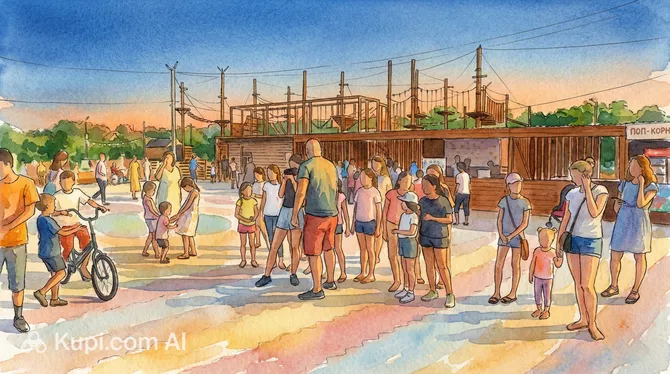
If you are looking for entertainment during the day before the sun goes down, the city has several options for active leisure. Families and thrill-seekers can visit Panda Park, an amusement park that offers rope courses and outdoor fun. It is a fantastic way to spend an energetic afternoon. Additionally, cultural enthusiasts can check out the local theaters, such as the Basangov Kalmyk National Drama Theater, which occasionally hosts evening performances.

Panda Park. Source: Kupi.Binoculars

Regarding safety and logistics, Elista is considered very safe for night walks, especially in the central districts. The streets are well-lit, and the crime rate is low. Getting around is easy and affordable; the best way to return to your accommodation after a night out is by using a taxi app like Yandex Go, as public transport frequencies drop significantly late at night. Prices for food and entertainment are generally lower than in Moscow or St. Petersburg, making a night out quite budget-friendly.

Parks & Museums

While Elista is famous for its religious sites, the city also boasts cultural institutions and green spaces that offer a deeper look into the region's heritage. A visit to the National Museum of the Republic of Kalmykia is essential for anyone interested in the history of the steppe. The museum houses a rich collection of ethnographic artifacts, traditional costumes, and art that tell the story of the Kalmyk people from ancient times to the present day. For a more specialized experience, the Chess Museum located in the City Chess complex displays unique chess sets and trophies, celebrating Elista's status as a global chess hub.

When it comes to outdoor relaxation, Druzhba Park (Friendship Park) is the city's main green lung. It connects various monuments and offers shaded paths that provide a welcome respite from the summer heat. It is a popular place for leisurely walks, where you can observe the local pace of life and enjoy the surrounding nature.

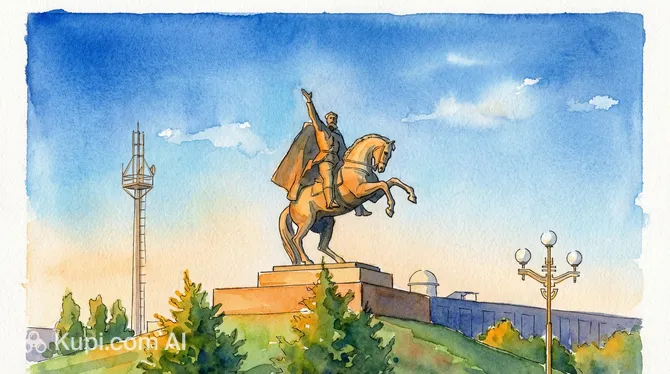
Among the city's significant historical landmarks is the Monument to General O.I. Gorodovikov. This statue is dedicated to the Hero of the Soviet Union and a prominent leader of Kalmykia, Basan Gorodovikov, who played a pivotal role in the republic's development. The monument stands as a tribute to his legacy and is a respected site for the local community, reflecting the deep appreciation for his contributions to the region.

Monument to General O.I. Gorodovikov. Source: Kupi.Binoculars

Getting Around

Public transport in Elista is straightforward and relies entirely on a road-based network, as the city does not have a metro, tram, or trolleybus system. The backbone of local mobility consists of marshrutkas (minibuses) and a smaller fleet of regular municipal buses. These vehicles cover the entire city, connecting the central districts with residential areas, the airport, and the famous City Chess complex. For tourists, navigating this system is relatively easy once you understand the basic routes, though route maps at stops are rare.

The payment system is simple and somewhat old-fashioned compared to larger metropolises. Fares are very affordable, typically costing a small amount in local currency. You generally pay the driver directly in cash upon entering or exiting the vehicle, depending on the driver's preference. While some modern terminals for bank cards are being introduced, they are not universal. Therefore, it is highly recommended to carry small denominations of Rubles (coins and small notes) to avoid payment issues. There are no complex travel zones or day passes; you simply pay for each ride individually.

Operating hours for public transport usually run from approximately 6:00 AM to 9:00 PM. Frequencies are high during the day, with marshrutkas arriving every few minutes, but service drops off significantly in the evening. Designated bus stops exist, marked by signs or shelters, but in practice, drivers may stop on demand if you wave your hand clearly. When you need to get off, it is customary to shout the name of your stop or simply ask the driver to stop loudly enough for them to hear.

Given the compact nature of the city and the limited evening bus service, taxis are an extremely popular and convenient alternative. Ride-hailing apps like Yandex Go work well in Elista, offering a way to overcome language barriers since you can set your destination on the map. Taxi fares are generally low, making them a viable option even for budget travelers, especially if you are visiting attractions on the outskirts or heading out for dinner. Additionally, the city center is quite walkable, allowing you to explore the main squares and parks on foot without needing transport at all.

Accommodation

Accommodation in Elista is generally modest but comfortable, catering primarily to travelers seeking cultural immersion rather than ultra-luxury experiences. The city does not feature major international hotel chains; instead, the hospitality sector is dominated by local hotels, small private guesthouses, and a growing market of apartment rentals. Visitors can typically choose between renovated Soviet-era establishments and newer, smaller mini-hotels that offer a more personalized touch.

For the most convenient stay, it is highly recommended to look for accommodation in the city center. Staying near the central square or within walking distance of the major religious sites allows you to explore most attractions on foot. This area is not only close to the main dining spots but also places you right in the middle of the city's evening social life, particularly around the illuminated pagodas and fountains.

Another unique area to consider is the City Chess district (City Chess). Located on the outskirts of the main urban area, this complex was built specifically to host chess tournaments and offers a quiet, suburban atmosphere. While it is a bit further from the center, it provides a distinctive setting surrounded by steppe landscapes and unique architecture, though you will likely need a taxi to reach the downtown restaurants and museums.

Booking Tips and Prices: The price range in Elista is generally affordable, falling into the budget to mid-range categories compared to larger Russian cities. During major Buddhist festivals like Tsagan Sar or the Lotus Festival, accommodation can fill up quickly, so it is wise to book several weeks in advance. While larger hotels accept cards and can be booked via major online aggregators, smaller guesthouses often prefer direct contact or payment in cash upon arrival.

Nearby Cities

For those looking to explore the surroundings, Elista serves as an excellent base for day trips to several interesting nearby locations. While the distances in the vast steppe region can be significant, a few towns offer rewarding experiences for dedicated travelers.

One of the most prominent destinations is Volgodonsk, located on the banks of the expansive Tsimlyansk Reservoir. It is a young, industrial city famous for its connection to the Volga-Don Canal, offering visitors a chance to see impressive hydraulic engineering and enjoy water-based recreation in the summer. Closer to the border with the Stavropol Territory lies Svetlograd. A trip here provides a change of scenery from the arid Kalmyk plains to the greener, rolling agricultural landscapes of the neighboring region, and the area is known for local salt lakes with therapeutic mud.

City Population Distance (km)
Volgodonsk 171471 206
Mikhaylovsk 93658 219
Budennovsk 62495 169
Salsk 57622 212
Svetlograd 35745 156

These nearby destinations offer a glimpse into the diverse culture and landscapes of the region.

Shopping & Souvenirs

Shopping in Elista offers a distinct experience that reflects the city's unique position as a bridge between nomadic traditions and modern life. While you will not find the sprawling luxury avenues of a global metropolis, the city provides a charming selection of local goods that make for perfect mementos. The shopping scene here is less about high-end fashion and more about authentic cultural items, local crafts, and regional specialties that you cannot find anywhere else in the country.

The heart of the city's commercial activity is concentrated around Lenin Street and the surrounding central districts. A stroll down this main thoroughfare reveals a mix of small boutiques, souvenir shops, and convenience stores. It is a pleasant area to walk, allowing you to combine sightseeing with browsing for local treasures.

For a more modern retail experience, you can visit the Kit Wholesale Trade Center. Despite its utilitarian name, this is one of the city's primary shopping destinations where locals go for clothing, electronics, and household goods. It offers a convenient one-stop location if you need to purchase travel essentials or simply want to see the contemporary side of Kalmyk commerce.

Kit Wholesale Trade Center. Source: Kupi.Binoculars

To truly understand the local lifestyle, a visit to the Central Market is essential. This bustling bazaar is where the colors and flavors of the steppe come alive. Here, you can find fresh local produce, including the region's famous meat products, as well as affordable clothing and household items. It is a vibrant place to interact with friendly locals and observe the daily rhythm of the city.

When it comes to souvenirs, Elista offers items that are deeply rooted in its heritage. The most iconic gift to bring home is a brick of Kalmyk tea, the essential ingredient for making the traditional salty Jomba. Buddhist attributes such as prayer beads, incense, and small statues are also widely available and of high quality. Additionally, look for products made from camel or sheep wool, such as warm socks and belts, which are famous for their durability and warmth. Given the city's chess fame, a unique chess set is also a fitting keepsake.

Most shops in Elista operate from approximately 10:00 AM to 8:00 PM, with larger centers staying open until 10:00 PM. Markets typically start their day early, around 8:00 AM, and close by late afternoon. While shopping malls and supermarkets accept credit cards, cash is still king at the markets and smaller souvenir stalls. It is advisable to carry some Russian Rubles in smaller denominations for these transactions. Tax-free shopping services are generally not available in the city.

Reached the end of the page?

That means the route is fully explored