Support

Astrakhan

About

Astrakhan is a captivating city situated in the upper part of the Volga Delta, serving as a unique cultural bridge between Europe and Asia. Often referred to as the "Venice of the South" due to its numerous canals and islands, it offers a distinct atmosphere that sets it apart from other destinations in the Russian Federation. With a population of over 530,000 people, the city is a vibrant hub of trade and tourism, celebrated for its diverse heritage and welcoming spirit.

Astrakhan. Source: Kupi.Binoculars

Geographically, the city is located on 11 islands in the majestic Volga River, just north of the Caspian Sea. The local climate is sharply continental, bringing hot summers that are perfect for exploring the natural surroundings. One of the most spectacular natural phenomena here is the blooming of the Caspian lotus in the Volga Delta, which transforms the water surface into a sea of pink flowers during the summer months.

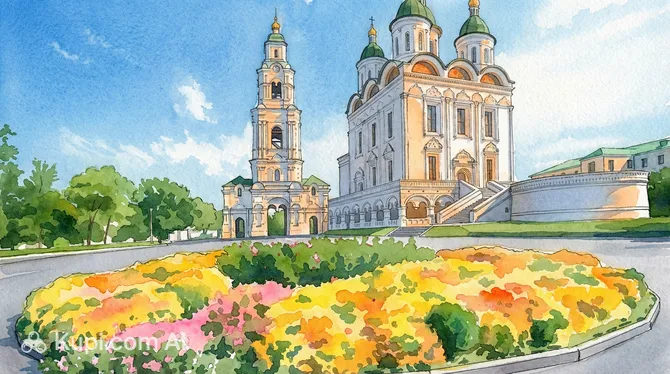
The city boasts a deep and fascinating past, having served as a crucial trading post on the Great Silk Road. Exploring the history of Astrakhan allows visitors to understand its strategic importance through the centuries. The architectural crown jewel is the Astrakhan Kremlin, a stunning white-stone fortress built in the 16th century that houses beautiful cathedrals and museums. Beyond architecture, the region is a paradise for fishing enthusiasts and those seeking the tranquility of river landscapes.

Whether you are drawn by the allure of ancient fortresses, the taste of famous local watermelons and fish, or the beauty of the delta, Astrakhan promises an unforgettable journey. It is a destination that perfectly blends historical charm with natural splendor, inviting travelers to discover its many secrets.
Weather Overview

Astrakhan features a sharply continental climate characterized by distinct seasonal contrasts, ranging from freezing winters to scorching summers. Because the region is semi-arid, travelers can generally anticipate clear skies and dry conditions throughout most of the year. To help you pack appropriately for your specific travel dates, it is useful to check the detailed report on the weather in Astrakhan.

The summer months are notably hot, with average temperatures peaking in July around 27.5°C and daily highs frequently reaching 33.6°C. This season is also the driest, with months like August often seeing zero wet days. In contrast, winters are cold, with January averages dropping to -2.5°C and minimum temperatures falling to -5.7°C.

Transition seasons like April and October offer milder weather, with average temperatures of 12.8°C and 12.1°C respectively. Precipitation is scarce year-round, usually amounting to just 1mm per month. Overall, expect hot summers with virtually no rain and cold, dry winters.

Interesting Facts

Beyond the well-known beauty of the Volga Delta, Astrakhan holds fascinating secrets and unique geographical features that often surprise visitors. Here are some intriguing details about the city:
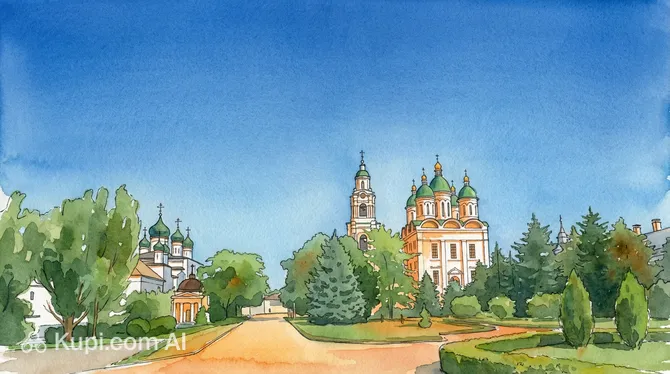
Astrakhan Kremlin. Source: Kupi.Binoculars
  • A City Below the Sea: Astrakhan is situated in the Caspian Depression, placing it approximately 28 meters below sea level. This makes it one of the lowest-lying major cities in the world, a geographical quirk that contributes to its specific climate and atmospheric conditions.

  • A Leaning Landmark: The Astrakhan Kremlin is not only the southernmost fortress of its kind in Russia but also features a curious architectural anomaly. Its main entrance, the Prechistenskaya Bell Tower, has a noticeable tilt, often drawing comparisons to the famous Leaning Tower of Pisa.

  • Camels in Russia: While many associate Russian wildlife with forests and bears, the semi-desert steppes surrounding Astrakhan are home to herds of Bactrian camels. These animals have been bred here for centuries, serving as a living reminder of the region's history as a major stop on the Great Silk Road.

  • Imperial Melons: The city is officially recognized as the "Watermelon Capital" of Russia. Historically, the local watermelons were considered so superior that a special "watermelon line" was established to transport these giant fruits directly to the Tsar's table in Saint Petersburg.

  • Peter's Legacy: The city has a deep connection with the founder of the Russian Navy, who established the Caspian flotilla here. It is said that he personally planted an oak tree in the city during his visit, a moment in history honored by the Monument to Peter the Great located on the embankment.

How to Get There

Reaching this unique city on the Volga Delta is possible through various means of transport, with air travel being the most popular choice for long-distance visitors. For a detailed overview of routes and tips, you can read more about how to get to Astrakhan to plan your journey effectively.

The primary gateway to the region is Narimanovo (IATA: ASF), an international airport located just 9.2 km from the city center. It serves as the main hub for travelers, with a travel time of approximately 35 minutes by taxi or bus to the downtown area. For those exploring the wider region, Elista Airport (IATA: ESL) in the city of Elista is another option, though it is situated about 286.7 km away. Reaching Astrakhan from there would require a significant ground transfer, taking around 7.5 hours. Additionally, Atyrau Airport (IATA: GUW) is located in Atyrau, approximately 300 km from Astrakhan.

For clarity, here is a summary of the main airports:

Airport Name City Passenger Traffic Km from City
Atyrau Airport Atyrau Large 299.9
Narimanovo Astrakhan Large 9.2
Elista Airport Elista Small 286.7

Traveling by train is another scenic and convenient way to arrive, especially for those coming from other parts of Russia. The city's main railway hub is Astrakhan-1 Railway Station, which is centrally located just 0.3 km from the heart of the city, making it incredibly easy to reach your accommodation immediately upon arrival. Another significant stop in the vicinity is Aksarayskaya Station in the city of Narimanov, situated 48.5 km away. A transfer from this station to Astrakhan typically takes about 90 minutes by road.

Below is a list of the nearest railway stations serving the area:

Station City Passenger Traffic Km to Center
Astrakhan-1 Railway Station Astrakhan Large 0.3
Aksarayskaya Station Narimanov Medium 48.5
Kharabalinskaya Station Kharabali Medium 131.5
Ashuluk Station Kharabali Small 117.8
Verkhny Baskunchak Station Akhtubinsk 231.0

Main Attractions

The city offers a wealth of sights that reflect its rich history as a trading hub and its unique location on the Volga Delta. From majestic religious architecture to scenic promenades, the local landmarks provide a diverse itinerary for any traveler.

One of the most popular places for a leisurely stroll is the Astrakhan Embankment. Stretching along the Volga River, this beautifully landscaped promenade is the beating heart of the city's social life. It is lined with charming lanterns, fountains, and sculptures, offering spectacular views of the river, especially at sunset. Tourists flock here to enjoy the fresh breeze, watch the passing ships, and see the majestic statue of Peter the Great, which commands attention near the water's edge.

Astrakhan Embankment. Source: Kupi.Binoculars

For those who appreciate architectural grandeur, the Assumption Cathedral is an absolute must-see. Located within the historic Kremlin complex, this cathedral is considered one of the finest examples of Russian church architecture from the early 18th century. Its intricate detailing, massive structure, and five domes make it a photographer's dream. Visitors are often struck by the spiritual atmosphere and the sheer scale of the building, which has dominated the city's skyline for centuries.

To gain a deeper understanding of the region's heritage, a visit to the Astrakhan Museum-Reserve is essential. This institution is one of the oldest in the country and boasts a vast collection that spans archaeology, ethnography, and natural history. The exhibits tell the fascinating story of the Golden Horde, the diverse ethnic groups of the region, and the unique ecosystem of the Caspian basin. It is an educational experience that provides context to everything else you see in the city.

Astrakhan Museum-Reserve. Source: Kupi.Binoculars

If you are looking for a place to relax among greenery, Arkadia Park offers a delightful escape. As one of the oldest parks in the city, it combines historical charm with modern entertainment. It is a perfect spot for families and those wanting to take a break from sightseeing. The park features rides, walking paths, and a fountain, making it a lively yet peaceful destination to enjoy the local atmosphere.

Local Cuisine

To explore the cuisine of Astrakhan is to dive into the rich bounty of the Volga River and the Caspian Sea. Often called the "Fish Capital" of Russia, the city offers a gastronomic experience heavily defined by its aquatic surroundings. Here, fish is not just an ingredient; it is a way of life, prepared in every conceivable way—smoked, dried, salted, fried, and boiled into rich soups.

The absolute king of the local table is the famous Astrakhan Ukha (fish soup). Unlike standard versions found elsewhere, the local "Triple Ukha" is a culinary masterpiece prepared in three stages. It typically starts with boiling smaller river fish to create a potent broth, followed by larger varieties like bream or zander, and finally finished with premium cuts of sturgeon or salmon. Authentic recipes often include a splash of vodka and a burning log dipped into the pot to infuse the soup with a smoky aroma.

Another iconic delicacy that every visitor must try is Vobla (dried roach). This salted, air-dried fish is more than just a snack; it is a cultural symbol of the region, traditionally enjoyed with a cold beverage. While black caviar remains the historic luxury associated with the area, pike caviar has become a popular and delicious alternative, often served on buttered bread as a savory appetizer.

Beluga. Source: Kupi.Binoculars

Beyond seafood, the region is famous for its exceptional produce. Astrakhan is officially recognized as the Watermelon Capital of Russia. In late summer and early autumn, these giant, sweet fruits are everywhere, sold at roadside stands and markets. The local tomatoes are also legendary for their rich flavor, often appearing in salads or as a side to meat dishes. Due to the city's diverse population, you will also find strong influences of Tatar and Kazakh cuisine, with hearty meat dishes like beshbarmak (boiled meat with noodles) featuring prominently on menus.

The dining scene in Astrakhan ranges from bustling markets to elegant riverside establishments. For a true taste of the city's high-end seafood culture, the restaurant Beluga is a standout choice. Here, guests can sample exquisite sturgeon dishes and caviar in a refined setting. For a more casual atmosphere, locals often gather at places like Beer House, where the relaxed vibe pairs perfectly with hearty snacks and local brews.

When it comes to drinks, tea plays a significant role, reflecting the city's Asian influences. It is often drunk hot and strong, sometimes accompanied by baursaki (fried dough balls). However, on hot summer days, the local drink of choice is often chilled kvass or a cold beer, which serves as the perfect companion to the salty, savory taste of the famous Astrakhan vobla.

Travel Tips

Welcome to Astrakhan, a city where the Volga meets the Caspian and diverse cultures intertwine. To make the most of your journey to this unique river delta region, a few practical preparations will ensure a smooth and enjoyable experience.

  1. Clothing and Essentials: The climate here is sharply continental, meaning you need to pack for extremes. In summer, lightweight, breathable fabrics and a sun hat are mandatory, along with strong insect repellent—the Volga Delta is famous for its mosquitoes and midges, especially near the water. In winter, thermal underwear and a heavy, windproof coat are essential. If you plan to visit the Russian Federation's historic churches or local mosques, dress modestly; women should bring a scarf to cover their heads.

  2. Transportation: The city center is walkable, but for longer distances, ride-hailing apps (such as Yandex Go) are the most convenient and affordable option, sparing you the language barrier of negotiating with street drivers. Public transport relies heavily on marshrutkas (minibuses) and larger buses; while cheap, they can be crowded and confusing for first-time visitors.

  3. Finances: The local currency is the Russian Ruble (RUB). Be aware that credit cards issued outside the country often do not work due to banking limitations, so relying on them is not advisable. It is best to bring cash (USD or EUR) in pristine condition to exchange at official bank branches. Cash is also king at local markets and smaller kiosks where digital payments may not be available.

  4. Health and Safety: Pharmacies are marked with a green cross and the word "Apteka" (Аптека); many are open 24/7. While the city is generally safe, the summer heat can be intense, so stay hydrated. Crucially, do not drink tap water; always purchase bottled water for drinking and brushing your teeth to avoid stomach issues.

  5. Communication: English is not widely spoken outside of major hotels and tour agencies. It is highly recommended to download an offline translation app and an offline map before you arrive. Buying a local SIM card (MTS, Beeline, MegaFon, or Tele2) is straightforward at official stores in the city center; you will just need your passport.

  6. Local Etiquette: Astrakhan is a melting pot of ethnicities and religions. It is polite to greet men with a handshake, while a verbal greeting is common for women. If you are invited to a local home, always remove your shoes at the door. Hospitality is taken seriously here, so refusing tea or food might be seen as slightly rude.

  7. What to Avoid: Never buy black caviar from street vendors, open markets, or the trunks of cars. This caviar is often poached, processed in unsanitary conditions, and illegal to transport. Only purchase sturgeon products from specialized, licensed shops that provide the necessary legal documentation and receipts.

  8. Market Insider Tip: For the most authentic experience, visit the famous Selenskiye Isady market. Go early in the morning to see the freshest catch of the day and try the legendary Astrakhan tomatoes, which locals claim are the sweetest in the world. It is also the best place to buy souvenir packs of dried fish (vobla).

Astrakhan is a hospitable city with a slow, southern rhythm of life that charms many visitors. By keeping these practical tips in mind, you will be well-equipped to navigate the delta safely, enjoy the local flavors, and connect with the warm-hearted locals.

Entertainment & Nightlife

Entertainment and Nightlife:

When the sun sets over the Volga Delta and the intense heat of the day subsides, Astrakhan transforms into a lively hub of evening entertainment. While it may not rival the frenetic pace of Moscow, the city possesses a distinct southern charm where nightlife revolves around socializing, music, and enjoying the riverside breeze. The atmosphere is generally relaxed yet festive, particularly on Fridays and Saturdays when locals head out to unwind.

The epicenter of evening activity is undoubtedly the area surrounding the central embankment and the historic streets near the Kremlin. During the warmer months, the promenade itself feels like an open-air festival, teeming with people walking, dining in outdoor cafes, and listening to street musicians. For more structured nightlife, the streets radiating from the center, such as Nikolskaya and Akhmatovskaya, are home to various bars and lounges where the evening often begins with cocktails and hookahs.

For those seeking a vibrant clubbing experience, Chicago House is a popular destination. Known for its energetic atmosphere, this nightclub attracts a trendy crowd looking to dance to modern hits and electronic music. The venue frequently hosts themed parties and DJ sets, making it a staple of the local party scene. It is a place where you can dress up and enjoy the rhythm of the city until the early hours.

Chicago House. Source: Kupi.Binoculars

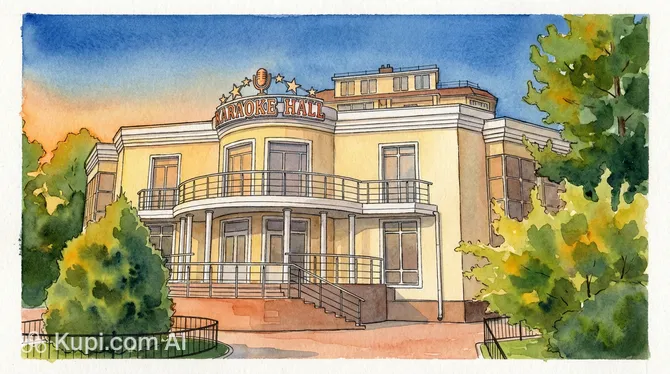
Singing is a beloved pastime in Russia, and Astrakhan is no exception. Karaoke Hall offers a fun and interactive night out for groups of friends. Whether you are a professional vocalist or just looking to have a laugh, the high-quality sound systems and extensive song lists create a welcoming environment. These venues often combine the karaoke experience with full bar service and dining, allowing guests to spend the entire evening in one spot.

Karaoke Hall. Source: Kupi.Binoculars

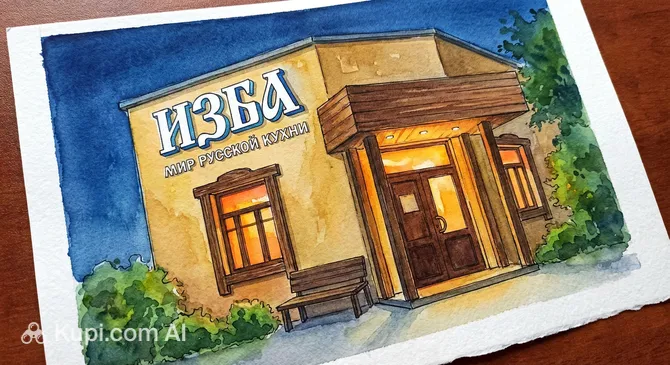
If you prefer a more laid-back setting to enjoy a drink, Izba Café provides a cozy alternative. Categorized as a bar, it offers a rustic and inviting ambiance where conversation flows easily. Places like this are perfect for sampling local beers or spirits in a setting that feels less like a noisy club and more like a gathering of friends. The dress code in most bars is casual, though nightclubs often enforce "face control," so smart-casual attire is recommended.

Izba Café. Source: Kupi.Binoculars

Regarding practicalities, nightlife in Astrakhan is relatively affordable compared to larger Russian cities. Entry fees for clubs are standard, and table reservations are advisable for weekends. To get around safely at night, it is best to use ride-hailing apps like Yandex Go rather than flagging down cars on the street. The central tourist areas are well-lit and generally safe for walking, but it is always wise to take a taxi door-to-door late at night.

Before the nightlife kicks in, the city offers plenty of daytime cultural entertainment. Astrakhan is proud of its theatrical traditions, boasting the magnificent State Opera and Ballet Theatre, which is an architectural gem in its own right. For families or those seeking lighthearted fun, amusement parks and cinemas provide ample leisure options, ensuring that there is something to do at any hour of the day.

Parks & Museums

Astrakhan offers a delightful mix of green sanctuaries and rich cultural institutions that allow visitors to explore the city's heritage while enjoying its natural beauty. From shady gardens in the city center to museums housing rare artifacts, the local leisure spots provide a perfect balance of relaxation and education.

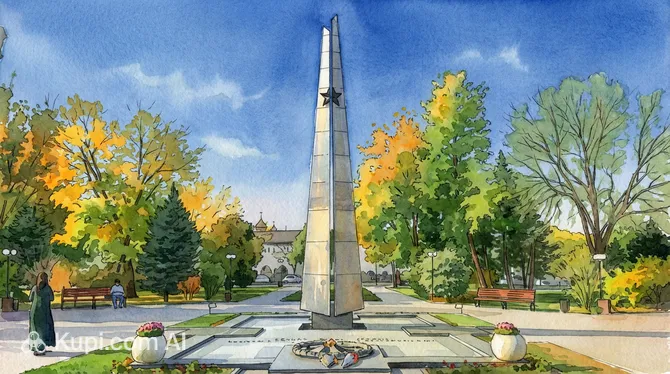
One of the most significant green spaces in the heart of the city is the Fraternal Garden. Located just steps away from the Kremlin walls, this park serves as a peaceful retreat from the summer heat. It is a place of memory and tranquility, featuring the Eternal Flame and monuments dedicated to fallen heroes. Locals and tourists alike come here to walk under the canopy of old trees, making it an ideal spot for a quiet pause during a day of sightseeing.

Fraternal Garden. Source: Kupi.Binoculars

Another vibrant area for recreation is the square surrounding the Petrovsky Fountain. Situated on the scenic embankment, this grand fountain is a favorite gathering place, especially in the evenings when it is often illuminated. The surrounding area offers a refreshing breeze from the Volga River and is perfect for a leisurely promenade, capturing the lively spirit of the city.

For those interested in history and military heritage, the Artillery Arsenal Museum is a fascinating destination. Located within the historic Kremlin complex, this museum showcases a unique collection of weaponry and armor, detailing the military history of the region. The interactive exhibits and the atmospheric setting of the old arsenal building make it an engaging experience for visitors of all ages.

Artillery Arsenal Museum. Source: Kupi.Binoculars

Astrakhan also honors its maritime legacy through various monuments that act as open-air museum pieces. A poignant example is the monument In Memory of the Lost Ships, which stands as a tribute to the sailors of the Caspian flotilla. Located near the river, it offers a moment of reflection on the city's deep connection to the water and the sacrifices made by those who navigated it.

Beyond the main tourist trails, consider visiting Swan Lake (Lebedinoe Ozero), a charming pond located in the city center. It is a popular spot among locals for feeding the swans and enjoying a quiet sunset, offering a genuine slice of everyday life in Astrakhan away from the busier attractions.

Getting Around

Navigating Astrakhan is a unique experience that reflects the city's geography and recent modernization efforts. Unlike larger metropolises, the city does not have a metro, tram, or trolleybus system. Instead, the public transport network relies entirely on a combination of buses, minibuses, and seasonal river vessels, making the system straightforward but distinct in its operation.

The backbone of local transit consists of a fleet of modern blue buses, which were introduced as part of a recent transport reform. These large and medium-sized vehicles are air-conditioned—a crucial feature during the sweltering Astrakhan summers—and run on scheduled routes connecting the city center with residential districts. Supplementing these are the ubiquitous marshrutkas (minibuses). While they are faster and can stop on demand in some areas, they are often more crowded and less comfortable than the newer municipal buses.

A special feature of Astrakhan's transport system, owing to its location on the Volga Delta, is the "river tram." During the navigation season (typically from April to October), public boats operate as part of the municipal transport network. These vessels ferry locals to their dacha plots on nearby islands and offer tourists a scenic and incredibly affordable way to see the city from the water. It is a charming alternative to road transport that provides a genuine feel for the "Venice of the South."

Payment methods vary depending on the type of vehicle. On the modern blue buses, the system is fully digital-friendly; you can pay the fixed fare using a contactless bank card, a smartphone, or a specialized transport card by tapping the validators installed near the doors. In contrast, if you take a smaller marshrutka, cash is still the primary method of payment. You typically pay the driver directly upon entering or exiting, so it is advisable to carry small change.

For those who prefer more comfort or direct routes, taxis are an extremely popular and affordable alternative. International ride-hailing apps may not work, but local services like Yandex Go are widely used and reliable. They offer a fixed price before the ride begins and eliminate the language barrier. Car-sharing services are not as developed here as in the capital, and bike rentals are mostly recreational, found in parks or on the embankment rather than as a mode of commuting.

Practical advice for tourists includes downloading a local map app like 2GIS or Yandex Maps, which provide the most accurate real-time tracking of buses and route planning. Be aware that public transport in Astrakhan tends to wind down earlier than in bigger cities; buses and minibuses become scarce after 10:00 PM, so if you are planning a late night out, booking a taxi is the safest bet to ensure you get back to your accommodation without hassle.

Accommodation

Finding accommodation in Astrakhan is generally straightforward, offering a range of options that cater to different budgets and travel styles. The city provides a mix of modern mid-range hotels, smaller guest houses, and budget-friendly hostels. A popular alternative for many travelers, particularly families or groups, is renting a private apartment, which is widely available and often provides good value for money. For a truly unique local experience, visitors can also find "floating hotels" (debarkaders) moored along the riverbanks, offering a chance to sleep right on the water.

The most convenient area for tourists is the Kirovsky District, which encompasses the historic city center. Staying here places you within walking distance of the main attractions, including the white-stone walls of the Kremlin and the scenic Volga embankment. This area is not only safe and well-lit but also serves as the hub for cafes, restaurants, and transport links. If you prefer a quieter stay, the areas slightly further from the river offer peaceful residential vibes while still being a short taxi ride from the action.

Beyond the city limits, the region is famous for its specialized fishing bases (lodges). While technically outside the urban center, these are a major accommodation category for Astrakhan. They range from simple cabins to luxury resorts with full-service amenities, catering specifically to anglers and nature lovers wanting to explore the Volga Delta.

Booking Tips and Prices:

Prices in Astrakhan are generally moderate compared to Moscow or St. Petersburg. You can find decent hotel rooms or apartments at very affordable rates. However, demand spikes significantly during the peak fishing seasons (April–May and August–October) and the lotus blooming season (July–August). During these times, the best properties sell out weeks in advance.

Since many international booking platforms do not operate within the Russian Federation, it is highly recommended to use local Russian travel aggregators or contact hotels directly to secure your reservation. Always confirm whether your accommodation accepts foreign credit cards or if you will need to pay in cash upon arrival.

Nearby Cities

For those looking to explore the surroundings, Astrakhan serves as an excellent base for day trips and short excursions to several interesting nearby locations. The region offers a fascinating mix of diverse cultures and unique natural landscapes that are well worth the journey.

One of the most distinctive destinations is Elista, the capital of the Republic of Kalmykia. Located in the steppes west of Astrakhan, it is renowned as the only region in Europe where Buddhism is the primary religion. Visitors flock here to see the magnificent Golden Abode of Buddha Shakyamuni, one of the largest Buddhist temples in Europe, and to explore the intriguing Chess City complex. The city offers a completely different cultural atmosphere, making it a memorable contrast to the Russian river cities.

To the north lies Akhtubinsk, a town that serves as the gateway to some of the region's most spectacular natural wonders. It is the nearest major settlement to Lake Baskunchak, often referred to as the "Russian Dead Sea" due to its incredibly high salt concentration. Nearby, travelers can also visit the Bogdo-Baskunchak Nature Reserve, home to Mount Bogdo, the highest point in the Caspian Depression and a sacred site for local Buddhists. The area is perfect for those seeking unique geological formations and health-boosting salt air.

City Population Distance (km)
Khasavyurt 141259 364
Elista 103535 291
Budennovsk 62495 350
Kizlyar 49247 299
Akhtubinsk 37883 257

These nearby destinations offer a glimpse into the diverse culture and landscapes of the region, ranging from the Buddhist steppes of Kalmykia to the salt lakes of the northern Astrakhan Oblast.

Shopping & Souvenirs

Shopping in Astrakhan is a unique experience that leans heavily towards gastronomic treasures and local crafts rather than high-end fashion. While you will find standard clothing brands and modern conveniences, the true allure of shopping here lies in the city's rich bounty from the Volga River and the Caspian Sea. Visitors typically focus on acquiring edible souvenirs that cannot be found of the same quality anywhere else in the country.

For those looking for a conventional shopping experience with familiar brands, the city offers several modern complexes. The most prominent is the Yarmarka Shopping and Entertainment Center, conveniently located near the main railway station. It serves as the city's primary retail hub, featuring international clothing chains, electronics stores, a cinema, and a large food court. Another popular destination is the Olympic shopping mall, which offers a variety of sports shops, boutiques, and leisure activities.

Yarmarka Shopping and Entertainment Center. Source: Kupi.Binoculars

However, to truly understand the local culture, you must visit the markets. The most famous and atmospheric marketplace is Selenskiye Isady. This is the ultimate destination for fish lovers. Here, you can wander through rows of smoked sturgeon, piles of dried vobla (roach), and jars of caviar. It is a sensory overload of smells and sights, where you can taste products before buying and haggle with local vendors. Another notable spot is the Tatarsky Bazar, known for its fresh produce, seasonal fruits, and vibrant mix of ethnic cuisines.

Olympic. Source: Kupi.Binoculars

When it comes to souvenirs, edible gifts top the list. The most iconic item to bring back is undoubtedly Astrakhan fish—whether it is balyk (cured fillet) of sturgeon or a simple bunch of dried vobla to enjoy with beer. Black caviar is the luxury choice, but it is crucial to buy it only from official shops or licensed market stalls that provide legal documents to avoid problems at customs. Beyond seafood, look for watermelon honey (nardek), a unique local jam made from the region's famous melons, or crafts made from river reeds and lotus flowers.

Most shopping malls and supermarkets operate daily from 10:00 AM to 10:00 PM. Markets, however, start their day much earlier, often around 7:00 AM, and typically close by 5:00 PM or 6:00 PM. While credit cards are widely accepted in malls, restaurants, and chain stores, cash is essential for visiting markets and buying from small souvenir kiosks. ATMs are plentiful throughout the city center.

Regarding Tax-Free shopping, the Russian Federation has a VAT refund system for foreign tourists. If you purchase goods from participating retailers (usually identified by a "Tax Free" logo in the window) and spend above a certain threshold, you may be eligible for a refund. You will need to ask for a special tax-free form at the checkout and present your passport. However, this service is less common in regional cities compared to Moscow or St. Petersburg, so it is best to check with individual stores beforehand.

Nearby cities

Reached the end of the page?

That means the route is fully explored