Support

Agri

About

Welcome to Agri, a captivating destination located in the far eastern reaches of Turkey. Known for its rugged landscapes and profound cultural significance, this city serves as a gateway between Anatolia and Iran. Agri offers travelers a unique glimpse into the authentic lifestyle of Eastern Anatolia, characterized by its high-altitude terrain and warm hospitality.
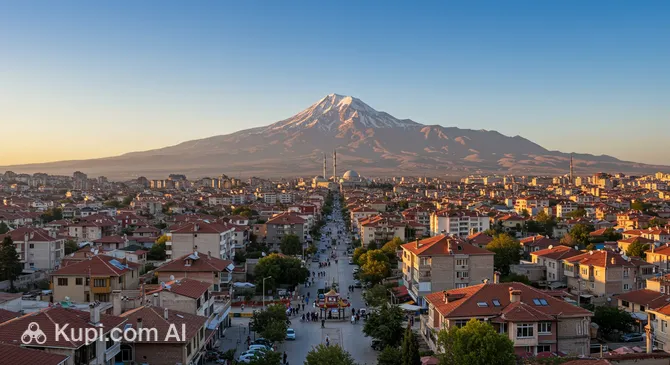
Agri. Source: Kupi.Binoculars

Geographically, the city is situated on a high plateau, which gives it a distinct climate featuring cool summers and snowy winters. With a population of approximately 149,000 residents, Agri is a bustling provincial capital that balances its role as a commercial hub with its proximity to some of the country's most spectacular natural wonders.

The region has been a crossroads for various civilizations throughout the centuries, serving as a vital stop on ancient trade routes. Those interested in the past can delve deeper into the history of Agri to discover how it has been shaped by the Urartians, Persians, Seljuks, and Ottomans. The city's strategic location has left it with a rich tapestry of stories and traditions that are still vibrant today.

The most iconic feature of the area is undoubtedly Mount Ararat (Ağrı Dağı), the highest peak in the country and the legendary resting place of Noah's Ark. Its snow-capped summit dominates the skyline and attracts mountaineers and photographers from around the globe. Nearby, the stunning Ishak Pasha Palace stands as an architectural masterpiece, blending Ottoman, Persian, and Seljuk styles against a dramatic mountain backdrop.

Whether you are drawn by the allure of legendary mountains or the charm of eastern culture, Agri promises an unforgettable experience. It is an ideal starting point for adventurers looking to explore the untamed beauty of the region.
Weather Overview

Due to its high altitude and inland location, the climate in Agri is continental, characterized by distinct seasonal contrasts. Visitors can expect warm, relatively dry summers and cold, snowy winters. This variation makes the region a year-round destination, though the activities available will depend heavily on when you choose to visit.

Winter is the dominant season, with temperatures often dropping significantly below freezing. January is typically the coldest month, featuring an average temperature of -5.8°C and lows that can dip to -11.1°C. Conversely, the summer months of July and August are quite pleasant, with average temperatures hovering around 20°C and daytime highs reaching a comfortable 28.1°C. Before packing for your trip, it is advisable to check the current weather in Agri to ensure you are prepared for the conditions.

Precipitation is most common during the spring months, particularly in March and May, which can experience up to 18 wet days per month. In contrast, the summer season is notably drier, with September seeing as few as 4 wet days on average. Travelers should be prepared for chilly evenings even in the warmer months, as the high elevation causes temperatures to drop after sunset.

Interesting Facts

Beyond the majestic silhouette of Mount Ararat, Agri harbors a collection of intriguing stories and geological oddities that define its unique character. This high-altitude city is not just a base for mountaineers but a place with a shifting identity and hidden natural wonders.
  • Although the world knows it as Agri today, the city was historically referred to as Karaköse. It was officially renamed in the republican era to honor the towering Mount Ararat (Ağrı Dağı), effectively linking the city's identity forever with the legendary peak that watches over it.

  • Just a short distance from the city lies a geological phenomenon known as the Meteor Pit. Local sources frequently claim this crater, located near the Iranian border, is one of the largest of its kind in the world, drawing curious travelers to marvel at the deep scar in the earth's surface.

  • While the summit of the mountain is the traditional focus for Ark hunters, a boat-shaped natural formation known as the Durupınar site offers a compelling alternative. Located near the village of Üzengili, this silhouette in the terrain is believed by many to be the true fossilized imprint of Noah's Ark, allowing visitors to contemplate the legend without ascending the peak.

  • The province is home to Balık Gölü (Fish Lake), which sits at an elevation of over 2,200 meters, making it one of the highest lakes in Turkey. This pristine body of water is not only a scenic gem but also a crucial habitat for the velvet scoter, a rare type of duck, and serves as a primary source of drinking water for the surrounding districts.

How to Get There

Reaching this part of Eastern Anatolia requires some planning, but the journey is well worth the effort for the landscapes alone. The most direct and convenient method for travelers is flying, as the region is served by several domestic hubs. You can find more about how to get to Agri and the available transport connections in our detailed guide.

The primary gateway is Agri Airport (AJI), located just 7.5 km from the city center. This proximity makes it the most efficient option, with a quick transfer time of roughly 15 to 20 minutes by taxi or shuttle. The airport handles domestic flights, connecting the city to major hubs like Istanbul and Ankara, making it the top choice for visitors who want to maximize their time exploring.

If a direct flight is not available, there are reliable alternatives in neighboring provinces. Igdir Airport (IGD) is situated approximately 76.4 km away. The drive from Igdir to Agri offers scenic views and typically takes around 1 hour and 15 minutes depending on road conditions. Another viable option is Kars Airport (KSY), located about 93.8 km from Agri. Travelers landing here can expect a transfer time of approximately 1 hour and 30 minutes by road.

Below is a summary of the nearest airports serving the region:

Airport Name City Passenger Traffic Km from City
Kars AirportKarsMedium93.8
IgdirIgdirMedium76.4
Agri AirportAgriMedium7.5

Main Attractions

The crown jewel of the region's historical heritage is undoubtedly the Ishak Pasha Palace. Located near the district of Doğubeyazıt, this 17th-century architectural masterpiece is often compared to the Topkapi Palace in Istanbul. Perched on a hill overlooking the plains, it showcases a stunning blend of Ottoman, Persian, and Seljuk architectural styles. Visitors can explore its intricate courtyards, harem sections, and the mosque, all while enjoying panoramic views of the surrounding mountains.

No visit to this area would be complete without witnessing the majesty of Mount Ararat (Ağrı Dağı). As the highest peak in Turkey, rising over 5,000 meters, it is a site of immense natural beauty and legendary significance, widely believed to be the resting place of Noah's Ark. While summiting requires a permit and mountaineering experience, the mountain offers spectacular photo opportunities from the foothills and nearby plains, serving as a constant, awe-inspiring backdrop to the city.

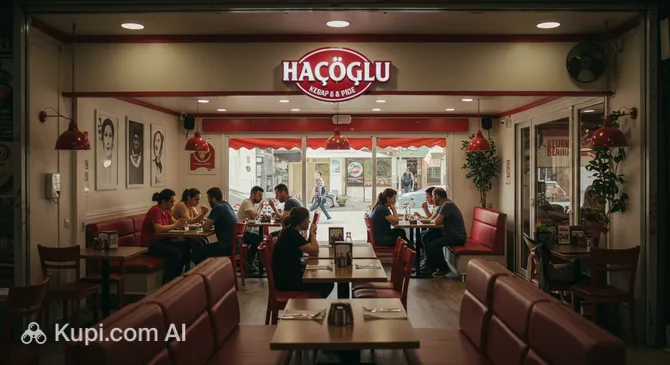
Hacıoğlu Kebap and Pide. Source: Kupi.Binoculars

For those looking to experience the authentic flavors of the province, a visit to Hacıoğlu Kebap and Pide offers a delightful culinary break. This local establishment is known for serving traditional Turkish dishes, allowing travelers to sample freshly baked pide and succulent kebabs that reflect the rich gastronomic culture of Eastern Anatolia. It provides a welcoming atmosphere for tourists to recharge after a day of sightseeing.

Another fascinating site is the Meteor Crater (Meteor Çukuru), located near the Iranian border. Often cited as one of the largest meteor craters in the world, this geological formation offers a unique excursion for nature enthusiasts and curiosity seekers. The sheer size and depth of the pit make it a compelling stop, providing a stark contrast to the lush high meadows and snowy peaks found elsewhere in the province.

Local Cuisine

The culinary traditions of Agri are deeply rooted in the lifestyle of Eastern Anatolia, where the high altitude and long, harsh winters have shaped a diet rich in energy-giving foods. The local cuisine is heavily centered around red meat, dairy products, and grains, offering hearty meals designed to keep locals warm and energized. Visitors will find that the food here is simple yet incredibly flavorful, relying on the quality of natural ingredients rather than complex sauces.

The most iconic dish of the city is undoubtedly Abdigor Köftesi. This unique meatball is distinct from other Turkish koftas because the meat is traditionally beaten into a paste with a stone mallet before being mixed with onions and spices. It is then boiled rather than fried, resulting in a tender and easily digestible meal, often served with rice. Another local favorite is Haşıl, a comforting dish made from wheat groats topped with garlic yogurt and a generous drizzle of melted butter, traditionally eaten from a communal plate.

When it comes to beverages, the locals prefer drinks that complement their rich meals. Ayran, a salty yogurt drink, is the standard accompaniment to meat dishes, helping to balance the flavors. After a meal, endless glasses of hot, strong Turkish tea are served, often accompanied by local honey or simple pastries. In the colder months, warm milk with honey is also a popular way to beat the chill.

Dining in Agri ranges from traditional family-style eateries to modest restaurants where hospitality is paramount. For those looking to sample classic Turkish staples, Hacıoğlu Kebap and Pide is a popular choice among both locals and visitors. Places like this are perfect for enjoying freshly baked pide and grilled meats in a casual, welcoming atmosphere that reflects the genuine warmth of the city's food culture.

Travel Tips

Planning a trip to Agri means preparing for high altitudes and warm Eastern Anatolian hospitality. To help you navigate the local customs and rugged terrain with ease, here are some essential practical tips for your journey.

  1. Clothing and Gear: The weather here is strictly defined by the elevation. In winter, thermal wear, heavy coats, and waterproof boots are non-negotiable. Summers are warm, but evenings cool down rapidly, so always carry a light jacket or sweater. As this is a traditional region, dress modestly; covering shoulders and knees is respectful, and women should have a scarf handy for visiting mosques.

  2. Transportation: Within the city center, you can use local minibuses (known as dolmuş) or yellow taxis for short distances. However, major attractions like the Ishak Pasha Palace are located outside the main city hub. Renting a car is the most convenient way to explore these dispersed sites and the surrounding landscapes at your own pace.

  3. Finances: The local currency is the Turkish Lira (TRY). While credit cards are accepted in hotels and larger restaurants, cash is king in local markets, small eateries, and rural villages. ATMs are plentiful in the city center, so withdraw enough cash before heading out on day trips. Tipping is appreciated but modest; rounding up the bill or leaving 5-10% is standard practice.

  4. Health and Safety: Pharmacies are known as Eczane and are widely available in the city; look for the red "E" sign. Agri is generally safe for tourists, but if you plan to trek Mount Ararat, never go alone—always hire a licensed guide for safety and to comply with local regulations. The emergency number for ambulance and police is 112.

  5. Communication: Turkish is the primary language, and English proficiency is relatively low outside of major tourism establishments. It is highly recommended to download an offline translation app and learn a few basic words like "Merhaba" (Hello) and "Teşekkürler" (Thank you). You can purchase prepaid SIM cards from major providers like Turkcell or Vodafone in the city center for reliable connectivity.

  6. Local Etiquette: Hospitality is a cornerstone of life here. If you are invited into a home or a shop, you will likely be offered tea; accepting at least one glass is considered polite. Remember to remove your shoes before entering a private home or a mosque. A simple nod or a hand placed over the heart is a warm and respectful way to greet locals.

  7. What to Avoid: Avoid taking photographs of local people, especially women and military personnel, without asking for explicit permission first. Additionally, public displays of affection are generally frowned upon in this conservative region and should be avoided to show respect for local norms.

  8. Shopping Tip: Shops in Agri may close for prayer times or have shorter hours on Sundays. If you are looking for authentic souvenirs, local honey and cheese are regional specialties that make for excellent gifts, but ensure you buy them from reputable local bazaars for the freshest quality.

By keeping these tips in mind, you will be well-prepared to embrace the rugged beauty and deep-rooted traditions of Agri. Whether you are here for the mountaineering or the history, a little preparation ensures a smooth and memorable adventure in this unique corner of Turkey.

Entertainment & Nightlife

Nightlife in Agri is a reflection of its traditional Eastern Anatolian culture: warm, social, and centered around conversation rather than loud music or dance floors. Unlike the bustling club scenes found in western Turkish cities, the evening entertainment here is remarkably laid-back. The "nightlife" revolves around lively tea gardens, late-night eateries, and cafes where locals gather to socialize, play games, and enjoy the cool evening air after a hot summer day.

The heart of the city's evening activity beats along Cumhuriyet Street (Cumhuriyet Caddesi). As the sun sets, this thoroughfare fills with families and groups of friends strolling, shopping, or heading to their favorite local hangouts. The atmosphere is welcoming and safe, though it is significantly quieter than in major tourist hubs. Visitors should expect a conservative environment; alcohol is not widely available and is typically limited to specific tourist hotels or private venues, rather than public bars or pubs.

For a quintessential local experience, head to one of the city's popular cafes. Venues like 6 Üstü Cafe are known for their cozy, traditional setting where you can observe the local rhythm of life. These spots often serve as the main social hubs for youth and students, offering a place to enjoy coffee or tea until late hours.

Dining is a major part of the evening entertainment here. Restaurants often stay open late, serving hearty meals that turn into long social gatherings. A recommended stop is Hacıoğlu Kebap and Pide, where you can enjoy authentic local dishes in a comfortable setting. It is an excellent place to start your evening with a filling meal before heading to a tea house to continue the night with sweets and conversation.

A unique aspect of nightlife in this region is the popularity of board games. You will often see tables packed with people playing Okey (a tile-based game) or Tavla (backgammon) for hours. Joining in or simply watching these spirited matches is a great way to immerse yourself in the local culture. For a more modern entertainment experience, the city's shopping centers offer cinemas and food courts that remain active well into the evening.

Practical Advice for Night Owls:

  • Timing: Venues typically stay open until midnight, especially in summer. In winter, the city quiets down much earlier due to the cold.
  • Dress Code: Smart casual and modest clothing is appropriate. This is a conservative city, so avoiding overly revealing outfits is respectful and will help you blend in.
  • Getting Around: The city center is compact and walkable, but if you are staying further out, yellow taxis are easy to find near the main squares. It is advisable to keep your hotel's address written down in Turkish.
  • Safety: Agri is generally safe for night walks in the main well-lit districts. However, as with any travel destination, stick to populated areas and avoid unlit backstreets late at night.

While Agri may not offer wild parties, its charm lies in its authenticity. It invites you to slow down, sip endless glasses of tea, and connect with the friendly locals under the shadow of the legendary Mount Ararat.

Parks & Museums

While Agri is best known for its rugged mountains rather than manicured urban gardens, the region offers a unique blend of natural wonders and open-air historical sites that function as living museums. The city's cultural heritage is deeply intertwined with its landscape, offering visitors a chance to explore history against a backdrop of breathtaking scenery.

The most significant natural area is undoubtedly the Mount Ararat National Park (Ağrı Dağı Milli Parkı). Encompassing the legendary mountain and its foothills, this vast protected area is a haven for nature lovers, trekkers, and photographers. It is not a traditional park with benches and flowerbeds, but a wild landscape featuring diverse flora and fauna, volcanic rock formations, and unparalleled views of Turkey's highest peak. For a more relaxing experience with water, Balık Gölü (Fish Lake) serves as a pristine natural retreat. Located at a high altitude, it offers fresh air, crystal-clear waters, and a peaceful environment perfect for picnics and camping away from the city noise.

Another remarkable natural site is the Diyadin Canyon, often referred to as the "Ihlara Valley of the East." Through this canyon flows the Murat River, creating a dramatic landscape of steep cliffs and lush vegetation. It is also home to the Diyadin Hot Springs, where visitors can bathe in thermal waters believed to have healing properties, surrounded by the raw beauty of the canyon.

In terms of museums, the region's crown jewel is the Ishak Pasha Palace. Although technically a palace complex, it functions as the area's premier museum. Walking through its 116 rooms is like stepping into a time capsule of the 17th century. Visitors can explore the harem, the mosque, and the ceremonial halls, admiring the intricate stone carvings and the fusion of Ottoman, Persian, and Seljuk architectural styles. It provides a comprehensive look at the administrative and domestic life of the period.

Just a stone's throw from the palace lies the Ahmed-i Hani Tomb, a site of great cultural and spiritual importance. Dedicated to the famous 17th-century Kurdish poet, philosopher, and scholar Ahmed-i Hani, this site attracts thousands of visitors annually. It offers deep insight into the literary and spiritual heritage of the region, reflecting the soul of Eastern Anatolia.

For history enthusiasts, the Doğubeyazıt Castle (also known as the Urartian Castle) is a must-see architectural landmark. Perched on a craggy cliff opposite the Ishak Pasha Palace, its origins date back to the Urartian Kingdom, with later additions by the Romans and Ottomans. Exploring its ruins offers a tangible connection to the ancient civilizations that once controlled these strategic trade routes.

An authentic insider tip for the adventurous traveler is to visit the Ice Cave (Buz Mağarası) located near the Hallaç Village. This natural geological wonder remains freezing cold even during the scorching summer months, with stalactites and stalagmites made of pure ice. It is a lesser-known spot that offers a refreshing and slightly surreal experience distinct from the standard tourist trail.

Getting Around

Navigating Agri is straightforward and convenient, primarily because the city is compact and the public transport system is designed to be practical for its size. Unlike Turkey's sprawling metropolises, Agri does not rely on complex rail networks like metros or trams. Instead, the city's transportation backbone consists of road-based vehicles that efficiently connect the city center with residential neighborhoods, the bus terminal, and the airport.

The most popular and frequent mode of transport for locals is the Dolmuş (minibus). These small buses follow specific routes throughout the city and are easily recognizable by their color-coded signs or route names displayed on the windshield. They are favored for their flexibility; while they have designated stops, drivers often pick up or drop off passengers at convenient points along the route if it is safe to do so. For a more structured service, Municipal Buses (Belediye Otobüsü) operate on fixed schedules and main arterial roads, connecting key districts and public facilities.

To use the municipal buses, you will typically need the Ağrı Kart (Agri Card), a contactless smart card used for fare payment. These cards can be purchased and topped up at designated kiosks, markets, or ticket offices located near major bus stops and the city center. While the system is modernizing, it is always a good idea for tourists to carry some cash (Turkish Lira) in small denominations. Some private dolmuş lines may still accept cash payments directly to the driver, though this practice is becoming less common as electronic systems expand.

For tourists, here are a few practical tips to ensure a smooth journey:

  • Stops and Hailing: Municipal buses only stop at marked bus stops (labeled "D" for Durak). For a dolmuş, you can often signal the driver by raising your hand as the vehicle approaches.
  • Validating Tickets: If you have an Ağrı Kart, simply tap it on the reader near the driver's seat upon entering. If paying cash on a dolmuş, hand the fare to the driver immediately after boarding.
  • Operating Hours: Public transport typically operates from early morning (around 06:30 or 07:00) until late evening (around 22:00 or 23:00). Service frequency may decrease significantly on weekends and holidays.

Taxis are a widely used alternative and are available 24/7. You can easily identify them by their bright yellow color. They are equipped with meters (taksimetre), and given the relatively small size of the city, fares are generally affordable for short trips within the center. Taxis are particularly recommended if you are traveling with heavy luggage or need to reach a specific destination late at night when bus services have wound down.

If you prefer to explore at your own pace, the city center is compact enough to be navigated on foot, especially around the main shopping streets and government buildings. For those planning to visit attractions outside the city limits, such as the Ishak Pasha Palace or Mount Ararat, renting a car is often the most convenient option, as public transport frequencies to these outlying areas can be limited.

A special mention should be made regarding airport transfers. The municipality often coordinates shuttle buses to coincide with flight arrivals and departures at Agri Airport. These shuttles are a budget-friendly way to reach the city center, though taxis are always available at the arrivals terminal for a faster, direct transfer.

Accommodation

Finding accommodation in Agri is relatively straightforward, though the options are more limited compared to Turkey's major coastal resorts or metropolitan hubs. The city primarily offers functional and comfortable lodging designed to cater to business travelers, mountaineers, and transit passengers. Visitors will typically find a selection of mid-range hotels, standard city hotels, and modest guesthouses. Luxury resorts or high-end boutique chains are not a prominent feature of the local hospitality landscape, so travelers should expect clean, practical amenities rather than opulent luxury.

The most convenient area to stay is the City Center. Choosing a hotel near Cumhuriyet Street or the main government buildings places you within walking distance of local restaurants, shops, and transport connections. Staying centrally allows for easy access to the bus terminal and ensures you are never far from a warm meal or a cup of tea. For those specifically visiting to climb Mount Ararat or see the Ishak Pasha Palace, it is worth noting that while Agri is the provincial capital, the district of Doğubeyazıt (located about an hour away) also offers various accommodation options closer to these specific landmarks.

Booking and Prices: Accommodation in Agri is generally very affordable, making it a budget-friendly destination for most travelers. Prices typically fall into the budget to lower-mid-range category. While it is often possible to find a room upon arrival, booking in advance is highly recommended during the summer months (July and August). This is the peak season for mountaineering expeditions to Mount Ararat, and hotels can fill up quickly with trekking groups. Most established hotels are listed on major online booking platforms, but carrying some cash is advisable for smaller local establishments.

Nearby Cities

For those looking to explore the surroundings, Agri serves as an excellent base for day trips to several interesting nearby locations. The region is dotted with towns that boast deep historical roots and unique geographical features, making them perfect for short excursions.

One of the most popular destinations is Dogubeyazit, located just east of the city. It is the closest hub to the legendary Mount Ararat and home to the spectacular Ishak Pasha Palace. Beyond these famous landmarks, the town itself offers a bustling atmosphere with traditional bazaars and historical fortifications that date back to the Urartian period. It is an essential stop for anyone wanting to immerse themselves in the architectural and natural grandeur of Eastern Anatolia.

For a change of scenery and architecture, a trip to Kars is highly recommended. Known for its distinctive Russian-style stone buildings and the imposing Kars Castle, this city feels quite different from its neighbors. It serves as the gateway to the ancient ruins of Ani, a UNESCO World Heritage site, and offers a rich culinary culture famous for its local cheeses and honey. Although it is a slightly longer drive, the cultural depth of Kars makes it well worth the journey.

Closer to Agri lies Patnos, a town steeped in ancient history. It was a significant settlement for the Urartian civilization, and archaeology enthusiasts will appreciate sites like Aznavur Tepe. It offers a quieter, more authentic experience compared to the larger tourist hubs, allowing visitors to see the day-to-day life of the region's residents.

City Population Distance (km)
Igdir 137613 88
Patnos 122833 56
Dogubeyazit 121263 89
Kars 115891 98
Ercis 92945 81

These nearby destinations offer a glimpse into the diverse culture and landscapes of the region, providing travelers with a broader understanding of this fascinating corner of Turkey.

Shopping & Souvenirs

Shopping in Agri is an experience defined by authenticity rather than luxury. Unlike the sprawling malls and high-end boutiques found in western Turkey, the retail scene here is centered around traditional bazaars, small family-run shops, and vibrant street markets. For visitors, this offers a unique opportunity to engage with local merchants and discover regional products that reflect the cultural and agricultural heritage of Eastern Anatolia.

The heart of the city's commercial activity beats along Cumhuriyet Street (Cumhuriyet Caddesi) and its intersecting alleys. This bustling thoroughfare is lined with shops selling everything from clothing and electronics to gold jewelry and household goods. It is the perfect place to take a leisurely stroll, observe daily life, and pick up necessities. Scattered throughout the city center are various "pasajs" (small indoor shopping arcades), where you can find distinct local items often hidden away from the main street view.

When looking for souvenirs, the best treasures in Agri are edible. The region is famous for its high-altitude plateaus, which produce exceptional honey (Agri Balı). Made from the wildflowers that bloom in the clean mountain air, this honey is highly prized for its purity and rich flavor. Another must-buy item is the local cheese, particularly Civil Peyniri (a type of string cheese) and various herbed cheeses that are staples of the local breakfast table. These can be found in the dedicated cheese and dairy shops or the central vegetable market.

For those interested in handicrafts, the province has a long tradition of weaving. You can find beautiful hand-woven kilims (rugs) and carpets featuring traditional Kurdish and Turkish motifs. These textiles are not just decorative but are made to withstand the region's cold winters, making them durable and warm. Additionally, due to the harsh climate, you will find excellent quality woolen goods, such as hand-knitted socks, gloves, and scarves, which make for practical and authentic gifts.

Shopping Tips for Travelers:

  • Bargaining: In small shops and bazaars, especially when buying carpets or bulk food items, bargaining is a common practice. Approach it with a smile and a polite attitude; it is seen as a social interaction rather than a conflict.
  • Cash is King: While larger stores on the main street may accept credit cards, many smaller vendors, market stall holders, and tea shops prefer or strictly require cash (Turkish Lira).
  • Gold Jewelry: Like many cities in the east, Agri has a high number of jewelry shops (kuyumcu). Gold plays a significant role in local weddings and savings culture. These shops are reliable places to buy certified gold if you are interested in jewelry.
  • Opening Hours: Shops typically open around 08:00 or 09:00 and stay open until evening. However, many may close for a short period during Friday noon prayers.

Reached the end of the page?

That means the route is fully explored