Support

Gyumri

About

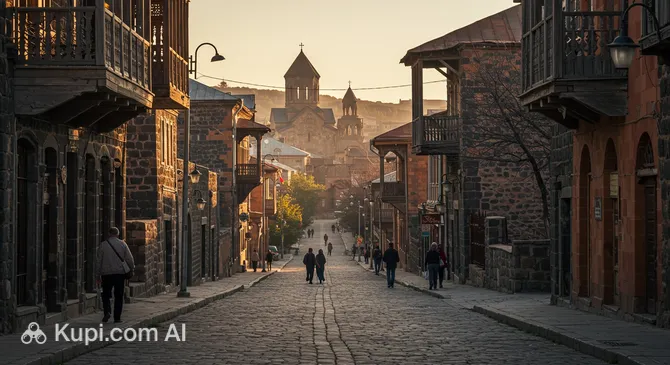
Gyumri, the second-largest city in Armenia, is often celebrated as the country's capital of arts, humor, and tradition. With a population of approximately 122,000 people, it serves as the administrative center of the Shirak Province in the northwestern part of the country. The city is renowned for its distinctive 19th-century architecture, characterized by buildings constructed from local black and red volcanic tuff, which gives the streets a unique and charming atmosphere.

Gyumri. Source: Kupi.Binoculars

The city's location on a high plateau means it experiences a continental climate with cool summers and snowy winters, making it a distinct destination in every season. While exploring the city, visitors can delve into the fascinating history of Gyumri, which traces its roots back to ancient times and has evolved through various eras, including its period as Alexandropol. Despite facing challenges in the past, the city has undergone significant revitalization and stands today as a symbol of resilience and cultural pride.

Travelers are drawn to Gyumri for its vibrant landmarks, such as the spacious Vartanants Square and the imposing Black Fortress (Sev Berd), which offers panoramic views of the area. The historic Kumayri district is a must-visit for those who enjoy walking through cobblestone streets lined with traditional houses and museums dedicated to famous Armenian poets and artists. Whether you are interested in architecture, local cuisine, or simply soaking up the warm hospitality of the locals, Gyumri offers an authentic and memorable travel experience.

Weather Overview

Gyumri experiences a continental climate characterized by distinct seasonal changes, largely influenced by its high altitude. Winters are typically cold and require heavy clothing, with January being the coldest month, averaging around -5.8°C. In contrast, the summer season offers a refreshing escape with mild and comfortable temperatures, making it a popular time for visitors to explore the city's architecture and streets.

The warmest period generally spans from June to August, where the average temperature in August reaches about 17.5°C, with daily highs peaking at 23.8°C. While the summer heat is rarely oppressive, travelers should be aware that spring, particularly May, is the wettest time of the year, recording up to 23 wet days. Checking the current weather in Gyumri before your trip is recommended to pack appropriately for these variations.

Overall, expect mild summers with occasional rain and cold winters. Autumn brings a crisp transition with fewer rainy days, especially in November, leading back into the chilly winter season.

Interesting Facts

Beyond the main attractions, Gyumri holds many fascinating secrets that reveal its deep cultural roots and resilient spirit. This city is not just about historic architecture; it is a unique hub of creativity, athletic prowess, and local traditions that set it apart from the rest of the country.
  • Gyumri is widely regarded as the "capital of humor" in Armenia. The locals are famous for their sharp wit, zest for life, and distinctive dialect, and the city has been the birthplace of many legendary comedians and humorous anecdotes that are cherished nationwide.

  • The city is often unofficially titled the "city of champions." Despite its relatively small population compared to major global capitals, Gyumri has produced an astonishing number of Olympic, World, and European champions, particularly in wrestling and weightlifting.

  • Musically, the city holds a special place in history as the site of the first Armenian opera performance. Armen Tigranian's masterpiece, "Anoush," premiered here in 1912, cementing the city's reputation as a cultural pioneer long before it became a modern urban center.

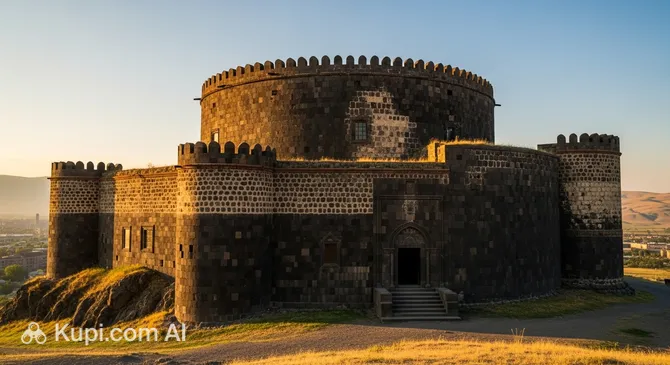
  • The Black Fortress is an architectural marvel not just for its history, but for its perfect circular shape. Originally built for defense in the 1830s, its unique design creates exceptional acoustics, which is why it now frequently serves as an atmospheric venue for concerts and large cultural events.

Black Fortress. Source: Kupi.Binoculars

How to Get There

Reaching this historic city is relatively straightforward, with several transport options available depending on your starting point. For a detailed guide on the best routes and travel tips, you can read more about how to get to Gyumri to plan your journey effectively.

For air travel, the most convenient option is Leninakan Airport (IATA: LWN), which is located directly in Gyumri, just 4.8 km from the city center. A taxi from here to the downtown area takes approximately 10 minutes. Alternatively, many international visitors choose to fly into Zvartnots International Airport (IATA: EVN) in Yerevan. Located about 85.3 km away, it is the country's main gateway; the transfer to Gyumri by taxi or bus typically takes around 1.5 to 2 hours. Travelers may also consider Tbilisi International Airport (IATA: TBS) in neighboring Georgia, situated 134.6 km away, which serves as a major regional hub.

For clarity, here is a summary of the main airports:

Airport Name City Passenger Traffic Km from City
Zvartnots International AirportYerevanLarge85.3
Tbilisi International AirportTbilisiLarge134.6
Kars AirportKarsMedium66.9
IgdirIgdirSmall90.9
Leninakan AirportGyumriSmall4.8

Regarding rail transport, the city of Gyumri does not have a railway station listed in the immediate vicinity in our current database, but travelers can arrive at regional stations further afield. You can reach the Vladikavkaz Railway Station in the city of Vladikavkaz, which is about 259.5 km from Gyumri. From there, you can arrange a transfer by road, though the journey is quite long. Another option is the Zugdidi station in Zugdidi, located approximately 251.6 km away.

Below is the list of the closest railway stations:

Station City Passenger Traffic Km to Center
Vladikavkaz Railway StationVladikavkazMedium259.5
Akstafa Railway StationAghstafaSmall138.5
Nazran StationMagasSmall281.2
ZugdidiZugdidi251.6
Beslan Railway StationBeslan272.0

Main Attractions

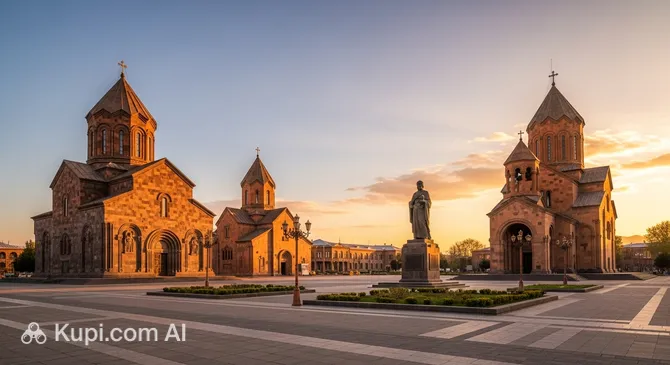
The heart of the city beats at Vardanants Square, a sprawling and magnificent open space that serves as the central hub for both locals and tourists. Surrounded by the City Hall and two striking 19th-century churches—the Church of the Holy Saviour and the Cathedral of the Holy Mother of God—the square is a testament to Gyumri's architectural grandeur. In the center stands a powerful memorial dedicated to the Battle of Avarayr, featuring historic Armenian figures. It is an ideal spot to start your walking tour, enjoy the dancing fountains in the summer, and admire the unique black and red tuff stone buildings.

Vardanants Square. Source: Kupi.Binoculars

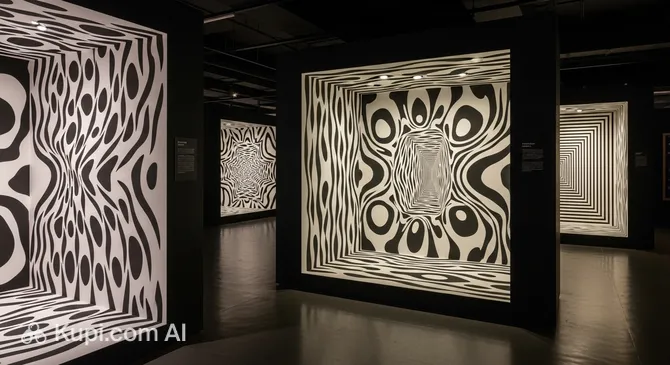
For a completely different experience that blends science with entertainment, the Museum of Illusions Gyumri is a must-visit destination. This interactive museum offers a fascinating break from historical sightseeing, featuring dozens of exhibits based on physics, mathematics, and psychology. It is particularly popular among families and groups of friends, as visitors can take gravity-defying photos, explore optical illusions, and engage with mind-bending puzzles. It highlights the city's modern and creative side, proving that Gyumri is evolving beyond its traditional roots.

Museum of Illusions Gyumri. Source: Kupi.Binoculars

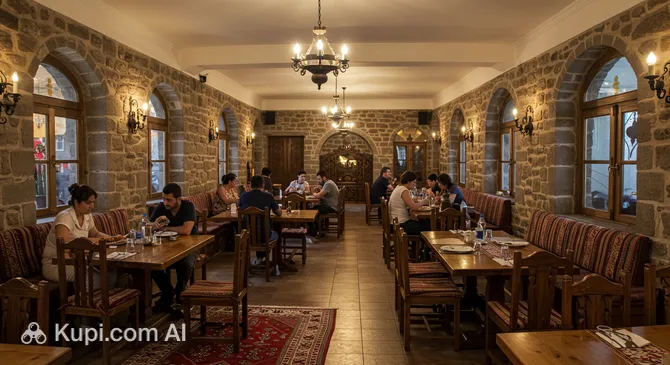
No visit to Gyumri is complete without experiencing its unique gastronomic culture, and Cherkezi Dzor is arguably the most famous place to do so. Located in the picturesque gorge near the historic Red Fortress, this establishment is more than just a restaurant; it is a fish farm and a cultural landmark. Visitors can dine in wooden pavilions surrounded by nature while enjoying fresh trout and sturgeon caught directly from the on-site pools. The rustic atmosphere, combined with traditional Armenian hospitality and the famous local "panrkhash" dish, makes it a top attraction for food lovers.

Cherkezi Dzor. Source: Kupi.Binoculars

Local Cuisine

Gyumri’s culinary scene is as distinct as its architecture, offering hearty meals designed to keep locals warm during the long, cold winters. The absolute hallmark of the local kitchen is Panrkhash. This traditional dish is a comforting blend of layers of dried lavash bread and Chechil (string) cheese, steeped in boiling water and topped with sautéed onions and generous amounts of butter. It is typically served in a communal bowl, emphasizing the city's culture of hospitality and shared dining.

For the more adventurous foodie, Qyala is a legendary local specialty found almost exclusively in this region. It consists of a cow's head seasoned with spices and baked in an oven for several hours until the meat is incredibly tender and flavorful. Another staple is Chanakh, a rich meat and vegetable stew cooked and served in individual clay pots. Those with a sweet tooth should look for Yaghli, a flaky, buttery puff pastry sprinkled with sugar that perfectly complements a morning coffee.

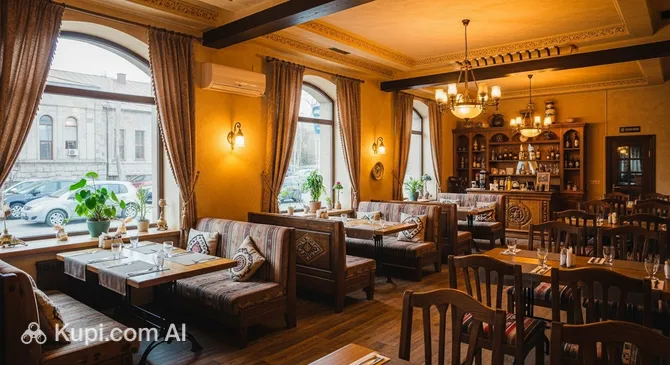
Beverages are an integral part of the dining experience here. Gyumri is famous for its beer production, so trying a fresh, locally brewed lager is a must for beer enthusiasts. For non-alcoholic options, the region's high-altitude herbs make for exceptional teas. You can experience this cozy atmosphere at Herbs & Honey Teashop and Restaurant, a charming spot located in a historic building that serves distinct herbal blends, healthy dishes, and local desserts.

Herbs & Honey Teashop and Restaurant. Source: Kupi.Binoculars

The food culture in Gyumri blends rustic tradition with modern flair. While street food is available, the true essence of the city is found in its restaurants and family kitchens where ingredients are often locally sourced. Places like Cherkezi Dzor offer a unique farm-to-table experience, famous for serving fresh trout and sturgeon in a picturesque setting. Whether you are dining in a historic tavern or a modern cafe, the food in Gyumri is always served with a side of warmth and pride.

Travel Tips

Welcome to Gyumri! To help you navigate Armenia's capital of arts and humor with ease, we have compiled a list of practical tips that will ensure your visit is as smooth and enjoyable as possible.

  1. Clothing and Gear: The climate here is continental, meaning winters are cold and snowy, while summers are mild. If visiting in winter, bring heavy coats, gloves, and thermal wear. In summer, pack a light jacket for the cool evenings. Since the historic center features beautiful but uneven cobblestone streets, comfortable walking shoes are a must. When visiting churches, modest dress is expected; women often cover their heads with a scarf, and men should remove their hats.

  2. Transportation: The city center is compact and best explored on foot. For longer distances, ride-hailing apps like GG or Yandex Go are the most convenient and affordable way to get around. Public minivans (marshrutkas) operate throughout the city, but routes can be confusing for non-locals. If you are arriving from Yerevan, the modern electric train is a comfortable and scenic option.

  3. Finances: The local currency is the Armenian Dram (AMD). While modern cafes and hotels in the center accept credit cards, cash is essential for taxis, small grocery stores, and the local market. ATMs are widely available. Tipping is appreciated in restaurants; leaving around 10% of the bill is a standard gesture of gratitude for good service.

  4. Health and Safety: Gyumri is a very safe city for tourists, even at night. Pharmacies (look for the sign Deghatun) are easy to find, and many are open late. A unique feature of the city is its pulpulaks (public drinking fountains); the water is cold, fresh spring water and is generally safe to drink, saving you money on bottled water.

  5. Communication: The main language is Armenian, and Russian is widely understood. English is spoken by many young people and in the tourism sector, but less so by the older generation. Locals appreciate it if you use basic words like Barev (Hello) and Shnorhakalutyun (Thank you). You can easily purchase a SIM card with data from providers like Viva-MTS, Team, or Ucom at the airport or city center shops.

  6. Local Etiquette: Hospitality is a core value here. If a local invites you for coffee or offers you food, it is a sign of respect and friendship; accepting it is polite and often leads to great conversations. When greeting someone, a handshake or a nod is common, and close friends may greet with a kiss on the cheek.

  7. What to Avoid: Avoid refusing hospitality too bluntly, as it can be taken personally. Also, refrain from loud conversations or taking flash photography inside active churches, as locals take their faith and worship spaces seriously.

  8. Additional Tip: Visit the bustling Gyumri Market (Shuka) in the morning. It is not just a place to buy fresh fruit, dried herbs, and the famous local string cheese, but also a cultural experience where vendors are happy to chat and let you taste their products before buying.

Gyumri is a city that rewards curiosity and openness. By keeping these practical tips in mind, you will be well-prepared to immerse yourself in the relaxed atmosphere, rich traditions, and genuine warmth of its people.

Entertainment & Nightlife

Gyumri offers a nightlife experience that is distinct from the high-energy clubbing scenes found in larger capitals. Here, the evening entertainment is characterized by a soulful, artistic, and relaxed atmosphere. As the sun sets, the city's unique architecture is illuminated by warm streetlights, creating a romantic and inviting setting. The main hub for evening activity centers around Vardanants Square and the pedestrian-friendly Ryzhkov Street, where locals and visitors gather to stroll, enjoy street musicians, and soak in the vibrant yet laid-back energy.

For those seeking cultural entertainment after dark, the Black Fortress serves as a spectacular venue. While it is a historical site by day, it frequently hosts large-scale concerts, festivals, and events at night, where the circular structure provides incredible acoustics and an unforgettable ambiance. If you prefer a more intimate setting for your evening, Herbs & Honey Teashop and Restaurant is a popular choice. It offers a cozy environment perfect for enjoying local wine, herbal teas, and long conversations, reflecting the city’s preference for social connection over loud music.

The nightlife culture in Gyumri is casual and welcoming. You will rarely encounter strict dress codes; smart-casual attire is appropriate for almost any bar, restaurant, or concert venue. Prices are generally very affordable compared to Yerevan. Most venues operate until around midnight or 1:00 AM, though weekends can see places staying open a bit longer. The crowd is typically a mix of local youth, artists, and tourists, fostering a friendly and safe environment.

Safety is a major plus when exploring Gyumri at night. The city center is well-lit and safe for walking, even late in the evening. However, as the temperature can drop significantly at night, especially outside of summer, using a taxi is often the most comfortable option. Ride-hailing apps like GG and Yandex Go are widely used, reliable, and inexpensive, making it easy to get back to your accommodation.

Before the evening sets in, the city offers plenty of daytime entertainment to fill your schedule. You can catch a play at the Vardan Ajemian State Drama Theatre or explore the numerous house museums dedicated to the city's famous poets and sculptors. However, it is the transition into the cozy, conversation-filled nights that truly defines the charm of entertainment in Gyumri.

Parks & Museums

Gyumri is widely recognized as the cultural capital of Armenia, offering a rich tapestry of history, art, and leisure that captivates visitors. Beyond its famous black tuff buildings, the city features charming green spaces and a remarkable concentration of museums that preserve the unique traditions, lifestyle, and creative spirit of its people.

For those seeking fresh air and a relaxing stroll, the Central Park (often referred to as Gorky Park) is the city's primary green lung. Dating back to the 19th century, this park retains a nostalgic atmosphere with its vintage amusement rides, statues, and tree-lined alleys. It is a favorite spot for locals to play chess, enjoy ice cream, and escape the summer heat. Another significant natural area is Victory Park, located near the iconic Mother Armenia statue. This elevated park offers commanding views over the entire city and the surrounding Shirak plain, making it an excellent location for sunset walks and photography.

When it comes to museums, Gyumri is unparalleled in its variety. The Dzitoghtsyan Museum of National Architecture and Urban Life is arguably the most essential stop for understanding the city's soul. Housed in a stunning 19th-century mansion, it showcases the daily life, furniture, and traditions of wealthy Alexandropol families, providing a vivid window into the past. Art lovers should not miss the Gallery of the Aslamazyan Sisters, which displays the vibrant and eclectic works of Mariam and Eranuhi Aslamazyan. Their colorful paintings and ceramics often depict the lives of women and travel, standing in beautiful contrast to the city's somber stone architecture.

For a modern twist on the museum experience, the Museum of Illusions Gyumri offers an interactive and entertaining environment suitable for all ages. Unlike traditional static exhibits, this venue encourages visitors to touch, play, and become part of the installations. It is a perfect place to challenge your senses with optical illusions and capture fun, gravity-defying photos that will puzzle your friends back home.

The city's historical landscape is dominated by the majestic Black Fortress (Sev Berd). While primarily a defensive structure built in the 1830s, it sits within a larger historical reserve that is fascinating to explore. The fortress itself is an architectural masterpiece of circular design, and the grounds around it connect to the Mother Armenia complex, creating a vast area for cultural exploration. Down in the city center, Vardanants Square serves as an open-air museum of sorts, surrounded by monumental churches and the city hall, anchoring the historic Kumayri district.

For a truly authentic experience, venture beyond the main museums and explore the Kumayri Historic District on foot. This area is an open-air reserve of 19th-century urban planning. An insider tip is to peek into the traditional courtyards (bak) often hidden behind heavy wooden gates; these shared spaces are where the true social life of Gyumri has flourished for centuries, often filled with drying laundry, fruit trees, and friendly locals.

Getting Around

Navigating Gyumri is a straightforward and authentic experience, as the public transport system is far less complex than in major metropolises. The city does not have a metro, tram, or trolleybus network. Instead, the backbone of local transportation consists of minibuses (locally known as marshrutkas) and a smaller number of buses. These vehicles cover most neighborhoods and are the primary way locals commute across the city. For tourists, they offer a genuine glimpse into daily life, though the routes can sometimes be difficult to decipher without local help.

The payment system is strictly cash-based and very affordable. There are no travel cards, passes, or mobile apps for paying bus fares. A single ride typically costs 100 AMD, regardless of the distance traveled within the city limits. Passengers should carry small change, such as 100-dram coins, to pay the driver. The standard practice is to pay upon exiting the vehicle, rather than when entering. Simply hand the money to the driver as you step out.

For visitors, the most practical advice is to know your destination's landmark, as stops are not always clearly marked or announced. Marshrutkas generally operate from early morning, around 7:00 AM, until approximately 8:00 PM or 9:00 PM. Service becomes infrequent later in the evening, so it is not relied upon for nightlife. If you need to stop a minibus, you may need to wave your hand from the roadside, and to get off, you must verbally request the driver to stop at your desired location.

Given the compact nature of the city center, walking is often the best alternative for tourists. The historic districts are pedestrian-friendly and best explored on foot. For longer distances or travel after dark, taxis are the most popular and convenient option. Ride-hailing apps like GG and Yandex Go are widely used, reliable, and very inexpensive compared to European standards. They eliminate the language barrier and the need to negotiate prices, making them a stress-free choice for getting around.

While there is no inner-city rail system, the Gyumri Railway Station is a significant transport hub worth mentioning. It is the arrival point for the modern electric train that connects the city with the capital, Armenia's main transport artery. The station building itself is an architectural gem, and taxis are always available outside to take arriving passengers to the city center in just a few minutes.

Accommodation

Accommodation in Gyumri has evolved significantly in recent years, offering visitors a blend of historic charm and modern comfort. The city is particularly famous for its boutique hotels and guesthouses housed in restored 19th-century buildings made of the signature black and red volcanic tuff. These establishments provide a unique opportunity to experience the city's architectural heritage from the inside. In addition to these character-filled options, travelers can find budget-friendly hostels, family-run B&Bs known for their exceptional hospitality, and a few larger, more modern hotels catering to business travelers and tour groups.

For the most convenient stay, it is highly recommended to look for accommodation within the Kumayri Historic District or near the central Vardanants Square. Staying in this area places you within walking distance of the main museums, the pedestrian Ryzhkov Street, and the city's best cafes. Being in the center allows you to explore the atmospheric streets on foot, which is the best way to appreciate Gyumri's beauty. There are also quieter options available slightly further out, offering a more residential feel while still being just a short taxi ride from the downtown action.

Regarding costs and booking, Gyumri is generally more affordable than the capital. Prices range from budget-friendly for hostels and homestays to mid-range for boutique hotels. While luxury options are limited, the premium rooms available are reasonably priced by international standards. It is advisable to book in advance if you plan to visit during the summer months or on weekends, as the city is a popular getaway for locals. Most established hotels and guesthouses are listed on major online booking platforms, though smaller family-run spots may prefer cash payments upon arrival.

Nearby Cities

For those looking to explore the surroundings, Gyumri serves as an excellent base for day trips to several interesting nearby locations:

One of the most accessible destinations is Vanadzor, located approximately 55 km east of Gyumri. As the administrative center of the Lori Province, it offers a stark contrast to the Shirak region with its lush green landscapes and forested hills. Known for its mild climate and unique blend of Soviet-era industrial heritage and natural beauty, Vanadzor is a perfect getaway for those seeking fresh mountain air and scenic nature walks.

Another culturally significant site is Vagharshapat, commonly known as Etchmiadzin, situated about 80 km away. This city is the spiritual heart of the country and the seat of the Catholicos of All Armenians. It is home to the Mother See of Holy Etchmiadzin and its cathedral, which is considered one of the oldest in the world and is a UNESCO World Heritage site. A visit here is essential for understanding the deep religious roots and architectural history of the region.

City Population Distance (km)
Yerevan107580088
Vanadzor9052555
Vagharshapat5750080
Hrazdan5280883
Abovyan4440088

These nearby destinations offer a glimpse into the diverse culture and landscapes of the region.

Shopping & Souvenirs

Shopping in Gyumri offers a delightful blend of artistic tradition and local flavor, distinct from the commercial bustle of larger capitals. The city is less defined by sprawling luxury outlets and more by its vibrant craftsmanship, unique souvenirs, and fresh local produce. Visitors will find that the shopping experience here is deeply connected to the city's identity as the cultural and arts capital of the country, making it the perfect place to find handmade treasures and authentic gifts.

The heart of the city's retail scene beats along Ryzhkov Street, a charming pedestrian avenue often referred to by locals as the "Kirov" street. Lined with interesting architecture, cafes, and shops, this promenade is the ideal spot for a leisurely shopping stroll. It connects the central Vardanants Square to Peace Circle, offering a mix of souvenir stalls, clothing boutiques, and art galleries. Another key artery is Sayat-Nova Street, which features a variety of shops selling everything from electronics to everyday essentials.

For those seeking a more modern retail experience, Shirak Mall stands out as the primary shopping center in the city. While it is more compact than the mega-malls found in Yerevan, it provides a convenient selection of international and local clothing brands, accessories, a food court, and a supermarket. It serves as a comfortable one-stop destination for travelers needing to purchase travel supplies or standard apparel in a modern setting.

To truly understand the local lifestyle, a visit to the Gyumri Market (known locally as the Shuka) is essential. Located near the bus station, this bustling bazaar is a sensory explosion of colors and smells. Here, tourists can wander through rows of fresh seasonal fruits, dried herbs, and the region's famous string cheese (chechil). It is also an excellent place to find affordable spices and homemade sweets like sujukh (walnuts dipped in grape molasses), which make for tasty edible souvenirs.

When it comes to souvenirs, Gyumri is famous for one specific item: the Mushurba (or klklan). This unique copper or silver cup is designed with a special internal structure that makes a distinctive bubbling or "singing" sound when liquid is drunk from it. It is the ultimate symbol of the city and a masterpiece of local metalsmithing. Additionally, as a hub for artists, the city is renowned for its ceramics and pottery. Visitors can find beautifully hand-painted plates, mugs, and figurines in local studios and galleries throughout the historic center.

Most shops in Gyumri generally open around 10:00 AM and close between 7:00 PM and 8:00 PM, though supermarkets and some pharmacies may operate later. The central market typically starts winding down in the late afternoon, so it is best to visit in the morning for the freshest selection. While credit cards are widely accepted in malls, hotels, and restaurants on Ryzhkov Street, cash is essential for the market, small souvenir stalls, and taxis. ATMs are plentiful in the city center for withdrawing Armenian Drams.

Tourists visiting Armenia can take advantage of the Tax-Free shopping system (VAT refund) at participating stores. If you purchase goods from shops displaying the "Tax Free" signage—usually found in larger branded stores or the mall—you can request a refund form. Be sure to carry your passport when shopping to be eligible, and process your forms at the customs office upon your departure from the country.
Reached the end of the page?

That means the route is fully explored