Support

Van

About

Nestled on the eastern shores of the country's largest lake, Van is one of the most intriguing cities in eastern Turkey. Known for its breathtaking natural landscapes and legendary hospitality, this city offers a unique blend of ancient heritage and modern vitality. The stunning backdrop of Lake Van, often referred to as the "sea" by locals due to its immense size, gives the city a distinct and serene atmosphere that captivates visitors upon arrival.

Geographically, Van holds a strategic position in the Van Province, serving as a major urban hub with a population of approximately 350,000 residents. The climate here is continental, characterized by snowy winters and warm, dry summers, making the sparkling blue waters of the lake a refreshing retreat during the warmer months. As a gateway to the east, the city has long been a crossroads of civilizations, contributing to its diverse cultural fabric.
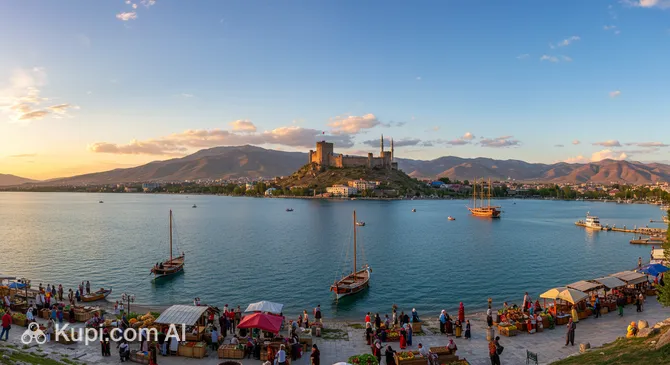
Van. Source: Kupi.Binoculars

The deep and complex history of Van is a major draw for archaeology enthusiasts and history buffs alike. Once the capital of the ancient Urartian Kingdom under the name Tushpa, the city is guarded by the imposing Van Fortress (Van Kalesi), which stands atop a rocky bluff and offers panoramic views of the surrounding area. Beyond the mainland, the famous Akdamar Island is a must-visit, home to the 10th-century Cathedral of the Holy Cross, renowned for its exquisite stone bas-reliefs.

No visit to this region would be complete without seeing the famous Van cats. These unique felines are a local symbol, celebrated for their silky white fur and striking eyes—often one blue and one amber. Whether you are exploring ancient ruins, enjoying a legendary "Van breakfast," or simply admiring the sunset over the lake, Van promises an unforgettable travel experience full of discovery.
Weather Overview

The climate in this region is continental, meaning visitors should prepare for significant seasonal differences depending on when they plan to visit. For a comprehensive breakdown to help with packing, you can check the detailed weather in Van. Generally, the city experiences distinct seasons: expect warm, sunny summers with almost no rainfall and cold winters where temperatures frequently drop below freezing.

Winter months, particularly January and February, are chilly with average temperatures hovering around -1.7°C to -1.1°C and minimums dipping as low as -4.9°C. While heavy precipitation is not always the norm, there are typically about 9 to 11 wet days per month during this period. As spring approaches, the weather becomes milder but wetter; March is often the dampest month, recording up to 15 wet days, though by May, average temperatures comfortably rise to 12.8°C.

Summer brings a pleasant transformation, offering the most stable conditions for outdoor activities. From June to September, the climate is notably dry, with July and August seeing practically no precipitation and only about 2 wet days each. During this peak season, average temperatures sit around 23°C, with daily highs reaching a warm 28.4°C, making it an excellent time to explore the lake and surrounding historical sites before the air begins to cool again in late October.

Interesting Facts

Beyond the famous landscapes and historical ruins, Van holds fascinating secrets and local legends that often escape the average visitor's radar. This ancient city is not just a gateway to the east but a place of unique natural phenomena and record-breaking traditions.
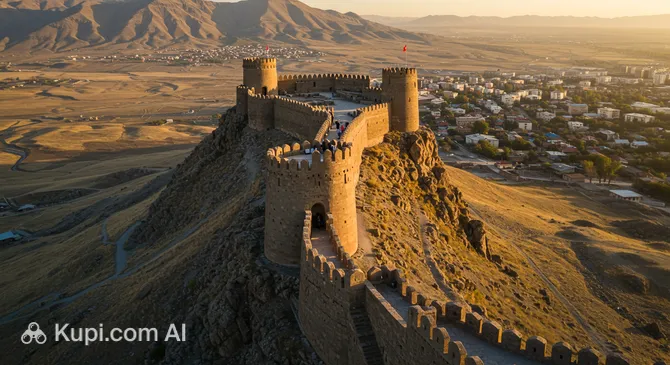
Van Castle. Source: Kupi.Binoculars
  • The "Ghost City" of Old Van: Just south of the imposing rock of Van Castle lies a vast, uninhabited area that was once the bustling center of the city before World War I. Today, it stands as a poignant archaeological park where the street grid is still visible, and solitary monuments, such as the minaret of the Great Mosque of Van, rise from the open fields, offering a glimpse into the city's past layout.

  • Cats That Love to Swim: While the Van cat is globally renowned for its heterochromia (one blue eye and one amber eye), a lesser-known trait sets it apart from almost all other felines: these cats have a natural affinity for water. It is not uncommon to see them voluntarily swimming in the lake or playing in streams, a behavior that continues to baffle zoologists and delight tourists.

  • The Lake Van Monster: Much like Loch Ness, Lake Van has its own legendary cryptid known as the "Van Gölü Canavarı." Local folklore is filled with sightings of this elusive creature, and the legend is so ingrained in the local culture that there is even a statue dedicated to the monster near the lake's shore.

  • A Natural Washing Machine: Lake Van is the largest soda (alkaline) lake on the planet. The water is so highly alkaline that for centuries, locals washed their clothes in the lake without using any soap or detergent, as the water's natural chemical composition acted as a powerful cleaning agent on its own.

  • A World Record Breakfast: The city's breakfast culture is not just a marketing slogan; it is a certified world record. In 2014, Van entered the Guinness Book of World Records for the "World's Most Crowded Breakfast Table," where 51,793 participants gathered to share the famous local spread, cementing the city's reputation as the breakfast capital of the country.

How to Get There

Reaching this historic city in eastern Turkey is relatively straightforward, with air travel being the most popular and time-efficient method. For those planning their journey, you can find more details about how to get to Van and the various transport options available.

The primary gateway for visitors is Van Ferit Melen Airport (VAN), which is conveniently located within the city limits, just 5.1 km from the center. As a busy regional hub with high passenger traffic, it offers frequent connections from major cities like Istanbul and Ankara. Due to its close proximity, a taxi or shuttle ride to the downtown area is quick, typically taking around 30 minutes.

Alternatively, if flights to the main hub are fully booked, you might consider arriving at Agri Airport (AJI) in the neighboring city of Agri. It is situated approximately 131 km away, and the transfer by bus or taxi usually takes about 3.5 to 4 hours. Another option is Mus Airport (MSR) in the city of Mus, located roughly 152 km from Van, which requires a ground transfer of approximately 4 hours.

For clarity, here is a summary of the closest airports:

Airport Name City Passenger Traffic Km from City
Van Ferit Melen Airport Van Large 5.1
Yuksekova Hakkari Small 130.0
Agri Airport Agri Medium 131.5
Siirt Airport Siirt Small 146.4
Mus Airport Mus Medium 151.6

Main Attractions

The city offers a compelling mix of ancient history and modern culture, with sites that transport visitors back to the Iron Age and others that showcase the vibrant daily life of the region. From the imposing fortifications of the Urartian Kingdom to serene green spaces in the city center, there is much to explore.

Undoubtedly the most iconic landmark is the majestic Van Castle (Van Kalesi). Built in the 9th century BC, this massive stone fortification was the heart of the Urartian capital, Tushpa. Visitors can hike up the citadel to see royal rock-cut tombs and ancient cuneiform inscriptions engraved directly into the cliff face. The climb is rewarded with a spectacular sunset view over the shimmering waters of the lake, making it a favorite spot for photographers and history enthusiasts alike.

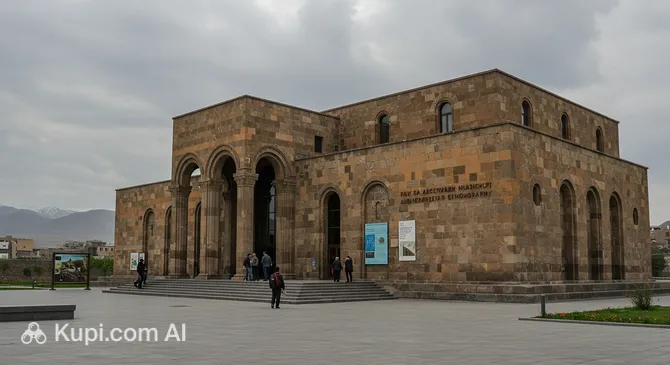
Located just a short distance from the fortress, the Van Museum of Archaeology and Ethnography is a world-class institution that provides essential context to the region's history. Housed in a modern glass building, the museum displays the world's most comprehensive collection of Urartian artifacts. Highlights include exquisite gold jewelry, intricate bronze belts, and armor that reveal the sophisticated craftsmanship of this ancient civilization.

Van Museum of Archaeology and Ethnography. Source: Kupi.Binoculars

For those exploring the modern city center, the Hazrat Omar Mosque stands out as a significant spiritual and architectural landmark. Unlike the ancient ruins, this mosque represents the living culture of the city. Its grand scale and beautiful interior design make it a peaceful place to observe local religious traditions and admire contemporary Islamic architecture amidst the hustle and bustle of the downtown area.

Hazrat Omar Mosque. Source: Kupi.Binoculars

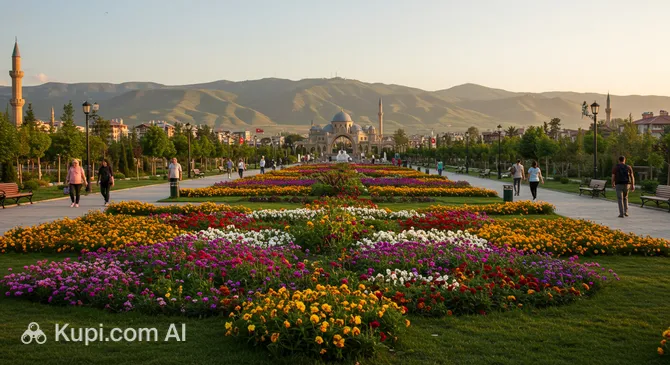
If you are looking for a place to relax after a day of sightseeing, Kurtuluş Park offers a refreshing green escape within the urban environment. It is a popular gathering spot for families and friends, featuring well-maintained paths and shaded areas. A stroll here provides a glimpse into the local lifestyle and offers a quiet moment to recharge before continuing your journey through the city.

Kurtuluş Park. Source: Kupi.Binoculars

Local Cuisine

The culinary identity of Van is legendary across Turkey, primarily defined by its grand breakfast culture, known locally as Van Kahvaltısı. This is not merely a morning meal but a social ritual that can last for hours, featuring tables laden with dozens of small plates. At the heart of this spread is the famous otlu peynir, a semi-hard cheese infused with wild herbs like sirmo (wild garlic) gathered from the surrounding mountains. Alongside the cheese, you must try murtuğa, a rich dish made from butter, flour, and eggs, often served with local honey to balance the savory flavor.

Beyond breakfast, the region offers unique main courses that reflect its geography. The most significant is the Inci Kefali (Pearl Mullet), a fish species endemic to the alkaline waters of Lake Van. It is typically grilled or baked and is a must-try for seafood lovers. For those preferring meat, Keledoş is the signature dish. Made with chickpeas, lentils, meat, beet, and plenty of dried yogurt (kurut), it has a distinct sour flavor and is so culturally significant that it holds a geographical registration.

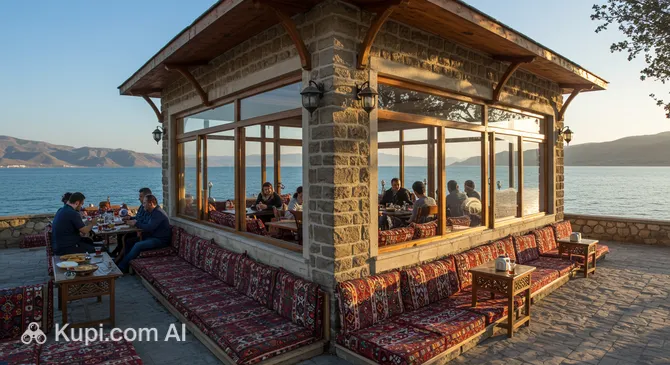
To experience these authentic flavors, visitors should head to traditional restaurants that prioritize local heritage. Van Menceli is a celebrated establishment where the ambiance complements the menu, offering a perfect setting to sample regional classics like Keledoş or stuffed ribs in a nostalgic atmosphere. Similarly, Kushane is known for its delicious local soups and casseroles, providing a warm and welcoming environment for travelers looking to taste home-style cooking.

Van Menceli. Source: Kupi.Binoculars

Beverages in Van play a crucial role in the dining experience. Black tea is consumed in vast quantities, especially during the long breakfast sessions, often served in clear tulip-shaped glasses to appreciate its deep red color. With heavy meat dishes, locals prefer distinctively frothy ayran (a salted yogurt drink), often served in copper mugs to keep it cool. While alcohol is available in hotel restaurants and select licensed venues, the traditional dining scene revolves largely around these refreshing non-alcoholic staples.

Travel Tips

Welcome to the pearl of Eastern Anatolia! To ensure your journey through Van is as seamless as it is memorable, we have compiled a set of essential practical tips covering everything from local transport to cultural nuances to help you travel with confidence.

  1. Clothing and Gear: The climate here is strictly continental, so pack according to the season. Winters require heavy coats, thermal wear, and waterproof boots for the snow, while summers are hot and dry, calling for light, breathable fabrics, sunglasses, and high-SPF sunscreen. When visiting religious sites like the Hazrat Omar Mosque, modest dress is required; women should carry a scarf to cover their heads, and shoulders and knees should be covered for everyone.
  2. Transportation: For getting around the city and reaching nearby attractions like the ferry pier or the castle, dolmuş (shared minibuses) are the most authentic and economical option; look for the destination sign in the window. Taxis are yellow, widely available, and operate on meters. Since ride-hailing apps are not as prevalent here as in western Turkey, renting a car is often the best choice for exploring the wider province freely.
  3. Finances: The currency is the Turkish Lira (TRY). While credit cards are accepted in hotels and larger restaurants, cash is absolute king in Van, especially for paying *dolmuş* fares, buying souvenirs, or dining in smaller eateries. ATMs are easy to find in the city center. Tipping is appreciated; leaving about 5-10% in restaurants and rounding up taxi fares is a kind gesture.
  4. Health and Safety: Van is a safe city for tourists, but standard precautions apply. Pharmacies, marked as Eczane, are plentiful; for after-hours needs, look for the "Nöbetçi Eczane" (duty pharmacy) sign in the window of any pharmacy to find the nearest open one. It is advisable to drink bottled water rather than tap water to avoid any stomach upset.
  5. Communication: Turkish is the primary language. While you may find English speakers in major hotels, they are rare in local markets and rural areas. It is highly recommended to download an offline translation app and learn a few basic phrases like "Merhaba" (Hello) and "Teşekkürler" (Thank you). You can easily purchase a prepaid SIM card from major providers like Turkcell or Vodafone in the city center with your passport.
  6. Local Etiquette: Hospitality is a core value in this region. If a shopkeeper or local offers you tea, it is a gesture of friendship and welcome; accepting it is polite and helps build a connection. When entering a private home or a mosque, always remove your shoes at the door.
  7. What to Avoid: Avoid taking photographs of local people, particularly women, without asking for their explicit permission first, as this can be considered rude. Additionally, public displays of affection should be kept modest to respect the conservative local culture.
  8. The Breakfast Strategy: A unique tip for this specific city: never schedule a heavy lunch if you plan to experience a traditional Van Kahvaltısı (Van Breakfast) in the morning. These legendary spreads are enormous and filling, often keeping you satisfied well into the afternoon, so pace yourself and arrive with an empty stomach!

Armed with these practical insights, you are ready to navigate the streets of Van with ease. Embrace the slower pace of life, enjoy the legendary local hospitality, and let the city's unique charm unfold around you without any logistical worries.

Entertainment & Nightlife

While Van may not possess the pulsating electronic nightclub scene found in Turkey's western metropolises, its evening entertainment is vibrant, culturally rich, and deeply social. The nightlife here is defined by lively conversations, traditional music, and a community spirit that spills out onto the streets. As the sun sets, the city center transforms into a bustling hive of activity where families, students, and visitors mingle in a relaxed and welcoming atmosphere.

The heart of the city's evening life beats along the two main arteries: Cumhuriyet Avenue and Maraş Avenue. These streets are lined with brightly lit cafes, pastry shops, and tea gardens that stay open late into the night. The crowd is diverse but generally conservative; you will see large groups of friends playing backgammon (tavla), sipping endless glasses of black tea, and enjoying nargile (hookah). For a more spirited experience, look for "Türkü Bars"—local venues that feature live performances of Turkish folk music. These spots offer an authentic glimpse into the region's soul, often encouraging the audience to sing along to melancholic or upbeat traditional songs.

For those seeking a more modern entertainment experience, the Van Shopping Mall serves as a major hub for evening leisure. As the largest commercial complex in the city, it is not just a place for retail therapy but a social gathering point. It houses a modern cinema showing the latest international and Turkish films, a food court with diverse options, and entertainment zones for children and teenagers. It is a perfect spot for a comfortable night out, especially during the colder winter months.

Van Shopping Mall. Source: Kupi.Binoculars

Regarding alcohol, it is important to note that Van is somewhat conservative. While not prohibited, alcohol is not served in most standard cafes. However, you can find it in the bars of major hotels and select licensed restaurants, often accompanied by live music and a more upscale ambiance. Dress codes are generally casual, though "smart casual" is appreciated in hotel venues. Prices are quite reasonable compared to western Turkey; a night out with tea, snacks, and live music will cost a fraction of what it would in Istanbul.

Safety and Transport: The city center is safe for night walks, particularly on the main avenues which remain crowded until around midnight. However, sticking to well-lit, busy areas is always good practice. Public transport (minibuses) slows down later in the evening, so taxis are the most reliable way to get back to your hotel. Taxis are yellow, metered, and easy to flag down on major streets. If you are staying far from the center, ask a venue to call a taxi for you.

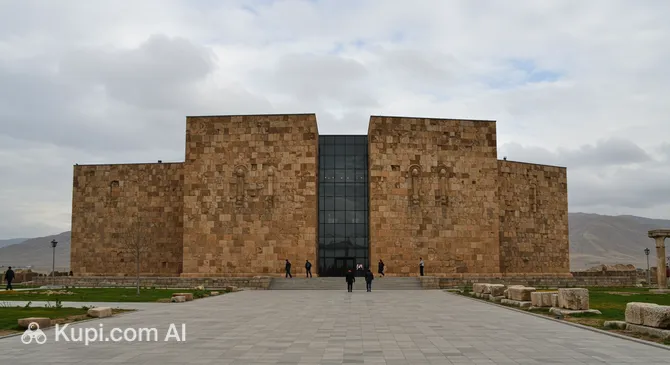
Before the sun goes down, the city offers plenty of cultural enrichment to fill your day. History enthusiasts should not miss the Urartu Museum, located near the castle. This impressive modern facility showcases the artistic and architectural achievements of the Urartian civilization, offering a fascinating educational prelude to your evening explorations. Additionally, the Van State Theatre hosts regular plays and performances, adding a touch of performing arts to the city's daytime cultural calendar.

Urartu Museum. Source: Kupi.Binoculars

Parks & Museums

Van is a city where cultural heritage and natural beauty are inextricably linked, offering visitors a chance to explore ancient history before relaxing in lush green spaces by the water. From state-of-the-art museums housing treasures of the Urartian Kingdom to serene parks that take advantage of the lake's cooling breeze, the city provides a well-rounded experience for travelers.

For history enthusiasts, the Van Museum of Archaeology and Ethnography is an essential stop. Located near the castle, this modern facility goes beyond ancient history to showcase the diverse cultural fabric of the region. While its archaeological section is world-renowned, the ethnographic halls are equally fascinating, displaying traditional kilims, silver jewelry, and costumes that illustrate the daily life and artistic traditions of the local people over the last few centuries.

Complementing this is the specialized Urartu Museum, which focuses deeply on the Iron Age civilization that made this city its capital. Tourists are often captivated by the advanced metallurgy and engineering skills of the Urartians displayed here, including bronze cauldrons and war chariots. It is a place where the mysterious cuneiform inscriptions found throughout the region are deciphered and explained, bringing a forgotten empire back to life.

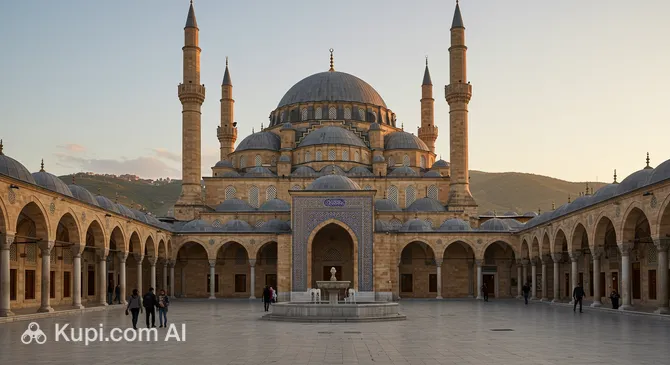
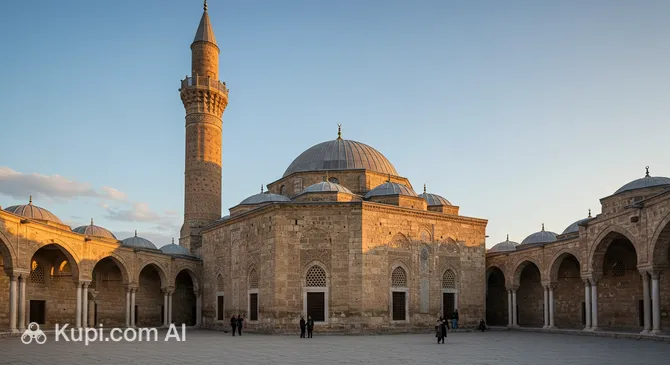
A unique open-air "museum" experience can be found at the foot of the citadel in the ruins of the old city. Here stands the Great Mosque of Van. Although much of the structure was damaged over time, the surviving brick minaret and partial walls remain as a poignant monument to the city's medieval Islamic architecture. Walking through this quiet archaeological site offers a stark and moving contrast to the bustling modern city center.

Great Mosque of Van. Source: Kupi.Binoculars

When it comes to green spaces, Kurtuluş Park is a favorite among locals for a quick escape from the urban rhythm. Located centrally, it features mature trees, decorative pools, and plenty of seating, making it an ideal spot for a midday break or a leisurely evening stroll. It is particularly lively in the afternoons when families gather, offering a great opportunity to observe local social life.

Beyond the city center, the parks along the shores of Lake Van, particularly around the Iskele (Ferry Pier) area, serve as the city's primary recreational grounds. These coastal promenades offer expansive lawns and uninterrupted views of the turquoise water. They are the perfect vantage point for watching the sunset, where the light reflects off the lake and the distant silhouette of Mount Artos creates a spectacular natural backdrop.

Insider Tip: If you visit in spring, take a ferry to Akdamar Island not just for the church, but for the blooming almond trees. The island transforms into a cloud of pink and white flowers, creating a photogenic contrast with the deep blue of the lake that is unlike anything else in the region.

Getting Around

Navigating Van is relatively straightforward and authentic, as the city does not rely on complex rail systems like metros or trams. Instead, the public transport network is entirely road-based, consisting primarily of municipal buses and the ever-popular shared minibuses known as dolmuş. This system is efficient for getting around the compact city center and reaching key outlying attractions such as the castle or the university campus.

The most common way for locals and tourists to travel is by dolmuş. These minibuses run on fixed routes but offer the flexibility of hopping on or off anywhere along the way; you simply need to signal the driver. They are typically color-coded or have signs in the front window indicating their destination (e.g., "Kale" for the castle or "Kampüs" for the university). Payment for these rides is almost exclusively in cash (Turkish Lira), so it is essential to carry small change. You hand the fare directly to the driver upon boarding.

For the larger municipal buses, which are often purple or yellow, a contactless smart card system called Belvan Kart is used. Cash is generally not accepted on these buses. You can purchase these cards and top them up at designated kiosks, small markets, and filling points scattered throughout the city center, particularly near major bus stops. The fares are very affordable, making this an economical choice for longer distances within the metropolitan area.

Operating hours for public transport typically run from early morning, around 06:00 or 07:00, until approximately 23:00. However, frequency drops significantly after sunset. If you are planning a late dinner or an evening out, be prepared to wait longer for a bus or consider alternative transport methods. The routes are generally reliable, but traffic congestion on the main avenues can cause minor delays during peak hours.

Taxis are a convenient alternative, especially if you are traveling with luggage or in a group. They are yellow, easy to spot, and can be hailed on the street or found at designated taxi stands (taksi durağı). All legal taxis operate on a taximeter; ensure the driver switches it on at the start of your journey. Fares are reasonable compared to larger western cities, and they offer the most direct way to reach the airport or specific restaurants without navigating bus routes.

Given the city's location on the shores of Turkey's largest lake, water transport is a unique feature here. Ferries and boats operate from the pier (Iskele) to transport visitors to Akdamar Island and other points of interest. While these are more tourist-oriented than commuter-focused, they are an essential part of the local transit experience. Additionally, large train ferries carry rail cars across the lake to Tatvan, though for passengers, this is a slow, scenic journey rather than a quick commute.

For those wishing to explore the wider province or drive around the lake, car rental is highly recommended. While the city center is walkable, having a private vehicle allows you to reach remote historical sites and natural wonders at your own pace. Several rental agencies are available at the airport and in the city center. However, if you stick to the downtown area, walking combined with short taxi or dolmuş rides is usually sufficient.

Accommodation

Accommodation in Van caters to a diverse mix of business travelers, cultural tourists, and nature lovers. The city offers a solid range of lodging options, primarily focusing on mid-range and business-class hotels. While you may not find an abundance of ultra-luxury international resort chains, there is a good selection of modern 3-star and 4-star establishments that provide comfortable amenities, reliable Wi-Fi, and excellent service. For budget-conscious travelers, the city center is dotted with smaller, modest hotels and teachers' houses (öğretmenevi) that offer basic but clean facilities at very affordable rates.

When choosing a location, most visitors opt to stay in the City Center, particularly around Cumhuriyet and Maraş Avenues. Staying here places you in the heart of the action, within walking distance of local dining spots, souvenir shops, and key landmarks like the Hazrat Omar Mosque. This area is also the most convenient for public transport, allowing easy access to museums and the castle. For those who prefer a quieter atmosphere with scenic vistas, the Edremit district along the shores of Lake Van is an excellent alternative. Hotels in this area often feature lake views and are situated closer to the ferry pier, making them ideal for travelers seeking a resort-like feel away from the urban bustle.

A unique perk of staying in Van is the breakfast experience. Almost all hotels, regardless of their star rating, take pride in serving a version of the famous "Van Breakfast." It is not uncommon for even modest hotels to offer an impressive spread of local cheeses, honey, and fresh breads, ensuring you start your day with a taste of the region's culinary heritage right at your accommodation.

Booking and Prices: Generally, accommodation prices in Van are quite reasonable compared to western Turkey or Istanbul. Visitors can typically find excellent value for money, with mid-range hotels offering high standards at budget-friendly prices. While it is usually possible to find a room upon arrival during the winter months, it is highly recommended to book in advance if you are visiting during the summer peak season (June to August) or during national holidays, as the best-rated hotels can fill up quickly with domestic tourists.

Nearby Cities

For those looking to explore the surroundings, Van serves as an excellent base for day trips to several interesting nearby locations:

Located on the western shore of Lake Van, Tatvan is a popular destination for nature lovers and adventurers. It serves as the primary gateway to the spectacular Nemrut Crater Lake (Nemrut Krater Gölü), one of the largest caldera lakes in the world. Visitors can drive up to the rim for breathtaking panoramic views or hike down to the water's edge. The town is also the terminus for the railway line, where trains board ferries to cross the lake to Van, making it a unique logistical hub with a scenic waterfront.

To the north lies Ercis, a town that blends historical depth with natural wonders. It is most famous for the annual migration of the Inci Kefali (Pearl Mullet), a unique fish species that swims upstream to spawn in the spring, creating a spectacle often compared to the salmon run. Beyond this natural phenomenon, the area is dotted with historical ruins from the Urartian civilization and the Karakoyunlu dynasty, offering history enthusiasts plenty to discover.

For travelers willing to venture into more rugged terrain, Hakkari offers some of the most dramatic mountain landscapes in the region. Nestled among towering peaks and deep valleys, the drive itself provides stunning vistas of Eastern Anatolia's raw geography. While it is a bit further away, the distinct culture and impressive alpine scenery make it a memorable excursion for those looking to experience the mountainous heart of the area.

City Population Distance (km)
Patnos 122,833 93
Ercis 92,945 59
Tatvan 92,695 95
Hakkari 81,424 122
Bulanik 80,540 117

These nearby destinations offer a glimpse into the diverse culture and landscapes of the region, ranging from volcanic craters to high-altitude mountain passes.

Shopping & Souvenirs

Shopping in Van is a delightful experience that focuses less on high-end fashion and more on authentic local produce, traditional craftsmanship, and cultural heritage. The city serves as a commercial hub for the surrounding region, offering a mix of modern retail experiences and historic bazaars where centuries-old trading traditions continue. Visitors will find that the shopping scene here is vibrant and unpretentious, providing a perfect opportunity to engage with friendly locals and discover unique items that are distinct to Eastern Anatolia.

The heart of the city's retail activity beats along two primary arteries: Cumhuriyet Avenue and Maraş Avenue (officially Kazım Karabekir Avenue). These bustling streets are lined with a dense array of shops selling everything from clothing and electronics to gold jewelry and spices. Walking down these avenues offers a sensory overload of sights and sounds, with shopkeepers displaying their wares on sidewalks and the aroma of fresh pastries wafting from nearby bakeries. This is the best area to find everyday items and soak in the energetic atmosphere of the city center.

For those seeking a more contemporary shopping environment, the Van Shopping Mall is the premier destination. As the largest modern complex in the city, it houses a wide variety of national and international brands, a food court, and entertainment facilities. It provides a comfortable, climate-controlled space to shop for clothing, cosmetics, and accessories, making it a popular spot for both locals and tourists, especially during the colder winter months or hot summer afternoons.

However, the true soul of shopping in Van lies in its traditional markets. The most iconic of these is the Historical Cheese Mongers Bazaar (Tarihi Peynirciler Çarşısı). This covered market is dedicated almost entirely to the region's famous herbed cheese and other dairy products. It is a fascinating place to visit, even if you are just browsing, as you can see endless stacks of cheese blocks and honeycomb. Another notable spot is the "Russian Market" (Rus Pazarı), a sprawling area known for selling a diverse mix of imported goods, textiles, and household items at bargain prices.

When it comes to souvenirs, Van offers several distinctive specialties that make for perfect gifts:

  • Savat Silver: This is a traditional art form specific to Van, involving the application of a black lead, copper, and sulfur alloy onto silver to create intricate geometric patterns. You can find beautiful Savat-decorated cigarette cases, jewelry boxes, and accessories in local jewelry shops.
  • Otlu Peynir (Herbed Cheese): The city's most famous edible souvenir. This semi-hard cheese is packed with wild herbs like sirmo (wild garlic) and has a unique, sharp flavor. Vacuum-packed options are often available for travel.
  • Kilims and Rugs: The region is known for its vivid, geometric hand-woven carpets, particularly those in the Van and Hakkari styles. These durable and colorful textiles are a timeless reminder of the local culture.
  • Walnuts and Honey: The high-altitude plateaus produce excellent quality honey (often sold with the comb) and walnuts, which are staples of the local breakfast.

Stores in the city center typically open around 09:00 and remain open until 20:00 or 21:00. The shopping mall stays open later, usually until 22:00. While credit cards are widely accepted in the mall, hotels, and larger retail stores, cash is essential when shopping in traditional bazaars, buying from street vendors, or purchasing small items like cheese and spices. Small bills are appreciated for easier transactions.

Tourists visiting Turkey may be eligible for tax-free shopping on certain purchases. Look for the "Tax Free" signage in the windows of larger stores, particularly in the shopping mall. If you make a qualifying purchase, ask for the necessary paperwork to claim your VAT refund at the customs office upon your departure from the country.

Reached the end of the page?

That means the route is fully explored