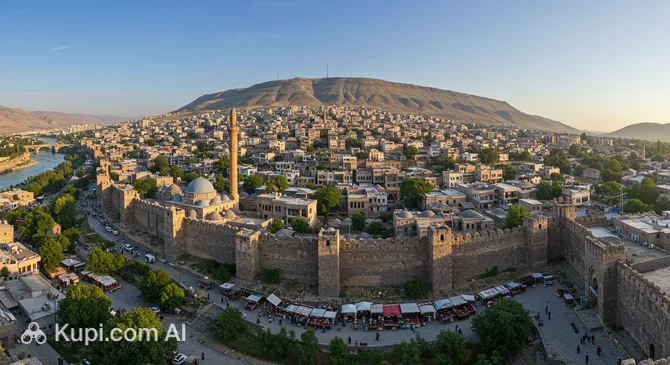
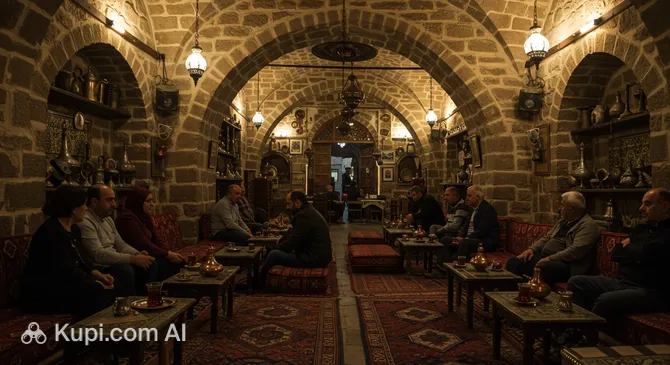
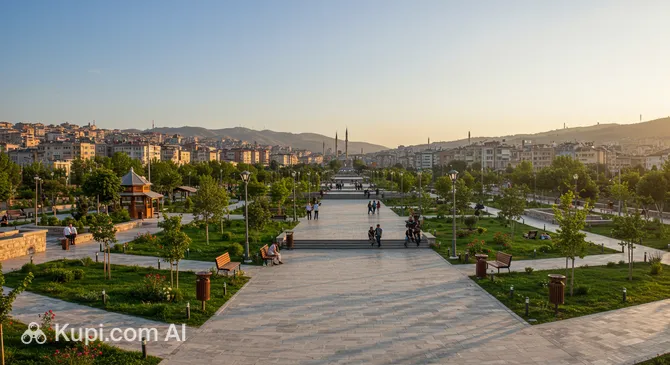
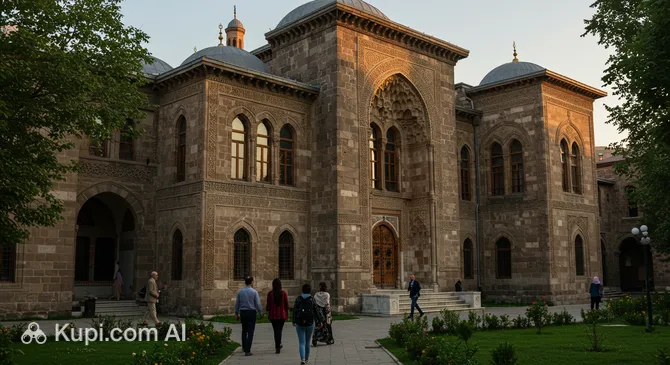
Diyarbakir is a captivating city located in southeastern Turkey, renowned for its rich cultural heritage and imposing architecture. Often described as an open-air museum, the city sits majestically on the banks of the historic Tigris River. It serves as a major metropolitan hub with a population of over 1.7 million people, offering a vibrant mix of ancient traditions and modern life.
Diyarbakir. Illustration.
Source: Kupi.com AI
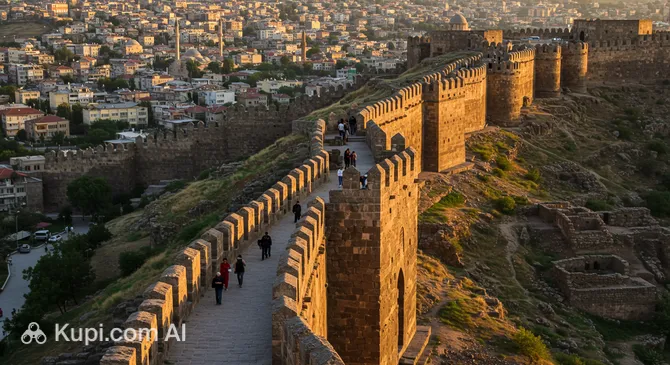
The deep and complex history of Diyarbakir is evident in every corner of its old town, Sur. The city is most famous for the massive Diyarbakir Fortress and its striking black basalt walls, which are among the longest and best-preserved defensive structures in the world. Together with the lush Hevsel Gardens, these landmarks form a UNESCO World Heritage Site that draws visitors from around the globe. Inside the walls, travelers can explore the Great Mosque of Diyarbakir (Ulu Cami), a masterpiece of early Islamic architecture.
Visitors are sure to be charmed by the city's unique atmosphere, characterized by its narrow, winding streets and the warm hospitality of its locals. Whether you are admiring the intricate stone carvings of historical caravanserais or sampling the region's famous cuisine, Diyarbakir promises an unforgettable journey into the heart of Mesopotamia.
Weather Overview
Diyarbakir experiences a distinct climate with substantial differences between the seasons, shaping the city's atmosphere throughout the year. The summer months, spanning from June to September, are characterized by hot and arid conditions. July and August are the peak of the heat, where average temperatures rise to around 30.6°C and maximum highs can reach 38.5°C, with almost no rainfall occurring during this time.
Conversely, winters are much colder and see a significantly higher frequency of precipitation. In January, the average temperature drops to approximately 4.1°C, with nights often nearing the freezing point and up to 14 wet days recorded in the month. To help you plan your trip with the best forecast in mind, you can consult the detailed weather in Diyarbakir page. The transitional seasons of spring and autumn, particularly April and October, offer milder weather with average temperatures sitting comfortably between 14.8°C and 19.1°C, providing ideal conditions for sightseeing.
Average monthly temperature
Average monthly precipitation
Interesting Facts
Beyond the main attractions, Diyarbakir holds many fascinating secrets and legends that surprise even seasoned travelers. From ancient architectural marvels to record-breaking agriculture, the city offers a treasure trove of stories waiting to be discovered.
Diyarbakır City Walls. Illustration.
Source: Kupi.com AI
Traveler photos:
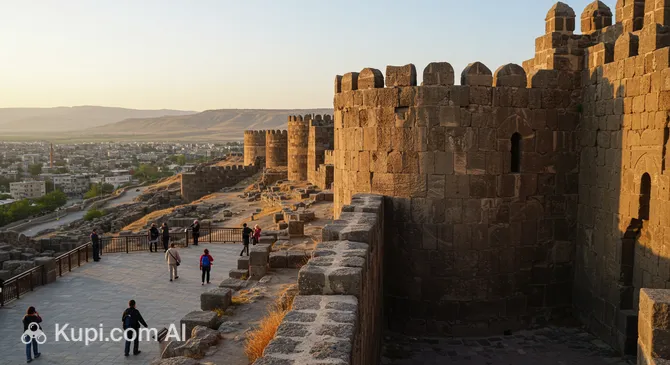
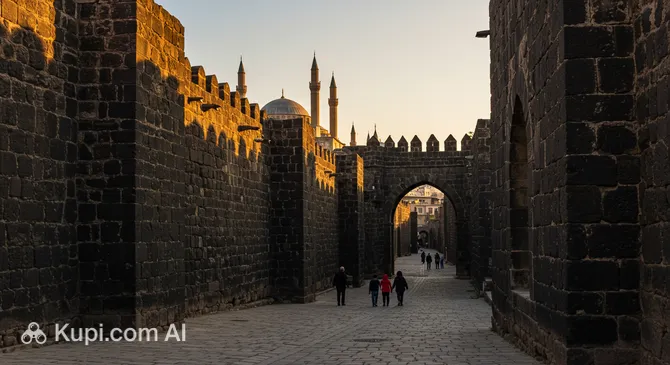
The majestic Diyarbakır City Walls are constructed entirely from black basalt, earning the city the historical nickname "Black Amid." These ancient fortifications are widely claimed to be the second-longest continuous defensive walls in the world, surpassed in length only by the Great Wall of China.
Diyarbakir is legendary for its gigantic watermelons, which are a symbol of the city. Local lore insists that in the past, these fruits grew so large—some weighing over 50 kilograms—that they had to be transported from the fields by camels, and the hollowed-out rinds were big enough for children to sit inside.
The city is home to a unique architectural wonder known as the Four-Legged Minaret (Dört Ayaklı Minare). It is the only minaret in Turkey that stands on four detached monolithic columns, and local superstition suggests that passing under these pillars seven times will grant your wishes.
Spanning the Tigris River, the Ten Arches Bridge is not just a crossing but a historic landmark dating back to the 11th century. Also known as the Dicle Bridge, it was built with volcanic rock and features ten distinct arches, each reflecting the architectural style of its time.
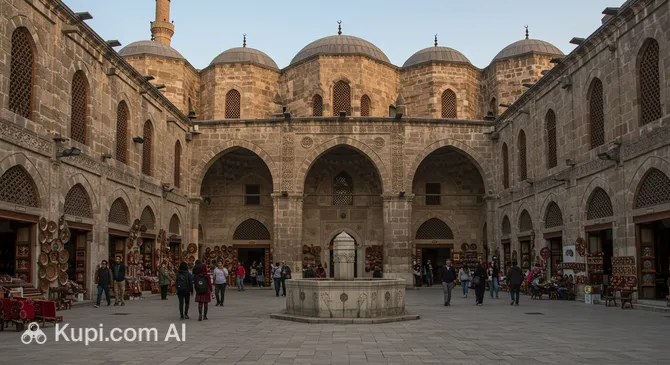
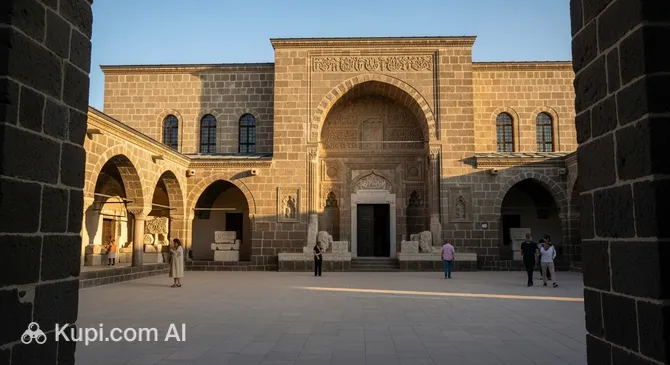
The Hasan Pasha Caravanserai, once a bustling stop on the Silk Road, is now the heart of the city's famous breakfast culture. It is customary here to enjoy a "serpme kahvaltı"—an elaborate spread of dozens of local dishes that turns the morning meal into a hours-long feast.
How to Get There
Reaching this historic city is quite convenient thanks to its well-connected transport network. Whether you are arriving from within Turkey or from abroad, you have several options to choose from. For a comprehensive guide on all available travel methods, you can read more about how to get to Diyarbakir to plan your journey effectively.
The most direct and popular entry point is Diyarbakir Airport (IATA: DIY). This international airport serves as a major hub for the region and handles a large volume of passenger traffic annually. It is conveniently located within the city, just 3.6 km from the center. Due to this short distance, a transfer by taxi or bus is very quick, typically taking only about 25 minutes.
If flights to the main airport are unavailable, you can consider flying into neighboring cities. Mardin Airport (IATA: MQM) is a viable alternative located in the city of Mardin, approximately 86.3 km away. The travel time from Mardin to Diyarbakir is around 2.5 hours by road. Another option is Batman Airport (IATA: BAL) in the city of Batman, which is about 79.6 km from Diyarbakir. A trip from there usually takes roughly 2 hours and 20 minutes.
For clarity, here is a summary of the main airports:
A visit to this ancient city is incomplete without exploring the Diyarbakir Fortress. While the massive city walls often steal the spotlight, the inner fortress, or İçkale, serves as the historical nucleus of the settlement. This area has been revitalized as an open-air museum complex, housing an ancient mound, historic government buildings, and lush green spaces. Walking through its gates offers a journey through time and provides spectacular panoramic views of the fertile Hevsel Gardens and the Tigris River below.
Diyarbakir Fortress. Illustration.
Source: Kupi.com AI
Traveler photos:
For those seeking to experience the city's multicultural heritage and architectural beauty, the Diyarbakır Old City (Suriçi) is the place to get lost in. Encircled by the black basalt walls, this district is a maze of narrow cobblestone streets, historic mosques, and Chaldean and Armenian churches standing side by side. It is the vibrant soul of the city, where traditional artisans still work in small shops and the aroma of local spices fills the air, offering an authentic glimpse into daily life in Mesopotamia.
Diyarbakır Old City (Suriçi). Illustration.
Source: Kupi.com AI
Traveler photos:
One of the most atmospheric stops in the old town is Sülüklü Han. Built in the 17th century, this historic inn was originally used by healers who utilized leeches (sülük) for medical treatments, which gave the building its curious name. Today, it has been beautifully restored into a popular café. Visitors flock here to sit in the peaceful stone courtyard, sip on traditional menengiç coffee or house-made wine, and enjoy the shade of ancient trees away from the city's bustle.
Sülüklü Han. Illustration.
Source: Kupi.com AI
Traveler photos:
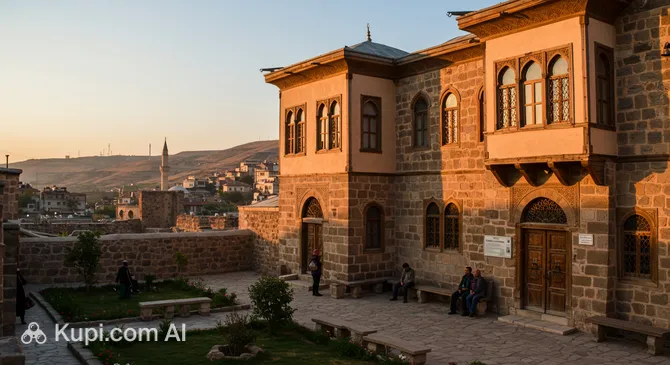
To understand the domestic life and artistic soul of the region, the Cahit Sıtkı Tarancı Museum is a cultural gem. Housed in the birthplace of the renowned Turkish poet Cahit Sıtkı Tarancı, the building is a stunning example of traditional Diyarbakir civil architecture. The house is designed with a central courtyard and seasonal wings to cope with the local climate. Inside, you can view the poet's personal belongings and letters, as well as ethnographic items that depict the lifestyle of a prominent family in the early 20th century.
Cahit Sıtkı Tarancı Museum. Illustration.
Source: Kupi.com AI
Traveler photos:
Local Cuisine
Diyarbakir's gastronomy is a heavy-hitter in Turkish cuisine, reflecting a rich synthesis of Kurdish, Armenian, Arab, and Turkish influences. The city is famous for its love of red meat, bold spices, and generous portions. Eating here is not just a necessity but a social ritual that often lasts for hours, with tables crowded with plates and lively conversation.
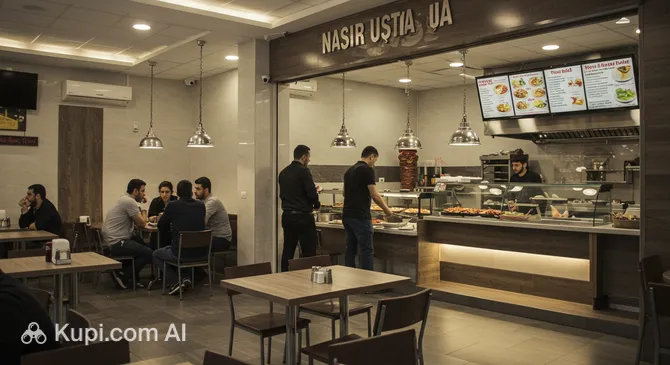
The undisputed king of the local table is Ciğer Kebabı (liver kebab). Unlike in other regions where it might be a dinner dish, here it is a lifestyle, consumed at any time of day, including breakfast. Small cubes of lamb liver are dusted with chili flakes, grilled over charcoal on skewers, and served with warm lavash bread, roasted peppers, and heaps of sumac-onion salad. For a taste of authentic grilled meats, you might visit Nasir Usta Adana Kebab House Diclekent Branch, which is well-regarded by locals for its traditional preparation.
Nasir Usta Adana Kebab House Diclekent Branch. Illustration.
Source: Kupi.com AI
Traveler photos:
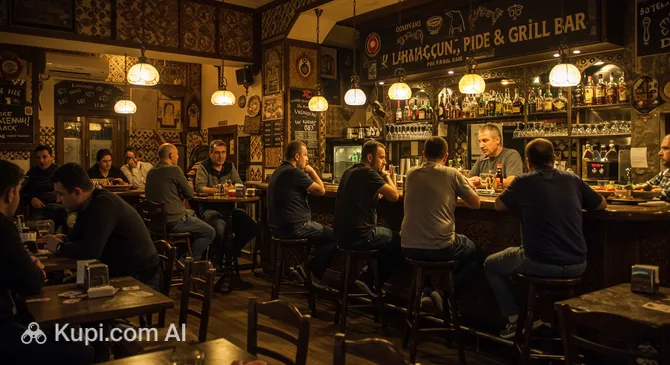
Another culinary masterpiece is Kaburga Dolması (stuffed ribs). This festive dish involves slow-cooking lamb ribs stuffed with a spiced mixture of rice, almonds, and currants until the meat is tender enough to fall off the bone. For a lighter or quicker bite, Lahmacun (thin dough topped with minced meat) is a staple street food. You can find excellent varieties at places like Lahmacun, Pide & Grill Bar, where the focus is on fresh ingredients and wood-fired flavor.
Vegetable dishes also have a unique character in the region, with Meftune being a standout. It is a tangy stew made with lamb meat and vegetables like eggplant or zucchini, flavored predominantly with sumac to give it a distinctive sour taste that sets it apart from other Turkish stews.
No meal in Diyarbakir is complete without dessert. Burma Kadayıf is the city's signature sweet—a pastry made of shredded dough rolled with pistachios or walnuts and soaked in syrup. It is best enjoyed with a glass of tea or, for a local touch, Menengiç Coffee. This caffeine-free hot drink is made from roasted wild pistachios and has a thick, creamy consistency with a woody, nutty flavor. In the hot summers, locals cool down with Reyhan Sherbet, a refreshing purple drink made from basil and sugar.
Hasan Pasha Caravanserai. Illustration.
Source: Kupi.com AI
Traveler photos:
The food culture in Diyarbakir is perhaps best experienced through its legendary breakfast spreads. The historic Hasan Pasha Caravanserai is the epicenter of this tradition. Here, the "serpme kahvaltı" (spread breakfast) covers the entire table with countless small plates of cheeses, olives, honey, clotted cream, and hot dishes, allowing you to feast in a stunning historical atmosphere.
Travel Tips
To ensure your journey through the historic streets of Diyarbakir is as seamless as it is memorable, a few practical preparations can make all the difference. These insights will help you navigate the city's unique blend of ancient traditions and modern daily life with confidence and ease.
Clothing and Gear: The climate here varies drastically, so pack accordingly. Summers are scorching, requiring light, breathable fabrics and a hat, while winters can be quite cold, necessitating warm layers and a coat. Since you will likely be walking on centuries-old cobblestones in the Old City, sturdy walking shoes are a must. When visiting religious sites like the Great Mosque, modest clothing covering shoulders and knees is required for both men and women.
Transportation: The best way to explore the historic Sur district is on foot, as many streets are too narrow for cars. For longer distances, the city has an extensive network of municipal buses and dolmuş (shared minibuses) which are budget-friendly. Taxis are plentiful and reasonably priced; just ensure the driver switches on the meter. Car rental is generally not necessary unless you plan to explore the surrounding countryside.
Finances: The local currency is the Turkish Lira (TRY). While credit cards are widely accepted in hotels and modern restaurants, cash is essential for small shops, tea houses, and the traditional bazaars. ATMs are easy to find throughout the city. Tipping is customary; leaving about 5-10% in restaurants or rounding up the fare for taxi drivers is a kind gesture.
Health and Safety: Pharmacies, known as Eczane, are widely available, and there is always a designated "duty pharmacy" (Nöbetçi Eczane) open 24/7 for emergencies. It is advisable to drink bottled water rather than tap water. Diyarbakir is generally safe for tourists, but like in any major city, keep an eye on your belongings in crowded areas like the bazaars.
Communication: Turkish is the official language, and Kurdish is also widely spoken by locals. English is not very widespread outside of major hotels and tourist information centers, so having a translation app or a phrasebook is highly recommended. Learning basic greetings like "Merhaba" (Hello) and "Teşekkürler" (Thanks) will go a long way. You can easily purchase a SIM card with a data package from operators like Turkcell or Vodafone in the city center.
Local Etiquette: Hospitality is a cornerstone of local culture. If a shopkeeper or local invites you for a glass of tea (çay), it is a sign of friendship and is polite to accept if you have the time. When entering a local home or a mosque, always remove your shoes. Public displays of affection are generally frowned upon and should be kept modest to respect local norms.
What to Avoid: Avoid taking photographs of local people, especially women, without asking for their permission first, as this can be considered intrusive. Additionally, try not to refuse hospitality bluntly; if you must decline an offer of food or tea, do so gently with a hand over your heart to show appreciation.
Summer Timing: If you are visiting during the peak of summer (July or August), avoid strenuous sightseeing between 1:00 PM and 4:00 PM when the heat is most intense. Follow the local lead and take a break during these hours, saving your outdoor exploration for the cooler mornings and lively evenings.
By keeping these tips in mind, you will be well-equipped to immerse yourself in the authentic rhythm of Diyarbakir. The city's warmth lies not just in its sun but in its people, so approach your travels with an open heart and enjoy the incredible hospitality that awaits you.
Entertainment & Nightlife
Nightlife in Diyarbakir offers a unique cultural experience that is distinct from the bustling club scenes found in Turkey's western coastal cities. Here, evening entertainment is deeply rooted in social interaction, extended dining, and the vibrant tradition of tea gardens. The atmosphere is warm and communal, with locals gathering to enjoy conversation, food, and often traditional folk music well into the night.
The city's modern pulse beats strongest in the Diclekent and Kayapınar districts. These areas are characterized by wide avenues lined with upscale cafes, bistros, and patisseries that stay open late. Unlike the historic center, these districts attract a younger, stylish crowd. For a relaxed evening in a modern setting, Kadim Cafe is a popular venue where you can enjoy local beverages and a lively social atmosphere. The dress code in these venues is generally smart casual.
Kadim Cafe. Illustration.
Source: Kupi.com AI
Traveler photos:
While high-energy nightclubs are not a prominent feature of the city, the "night restaurant" culture is thriving. Dining is an event in itself, often stretching for hours. For those seeking a satisfying late-night meal, Lahmacun, Pide & Grill Bar serves delicious local specialties fresh from the oven in a bustling environment. It is important to note that alcohol is not served in every establishment due to local customs; travelers looking for alcoholic beverages will find them primarily in hotel bars and specific licensed restaurants.
Lahmacun, Pide & Grill Bar. Illustration.
Source: Kupi.com AI
Traveler photos:
For a comprehensive entertainment experience that suits families and groups, the city's modern shopping complexes are major hubs of activity after dark. Ceylan Karavil Park is a massive lifestyle center that offers much more than just shopping. It houses cinema halls, bowling alleys, and entertainment zones that remain active throughout the evening, providing a safe and familiar environment for a night out.
Ceylan Karavil Park. Illustration.
Source: Kupi.com AI
Traveler photos:
Practical Tips and Safety: The best time to experience the city's nightlife is from 8:00 PM onwards, especially during the cooler summer nights. Diyarbakir is generally safe for evening walks, particularly in the busy streets of Diclekent and the main thoroughfares of the Old City. However, it is always advisable to stay in well-lit, populated areas. Taxis are the most convenient and safe way to get around at night; they are yellow, plentiful, and reasonably priced. You can easily hail one on the street or ask a venue to call one for you.
Daytime Entertainment: Before the evening sets in, the city offers rich cultural experiences. History enthusiasts should not miss the Diyarbakır Archaeological Museum, which showcases an impressive collection of artifacts from the region's long history. For a relaxing afternoon outdoors, Koşuyolu Park provides a pleasant green space to unwind before your night begins.
Parks & Museums
Beyond its formidable walls and bustling bazaars, Diyarbakir offers a wealth of cultural treasures and green sanctuaries that provide a deeper understanding of the city's soul. From world-class museums housed in historic mansions to serene parks fed by ancient springs, the city invites visitors to explore its artistic heritage and natural beauty.
For history enthusiasts, the Diyarbakır Archaeological Museum is an essential stop. Located within the İçkale (inner citadel) complex, this museum boasts a vast collection that traces the region's history from the Neolithic period to the Ottoman era. Its exhibits include fascinating artifacts from the Körtik Tepe excavations, showcasing the dawn of civilization in Mesopotamia. The museum complex itself is a harmonious blend of historic buildings and green courtyards, making it a pleasant place to spend an afternoon.
Diyarbakır Archaeological Museum. Illustration.
Source: Kupi.com AI
Traveler photos:
Diyarbakir is also a city of poets and thinkers, a legacy celebrated at the Ahmet Arif Literature Museum. Housed in a beautifully preserved 120-year-old basalt mansion, the museum is dedicated to one of Turkey's most beloved poets. Visitors can explore the intimate rooms filled with his personal belongings, handwritten poems, and photographs. Just a short walk away, the Ziya Gökalp Museum honors the famous sociologist and writer in his birthplace, offering another glimpse into the lifestyle of a prominent Diyarbakir family in the 19th century.
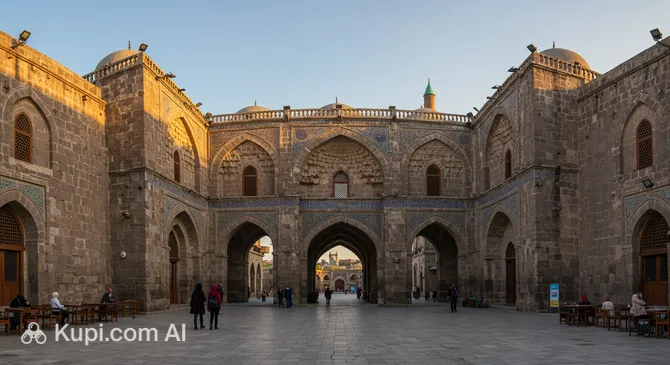
Another architectural gem turned cultural center is the Cemil Pasha Mansion. This expansive building, constructed with the city's signature black basalt and white limestone, now serves as the City Museum. It features a spacious courtyard with a fountain and exhibits that narrate the civic history, diverse cultures, and everyday life of Diyarbakir's past inhabitants.
Cemil Pasha Mansion. Illustration.
Source: Kupi.com AI
Traveler photos:
When it comes to nature, the city is flanked by the UNESCO-listed Hevsel Gardens, a fertile green belt connecting the city walls to the Tigris River. For a more urban park experience, locals flock to Anzele Park. Located at the foot of the city walls, this park is famous for its large ornamental pool fed by a historic spring. In the summer heat, it is a lively spot where children splash in the water and families enjoy the cooling breeze.
Anzele Park. Illustration.
Source: Kupi.com AI
Traveler photos:
For those seeking a larger recreational space, Park Pond (Göletli Park) offers a modern retreat away from the historic center. It features walking tracks, ample green lawns for picnicking, and a peaceful artificial pond, making it a favorite destination for evening strolls. Nearby, Koşuyolu Park provides a lush, tree-lined environment perfect for jogging or simply relaxing with a cup of tea from a parkside vendor.
Insider Tip: After visiting the museums in the Sur district, take a moment to sit in the courtyard of the Cemil Pasha Mansion. It is one of the most photogenic spots in the city, especially in the late afternoon when the golden light contrasts beautifully with the dark stone walls.
Getting Around
Public transport in Diyarbakir is primarily road-based, relying on a comprehensive network of municipal buses and privately operated minibuses known as dolmuş. There is no metro or tram system currently operating in the city. The municipal buses are modern and comfortable, connecting the historic Sur district with newer residential areas like Kayapınar and Diclekent. They are often color-coded, typically yellow or purple, and cover most major tourist sites and neighborhoods.
For payment on municipal buses, the city uses a smart card system called Diyarkart. This electronic card is essential for using the public bus network, as cash is generally not accepted on board these vehicles. Tourists can purchase and top up these cards at designated kiosks, filling stations, and small markets throughout the city, particularly near major bus stops. The fares are very affordable, making it an economical way to get around. In some cases, contactless credit cards may also be used, but having a Diyarkart is the most reliable option.
The dolmuş minibuses offer a flexible and popular alternative to the official bus lines. These vehicles follow specific routes but can stop anywhere along the way to pick up or drop off passengers. Unlike the municipal buses, payment on a dolmuş is typically made in cash directly to the driver upon entering. Prices are fixed based on the route, and it is helpful to carry small change. These minibuses are particularly useful for shorter trips or for reaching areas where the large buses might run less frequently.
Operating hours for public transport generally run from early morning, around 6:00 AM, until approximately 11:00 PM or midnight, depending on the route. It is important to check the specific schedule if you plan to travel late at night. For tourists, the most relevant routes often revolve around the Old City walls and the main boulevards leading to the modern districts. Bus stops are usually marked with a letter "D" (Durak), and route information is often displayed on the front of the vehicle.
Taxis are widely available 24/7 and are a convenient choice for direct transport. They are easily recognizable by their yellow color and can be hailed on the street or found at designated taxi stands. All taxis in the city are equipped with meters, and drivers are generally reliable; however, it is always good practice to ensure the meter is running when you start your journey. Ridesharing apps are not as prevalent here as in some other major global cities, so relying on traditional yellow taxis is the standard.
For exploring the historic Sur district, walking is the most practical and enjoyable option. Many of the most significant attractions, such as the Great Mosque and the caravanserais, are clustered close together in a maze of narrow streets where vehicle access is often limited or impossible. Walking allows you to fully appreciate the architectural details and the vibrant atmosphere of the ancient bazaars without the stress of traffic.
Accommodation
Where to Stay:
Diyarbakir offers a diverse array of accommodation options that cater to different tastes and budgets, ranging from modern luxury establishments to charming, historic boutique lodgings. The city has seen significant development in its hospitality sector, ensuring that whether you are a backpacker, a business traveler, or a family on vacation, you will find a suitable place to rest.
The choice of location largely depends on the type of experience you are seeking. For a deep dive into the city's atmosphere, the Sur district (Old City) is the most captivating area. Here, travelers can stay in beautifully restored historical mansions (konaks) that have been converted into boutique hotels. These accommodations often feature traditional basalt stone architecture and peaceful courtyards, placing you within walking distance of major sights like the City Walls and the Great Mosque.
In contrast, if you prefer modern amenities and spacious surroundings, the newer districts of Yenişehir and Kayapınar are ideal. These areas are home to contemporary 4-star and 5-star hotels, including well-known international chains. Staying here offers easy access to shopping malls, business centers, and upscale restaurants, along with facilities like swimming pools and fitness centers that are less common in the historic quarter.
Accommodation prices in Diyarbakir are generally quite reasonable compared to Turkey's western tourist hubs. Travelers can expect to find excellent value for money, even in higher-end establishments. While it is possible to find a room upon arrival, it is highly recommended to book in advance, especially if you are visiting during the peak seasons of spring (April-May) and autumn (September-October). During these mild weather months, the best boutique hotels in the Old City fill up quickly. Reservations can be easily made through major online booking platforms or by contacting hotels directly.
Nearby Cities
For those looking to explore the surroundings, Diyarbakir serves as an excellent base for day trips to several interesting nearby locations:
One of the notable neighboring cities is Batman. Located just east of Diyarbakir, it is a rapidly growing modern city named after the Batman River. While primarily known as a major center for the oil industry, it serves as a gateway to the wider historical region. Travelers passing through can witness the contrast between its industrial development and the ancient landscapes that surround it.
Another interesting destination is Siverek, situated to the southwest on the road to Şanlıurfa. This historic town is built on the foothills of a volcanic mountain and is known for its distinct local culture and the ruins of its ancient castle. It offers a more traditional atmosphere compared to the bustling metropolis, allowing visitors to experience the rural charm of the region.
For those interested in the diverse demographics of the southeast, Kiziltepe is a bustling trade hub located near Mardin. It sits on the fertile Mesopotamian plains and has been a significant settlement throughout history due to its location on trade routes. The town is known for its lively markets and the historical Great Mosque of Dunaysir, a masterpiece of Artuqid architecture.
These nearby destinations offer a glimpse into the diverse culture and landscapes of the region.
Shopping & Souvenirs
Shopping:
Shopping in Diyarbakir is a delightful journey that bridges the gap between centuries-old traditions and contemporary lifestyle. The city offers a diverse retail landscape where you can wander through ancient stone bazaars filled with the sounds of craftsmen at work, or enjoy the comfort and variety of modern shopping centers. Whether you are looking for authentic handicrafts or international brands, the city caters to every taste.
The heart of traditional shopping beats in the Diyarbakır Old City (Suriçi). Gazi Street is the main thoroughfare here, bustling with activity and lined with shops selling everything from clothing to electronics. However, the real treasures are hidden in the specialized bazaars branching off this street. The historical atmosphere makes simply browsing through these alleys a memorable experience, as you are surrounded by the impressive black basalt architecture that defines the city.
For those seeking a modern retail experience, the city is home to impressive malls that serve as social hubs. Forum Diyarbakir is a prominent destination, offering a wide selection of Turkish and global brands, a food court, and cinema halls. It is a perfect spot to take a break from the heat and enjoy some leisure time.
Forum Diyarbakir. Illustration.
Source: Kupi.com AI
Traveler photos:
Another major complex is Ceylan Karavil Park, which is one of the largest shopping centers in the region. It features a vast array of stores, a large aquarium, and extensive entertainment facilities for families, making it a popular choice for locals and visitors alike.
The traditional markets are where the city's soul truly resides. The Coppersmiths' Bazaar (Bakırcılar Çarşısı) is a must-visit, where you can watch artisans hammering copper into beautiful plates, trays, and coffee pots, just as they have done for generations. For food lovers, the Cheese Market (Peynirciler Çarşısı) offers a sensory overload with mounds of local cheeses, particularly the famous braided cheese (Örgü Peyniri), alongside fresh olives and honeycomb.
When it comes to souvenirs, Diyarbakir has several unique offerings. The most prestigious keepsake is the Diyarbakır Straw Bracelet (Hasır Bilezik), an intricate piece of jewelry hand-woven from gold or silver wire. Other popular items include handmade copperware, silk "Puşi" scarves (traditional headscarves), and local delicacies like dried watermelon pulp and spicy peppers. You can also find beautiful antiques and carpets in the historic Hasan Pasha Caravanserai, which houses various souvenir shops within its courtyard.
Stores in the modern shopping malls typically operate from 10:00 AM to 10:00 PM, seven days a week. Traditional bazaars and small shops in Sur generally open earlier, around 8:00 AM, and close by sunset or around 7:00 PM. While credit cards are widely accepted in malls and larger establishments, it is essential to carry cash (Turkish Lira) when shopping in the historic bazaars or buying from street vendors.
Tourists visiting Turkey may be eligible for tax-free shopping at participating stores, usually identified by a "Tax Free" sign in the window. If you make a purchase above a certain amount, ensure you ask for the necessary paperwork to claim your VAT refund at the airport upon departure.